
Guam (2024)
Those of you who have been following this voyage may have thought that the 6 sea days getting from Puerto Vallarta to Hawaii was a lot. But we had 8 full sea days between leaving Honolulu and arriving in Guam on the morning of February 18. (If you are counting it may seem like 9 calendar days, but we jumped ahead one day when we crossed the international date line.) So we were very happy to have a chance to step onto solid ground again, finally. An article about our visit in the local newspaper said that we were the second cruise ship in Guam this year and that Guam’s total number of visitors this year is still only about half of what it was before the pandemic. With a population of almost 170,000 Guam is not only the largest island in the Marianas but also the largest in all of Micronesia.
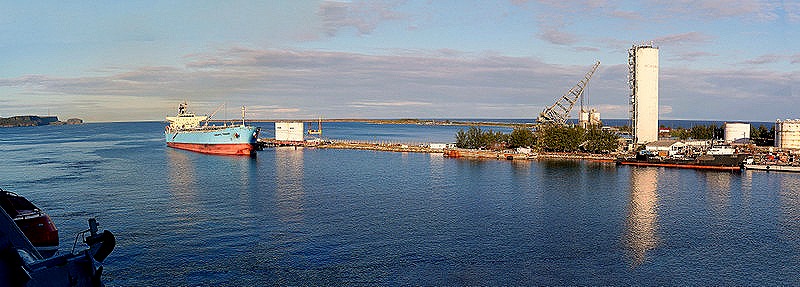
Most Americans probably know of Guam, if at all, because of the important battle fought here in World War II. But Guam actually became a US territory back in 1898 at the end of the Spanish American War. Originally settled 3500 or more years ago by Asians who became the Chamorro people, Guam was first visited by a European when Ferdinand Magellan stopped there in 1521 and claimed it for Spain, although the Spanish did not begin to colonize the island until almost 150 years later. By the middle of the 18th century conflict, typhoons and illness (especially smallpox) had reduced the Chamorro population from about 50,000 to about 5,000.
Only one excursion was being offered in Guam so, since there was nothing much to see near where we docked, we joined it. Our first stop was at the Asan Bay Overlook. The Japanese attacked Guam just a few hours after Pearl Harbor and occupied the island a several days later when the small American contingent there surrendered. The occupation was a bad time for the locals who were subjected to torture, imprisonment, forced labor and executions. On July 21, 1944, US Marines landed at Asan Bay to begin the operation to recover Guam. The Overlook we visited is where the defending Japanese troops watched this first American landing.

There was a pretty substantial rain as we drove up to the Outlook and we took out our umbrellas as we walked to the door of the bus. However, just before we stepped out the rain suddenly stopped completely. So we walked up the hill along with everybody else. The site has been developed with walkways and concrete walls and there are a number of bronze plaques depicting battle scenes and long lists of the 1,888 American soldiers and 1,170 Guamanians who died during the war here.
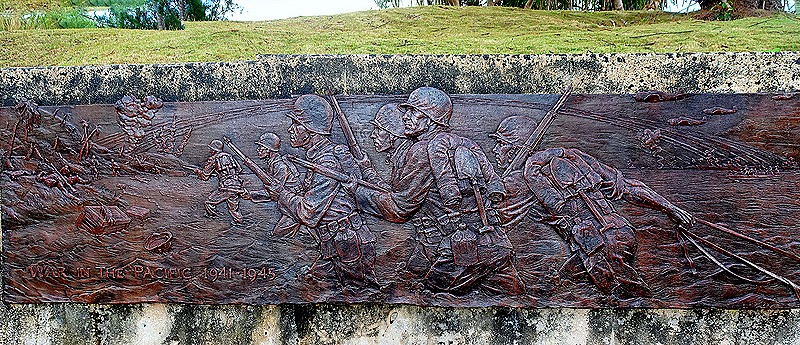


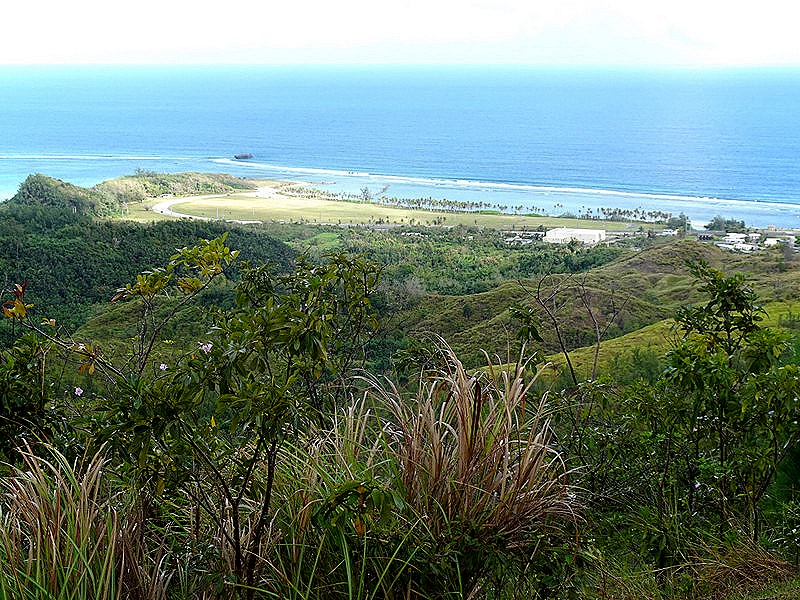
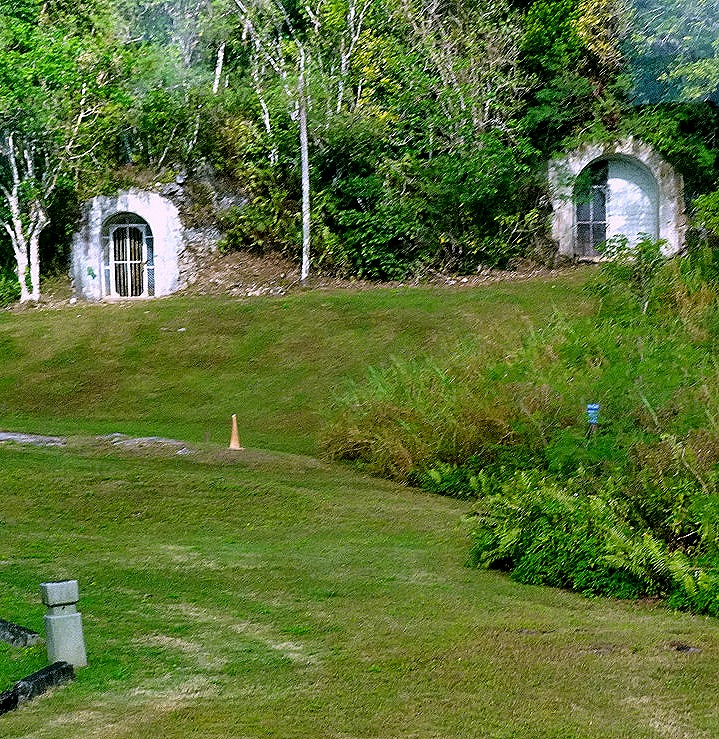
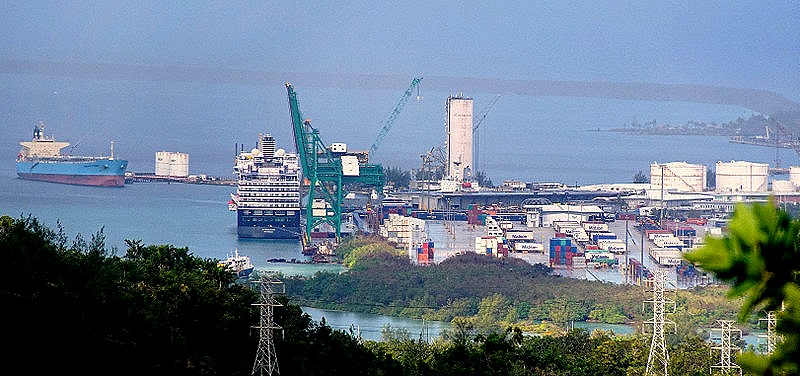
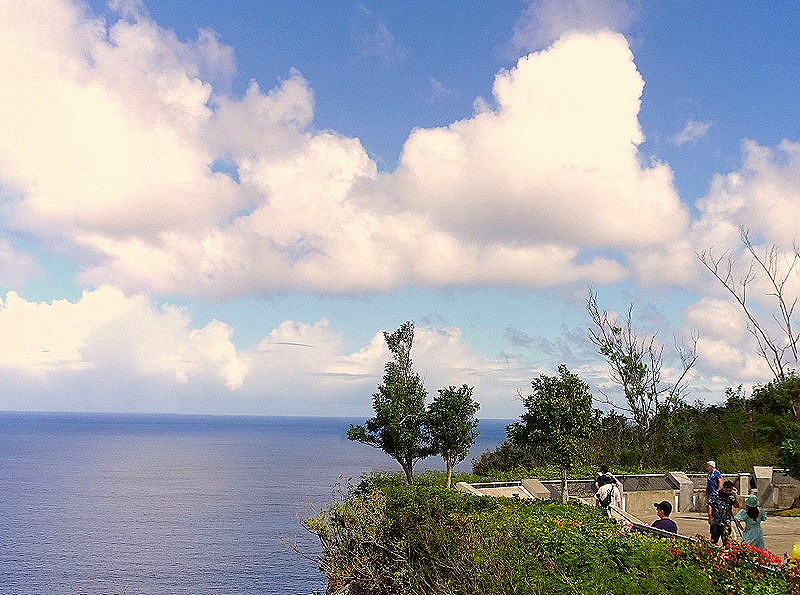
It seemed to us like a long way to the invasion beach, but it probably didn’t seem nearly as far to the Japanese soldiers sitting there in 1944. Apart from the invasion beach there were some nice views and a lot of greenery growing in the area. We even spotted the Zuiderdam docked in the distance below. And on our way back down from the Outlook our guide pointed out a couple of caves fortified by the Japanese in the 1940’s.
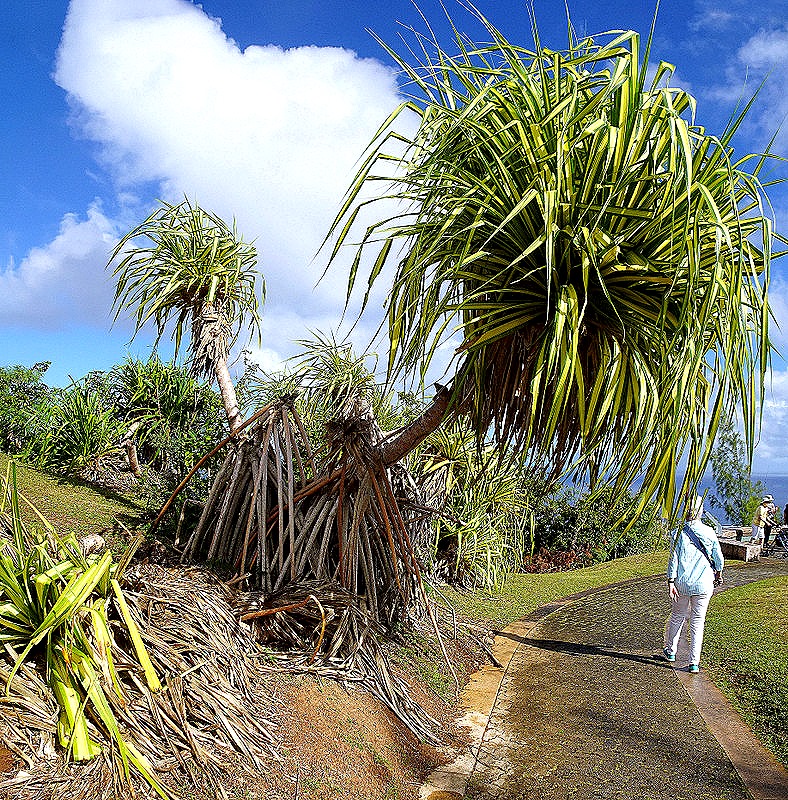
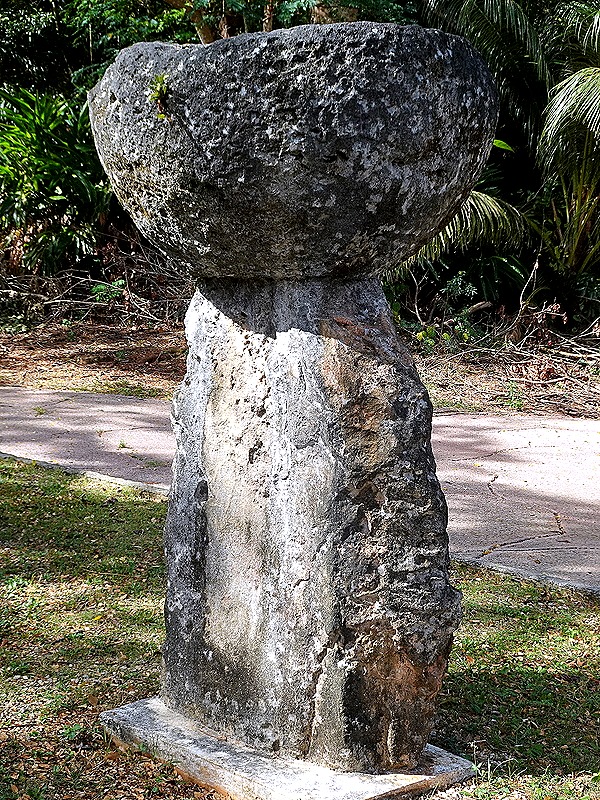
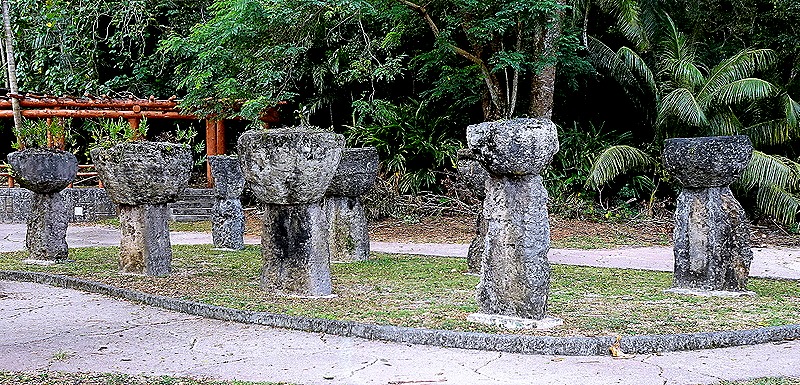
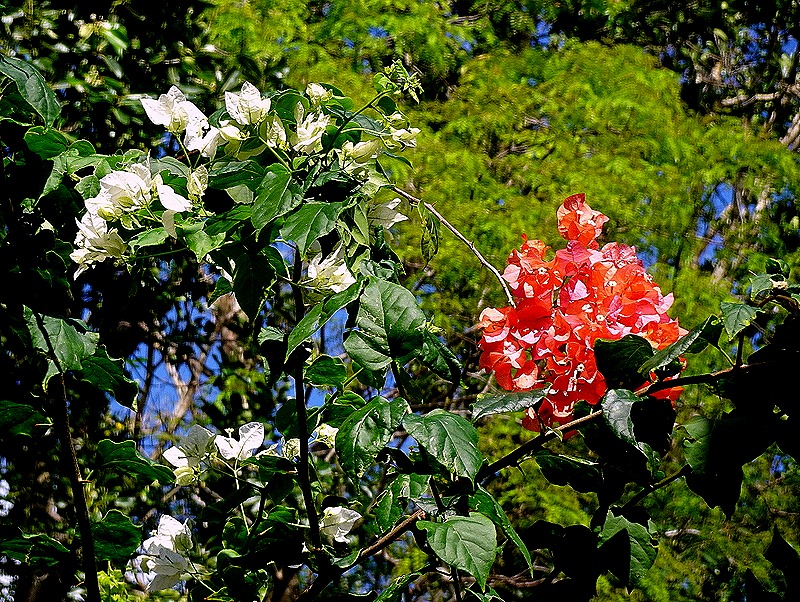
Latte stones were used on Guam and other nearby island to support houses, from about 900 CE until the Spanish occupation in the 1600’s. They consist of a pillar usually between 2 and 16 feet tall with a flat topped hemispheric capstone that would help keep rats from crawling up to the house. We visited Latte Stone Park in Hagatna, the capital of Guam. It had two parallel rows of four Latte stones each, an arrangement that might have supported an A-frame shaped house. However, these stones were brought to the park from other locations on the island. The park containing the stones was very lush and green with tall old trees.



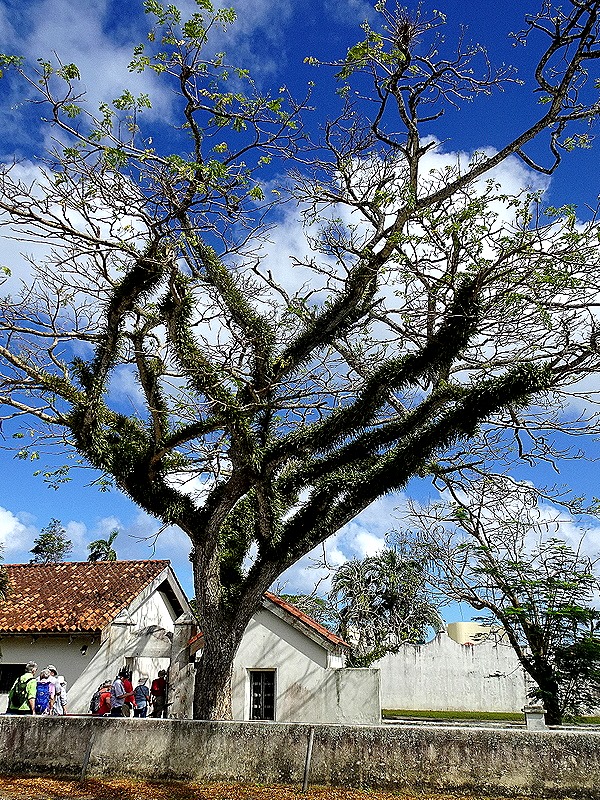
We crossed the street in front of the park, walked through a large parking lot and entered through a gate into Plaza de Espana. This is where the governor’s palace stood during Spanish rule, from 1736 until 1898. The palace, rebuilt in 1885, was destroyed during the US invasion in 1944. Prominent among the structures still standing is the Chocolate House, where the Spanish served hot chocolate to guests and the Americans later had tea. One side of the plaza is occupied by the Roman Catholic Cathedral of Guam. It was constructed in 1959 to replace an earlier cathedral destroyed in 1944 and it sits on the spot where the first Catholic church was built in 1669. In the plaza not far from the cathedral is a statue of Pope John Paul II, who conducted mass for thousands of locals on this spot in 1981. The statue rotates 360 degrees every 12 hours.
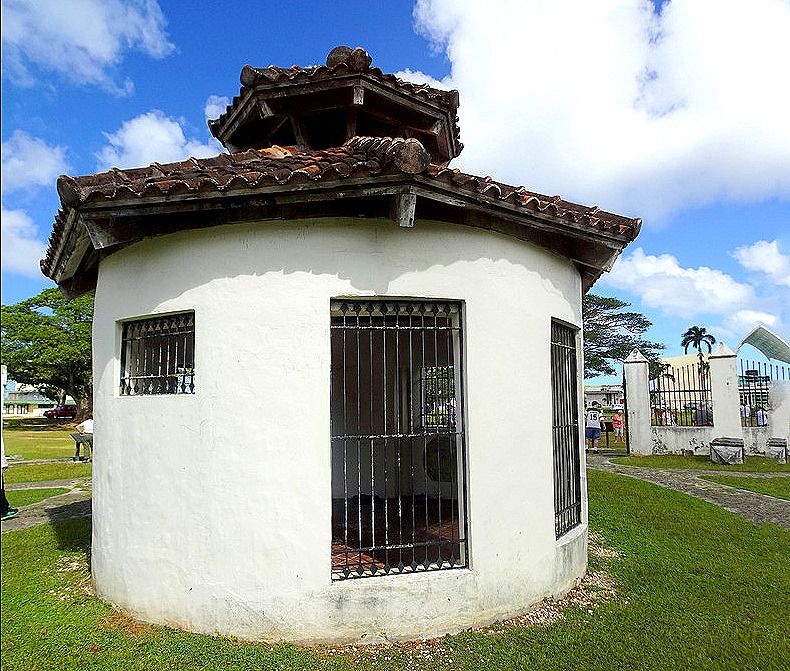


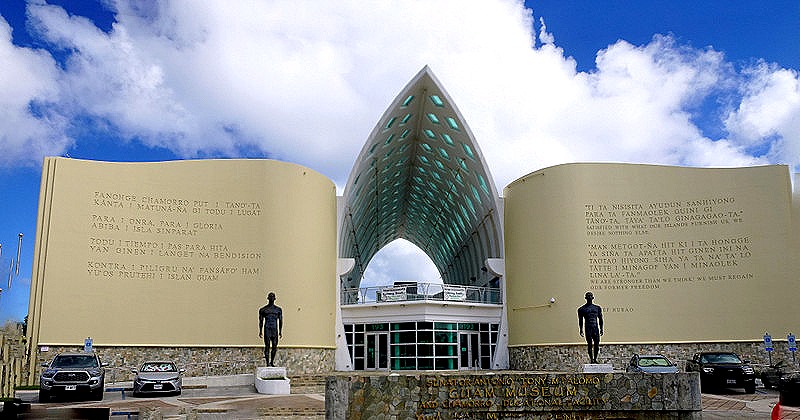
The original Guam Museum was opened in 1932 with a collection including pre-Spanish documents and artifacts. That museum was destroyed during the invasion in 1944. A new, modern looking Guam Museum opened in 2016 between the shore and the plaza next to the cathedral. However, it was closed during our visit because of extensive storm damage.
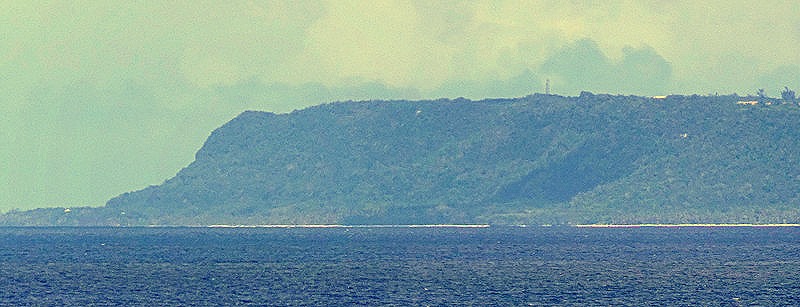
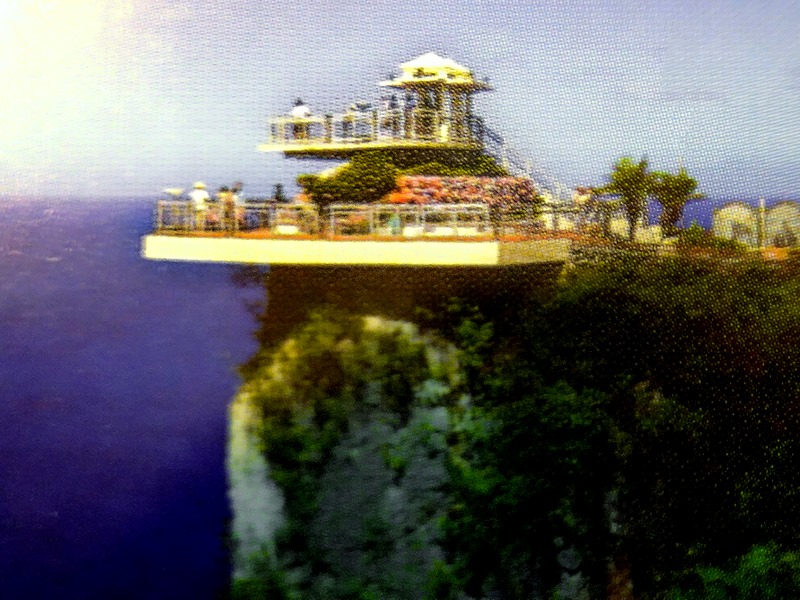
We boarded the bus and headed for Two Lovers Point, a viewing spot atop a 370 foot cliff dropping into very clear ocean waters that we have read is the top tourist attraction in Guam.
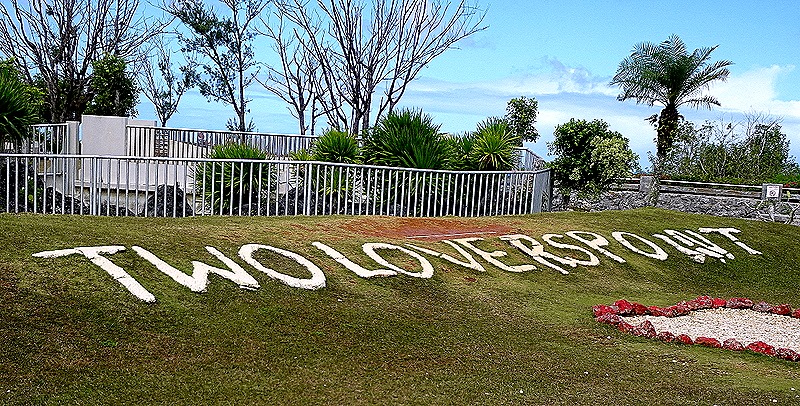
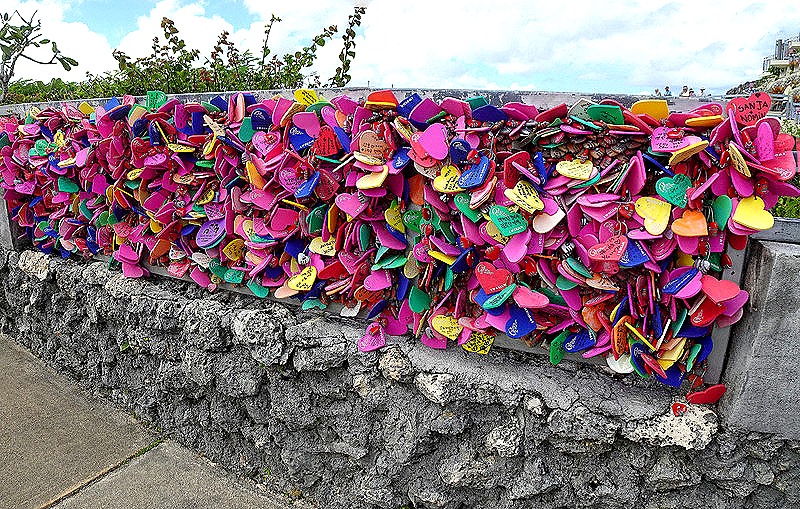
The name derives from a very old folk tale, first recorded in 1819, in which two lovers denied the right to marry and live together tied their long hair together and leaped from this cliff in each other’s arms to ensure they would never be separated. A large statue of the lovers has been blown down several times by destructive storms and, we are told, is now in storage. When we visited only the base for the statue was there. But the site has a sizeable gift shop, a wall hosting hundreds if not thousands of locks representing the commitment of couples who placed them there, and also a nice park.
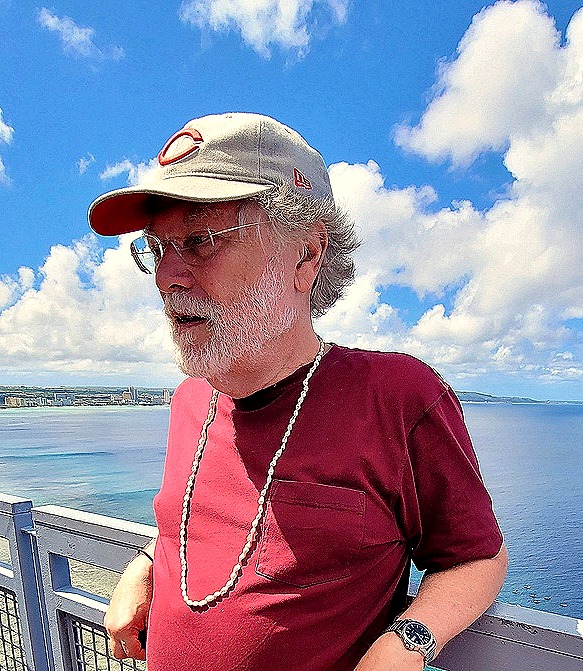
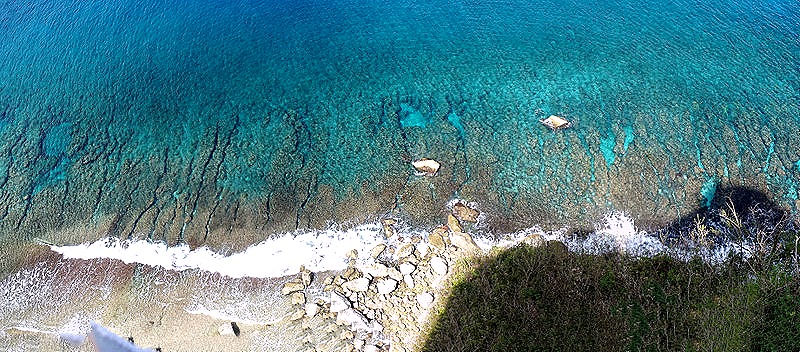
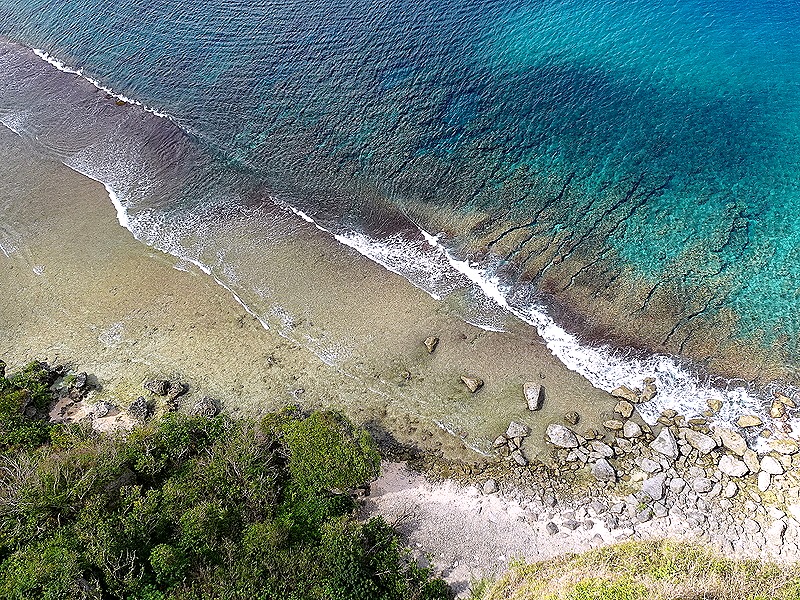
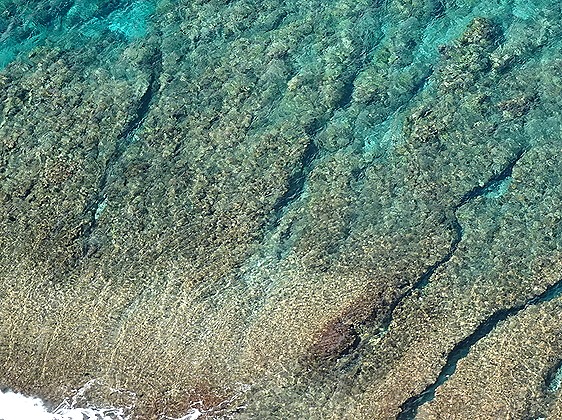
But the focus of this site is a large metal viewing tower built on the very edge of the cliff overlooking the ocean. To the left is a sweeping view of the coast down to Tumon Bay and to the right is a view of the tall cliff. Looking straight down the cliff one can see through the clear waters to the rocks and seaweed below. We were told that sea turtles can sometimes be seen here, but they are scared away when skiers and motorboats operate nearby, as some did while we were there. That’s too bad; it would seem there is plenty of shoreline away from this cliff for the boaters to play without disturbing the turtles.
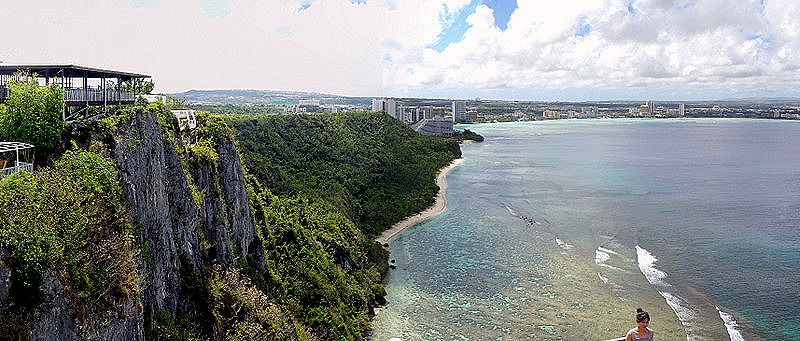



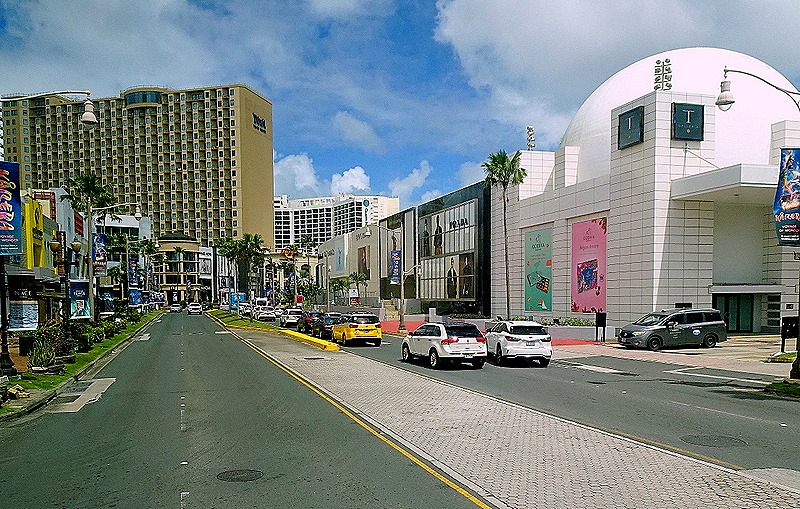
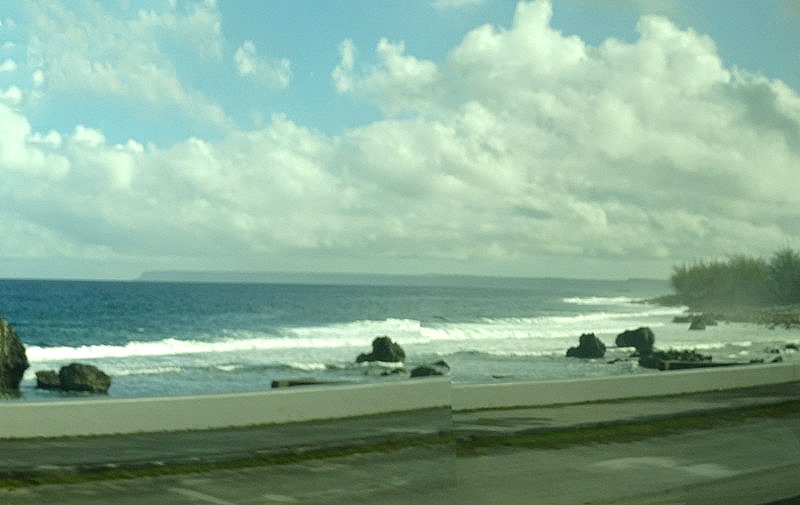
Tumon is where most of the 20 or so resort hotels are located and also the terminal stop for the shuttle from the ship. We drove down there on our way back to the ship because some folks wanted to spend time there and take the shuttle back. It looked to us like a Las Vegas sort of place, in which we had no interest, so we stayed on the bus for the rest of the trip back, passing some surf beaches on the way.

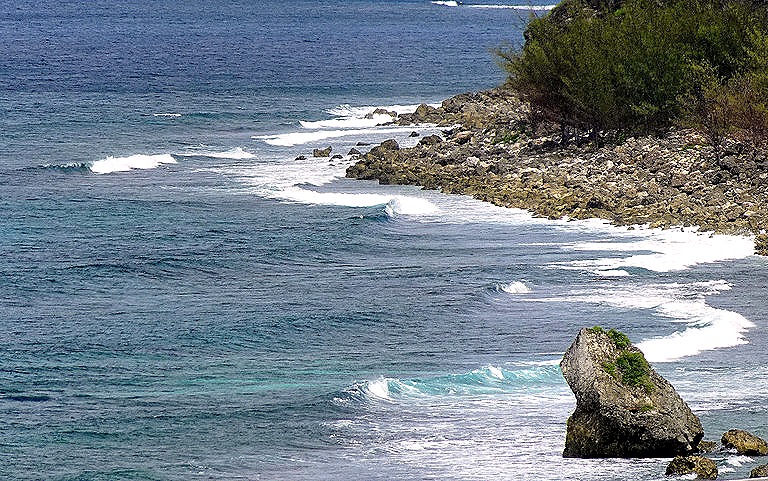
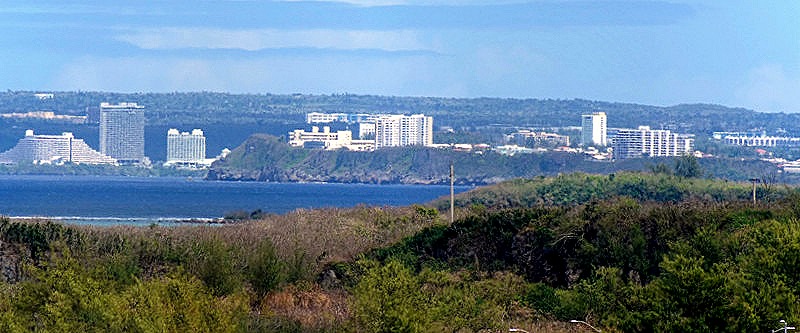
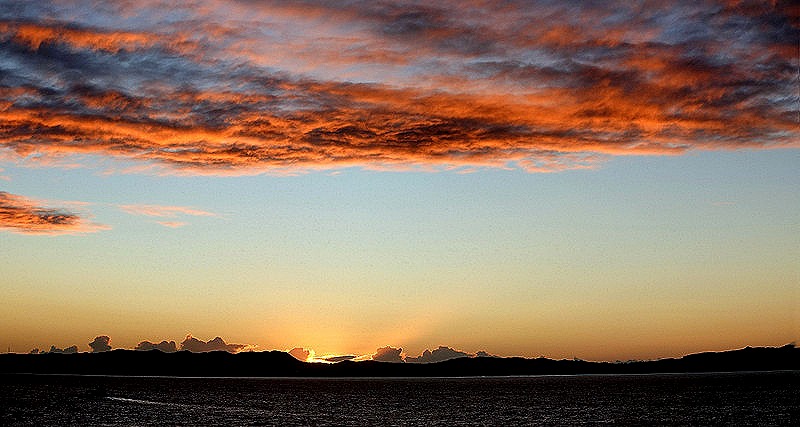
So that was the end of our short visit to Guam. As we sailed away to another island important in World War II the sun gave us a good night show.

 BADER JOURNAL