Male, The Maldives (overnight) — 2024
The morning of March 30 found us anchored well off the coast of Male, the capital and largest city of the Maldives. The Maldives is an archipelago nation situated in the Indian Ocean about 450 miles southwest of India, comprising some 1,200 islands, about 200 of which are inhabited. With a population a little over 200,000, Male has about 40% of the population of the entire nation, all crowded together on less than 4.5 square miles of land. It is the most densely populated island in the world. The Maldives is the smallest country in Asia by land area, with a total of about 115 square miles, and the second smallest by population, with a little more than 500,000 people. Male is also one of the world’s lowest lying countries, with an average elevation above sea level of just 5 feet and the highest point less than 8 feet. It has been projected that expected sea level rise will submerge about 80% of the country by the end of the century, and perhaps much sooner than that.
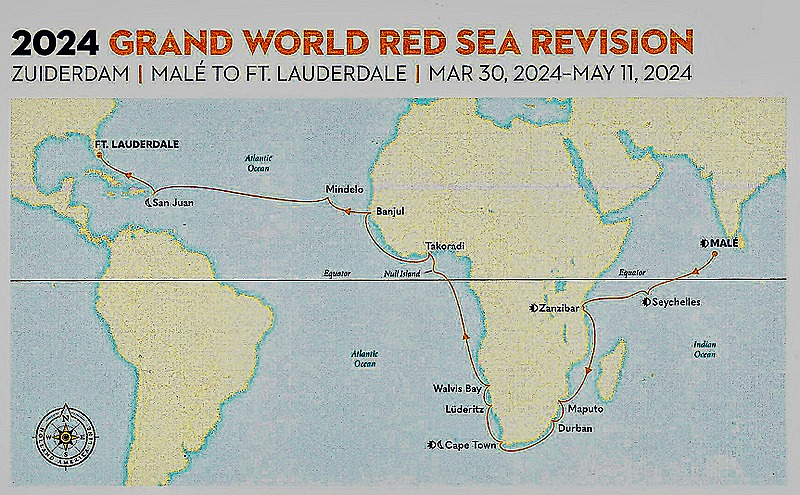
If anyone has been following this blog since this voyage sailed from Florida at the beginning of January you may recall that the Maldives was not on our original itinerary. We were then scheduled to go through the Suez Canal and spend the last part of the voyage in the Mediterranean before sailing back to Ft Lauderdale. If you haven’t seen that original itinerary (or have forgotten it), you can view it here: https://baderjournal.com/2024/01/08/third-voyage-around-the-world-in-2024/. But less than three months before we sailed war broke out in the Middle East and soon the Houthis in Yemen were firing missiles and drones at ships sailing through the Red Sea. While we don’t think they attacked any cruise ships, the situation was dire enough that all the world cruises scheduled to sail through there were rerouted and ours was no exception. There is really only one way for a cruise ship on a world voyage to get back to Ft Lauderdale without going through the Red Sea (and without going back the way it came) and that is to go around Africa.
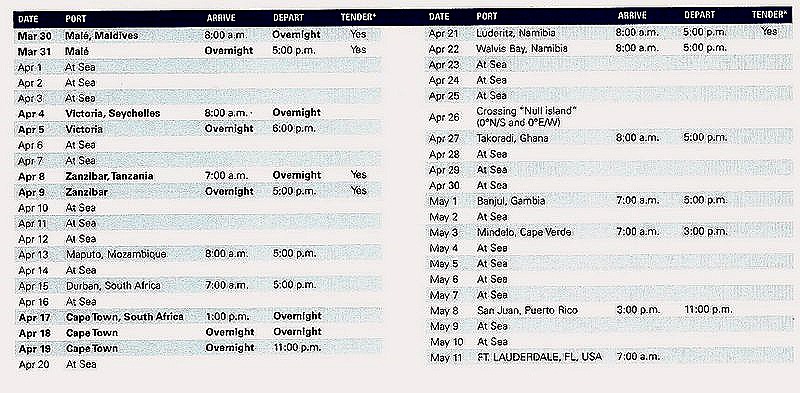
So we can’t really argue with HAL’s decision (undoubtedly mandated as well by its insurer) to divert this voyage around Africa. We have quibbles about the ports and schedules they adopted, but not with the basic decision to redirect rather than follow the original itinerary. Still, we have been on cruises before that had to bypass a port or two because of weather or political conditions, but never a full month of scheduled ports! The new schedule actually might have been very interesting to us if not for the fact that just 16 months previously we had visited most of these ports on the Grand Africa voyage. Many of them are well worth visiting once, but many of them we wouldn’t have chosen to visit again so soon. And to make matters worse, the cost of most of the excursions had gone up 2 or 3 times what we paid in 2022 (perhaps because HAL had to schedule them much later than usual, because several cruise companies were suddenly competing for mostly the same ports at about the same time, or because some tour companies got greedy, who knows?). But the bottom line is that the rest of this voyage, starting in the Maldives, was entirely different from the itinerary for which we had signed up (and we were really looking forward to many of the planned stops in the Mediterranean area). Although the revision of the itinerary really HAL’s fault they did give us a fairly large refund and some other benefits to make up for the disappointment, but we were still quite disappointed. Here is the new itinerary, which had been disclosed to us on January 30 while we were in Puerto Vallarta, Mexico:
So after that lengthy digression, we are still where we were in the first sentence of this episode, anchored off the coast of the city and island of Male.
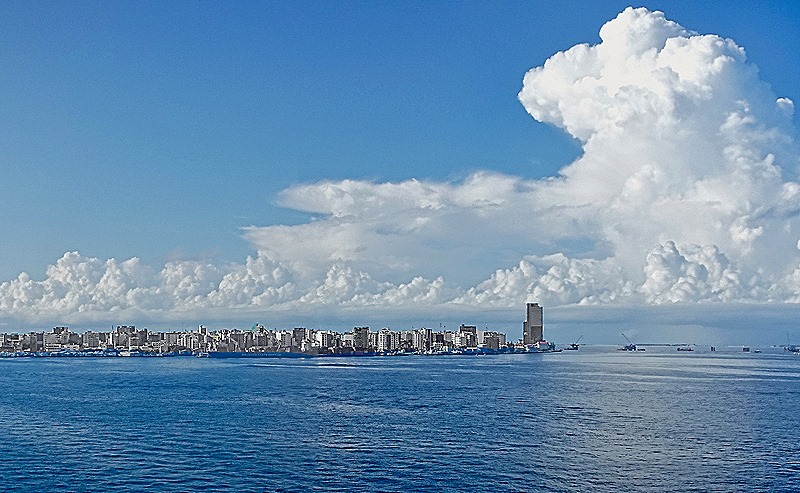
The Maldives are well known as a destination for people looking for romantic beaches, snorkeling and scuba diving, or deep water fishing. We could see from the ship that these waters are a beautiful blue and the weather here is nice (at least when it isn’t the rainy season). But those beach resorts are on outlying islands, not the very urbanized island of Male. And we are on a world cruise to explore the world, not looking for extended visits to beaches or water sports. We had never been to the Maldives before, so we took the (long) tender ride in the morning to spend our day with Bill and Robert exploring the city.

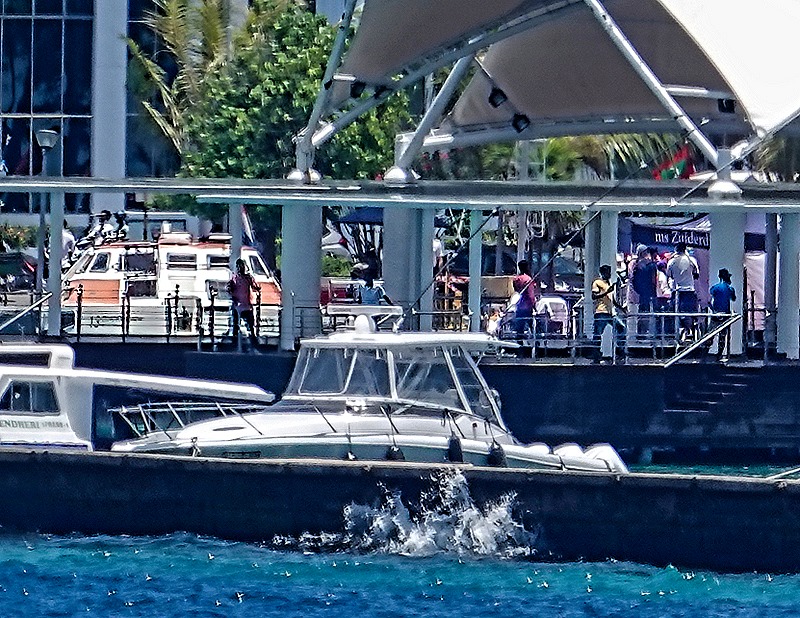
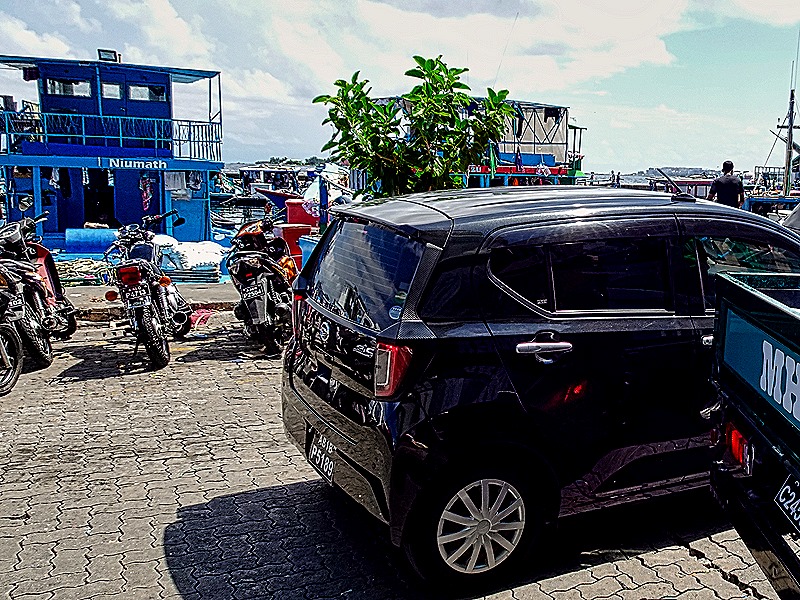
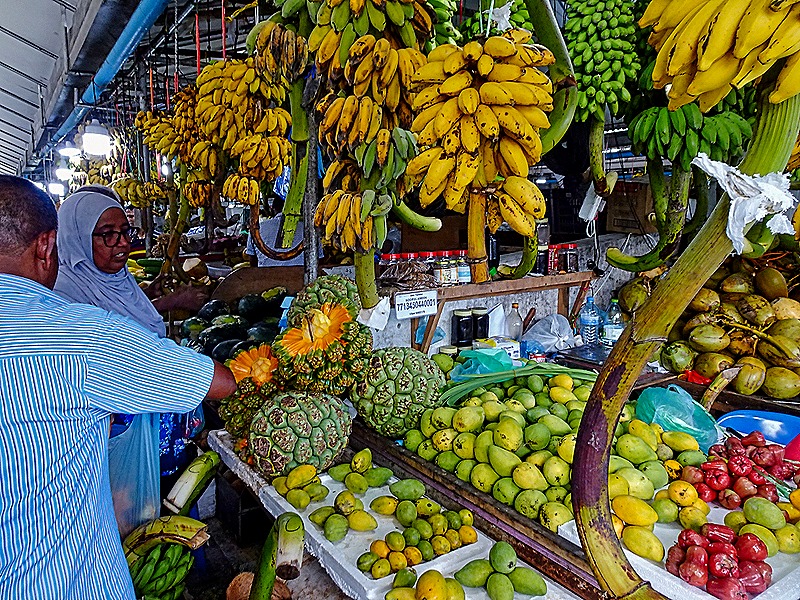
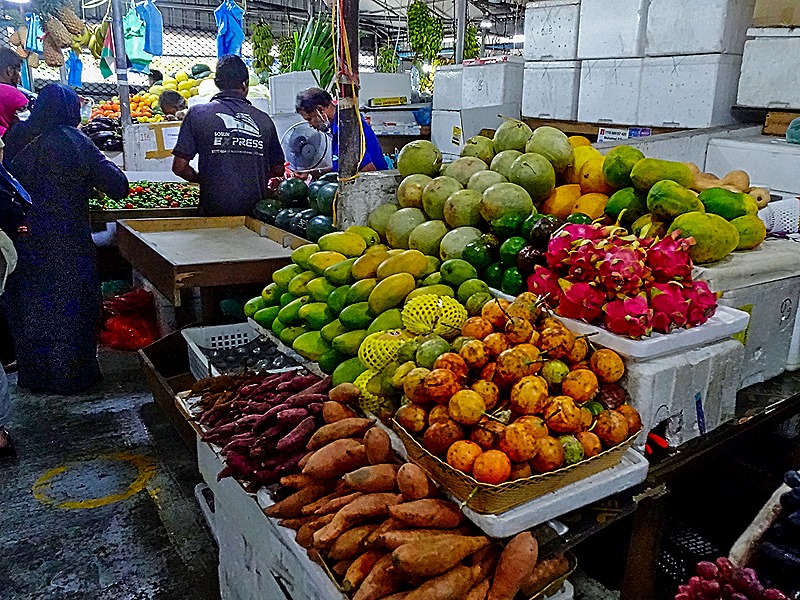
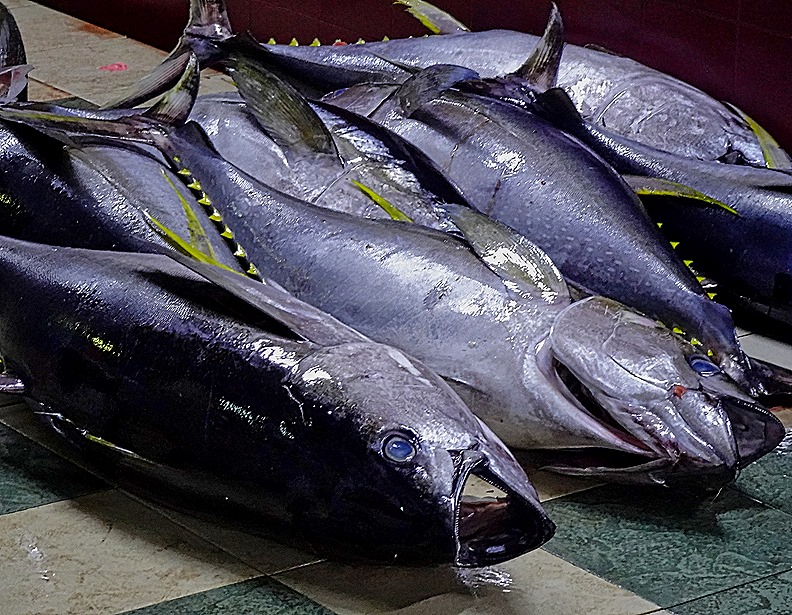
The streets near the ocean front were narrow and very busy, with lots of motorcycles. We visited the produce market and the fish market, where men were busy butchering today’s catch.



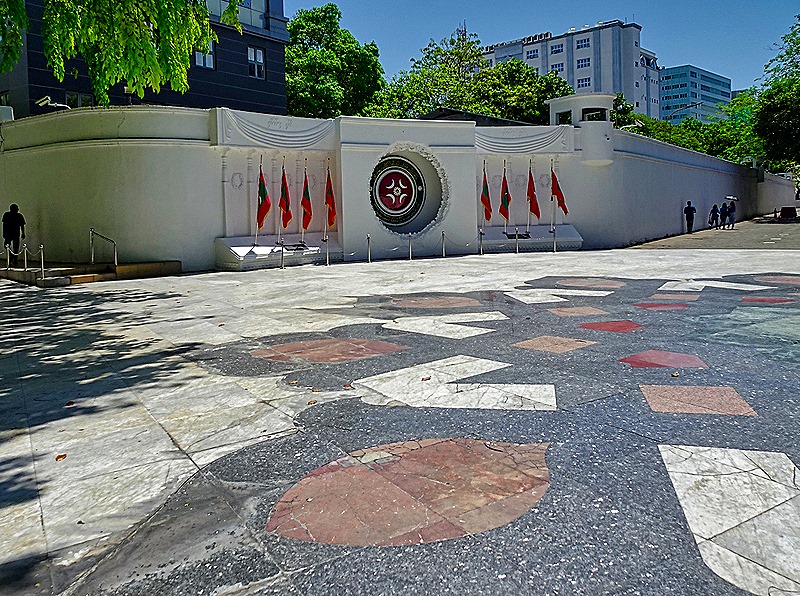
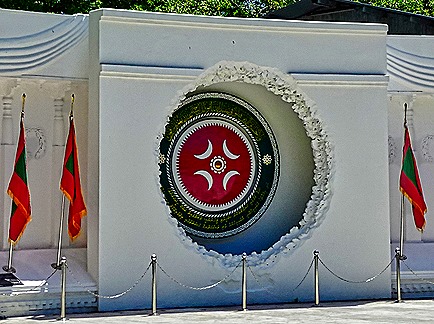
We walked further away from the shoreline, stopping at some shops selling mostly disappointing souvenirs similar to what you might see in any beach community. We came to the large Islamic Centre, mostly a mosque called the Grand Friday Mosque, that opened in 1984. This is one of the largest mosques in South Asia with a capacity of more than 5,000 worshipers. It is impressive from the outside and the inside is supposed to be beautiful as well. But this is a strictly Muslim country and it was Ramadan when we visited. So the mosque was closed to non-Muslims outside of a small window during the morning . . . which we just missed. Its golden topped minaret is 142 feet high. In an open square near the mosque is the Victory Monument, dedicated to those who lost their lives resisting a terrorist attack by Sri Lankan Tamil Tigers in 1988. The round red white and green tablet is displayed inside an opening in the marble representing a hole that was blown in the wall by the terrorists that day.


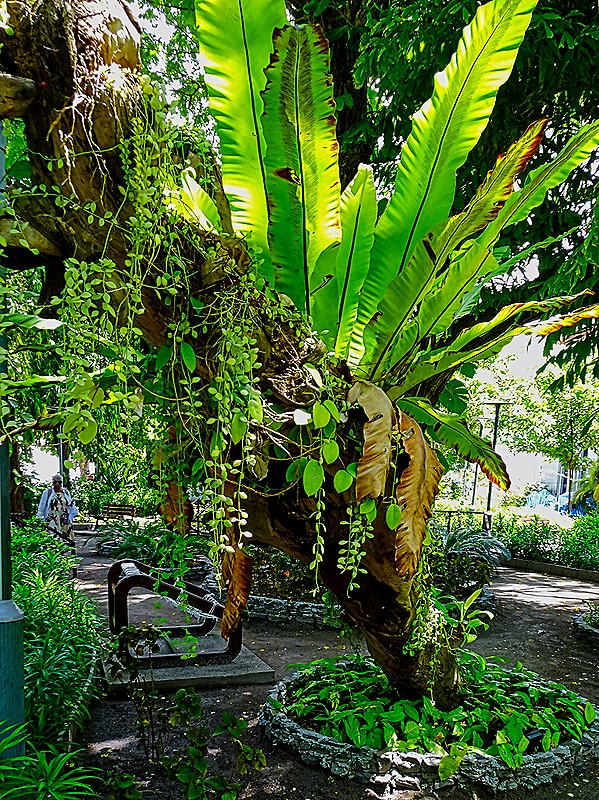
Before it became a republic in 1968 the Maldives had been a sultanate for more than 850 years. After the sultanate was abolished most of the 16th century sultan’s palace was demolished and the grounds were converted into a public park, situated across the street from the Victory monument. It was a very nice respite on a very hot day in an urban area. One side of the park had buildings that were undergoing renovation and we think they housed the National Library and National Art Gallery, a joint entrance to which we found later nearby (closed).



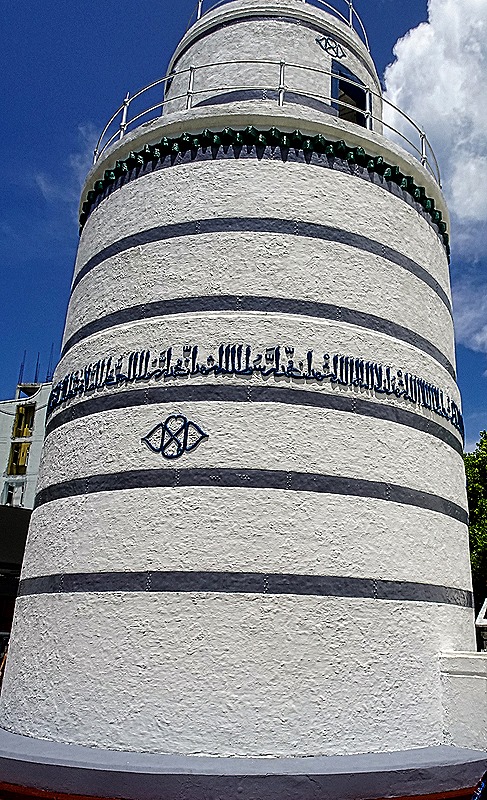
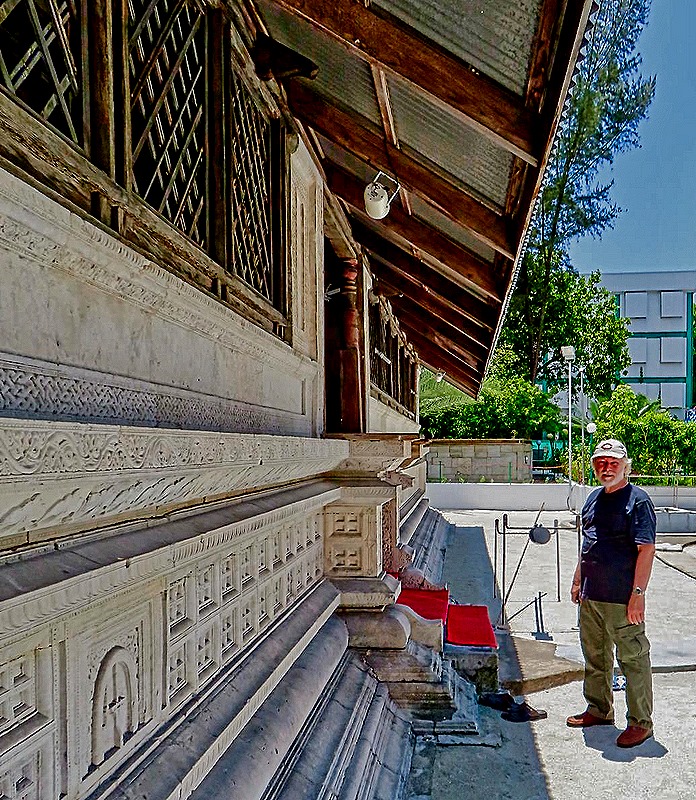
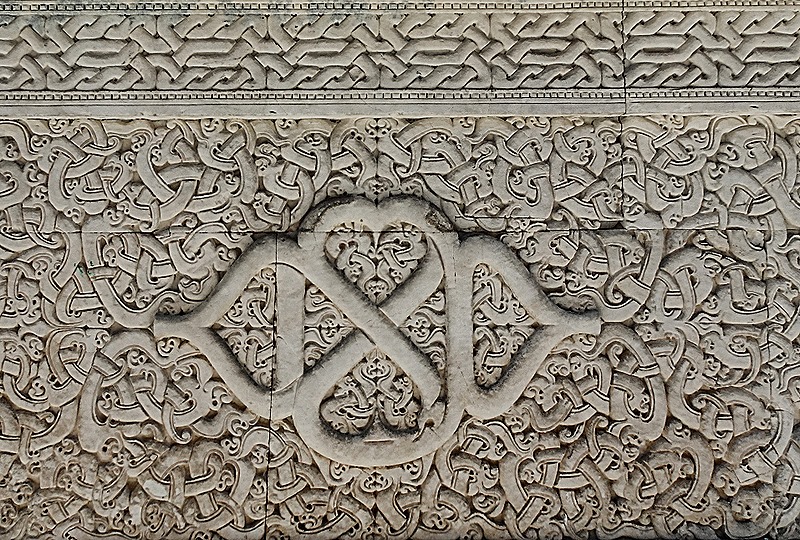
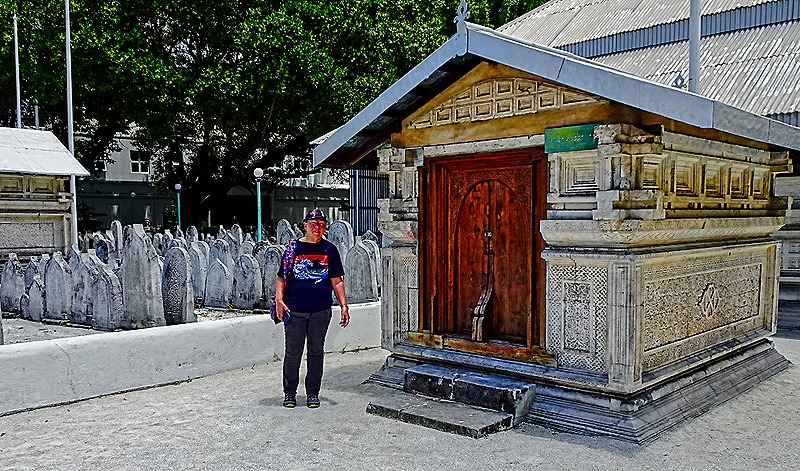
For us, the main attraction in Male was the Old Friday Mosque (Male Hukuru Miskiy), still in the same part of town with the other spots visited. Islam came to the Maldives in the 12th century and this mosque was built in the middle of the 17th century over the foundations of one that had been built in the 12th. It is made of interlocking coral blocks, many with intricate relief carvings that fit together perfectly when spanning more than one block. Next to it is an unusual minaret (called the Munnaaru) built a few years after the mosque, also of coral blocks. It looks like two large and one smaller hatboxes piled on top of each other. Copper belts around the minaret were added in 1906 for greater stability and the inscriptions on its outside walls were painted dark blue. These are the oldest structures in Male. Of course it was Ramadan so we didn’t go inside, but the views on the outside were great.
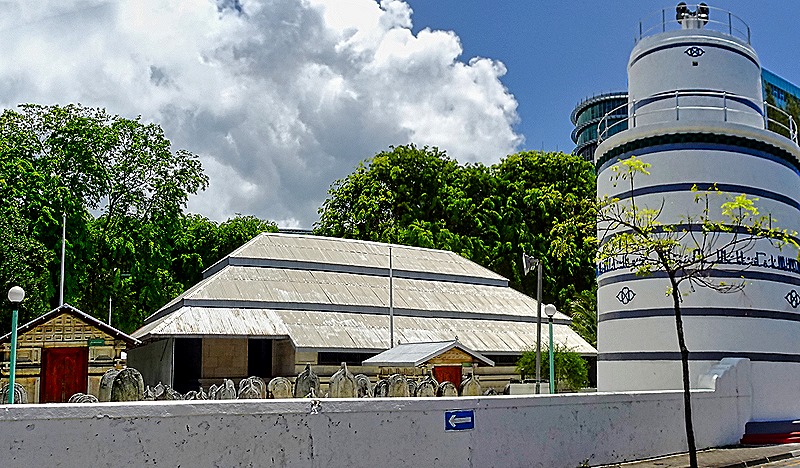
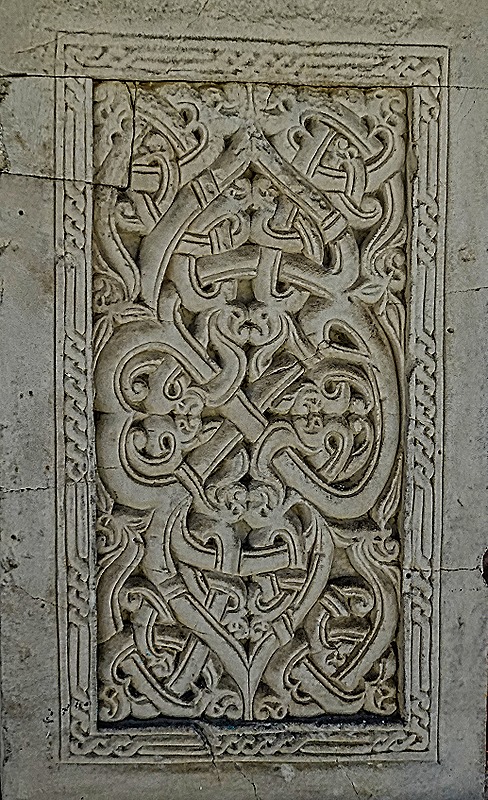
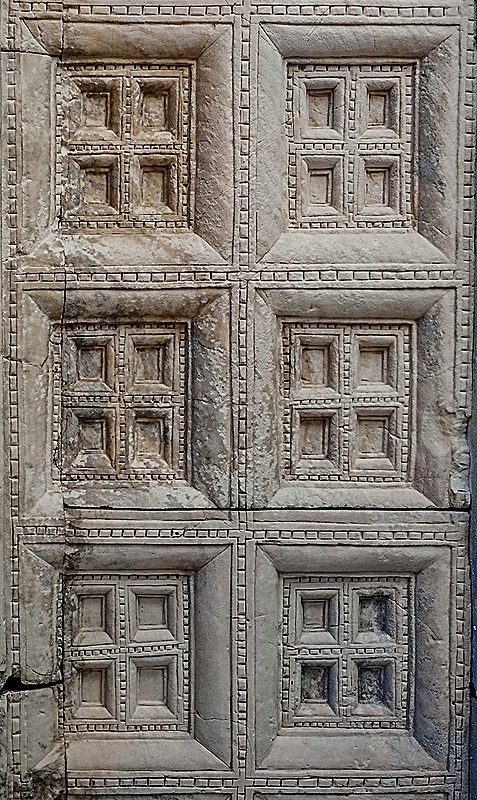


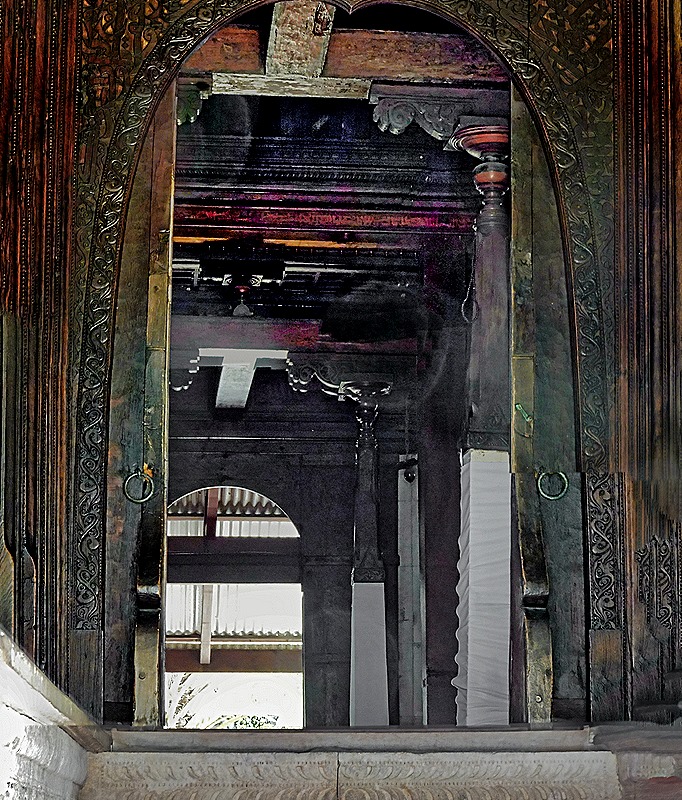
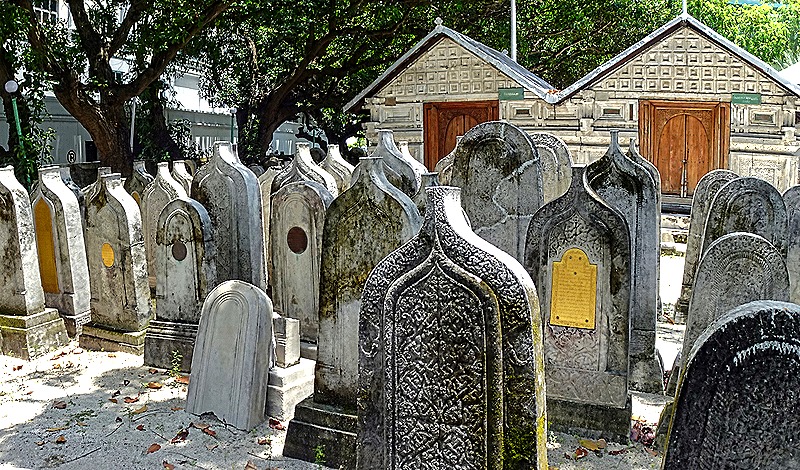
Arrayed around the mosque inside the surrounding wall, is a 17th century graveyard. The tombstones are made of carved coral. Women’s tombstones have rounded tops, men’s have pointed tops, and the sultans and their families are in small mausoleums resembling one room houses.

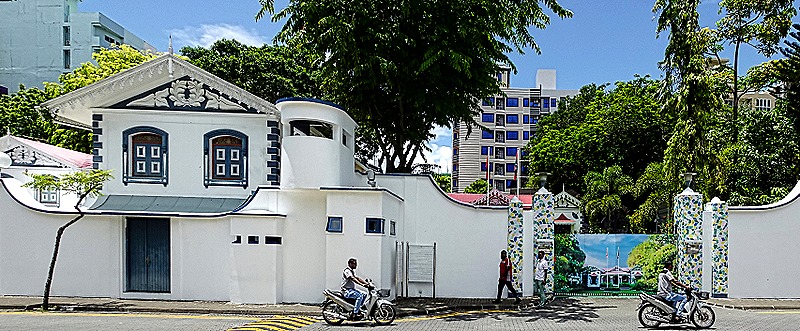
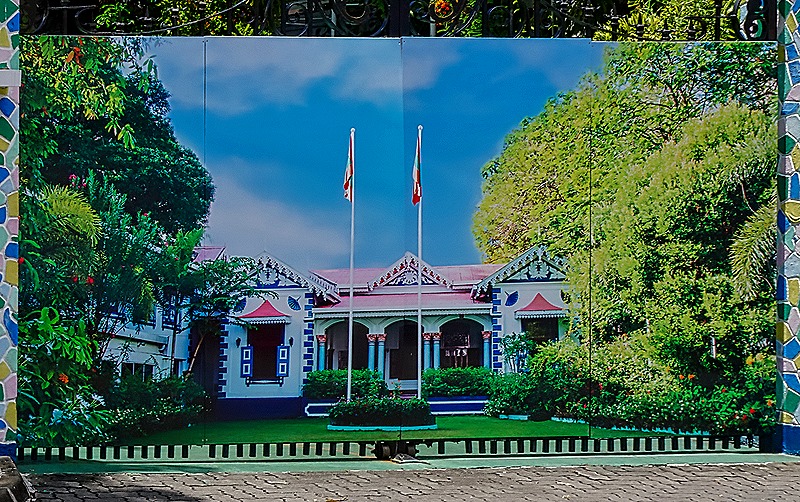
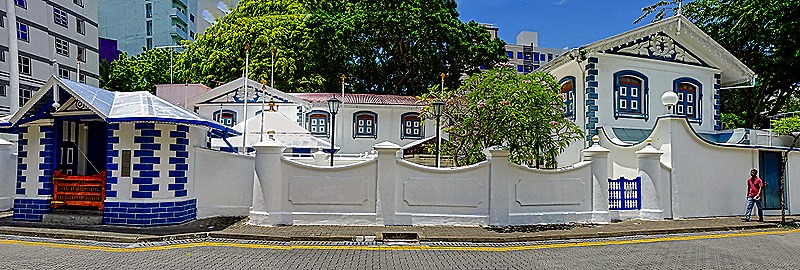
About a block away was a complex with two buildings. The Medhu Ziyaaraiy (Central Tomb) was built in 1906 and is the tomb of Abdul Barakaath Yoosuf Al Barbary, who converted the king of the Maldives to Islam in 1153. Next to it is the Muliaage, a colorful bungalow style house completed in 1919 that was a home for several royals and some other dignitaries. It has served as the official Presidential Palace for 30 years from 1968 to 1998, and again since 2009. In the first picture below the roof and a bit of the facade of the Muliaage can be seen over the gate to the right. The painting on the gate is of the Muliaage.
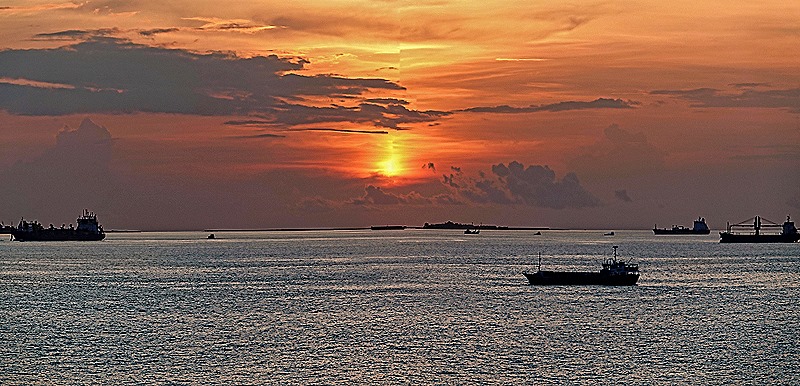
So that was enough for us since we were pretty done in by the muggy heat. We walked back to the dock and tendered back to the ship. Of course we were here overnight and there was a dramatic sunset.

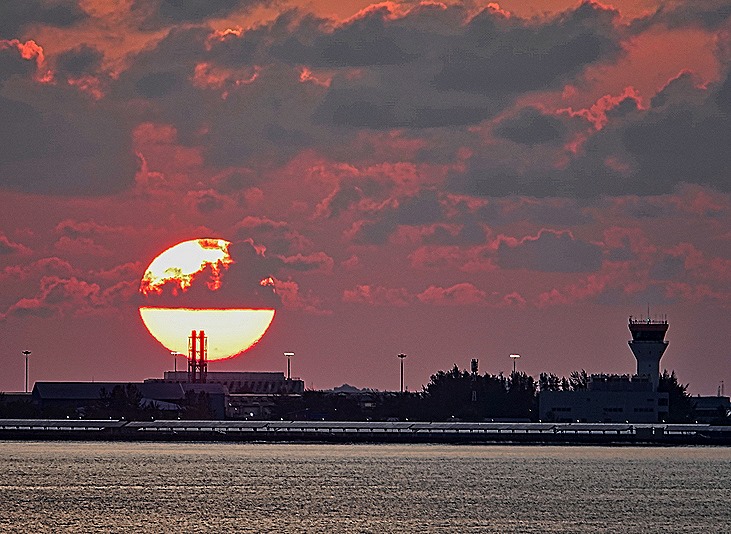
On March 31 we were still anchored near Male, but we decided to spend the day on the ship. There was nothing left to see in Male that was worth the long tender ride and the heat and humidity; even having lunch in the city would be problematic because of Ramadan. So this became a sea day for us. We did take a few pictures from our veranda on what was another bright and sunny day. The airport for Male is on a larger nearby island called Hulhule which since 2018 has been linked to Male by the Sinamale Bridge, a little under a mile in length. From the ship we could see planes landing at the airport.
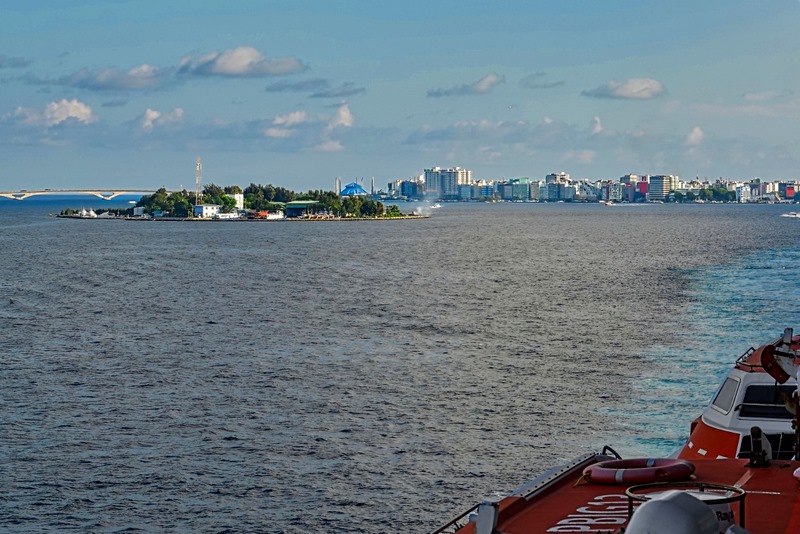
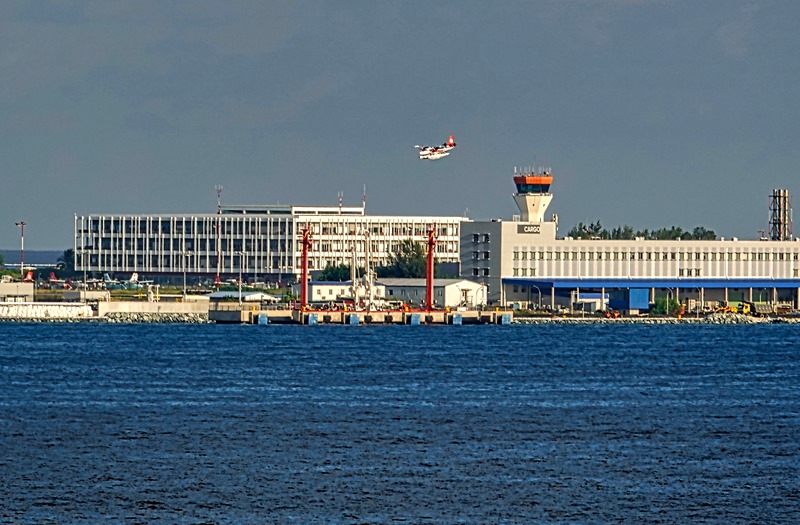

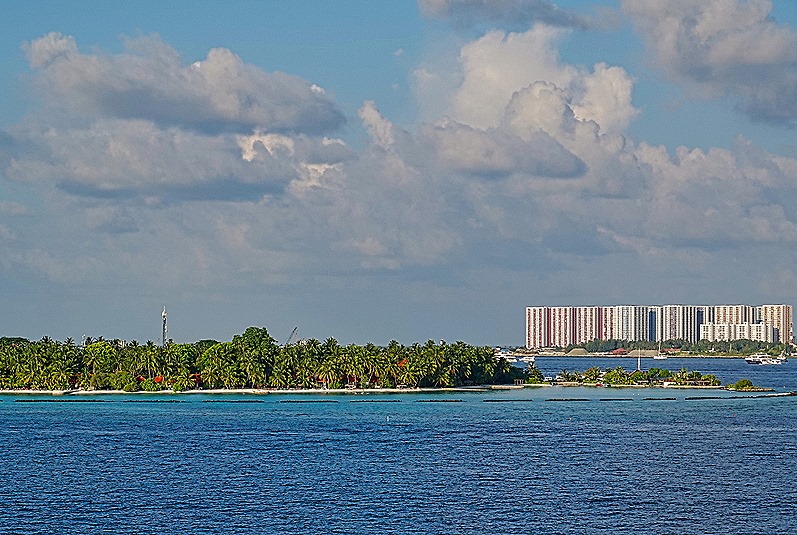
Smaller, very green islands sat in front of both Hulhule and Male.

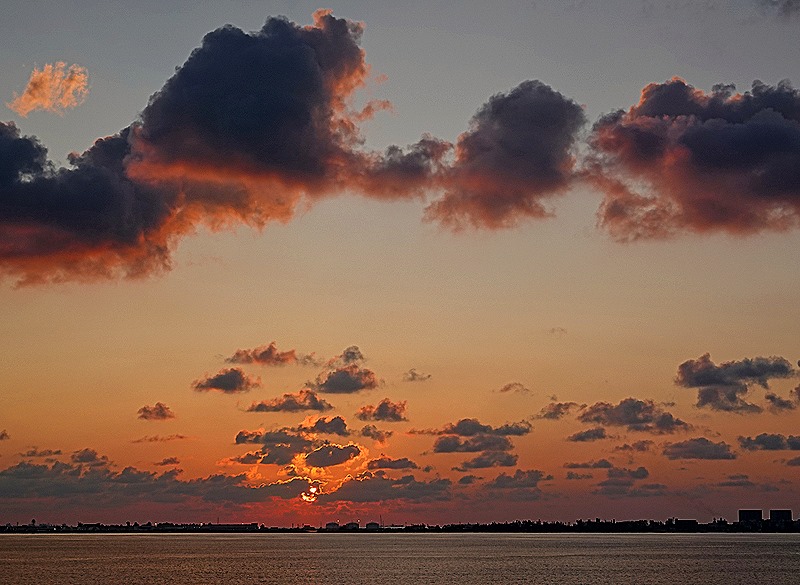
Not long after we sailed away we had yet another fine Indian Ocean sunset.

 BADER JOURNAL
