Valdez, Alaska 2025
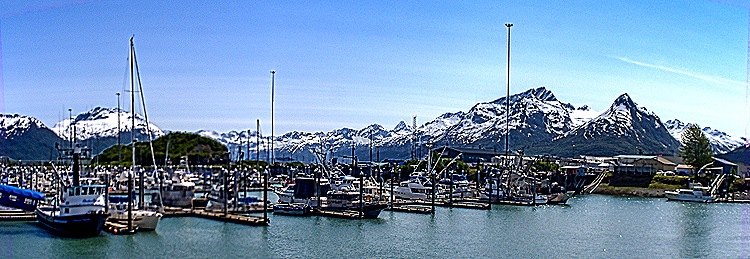
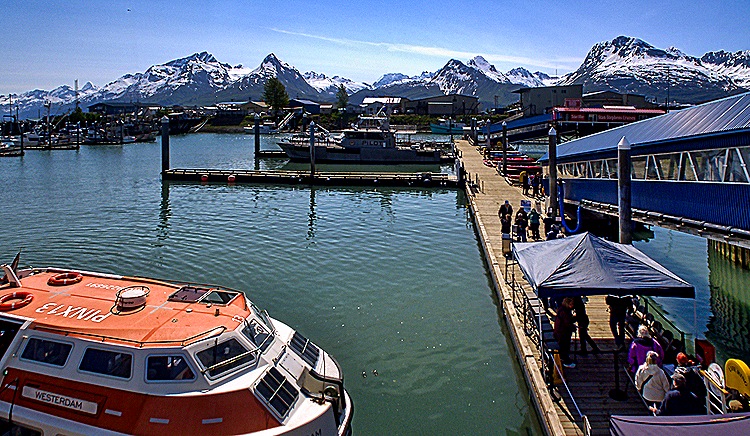
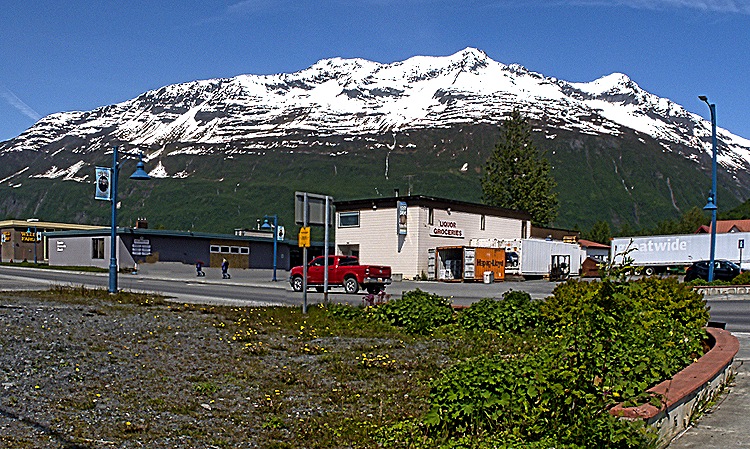
The morning of June 13 found us anchored across the bay from Valdez, Alaska, a small town (pop. almost 4,000) surrounded by imposing snow capped mountains. The nearby mountains towered over the upper decks and the view from our veranda included two tiny looking HAL tenders approaching the inlet leading to the protected dock. So welcome to Valdez!


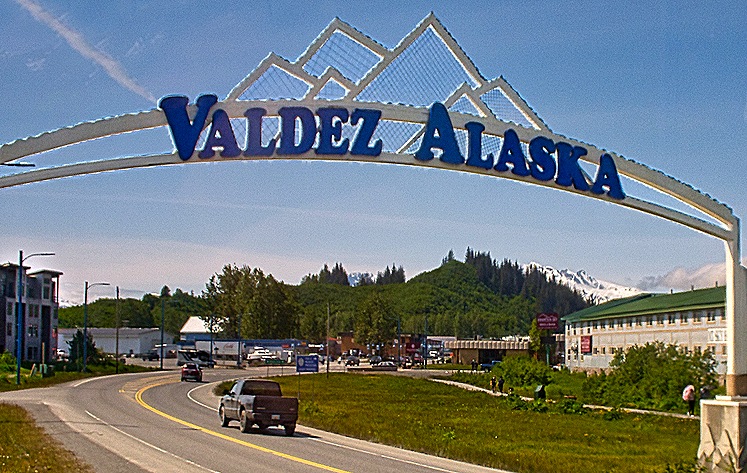
The port of Valdez was named in 1790 by a Spanish explorer in honor of Spain’s Navy minister. But it was not until 1898 that a town was established here, after some steamship companies who promoted this as a better route than Skagway for prospectors to reach the Klondike gold fields. It wasn’t and many prospectors died trying to cross the mountains on a much longer and steeper trail than advertised.
In 1910 the opening of the Richardson Highway to Fairbanks established Valdez as the primary land route into Alaska’s interior. This highway started here primarily because this port could be used year round since it was ice free. But at that time Valdez was about four miles from where we visited it today. The 1964 Alaska earthquake pretty much destroyed the original town, now recognized as too unsafe to support a municipality. Over the next three years a new site was cleared and the entire town of Valdez, including 54 homes and buildings, was moved four miles up the coast to its current, more stable, location. Today there is virtually nothing left of the original town.
We had an excursion into the mountains scheduled for the afternoon, so we tendered into the small boat dock in town after breakfast to walk around and see the town.
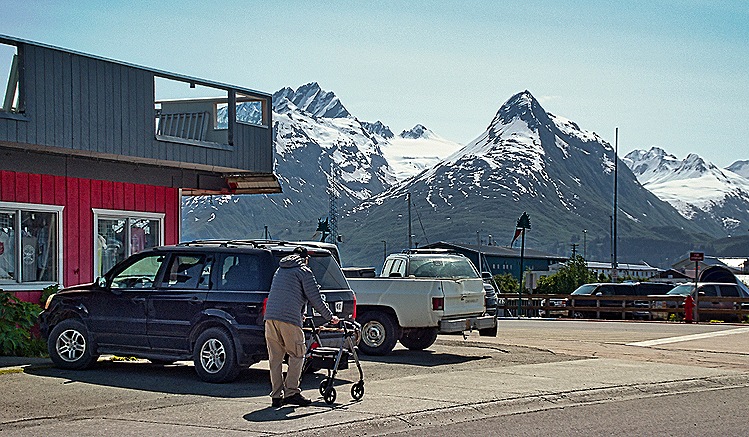
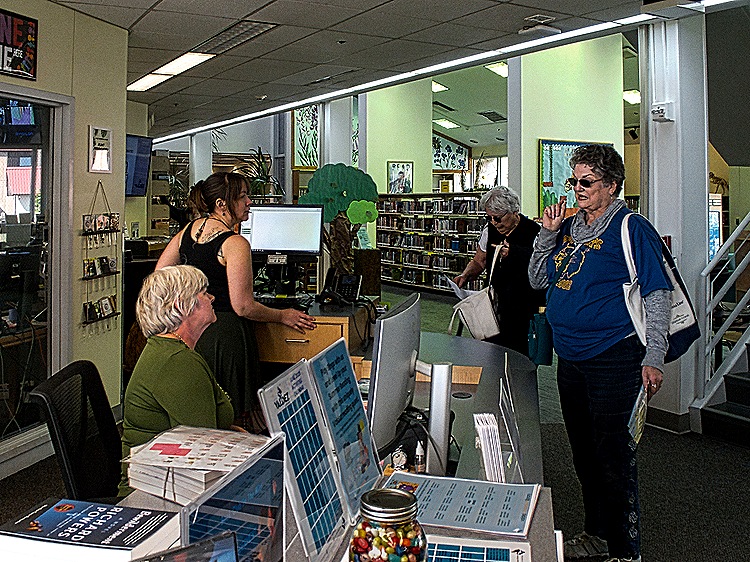
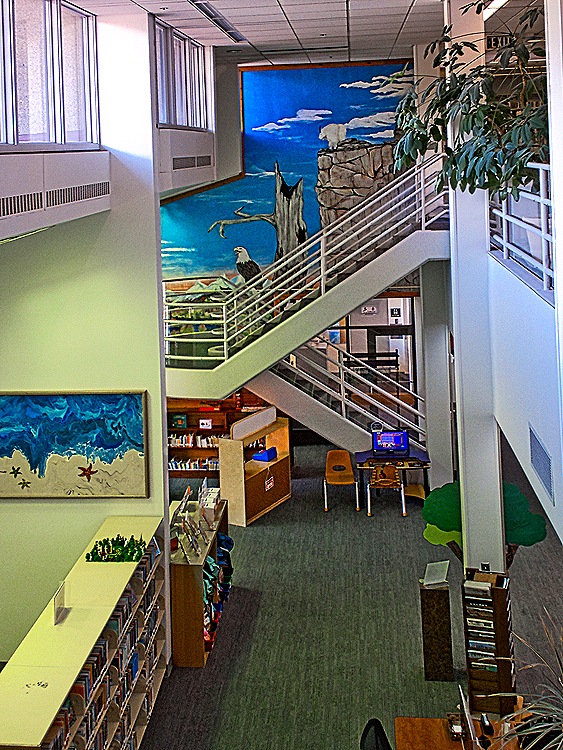
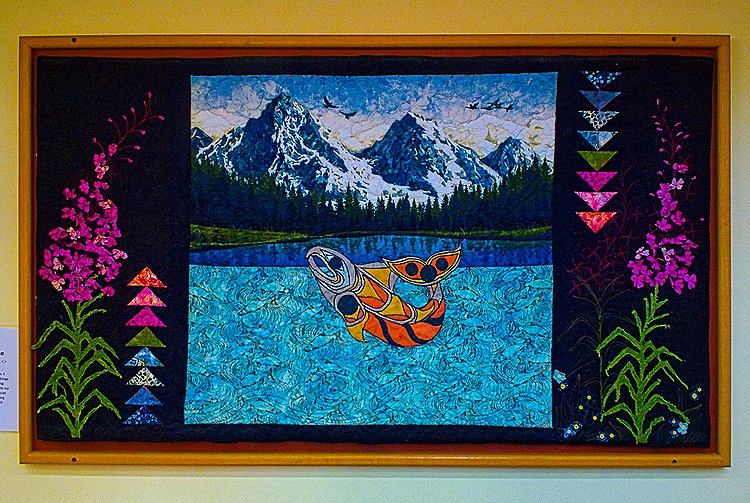
Those of you who are familiar with this blog will not be surprised to learn that our first stop in Valdez was at the public library. For such a small town the Valdez Consortium Library is a very nice and well stocked library. Two stories with an open staircase and many colorful paintings and murals. And we can’t forget to mention all the books!




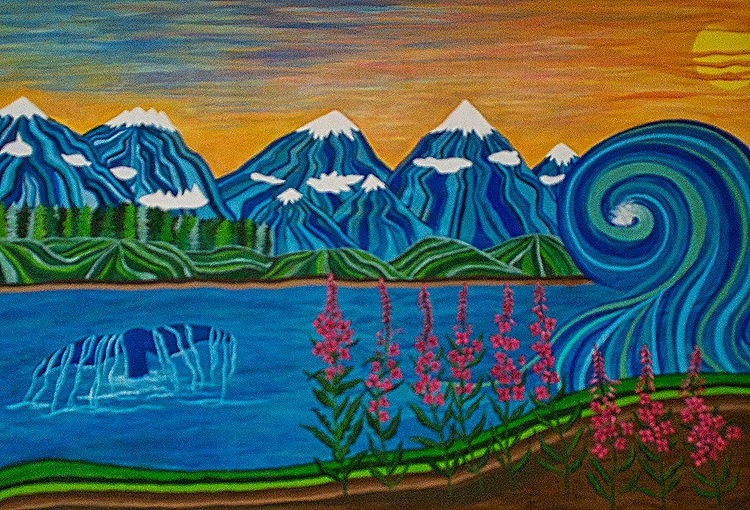
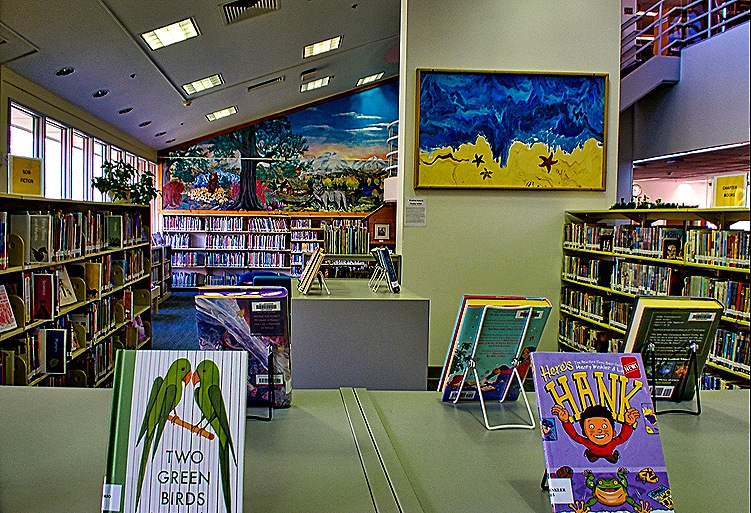
Across the street is the Valdez City Hall, whose architecture and coloring is similar to the library’s. In front is a wooden bear sculpture. There were a number of interesting outdoor wooden sculptures in Valdez. As we approached the City Hall we passed a couple from the ship talking with a local man. They left and he walked over to us. A very friendly guy, looking to be around 40 and wearing casual outdoor clothes, he spent some time telling us about the town and the sights. As we were leaving he told us he was the mayor of Valdez! We don’t know whether that’s true, but either way we appreciated that he went out of his way to be helpful to visitors.
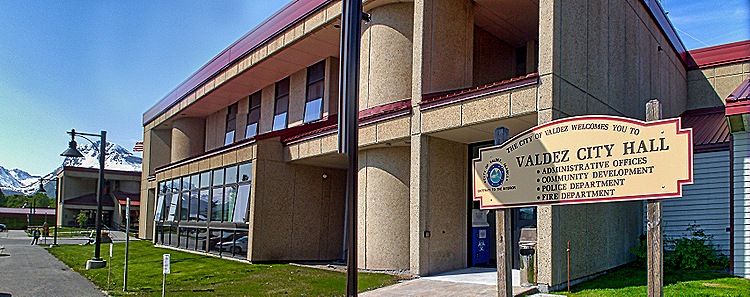


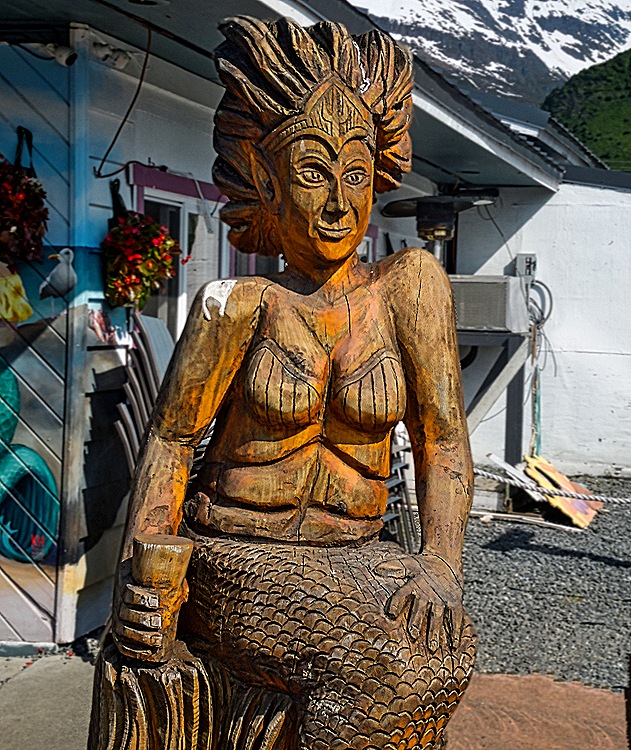

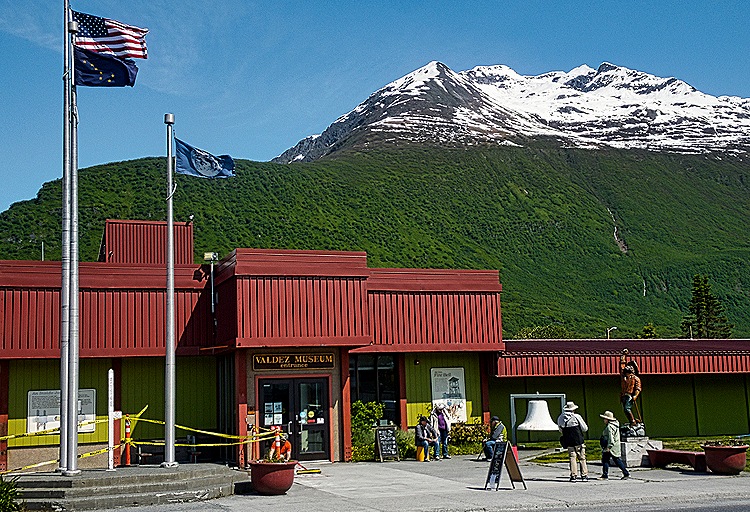
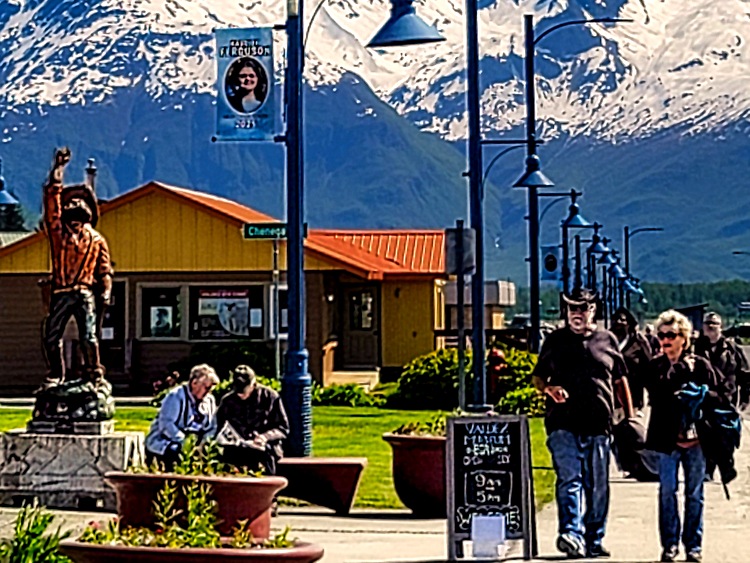
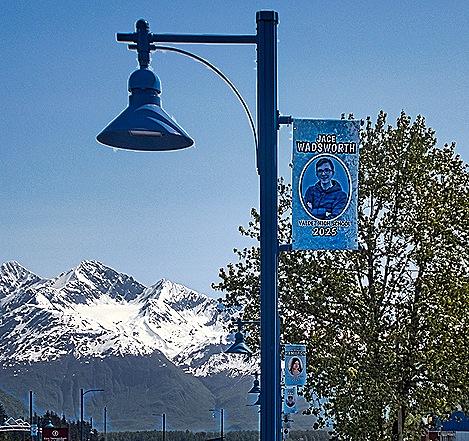
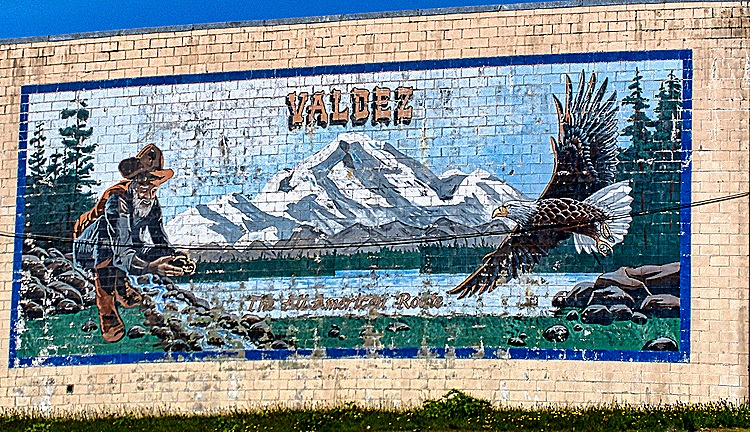
We walked over to the Valdez Museum, which is full of very interesting exhibits detailing, among other things, the pioneer period, the earthquake and the Exxon Valdez oil spill disaster. The main streets of this small town are surprisingly wide with outdoor artwork and interesting buildings displayed against a backdrop of snowy mountains. It was June so the latest class had just graduated from the local high school and many of the lamp posts lining the sidewalks had banners, each with the name and photo of one of the graduates. Bear proof trash containers were on the streets as well, with a lever to open the top covered by a metal shield big enough for human fingers but not bear paws.

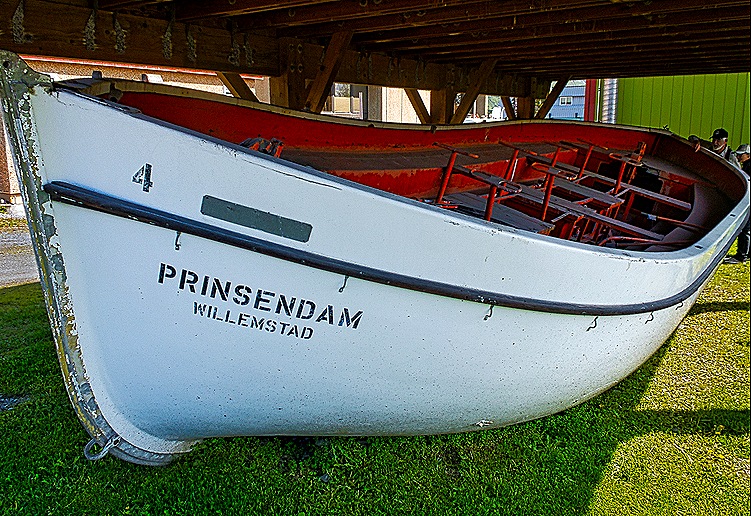
Our favorite Holland America ship was the Prinsendam (sold in 2019), on which we travelled three times. That ship joined the HAL fleet in 2002, but there was a previous HAL ship with the same name that sank in the gulf of Alaska in October of 1980 after its engine room caught fire. Despite 25 foot seas and 50 to 60 knot winds the Coast Guard managed to rescue every one of the more than 700 passengers and crew, many elderly, with no fatalities. The Coast Guard considers this the greatest rescue at sea in its history. We won’t tell the whole story here, but it is well worth googling.
The Prinsendam passengers and crew were crowded into open life boats intended for far fewer people (because some were unusable) and set out into the water a few hours before a typhoon hit. Most were rescued by helicopter but one boat was still unfound when they initially thought the rescue was finished. It was found a few hours later and the last of the Prinsendam passengers and crew were picked up. Many were in pajamas and some had torn curtains from the ship’s walls to use as blankets. Today that lifeboat is on display at the Valdez museum, in a covered outdoor facility. We were probably better off not knowing about this harrowing story during the years when we sailed aboard the successor Prinsendam.
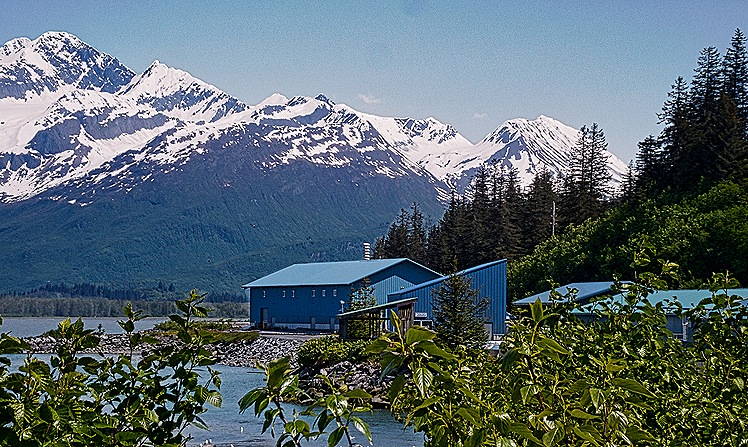
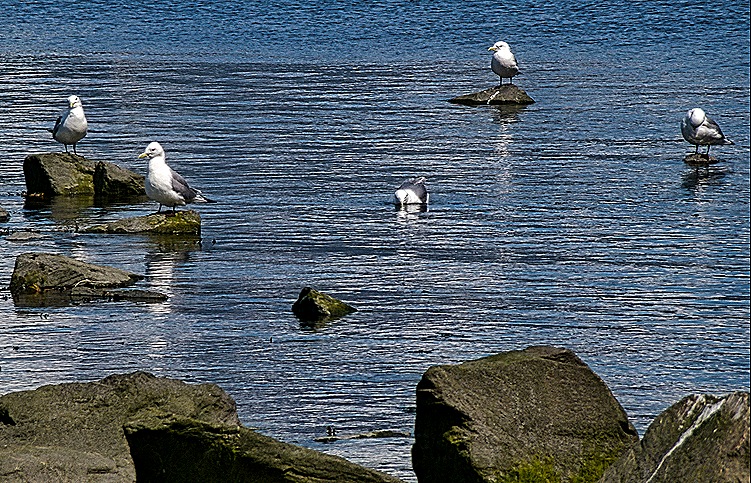
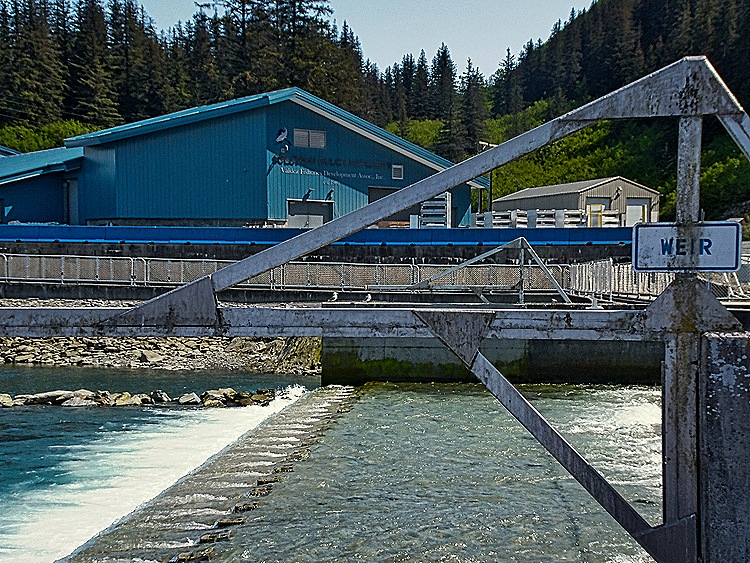
In the afternoon we boarded a bus for our excursion into the mountains. Our first stop was the Solomon Gulch Fish Hatchery, dating to the early 1980’s, which breeds pink & Coho salmon. Millions of salmon hatch here each year and leave to spend their lives at sea, then return (as salmon do) to their birthplace at the end of their lives to lay eggs in the hatchery, with the entire cycle repeating each year. We understand that this place is full of returning salmon climbing the fish ladder to reproduce from July to September and that other wildlife, such as bears, sea lions, seals and eagles can also be seen here feeding on the plentiful fish. But unfortunately we were here in the middle of June and no salmon were to be seen. There were sea gulls and it was also a very pretty stop by the water’s edge. We had a view of Westerdam across the bay dwarfed by the massive mountains behind it.


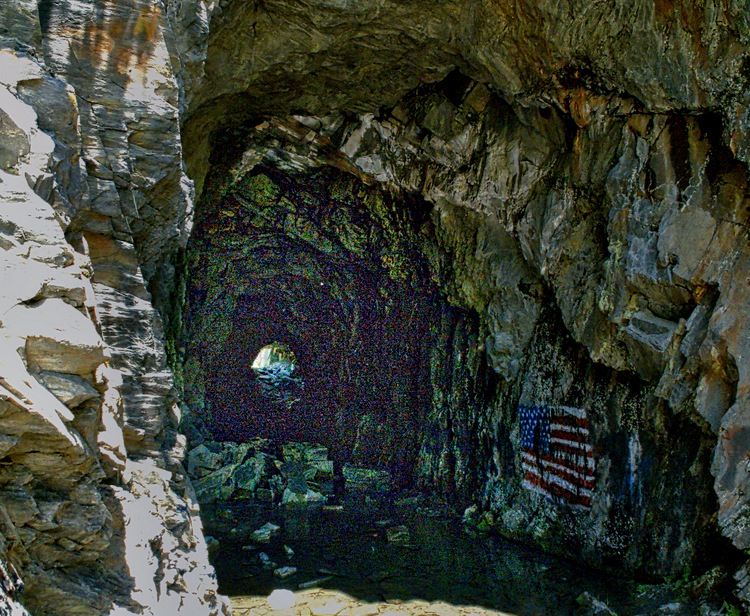
We continued up the Richardson Highway into Keystone Canyon, with its high walls and nice waterfalls. In the first decade of the 20th century there was a heated competition to build a railroad from Valdez to the gold and copper fields inland. Keystone Canyon was the only route for a railroad through the mountains. An out of state railroad company financed by J.P. Morgan and the Guggenheims began building a path through the canyon but were challenged by a local company. So they posted armed guards and built a barricade across the canyon entrance to keep the locals out. On September 25, 1907, the two sides had a shootout, with one man killed and several injured. Public opinion favored the locals but both companies pulled out after the gunfight with the outside group building a railroad to the Copper River from Cordova instead (which ran until 1938). The banker who started the local company left town with many of his local financial supporters in debt. All that is left of this early railroad construction is a tunnel that was hand cut through solid rock.
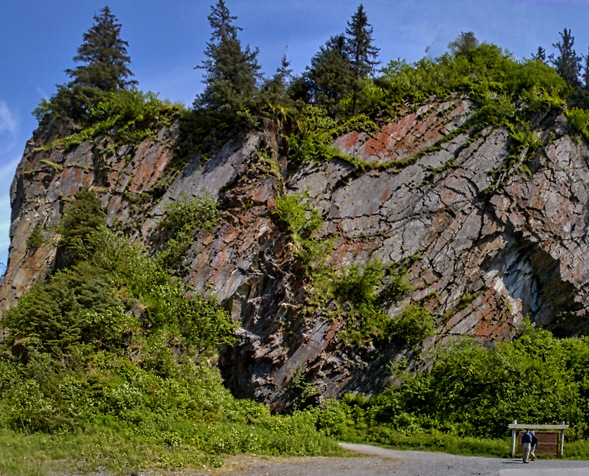
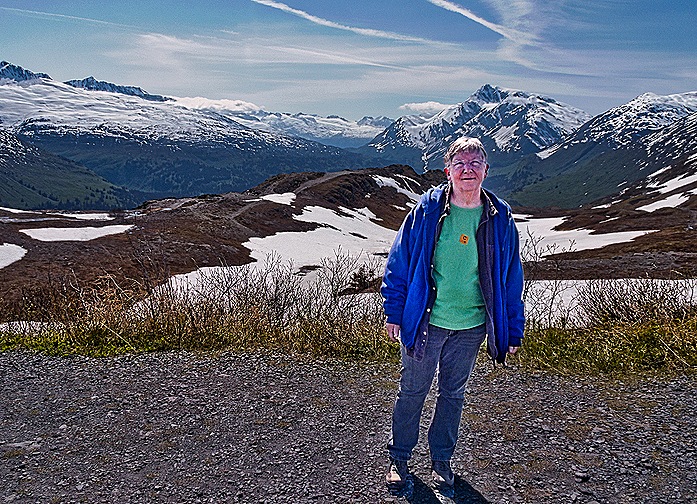
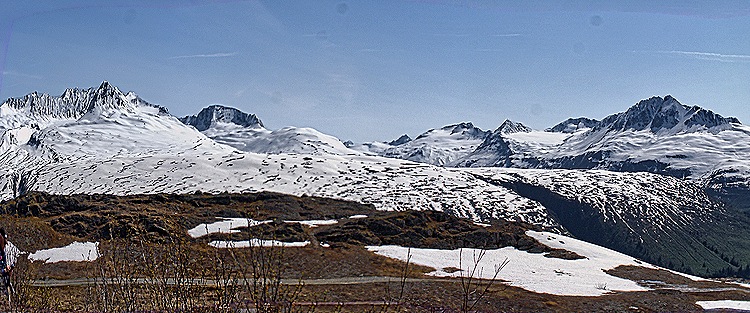
Almost 29 miles from Valdez is the Worthington Glacier, one of the few glaciers in the US accessible by paved highway. But accessible does not mean there is no walking involved to get from the highway to the glacier. The area between the highway and the glacier is a small state park, which includes restrooms and a parking lot. From the parking lot it is a modest but very uneven walk to the glacier view. Beyond the highway in the opposite direction is a spectacular row of mountain peaks. Worthington Glacier has been receding for 150 years but much slower than many others in Alaska. Off to the right of the glacier (where Mary is looking in the first picture) was a picturesque river surrounded by leafless trees and bushes with more white mountains beyond.

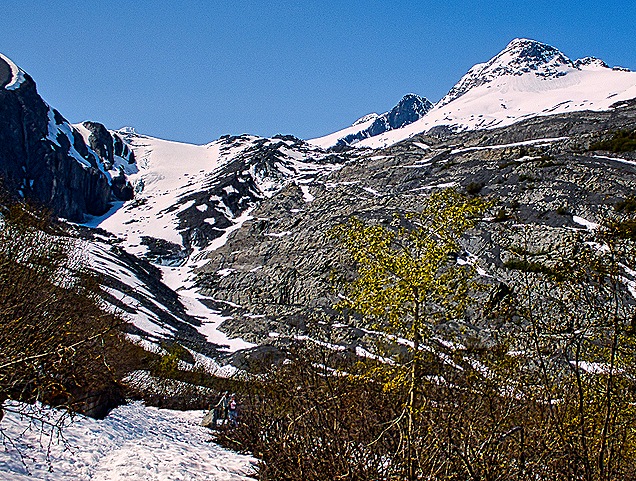
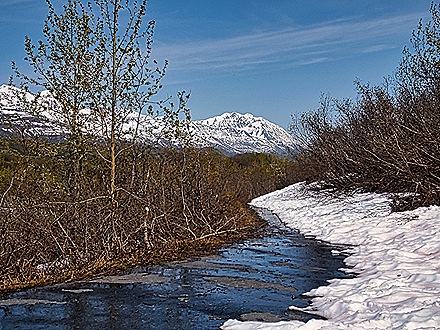
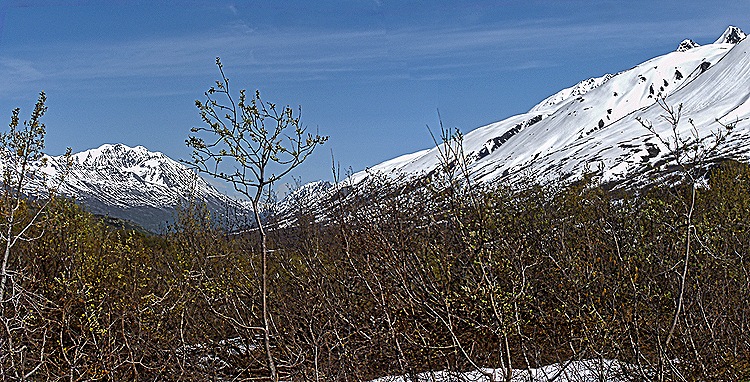


The pull off to Worthington Glacier is from the Richardson Highway as it passes through Thompson Pass. Thompson Pass is a 2600 foot high gap in the Chugach Mountains, which is notable as one of the snowiest places in Alaska, averaging 500 inches of snow per year. It holds the Alaska record for snowiest day . . . 62 inches on December 29, 1955. Native people had been using this pass for many years when the US Army marked out a trail to the Klondike during the gold rush in 1899. Cars began driving through the pass in 1913 on what was named the Richardson Road in 1919. Until 1950, when snowplows were first deployed, this road was only usable in summer, then it was paved in 1955.
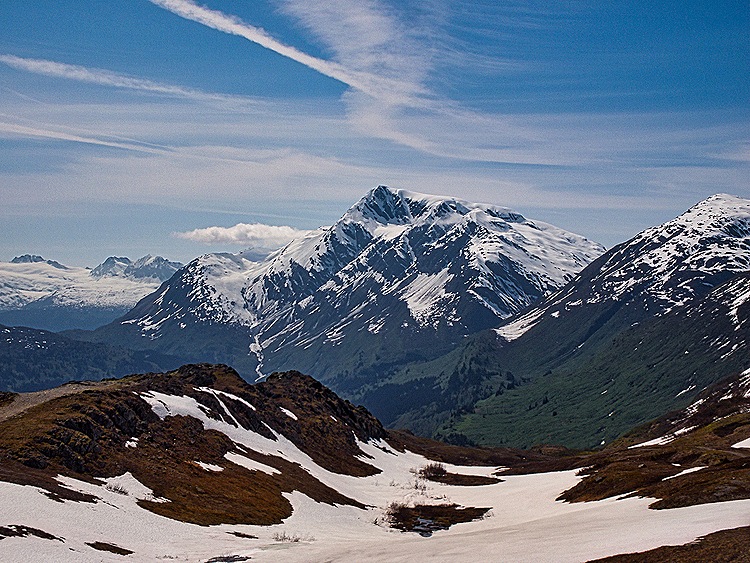
Leaving the Glacier we drove down the sometimes winding road through the Thompson Pass. It was a winter wonderland, even in the middle of June, with snowy peaks all around. We stopped at a pull-off viewing spot where we had quite a view of the surrounding peaks and valleys.
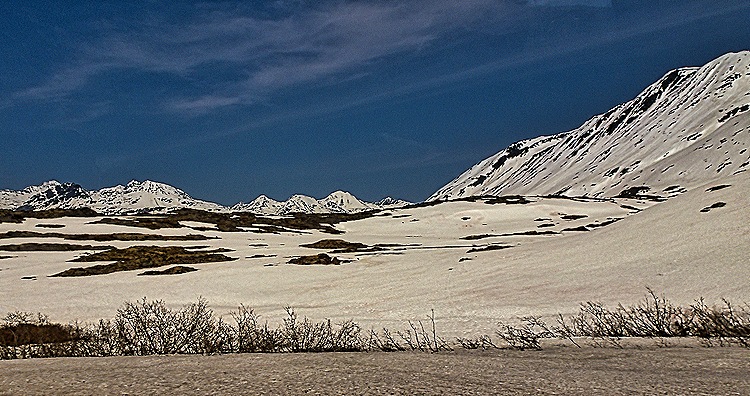
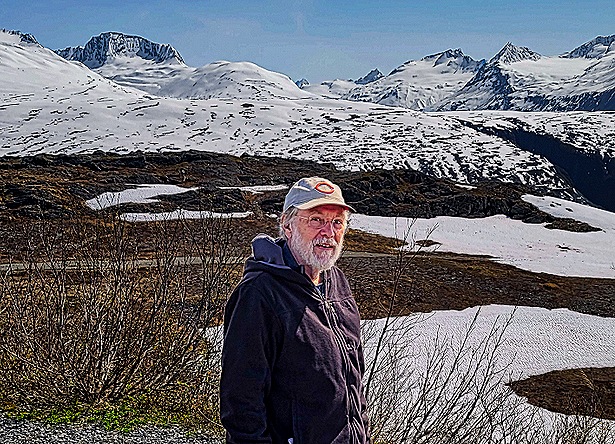


We descended back down into Keystone Canyon and left the bus to look at the waterfalls. Bridal Veil Falls (we have seen several waterfalls before with this obvious name) is some 600 feet high and Horsetail Falls, less than a mile away, is 300 feet. There is a third falls, almost as tall but noticeably narrower, not far from Bridal Veil. The falls are all on the opposite side of the highway from where we were parked and we were asked not to cross the road because it was dangerous. So the highway cut off our view of where the waterfalls drop into a river below. Still quite beautiful though.


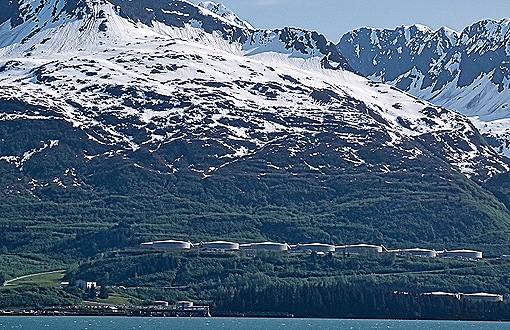
We returned to the tender dock and then to the ship, driving past yet more stunning scenery. Valdez is the southern terminus of the Alaska Oil Pipeline, which brings crude oil all the way from Prudhoe Bay in Northwestern Alaska to a facility here where it can be loaded onto tankers for transportation to refineries. Because this is the northernmost ice free port oil can be shipped from Valdez year round. For those who can remember 1989, the Exxon Valdez oil spill that March let almost 11 million gallons of oil loose into Prince William Sound after the tanker ran aground on a reef. This was just a little more than a day after leaving Valdez loaded with 53 million gallons. A great deal of the wildlife in the area was killed and the effects were still evident decades later despite wide ranging efforts to clean it up. From our veranda we could see the tanks and facilities for handling the oil on this end of the pipeline, including a tanker waiting to load oil.


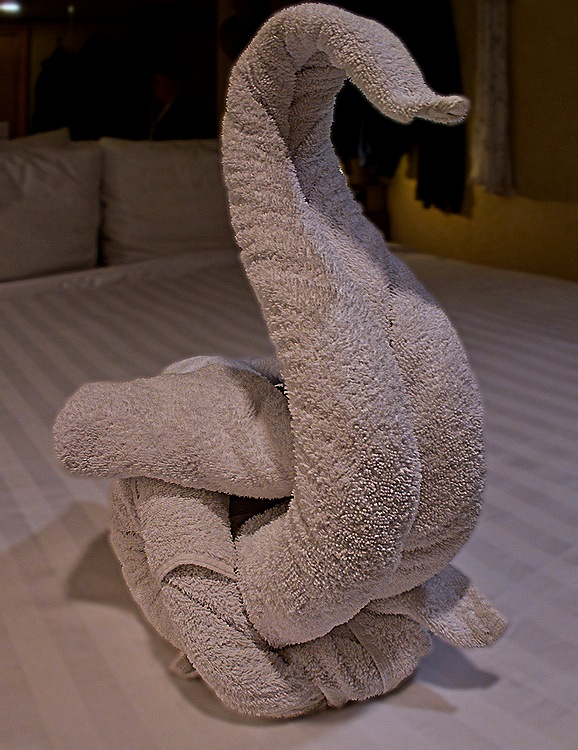
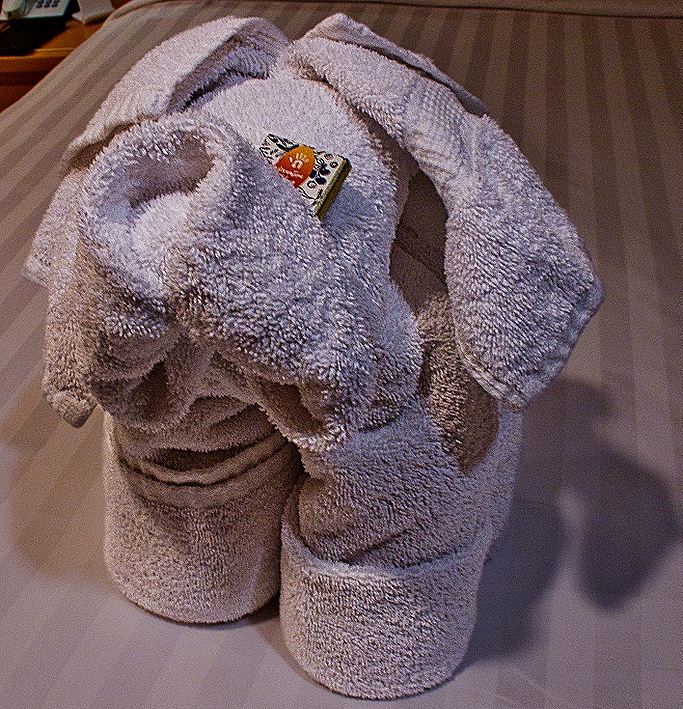
. The ship didn’t leave until late at night, after our bedtime. But here are a couple of towel animals, our nocturnal company in the stateroom, to end this very full day.

Sitka, Alaska 2025
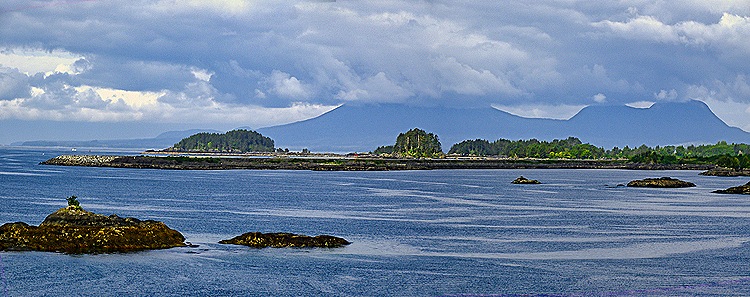
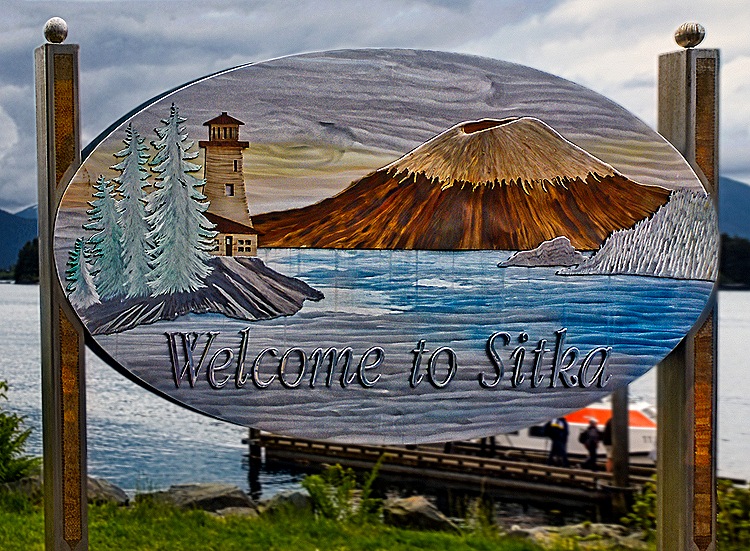
On the morning of June 11 we docked near Sitka, Alaska, which is situated primarily on Baranof island. With a population of almost 8,500 Sitka is the fifth largest city in Alaska (but with 2, 870 square miles it is the largest city by land area in the US). The city’s origin was in 1799 when Russian explorers built a settlement called Fort Of Archangel Michael. It was destroyed by the Tlingit in 1802 but after winning the “Battle of Sitka” in 1804 the Russians established a permanent settlement called New Archangel. Sitka was the capital of Russian America from 1808 to 1867, when Alaska was purchased by the Americans (for about 2 cents per acre) after Russia lost the Crimean War. Sitka continued as the capital of the Alaska Territory until 1906, when Juneau became the capital because of its growth in importance during the Klondike Gold Rush. Before tendering into town we took in the view from our veranda of the islands and mountains in the bay.
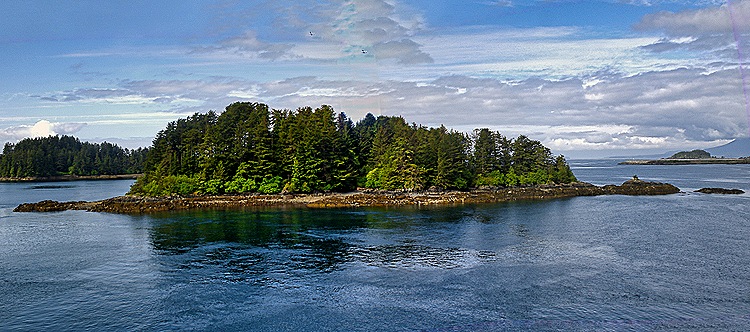
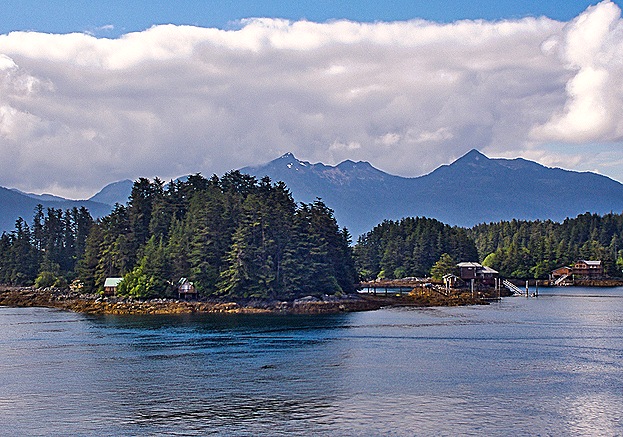


Our tender dropped us off near a bridge in the center of downtown, a very convenient spot. We had booked an excursion with our travel agents for the morning, then we spent the afternoon walking around the town on our own. This plan worked out quite well for us.
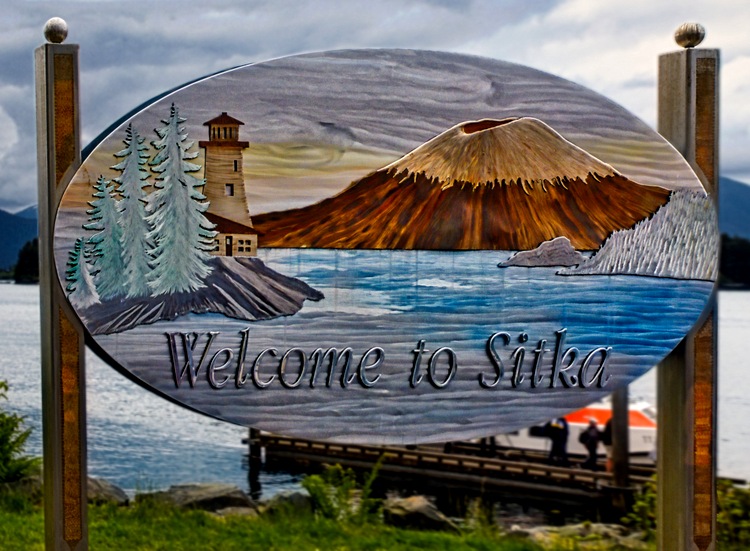
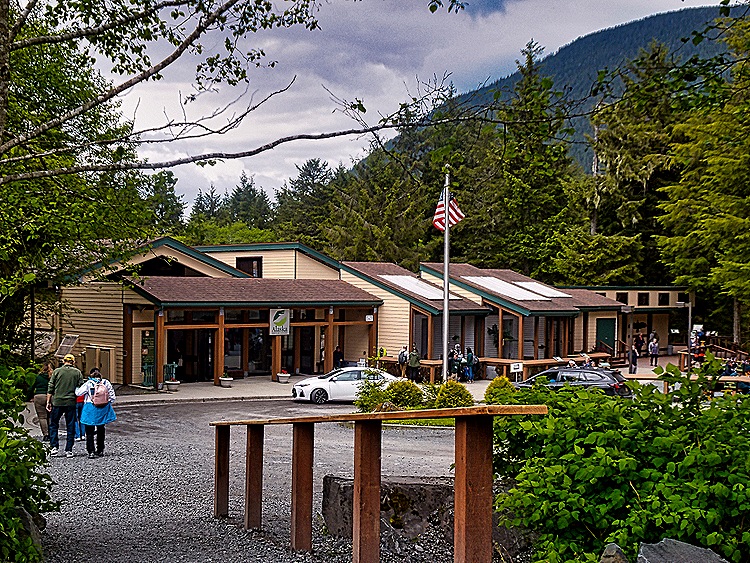
Our first visit was to the Alaska Raptor Center, established in 1980 to care for birds of prey that have suffered trauma, such as collisions, gunshot wounds, starvation and disease. While bald eagles predominate the Center will help any bird in need, and birds are brought here from all over Alaska for that purpose.


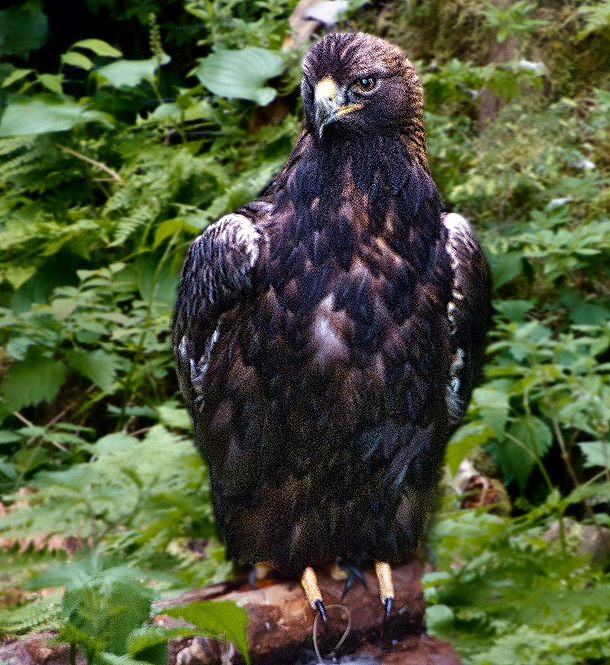
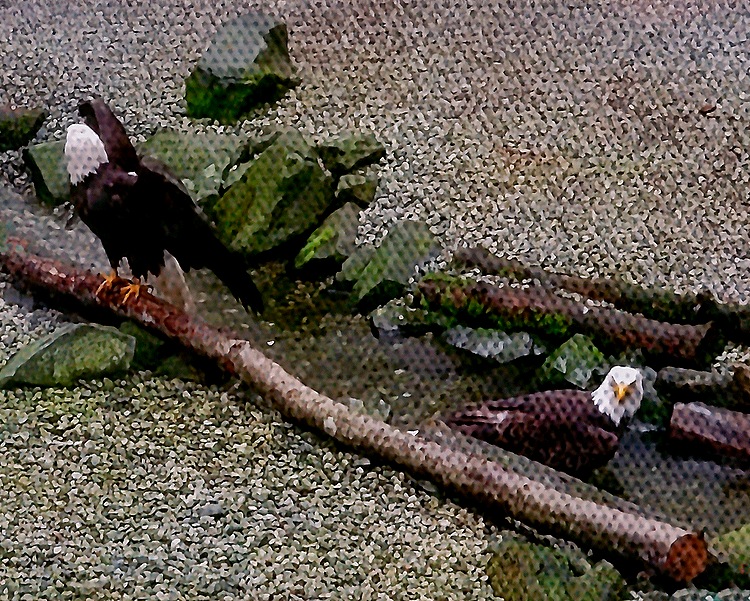
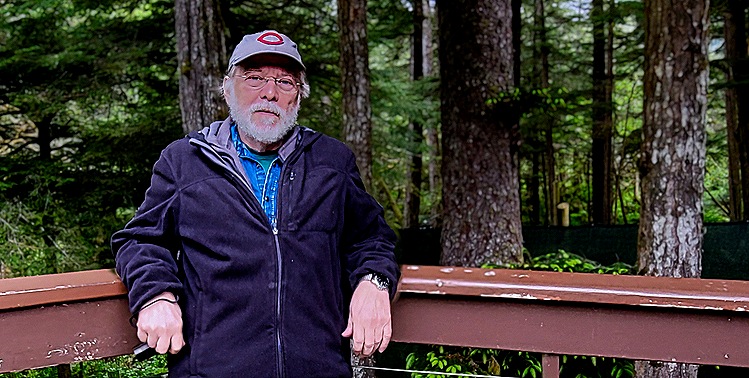 When healthy enough, eagles are moved into the large indoor Eagle Flight Training Center, a transition facility on the campus where they can fly, bathe and meet other eagles until their release into the wild (our view into this facility was through a black netting). Birds that are unable to live in the wild are given homes in zoos and wildlife centers throughout the US, and some live out their lives at the Center.
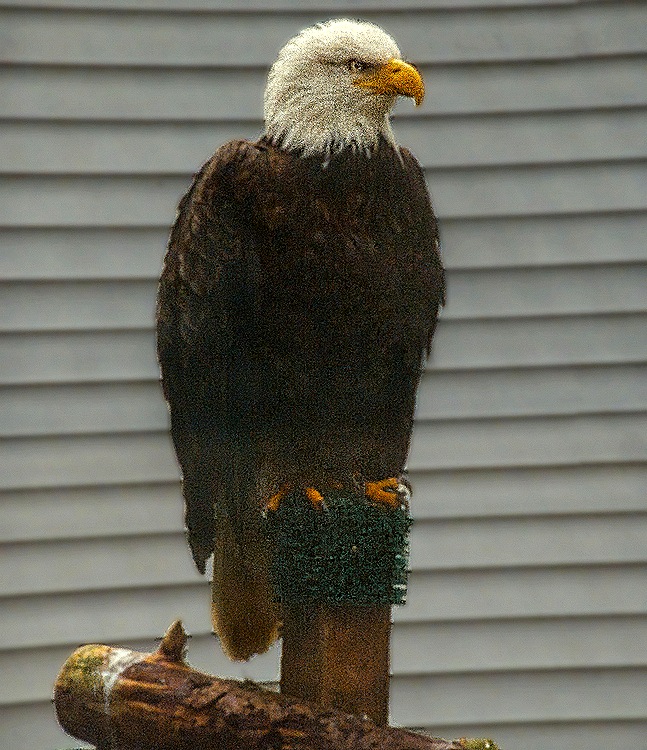
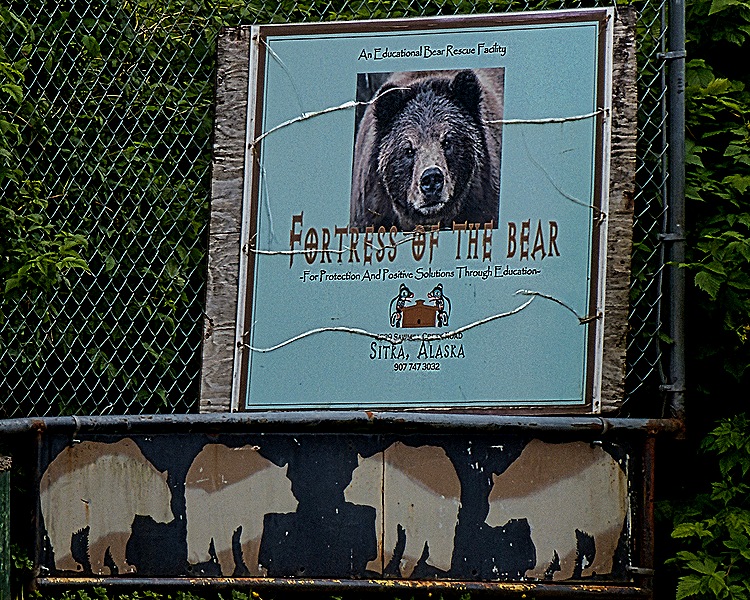
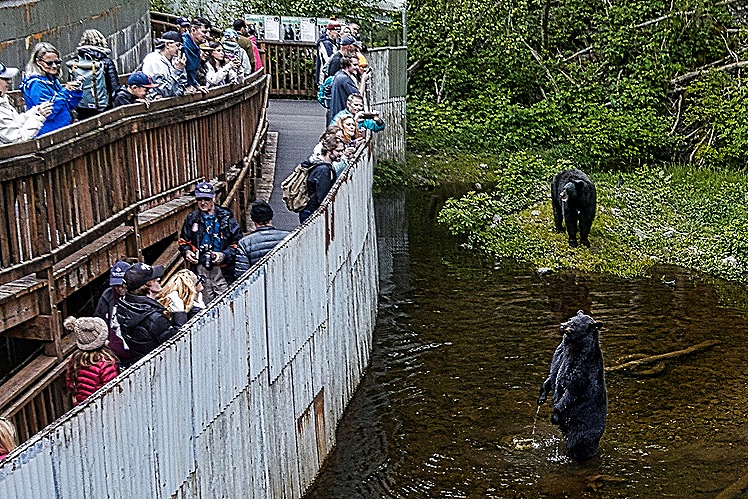
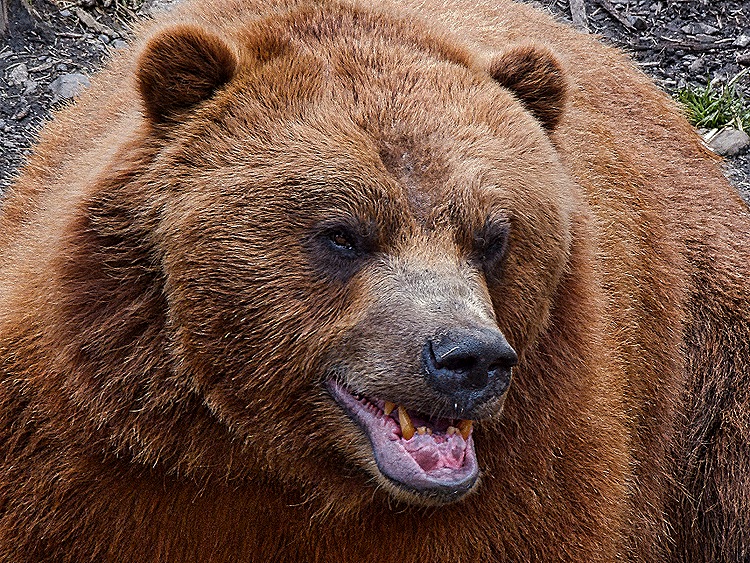
Our next stop was at the Fortress of the Bear, a refuge for bears unable to fend for themselves in the wild, often cubs whose mothers have died. It is situated on the site of a former pulp mill and the habitat area that can be visited looks like two huge (192 feet in diameter) vats with round concrete walls. The facility received its first bear in 2007. Not a lot of bears live here; we think when we visited there were about 5 brown bears and 3 black bears. Apparently it would be unsafe to release fully grown and healthy bears into the wild, but some of the bears are eventually transferred to new homes in zoos and wildlife facilities elsewhere. Others live out their lives here.

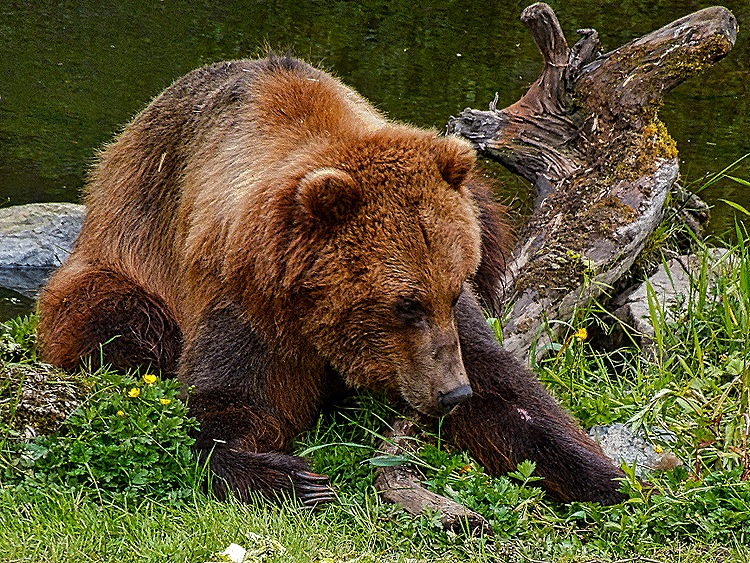
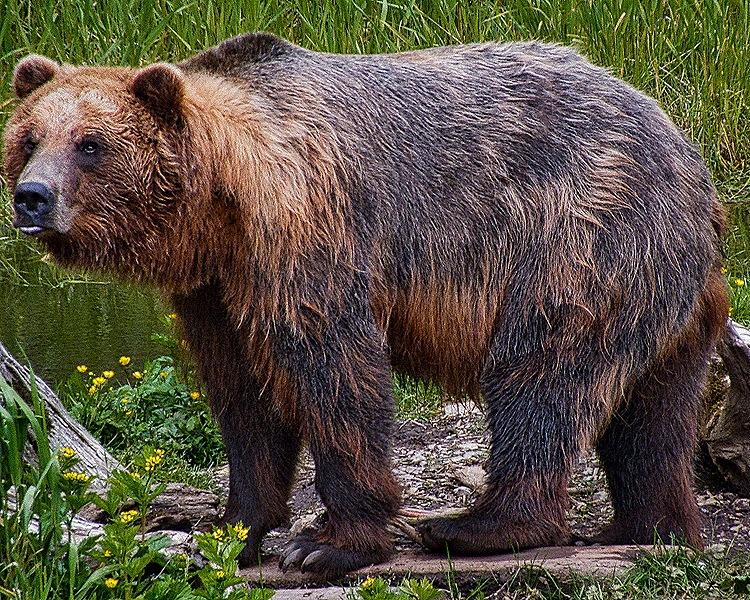



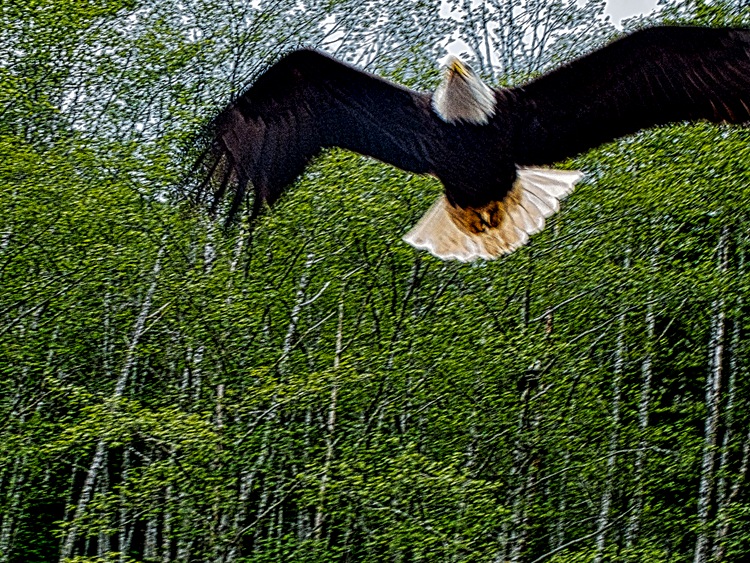
There were Bald Eagles at the Fortress as well, flying among the trees and roofs of the buildings.

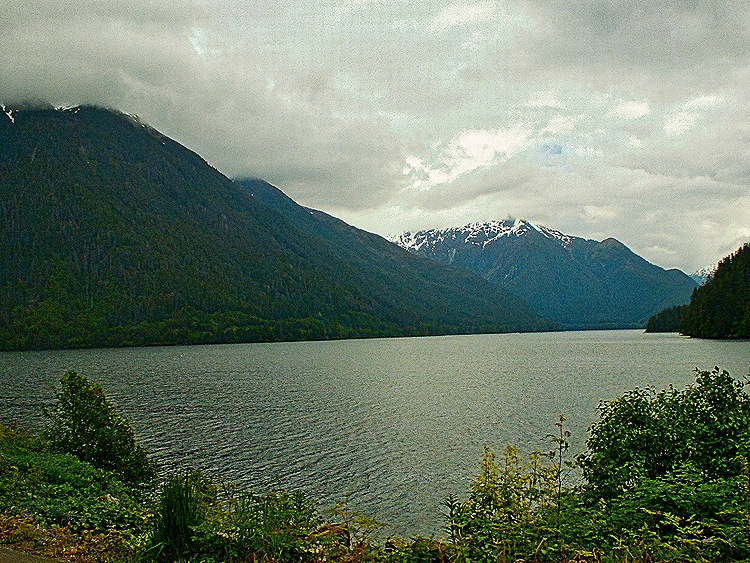
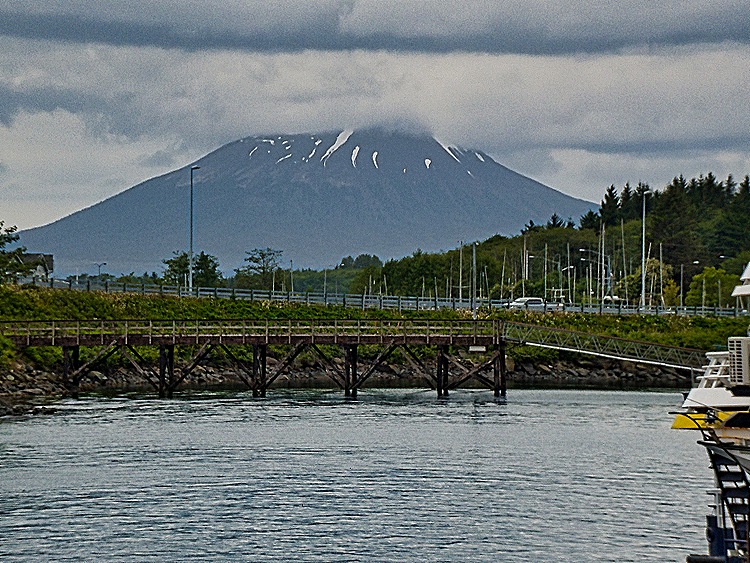
We drove back to the tender port in downtown Sitka, past one of the nice sea vistas that abound here. From there we began to walk up and explore the central part of the town. As we walked up we had a good view of Mt Edgecumbe, the large volcano sitting on a neighboring island about 15 miles away. Its Tlingit name is L’ux, meaning flashing, reputedly because it was erupting when they first discovered it, although the volcano has been dormant for more than 800 years. Captain Cook named it Mt Edgecumbe, possibly after an Earl of that name or a hill near Plymouth, England. On a clear day the mountain’s snowy summit and caldera are visible from Sitka but on the day we visited they were covered by clouds.
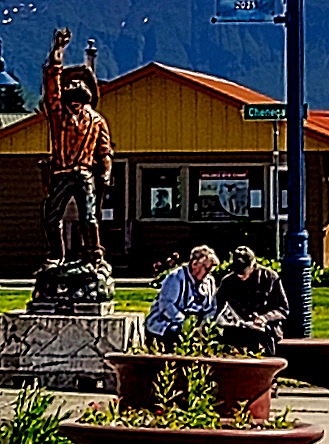
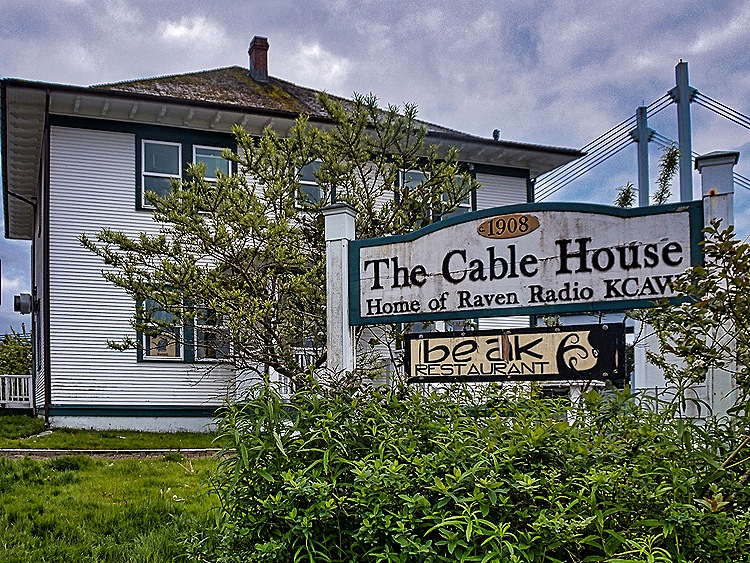
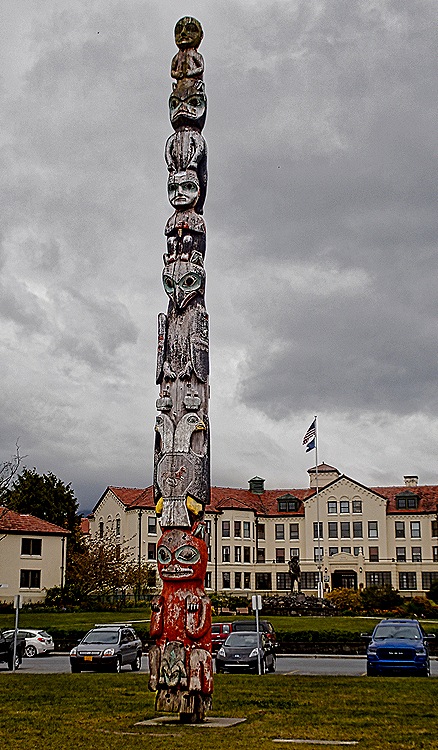
Upon reaching the top of the climb up to the city we encountered the Cable House. Built in 1908 it was originally the northern terminus of the underwater telegraph cable that was the first communication link between Alaska and the main United States. Today it houses Raven Radio, Sitka’s public radio station, with a restaurant on the first floor. Across the street is Totem Square with the Baranov totem pole first erected in 1942 and restored in 2011. At its top is an image of Alexander Baranov, the founder of Russian Sitka, and second from the bottom is a two-headed Russian eagle. Nearby is the yellow Sitka Pioneer Home, a retirement home built in 1913. In front of the home is a large sculpture called “The Prospector” that has been here since 1949. It is supposed to have been modeled after William Clark "Skagway Bill" Fonda, a pioneer who is said to have arrived in Skagway in 1896 and is credited with breaking first ground in the building of the White Pass Railway there.

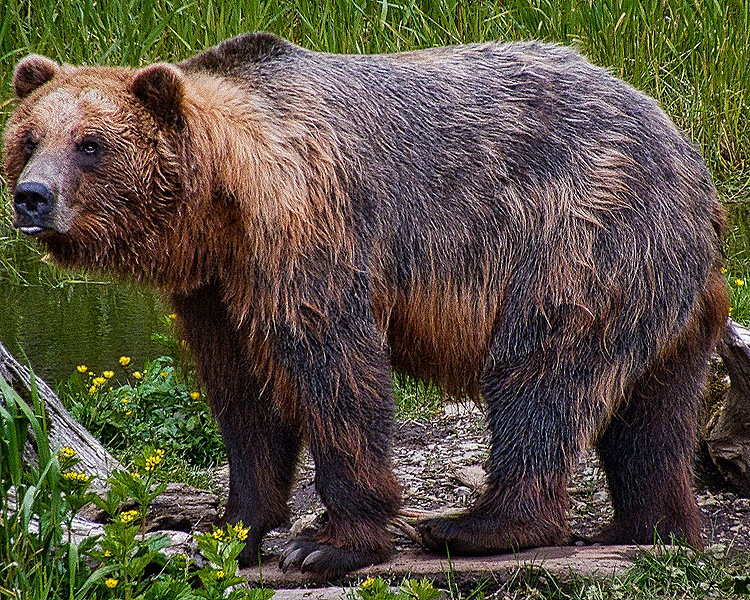
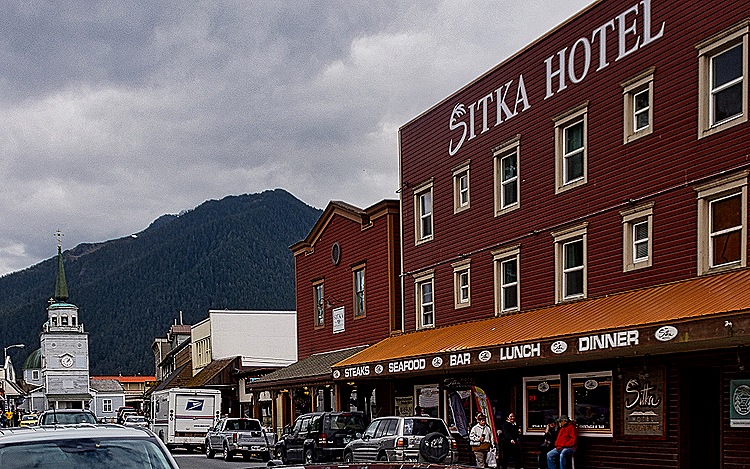
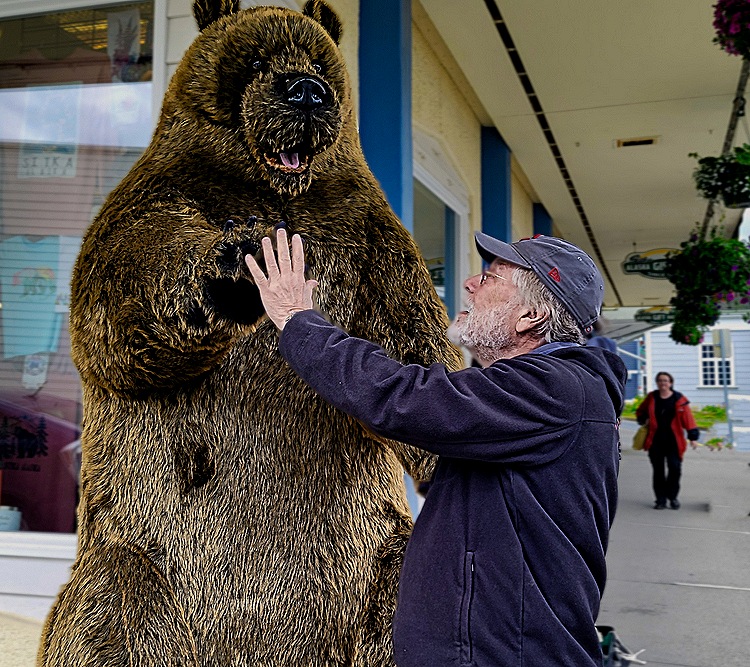
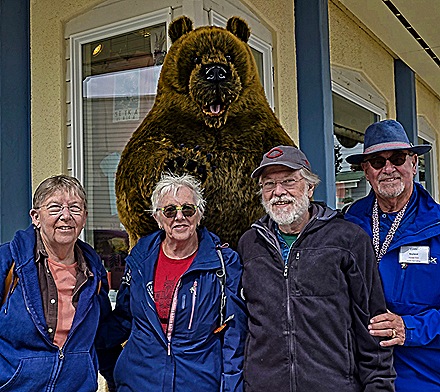
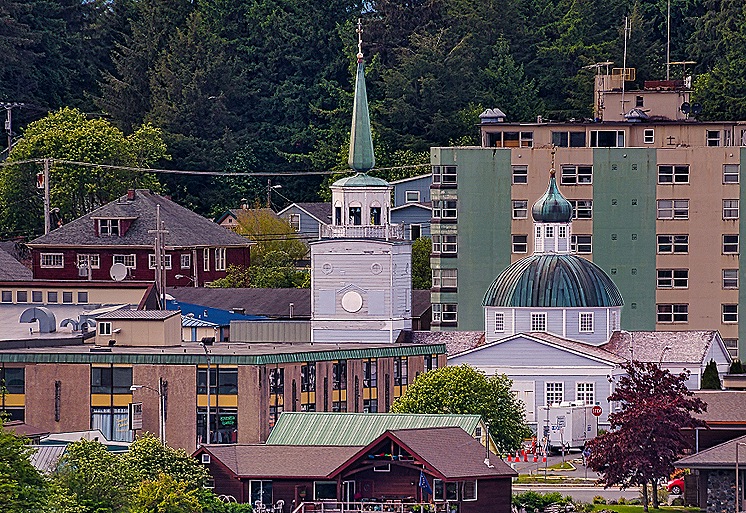
We walked toward the East down the street toward St Michael’s Cathedral. Originally dedicated in 1848, this is the oldest Orthodox cathedral in the western hemisphere. It burned to the ground at the beginning of 1966 but was rebuilt following detailed drawings of the original and reopened in 1977. The surrounding streets are largely commercial, including the Sitka Hotel. Rick encountered a large bear nearby, who then agreed to pose with us and our friends Keith and Susie, our travel agent’s hosts on the cruise.

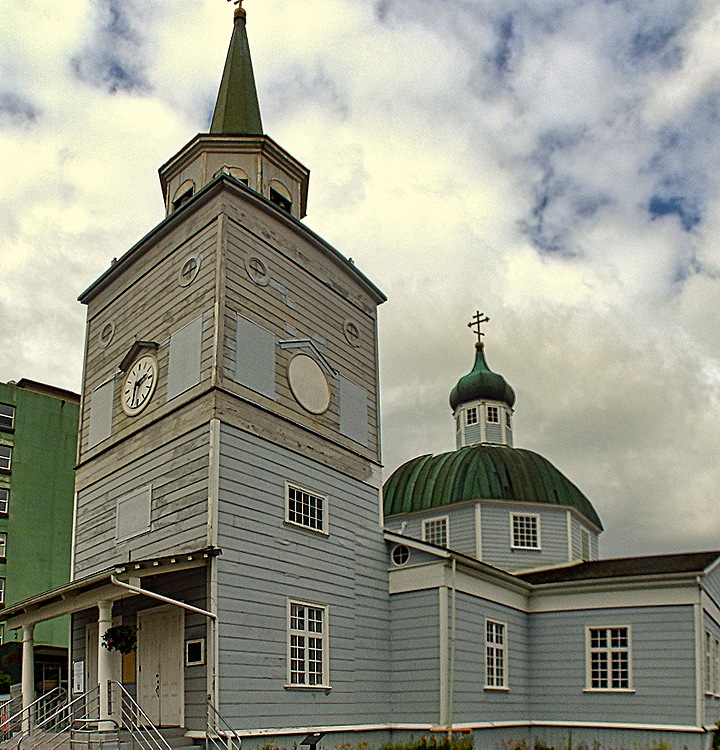
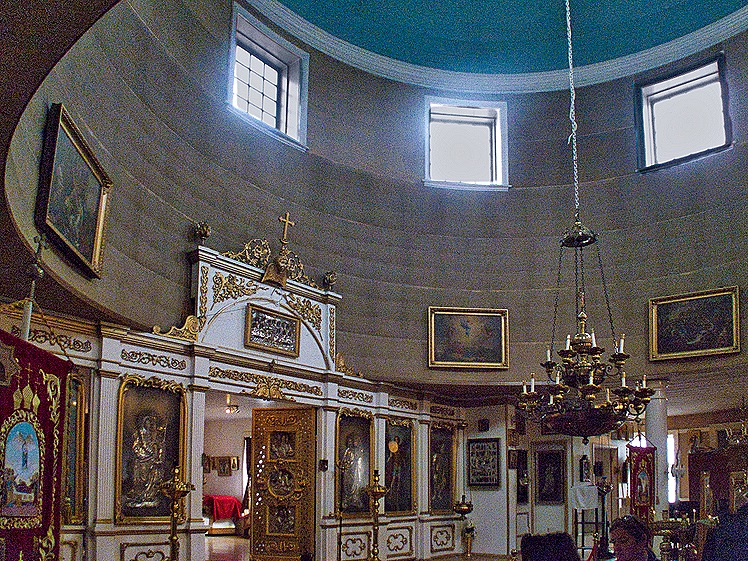
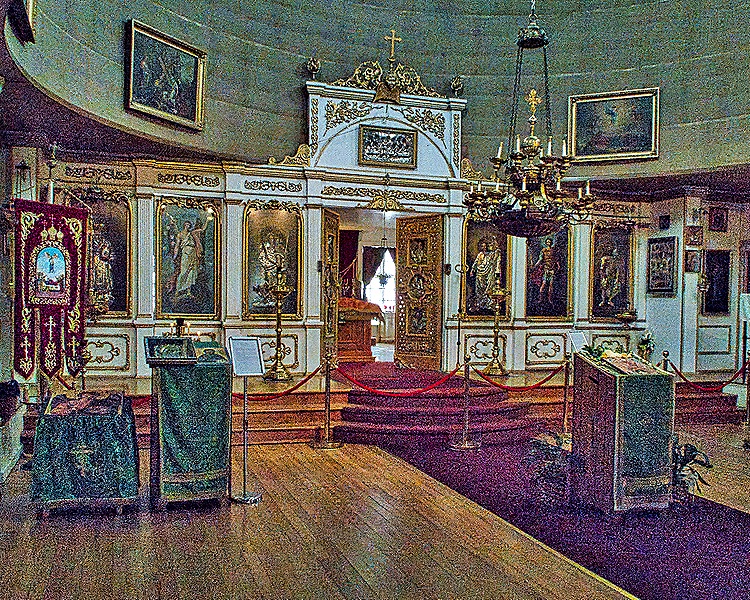
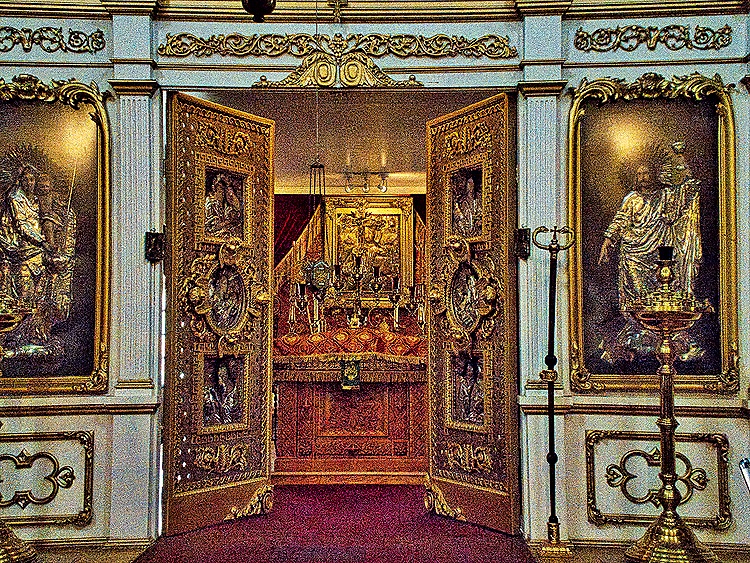
During Russian rule in the first two thirds of the 19th century many artistic treasures were contributed to the cathedral by Russian nobility. Some of it was lost in the fire of 1966 but most was saved, including the icon wall and the chandelier that can still be seen inside the building. The carved wooden doors in the middle of the icon wall, leading to some chapels, are notable for their intricate carvings. The room is lit during the day through windows circling the dome.
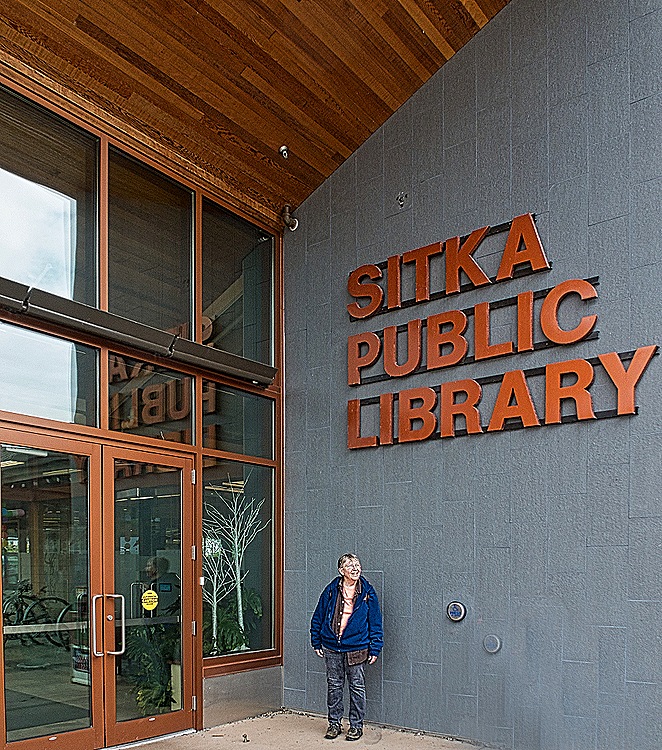
The Sitka Public Library first opened in 1923. It moved a number of times before settling in its current building in 1968. It has an inventory of some 75,000 books and other items. After seeing the library we had a late lunch at a very good pizza restaurant called Mean Queen that had been recommended by our morning excursion leader. It had a very nice view of the harbor.


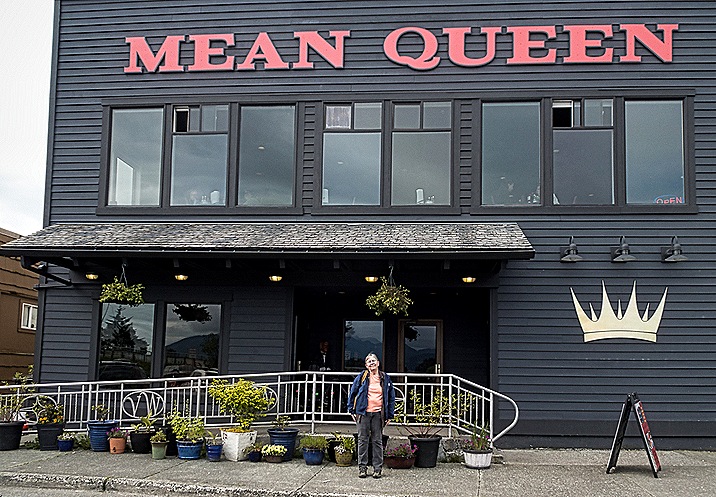
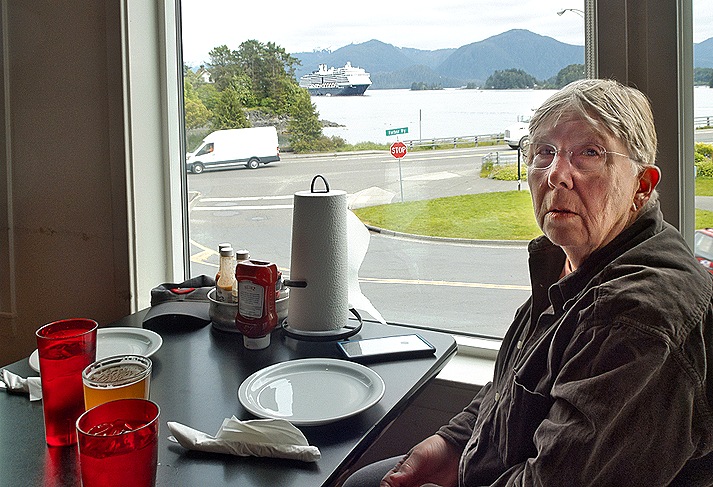
After lunch we climbed up to Baranof Castle, located on a high bluff above the harbor. Also called Castle Hill, this was originally right on the water and was fortified by the Tlingit. They abandoned it during the Russo-Tlingit war and it came under Russian control in 1806 at the end of that war. They refortified it and it served as the center of Russian administration of Alaska until 1867 when the United States got control. The formal transfer and first raising of the American flag took place here in 1867 and when Alaska became a state in 1959 this is where the first 49 star US flag was raised. Today it is a state park with several old cannon on the level top of the hill surrounded by a stone wall. Because it is some 60 feet above sea level it commands an excellent view all around (which would be even better if there weren’t so many tall trees in the way).

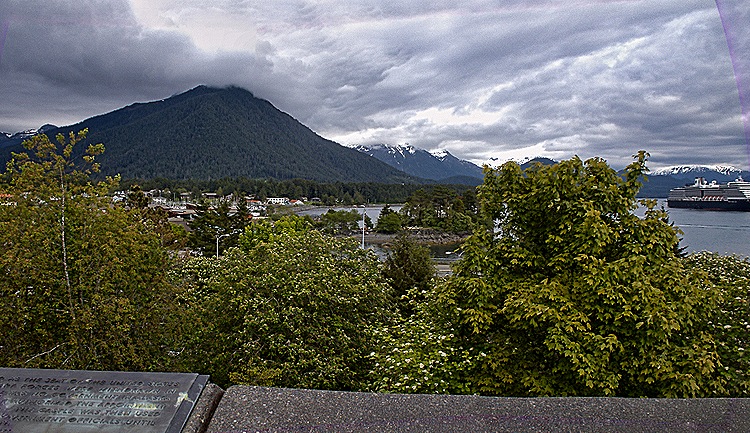
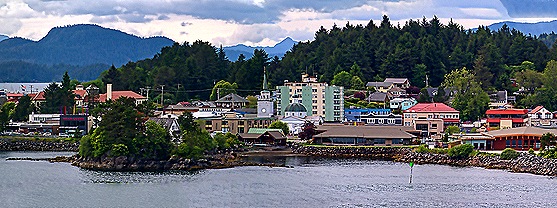
We returned to the tender dock and then back to the ship, from which we had a panoramic view of Sitka. We had a sea day to rest up before our next port visit.

Ketchikan, Alaska (& Misty Fjords) 2025
After a day sailing through the inside passage we arrived in the morning of June 10 at Ketchikan. A city of just over 8,000 located on an island in the inside passage Ketchikan is a very popular cruise port (we were one of five cruise ships in port this day). It was incorporated in 1900 as the first city in Alaska and is currently the sixth largest. Displaying many totem poles, old and relatively new, it was once a summer fishing camp of the Tlingit people and was known for its thriving salmon canning industry beginning in the late 19th century. As our ship approached the city there was beautiful scenery and a number of houses isolated in the forest by the water, which must be a picturesque place to live.


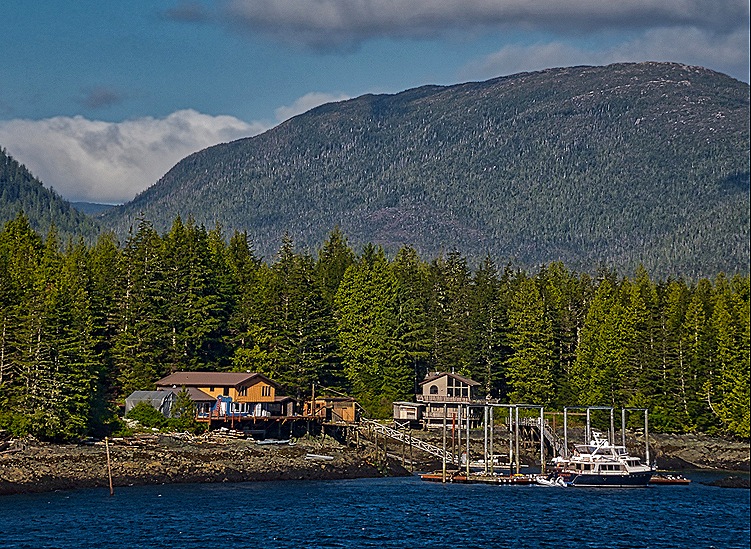

We have visited Ketchikan before and spent a day exploring this interesting town on foot:
https://baderjournal.com/2017/08/16/ketchikan-alaska/
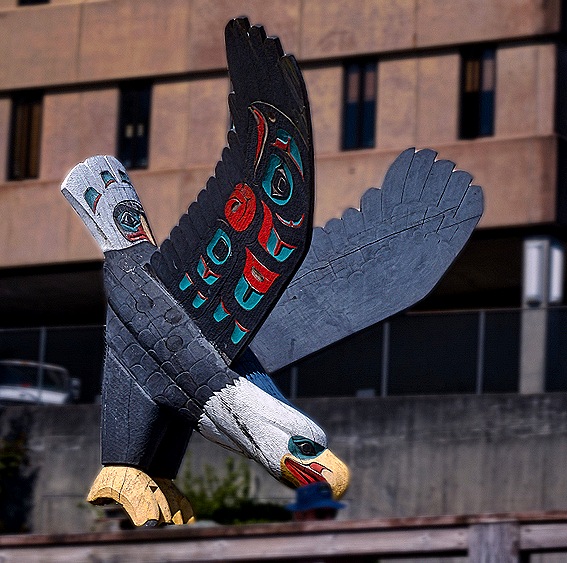
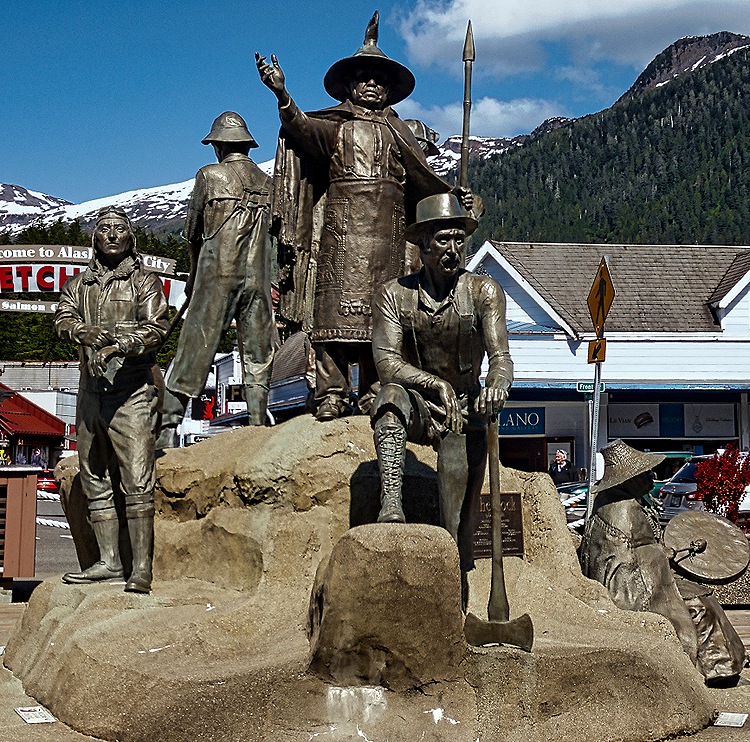
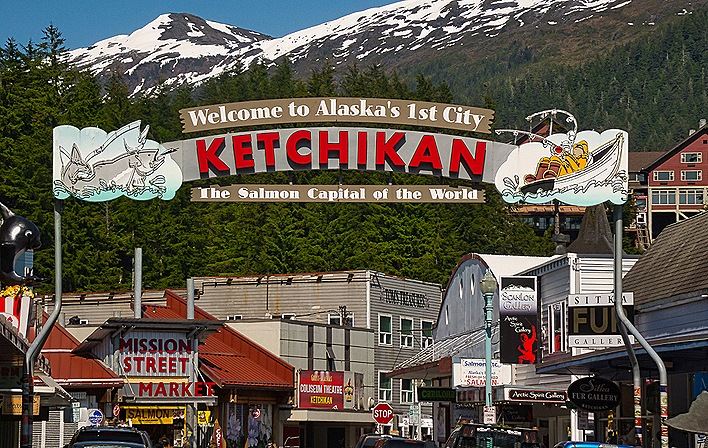
So this time we signed up for an excursion to Misty Fjords National Monument about 40 miles away. Many people visit there by float plane but we did it by boat, a longer trip but quite enjoyable on a clear sunny day like we had. Leaving the ship we had to walk along the waterfront past a couple of other cruise ships to reach our cruise boat. In this area is an iconic arch welcoming visitors to Ketchikan, a sculpture of a bald eagle in flight called “Thundering Wings” carved in cedar by renowned totem sculptor Nathan Jackson, and a set of bronze sculptures called “The Rock” representing historic groups of residents of Ketchikan: a miner, a bush pilot, a fisherman, a native drummer, a logger, a frontierswoman and (on top) a Tlingit named Chief Johnson.

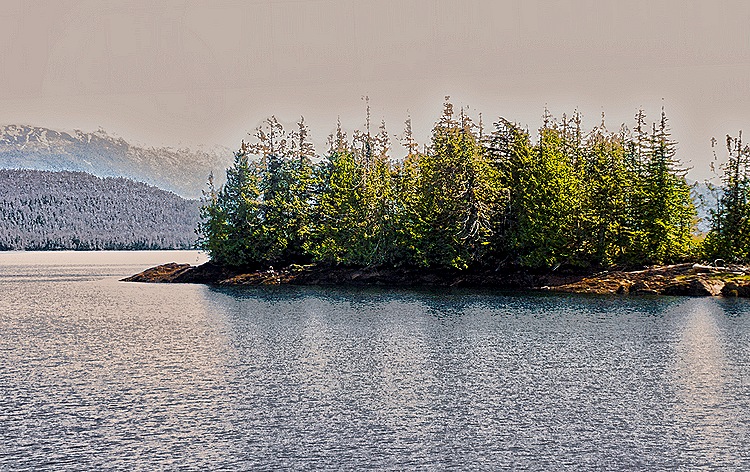
Misty Fjords is an area of more than 2 million acres in the Tongass National Forest that has been a protected National Monument since 1978. It was covered by ice for millennia and the receding glaciers carved long and deep fjords in the rock that today are filled with water and bordered by tall cliffs. The first European expedition to visit here, in 1793, was captained by George Vancouver who originated the current names used in this region. After leaving Ketchikan our boat sailed up the Behm Canal (actually a natural fjord rather than a man made canal) toward Misty Fjords, just as Captain Vancouver did.
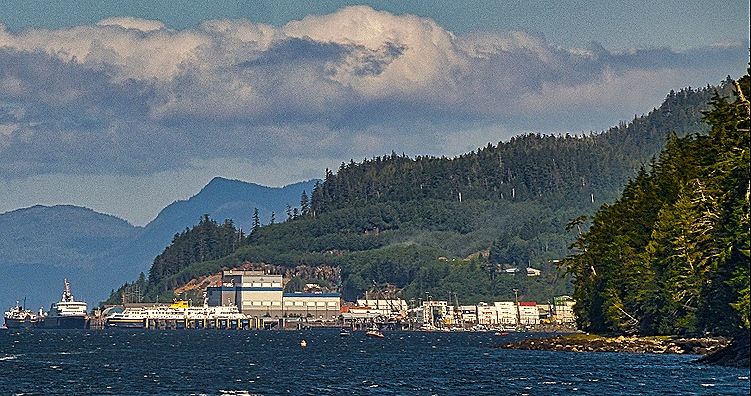


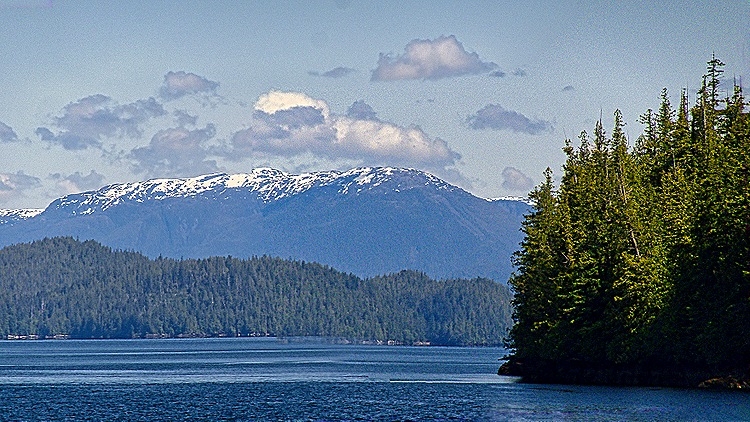
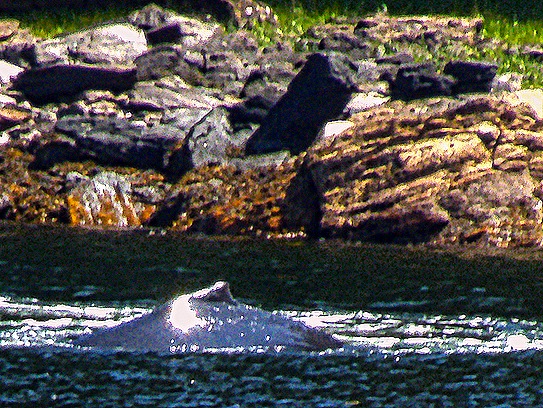
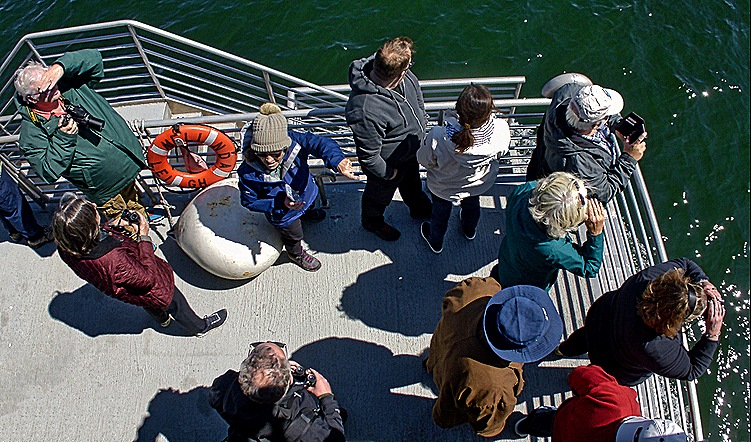
This area has an abundance of wildlife, although we only saw a few. We saw whales spouting. Photographing whales is difficult because they mostly stay under water so you have to watch for them to spout.

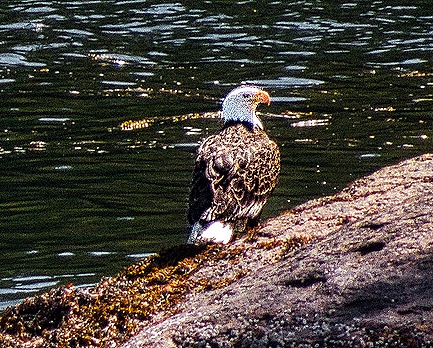
We also saw a bald eagle on the rocky shore eating a fish it had dragged out of the water. This is, apparently, not a common sight since our boat captain later came out of the bridge to tell us that he had never seen anything like this before.

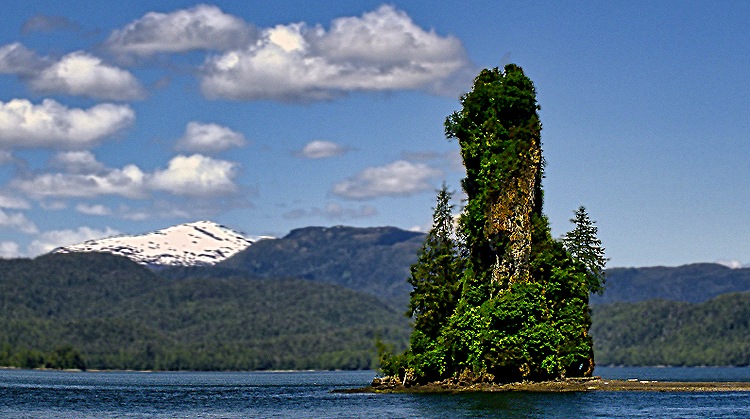
We sailed past New Eddystone Rock, a narrow rock more than 200 feet tall that is a remnant of the top of a volcano that erupted some 15.000 years ago. The base of the volcano extends more than 800 feet to the bottom under the water for a total height of about 1,000 feet. The tide here varies by about 20 feet and at low tide there is a sandy beach surrounding the rock (and we were told that this is a popular wedding spot when the tide is low). Captain Vancouver and his men stopped on this beach for a picnic breakfast on August 9, 1793. He named it for a lighthouse near Plymouth, England, that he thought it resembled.
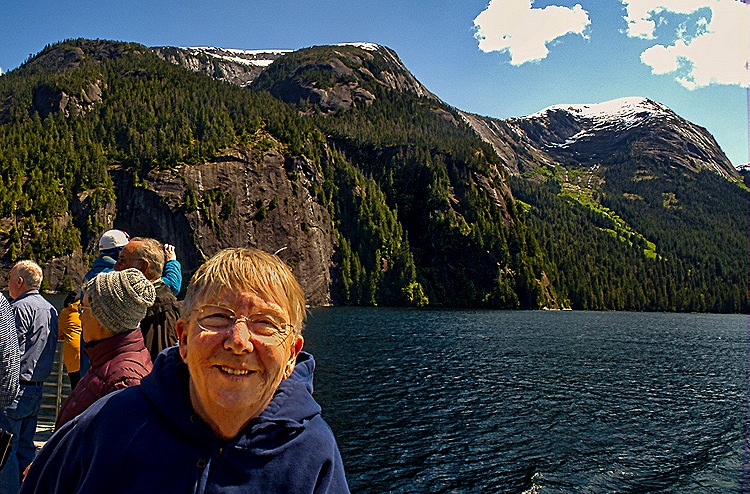
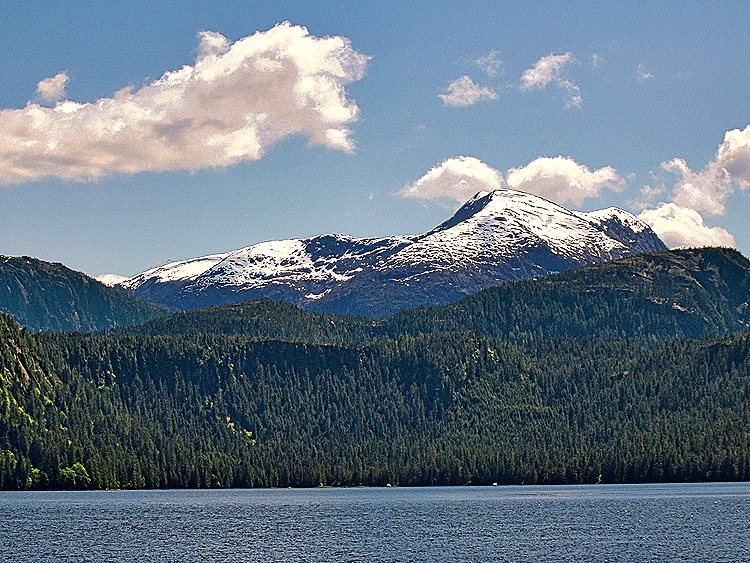
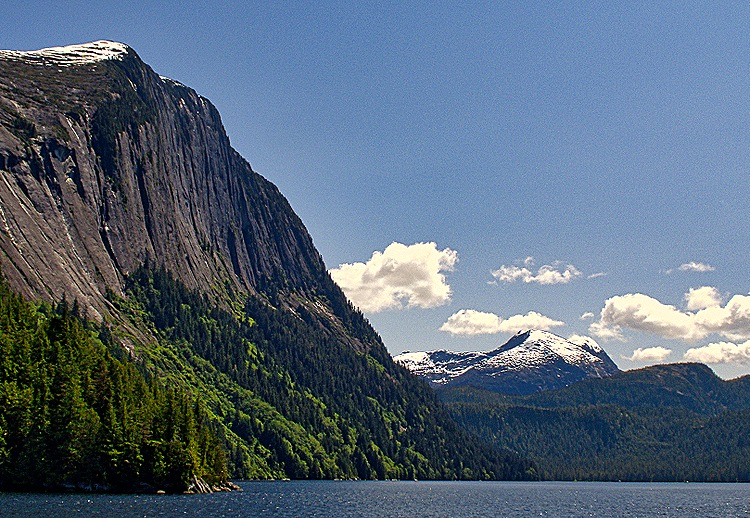
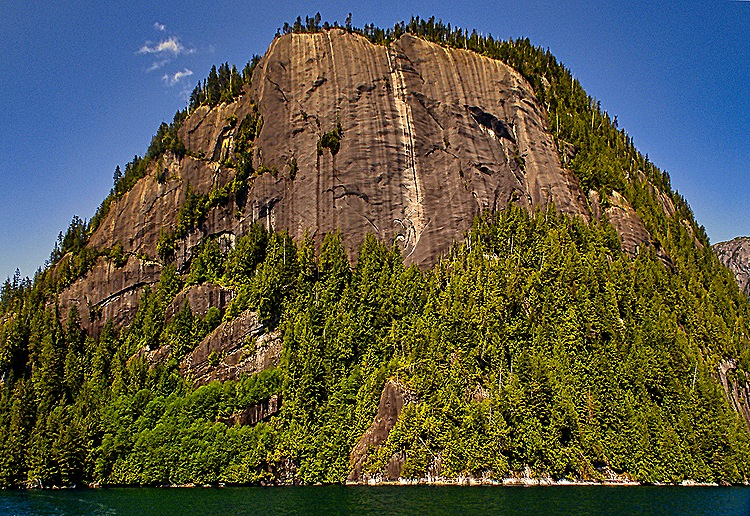
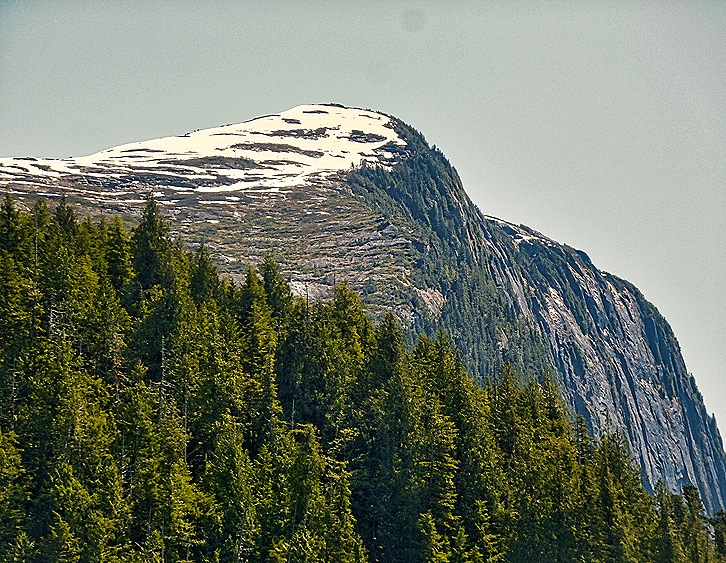
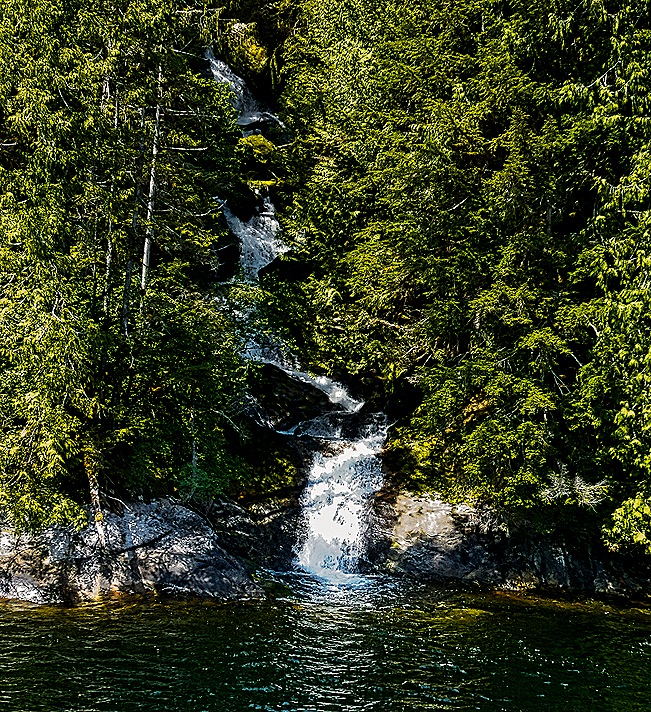
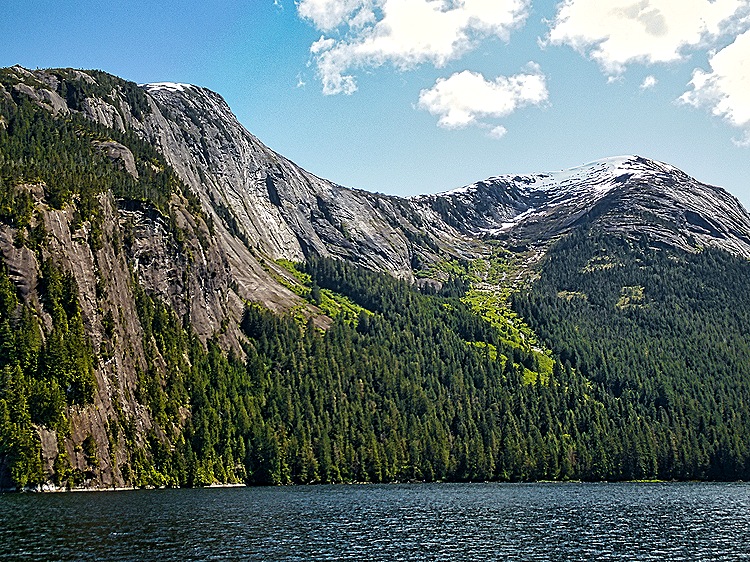
Eventually we reached Misty Fjords itself, an area with high cliffs up to about 2,000 feet tall, water depth around 1,000 feet and numerous waterfalls running down from the top of the cliffs. We don’t know why this is called Misty Fjords. Perhaps on days with cloud cover and/or rain showers there is a mist that envelops the cliffs and mountains. But our day here was beautifully clear and sunny and there was no mist in evidence at all. That is not a complaint, just an observation, and we will take a beautiful day like this every time. Because the trip to Misty Fjords and back to the ship was so long we only had about 45 minutes in the Monument itself, but it was well worth seeing.



 Returning to the ship, we sailed away around 5:00. We had another long day to look forward to as we retired for the night, so we will leave you here to look at some towel animals.

North (and West) To Alaska 2025
On June 8 we boarded the Holland America ship Westerdam in Seattle for a four week Alaska cruise. This is one of the larger ships we have sailed on, pretty much identical to the Zuiderdam on which we had our last world cruise in 2024. We were in a standard veranda cabin on the fourth deck but it had a double length veranda, big enough to stretch out on. You may recognize the title above as a distorted version of the title of an old John Wayne movie set near Nome, Alaska, one of our ports of call on this voyage.
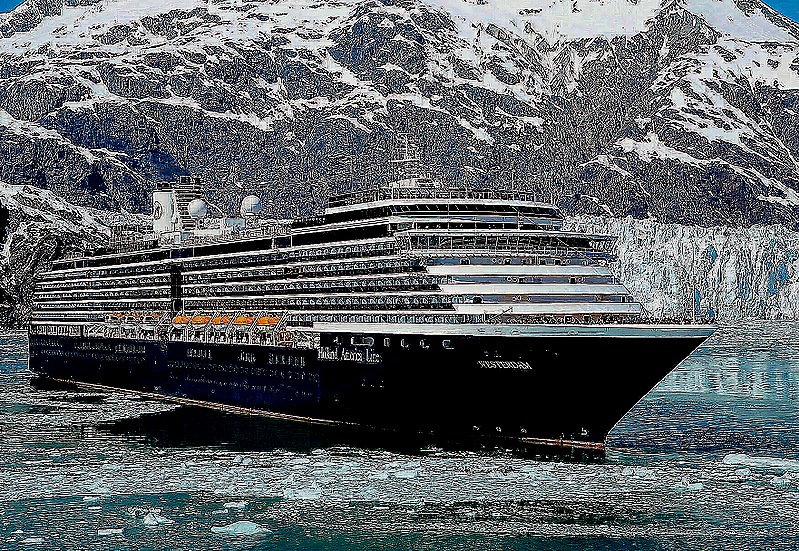

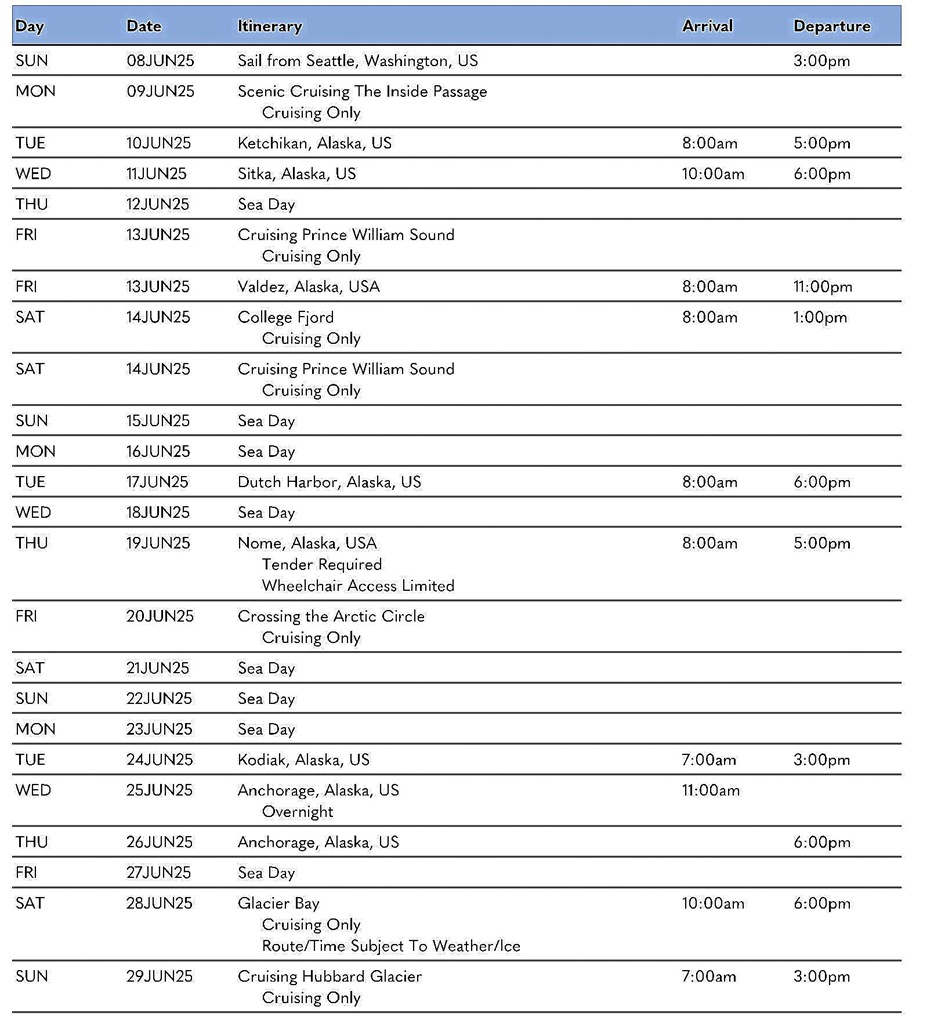
We had been on an Alaska cruise once before, https://baderjournal.com/2017/08/06/, but this journey was much longer and took us to many new places. Only one of the stops on this original itinerary was later changed a bit, because of weather, but we went instead to someplace just as good. Altogether the weather, which makes all the difference on a voyage like this, was unreasonably excellent for almost all of our stops.


But before any of that could happen we had to get from our home in Virginia to Seattle, some 3,000 miles away. Rick’s sister and brother in law (Barbara and Brian) live in Portland, Oregon, and we had not been there in quite a while so we combined the cruise with a visit to Portland before (and after) Alaska. We decided to drive there because it is a beautiful trip across the country that is completely missed if you fly, so we climbed in our car early on May 28 and headed off.
We had driven across the country several times over the years, usually taking about 5 or 6 days to get there, but this time we built in extra time for two reasons. First, we wanted some wiggle room in case we had to detour to avoid wildfires, which seem to pop up often these days in the West, and second we have reached an age where somewhat shorter driving days are a must. We stopped for the night in well known cities (Terre Haute, Indiana; Kansas City, Missouri; Boise, Idaho) and smaller towns (St Clairsville, Ohio; Ogallala, Nebraska; Green River, Wyoming). Our experiences varied from very nice to mediocre motels and from the excellent Majestic Steak House in Kansas City to some much less memorable meals in much less memorable restaurants in more out of the way places. Of course, while driving across most of the country it is difficult to avoid seeing numerous McDonald’s and Subways where a quick breakfast or lunch can be had without losing much driving time, but in some areas these respites are surprisingly few and far between. Leaving Green River, Wyoming, for example, we decided to stop at the first McDonald’s on the highway for a morning coffee and a quick breakfast but that turned out to be about 85 miles down the road!
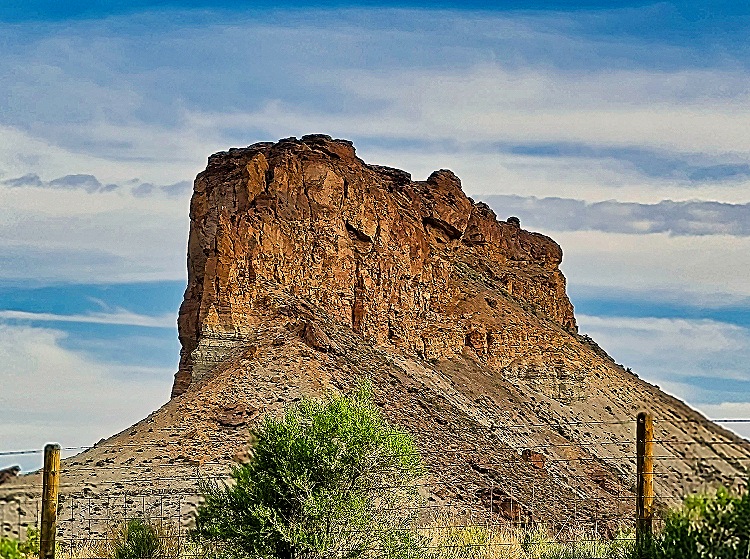
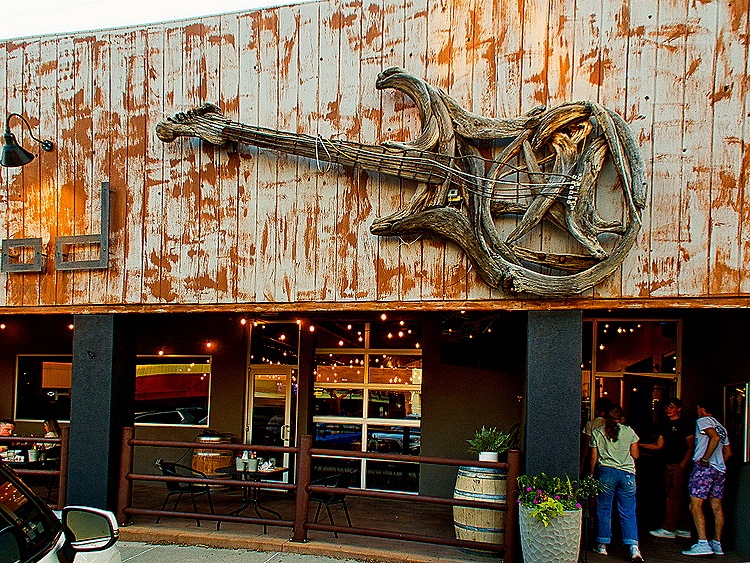
Anyway, we have only a few pictures from this driving portion of the trip. Notable was the countryside around Green River, Wyoming, filled with picturesque mesas and buttes (one just outside our motel room).



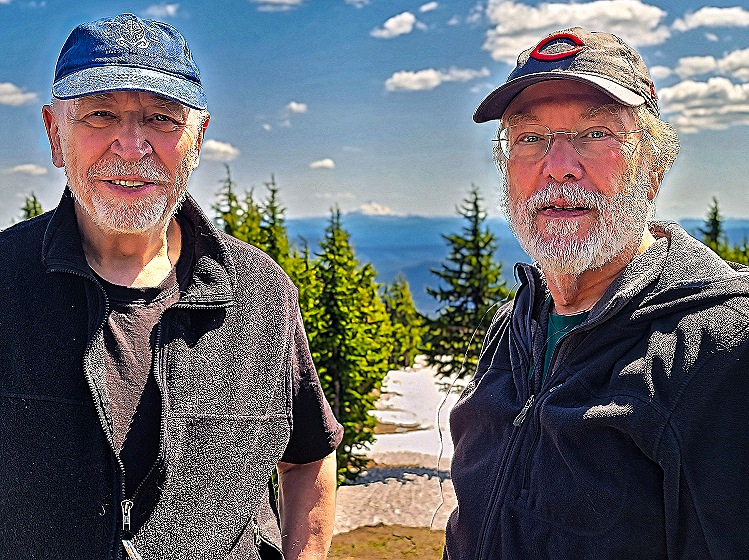
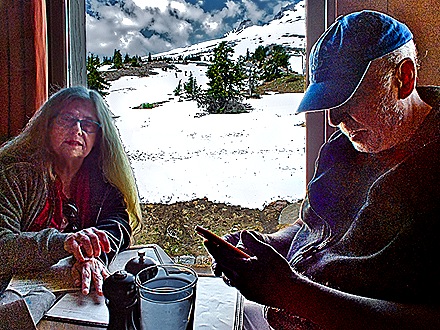
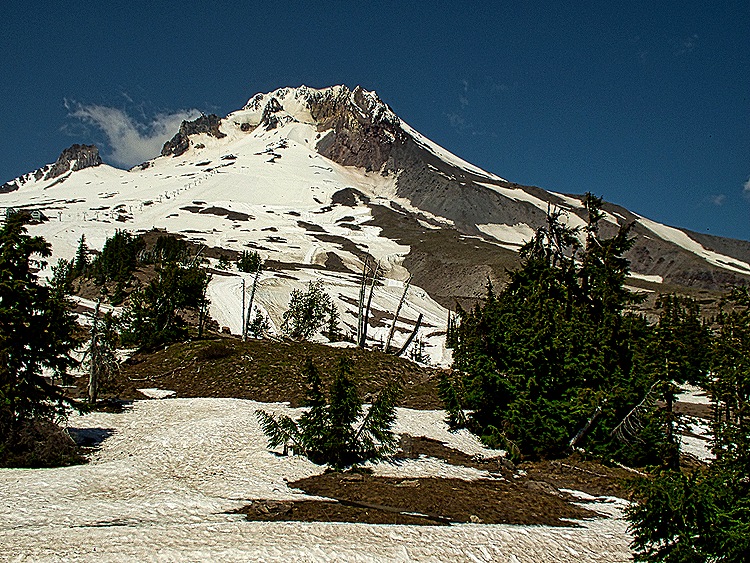
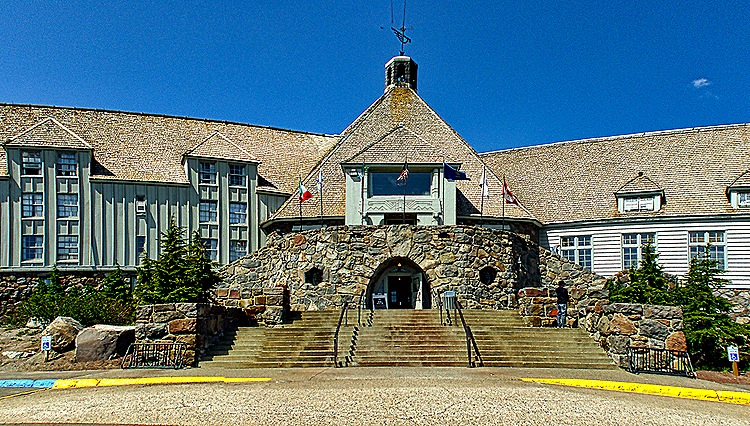
In Oregon we drove along the Columbia River into Portland. It is quite a beautiful drive and as we got nearer we had a very fine view of Mt Hood, looking particularly imposing because of its isolation from other mountains. During our visit to Portland we went with Barb & Brian to visit Mt Hood, which has a very nice lodge and restaurant near the peak. We had lunch there next to a window looking out on the mountain, where people were skiing and snowboarding nearby.


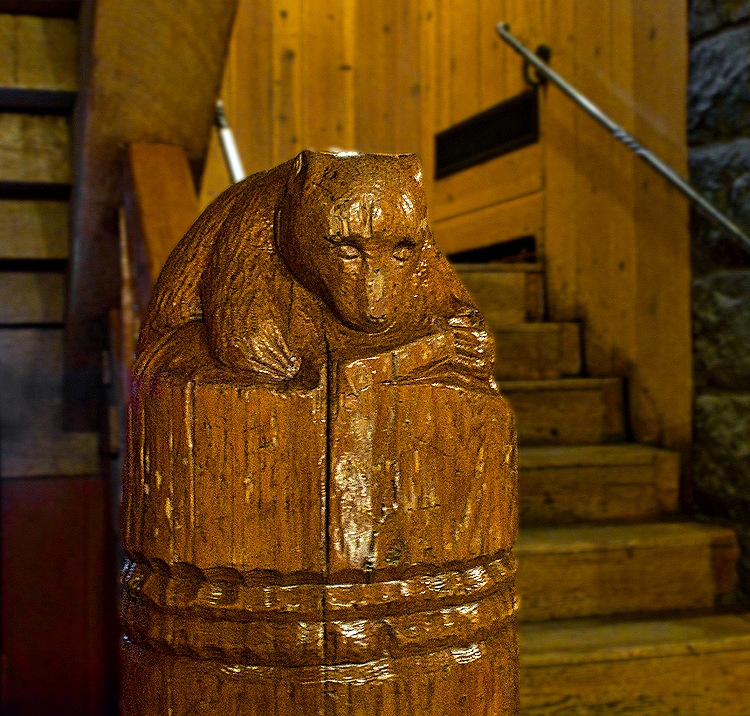
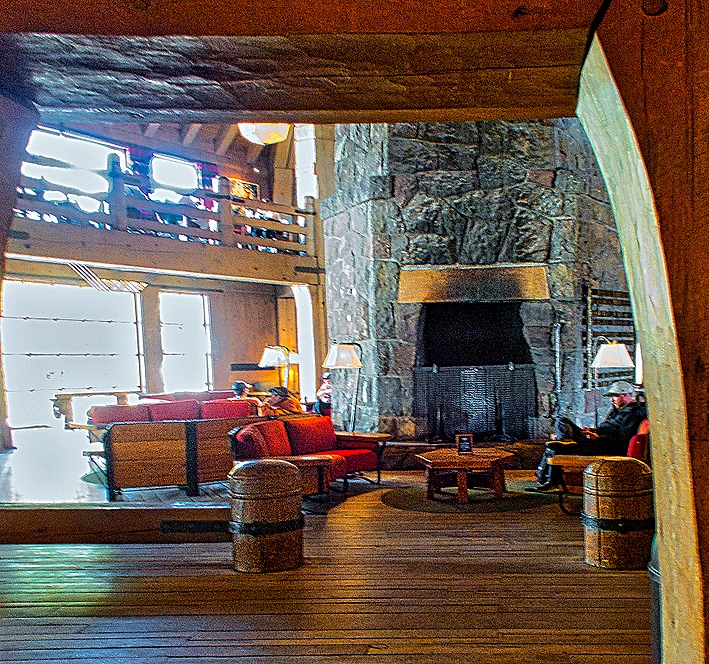
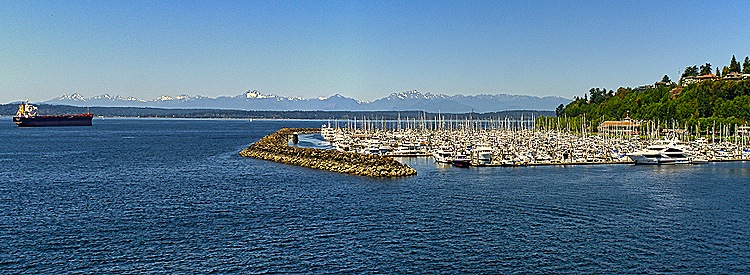
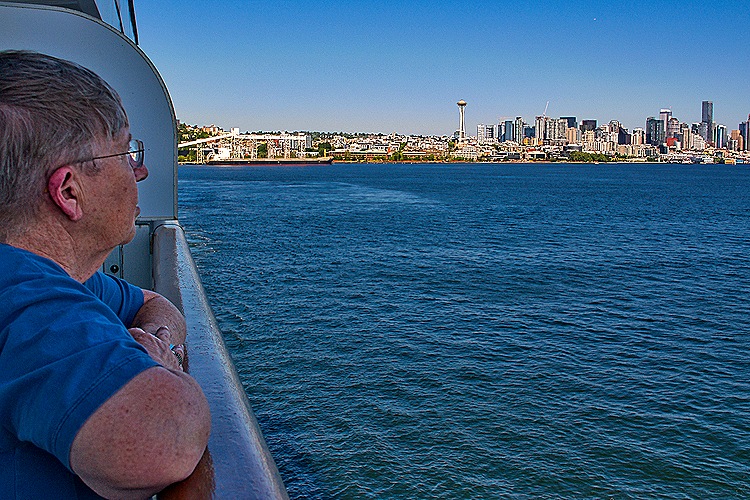
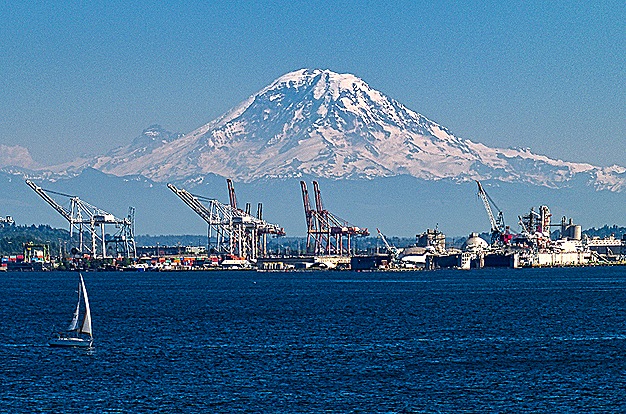
On June 7 we took Amtrak to Seattle and boarded the Westerdam the next day. It was a clear and sunny day and we had a view of sea, mountains and a small boat harbor from our veranda at the dock. Mt. Rainier loomed high over the cargo port and we watched Seattle steadily shrink as we sailed away.

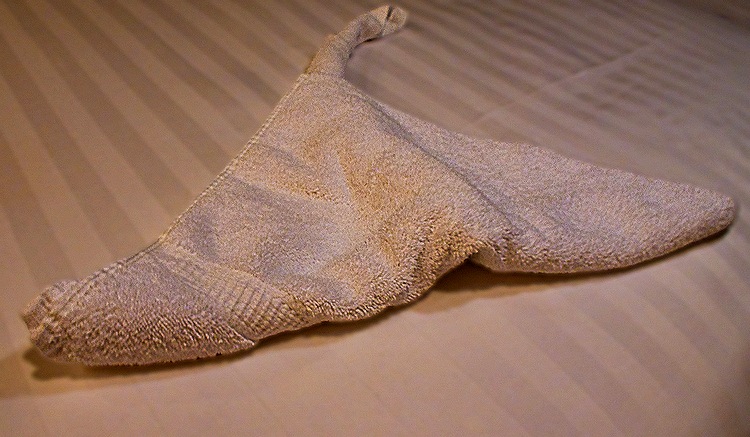
As we went to bed that night we found that towel animals were back! Mostly missing in action since the pandemic we had one every night on this cruise. A good omen to end the day.

 BADER JOURNAL