
St George’s, Grenada (2024)
We reached Grenada (the “a” is long, as in lemonade) on January 30. When Christopher Columbus first sighted this island in 1498 it was inhabited by Carib people, who had taken the island from the Arawaks living there before. The French conquered the Caribs in 1652, virtually wiping out their population, and the island thereafter passed back and forth between the French and English. Grenada remained British, however, from 1784 until it obtained independence in 1974. The month after our visit Grenada would commemorate the 50th anniversary of its independence and signs and decorations were already in evidence for that occasion. Many Americans know about Grenada primarily because of the US military intervention in 1983, a few days after a coup that the Reagan administration thought might result in a government allied with Cuba. Our guide told us that most Grenadians are grateful for the US action, but his tone suggested to us that he was not one of them.
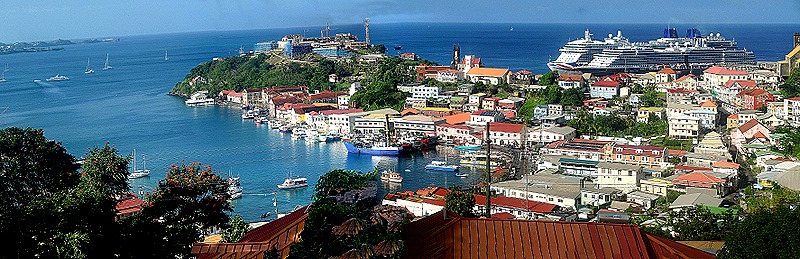
We docked at St George’s, the capital of Grenada, which was founded in the early 18th century. Today it is home to more than 110,000 people. On our previous visit here, in 2014, we walked around the town, eating lunch in the Carenage (the horseshoe shaped harbor) and climbing up to Ft George, among other things. You can read about that and see pictures here:
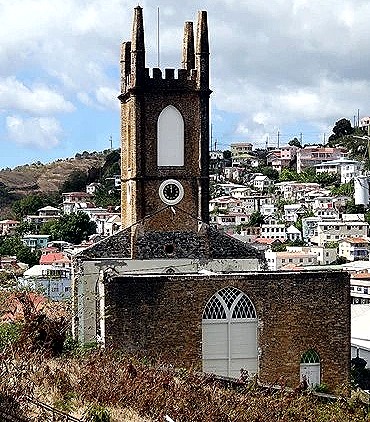
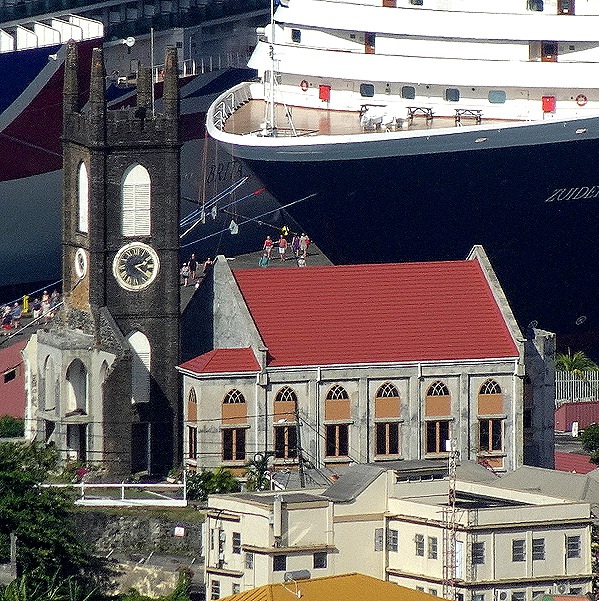
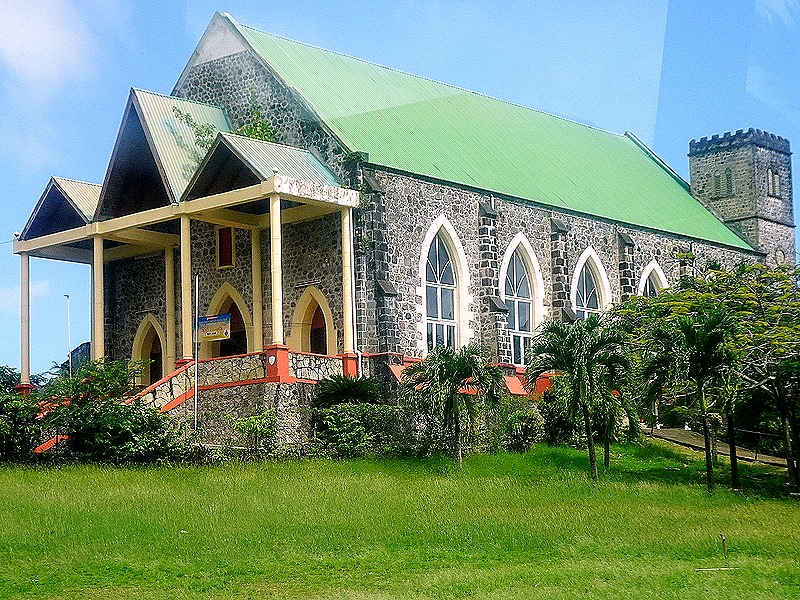
At that time the extensive damage from Hurricane Ivan in 2004 was still evident. For example there were several prominent buildings without roofs and looking like old ruins. Today many of those have been restored and the whole town looks like it is pretty much back to normal. Notably, St Andrews Presbyterian Church (which we seem to have mislabeled as Anglican in 2014) appears to have been rebuilt entirely around its old bell tower so that it now apparently faces the opposite direction.
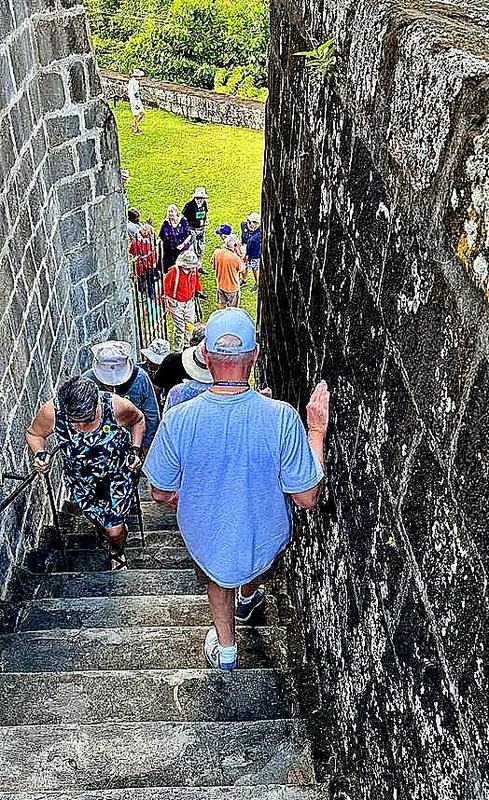
So having explored the town on our last visit we decided to join an excursion that would show us around the island this time. For our first stop we drove up a steep road to the top of a large hill overlooking the city to visit Fort Frederick, one of four forts built here by the French (and later completed by the English) in the late 18th century. While the French thought these forts could be instrumental in defending the island from the British, the British recaptured it only a few years later. As you can see in the first picture above Fort Frederick has a commanding view of the coast, but its guns were installed “backwards” as they say here, facing land to the east from which it was thought an invasion would come. A sign at the fort notes that it is one of the few forts in the world “which has never fired a shot in anger.” The main reason to visit here today is the wonderful vista overlooking the city and the surrounding area.
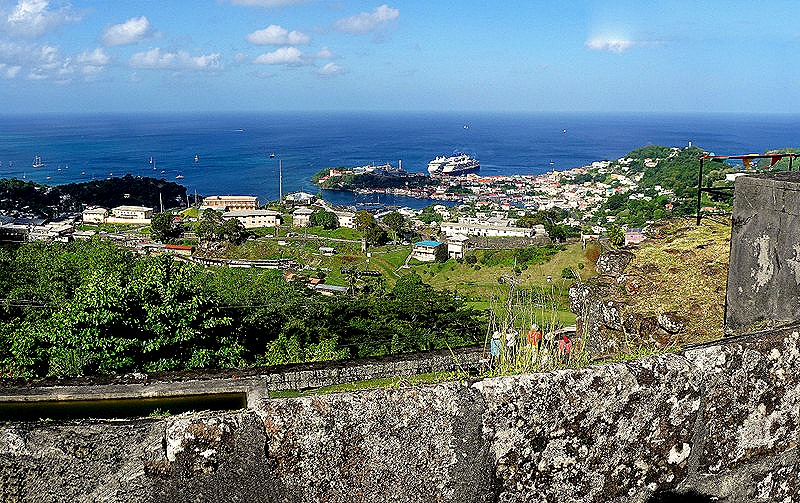
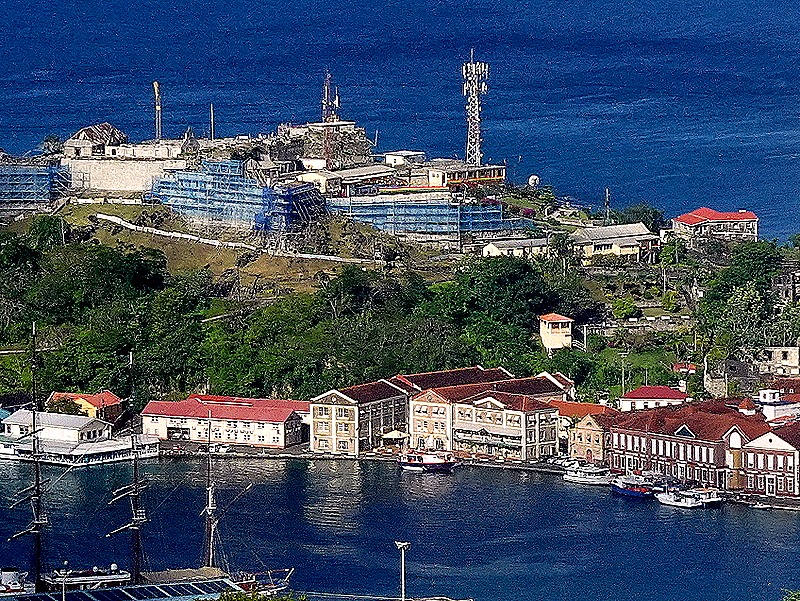
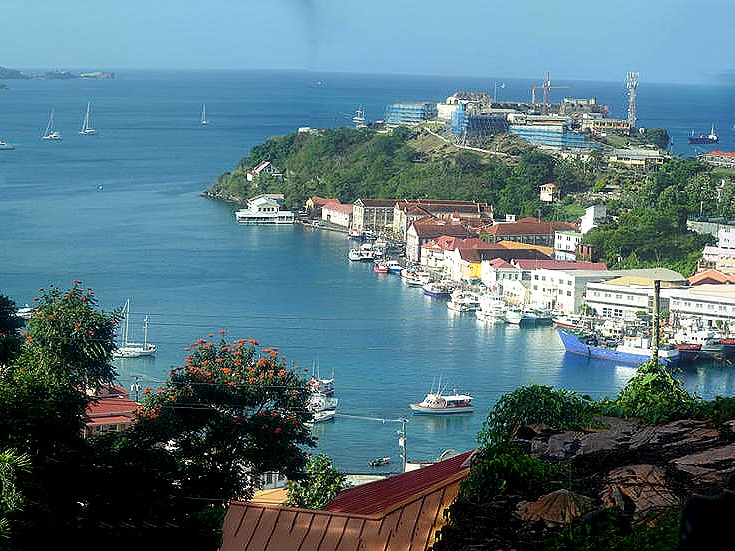
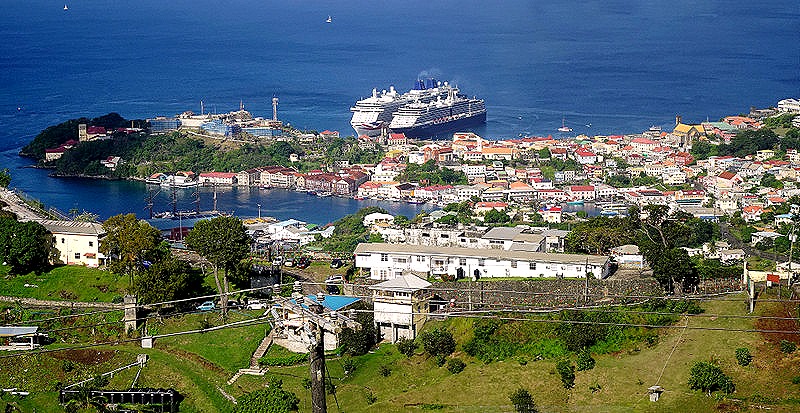
Among other things we could look down on Ft George, which we had visited last time but was closed for restoration on this visit and covered with construction tarps. Of course we had a view of the Carenage and of the ship at its dock and the church (see above). Right below the fort is a prison.
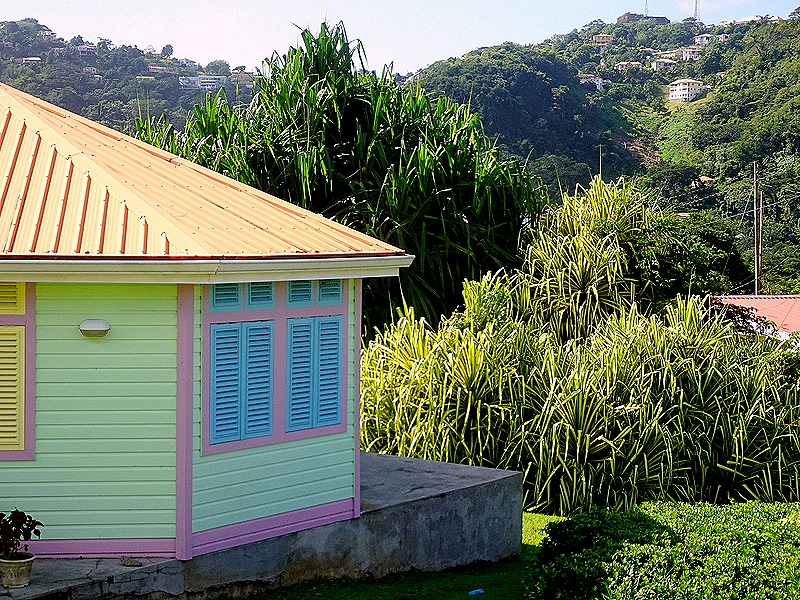
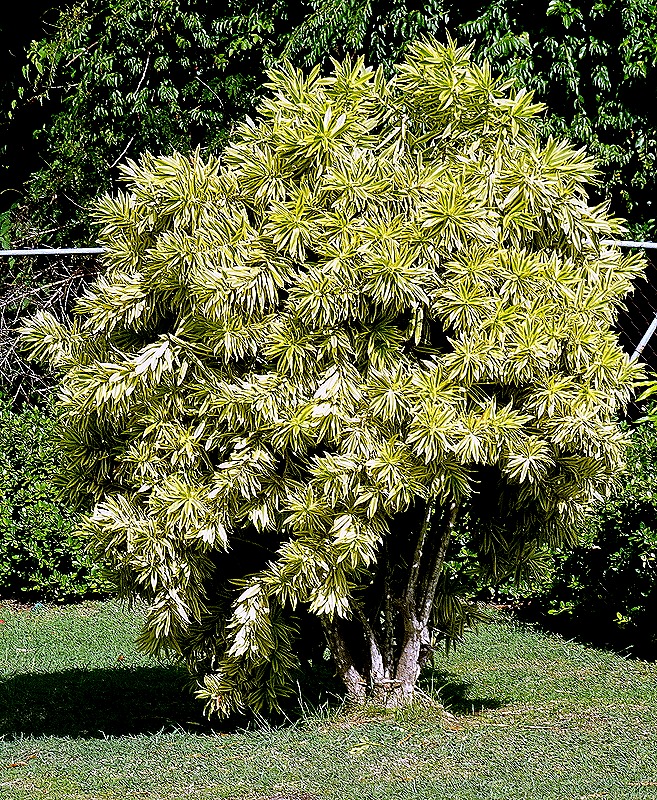
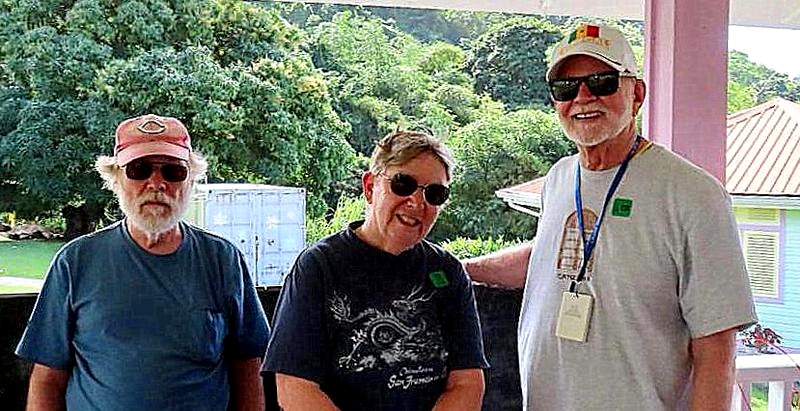
Next we had a long drive to visit an orphanage, the Queen Elizabeth Home For Children. Grenada is a very mountainous island and this drive took us through the lush green mountains to the village where the orphanage was situated. We all left the buses and walked to a covered outdoor pavilion where the children (probably 4 to 8 years of age) sang a few songs. We were told not to photograph the children and not to walk on the grass (though some did both). We wondered why this was a stop on the excursion since nothing much happened, but the grounds were nice and had pretty flowers and plants.


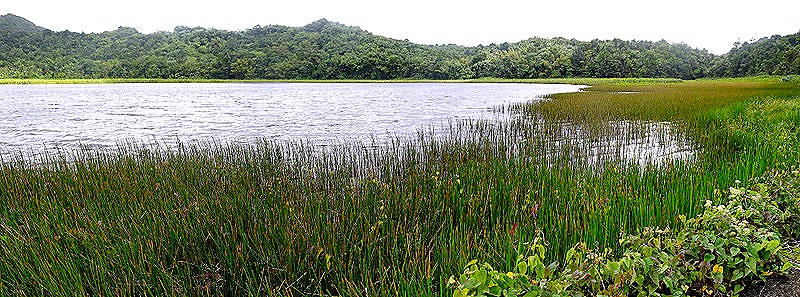
Grand Etang Crater Lake sits in a volcanic crater created between 15 and 25 thousand years ago. It is pretty but not very large as lakes go. As Nyron, the shore excursion director said, if you live in the US or Europe you might have a very different idea of the word “Grand.” The lake is located in a forest reserve established in 1906 that includes numerous hiking trails. What we liked best about the lake was the tall grass growing in its shallow areas (although the deepest part of the lake is only about 20 feet deep). The hills around the lake are the walls of the volcano’s caldera.
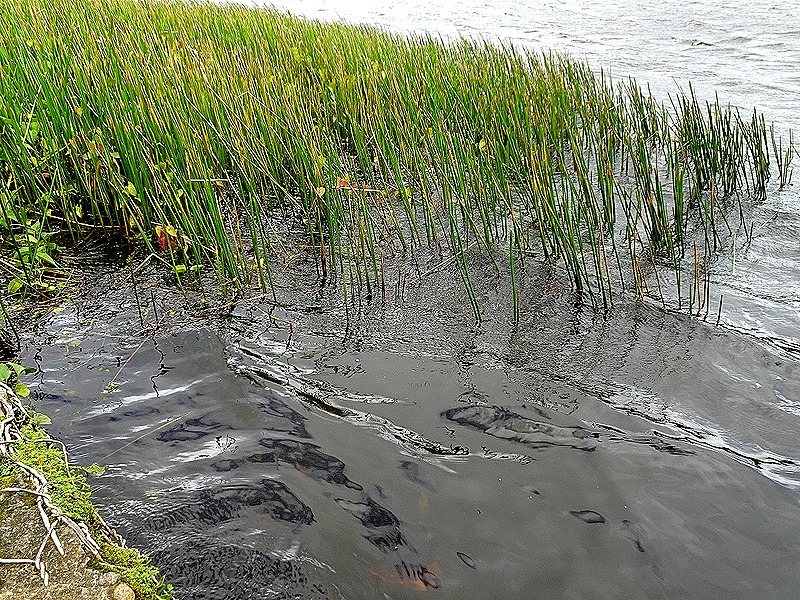
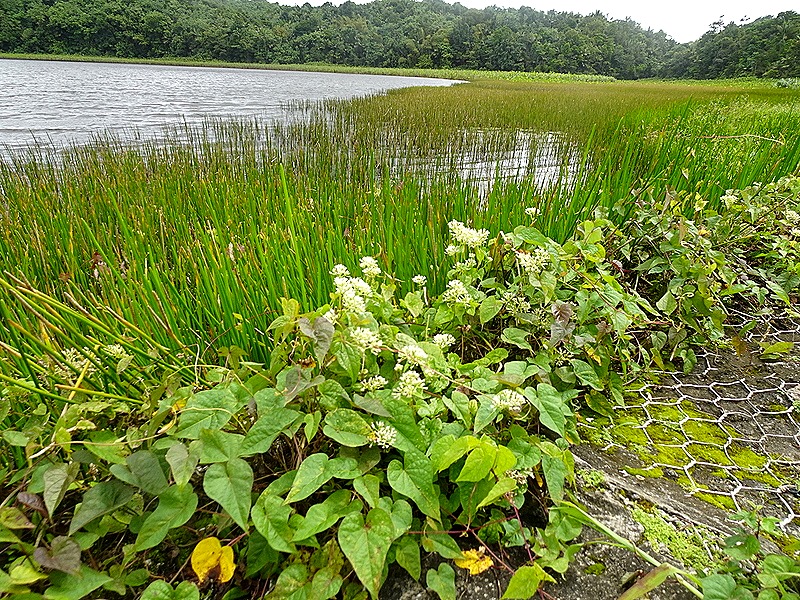
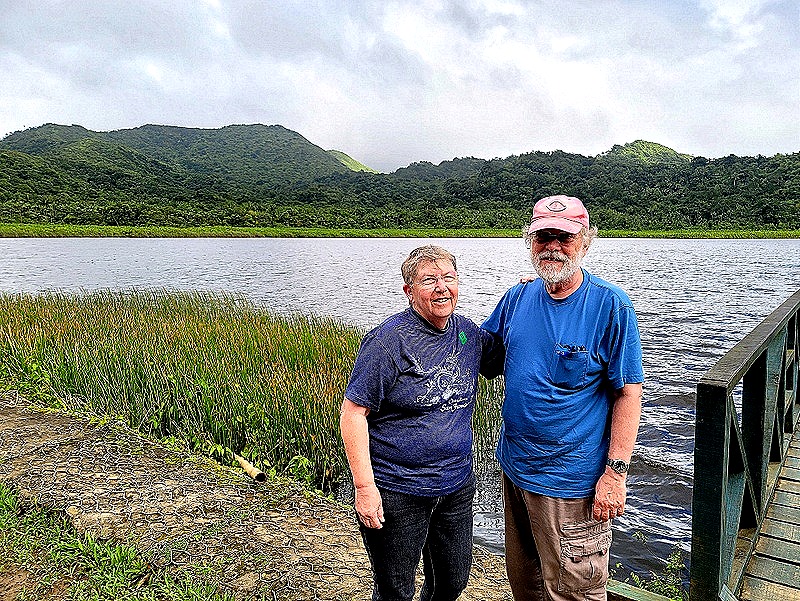

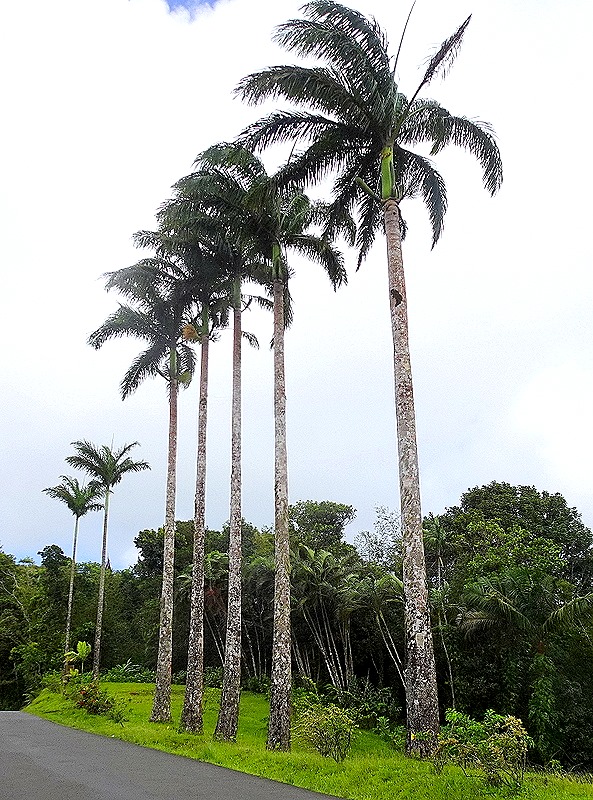
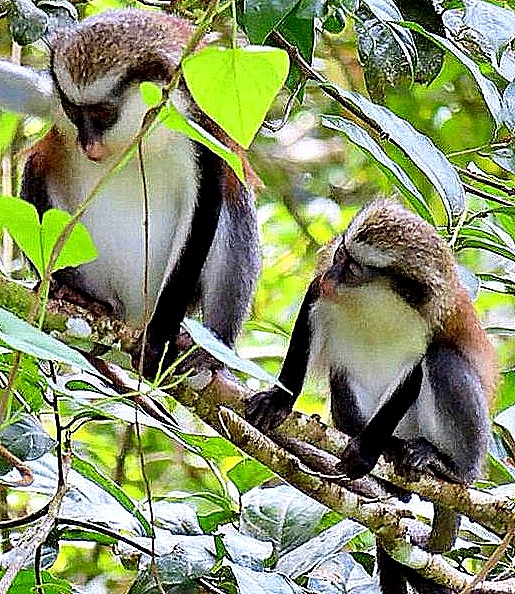
Among the wildlife living near the lake are Mona monkeys. We didn’t see them, but our friend Robert did and shared his pictures with us. There were also some nice flowers in the reserve.



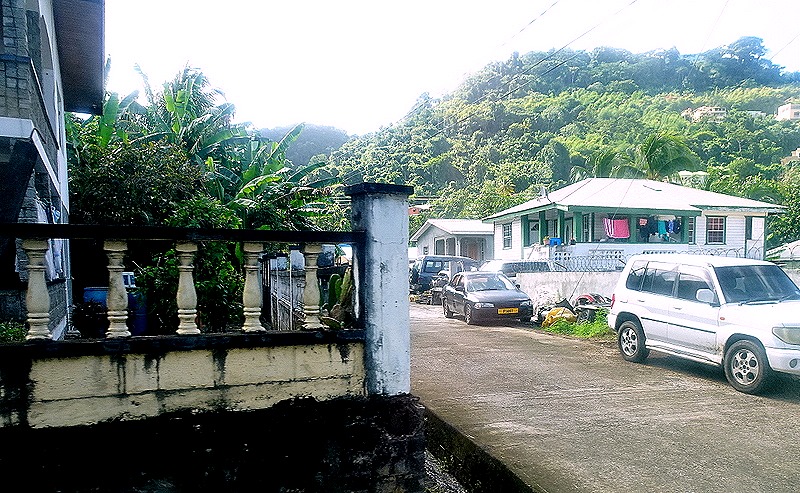
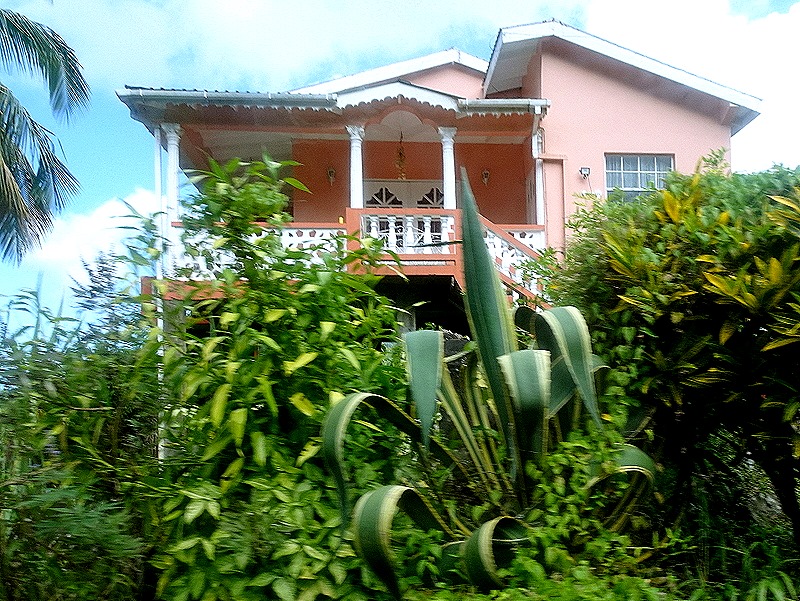
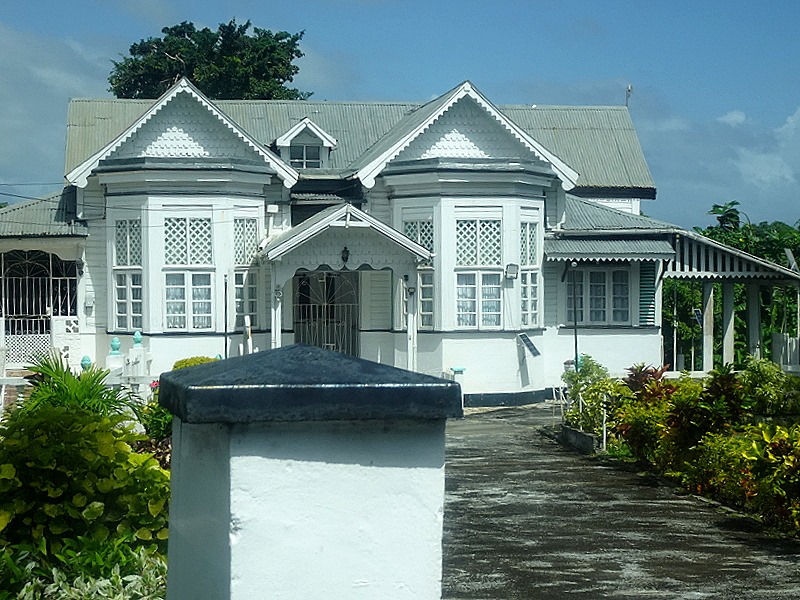
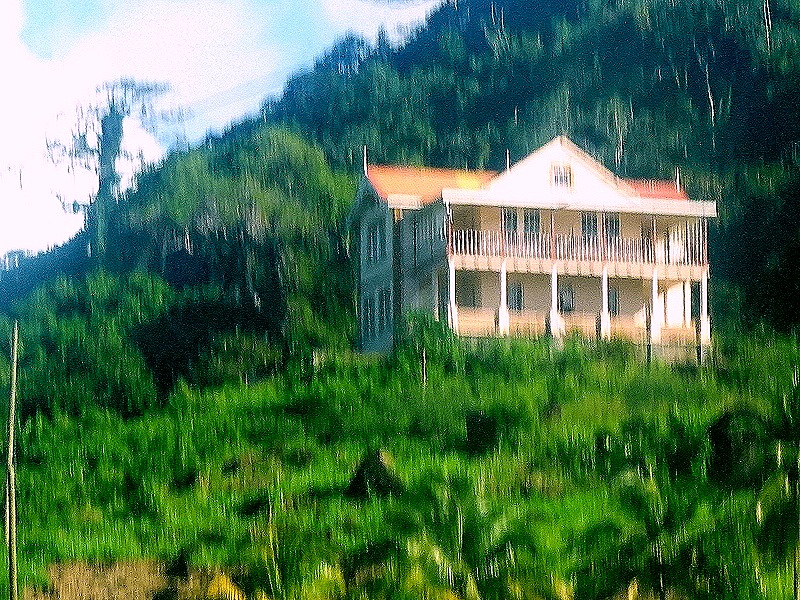
Driving through the mountains and countryside we passed houses in villages and by themselves. Some were interesting, some not so much. Lots of external staircases and 2d floor verandas.


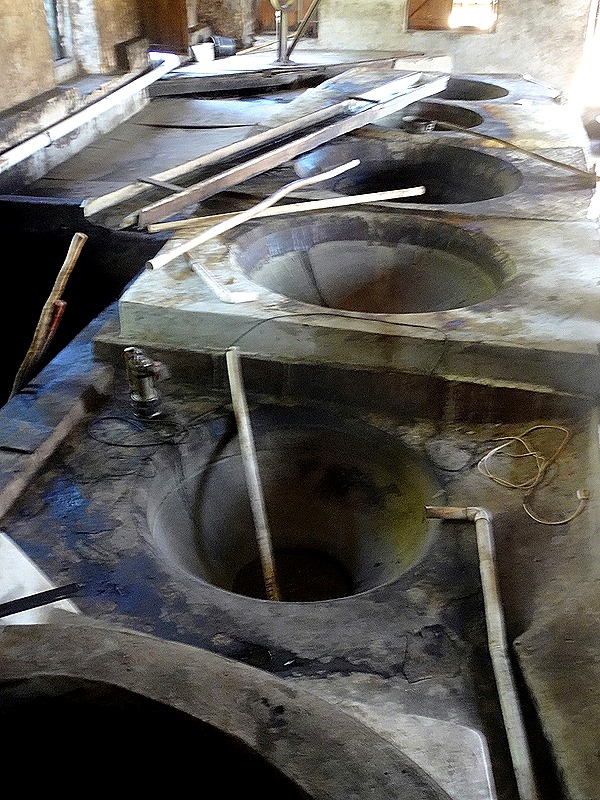
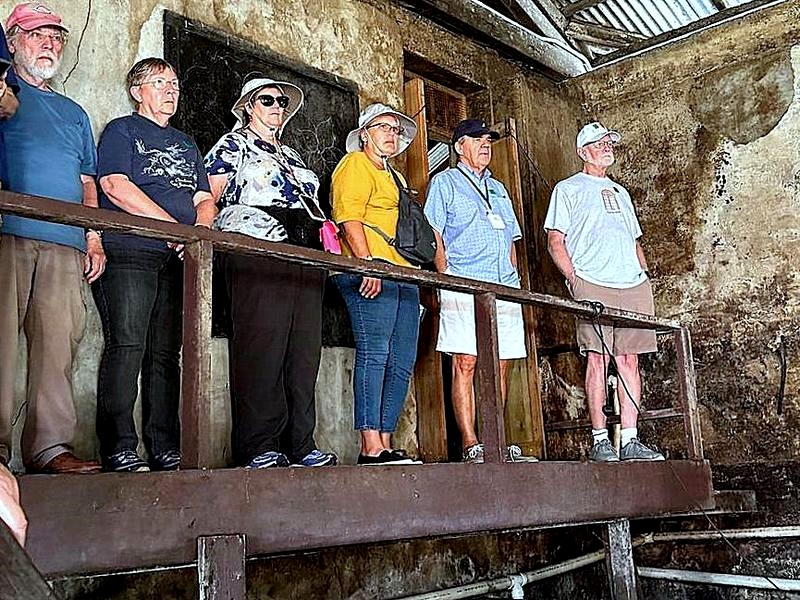
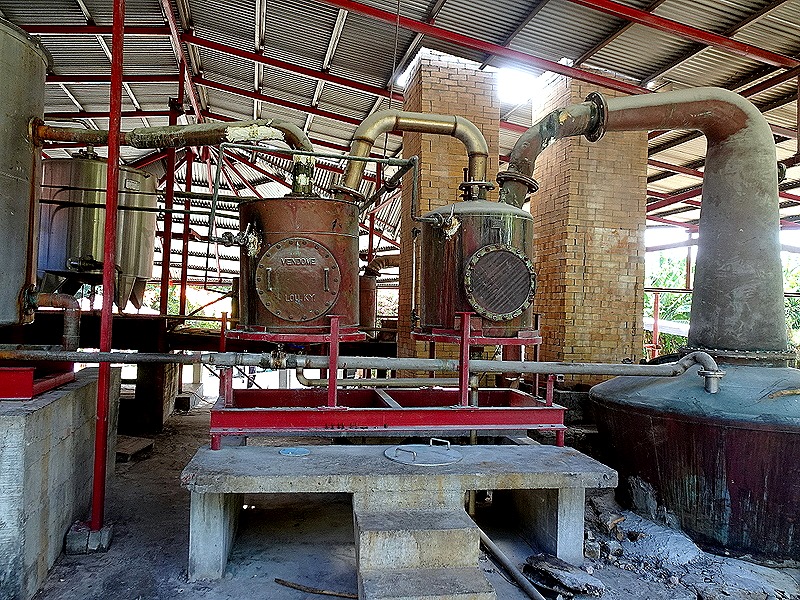
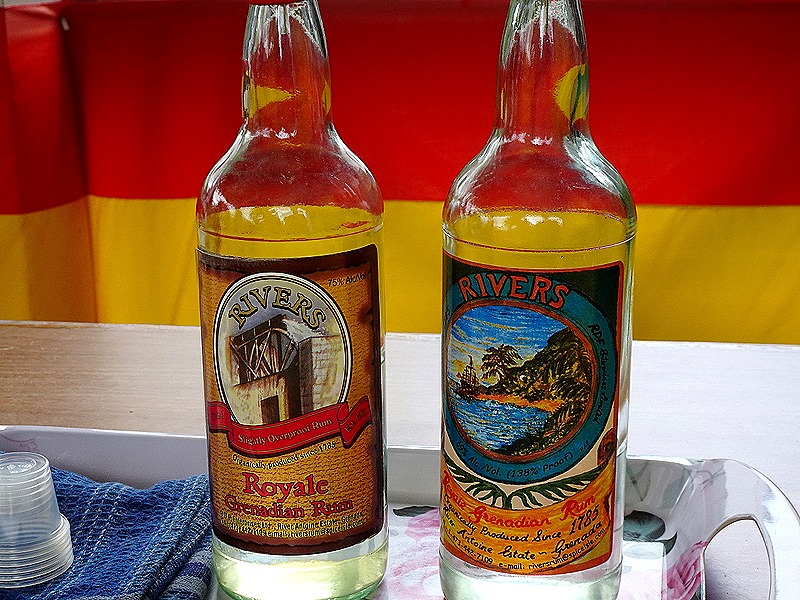
We had a tour of the rum distillery at River Antoine Estate, which was established in the late 18th century. Our guide was very proud of the fact that this is the only distillery still producing rum in the traditional manner, without machinery (except for bottling) or chemicals. This distillery is also powered by the oldest continuously working water wheel in the Western Hemisphere. We saw the processing from sugarcane to fermentation in a vat room to distilling in three connected enclosed vats (one of which said it was made in Kentucky).


After the tour we were given rum to sample. They had two varieties: 75 proof and 69 proof (if we remember correctly). We were told they began producing the 69 proof after the 911 terrorist attack when alcohol more than 70 proof was designated as a potential terrorist explosive. They told us we would be able to taste the difference, but Rick tried both and could not tell the difference (both samples burned too much to actually taste).
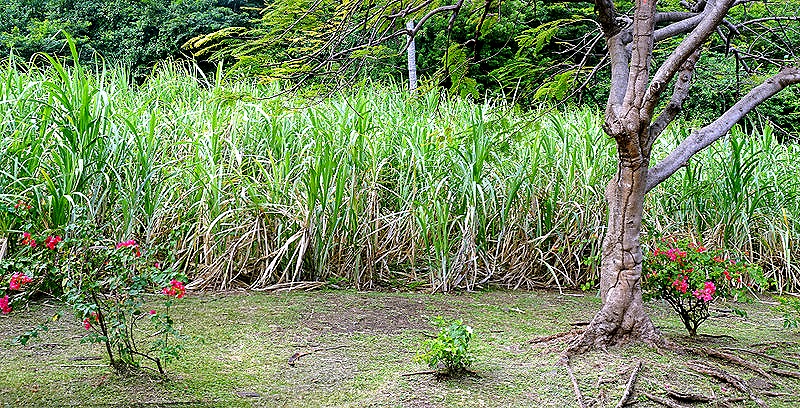
We had a buffet lunch at a restaurant on the estate. The food was good but it was much too crowded since there was a HAL tour eating there at the same time. The restaurant building was open to the surrounding countryside and there was a field of sugarcane nearby whose fate will undoubtedly be found in the distillery. The highlight of the meal was a dessert of nutmeg ice cream, which we had on our prior visit to Grenada but have never seen anywhere else.


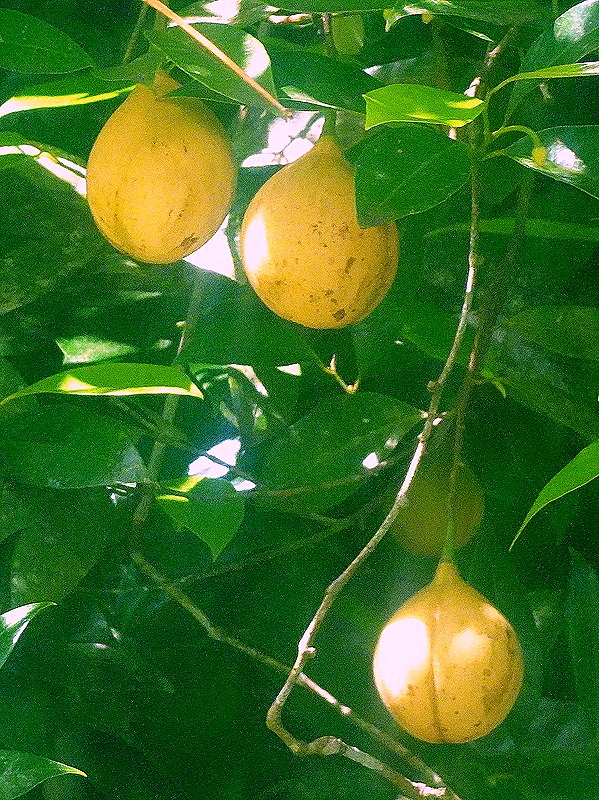
Grenada is called “The Spice Island” because of its output of spices for export. The prime spice produced here is nutmeg, which was brought here from Asia in the 1840’s. The nutmeg fruit produces both nutmeg and mace. Today Grenada produces about 20% of the world’s nutmeg and some 30% of the population here receives income from this industry. We visited the Nutmeg Museum on our way back to the ship, but there really wasn’t much of interest there, a disappointment to us.
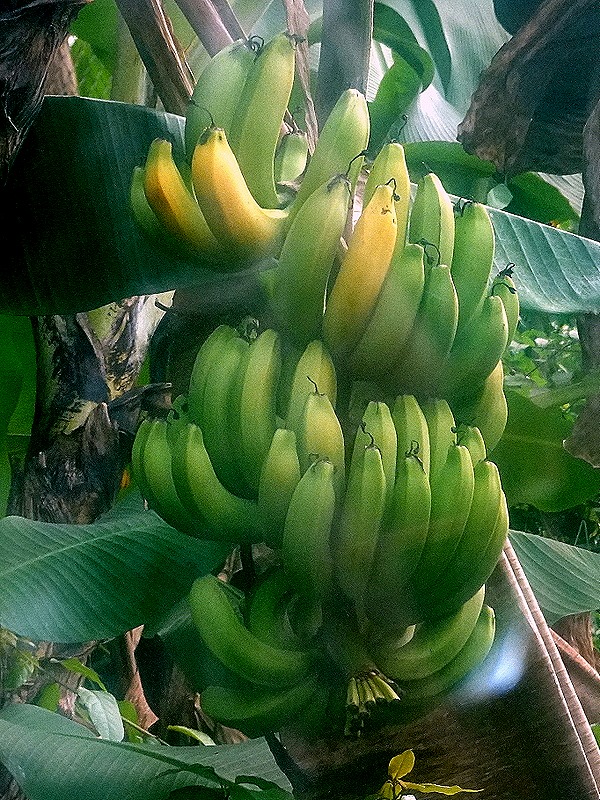
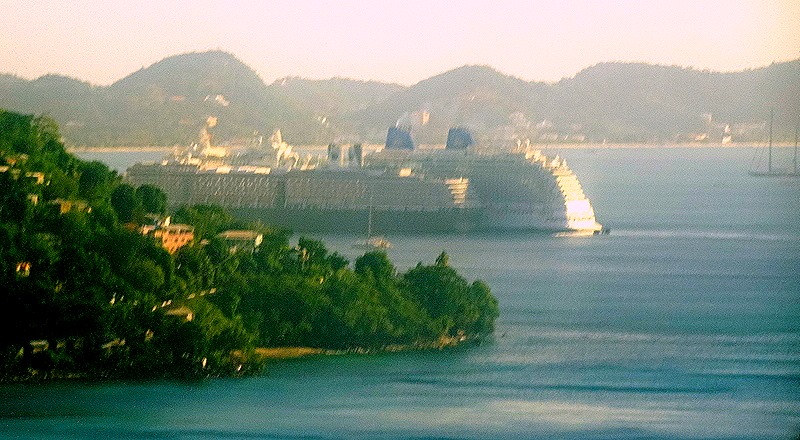
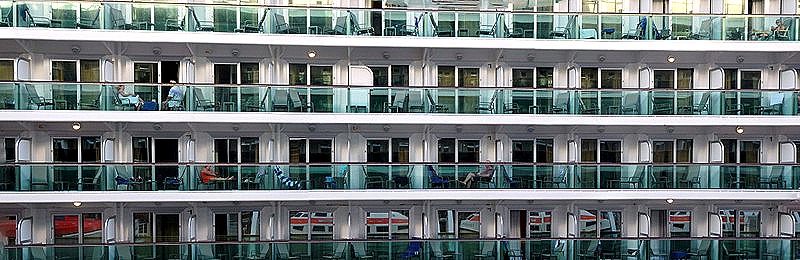
Driving back toward the port we stopped to look at some mango trees (we think) and ripening bananas. We drove past an old plantation house and also the beach where the U.S. marines first came ashore during the intervention in 1983 (but we were going too fast to take a picture). In the distance behind a jut of land we could see our ship docked next to the much larger P&O Britannia, whose passenger capacity is almost twice that of the Zuiderdam. The P&O ship was docked starboard of our ship and, since our cabin is also starboard, we had a wonderful island view from our balcony all day long (see below).

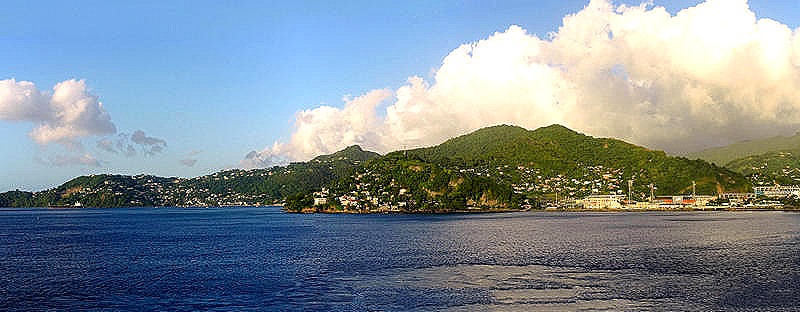
As we sailed away from Grenada in late afternoon we could see the national sports stadium (built by the Chinese) and a nice view of the island. One more stop in the Caribbean to come.


 BADER JOURNAL
This island is really beautiful. Love your plant pictures. Hope you are enjoying your voyage. I am certainly enjoying the commentary and photos. Cecile
February 12, 2024 at 3:49 pm