
Quepos, Costa Rica (2024)
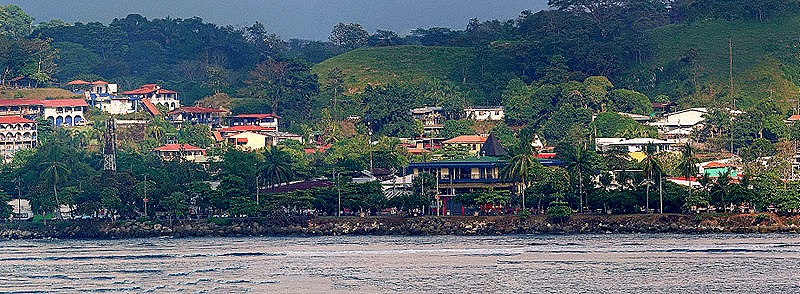
Quepos is a small town of about 20,000 on the Pacific Coast of Costa Rica. We woke up to a beautiful sunrise on the morning of January 26, anchored near the town’s shore.

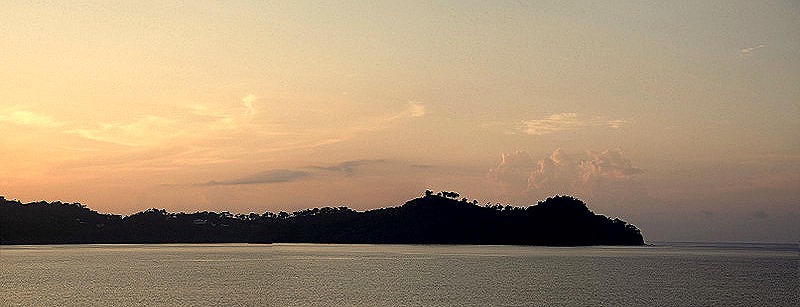
The town is named after the area’s original inhabitants, the Quepo people, who were subjugated by Spanish conquistadors who settled here in 1563. Today it is a center for sport fishing, especially sailfish, marlin and tuna, and it hosts fishing competitions. There is a yacht harbor with a 200 boat capacity that opened about 10 years ago. The harbor was mostly filled with sport fishing boats. We tendered ashore to the yacht harbor.
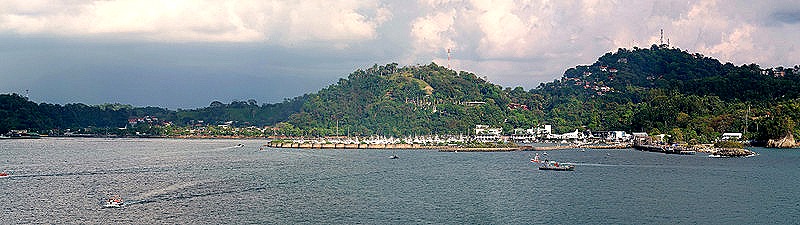
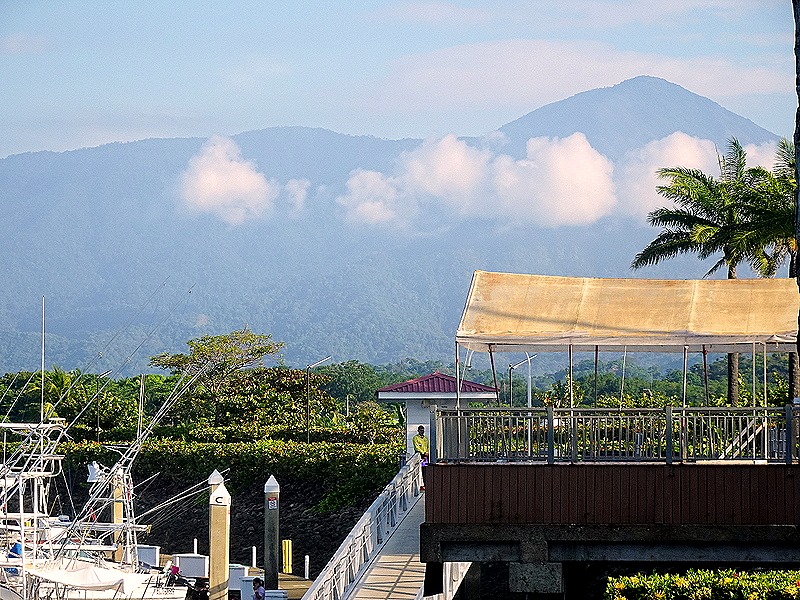

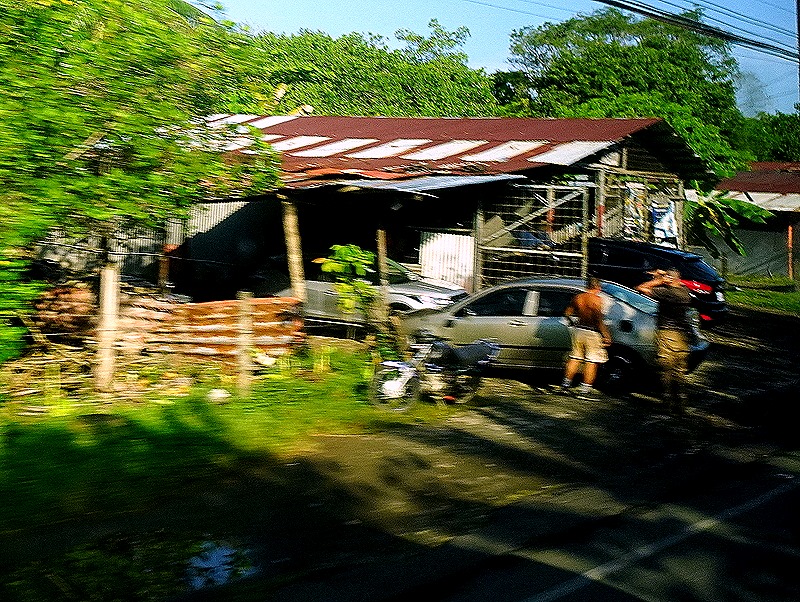
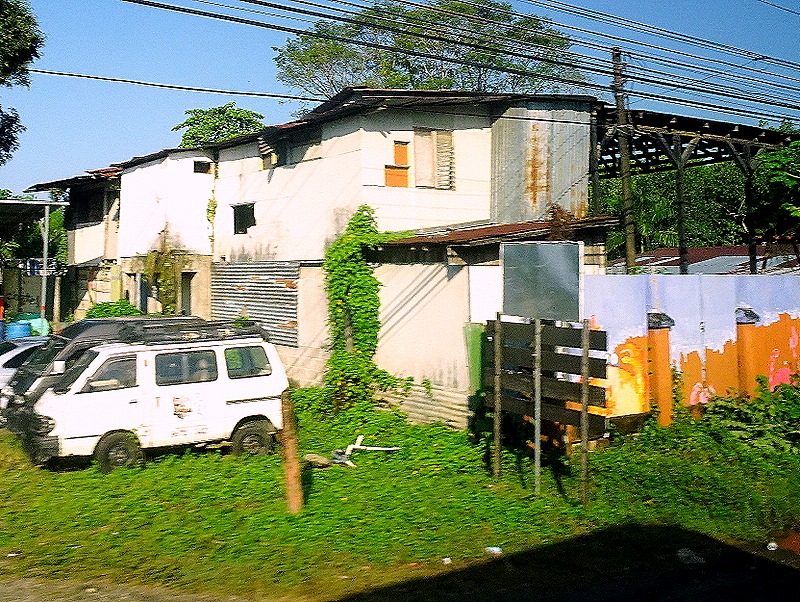
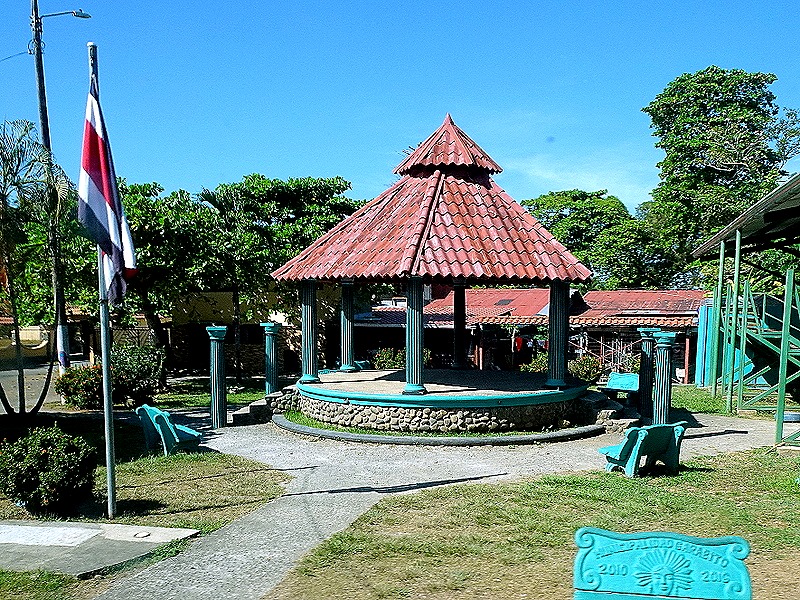
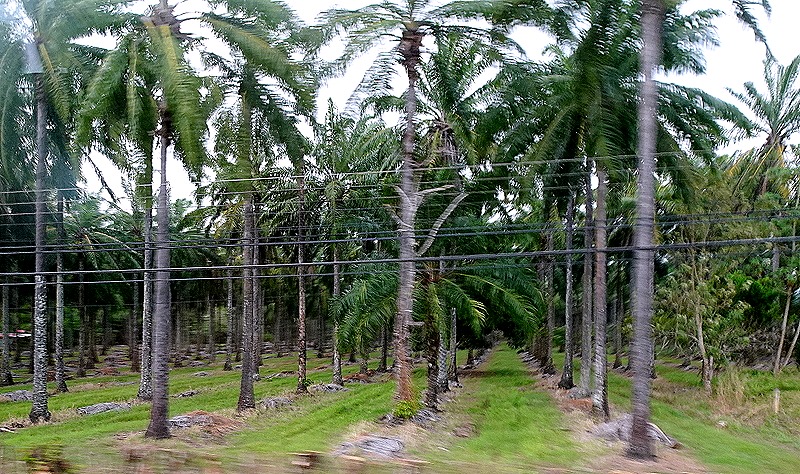
There didn’t seem to be too much to see or do in this town (apart from fishing), so we signed up for an excursion to a rain forest reserve about an hour’s drive up the coast. In the 1930’s banana plantations sustained the economy here but they were wiped out in the 1950’s by banana blight. African palms were planted in their stead and today the area produces substantial amounts of palm oil. On our way to the reserve we passed a number of palm plantations with their trees planted in neat rows, not the usual way palms appear. We also passed some rural villages and buildings scattered throughout the area, although we have no idea how typical they are.


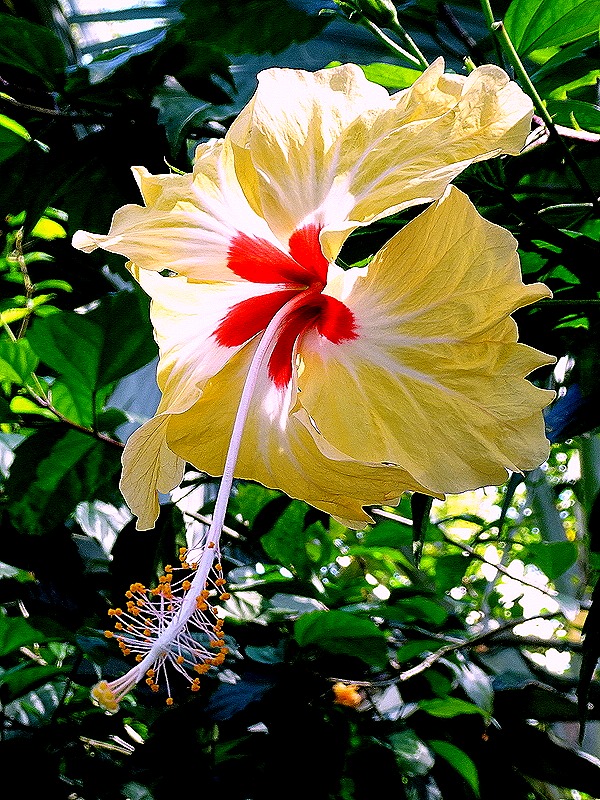
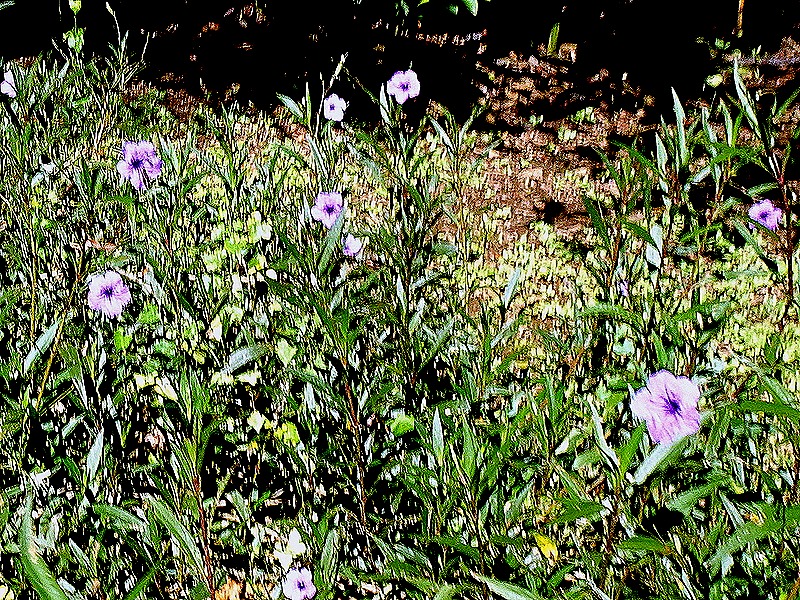
We departed the bus and walked to boats on the Tarcoles River from which we would look for animals and birds that live here in abundance. Unfortunately it is impossible to ignore the large volume of trash spread out on the shore and in trees and bushes, which is rather demoralizing. Sometimes we took a picture of something brightly colored and upon closer look at the picture discovered that it was a piece of trash rather than a bird. We were told that littering is illegal here but that was obviously not being enforced. The walk to the boats, however, took us past many nice flowers among the trees and bushes.


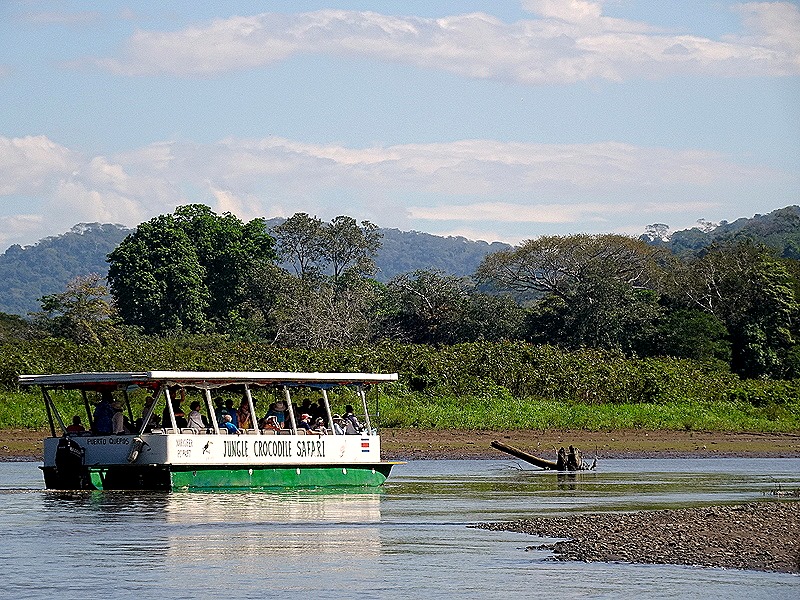
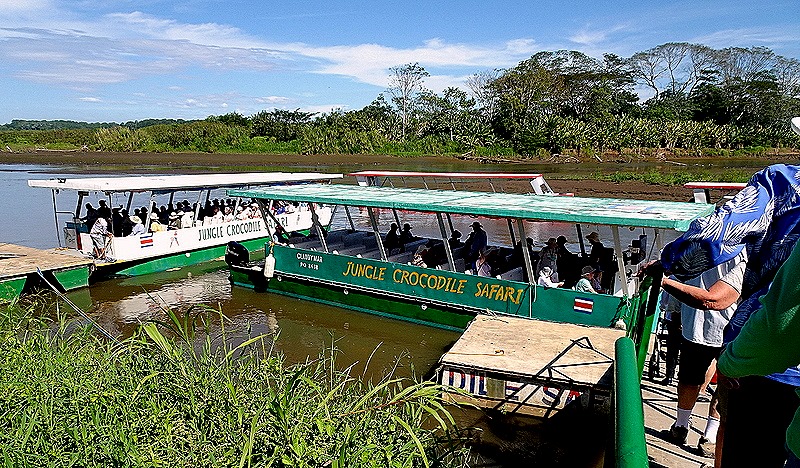
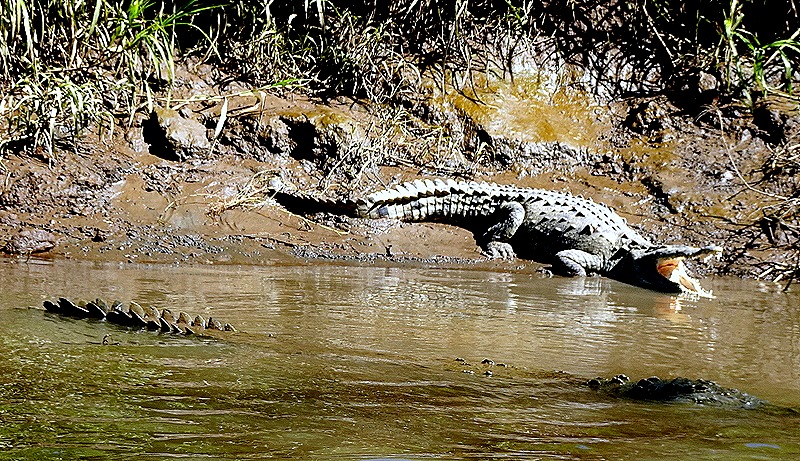
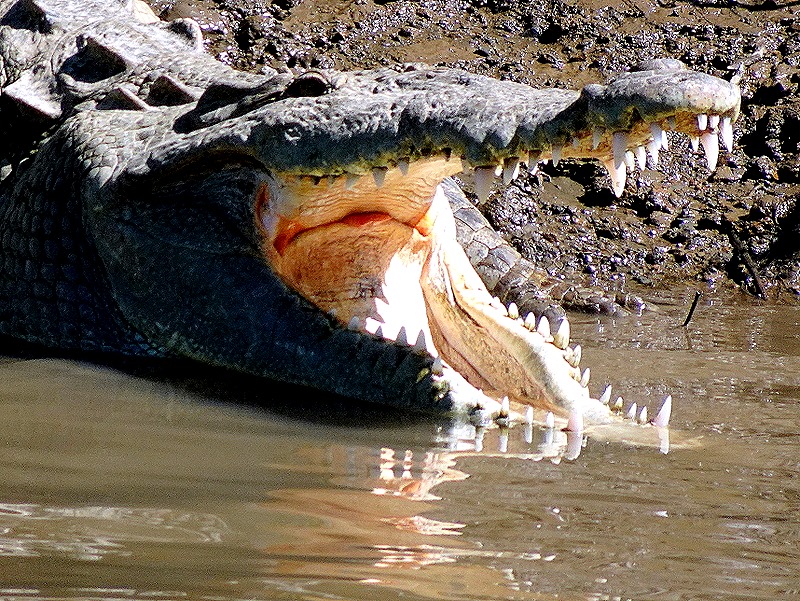
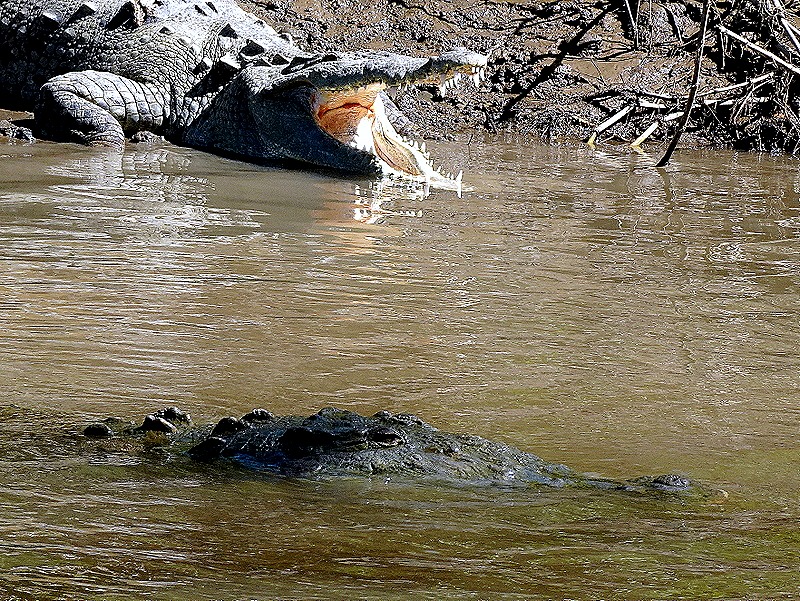
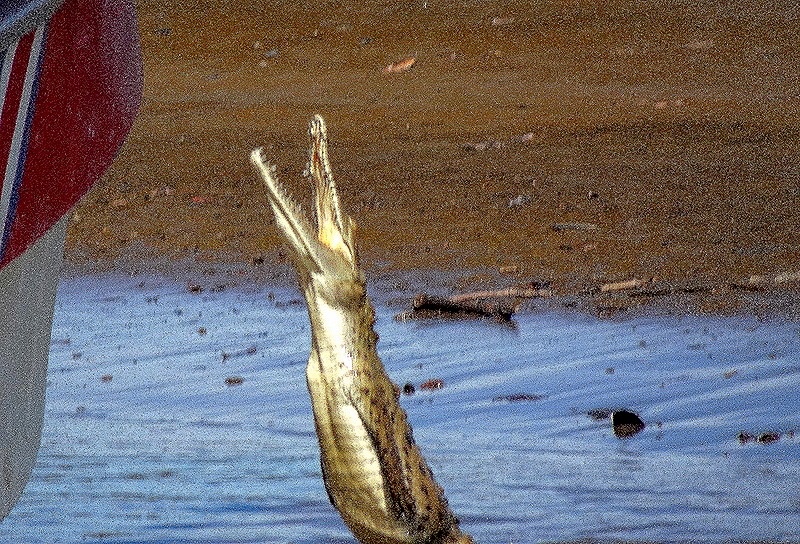
One of the largest and most ubiquitous animals in this area is the American Crocodile. This river has the largest concentration of crocodiles in Central America. We saw several of them, mostly relaxing by the river’s edge. These crocodiles are sort of white, not the traditional green.

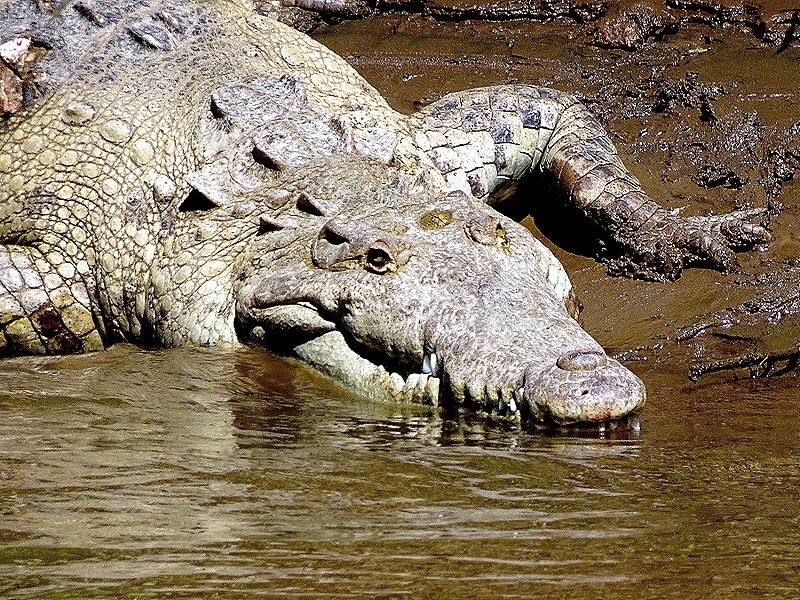
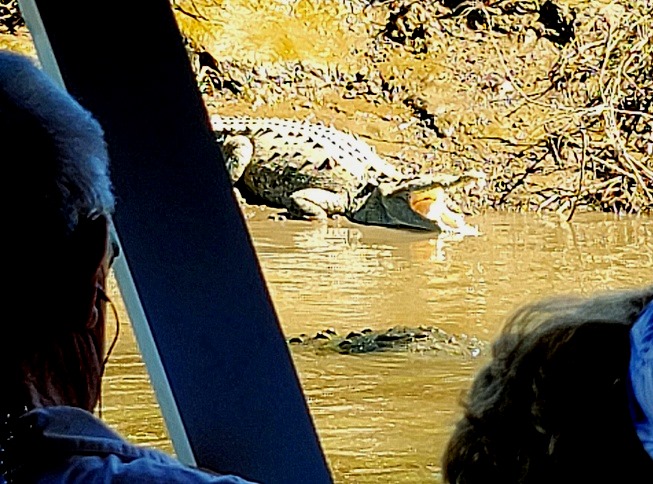
One crocodile was holding its mouth open, something they do sometimes not to scare anybody but to avoid overheating. We saw one couple, with a female by the river bank and the larger male mostly submerged nearby. Then there was a small, probably very young, crocodile jumping for food that someone in another boat was holding out. Not only is this dangerous for your hand, but we were told there is a law against it, although not effectively enforced.
Other animals we spotted (with help from the guide) were a Basilisk, known locally as a Jesus Christ Lizard because it can walk on water, and a White Faced Capuchin Monkey, an endangered species. Both were hard to pick out in our pictures, the lizard because it blended so well with the rock on which it sat and the monkey because it was small and hidden in shadow behind large leaves that made it almost invisible in the bright sunlight. Actually we didn’t see them at the time, but the guide did so we took pictures in the direction he indicated then searched for them in the pictures later.


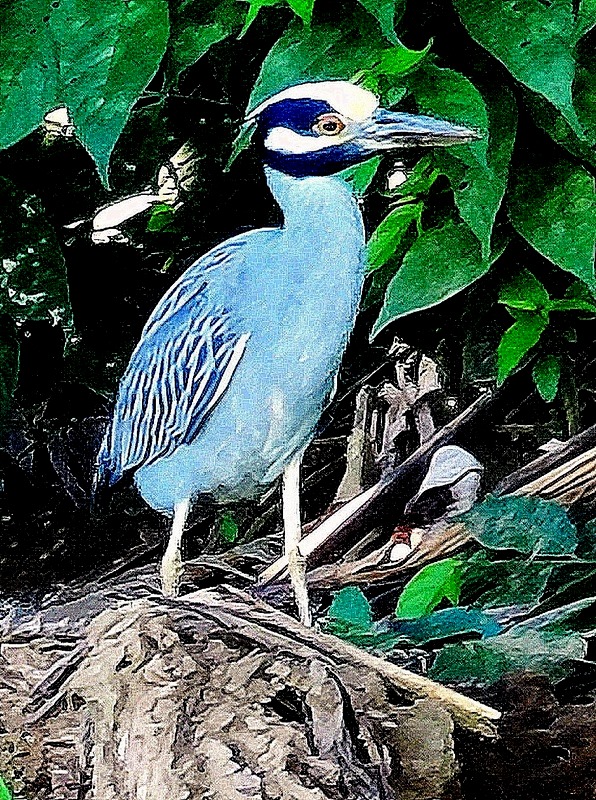
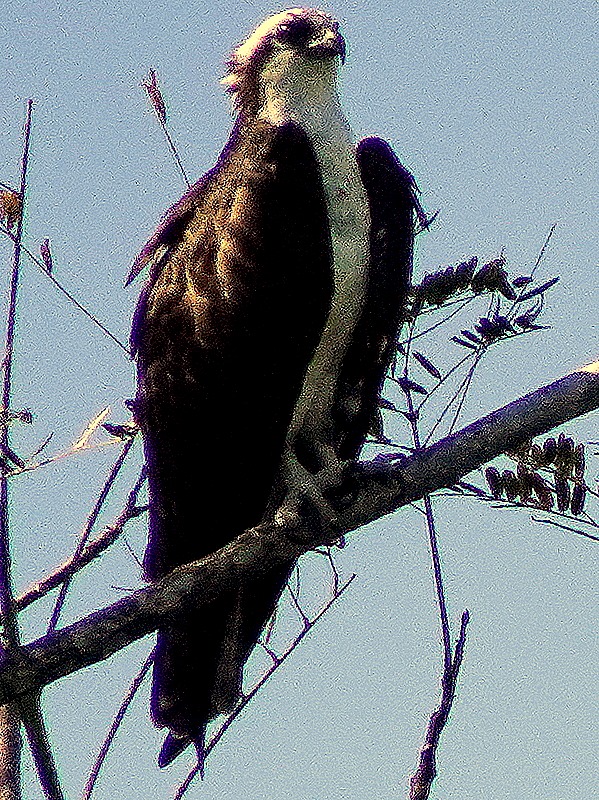
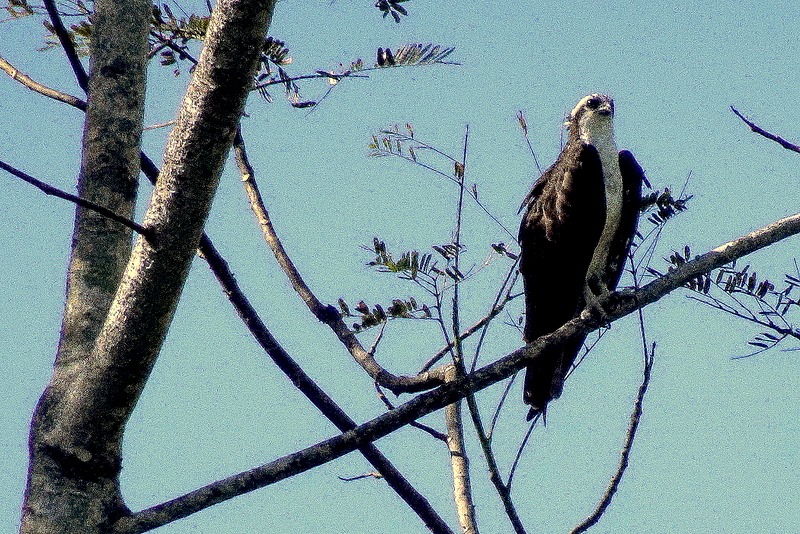
There were quite a few species of birds, shown here in no particular order. We know the names of some, but will have to guess about others. First, a Yellow Crowned Night Heron and an Osprey.
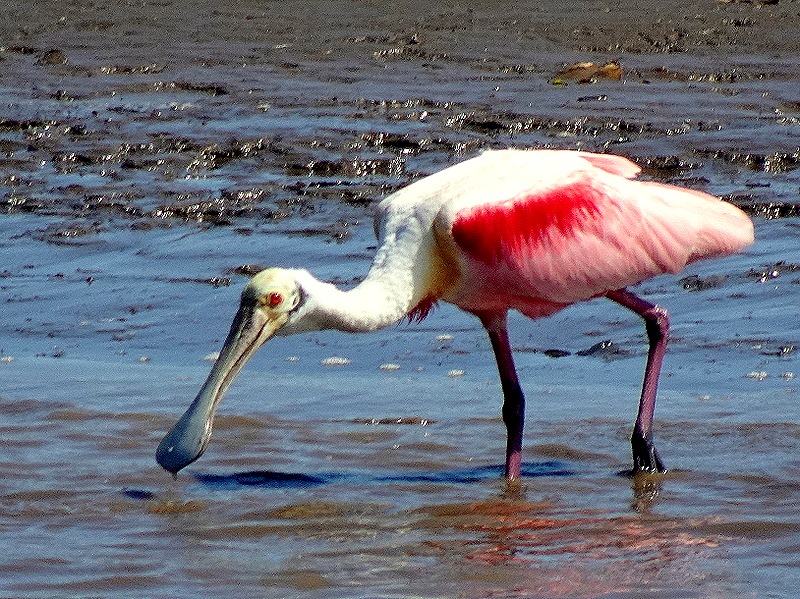
A Roseate Spoonbill was hunting food in shallow water. A Green Kingfisher was perched on a dead tree branch. There was an Anhinga, called a snake bird for its disproportionately long neck and short legs. And graceful looking Little Blue Herons were there as well.


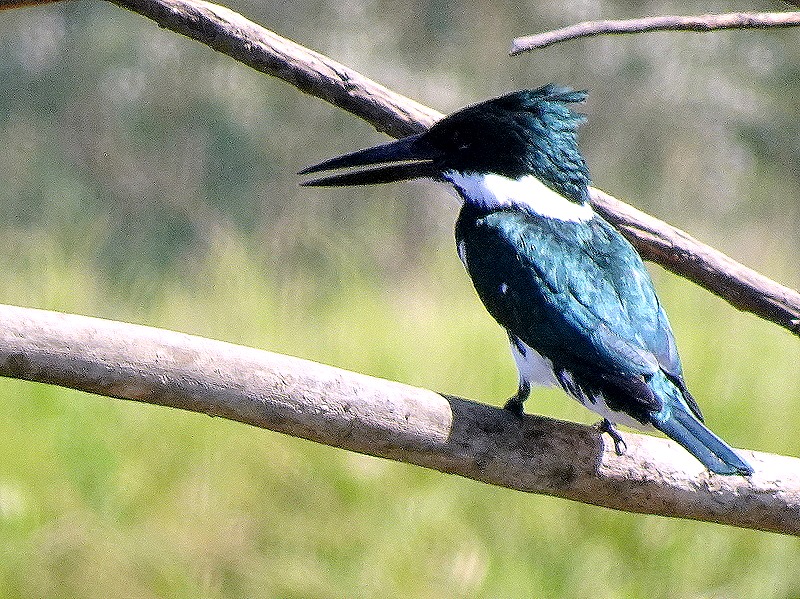
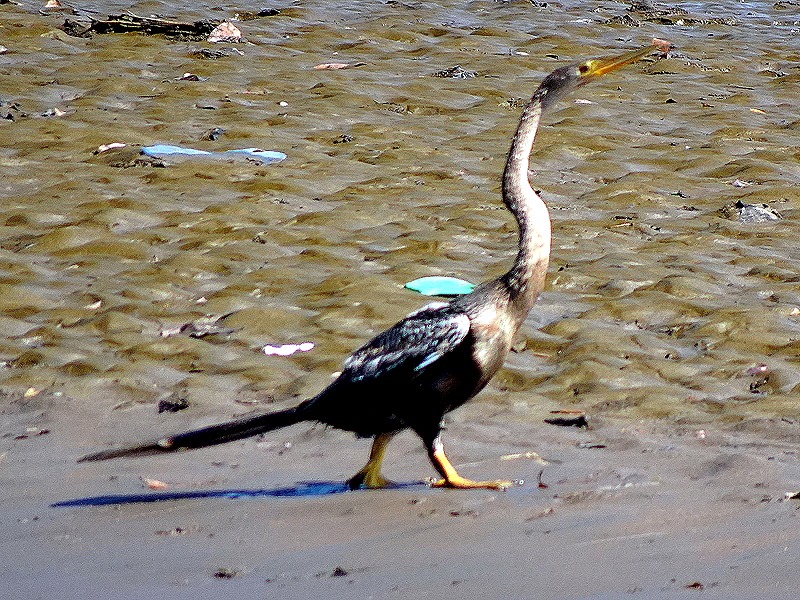
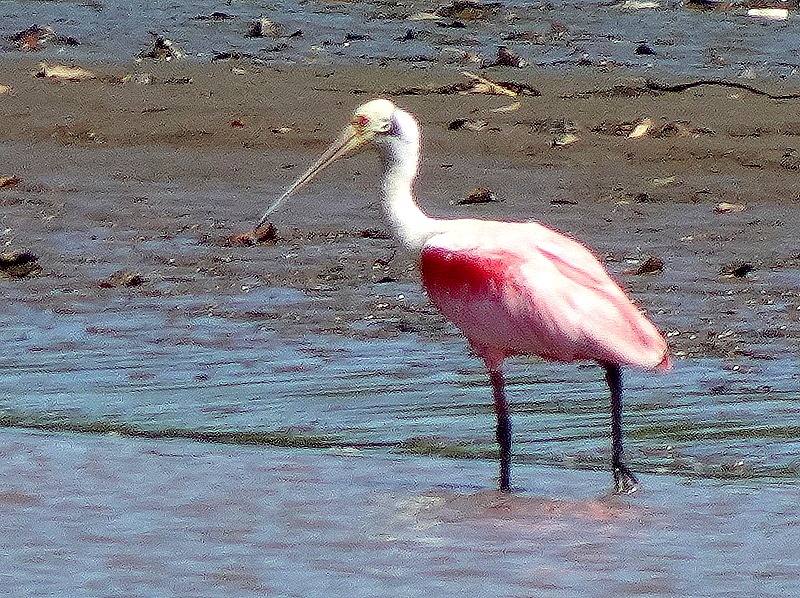
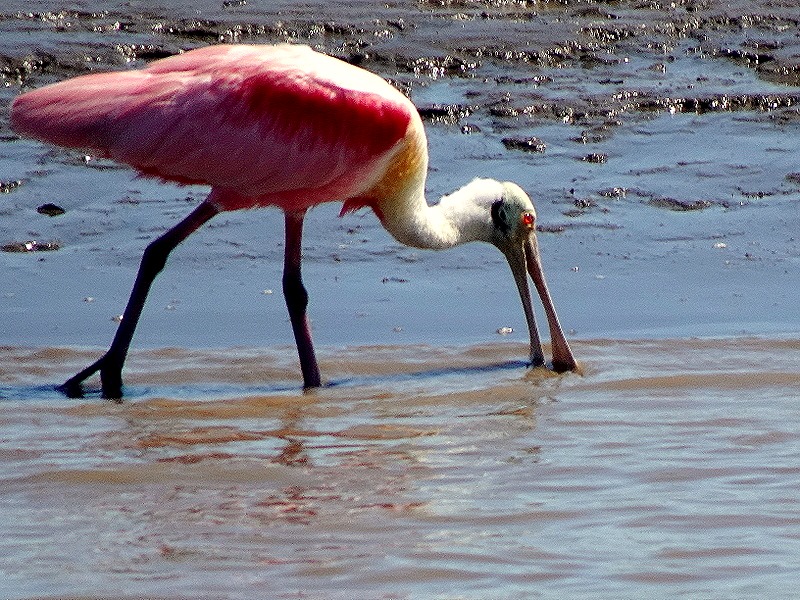

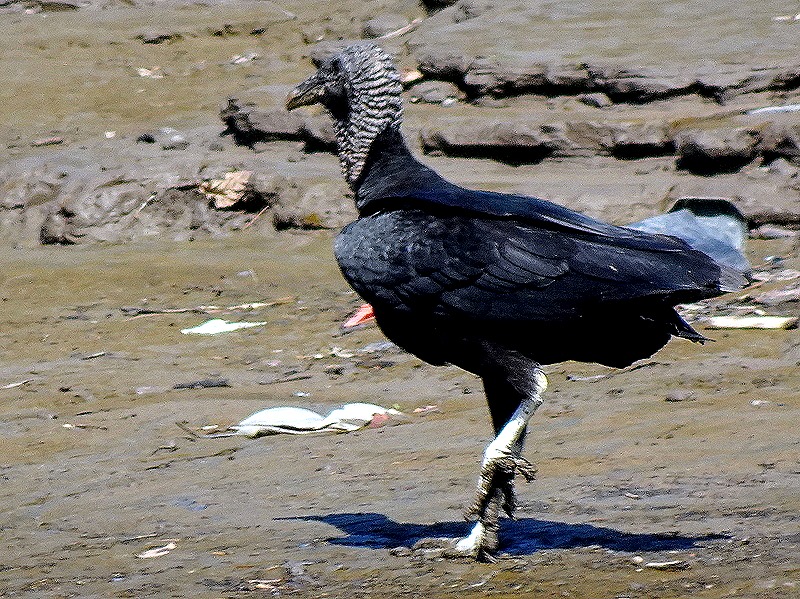
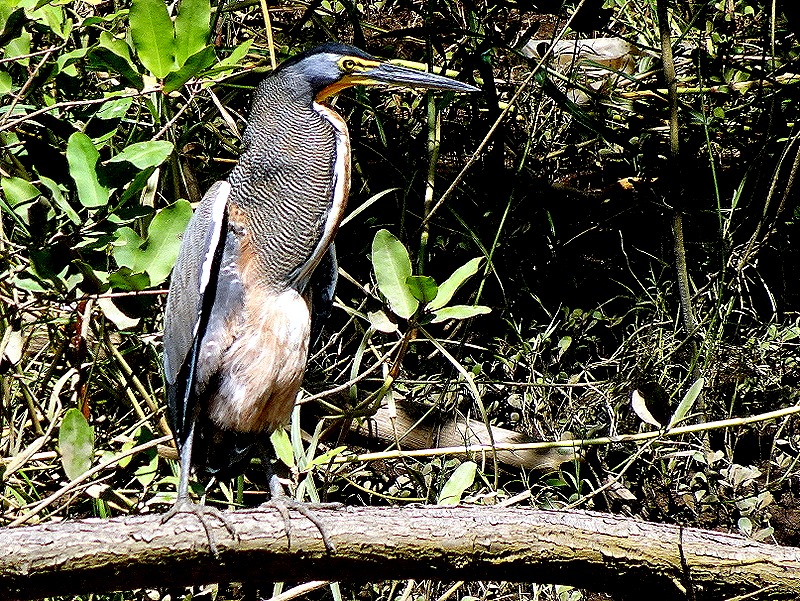
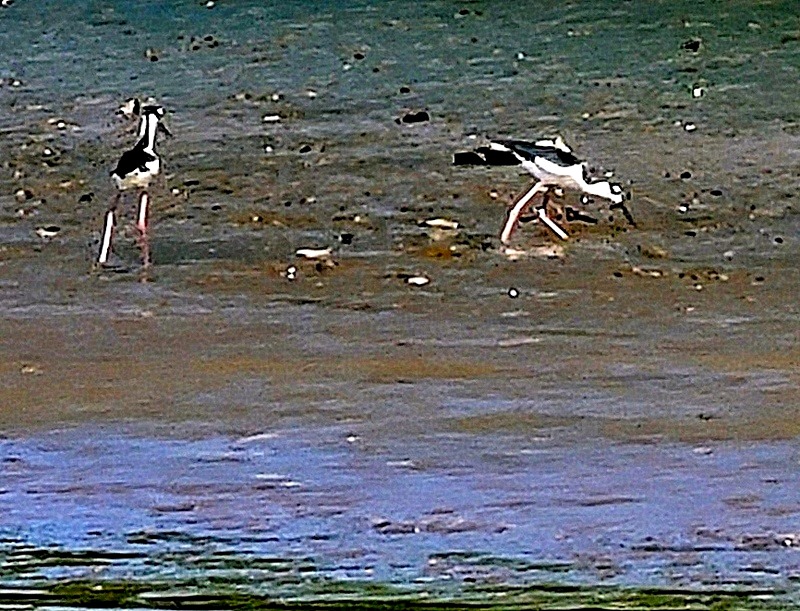
 . We saw a Bare Throated Tiger Heron sitting on a log, then spreading its wings like it was sunbathing. And we think we saw another hidden in the bushes. There were Great Egrets and Black Vultures (looking a little like English judges with gray rather than black wigs). And there may have been a Black Necked Stilt as well.
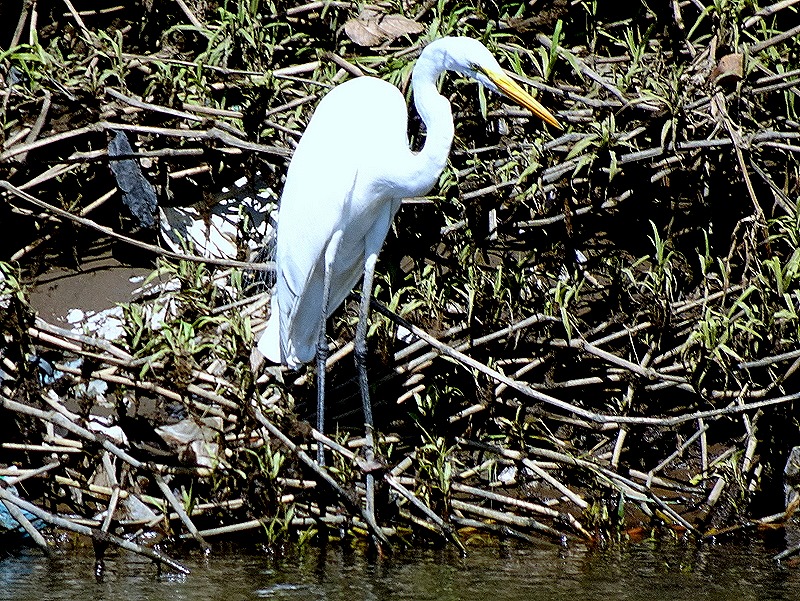
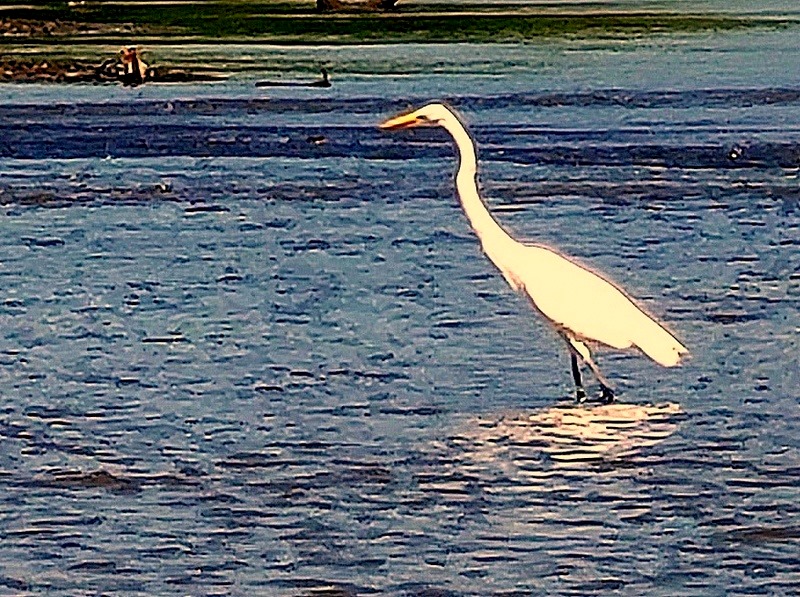
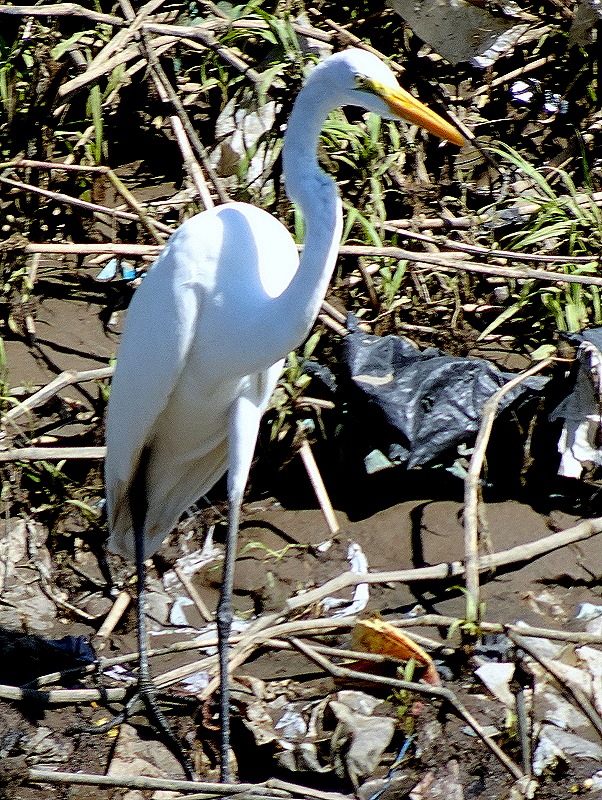



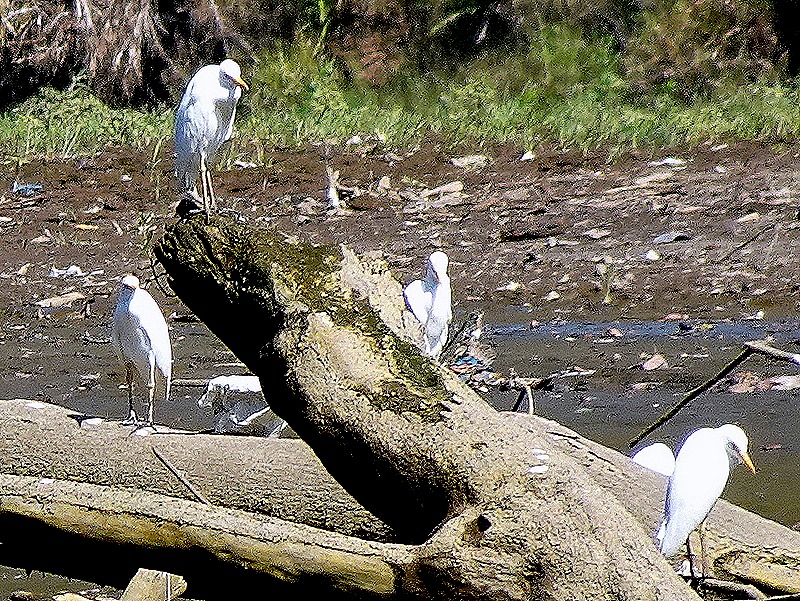
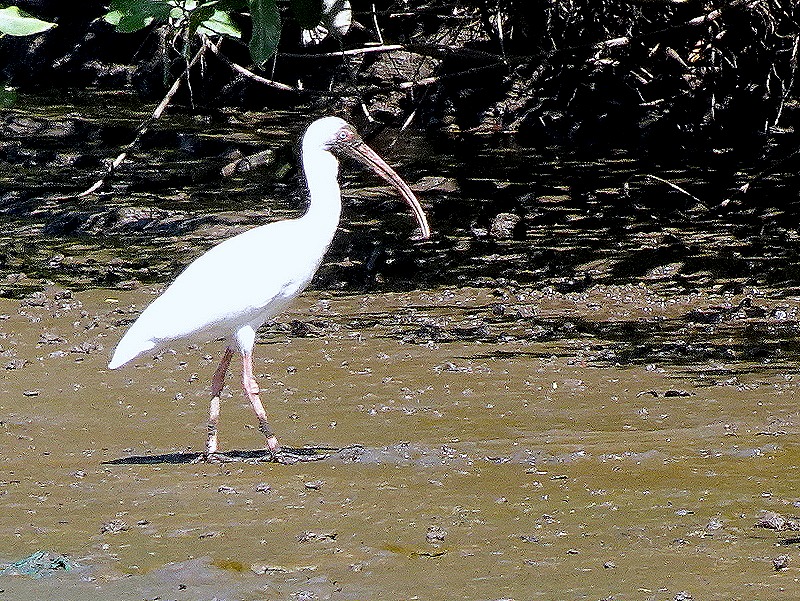
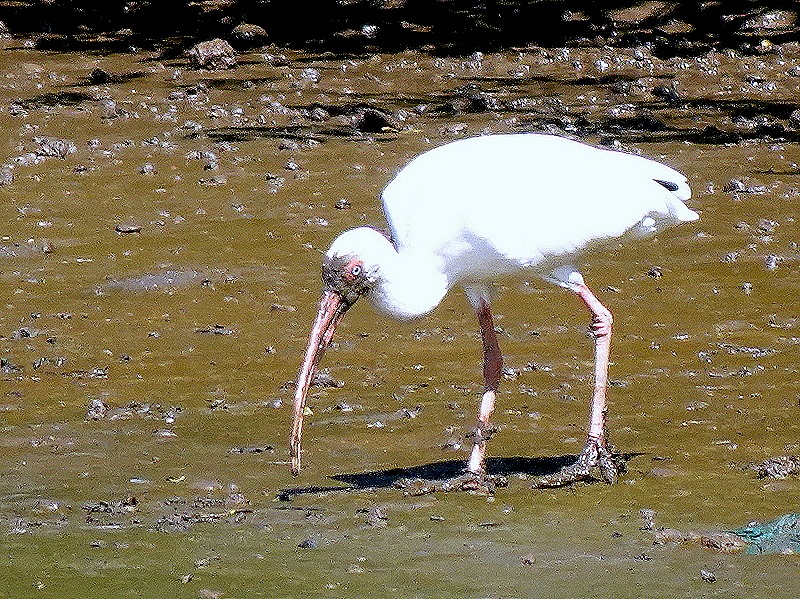
We saw Little Egrets and what we think is a White Ibis. There were a lot of what we think are cattle egrets perching in downed tree branches. How do you tell a Great Egret from a Little Egret? The Great has a yellow bill and black legs while the Little has the opposite (black bill and yellow legs).


After the river cruise we proceeded back to the main building and boarded a cable car (which they call a gondola) for a ride high in the treetops of the rain forest. Each gondola held 8 people but they distributed us to make sure the gondola was balanced. Rick was seated in the single seat in the back and Mary was in front of him, with the seat to her right empty. The gondolas were transported very high in the air on cables held up by very long metal poles.
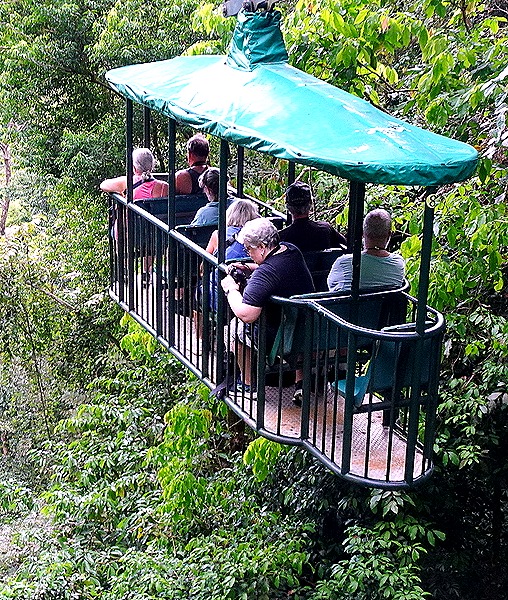
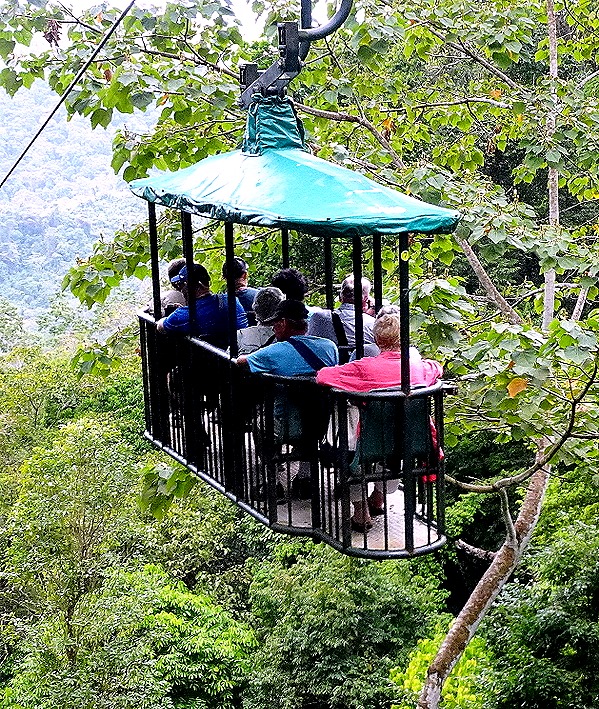
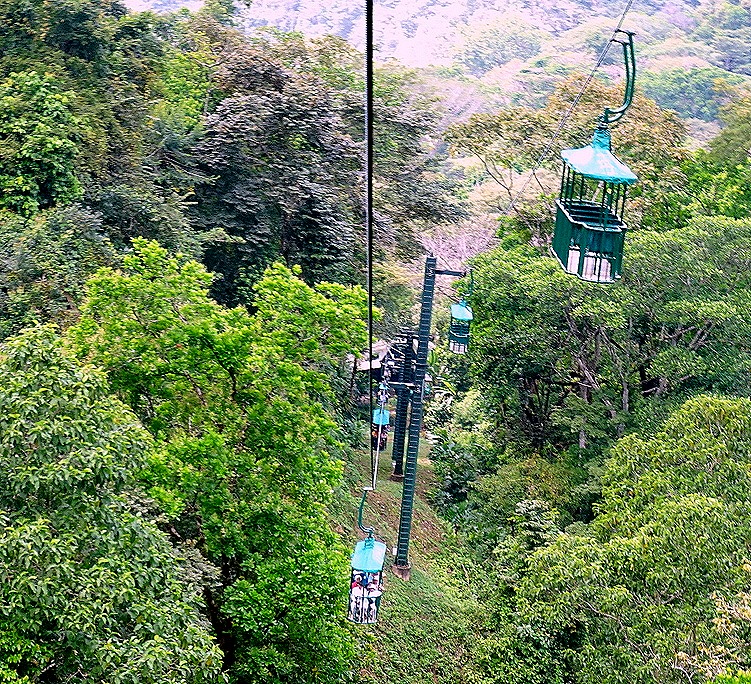
This was advertised as a chance to see wildlife & birds who live or work in the treetops but we didn’t see any at all, apart from a few insects that thought we looked tasty. But being this high over the top of the rain forest gives you an entirely different perspective. Trees and plants display interesting patterns when seen from above that you would never see from the ground and are often quite beautiful. After all, the leaves on trees and plants are intended to extend toward the sun, which is the direction where we were situated.
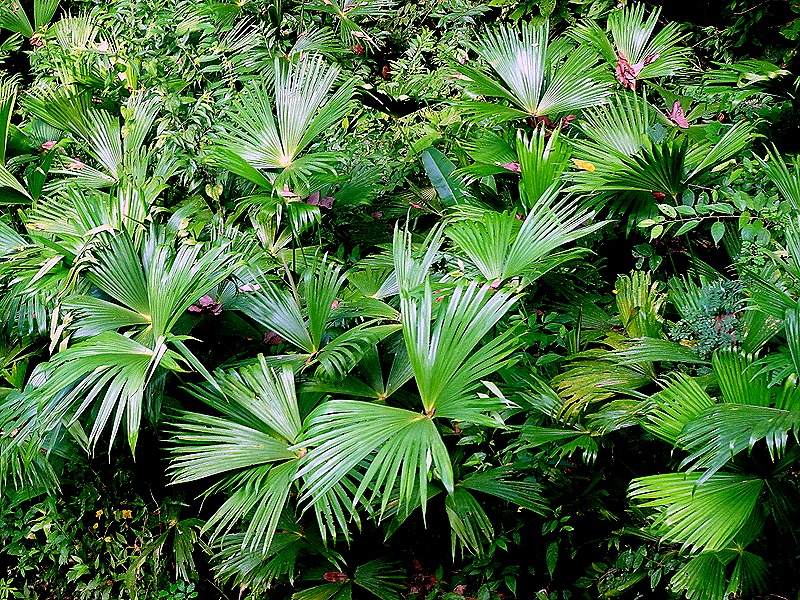
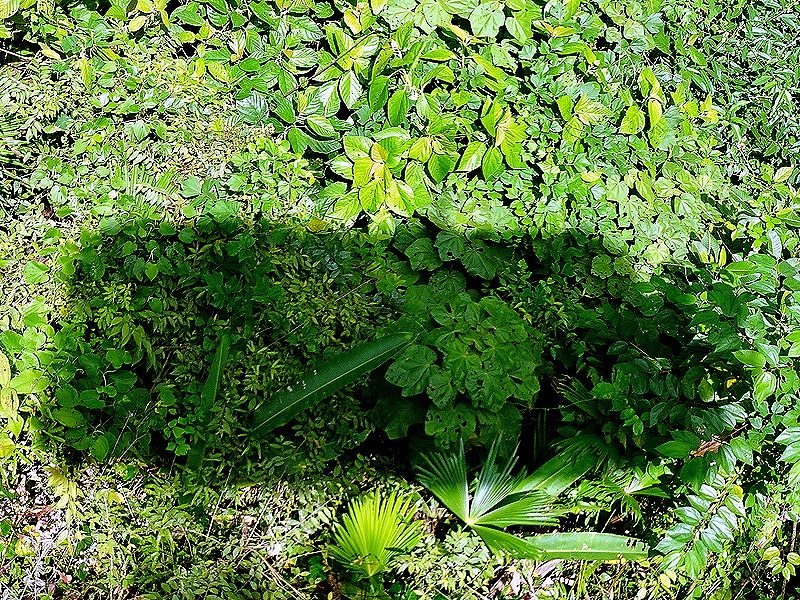
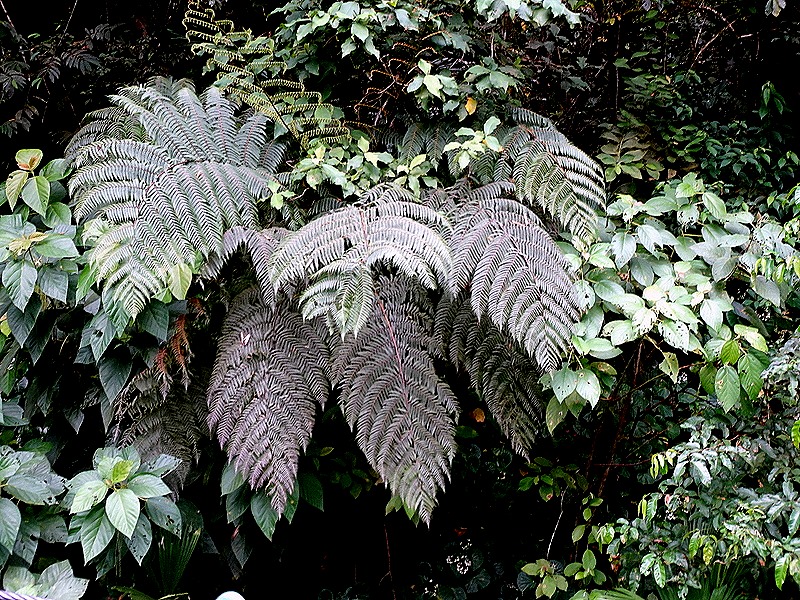
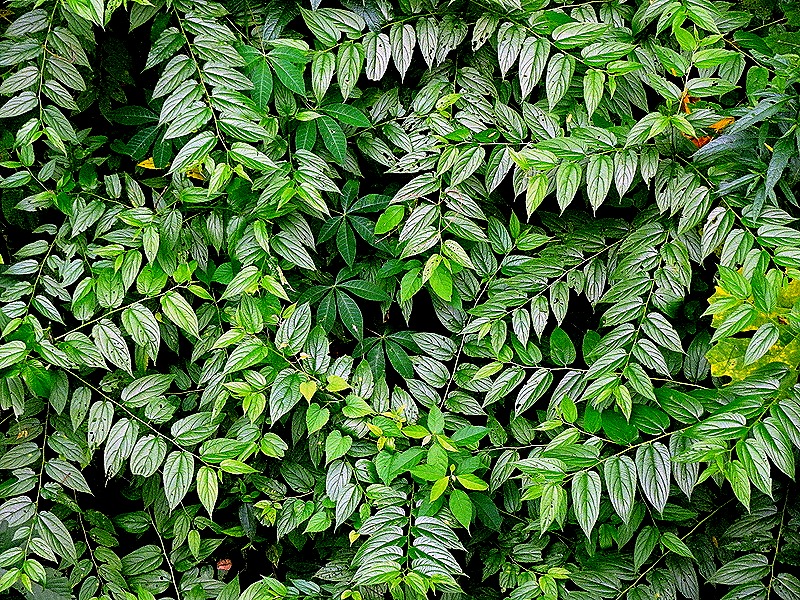

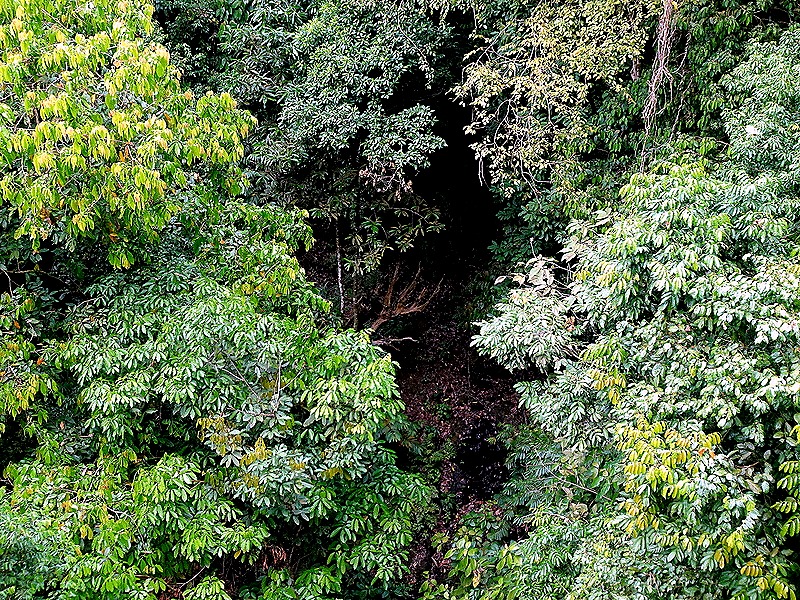

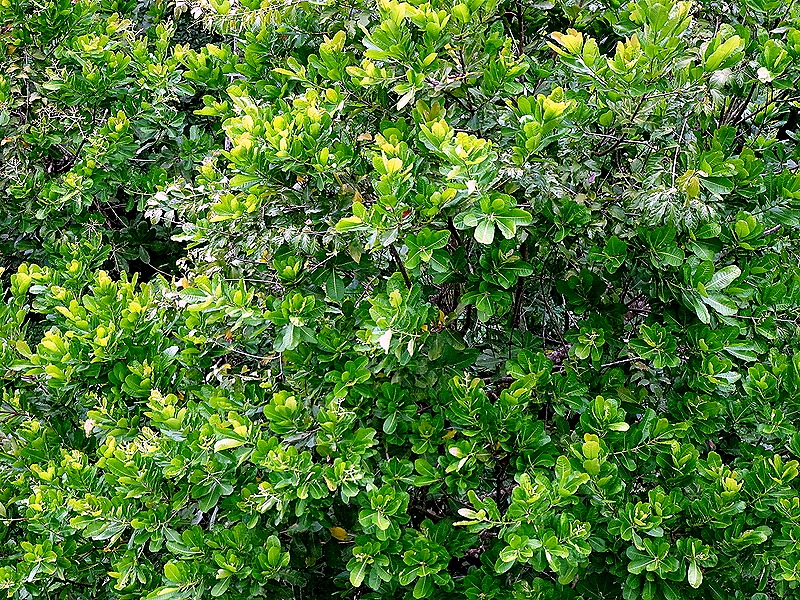
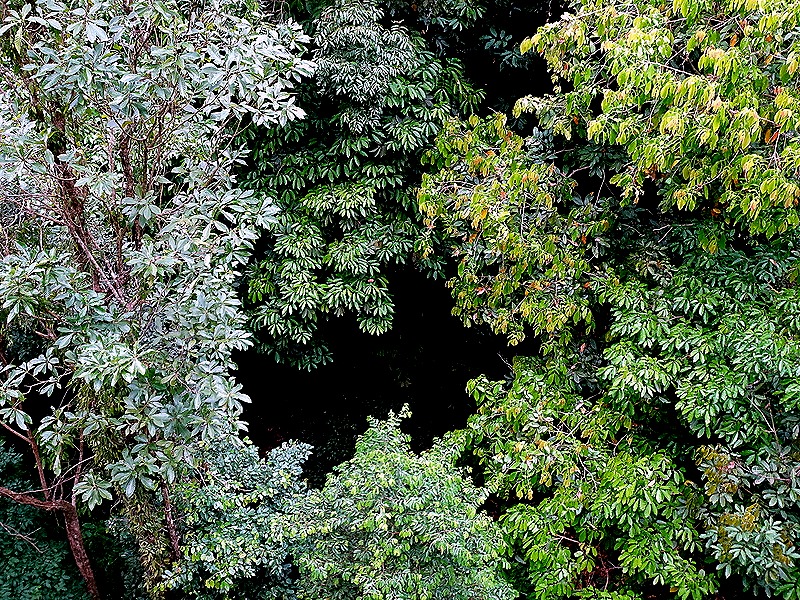
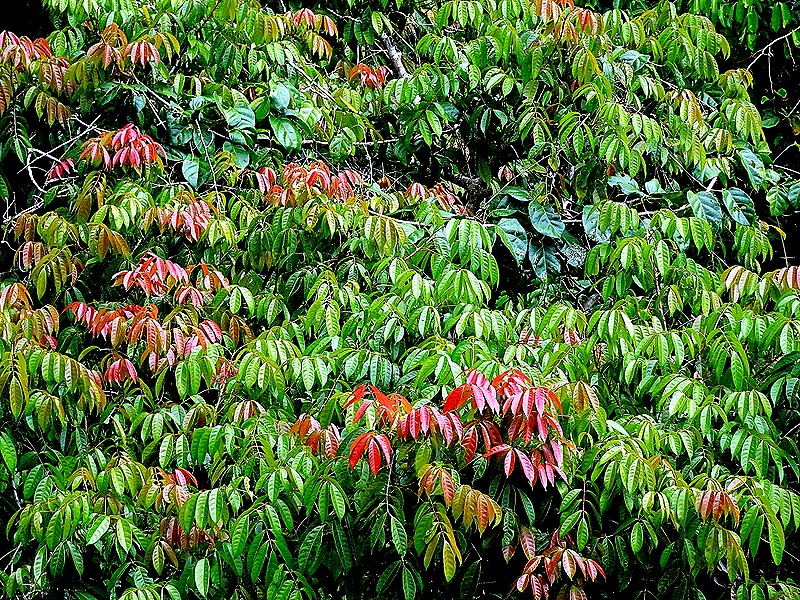
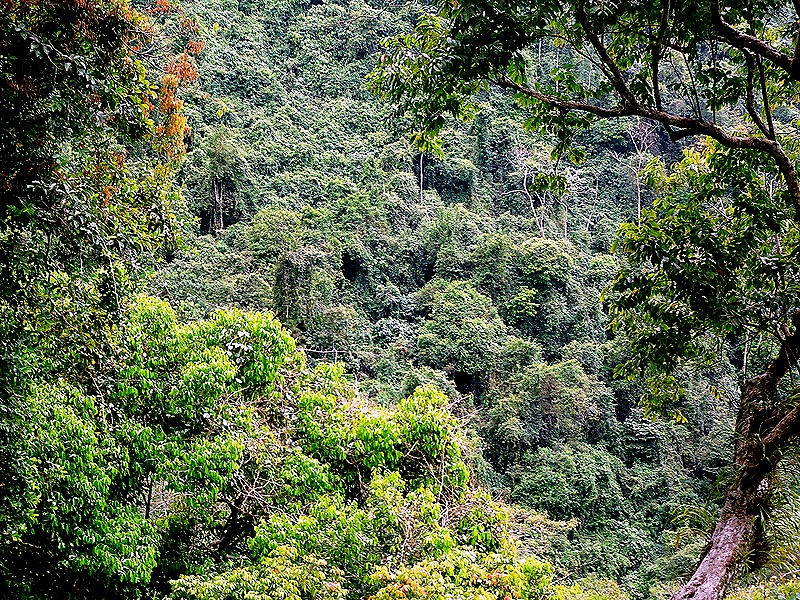
From inside the gondola we had distant views over the trees below and views of trails and streams that looked very far down.

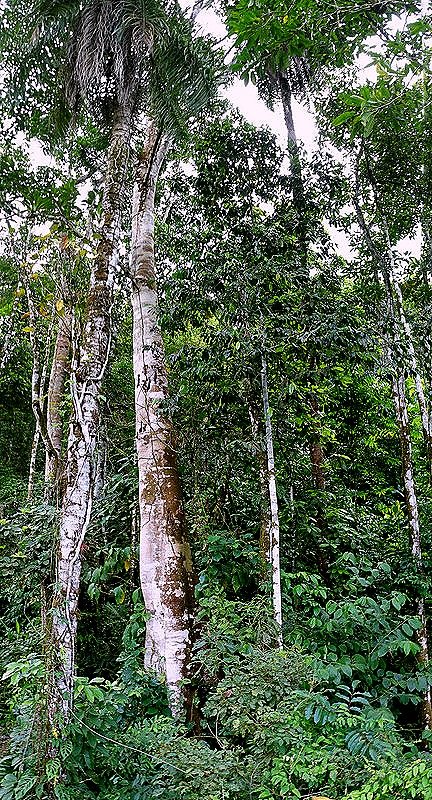
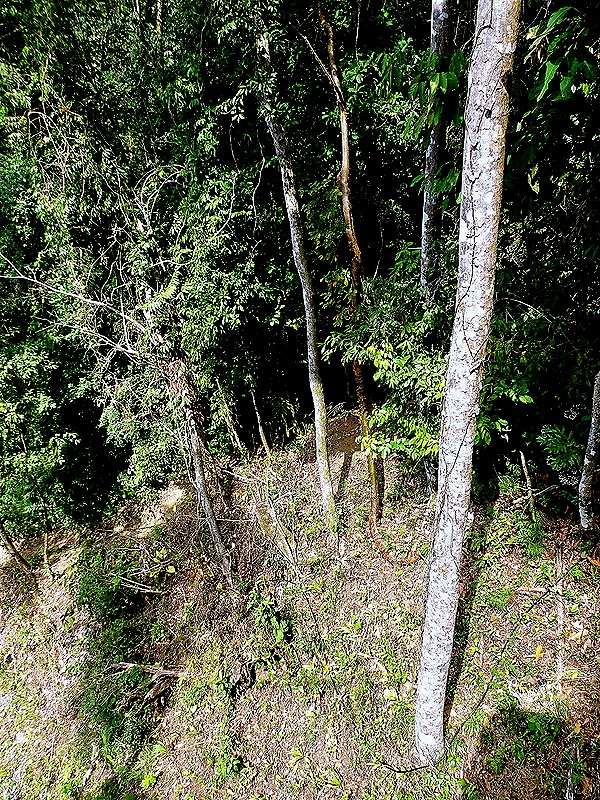
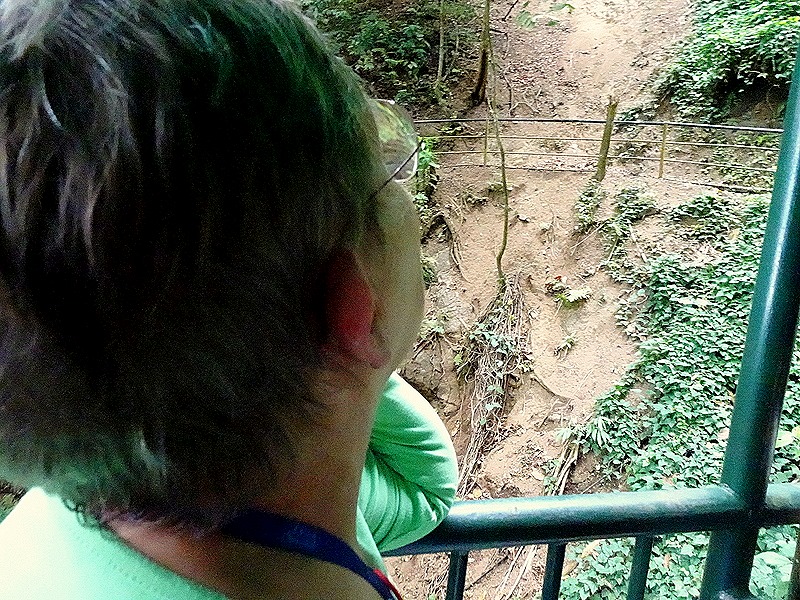

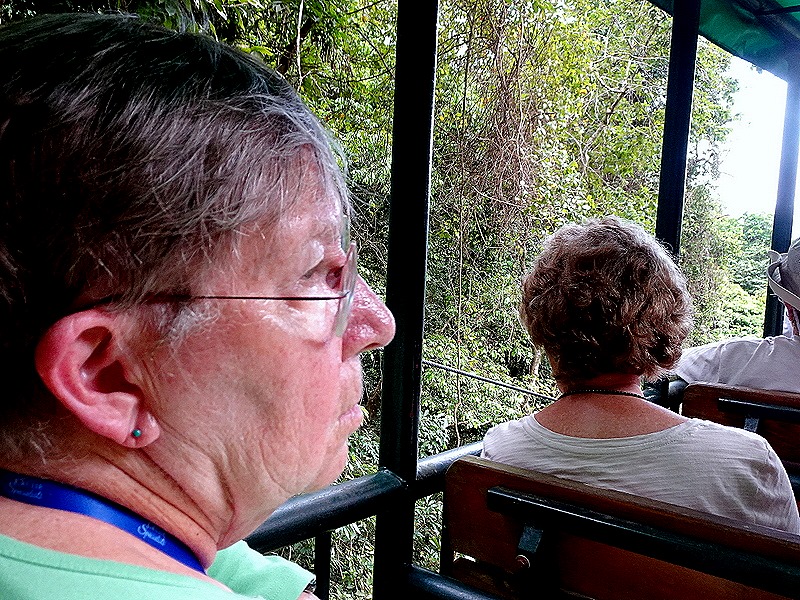
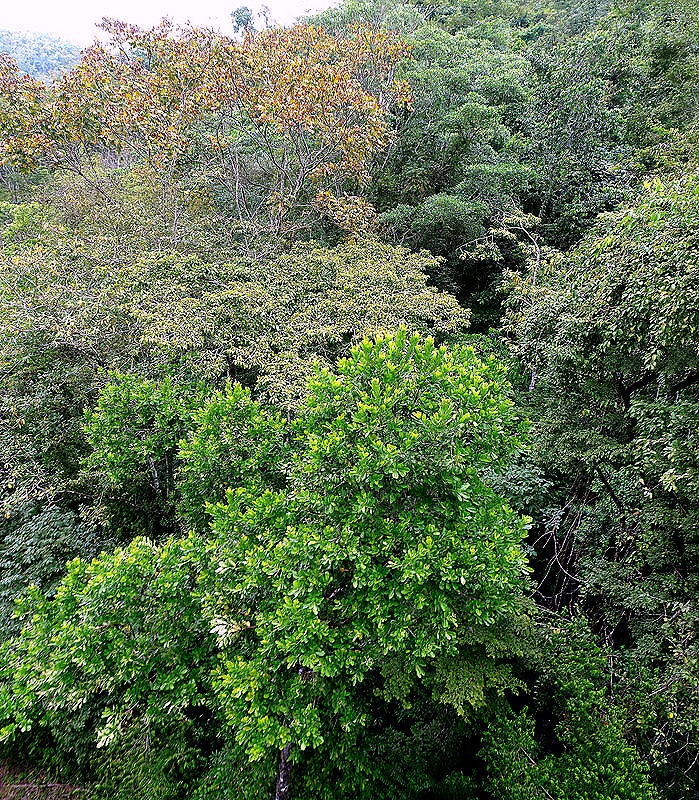
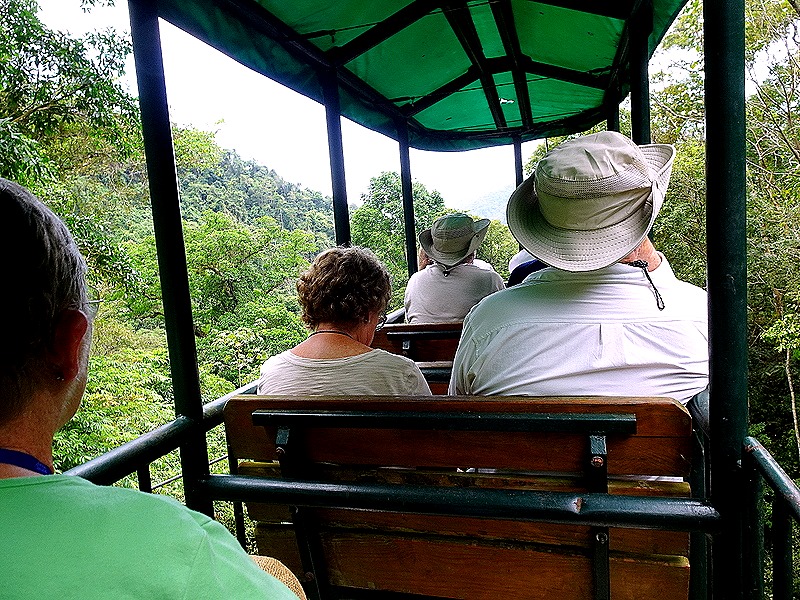
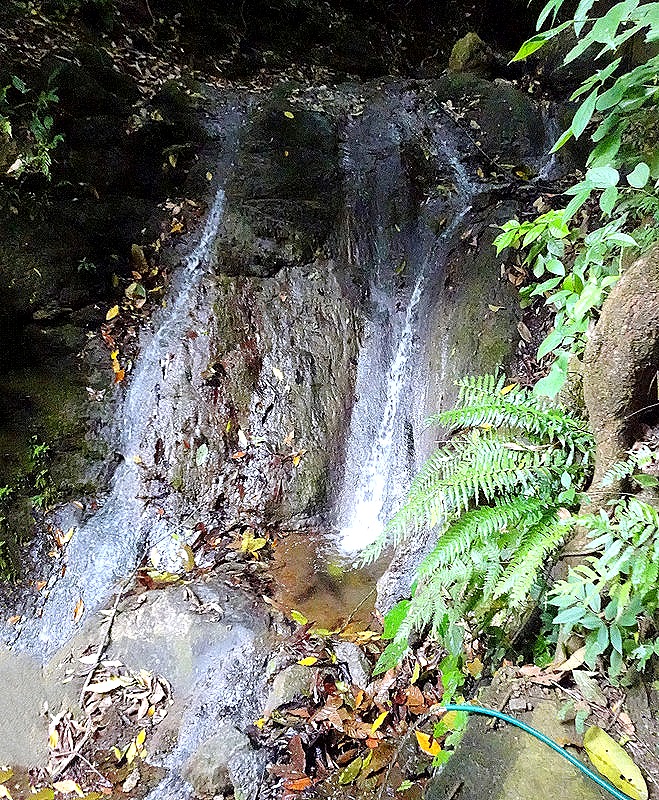
At the end of the cable run where we were turned around to head back was a small double waterfall coming down a cliff face. There was also a ladder against a tall wall which might be used for rescue if the equipment fails or to perform maintenance on the system.

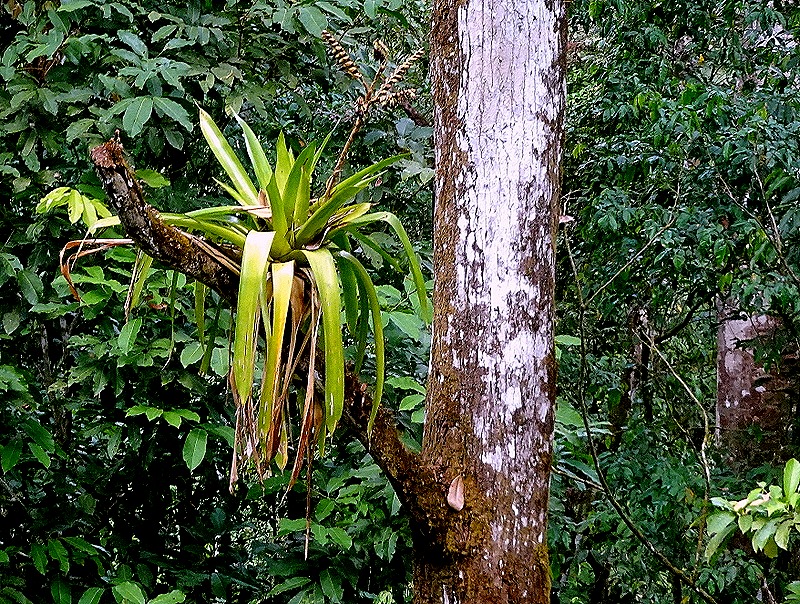
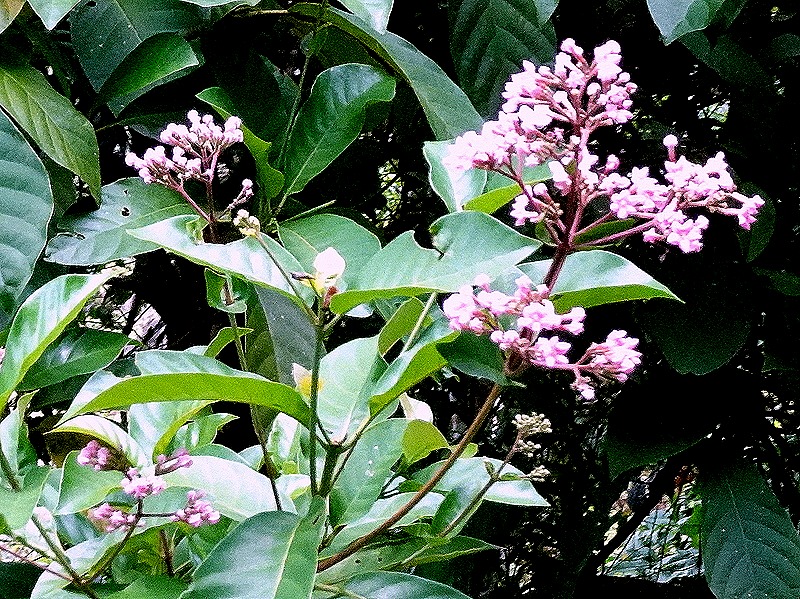
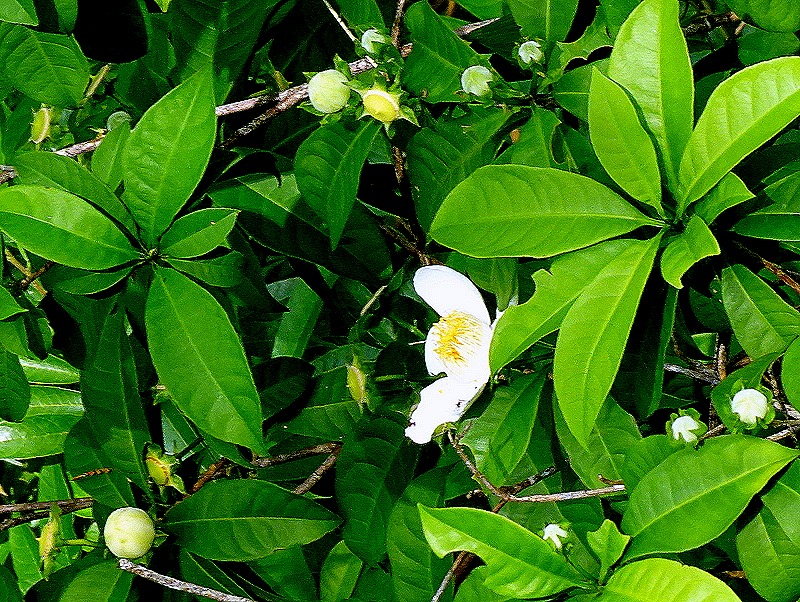
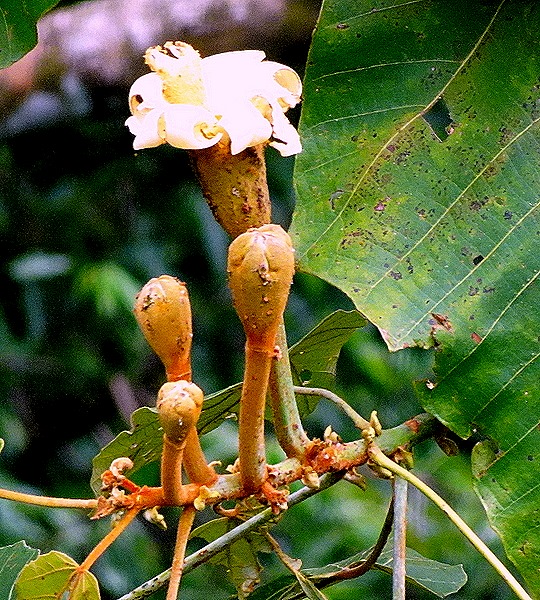
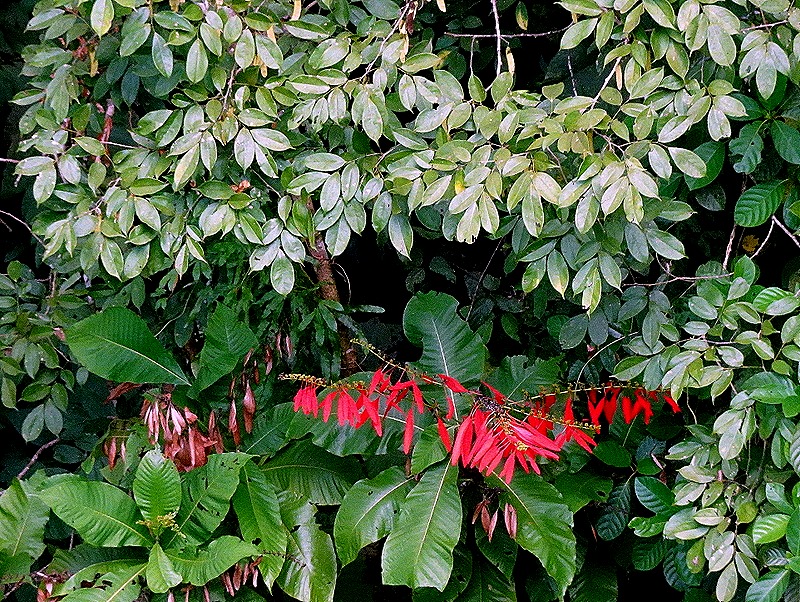
Finally, we saw bromeliads (air plants) growing on bare tree branches and a number of flowers and colorful leaves high in the trees. There was also what looked like a very large nut, sort of like a coconut but we think it was something else.


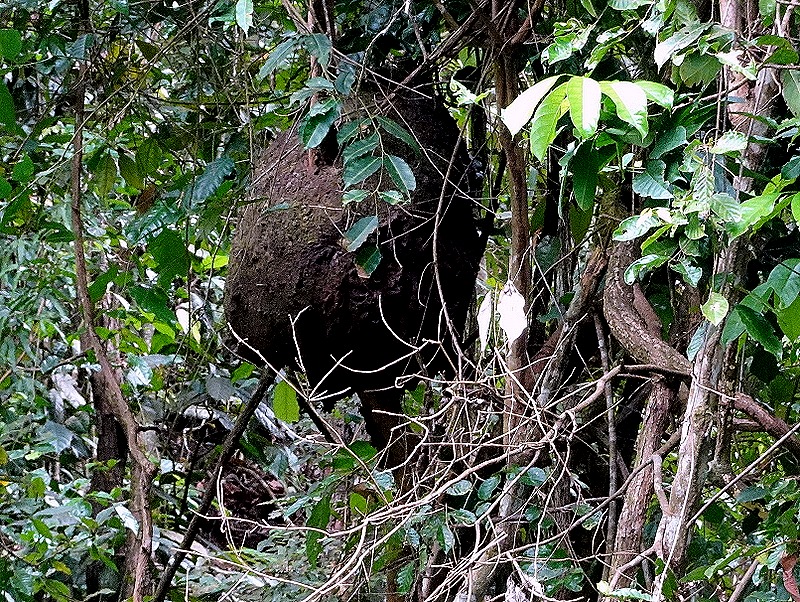
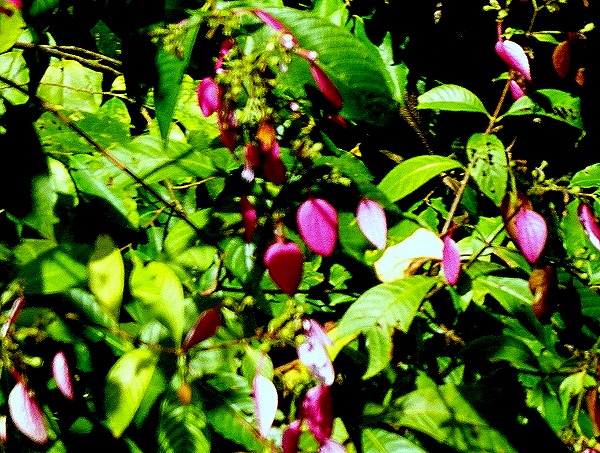


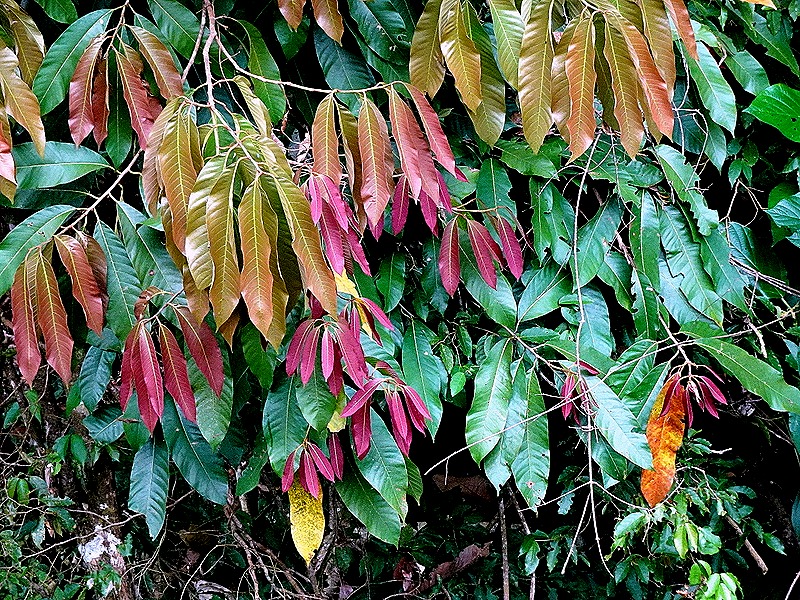
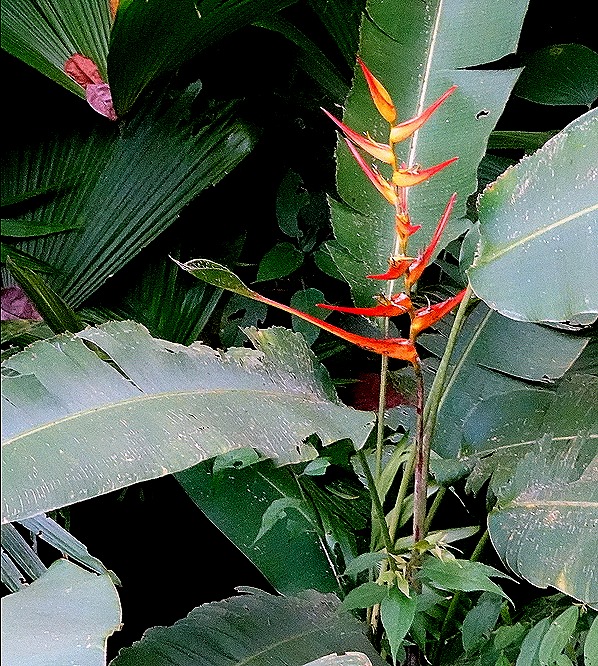
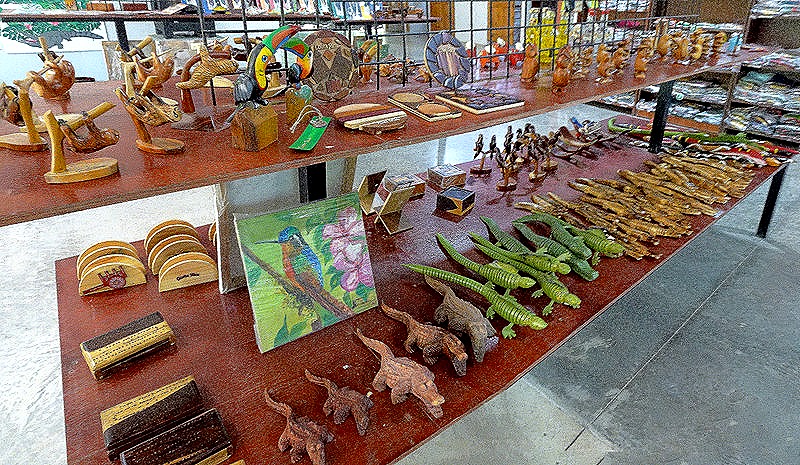
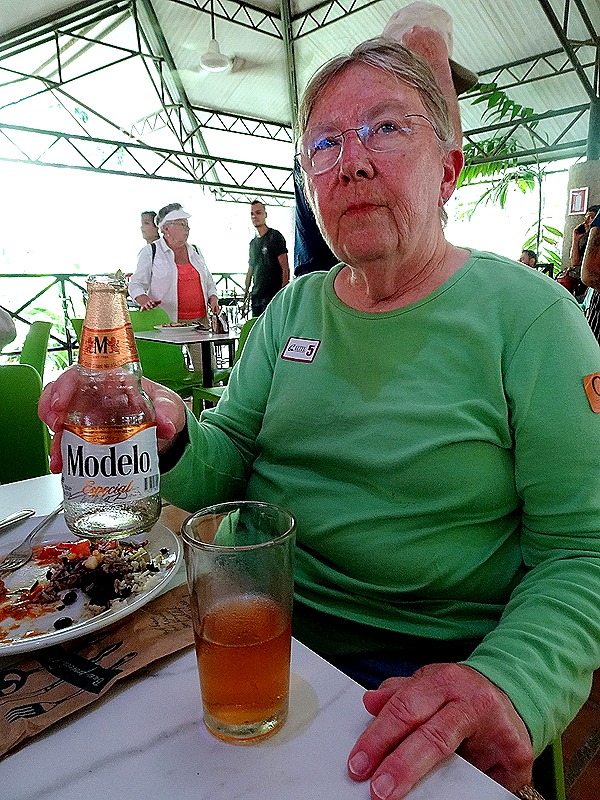
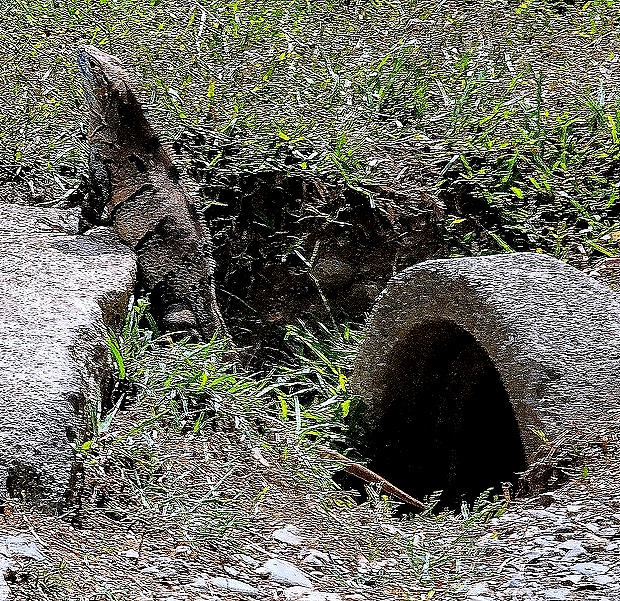
After leaving the gondola we had a very good buffet lunch in the main building of the facility, visited the gift shop (picture for Cecile, who likes gift shops), and spotted an iguana in front of the building on the edge of the driveway. He would stand on the edge watching the people action, then leap down if someone came toward him and hide in a pipe next to the driveway. It looked like he might be living in there.


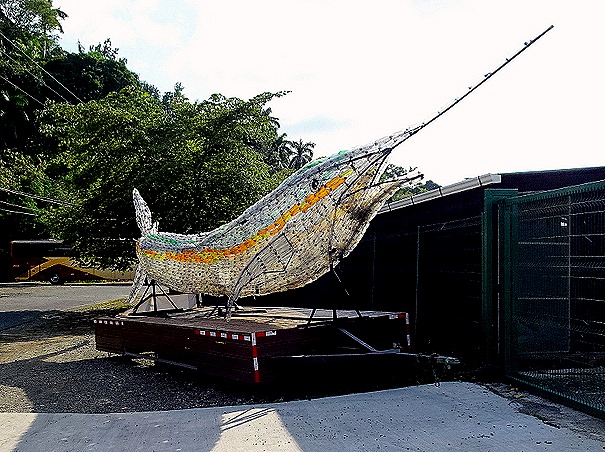
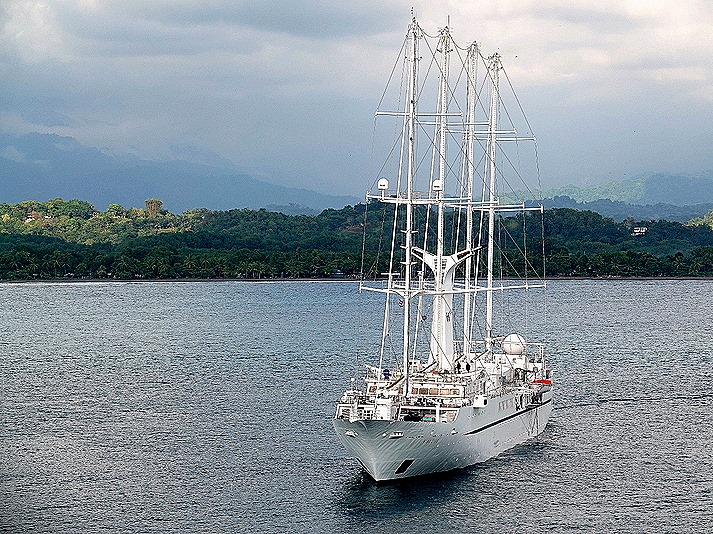
We motored back to the port along the same road we had travelled in the morning. Shortly before reaching the port Rick saw a pair of beautiful Scarlet Macaws fly past the bus window, but it happened so fast there was no time to take a photo. Near the gate to the port was a sculpture of what looked like a sailfish sans back fin. Then we tendered back to the ship past a Windstar four mast cruise ship anchored between our ship and the harbor. So ended our Quepos adventure.

 BADER JOURNAL
February 27, 2024 at 11:52 am
Thank you Judy, I’m glad you enjoyed them.
Rick
February 28, 2024 at 3:56 am