
Kona, Hawaii (2024)
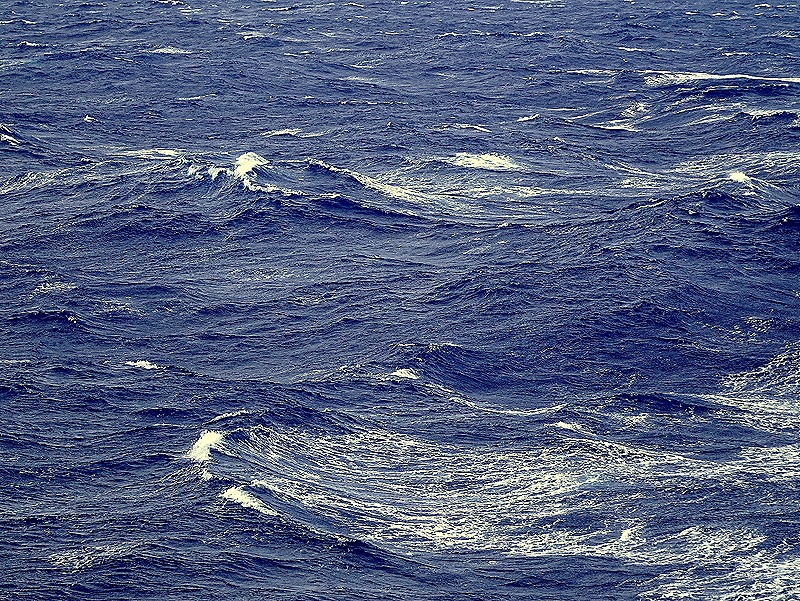
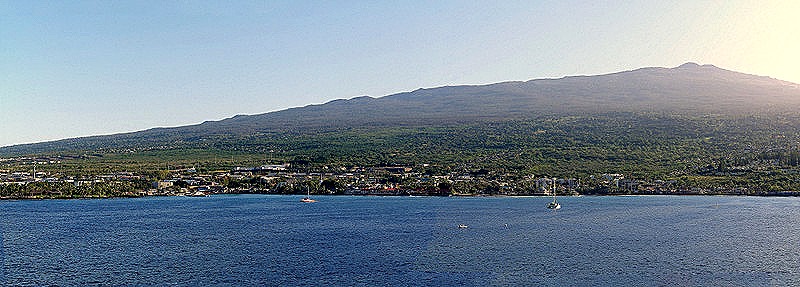
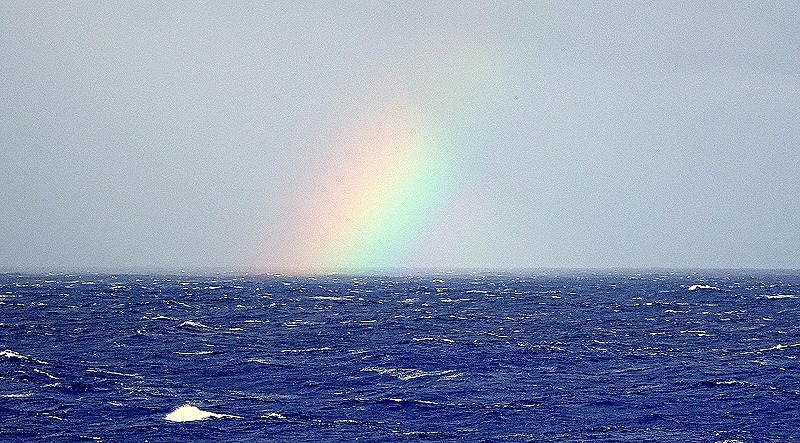
After six full days crossing the Pacific Ocean we arrived in Kona in the morning on February 6. The ocean was very rough for most of this crossing, making it difficult to walk down the halls without falling into the wall. We approached Kona along the seacoast, where there was a lot of green and a mountain in the background that may be Hualalai volcano. We also saw a rainbow, a good omen for sure.

Polynesians most likely first reached Hawaii, travelling on large canoes, between 1,000 and 1,500 years ago. It is thought that some from the Marquesas Islands (Nuka HIva, etc) arrived around 500 CE, give or take a few hundred years, and then settlers from the Society Islands (Tahiti, Bora-Bora, etc) came around 1,000 CE. The separate islands mostly had their own kings until Kamehameha I, using Western firearms and cannon in addition to traditional weapons, unified (ie. conquered) the entire archipelago in a series of wars in the late 18th and early 19th centuries.
Captain Cook was the first European to discover what he called the Sandwich Islands (after his aristocratic sponsor) in 1778. He was killed by the local people 12 miles from Kona in 1779; the story is interesting and controversial but too long to include here. Americans began to immigrate in earnest in the 1820’s when several ships of New England Protestant missionaries arrived and began a lengthy and ultimately successful campaign to convert the Hawaiians. Some of their descendants became important (and wealthy) leaders in the the island’s economy (one missionary, for example, was named Dole and his offspring were leaders in pineapple production). The Kamehameha dynasty was deposed in 1893 by a group of wealthy American residents (with support from an American warship) and Hawaii became an American territory a few years later and a state in 1959. The history of American activity in Hawaii during this period is controversial and rather sordid, and its effects continue to this day. As was true in other parts of the New World, the native Hawaiian population declined by about 80% in the hundred years after Cook’s arrival, mostly from disease, and today most residents with native Hawaiian ancestry are of mixed heritage.
So the Kona district had an important role in Hawaiian history, as the site of Captain Cook’s death, the landing of the first missionaries and the starting point of Kamehameha’s conquest of the islands. There is no deep sea port here so Zuiderdam dropped anchor on the outskirts of Kailua Bay and we tendered to Kailua Pier in the center of town. This Pier was was completed in 1918 and served as a cattle and cargo dock until tourism became dominant in the late 20th century. Today it also hosts the sea leg of the annual Ironman competition.
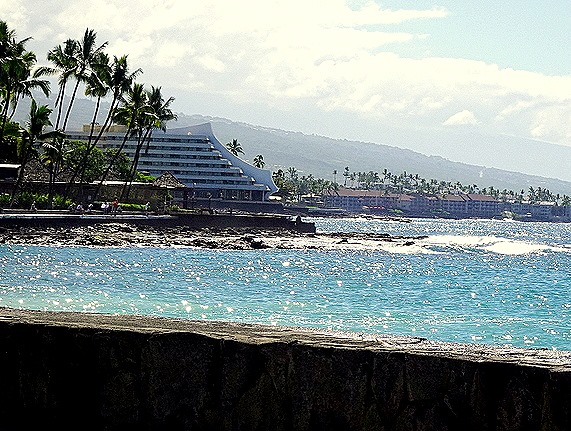

While most people outside Hawaii call this place Kona, the actual name of this town (like the bay) is Kailua. Kona is the name of the district in which the town is located. So it is often called Kailua-Kona (especially on signs) and referred to only informally as Kona or Kona town. For convenience we will use Kona. You may recognize that name from the coffee grown here in the rich volcanic soil, which is quite expensive here in its pure form, less expensive in Kona blends that may have only 10% actual Kona coffee.
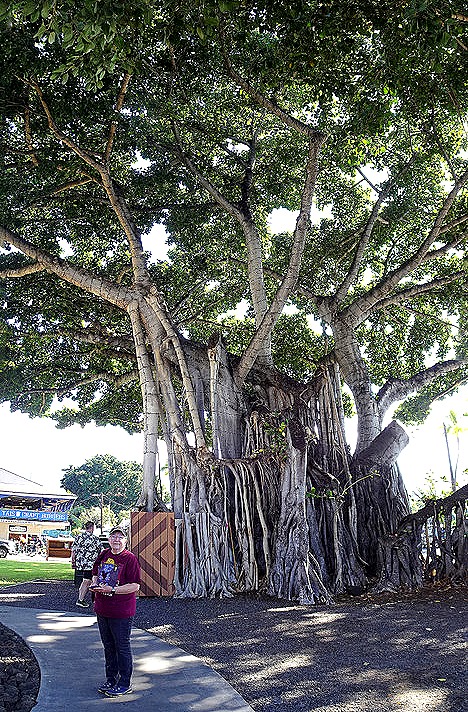
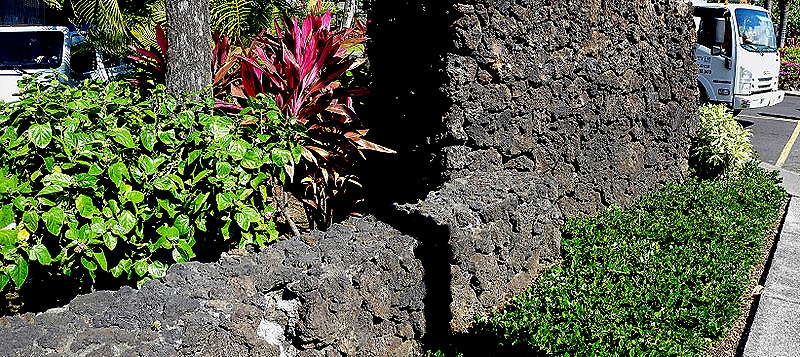
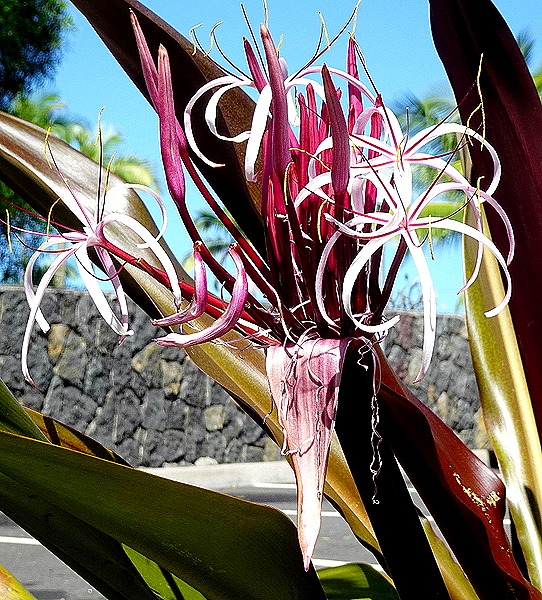
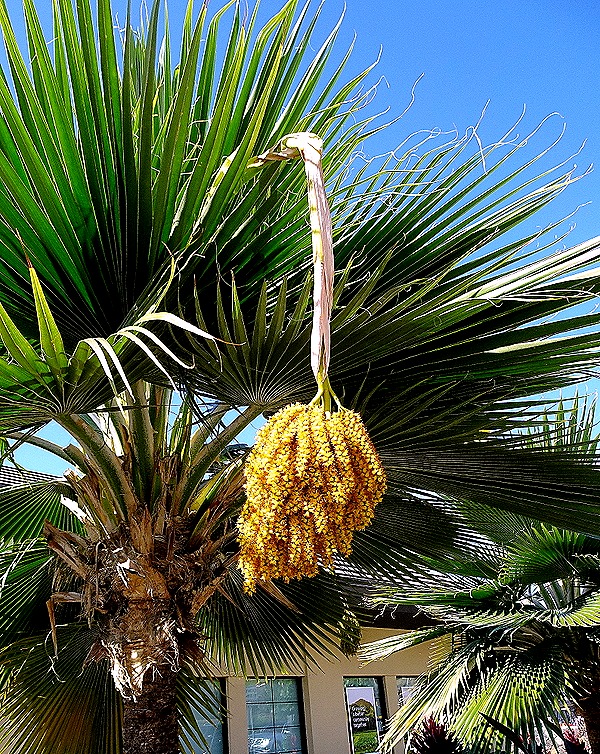
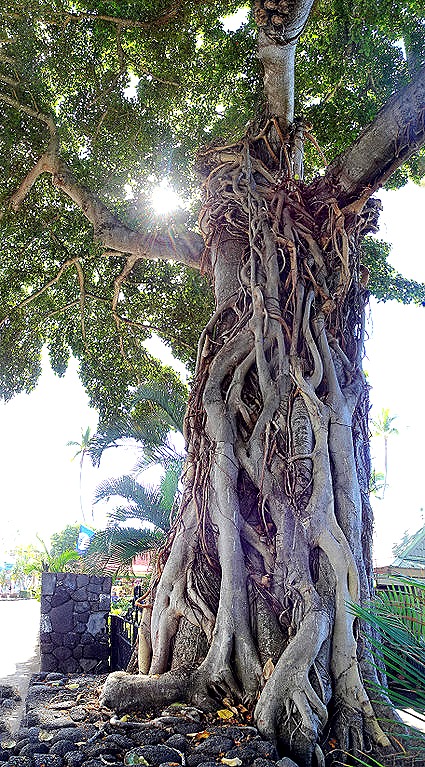
This is a small town, about 20,000 population, and we had not been here before so we spent our day walking around on our own. Three notable features were evident without stepping very far from the pier. A good deal of construction in the area, especially walls, is made of black lava rock. Second, there was a huge Banyan tree not far from the pier, and we would see many more in Hawaii. And third, as you might expect, there is an abundance of beautiful and exotic looking flowers and other flora. We set out along Ali’i Drive, the main street paralleling the bay front.


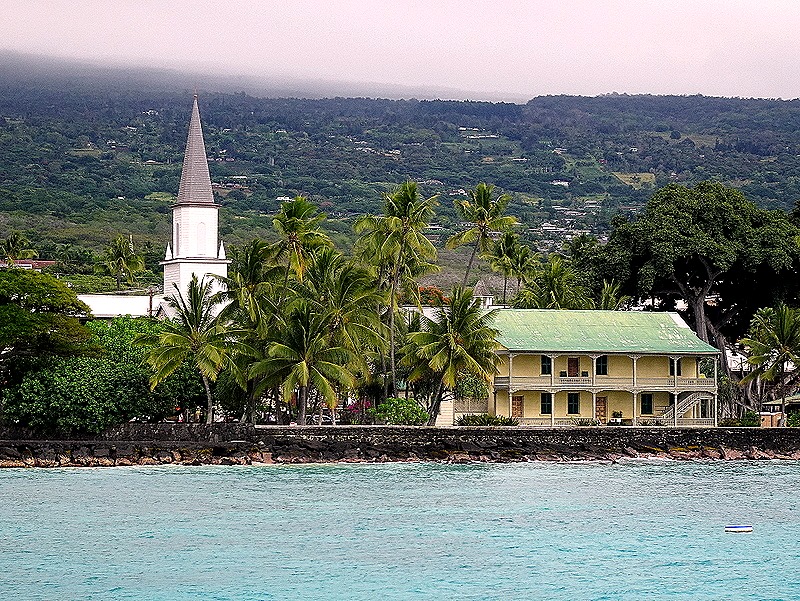
Hulihe’e Palace was a summer home of Hawaiian royalty. Built in the mid 19th century of lava rock, coral and native wood, it eventually became the property of Princess Ruth, a very wealthy descendant of Kamehameha I who owned almost 10% of the land in Hawaii at the time of her death in 1883. She was a defender of the ancient traditions and chose to live on the grounds of the palace in a grass hut instead of in the house. The palace was refurbished in 1927 by a nonprofit group and has been used as a museum for many years. Sadly, it was closed to visitors during our day in town.

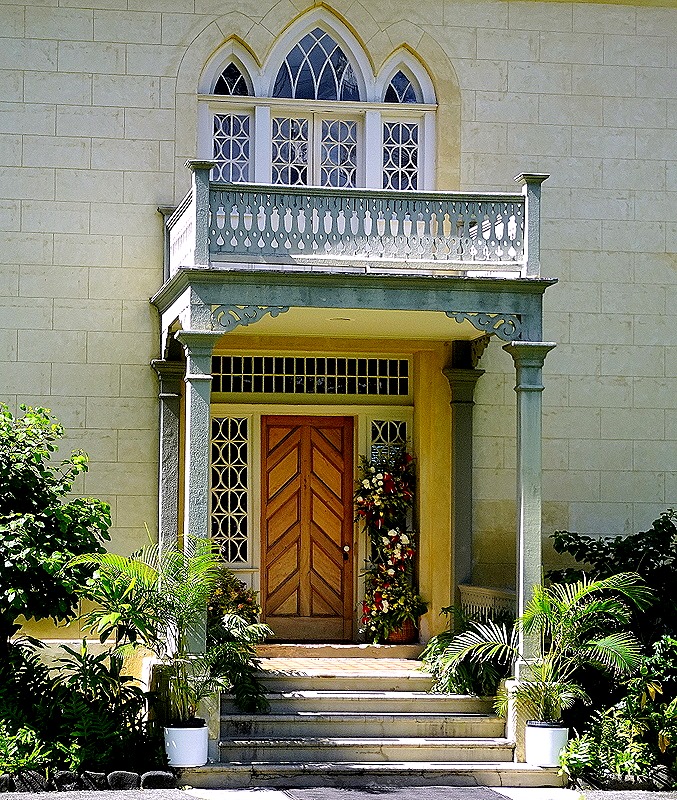

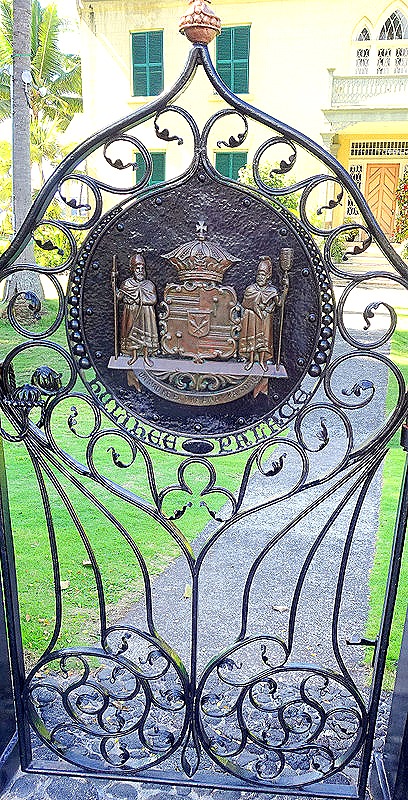


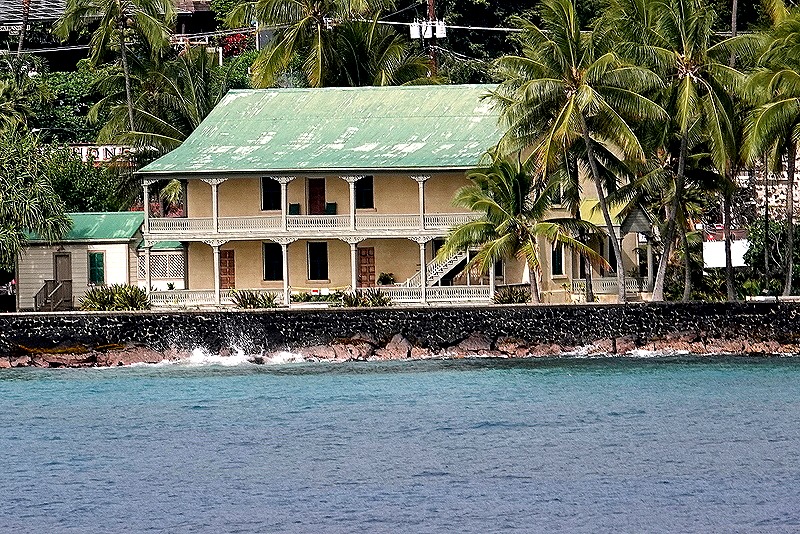
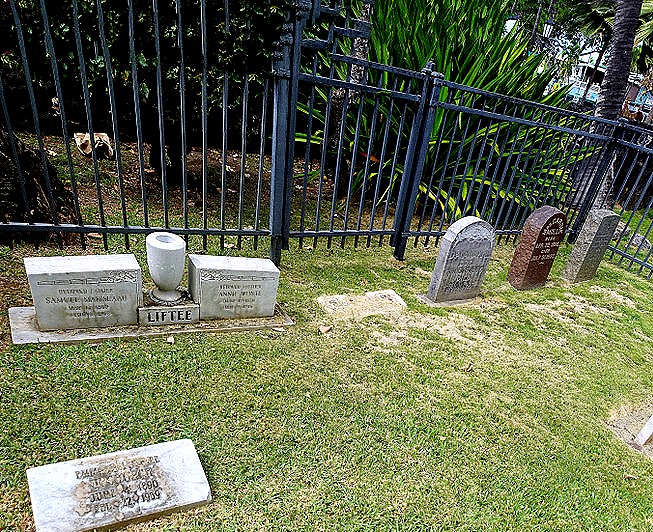
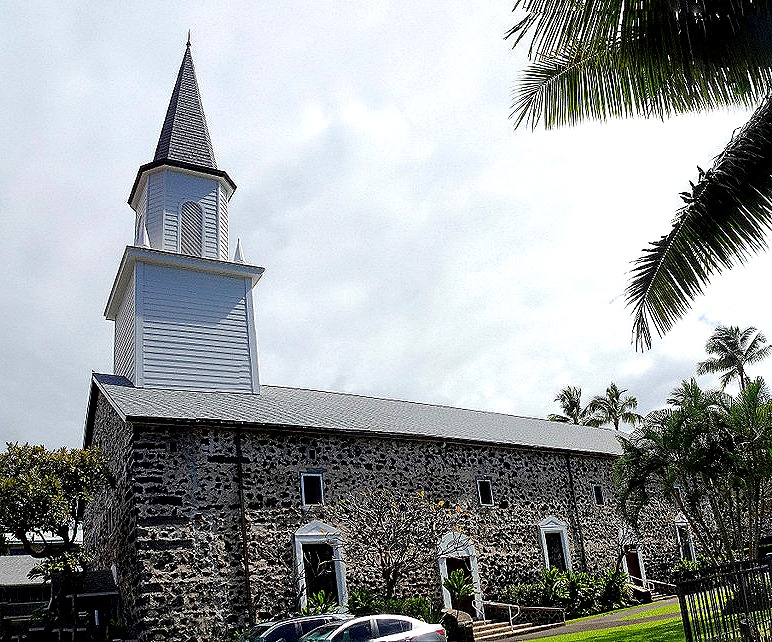
Across the street from the palace is Mokuaikaua Church, the oldest Christian church in Hawaii. The congregation was established in 1820 by missionaries from the first missionary ship, a small thatched roof church was built on this site a year or two later and the current stone building was opened in 1837 (after several fires destroyed the wooden structure). On the day we visited the church was closed for renovations but we were able to tour its grounds.

As we walked along the street we were diverted by a small sign with an arrow indicating a quilt gallery was located back from the street and up a small hill. We followed it and several other signs much further than we expected and finally came upon the shop on the second floor of a modern building on a neighboring street. Called Quilt Passions, it was pretty busy and had many interesting quilts on display (Mary bought some material). Apparently there is a separate museum behind the gallery with some quilts more than 100 years old but we didn’t see it.

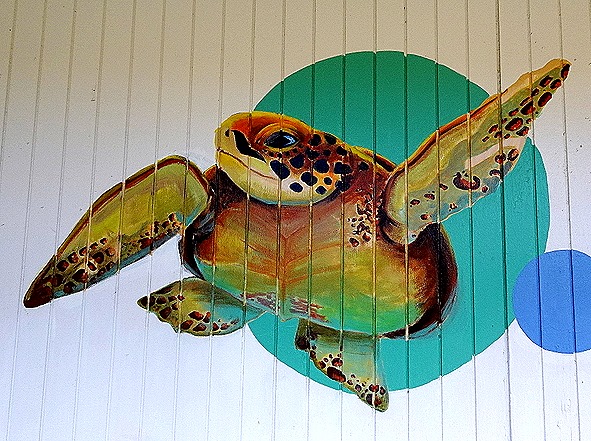
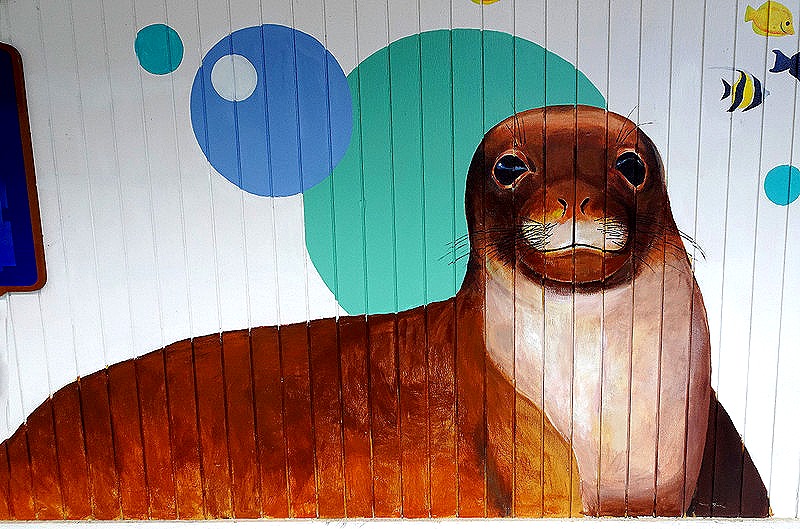
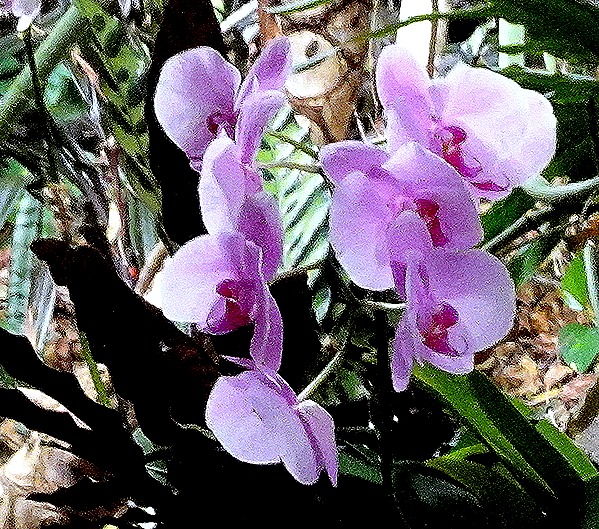
We searched through a shopping center back on Ali’i Drive for another very old church, which turned out to have been destroyed. But in this area we encountered many beautiful flowers in full bloom (in early February!). The building had some wall art of sea animals.
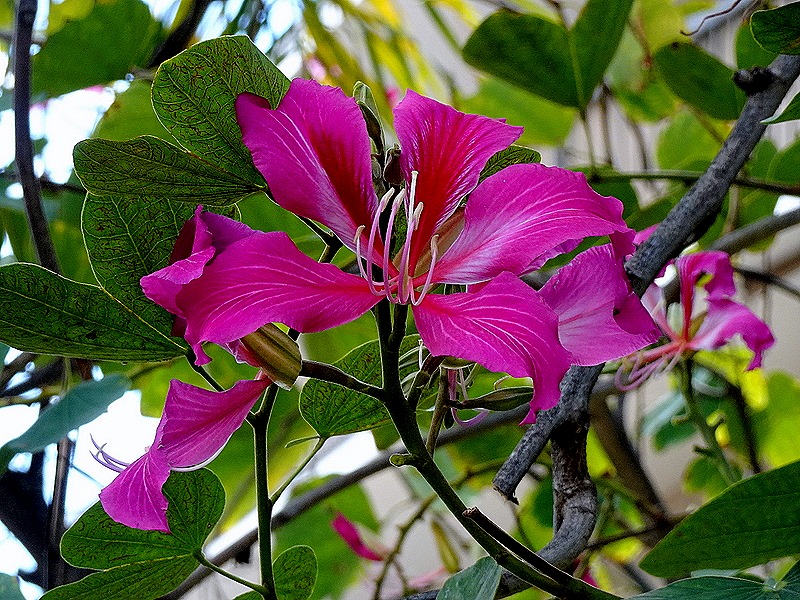


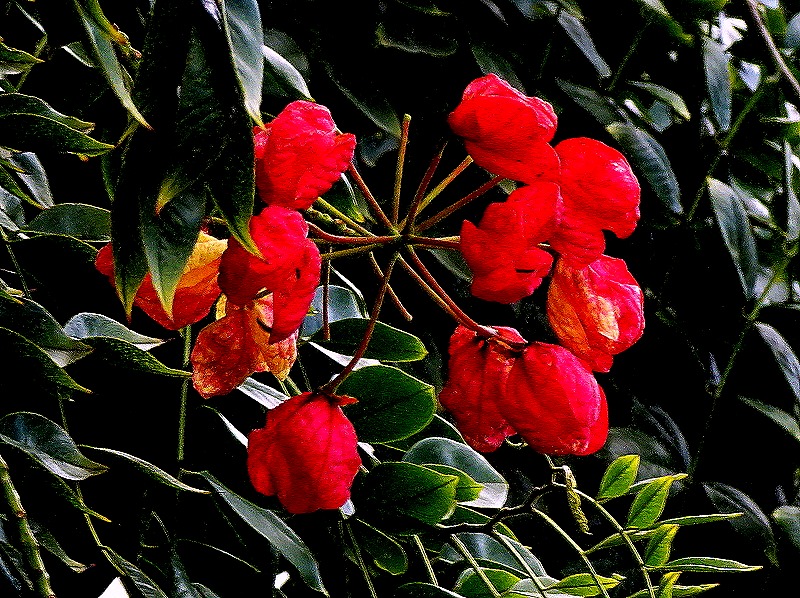
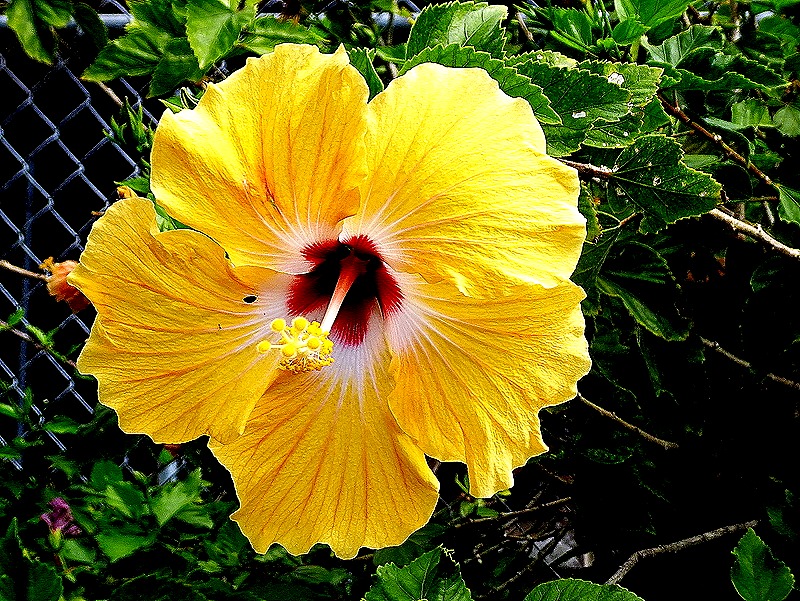


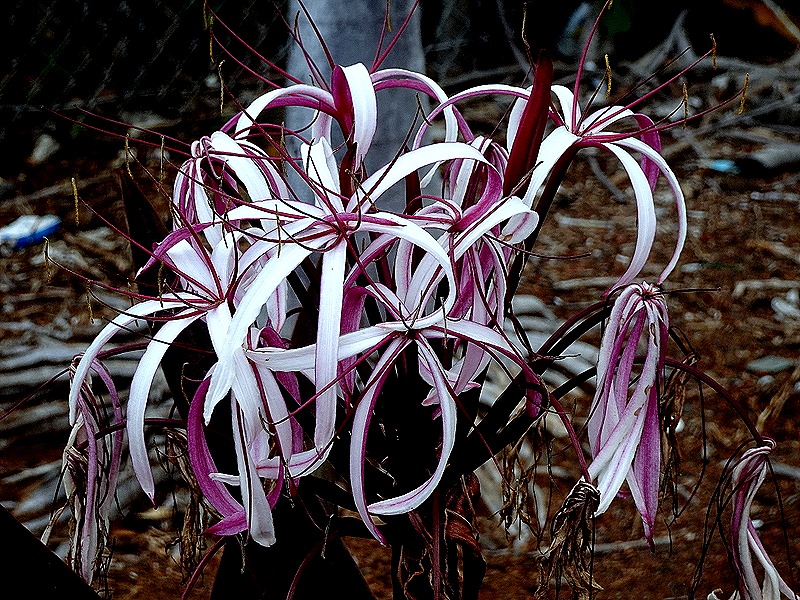
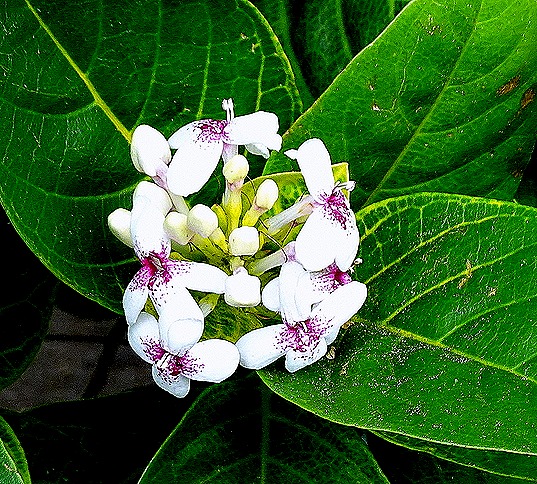
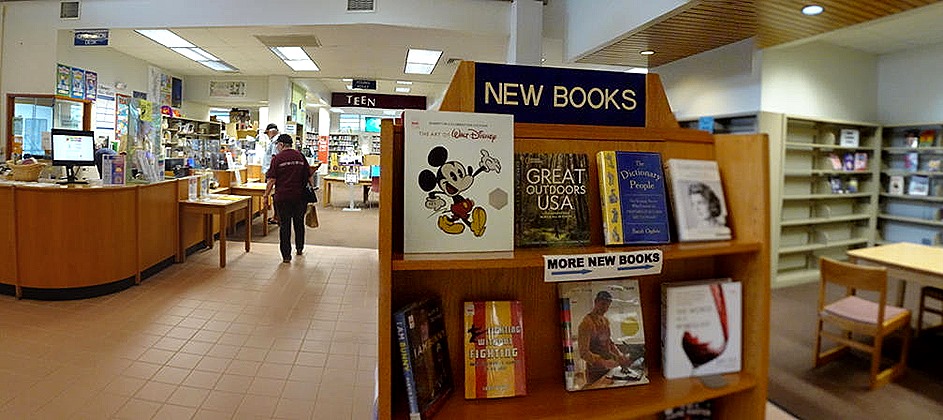
If you have read this blog before you will know that we often try to find a local library. Sometimes it’s not easy to find and that was true here even though it is a pretty small town. But sometimes it is worth the effort because the libraries often turn out to be very interesting buildings. Not so much here, where the library, once we finally found it, was an ordinary suburban type facility. Still, it had plenty of books for local readers (and some nice flowers too).



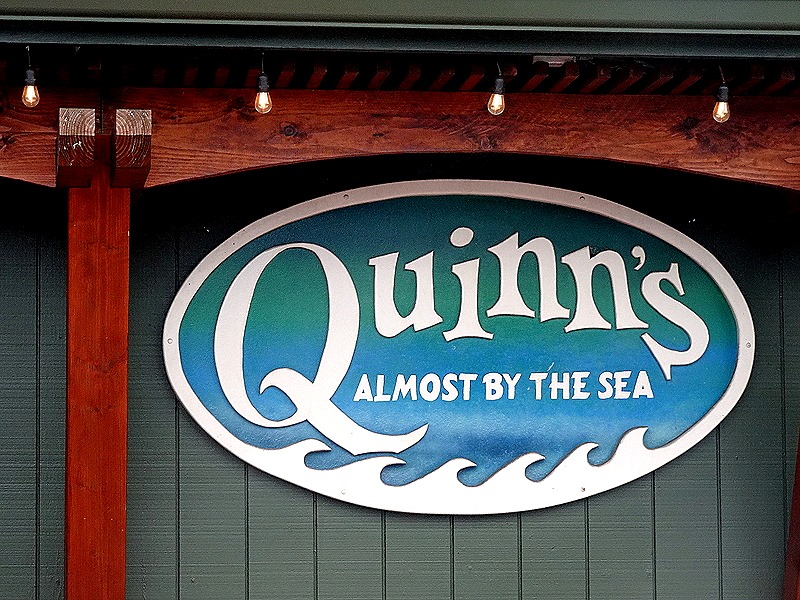
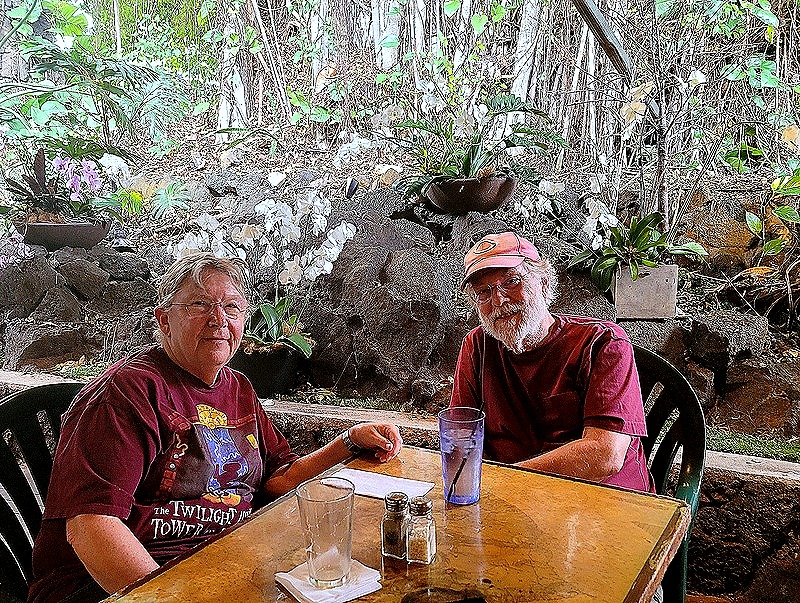
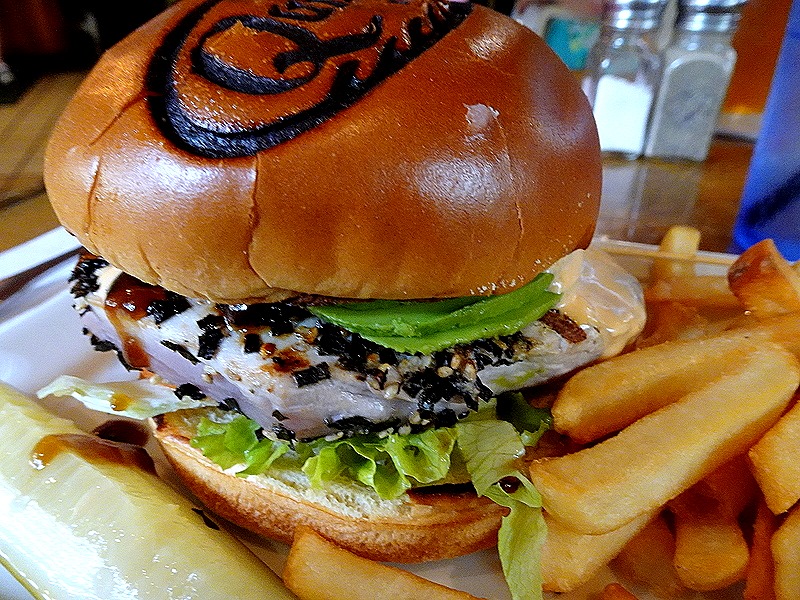
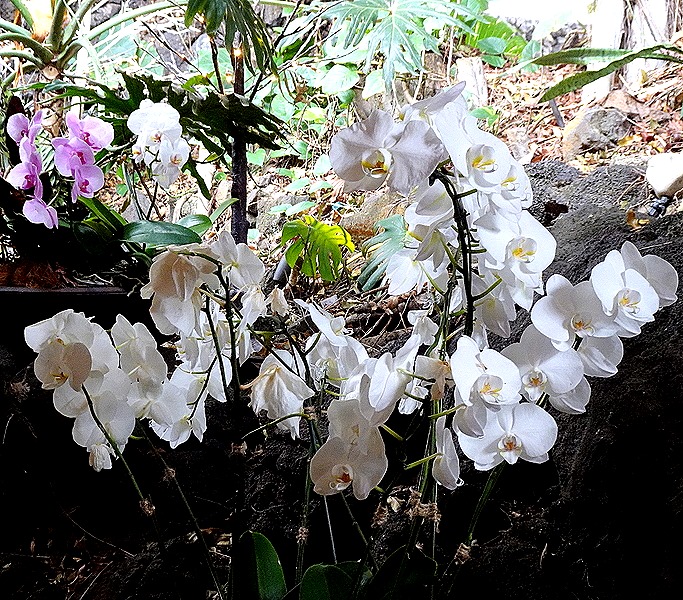
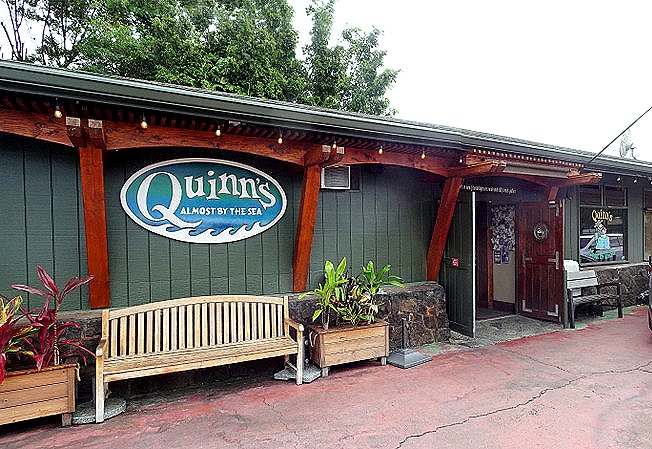
It was past time for lunch and we looked for a restaurant as we walked back toward the pier. We stopped to eat at a place called “Quinn’s Almost By The Sea”, which means it is a short walk to the pier but no sea view. We ate on their covered patio, which was surrounded by flowers, and enjoyed huge and delicious fish sandwiches (tuna for Rick and mahi-mahi for Mary). Not cheap (this is Hawaii) but very good.



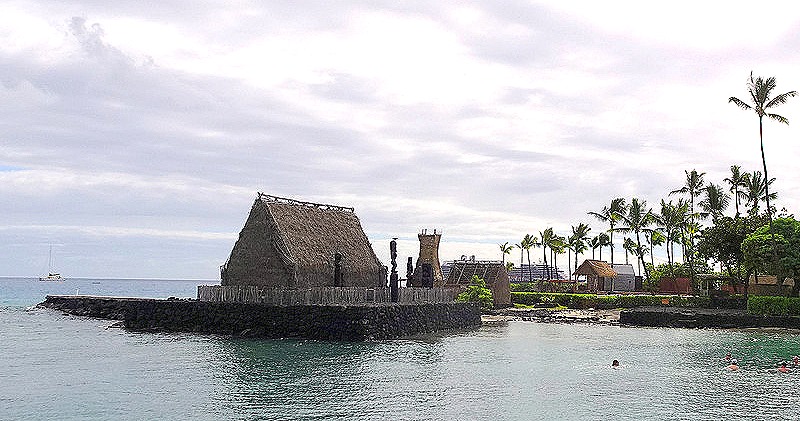
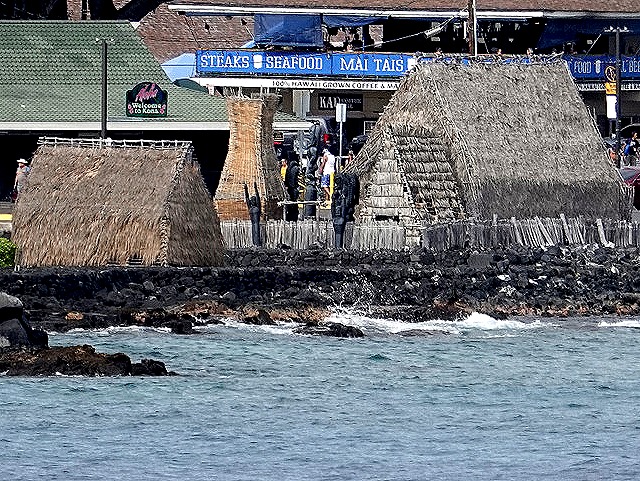
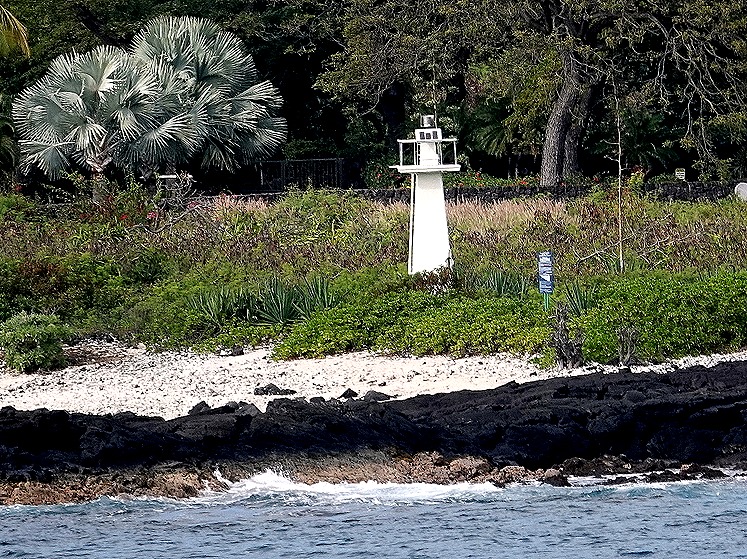
After lunch we walked back to the pier to catch a tender back to the ship. Next to the pier is the Kamehameha I Hotel, first built in 1950. This is the spot where Kamehameha I lived out his final years, from 1812 to 1819, in a residence called Kamakahonu. His compound included a temple called ʻAhuʻena Heiau that was rebuilt in the 1970’s very near the pier from detailed period drawings. Kamehameha died in May, 1819, and the next year the capital of Hawaii was moved to Lahaina. In April, 1820, the first New England missionaries stepped ashore on the spot now occupied by the pier (one was Hiram Bingham I, grandfather of the namesake credited with discovering Machu Picchu). A little further from the pier at the other side of Kamehameha’s old compound is the Kailua Light, a small lighthouse built in 1915.
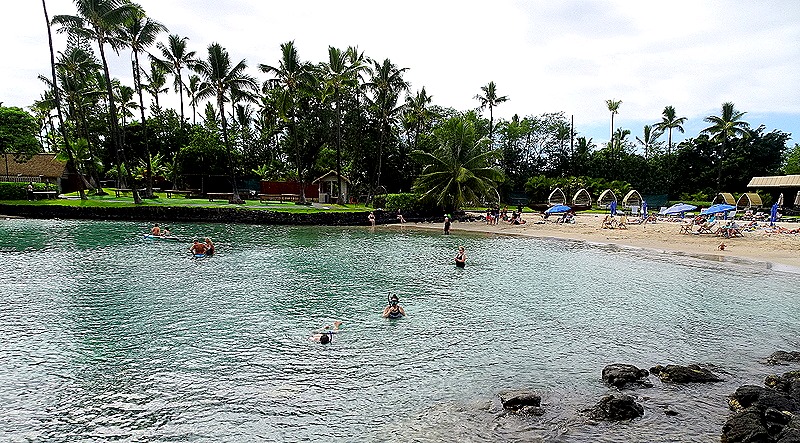
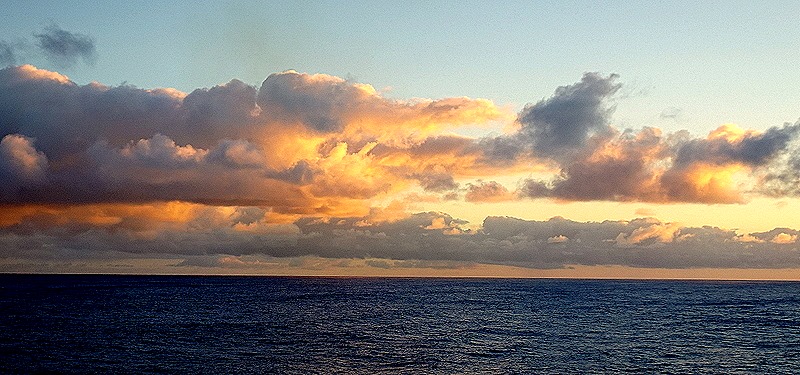
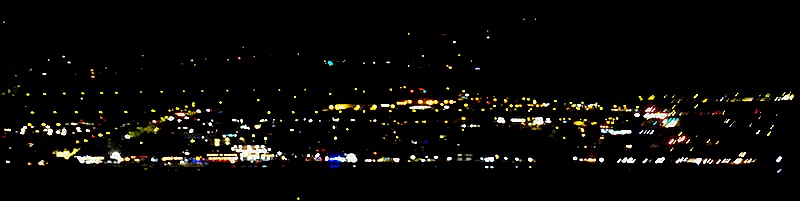
Since we didn’t have far to go for our next port we sailed away in the dark after a nice sunset, with a farewell from the lights of Kona town extending up the hillside from the waterfront.

 BADER JOURNAL
Leave a comment