
Ishigaki, Japan (2024)
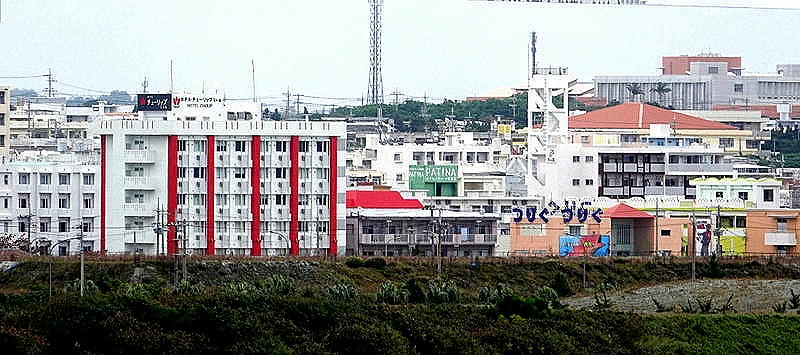
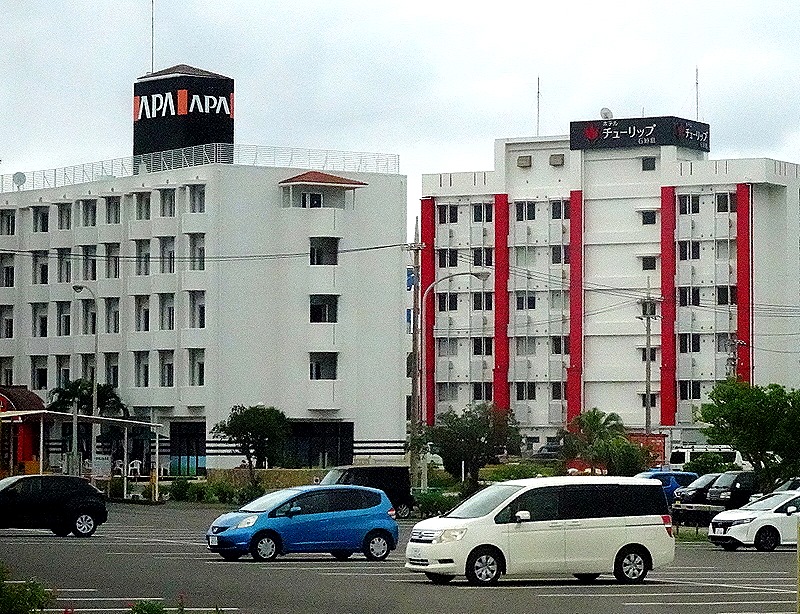
Ishigaki is situated at the far southwest of Japan, far away from the main home islands. It is one of the largest of the Yaeyama islands and is known for being a great place for a beach vacation and we agree that it is a green and lovely island. In a country having multiple cities with tens of millions in population, Ishigaki’s population of about 48,000 wouldn’t fill up an average neighborhood in a city like Tokyo. We spent the day here on February 23. While the entire island is classified as a single city of Ishigaki within Okinawa Prefect (like a state or province), the most populated area near the port is a fairly drab and boxy looking city, with some brightly colored (but still boxy) buildings.

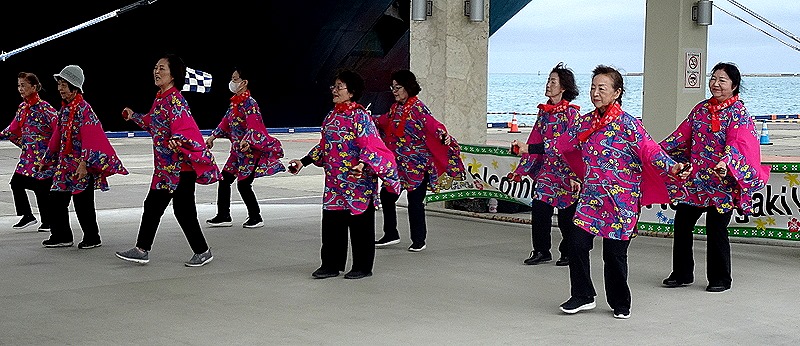
This was the first time we had set foot in Japan and, since there wasn’t much to see near the port, we booked an excursion that would take us around the island. As we exited the ship there were local dancers in traditional Okinawa dress performing in front of a sign saying “Welcome to Ishigaki.”
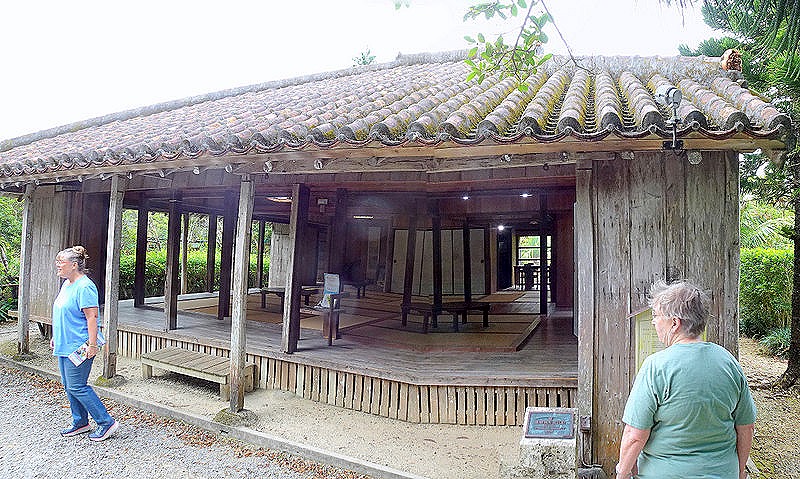
Our first stop on the excursion was Yaeyama Village, a collection of old traditional houses moved here from around the island. We are told that sometimes there is traditional dancing and other activities but we didn’t see any of that (there is also a restaurant and, of course, a souvenir shop). We have seen similar collections of traditional buildings in Indonesia and Tanzania, and they are interesting but not too exciting. We think we have these pictures all correctly labeled, but are not certain.
The Makishi residence was originally built in 1923 and represents traditional red tile Yaeyama architecture. It was constructed using a method of interlocking wood that involved no nails. The Morita residence is a typical house of the Yaeyama samurai class. It was built in 1909.


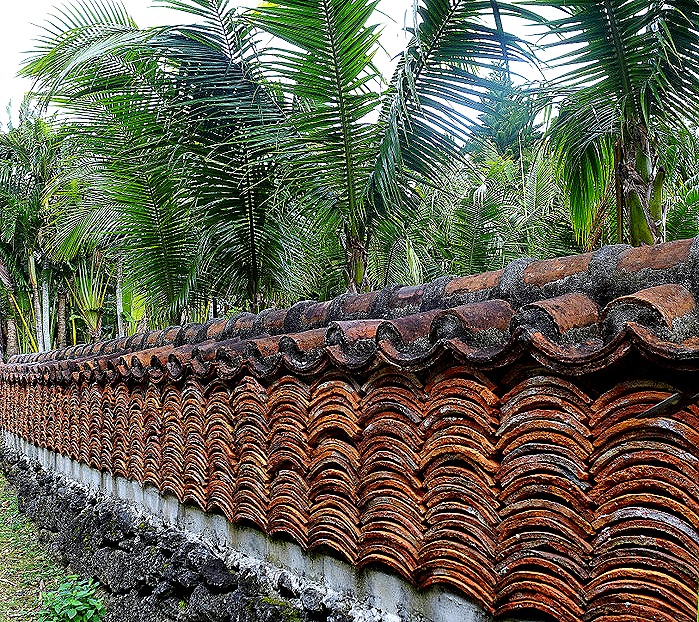
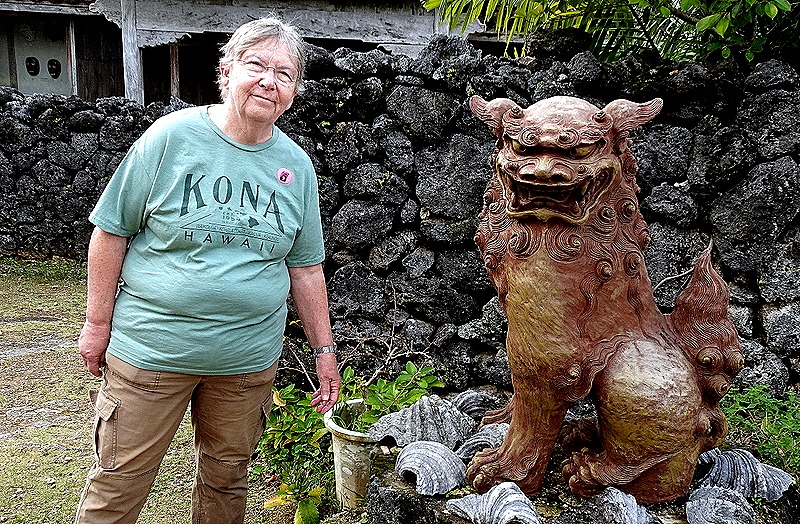
The Kishaba residence was originally built in 1923. This house is said to have an atypical floor plan. The Ohama residence was built in 1907 and (if we remember correctly) had a Shisa sculpture outside the entrance. Unfortunately our only picture here was of a beautiful wall built mostly of curved red roof tiles.

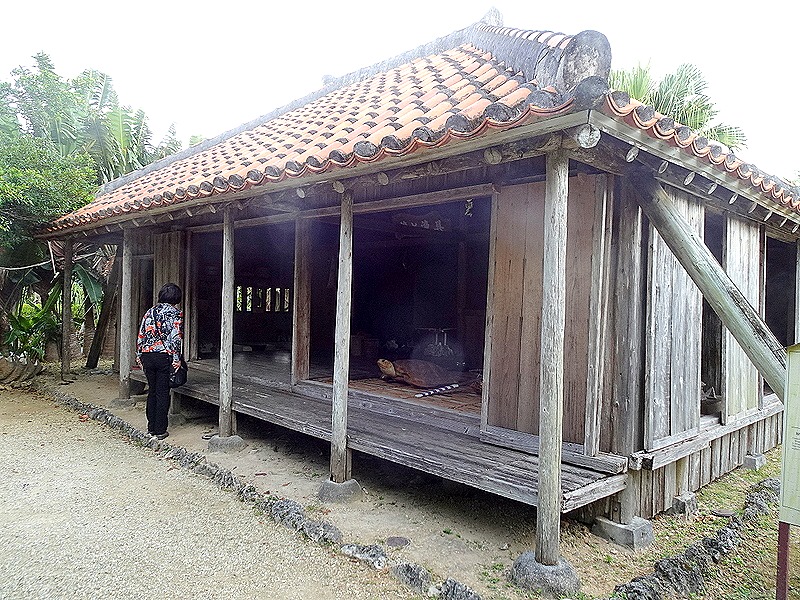
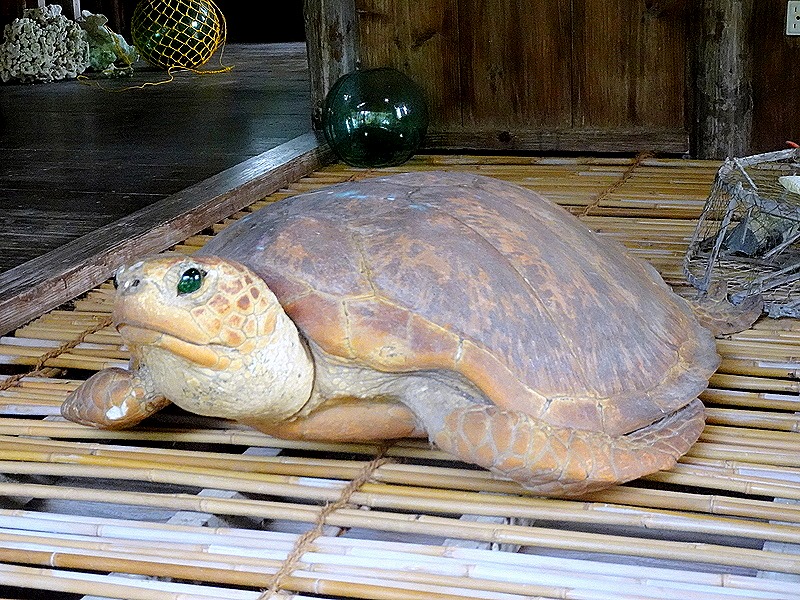
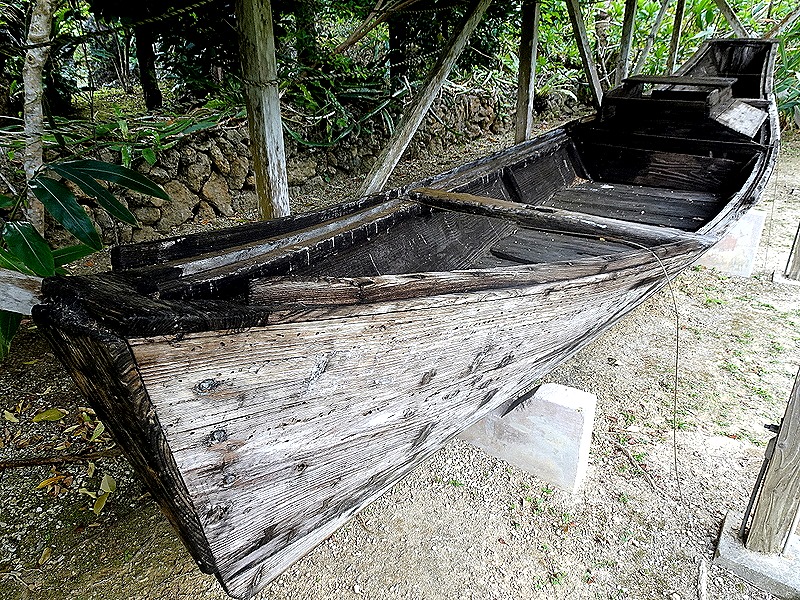
We also saw a typical fisherman’s house, with a stuffed turtle inside. Probably built originally before 1900. Nearby was a Sabani, or traditional fishing boat. They could reputedly reach 10 knots in speed; some were made of a hollowed out log while this one is made of boards. Some are still in use today, fitted with small motors.
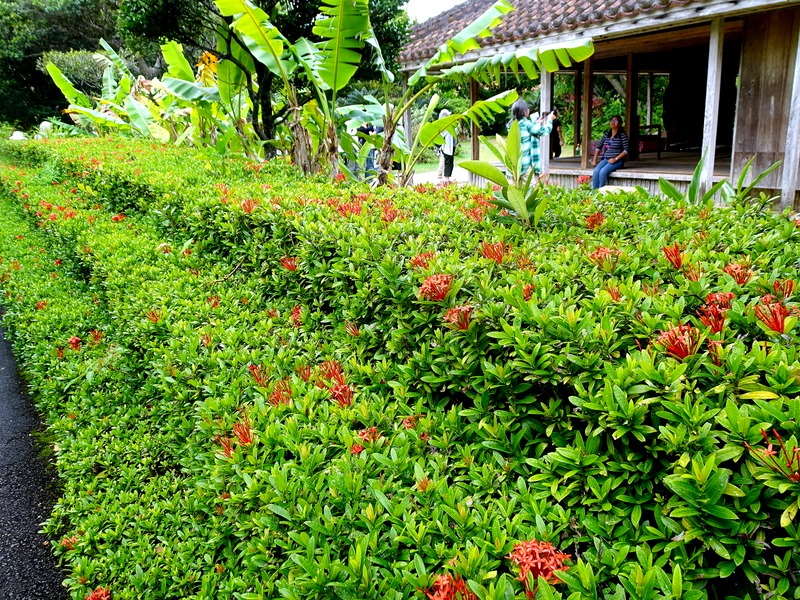
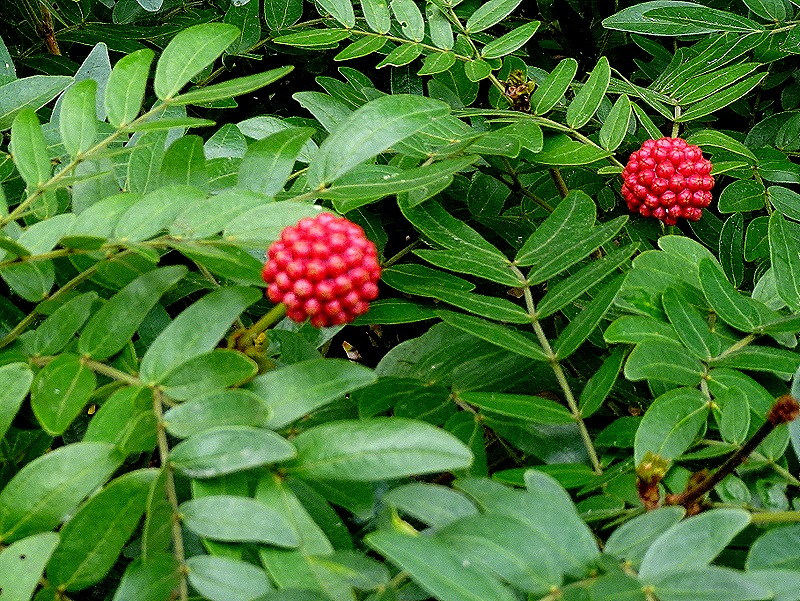
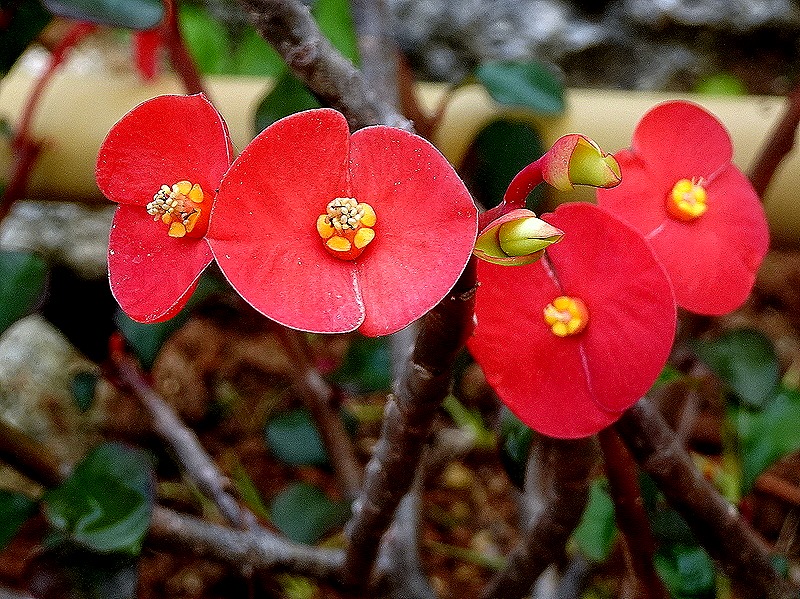
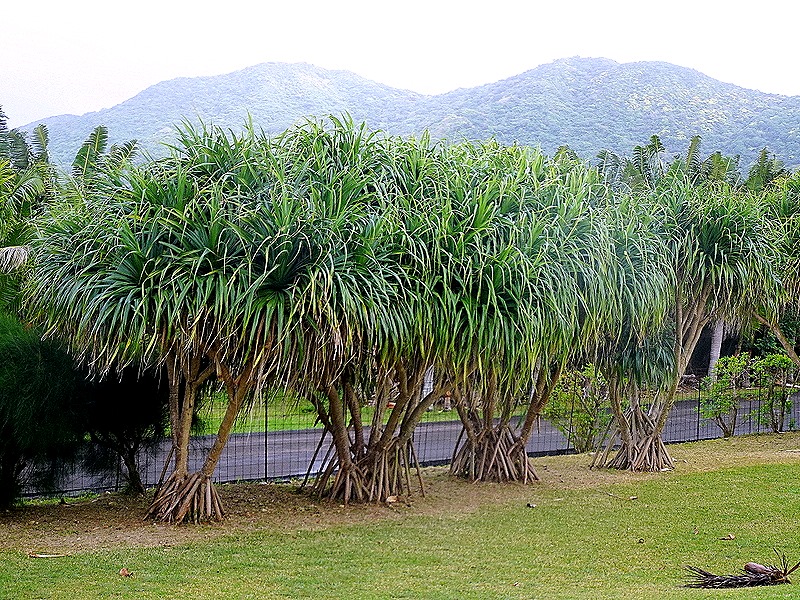
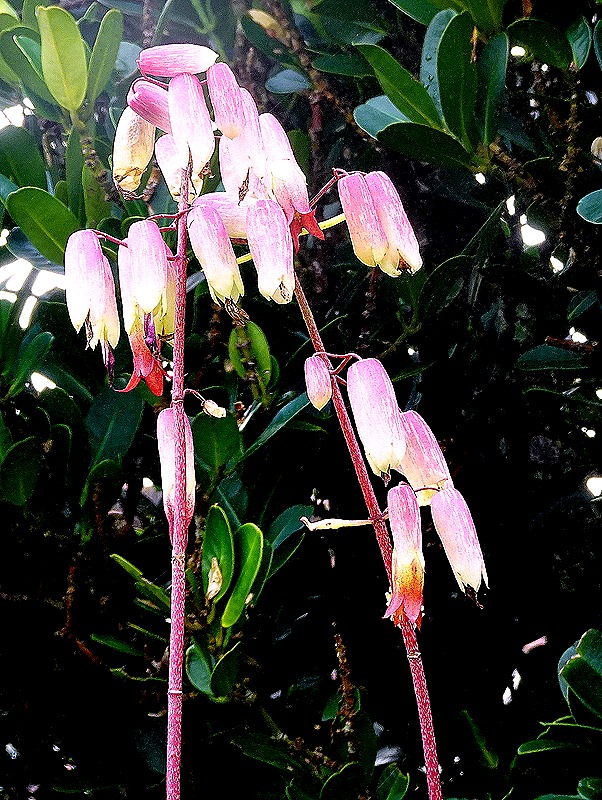
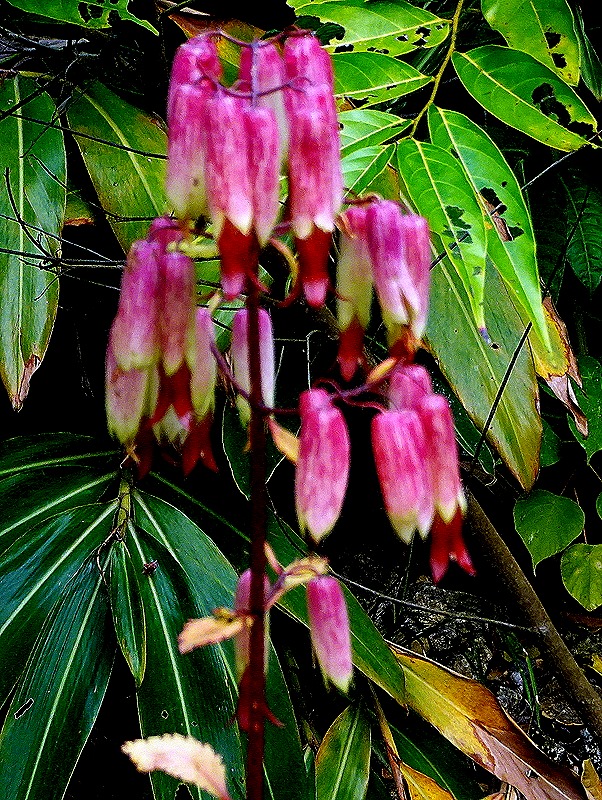
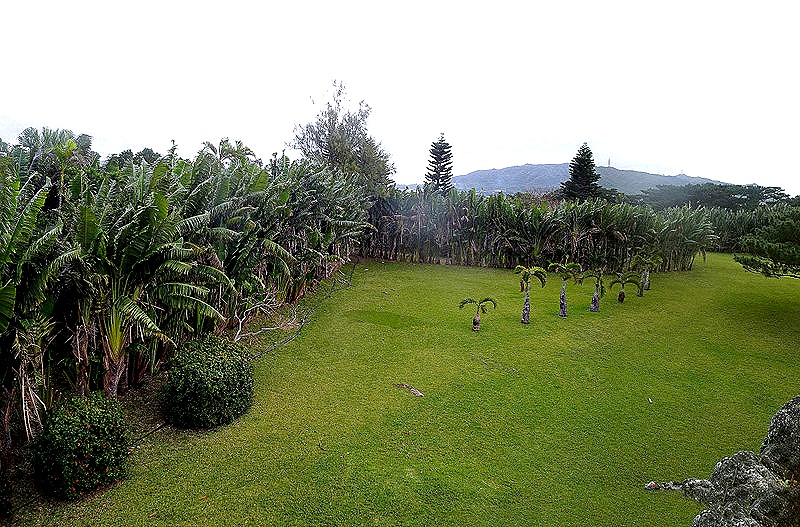
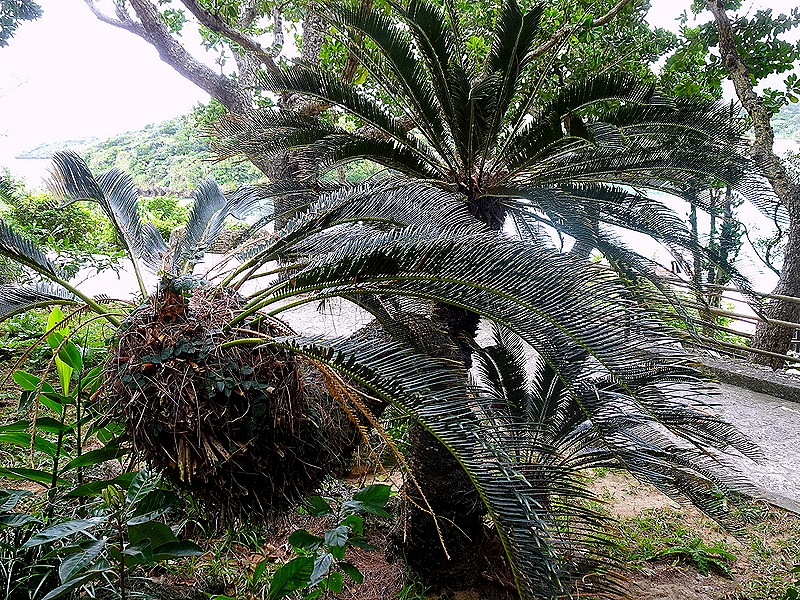
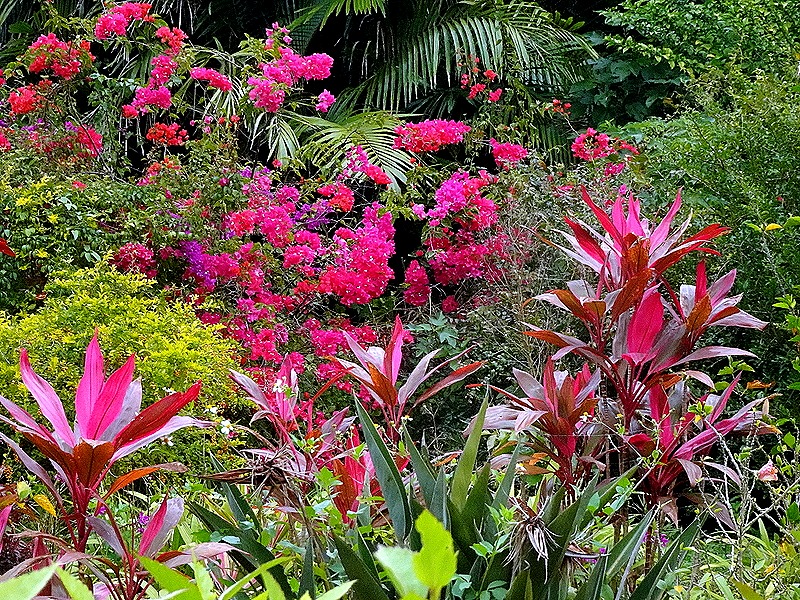
The grounds around the houses were lush with plants, from flowers to palm trees.




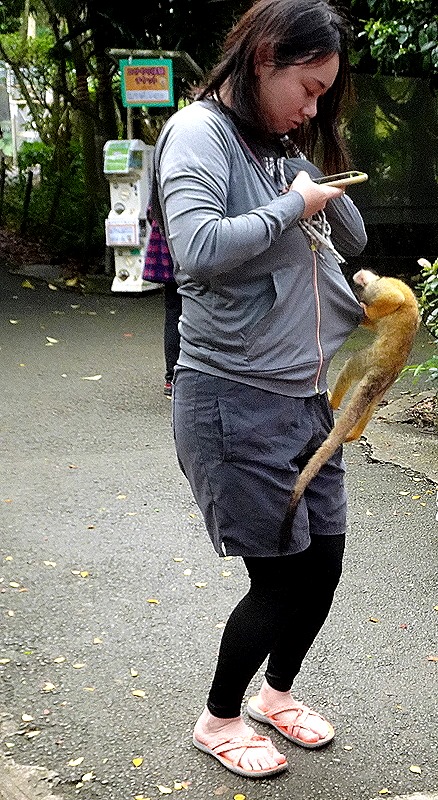
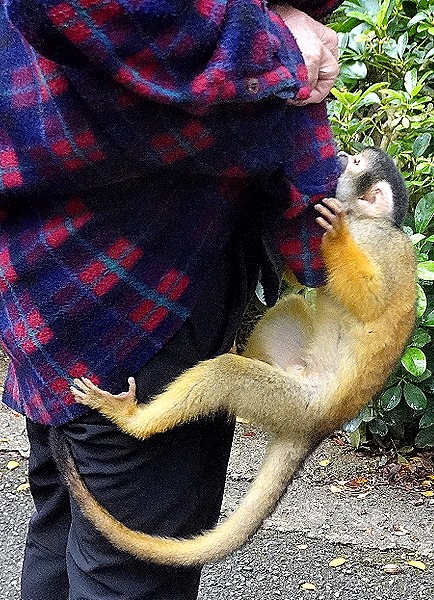
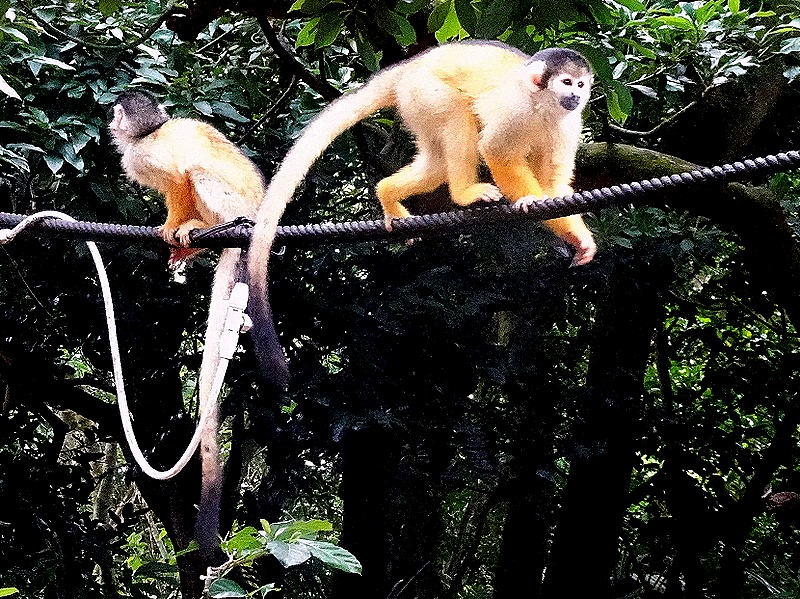
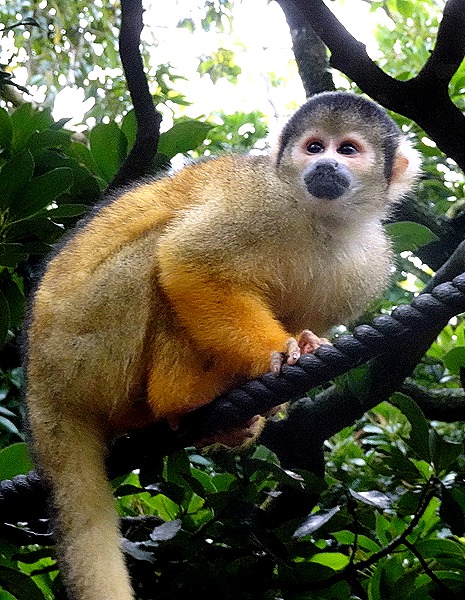
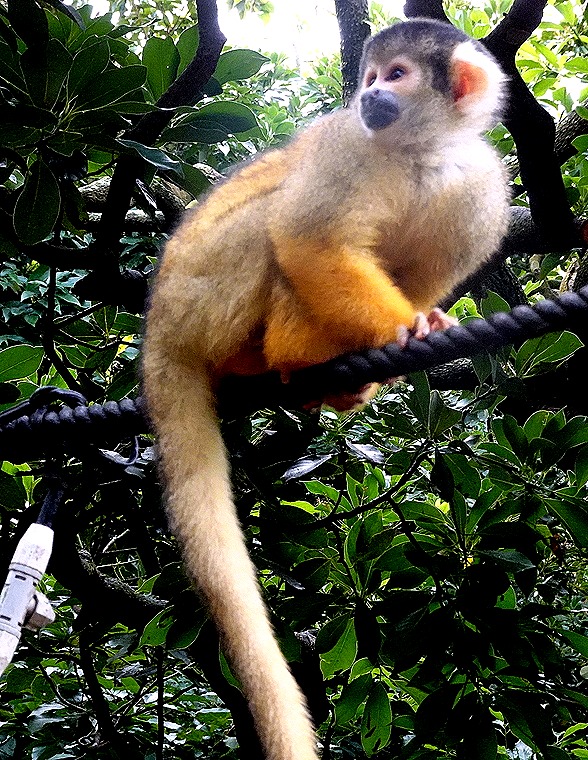
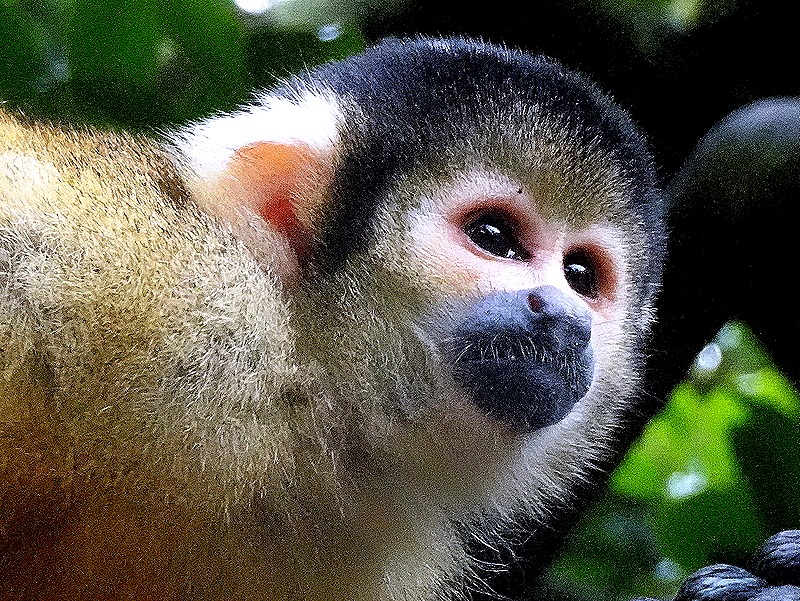
The village has an enclosed area where about 60 spider monkeys live. They were brought here from their native Bolivia where the climate is similar. They have opposable thumbs on their feet, are yellow with dark gray faces and can be very aggressive, climbing up people’s legs to reach into their pockets. There is a sign disclaiming liability for anything taken by the monkeys. To see them you have to enter through a double enclosure. This was undoubtedly the highlight of the visit to the village.

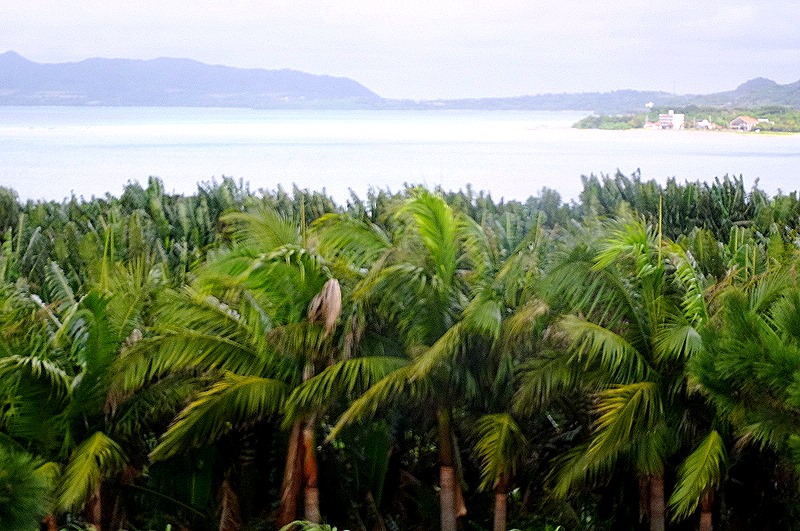
There is a viewing tower at one edge of the village called Amparu Lookout, which enables you to see as far as Nagura bay, in which are Taketomi Island and Kohama Island.
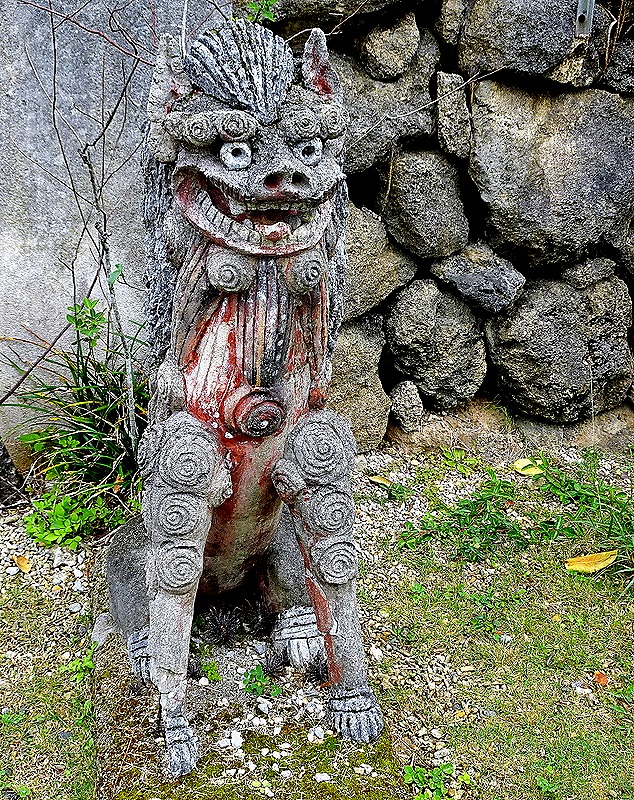
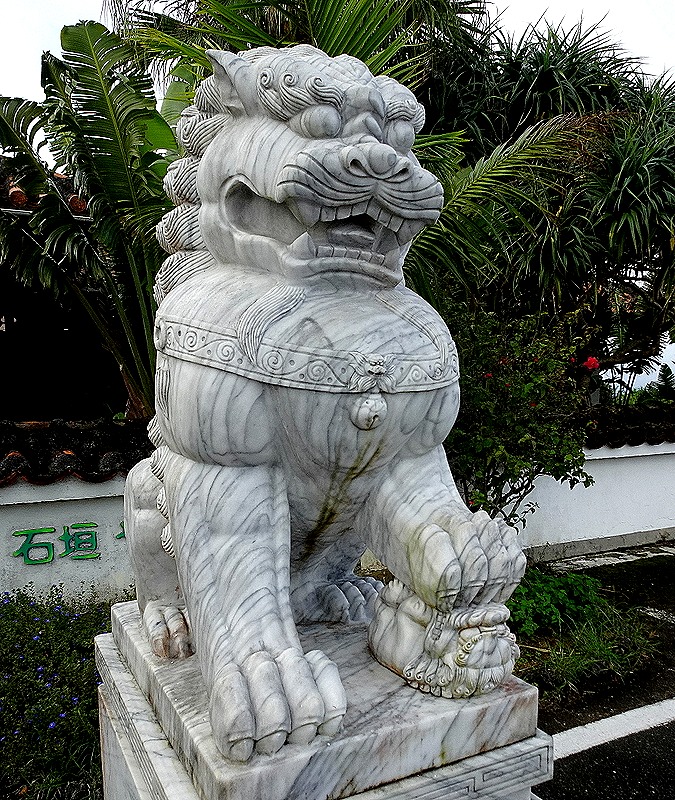
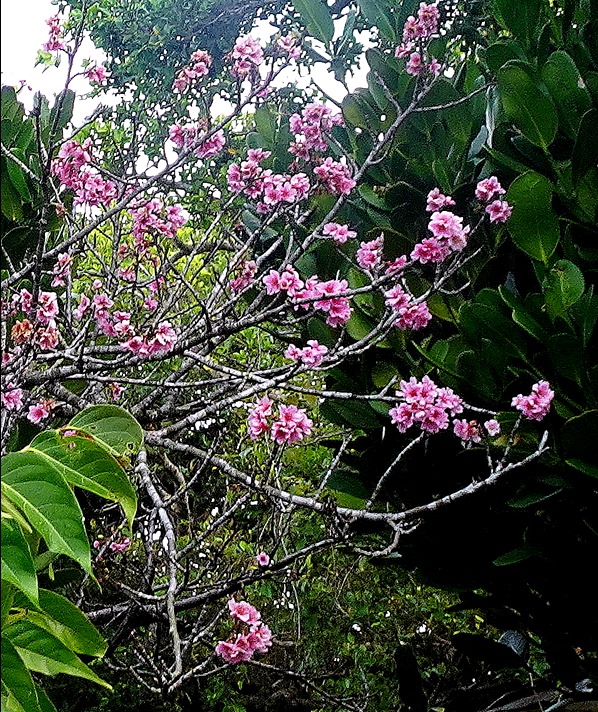
As we left the compound there were two more things of note. First, there were two more Shisa outside the main entrance. Second there was a young tree covered in pink blossoms, which our guide said were cherry blossoms. Possibly, but we looked it up later and the cherry blossom season in Ishigaki ended about 10 days before we arrived. It turns out that without some knowledge and a close inspection of a blossom it is very hard to tell a cherry blossom from a plum blossom from a peach blossom. So, since the cherry season had ended, these could be plum or peach blossoms. But we prefer to think of them as late cherries, just as the guide said they were.
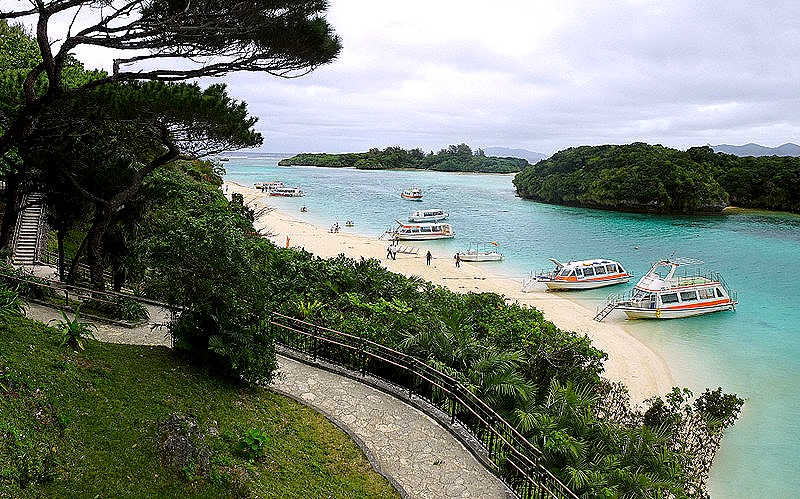
Our next stop was Kabira Bay. This is a very beautiful, much heralded place to visit.
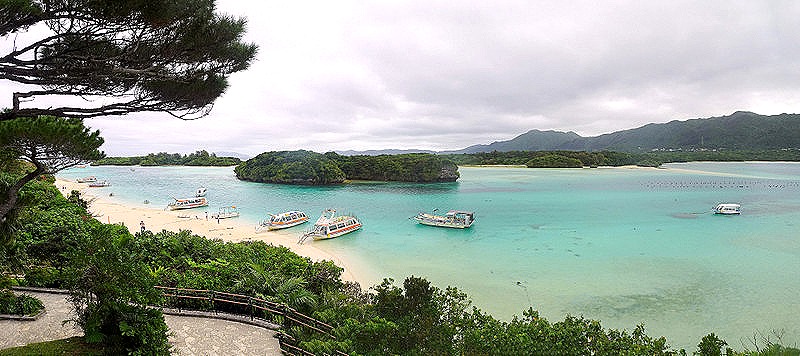
Kabira has a perfect beach, with powdery white sand and extremely clear water gently lapping ashore. But swimming is forbidden here because black pearls are cultivated in the water. You can see the floats at the tops of the ropes on which the oysters live.


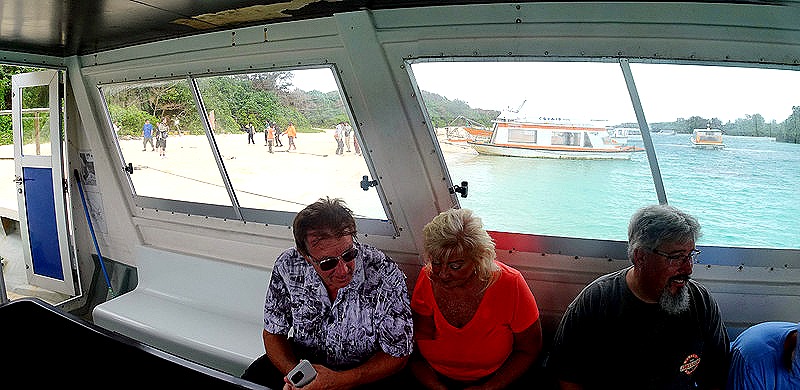
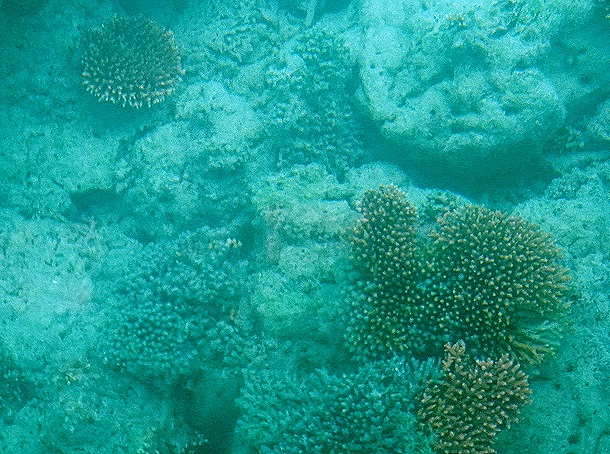
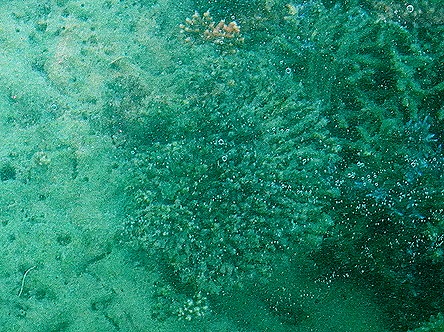
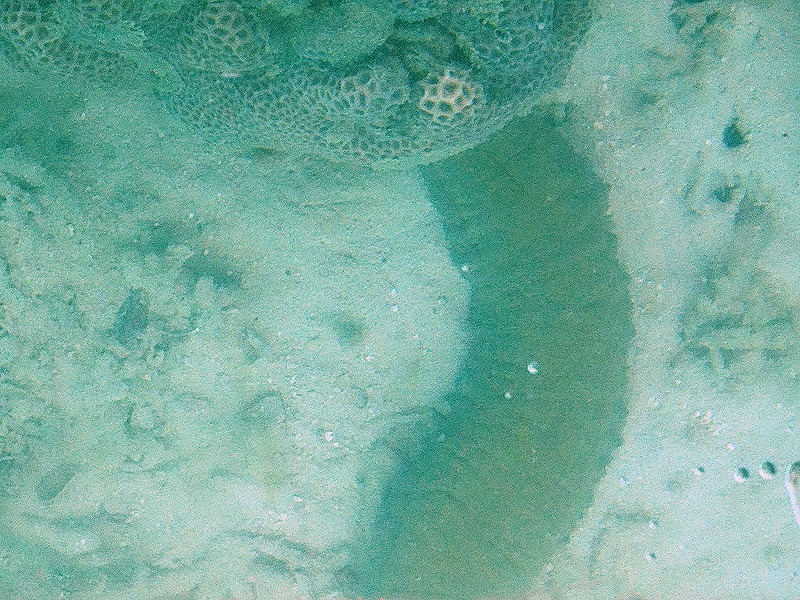
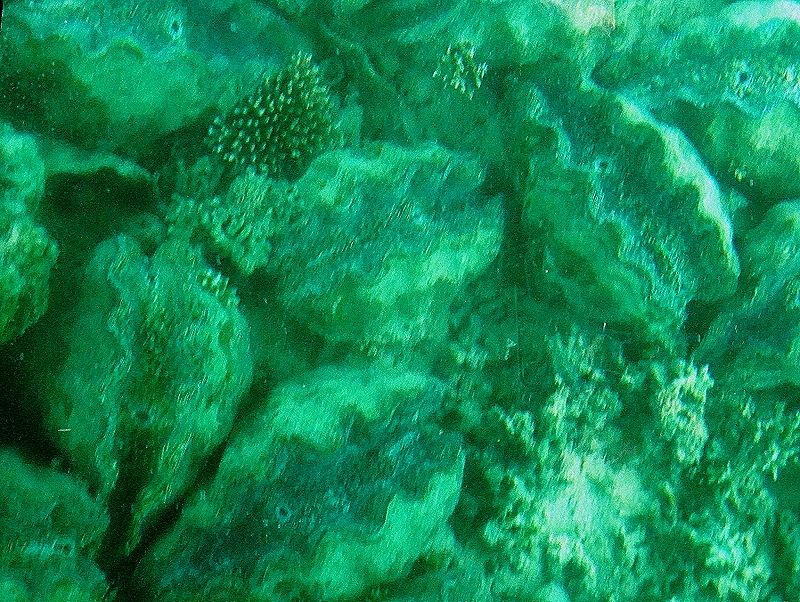
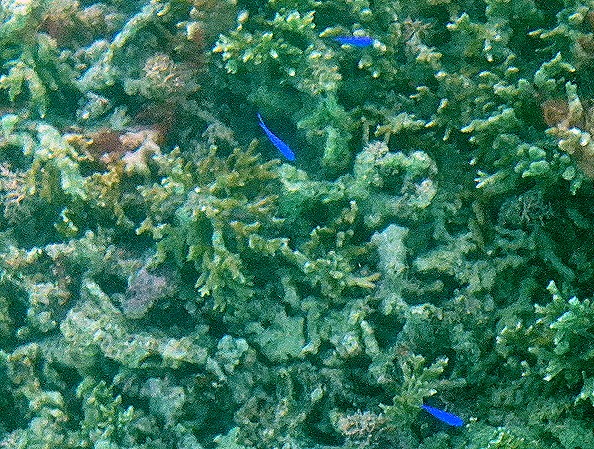
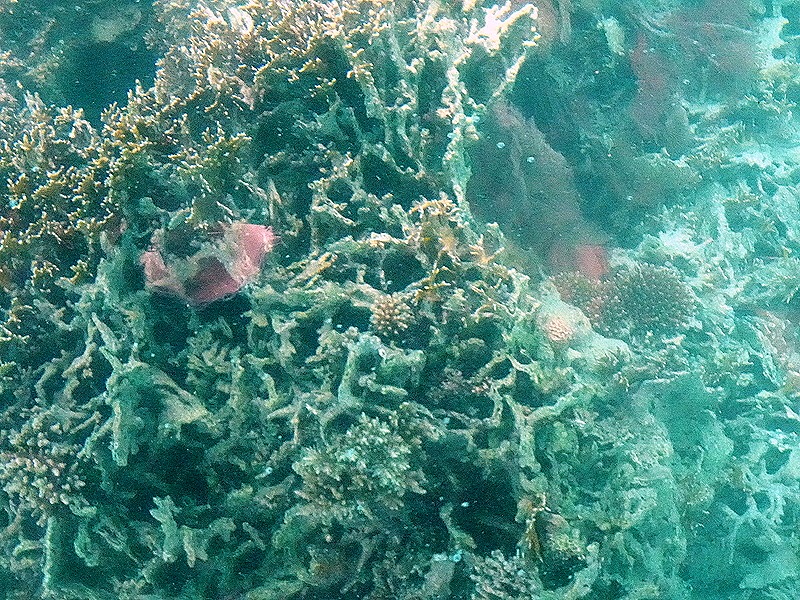
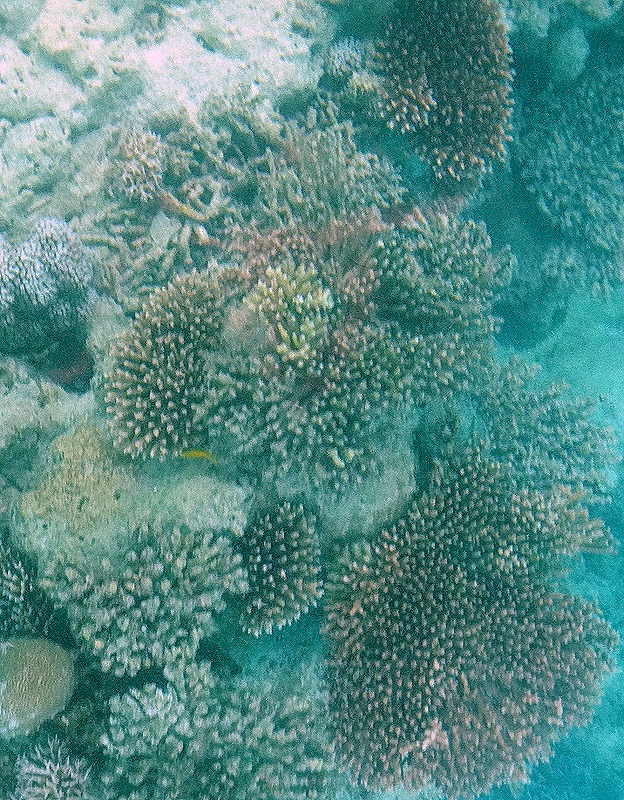
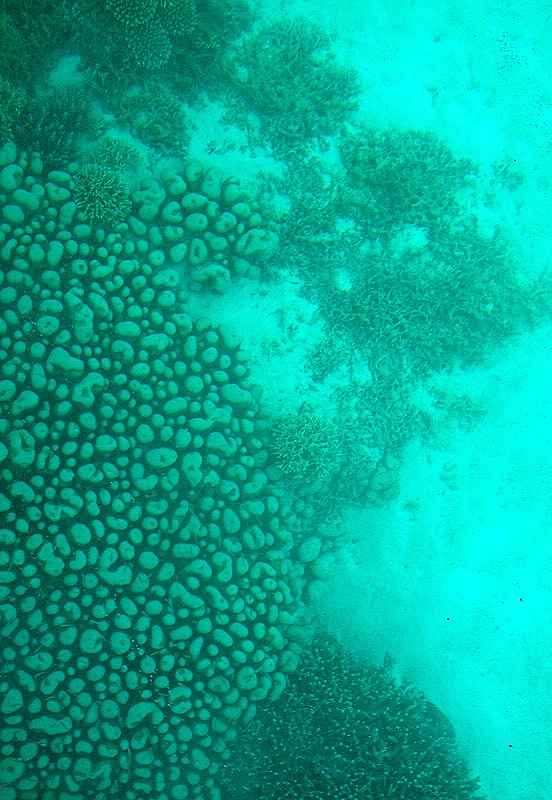
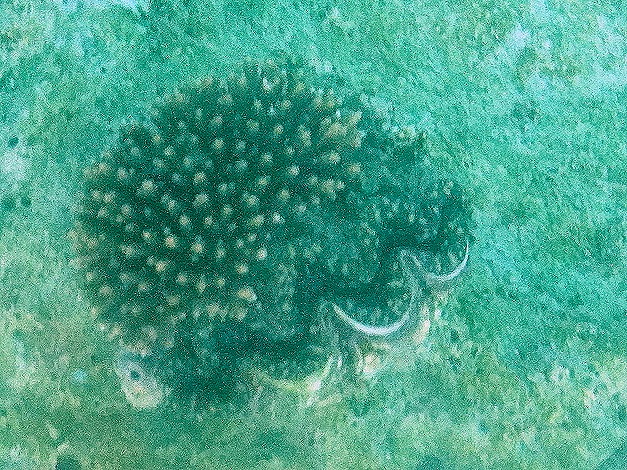
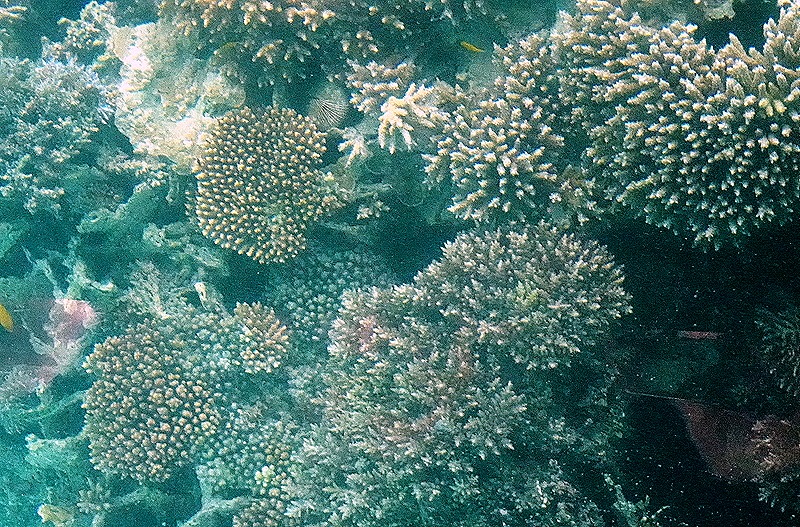
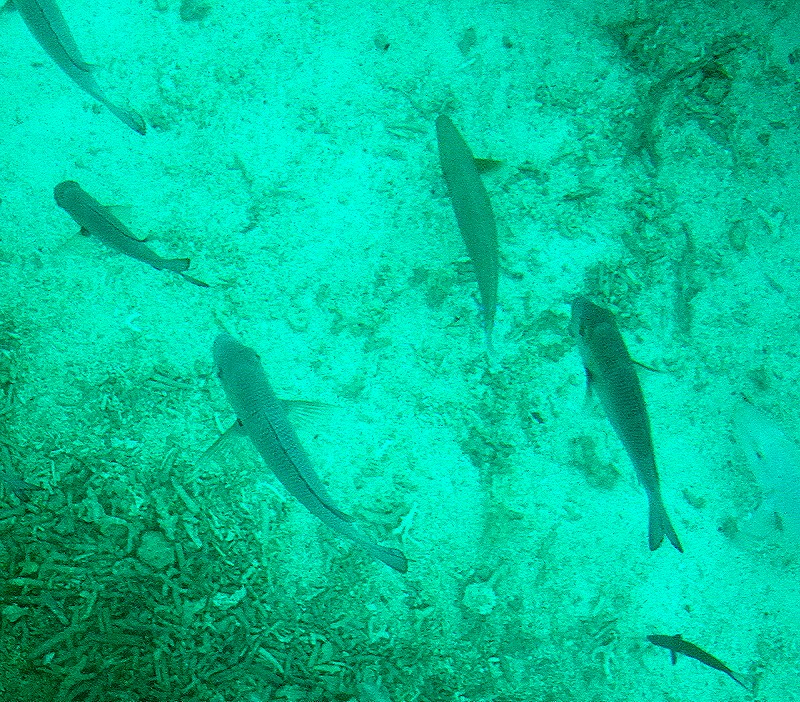
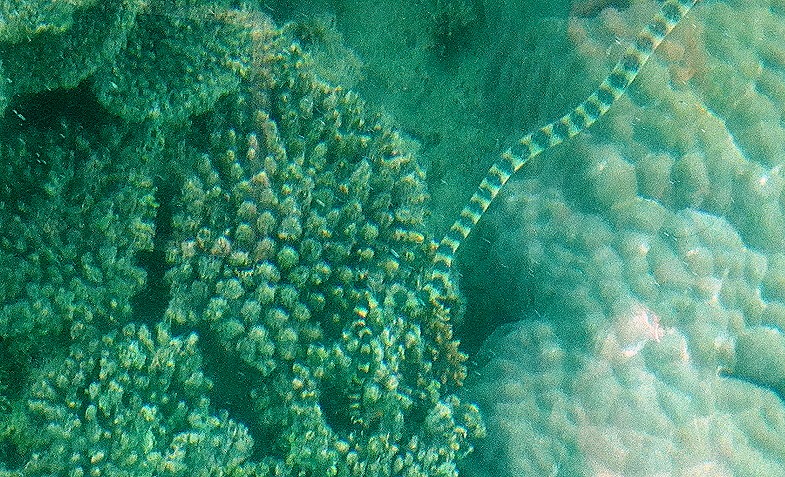
We had a ride in one of the glass bottom boats stationed here. It moved steadily over a relatively shallow area that was not far down from the glass bottom so we could see coral, giant clams, some fish and a couple of water snakes. Interesting but difficult to capture in a photo, particularly with lights reflecting from the glass. The glass window was in the center of the floor of the boat and we all sat around the periphery looking down.







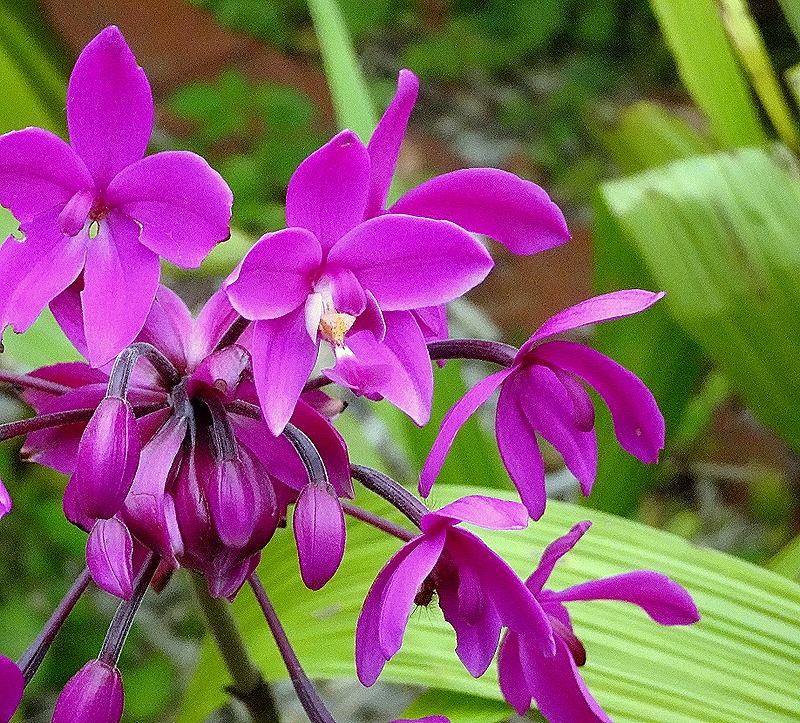
Not far from the beach is a tiny temple to the Buddhist deity Kannon. When it was built in the 17th century Kabira Bay was one of the main ports in Okinawa. The legend says that a small boy was ashore when his ship left without him. He prayed for it to return and a north wind developed that forced the ship back to the bay, where he was able to reboard. He grew up to be a monk, returned here and built the Kabira Kannon Temple. The grounds also contained a lot of flowers and other flora.


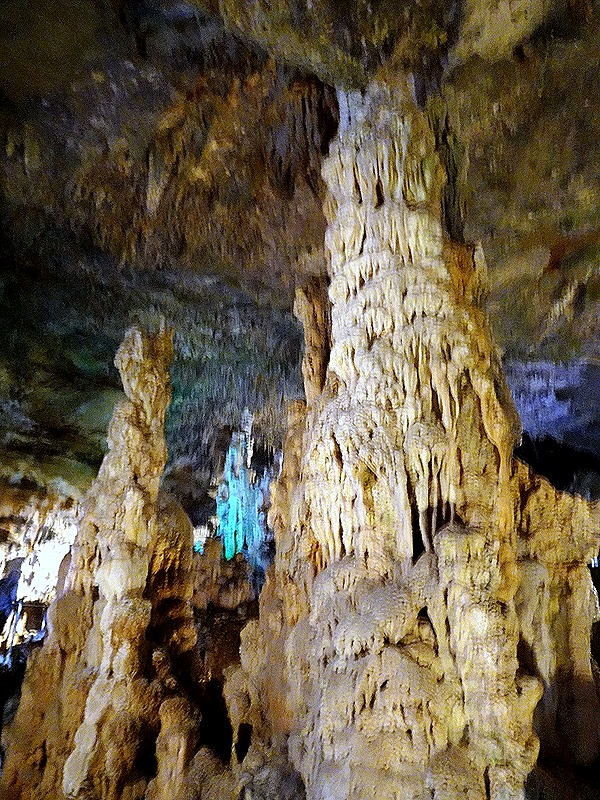
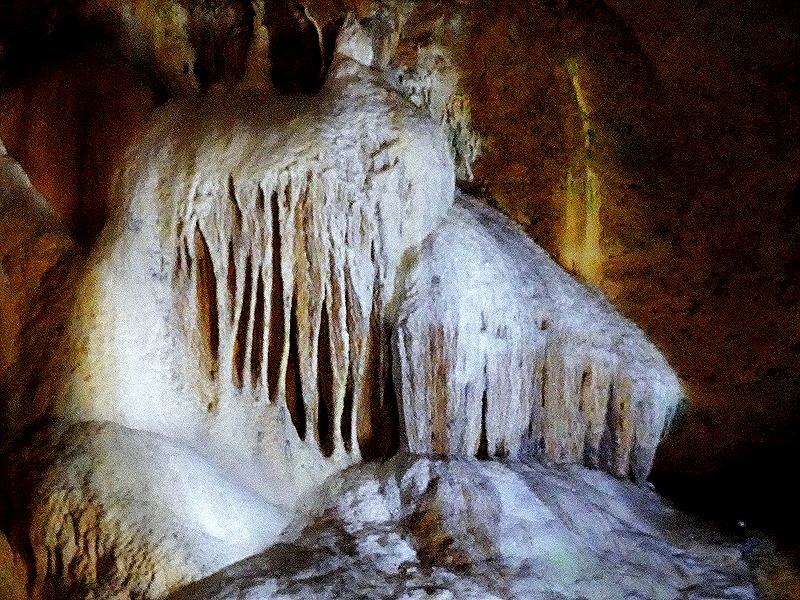
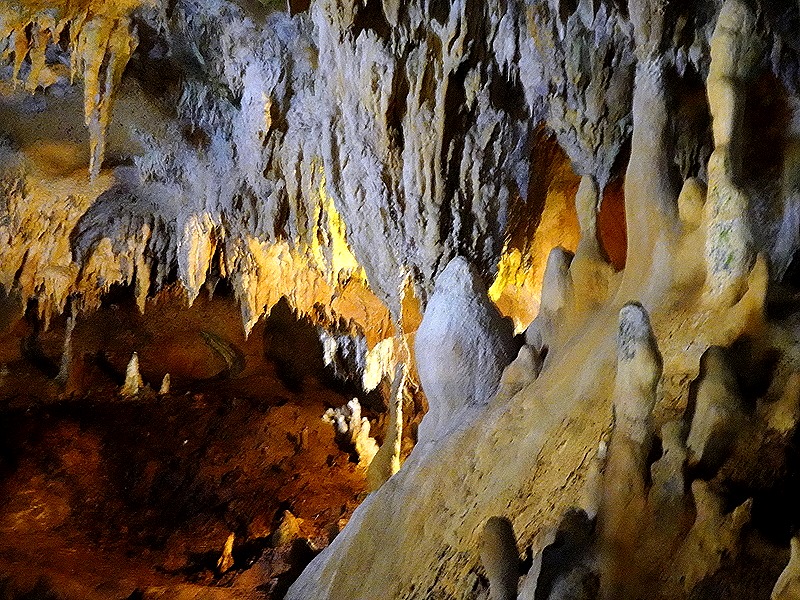
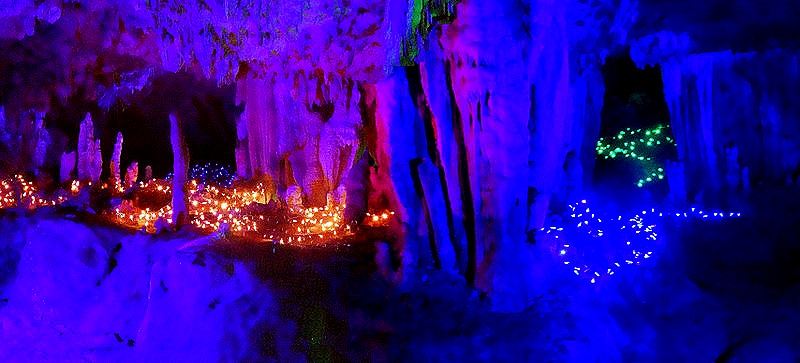
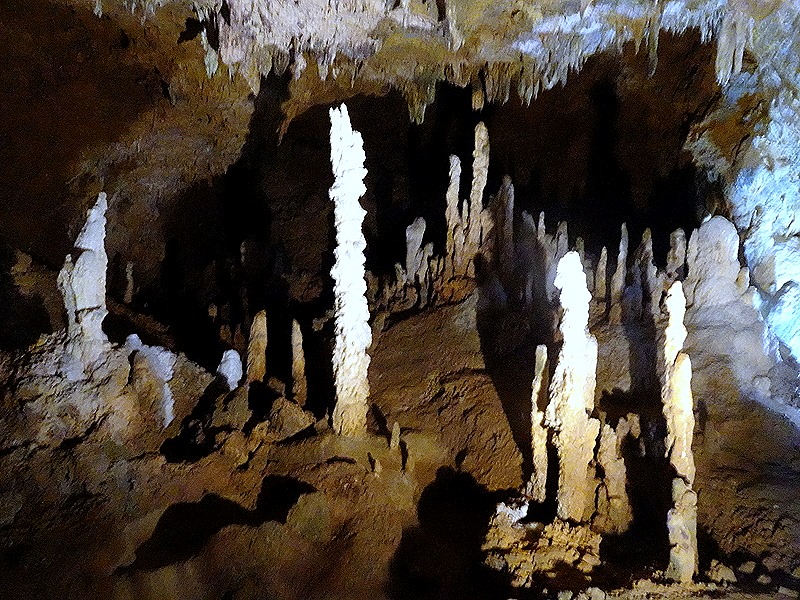
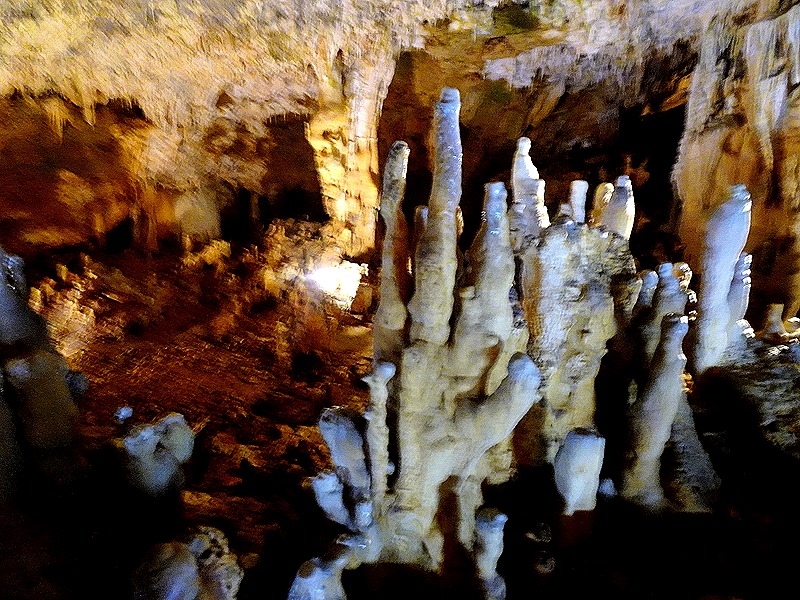
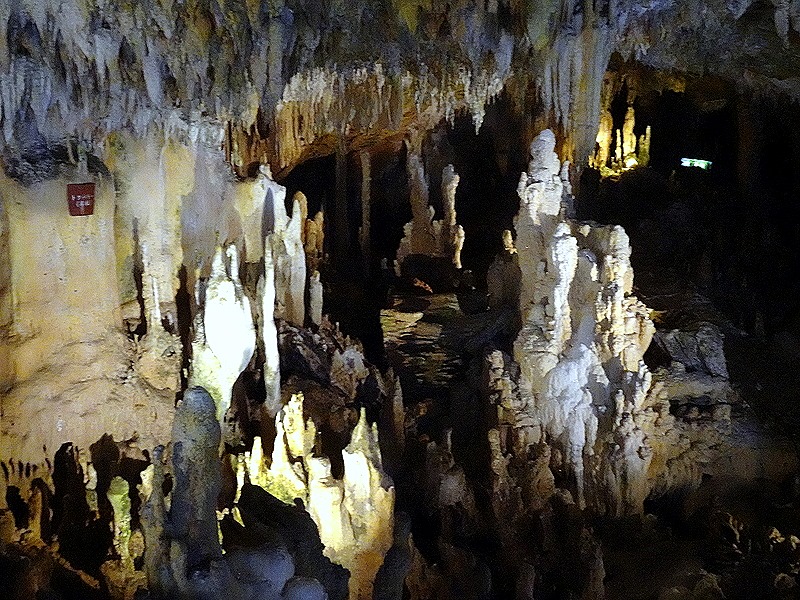
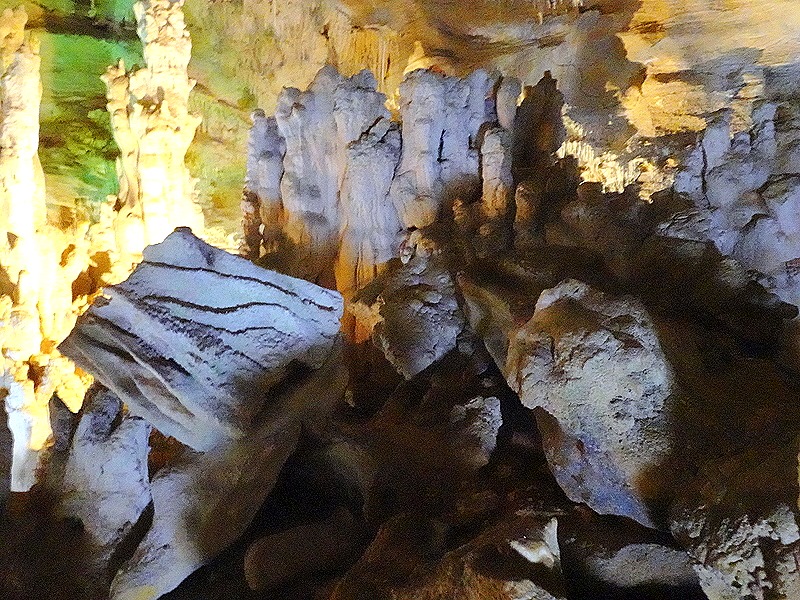
Our last visit was to the Ishigaki Stalactite Cave, To visit you walk down a long staircase and follow a path about 600 yards long through the cave (which is actually about 2 miles long in its entirety). The cave is dramatically lighted and makes for an interesting walk. This was once the sea floor and there are fossils from that time in the cave. The cave has developed over some 200,000 years, with the stalactites growing about a millimeter every three years.



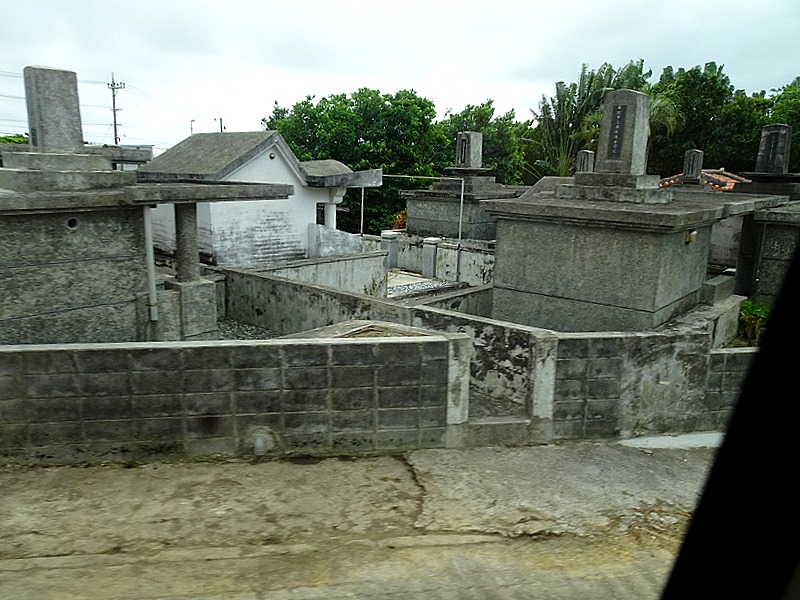
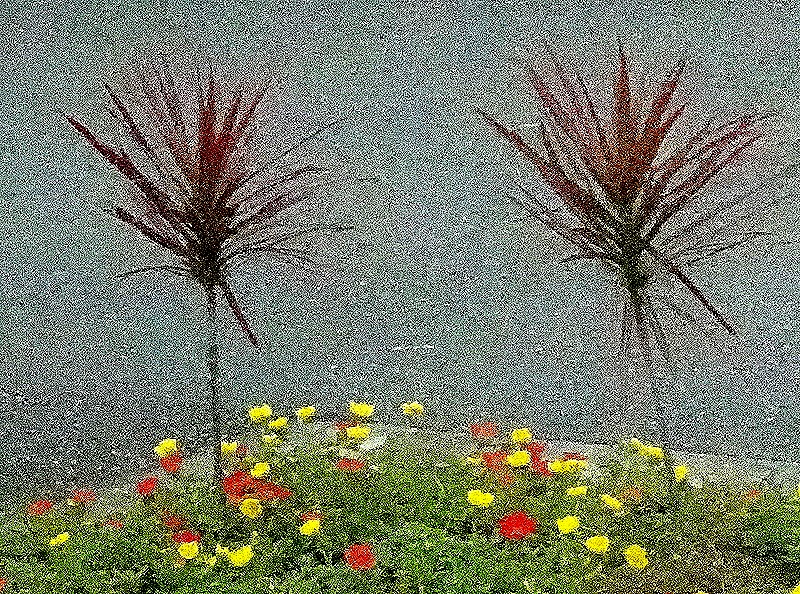
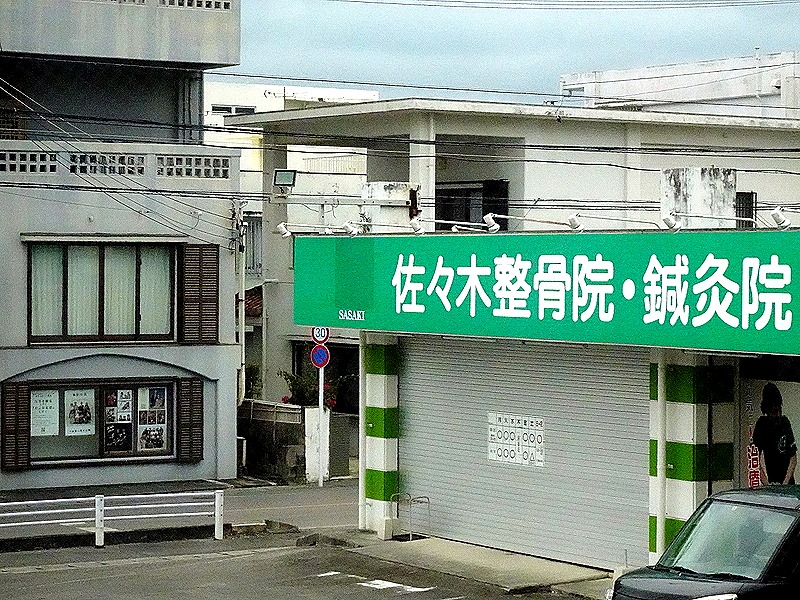
We drove back to the ship, passing a variety of local buildings and even some unusual flowers. Again, the buildings are mostly kind of drab and boxy, but there was some occasional color.

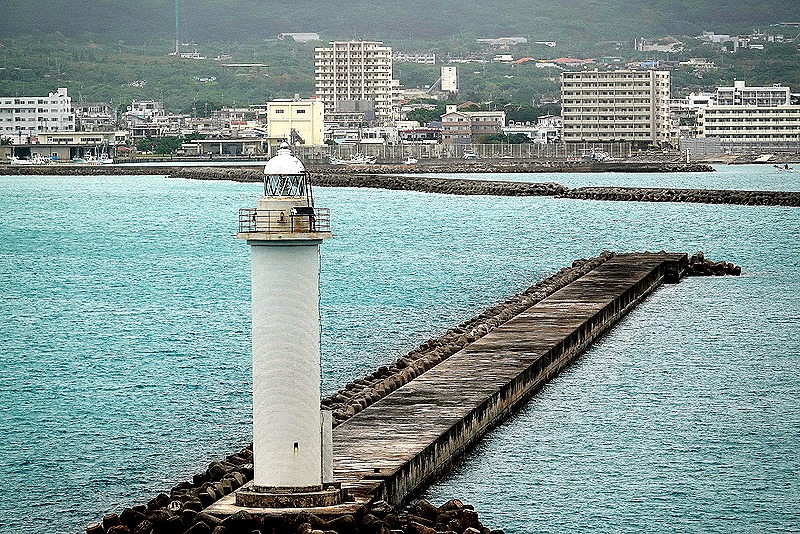
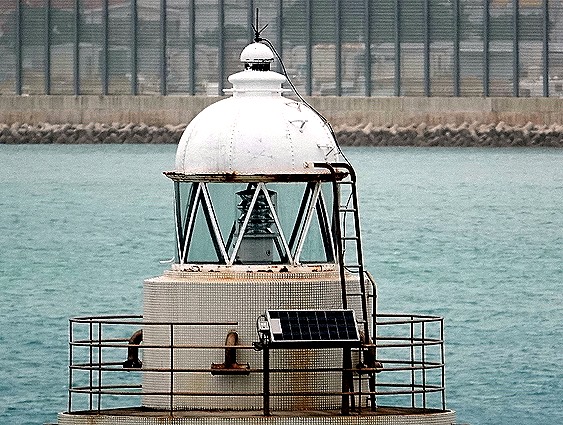
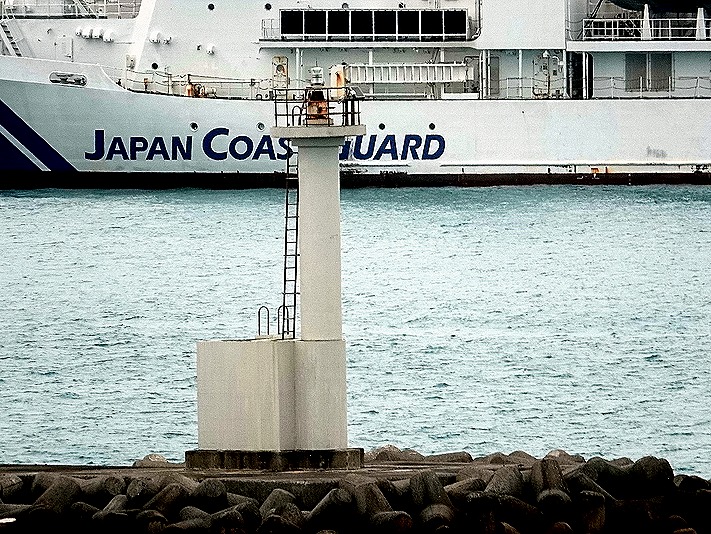
We set sail from Ishigaki around 5:00 PM, passing some white lighthouses on the way out. To be honest, this was a relatively minor stop, but still interesting. And we still had most of Japan yet to go!


 BADER JOURNAL
Leave a comment