Zanzibar, Tanzania (Day 2) — 2024
April 9 was our second day in Zanzibar. The weather was still mostly cloudy but mostly dry at least, so we decided to tender into town again and walk around on our own with Bill & Robert. There were a couple of places we wanted to visit that we had missed on our previous visit, but really walking around this city is a treat in itself. So after breakfast, off we went.
The first place we wanted to visit was easy to find because it is right across the street from the tender dock. The Old Dispensary was begun in 1887 and completed (by a different owner) in 1894. It was originally to be a charity hospital but in the end became a medical dispensary with apartments on the upper floors. It fell into disuse after the Zanzibar Revolution in 1964 but was renovated in the 1990’s. We had seen the building on our previous visit of course; it is a very distinctive green and white building that is the first thing you see when exiting the dock. But we couldn’t enter it before because it was undergoing restoration. Not only is the building now beautifully restored, but it is a working medical facility again.

Inside the first floor is a covered atrium reaching all the way to the top floor, with balcony openings on the upper floors. A glass enclosed elevator reaches from the first to the top floor. There are historical photos on display on the walls and in display cases along with plants and seating. Very nice.

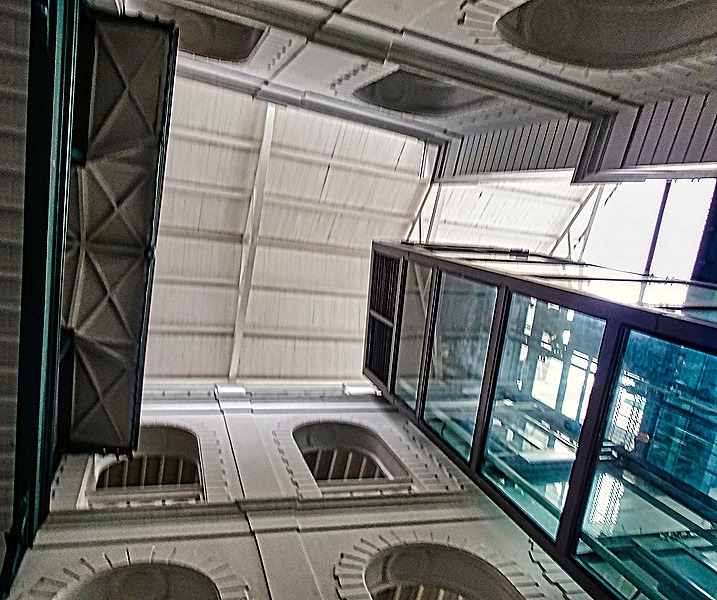
We walked up to the second and third floors. Looking across the atrium on the upper floors the opposite wall looked like the outside of another building.
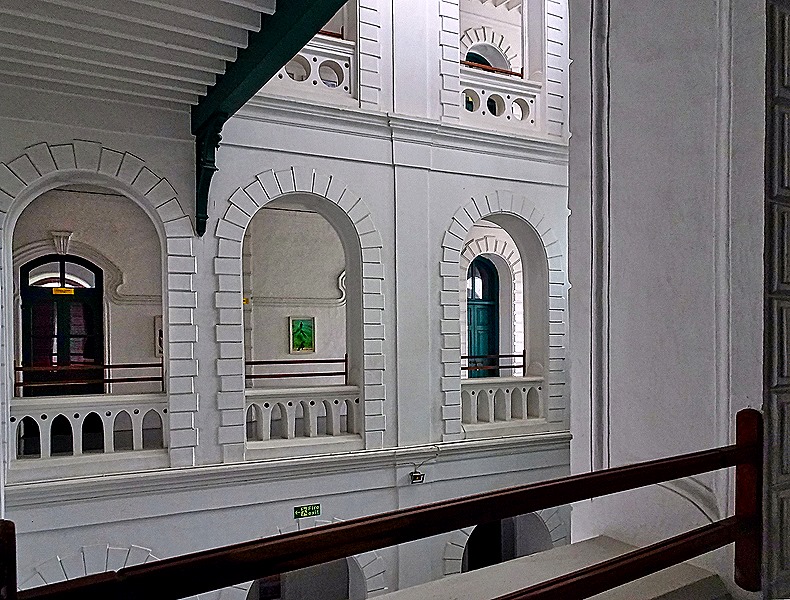
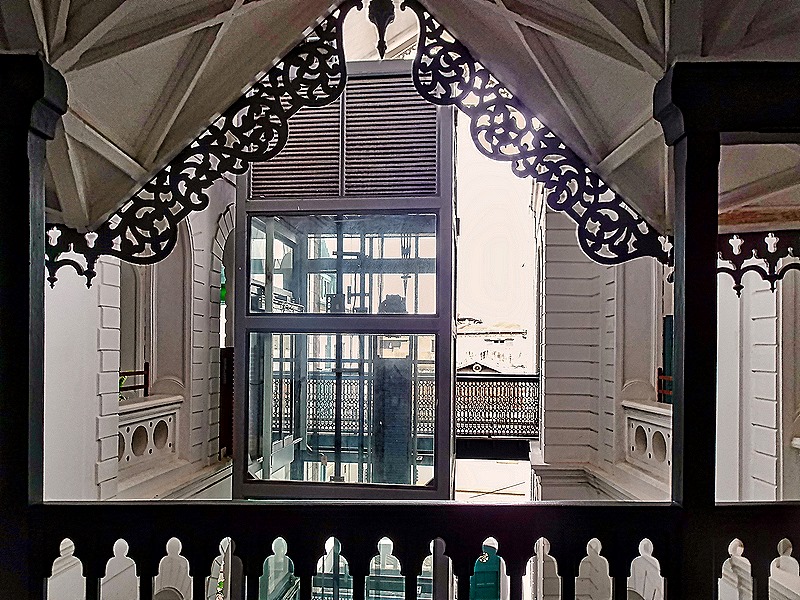
We stepped out onto the roof. In one direction were views of the harbor and in the other were panoramic views of neighboring housetops.

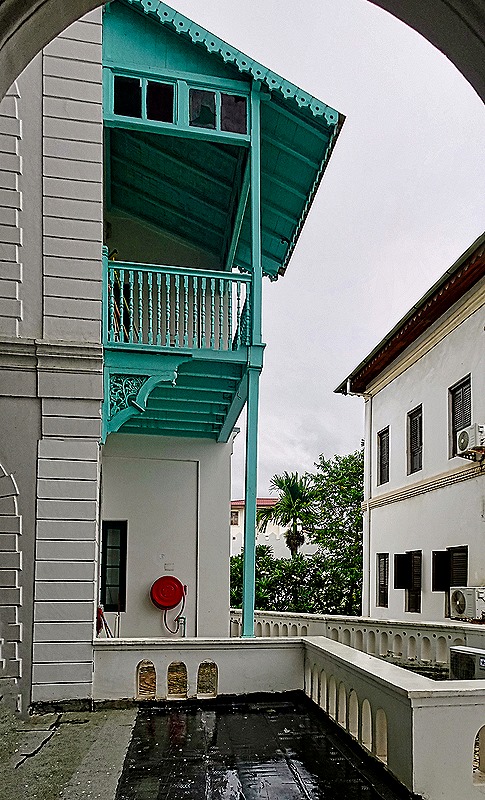


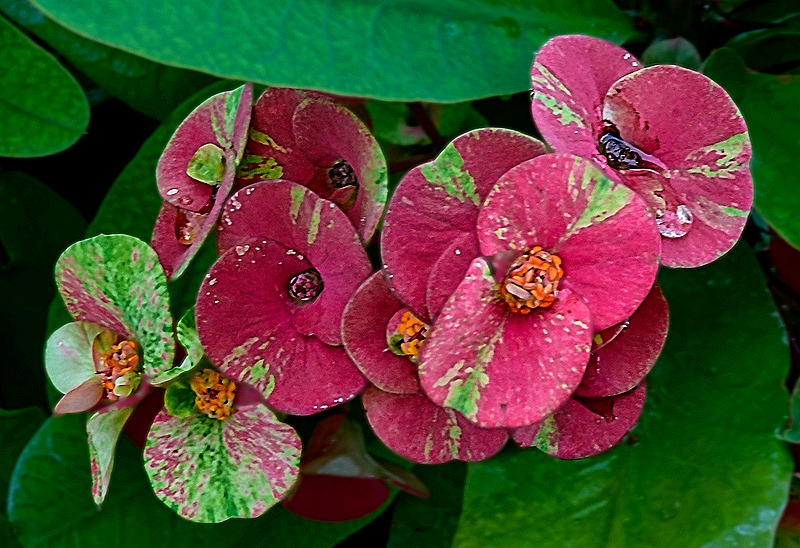
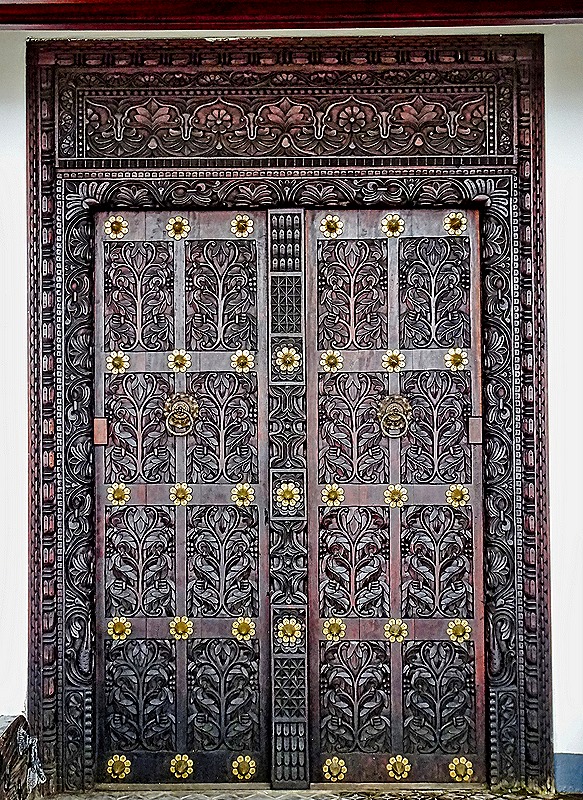
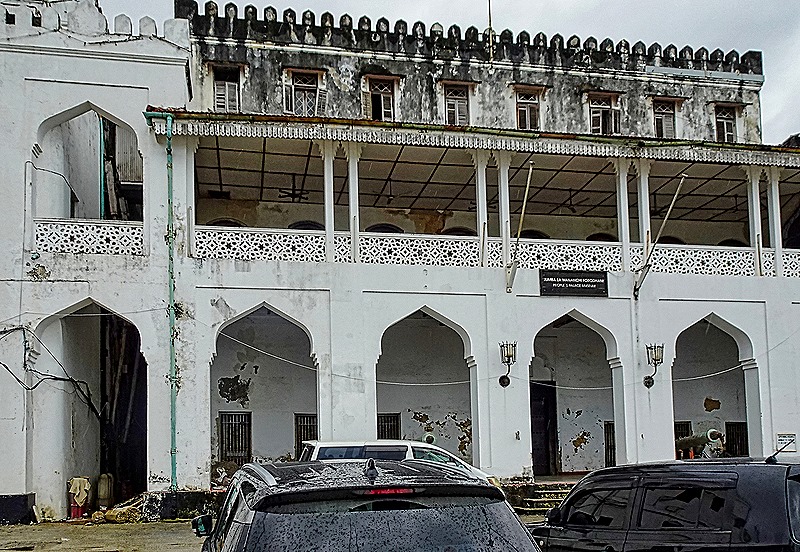
We left through the green pillared front entrance and walked past some colorful flowers. Up the street we passed one of the iconic carved doors for which Zanzibar is famous and came to the old Sultan’s Palace, a museum since the revolution. An interesting looking floating restaurant was under construction not far from the sea wall; maybe next time we will be able to eat there.





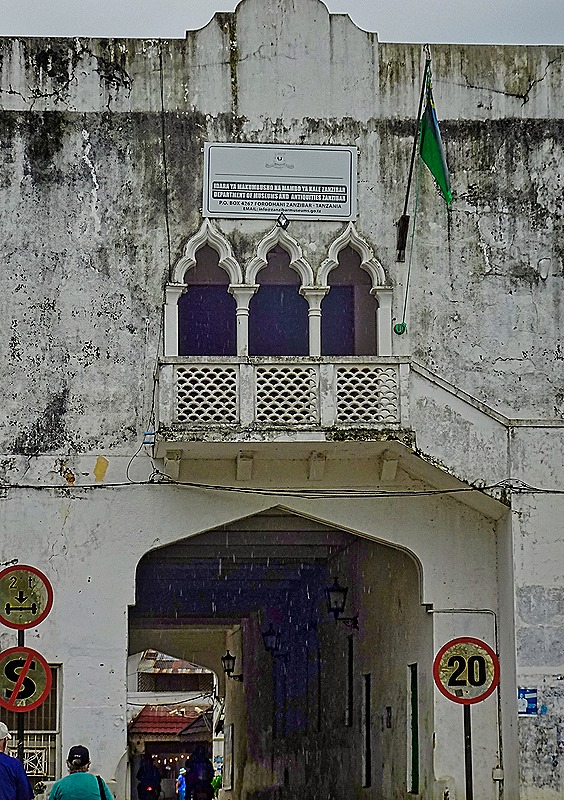
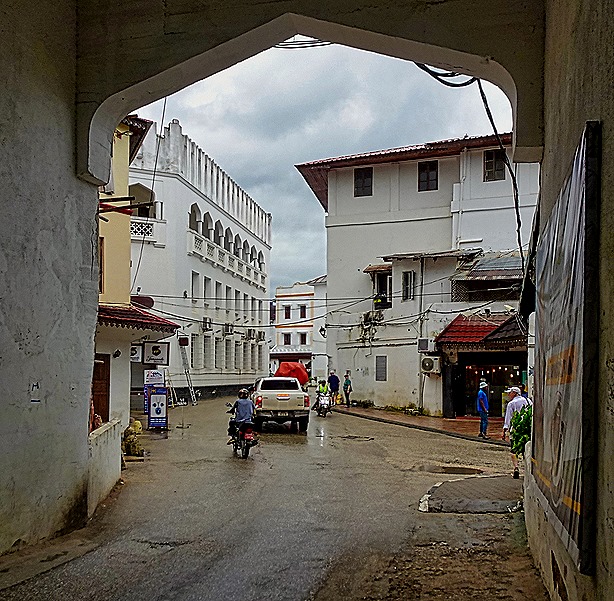
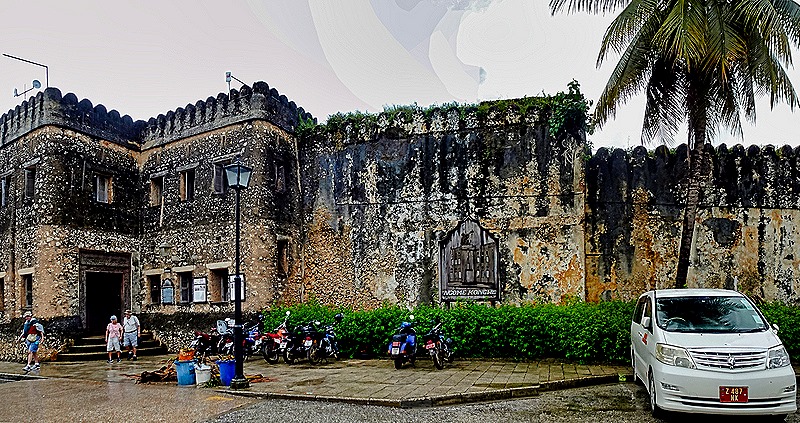
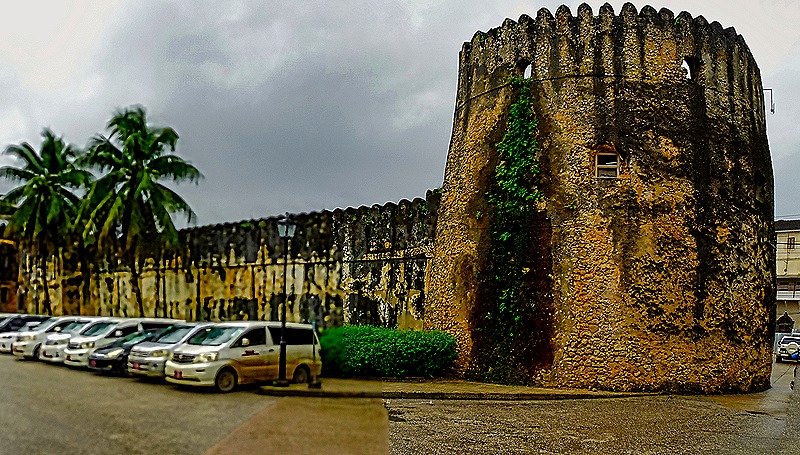
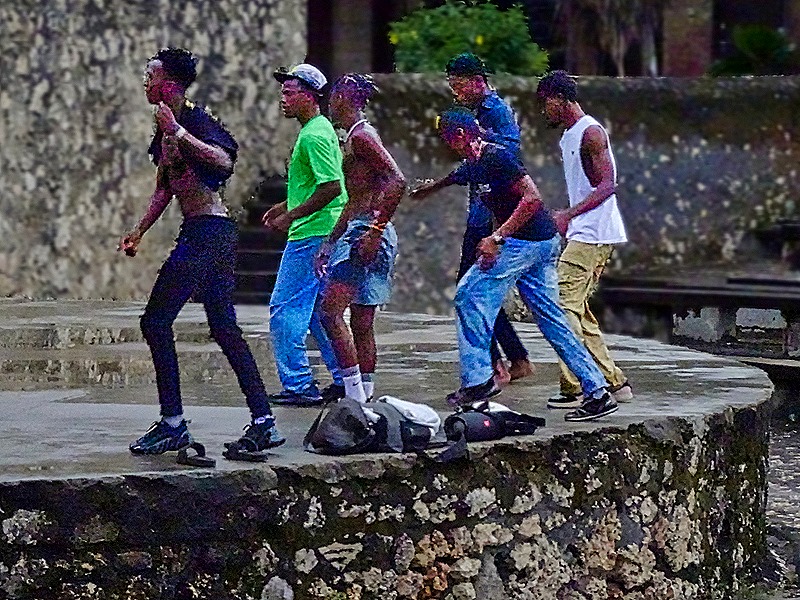
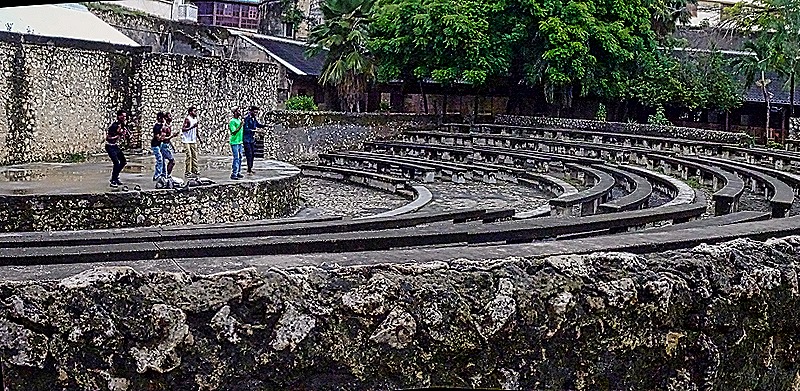
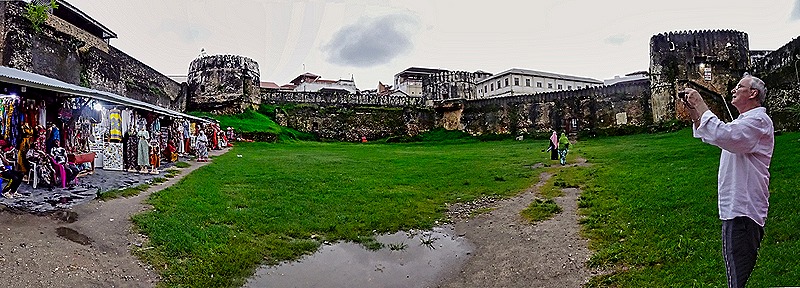
We walked through a tunnel under a building that seems to be a museum (the same one we walked through yesterday) and came to the Old Fort. It is the oldest building in town, built by the Omanis in 1699 after expelling the Portuguese. We had been there before but since we were there we decided to walk inside. The fort has a large open field inside the crenelated walls with guard towers on each corner. And in another section is a stone amphitheater used for performances. A group of young men was on stage practicing (we think) while we were there.

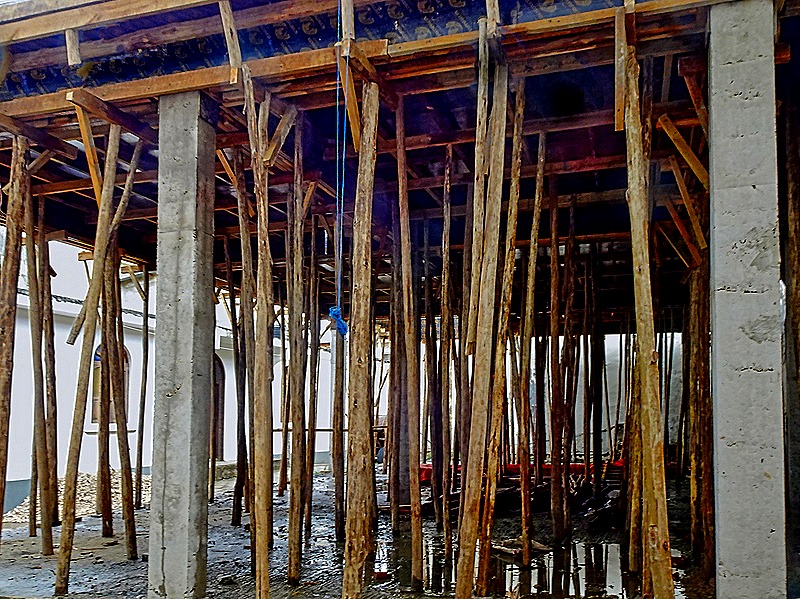
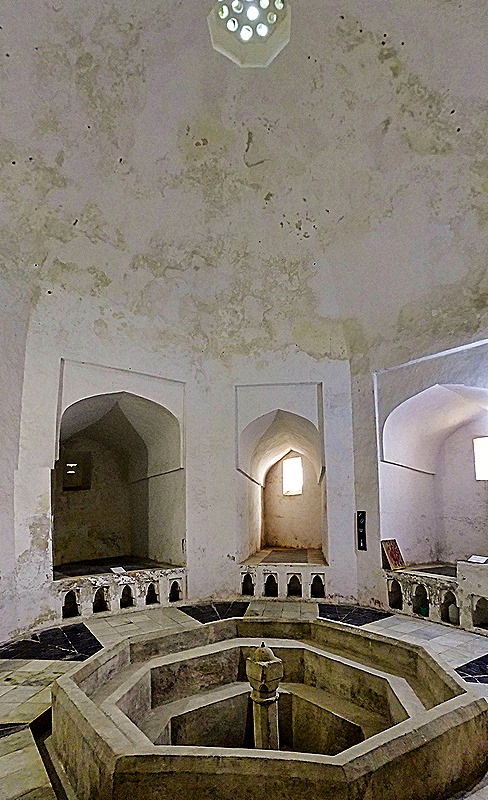
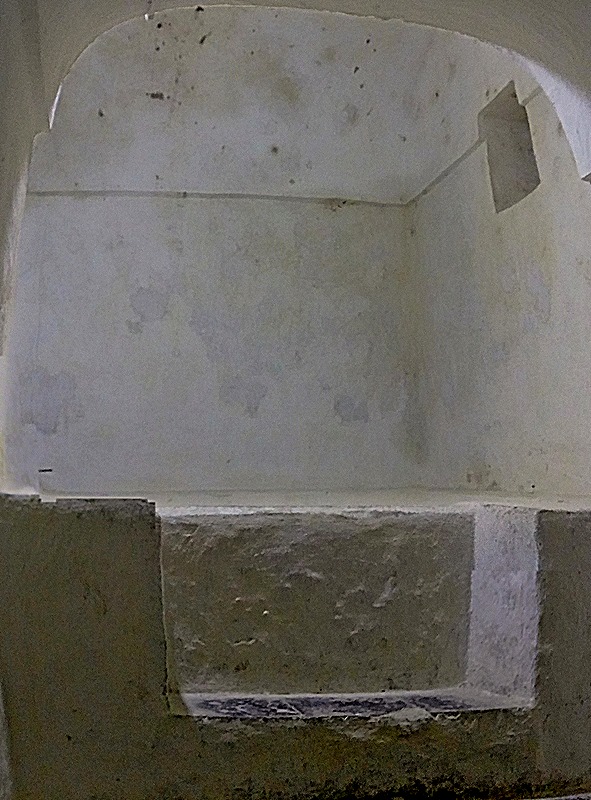
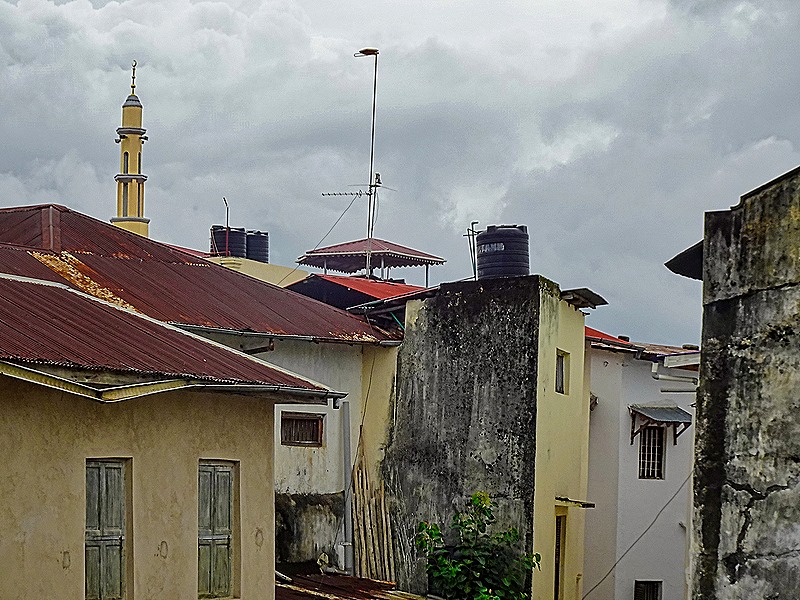
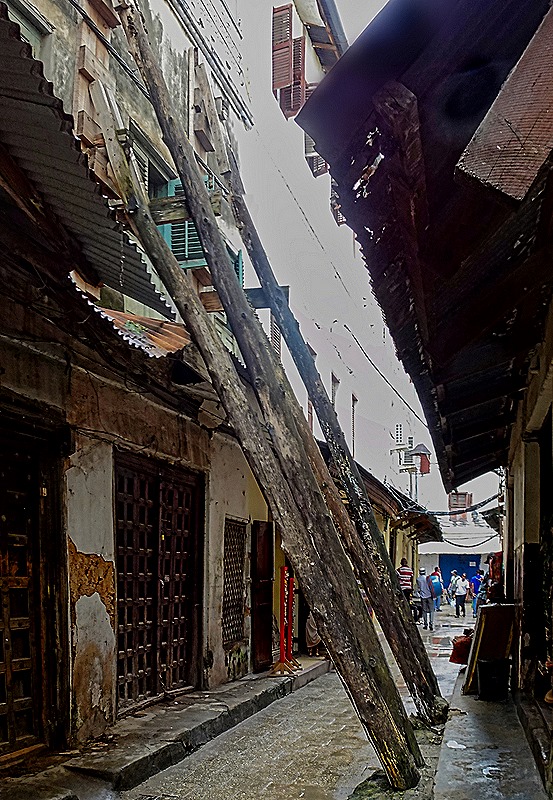
At last we walked to our second objective for the day, the Persian (or Turkish) Baths, which date back to the second half of the 19th century. We had been unable to find them on our previous visit but armed with better directions (and better luck) we did find it this time. On the way we saw a minaret extending above the rooftops and a construction project propped up by what looked like rather uncertain wood posts. We hooked up with a guide outside who helped us find the baths and showed us through them. Inside was an octagonal fountain (not operating) for foot washing and several cubicles arranged around it that appear to be bathing facilities. It was spacious with a muted and relaxing atmosphere.



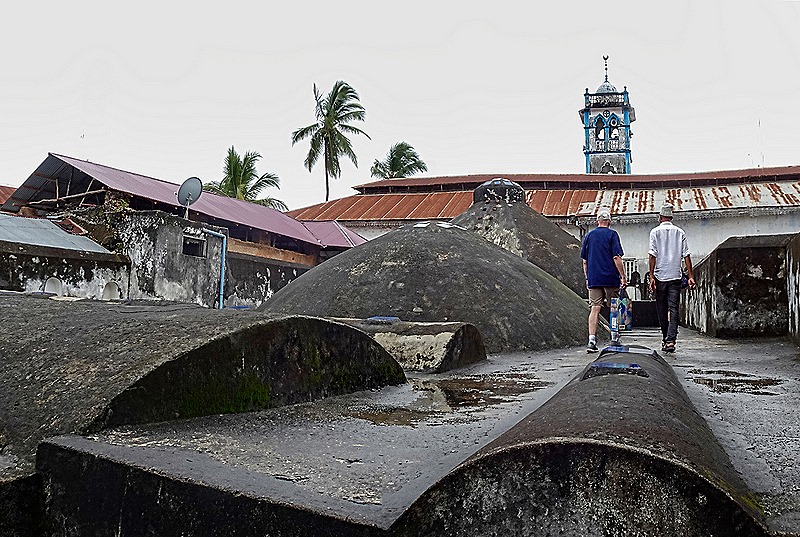
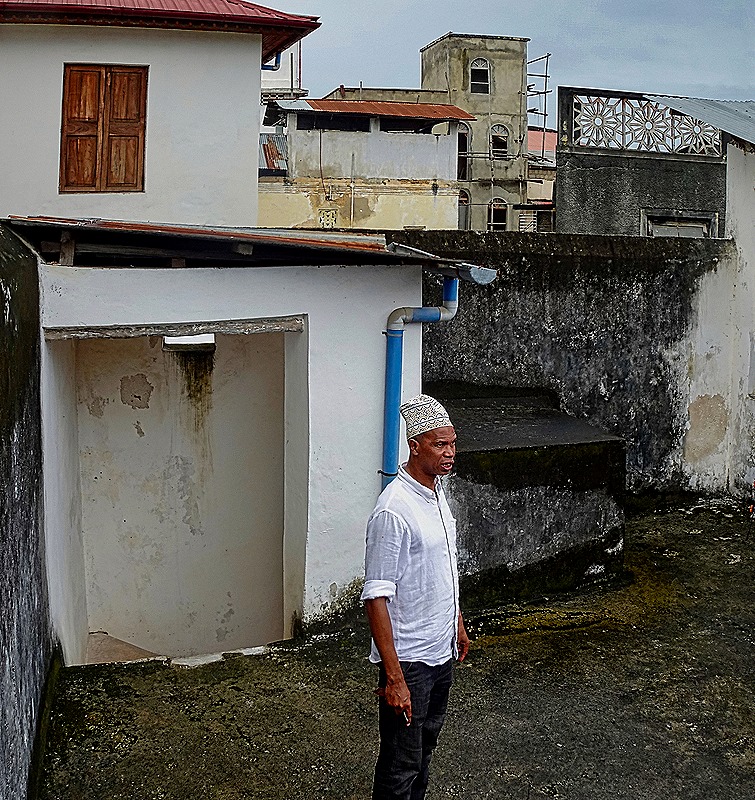
There is a very steep stairway, behind a door that had to be unlocked, to climb to the roof of the baths. Mary took a pass because of her still recent knee replacement, but Rick, Robert and Bill followed the guide up to the roof, which had another fine view of neighboring rooftops. We walked along by the tops of the domed ceilings in the rooms below.


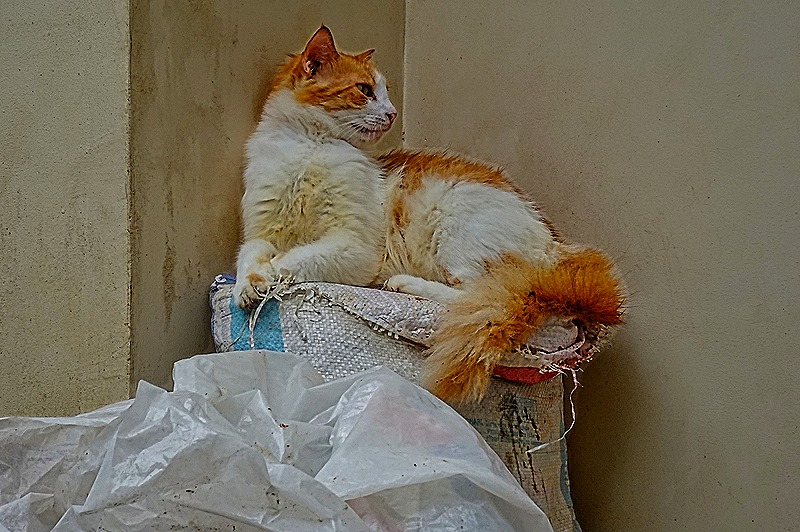
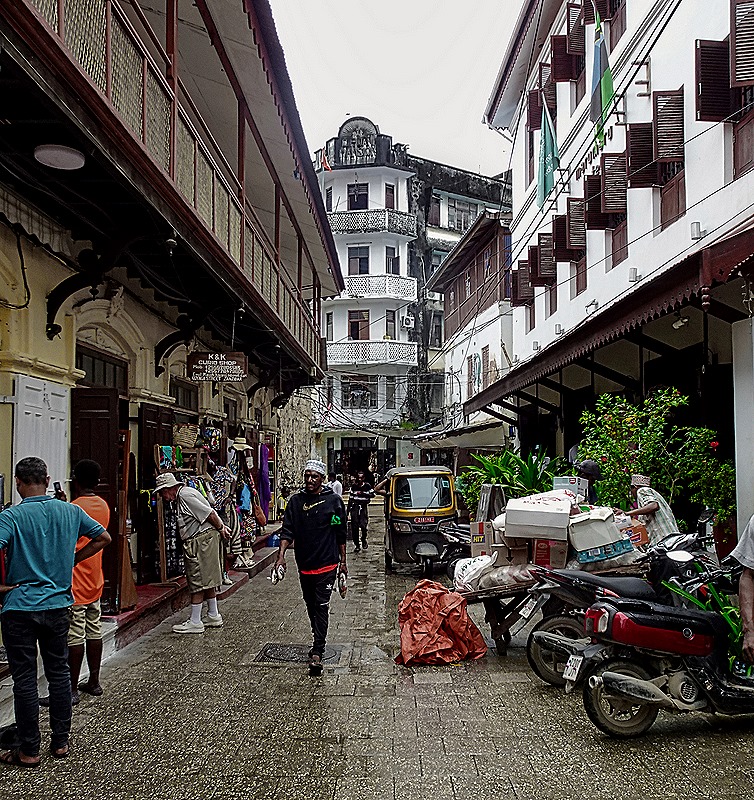
By now we were getting hungry so we looked for a likely restaurant. Not finding one, we headed back to the dock where we had been told there was a nice restaurant usually open for lunch. But it was still Ramadan and the restaurant was closed. On the way there we passed a cat on its throne, a facade on a side street apparently being propped up by large wooden poles and other street scenes.
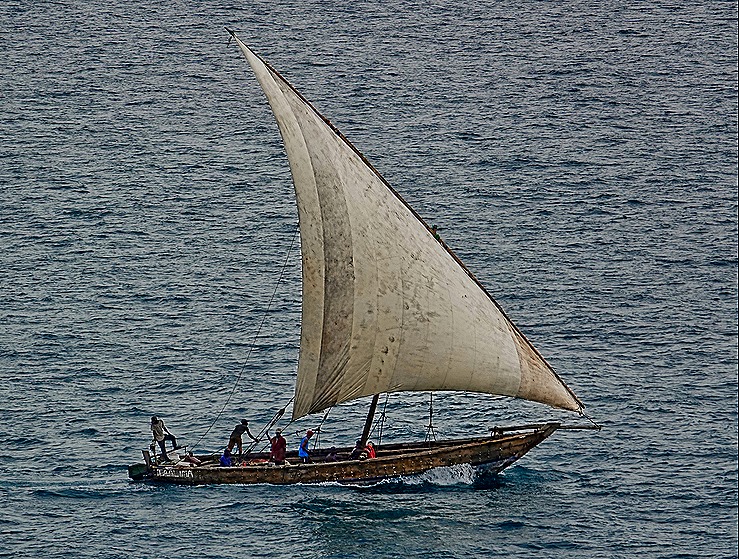
From the ship was quite a panoramic view of the Zanzibar waterfront and we also saw some of the dhows, traditional sailboats long used for commerce in this area of the world. In our room we had a towel piggy at night.


Finally, if you have been following along we think you would agree that the Indian Ocean has been particularly generous during this trip with beautiful sunsets, something we always enjoy. So as we leave the Indian Ocean and head for the shores of Africa we will end this episode with one last fiery Indian Ocean sunset.


 BADER JOURNAL
Leave a comment