
Haines, Alaska 2025
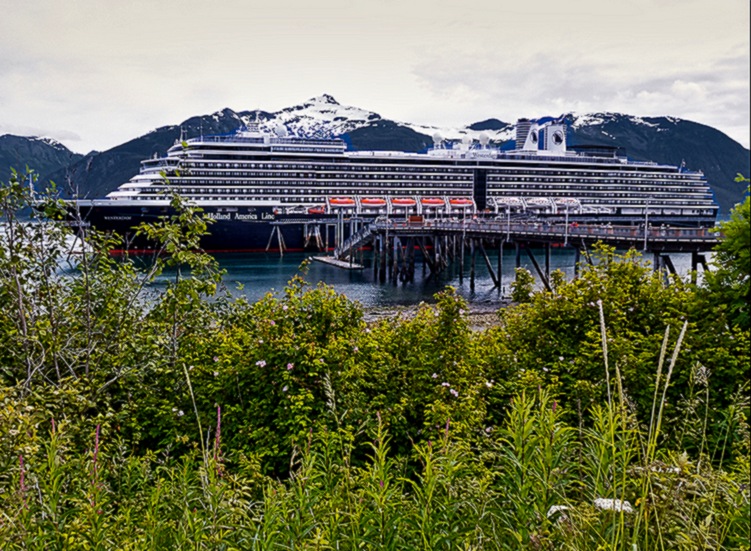
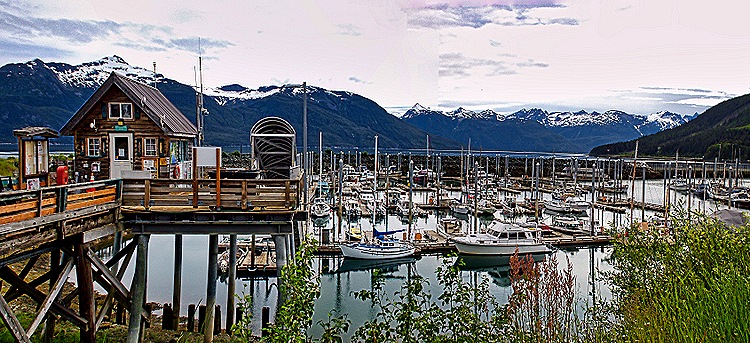
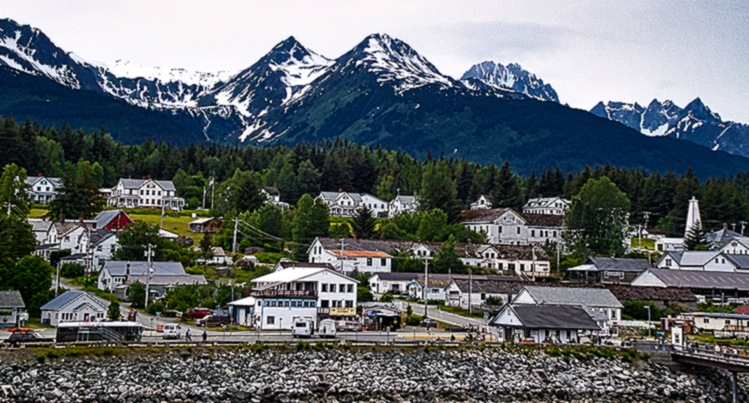
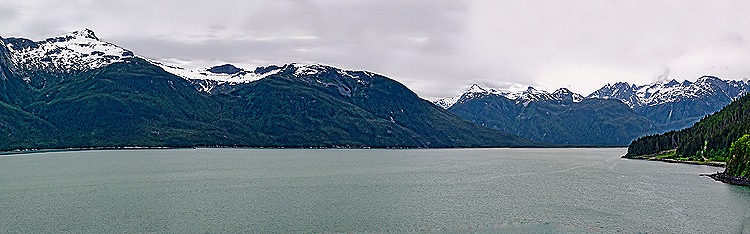
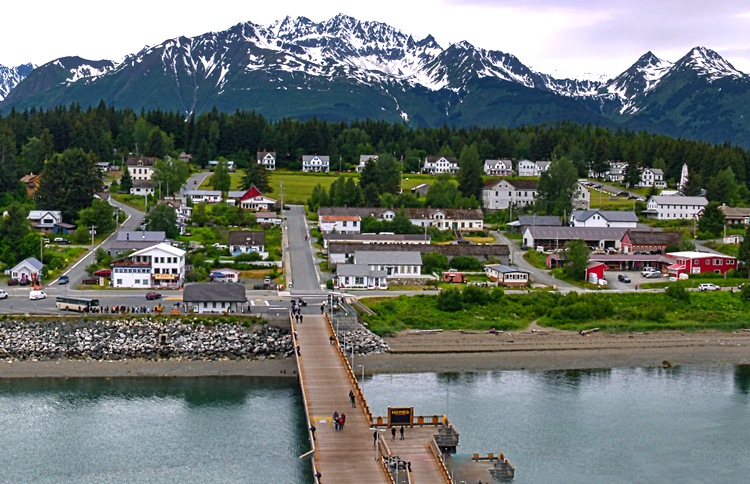
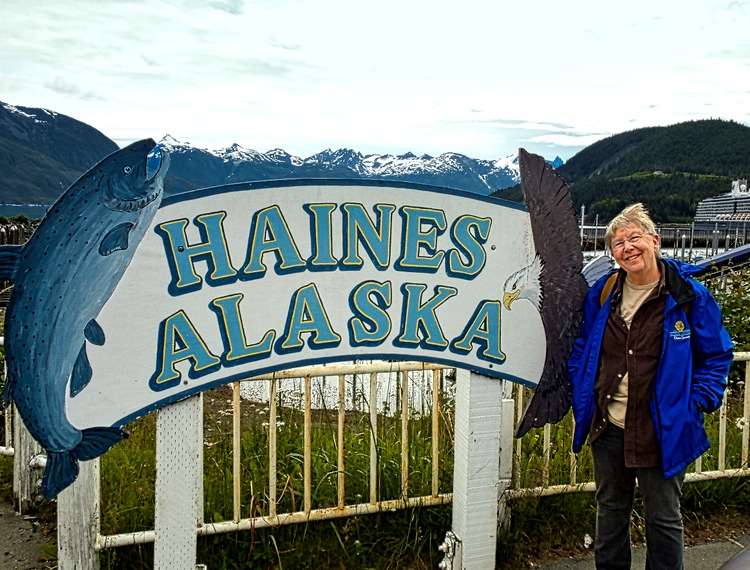
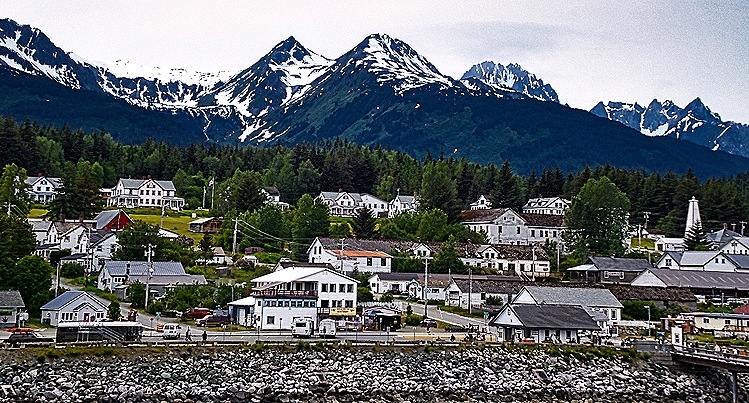
The morning of June 25 found us moored at the end of a long dock in Haines, Alaska, a very small town (pop. less than 1700) on the shore of the Lynn Canal (actually a fjord) and surrounded by the snowy Chilkat mountains.
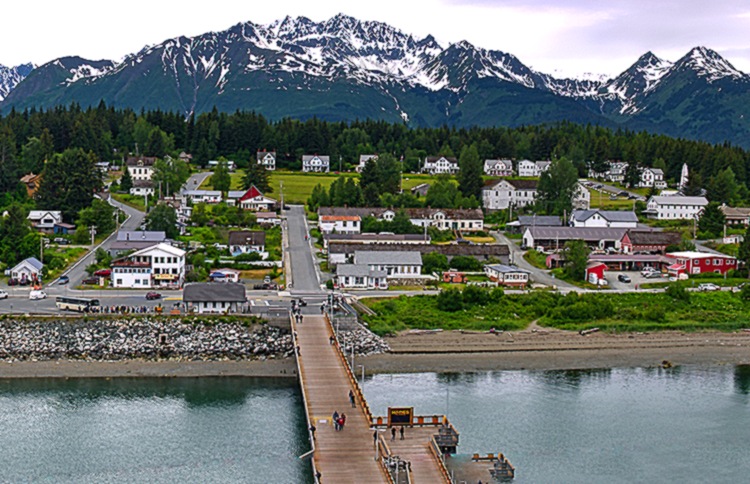
The Chilkat people had lived here for hundreds, if not thousands, of years before the first European settler arrived in 1879, followed a couple of years later by an invited group of missionaries (one of whom was John Muir). In the late 19th century Haines (named for the woman who spearheaded fundraising for the missionaries) became a notable supply port for miners heading to the gold fields over the Dalton Trail.
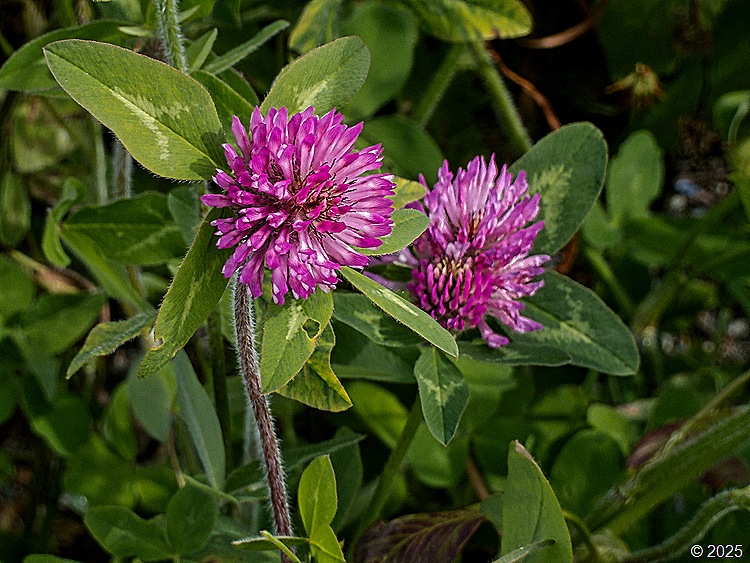
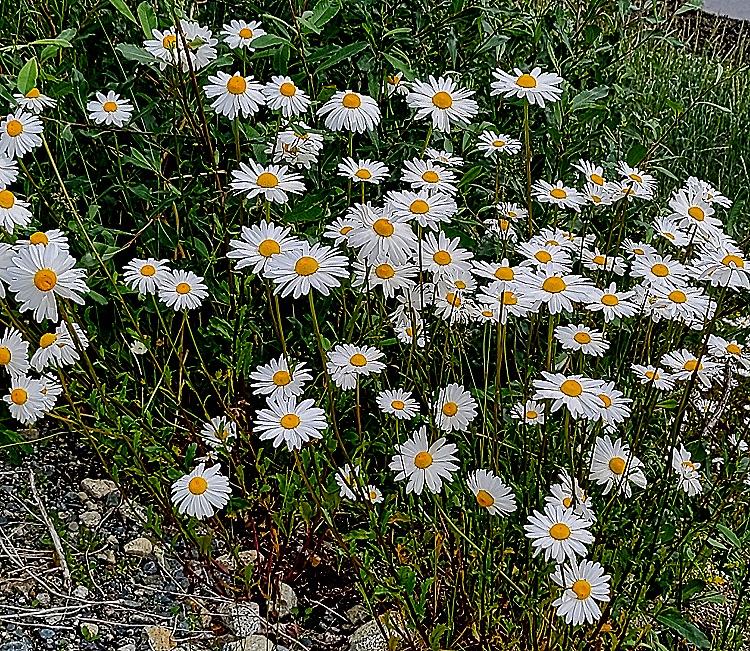
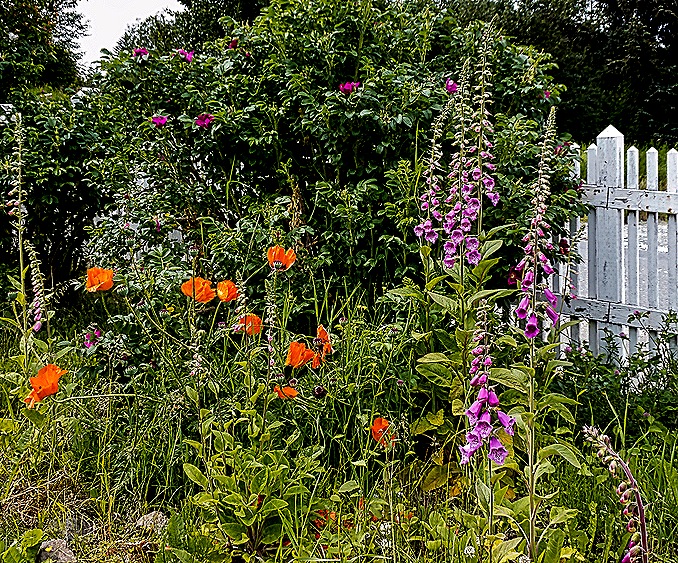
We were docked in front of the Fort Seward section of Haines. The fort was built at the beginning of the 20th century during a border dispute with Canada and was the only military base in Alaska before WWII. After the war it was decommissioned and eventually merged with Haines, to which it was adjacent. After breakfast we walked down the long dock and turned right to walk along the waterfront to the town. It was a pleasant walk through parks, with a lot of Spring-like flowers. We stopped at an information booth where we were given a map of the town showing the location of their many totem poles. As you will see, we put it to good use.




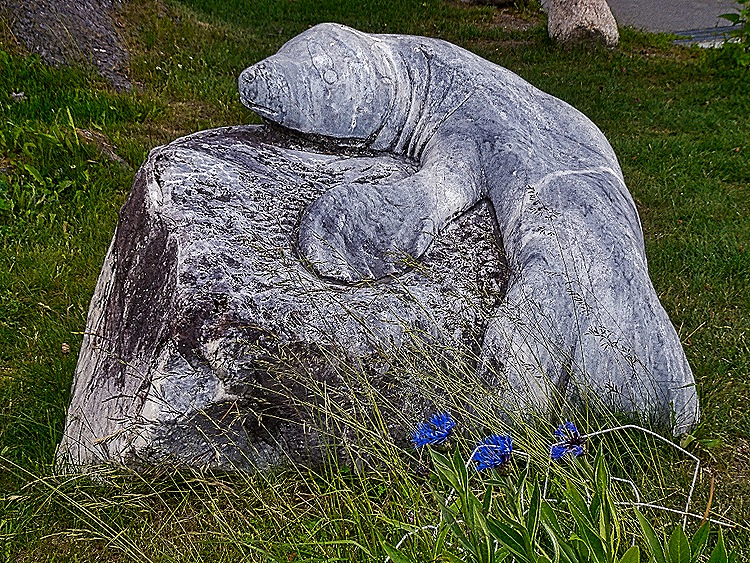
When we reached the town (not very far) we turned and walked uphill into the center of Haines. We stopped first at the Haines Sheldon Museum where we spent some enjoyable and educational time perusing the museum’s collection. Opened in 1980, the museum grew from the collection of artifacts gathered over the years by Steve Sheldon, who moved here from Ohio in 1912. The museum sits on the site of the original mission and has a totem pole and several interesting stone sculptures outside facing the street.


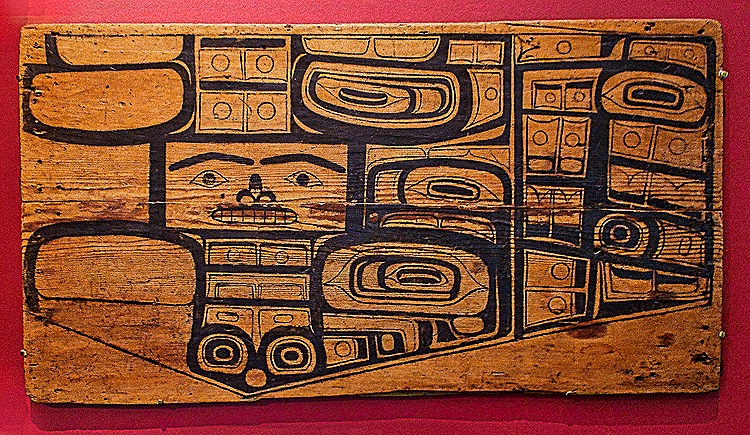
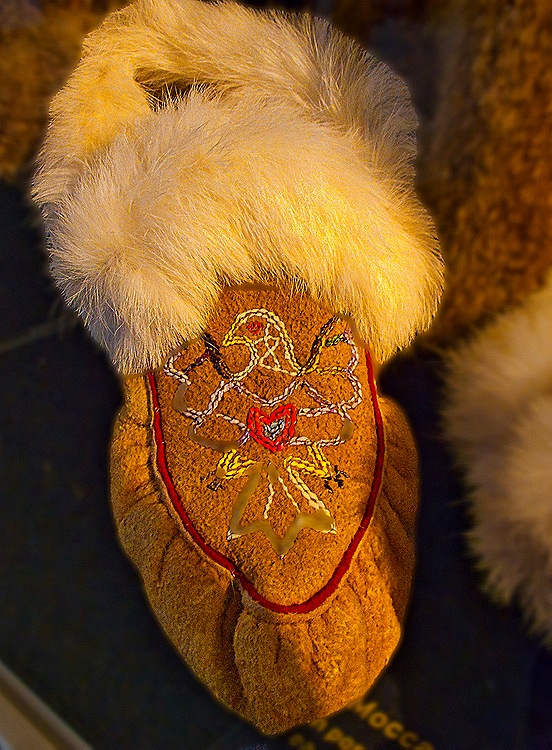
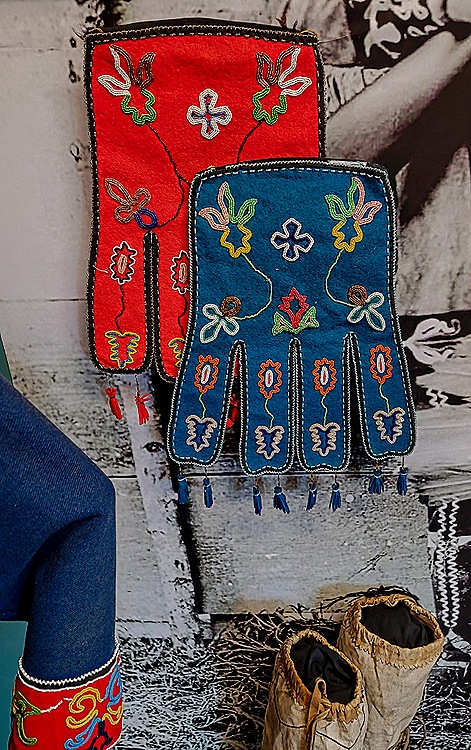
The small museum was filled with colorful Tlinget art and artifacts and quite a lot of informative signage. Among the items that caught our eyes were a pattern board, containing a design to be executed on a dance apron; a pair of moccasins with rabbit fur ruff and a porcupine quilled eagle design; a bear house clan hat carved in 1740; a raven post for a house carved by a renowned wood carver in the 18th century; and some colorfully embroidered octopus bags (named for the eight tassels at the bottom).


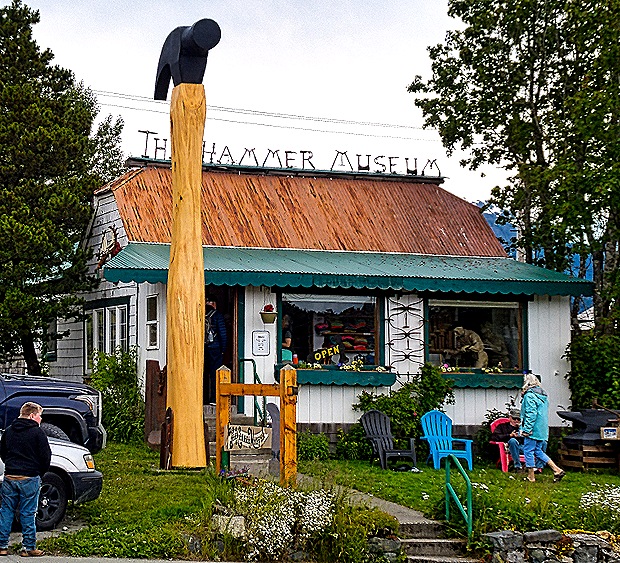
Across the street was another museum, the Hammer Museum. If you google “The Hammer Museum” you will be directed to the Los Angeles art museum founded by Armand Hammer. But the real hammer museum is right here in tiny, out of the way Haines, the world’s foremost museum devoted to collecting and displaying hammers. Opened in 2002, it has a collection of thousands of hammers dating from ancient to modern times. We didn’t go inside, but it is impossible to miss when walking up this street. At the top of the street is the health clinic, the town’s medical center, which we understand is the only such facility in town. The nearest hospital is in Whitehorse, Yukon, a 4.5 hour drive away, so this is probably not the best place to live for people needing extensive medical care. The sign for the clinic is eye catching, with totem poles supporting it on each side and a totem style design on the sign itself. There was a nice view of the mountains from this area.


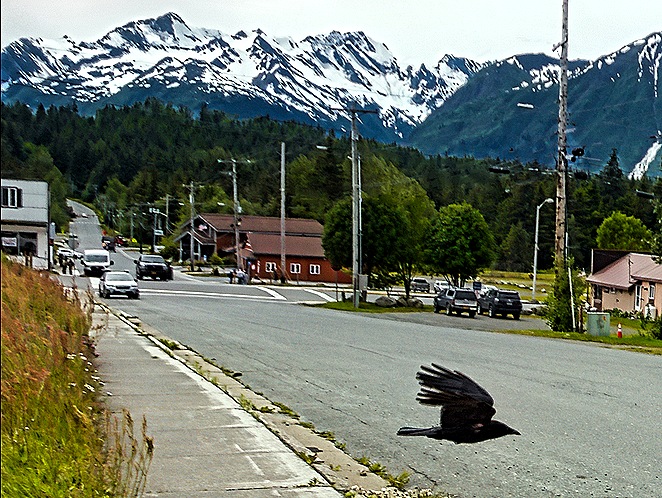
Our next visit was to the public library, which is very impressive for such a small town. Originating in 1931 the library moved to its present building in 2003. Funds and labor for the project were contributed by locals; in 2005 it was recognized by Library Journal as the “Best Small Library in America.” As we walked down a hill toward the library a raven suddenly flew across the street in front of us.
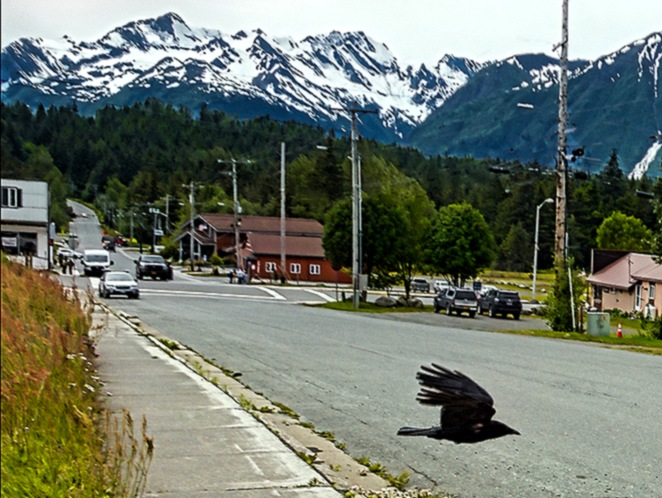

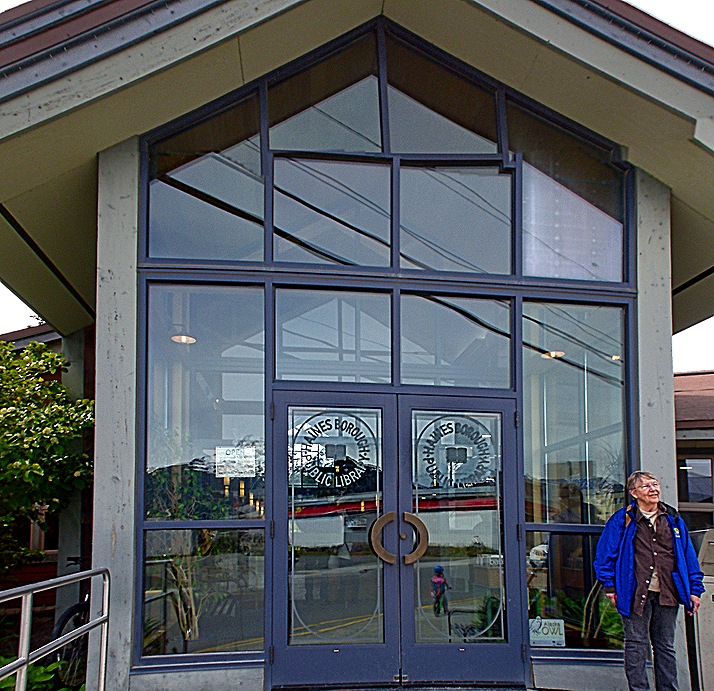


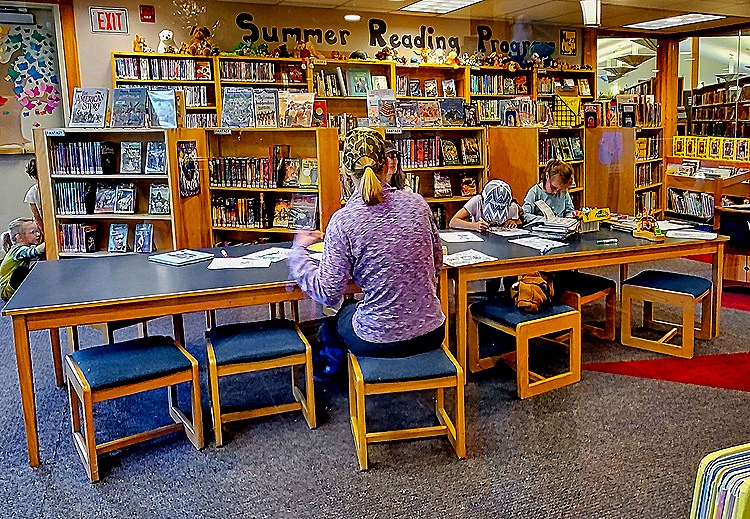
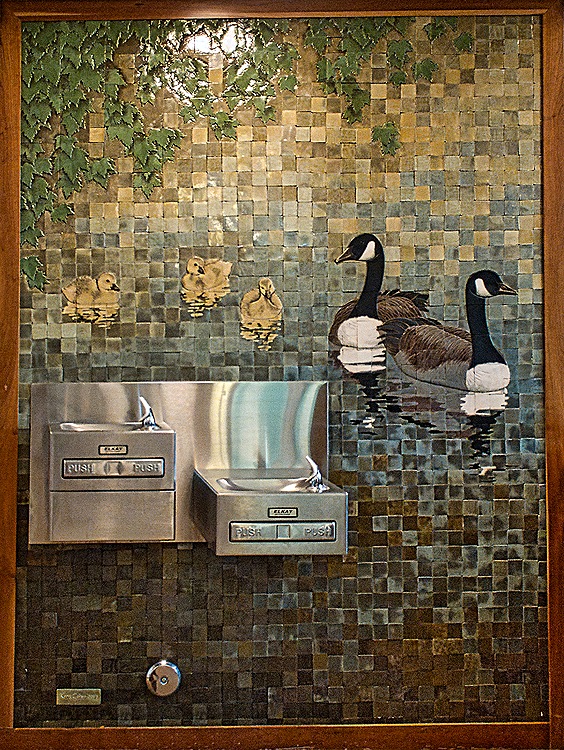
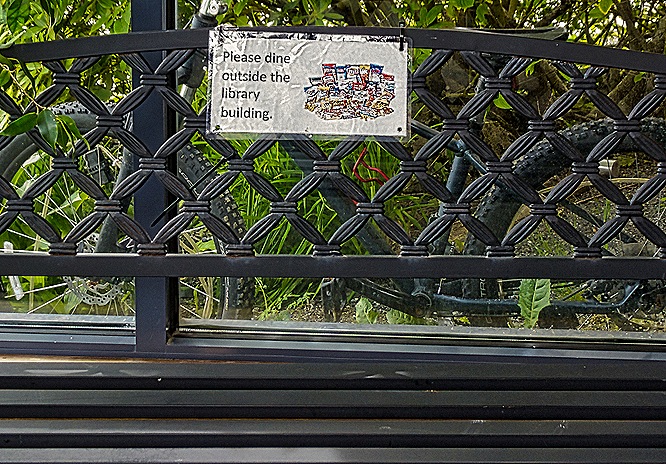
There was a good deal of local art on display inside the library. Among other things was a tile water fountain mounted on a large mosaic of a family of geese and a bench whose back is carved and painted in totem style. Another bench in the foyer just inside the entrance displays a sign suggesting a problem with people using it as a dining room. The front door itself is etched with the library’s logo.


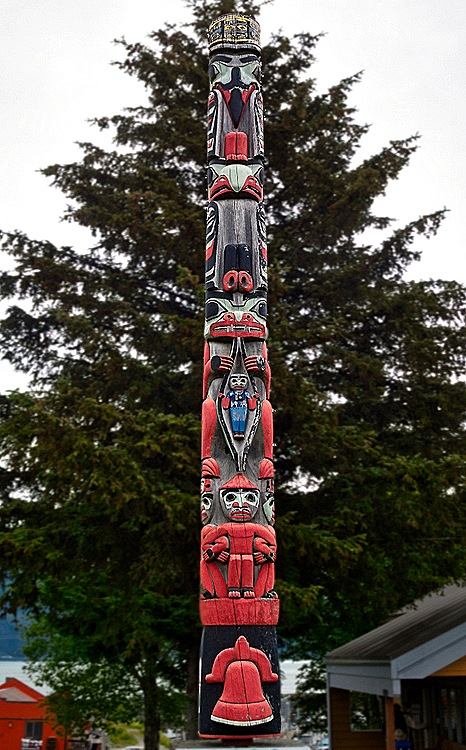
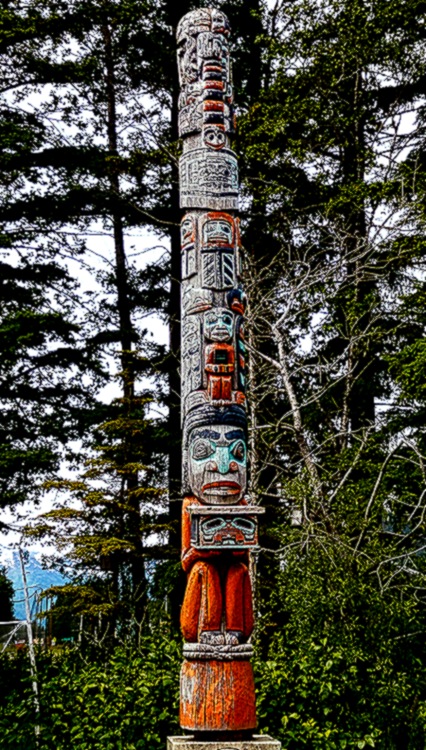
Leaving the library, we walked around the back through a lush flower garden. There we found our favorite totem pole, created specially for the library by a group led by carver Jim Heaton in 2009. Twenty feet tall, it tells the story of the library, beginning at the bottom with a woman holding a box of knowledge representing the original founders of the library. The pole is carved from an 800 year old cedar log and is named, in the Tlinget language, “Where they go to learn by themselves.” The second figure from the bottom represents a library patron holding a black book. As we were photographing the pole a local woman walked by and urged us to go close enough to read the title of the black book; “You won’t regret it” she said. She was right.




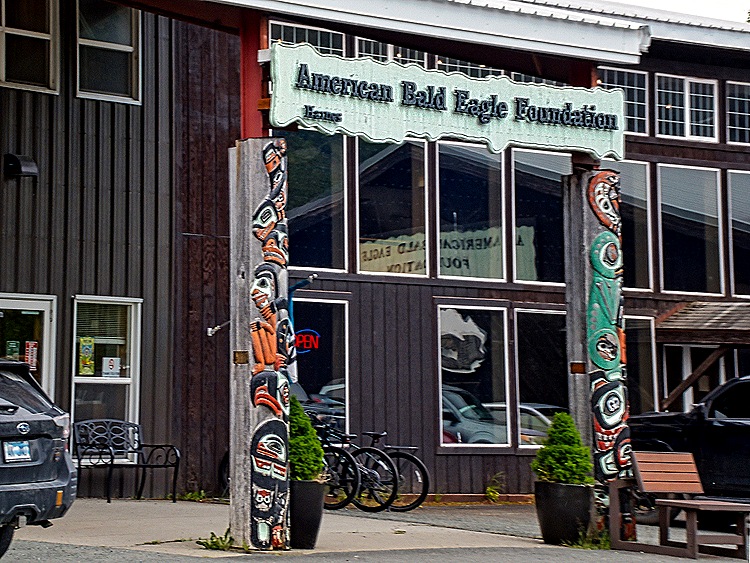
Turning back down toward the shore we walked past the American Bald Eagle Foundation, a wildlife museum (we didn’t go inside). Back at the waterfront where the ship was docked we walked uphill to explore what was once Fort William H. Seward. This was the last of 11 military bases built in this part of Alaska by the US at the end of the 19th century to keep peace during the gold rush era and to assert American claims during a border dispute with Canada. Authorized in 1898 the fort formally opened in 1904. All the other forts were closed during the 1920’s so that during the period leading to World War II this was the only one left. The fort closed in 1945 at the end of the war and was sold to private developers. Today it houses shops, art galleries, restaurants and a hotel. It was merged into the city of Haines in 1970,
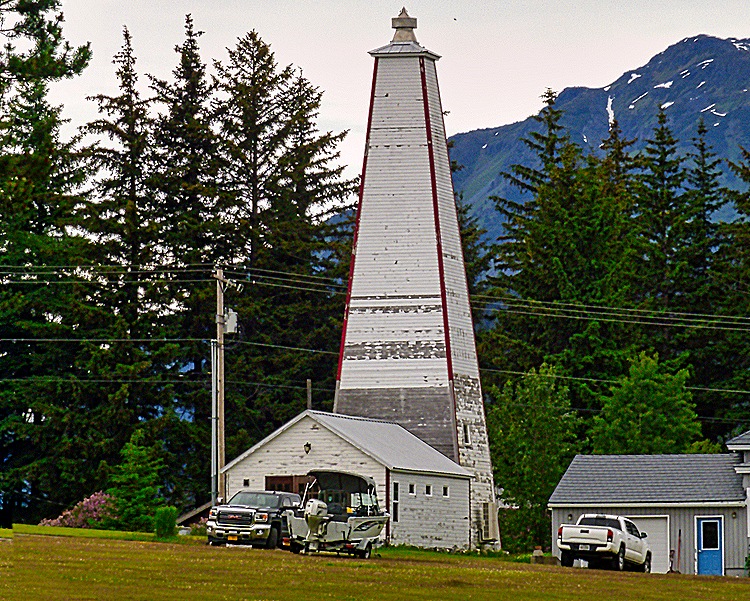

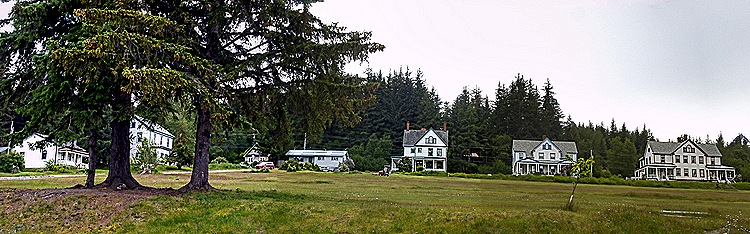
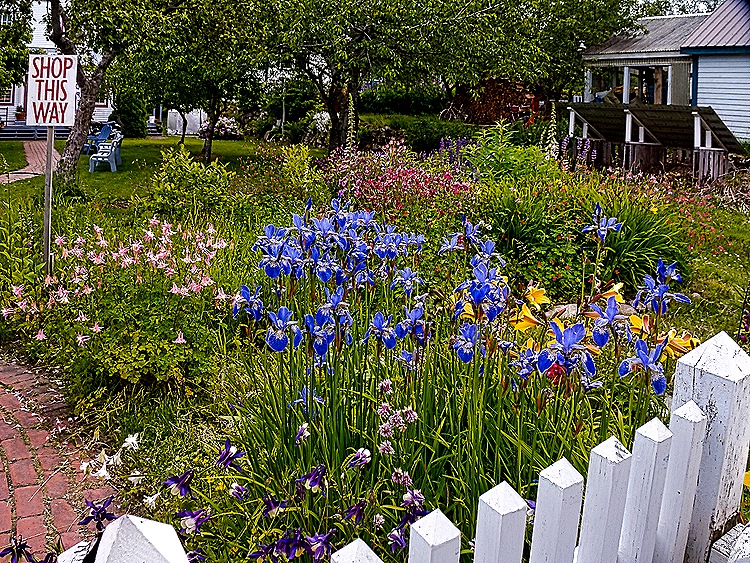
This was a nice walk, and we stopped in a shop surrounded by colorful gardens and bought some jewelry.

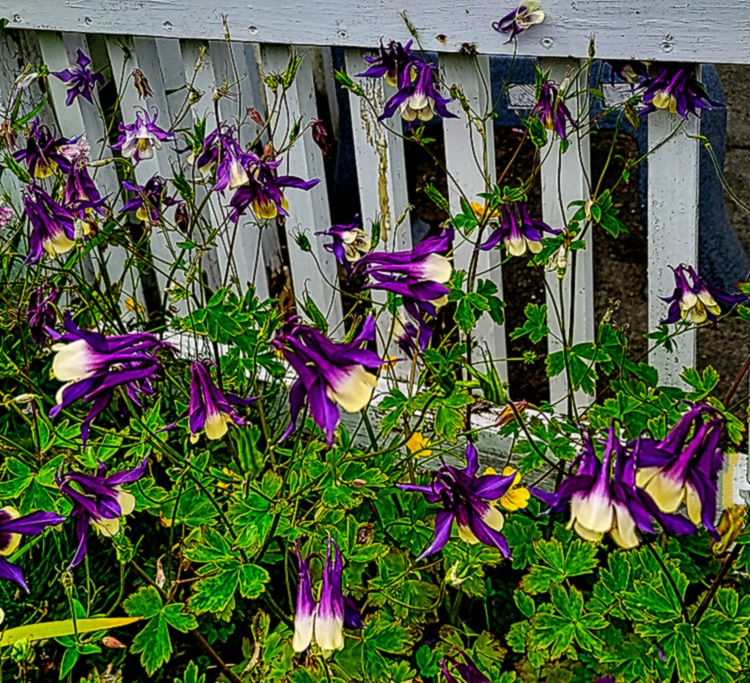
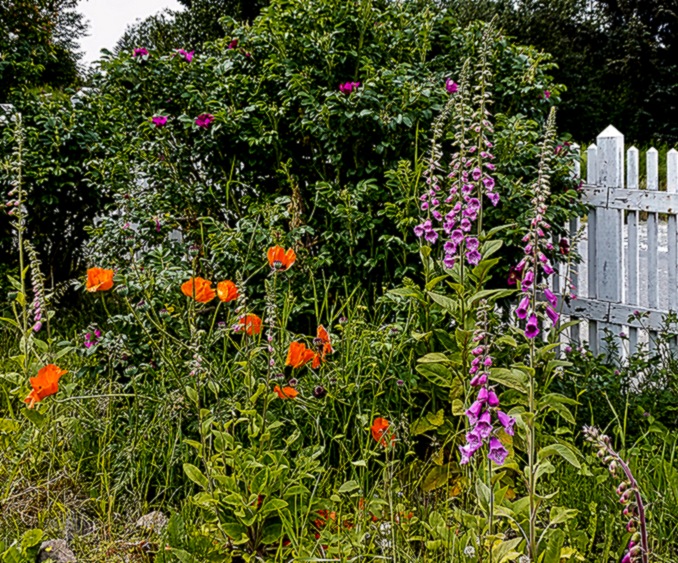
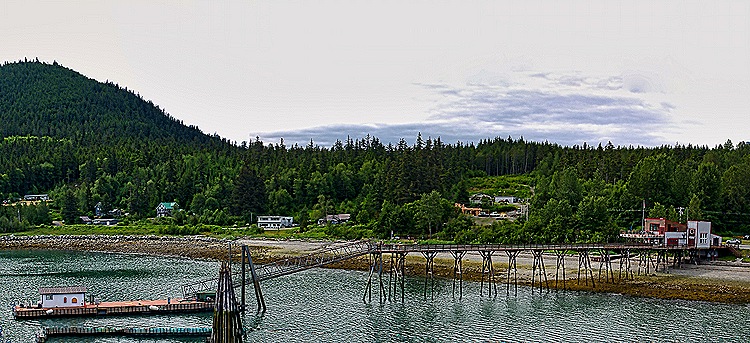
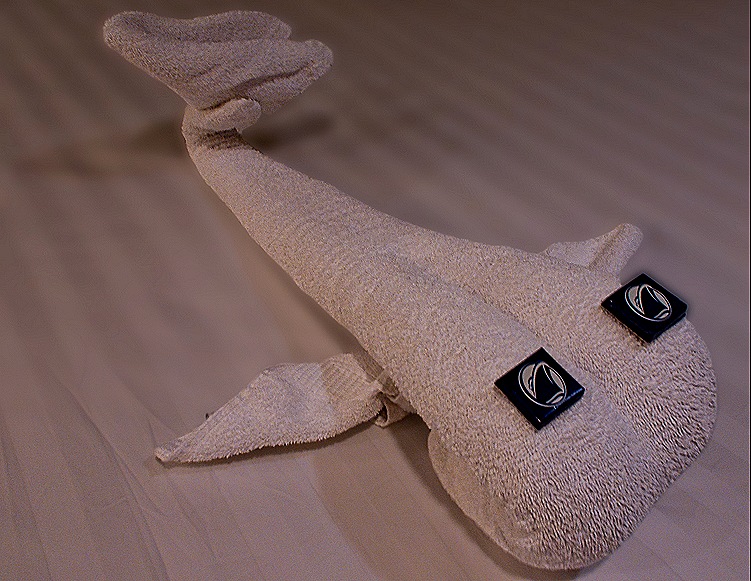
We returned to the ship, which sailed away late in the evening. But it was still light out so we have some pictures, including one of what we think is the dock for the ferry to Skagway. And after dinner a towel whale with chocolate eyes joined us in our room as we rested up for what would be another long day tomorrow.


 BADER JOURNAL




Leave a comment