San Juan, Puerto Rico (USA) — 2024
After almost 5 sea days crossing the Atlantic from Cabo Verde we arrived in San Juan around mid day on May 8. We have been here several times before, twice since we started this blog. Our visit at the end of the 2018 world cruise can be see here: https://baderjournal.com/2018/09/12/san-juan-puerto-rico-usa/ and our 2022 visit at the end of the Africa voyage can be seen here: https://baderjournal.com/2018/09/12/san-juan-puerto-rico-usa/ . You can read and see much more about this port in those previous episodes.
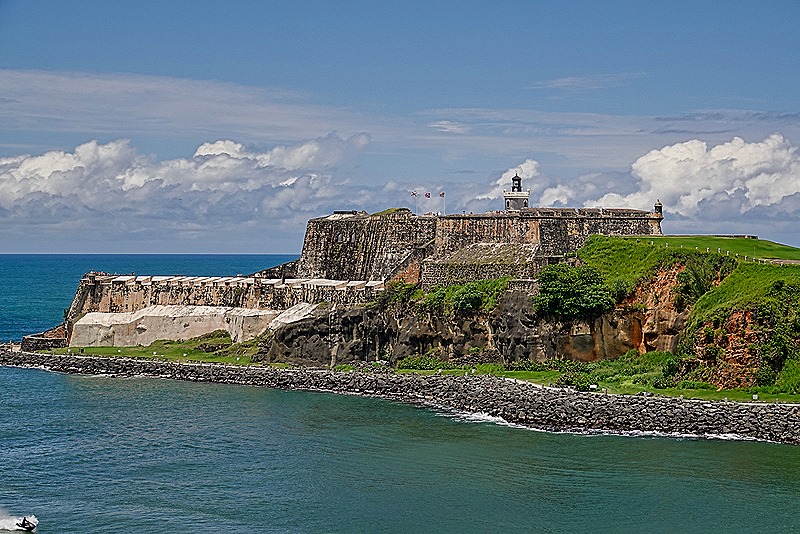
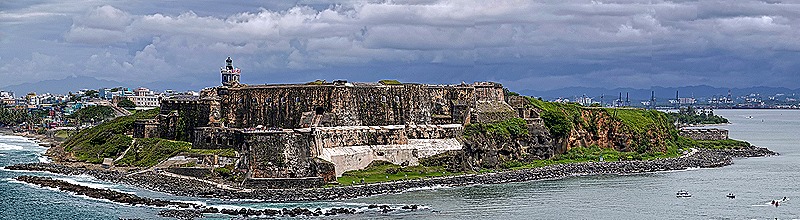
The sail in to the bay of San Juan past the mighty El Morro fortress guarding the entrance is a particularly good one. Last time we were here we got up at the scheduled time to watch, but the Captain got us there early, before sunrise and before we got out of bed for the scheduled arrival time, and it was dark and very rainy anyway so there wouldn’t have been much of a view even if we had arrived at the right time. But this visit was entirely different. Our arrival was in the middle of a clear and beautiful day, despite a cloud cover (arrival scheduled for 3:00 PM, but we think we got there an hour or two before that). We went up to the top deck to get the best views of El Morro off the port bow.
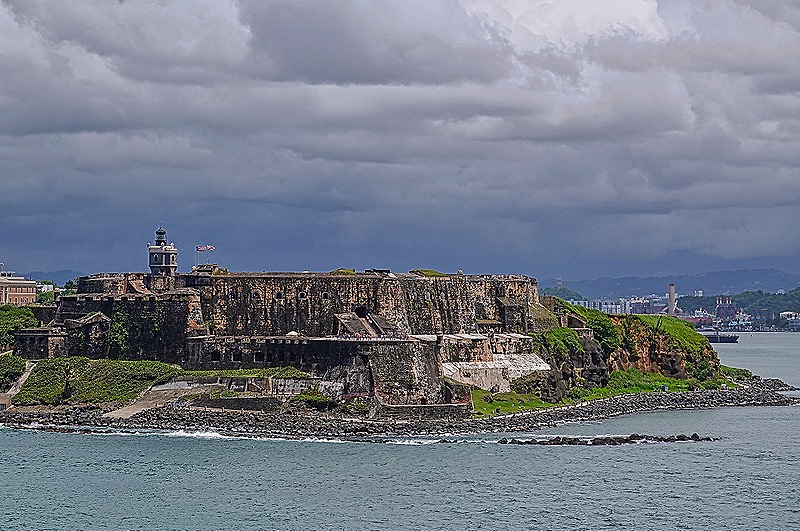

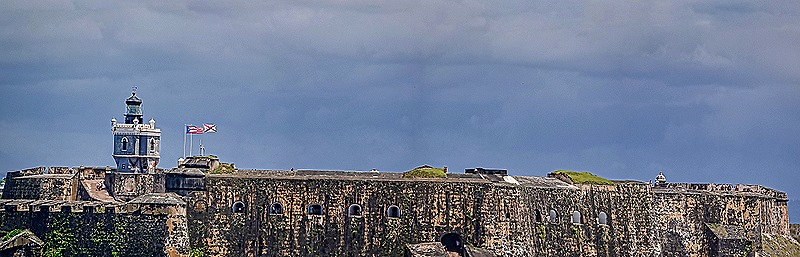
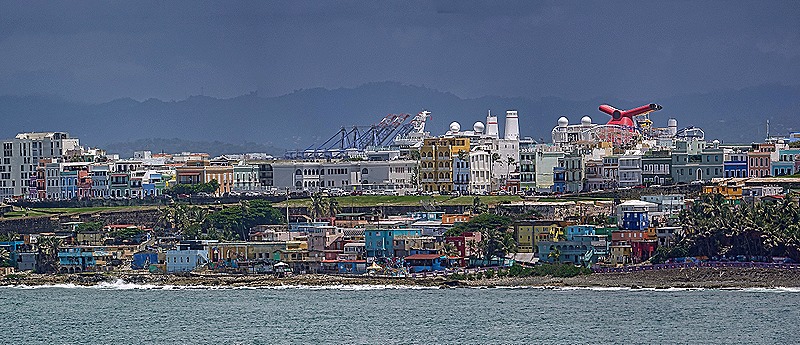
As we approached toward the bay from the ocean side (left in the pictures) we had views of the other major fort in San Juan, called San Cristobal. FYI, we visited San Cristobal in 2018 and El Morro in 2022, with many pictures. Outside the walls down at sea level between the forts is a neighborhood called La Perla, a brightly painted shanty town left vulnerable to hostile ships as well as hurricanes, one of which caused a great deal of damage in 2017. In the picture of it you can see the signature red funnel of a Carnival ship docked on the opposite side of San Juan peering over the steep hill on which San Juan is built.


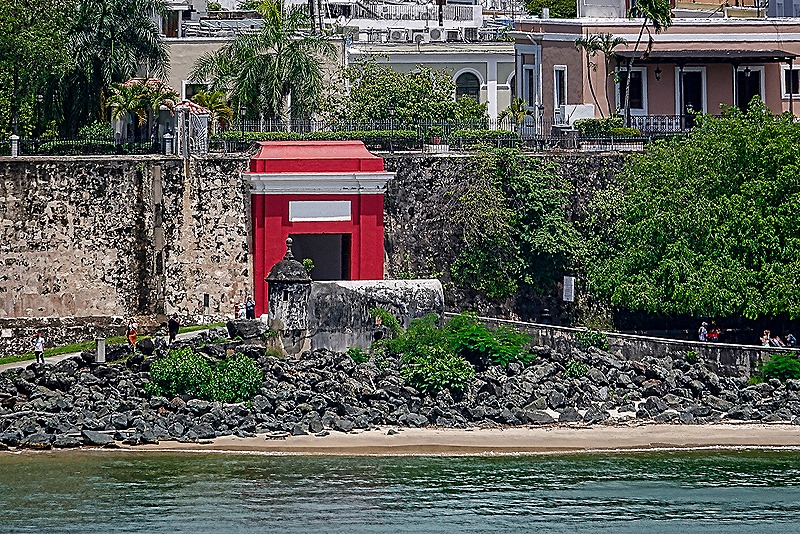
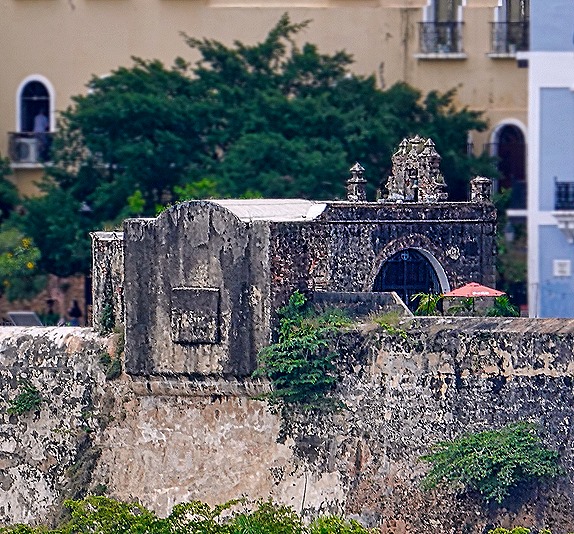
We rounded the edge of El Morro and sailed into the bay. Among other things we sailed past La Puerta de San Juan, a gate to the city through the walls. Built in 1635, it is 16 feet tall and bright red. This was the main gate to the city, through which all important visitors entered. A Latin inscription above the door translates as “Blessed is the one that comes in the name of God.” We also passed Casa Blanca (White House), built in 1521 to house the city’s founder, Juan Ponce de Leon. He died in Florida before it was completed, but his family lived there for more than 250 years. This is the oldest house in San Juan. Our pier was just at the bottom of the hill in Old San Juan, but we had a wide view of the interior of the bay beyond. We had visited the Capilla del Cristo, next to the pigeon park, in 2022, but this time we had a view of it from the water side. We tied up at the pier at the foot of the old town, allowing us to walk right into town from the ship without need for a shuttle, a much better location than the distant dock to which we were relegated in 2022. From our veranda we had a view of The Wheel, a large Ferris wheel that we understand was installed only about three or four months before our arrival.


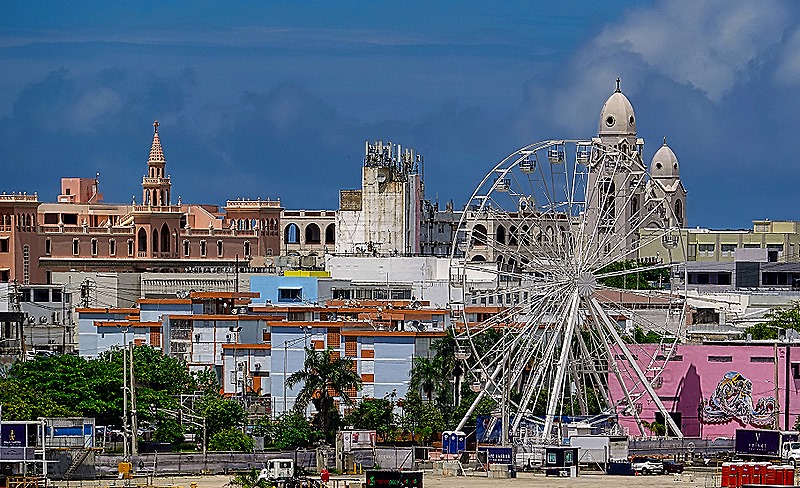
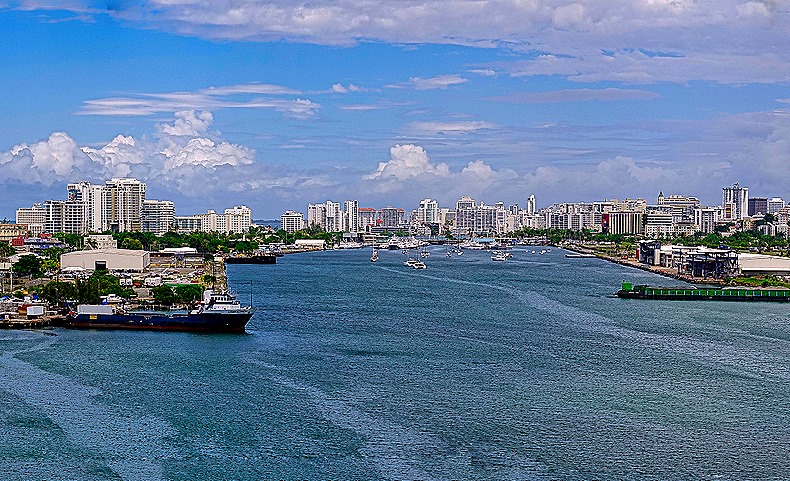
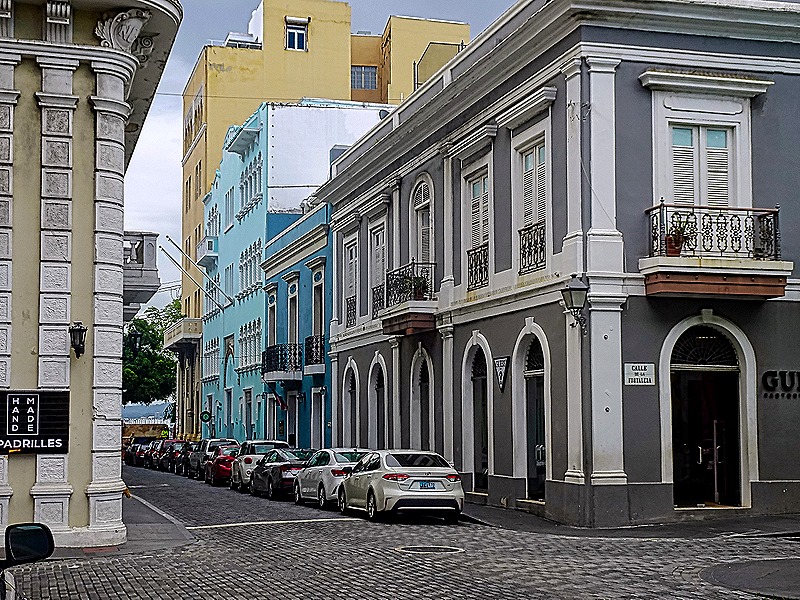
Because we arrived late in the day there wasn’t time for any real sight-seeing or adventures, so our plan was to walk through the old town and return to the lovely restaurant and Anita’s gelato place that we enjoyed so much on our last visit in 2022. This was our first stop in the USA, which meant that we had to pass through customs here, much easier than doing it in Florida with crowds, lines and baggage. Before long we, along with Bill and Robert, were on our way. Walking through the streets of old San Juan is really one of the best things to do here because they are lined with colonial style buildings painted in a variety of bright colors.
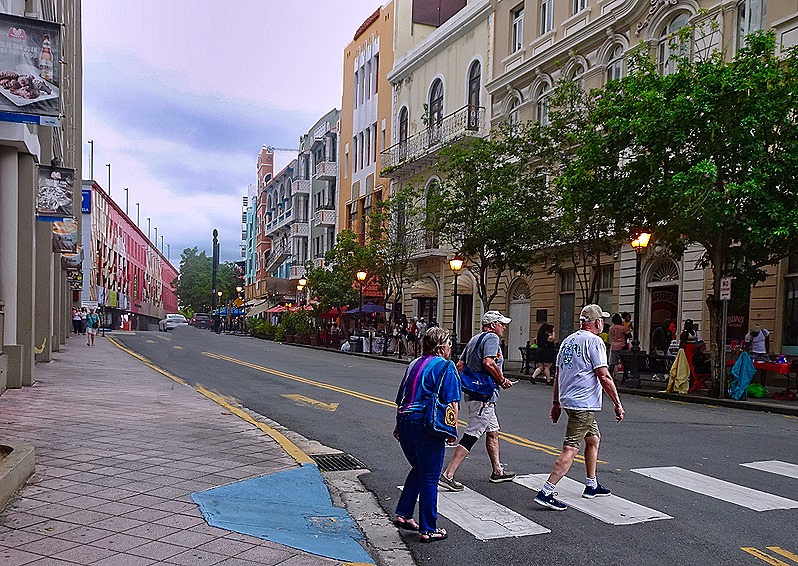
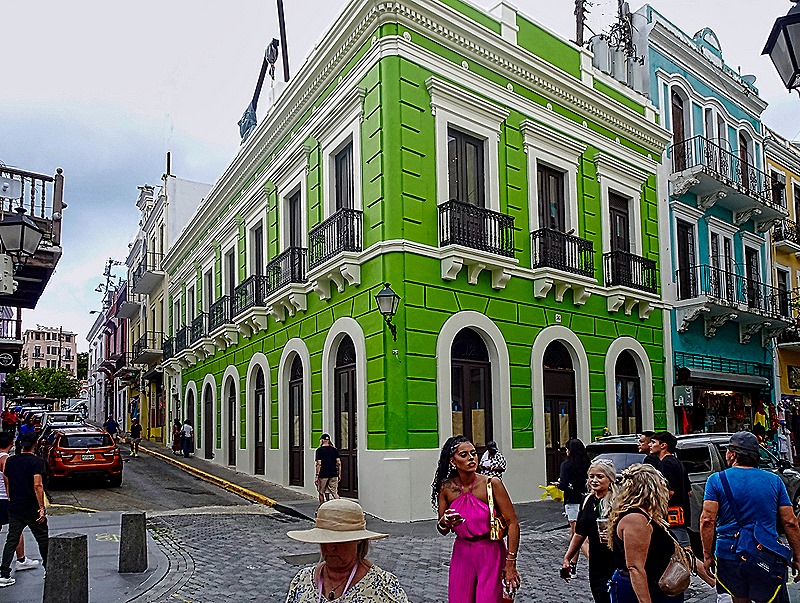


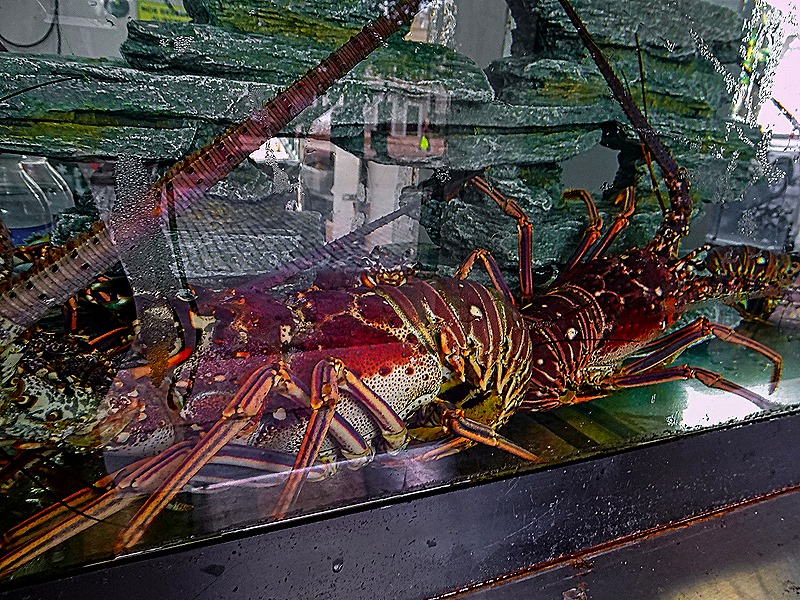
Its a good thing we enjoy walking these streets because when we reached the restaurant we found that the entire street for several blocks had an electrical blackout for some reason. So much for our original plans! We walked on for some time looking for a restaurant that appealed. We walked along the street on top of the hill, where we saw Ponce de Leon and the Plaza del Quintro Centenario (built in 1992 for the 5th centennial of Columbus’s first voyage), both of which we had visited in 2018. We walked by one restaurant that had lobsters in the window.


We ended up (finally) stopping into a restaurant called La Mallorquina for a very late lunch. It is, we understand, the oldest restaurant in San Juan still in operation (although it changed hands and was closed for a few months for renovation about 10 years ago). It dates back to 1848, when it was opened by immigrants from Palma de Mallorca (the restaurant’s name means “woman from Mallorca”) and it still features Spanish food along with Puerto Rican. It was a very good choice, not only for its historical significance but also for its good food, very friendly staff and warm old fashioned ambience.
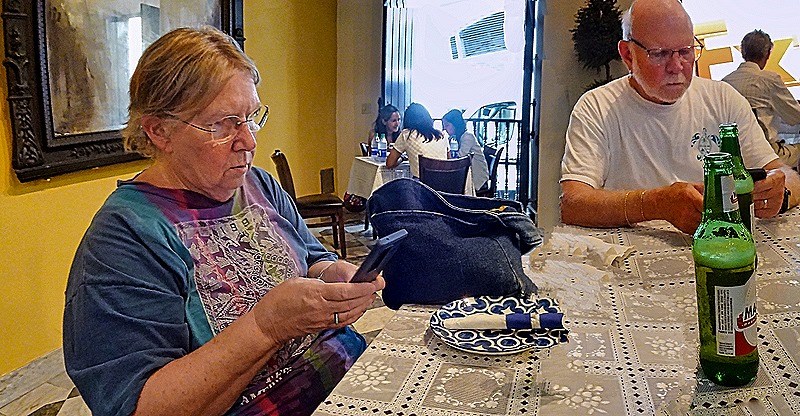
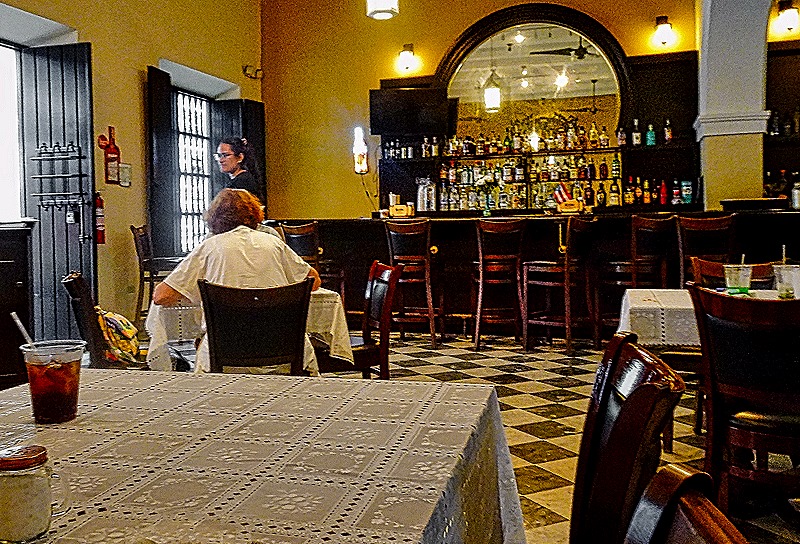
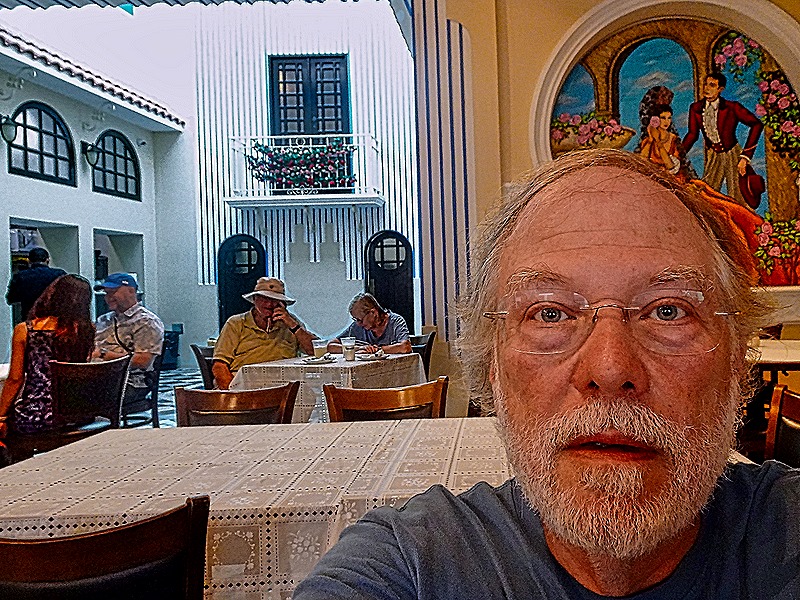
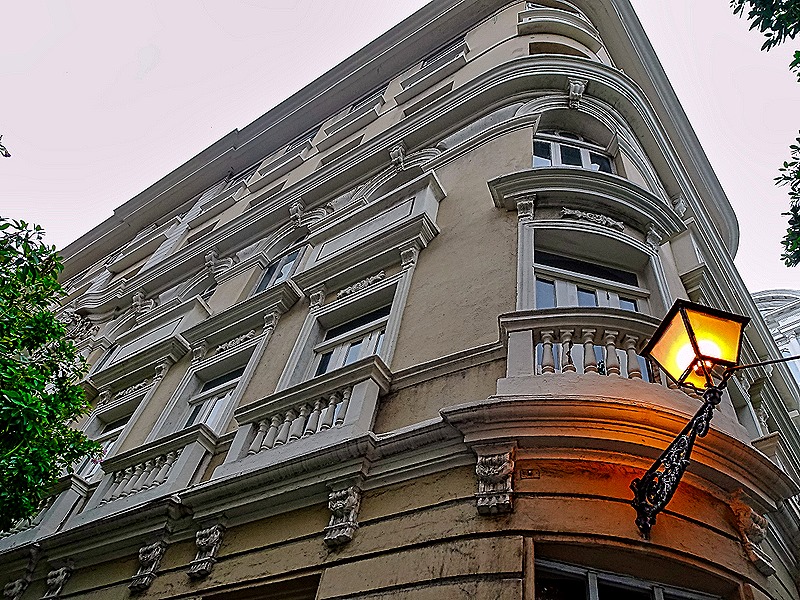
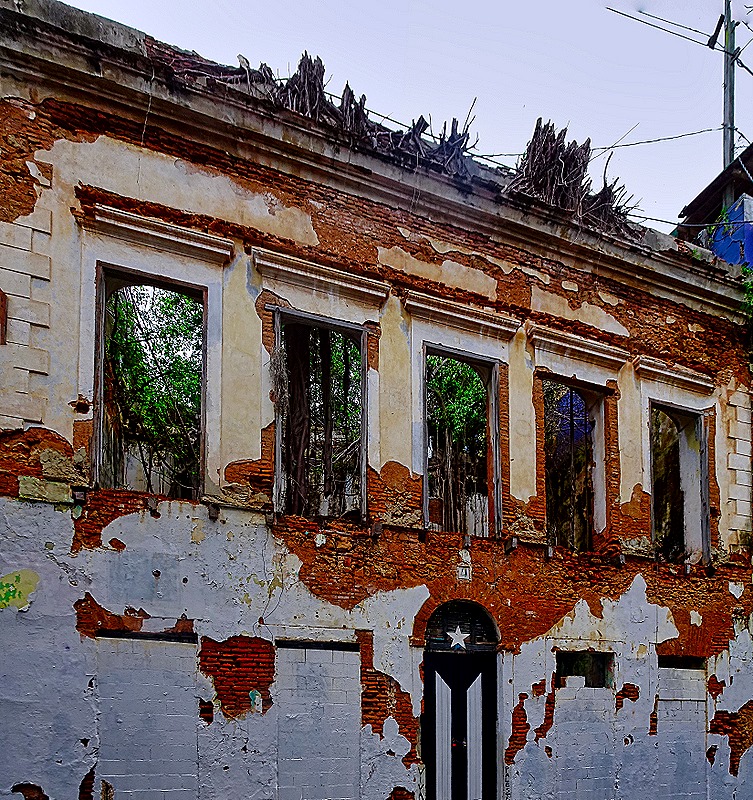
When we left the restaurant we headed downhill back toward the ship. We were almost there when Rick suddenly noticed that he didn’t have his jacket. He had draped it over the chair in the restaurant and hadn’t noticed it there as we left. So the two of us turned around and walked all the way back to the restaurant (mostly uphill). When we arrived our waitress brought it right out to us; she had apparently been expecting us. Not sure it would still have been there in some places we have been before. So we turned around (again) and walked back to the ship. Between the restaurant and the ship we passed an interesting building and an unusual palm tree shaped like a Japanese fan (we have seen these before but not often and this was a particularly nice one).


So ends our day in Puerto Rico, our last stop on the way back to Ft Lauderdale where this voyage, our longest so far, began more than four months earlier. It had many ups and downs, but the ups far outweighed the downs. I wish we could leave you with one final spectacular sunset, but since it was well after dark before we sailed away that is not possible. So instead, here is a picture of El Morro taken in the morning that shows what it would have looked like if we had sailed away during the day.
Mindelo, Cabo Verde — 2024
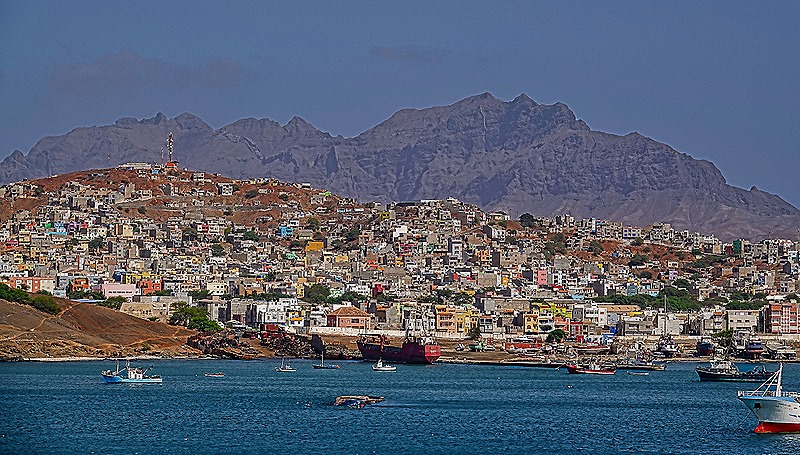
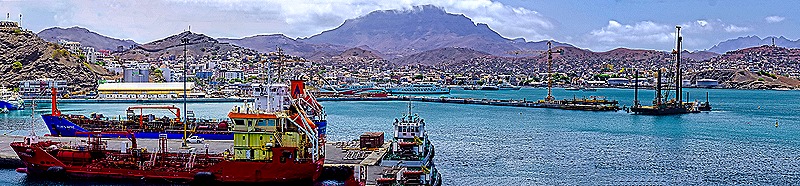
We docked in the bay near Mindelo on the morning of May 3. Dating to the late 18th century, Mindelo and the other islands in this archipelago were settled by the Portuguese, and today Cabo Verde (Cape Verde Islands) is an independent country. It was a beautiful day and there was quite a nice view of the town from our veranda.
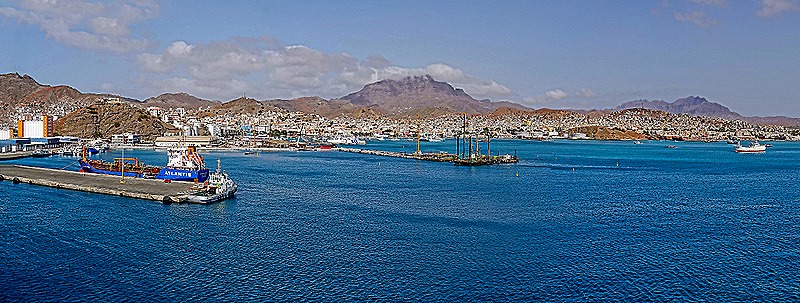
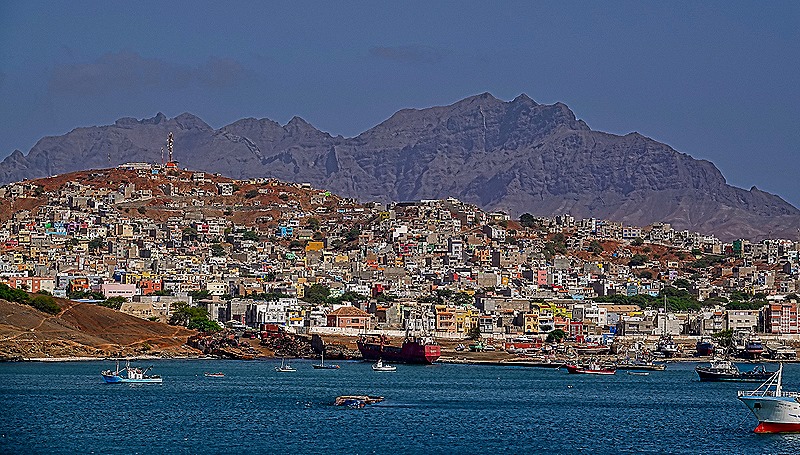

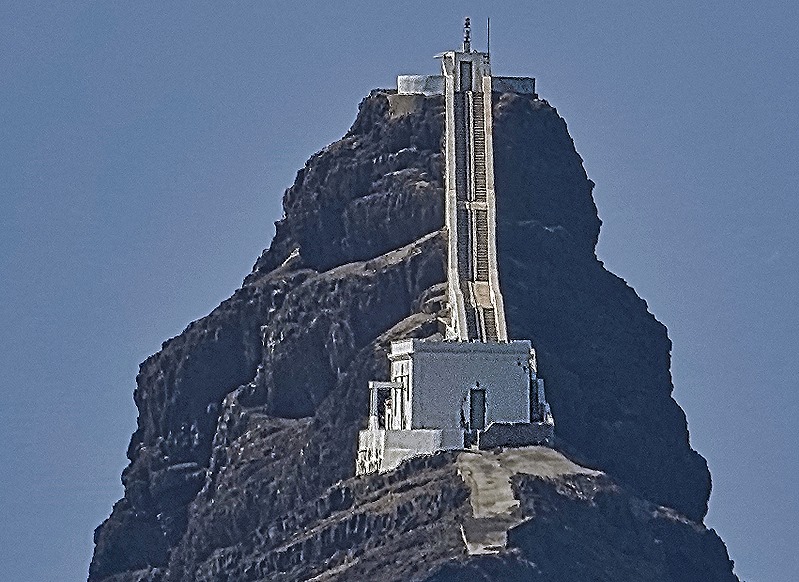
In the bay was a conical rock island that has been turned into a lighthouse. And on a mountainside on shore was an old fortress.


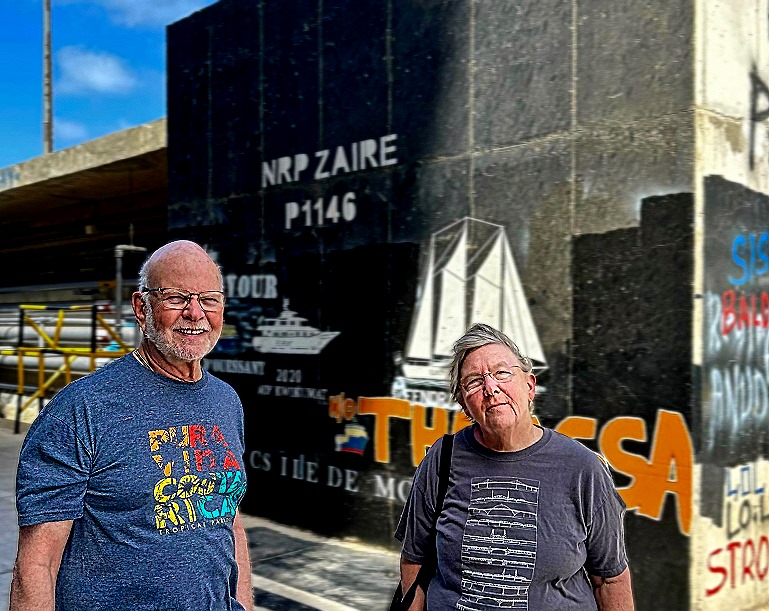
We had visited here once before, in 2022: https://baderjournal.com/2023/04/26/mindelo-cabo-verde-2022/ . On that occasion we walked around the town (population about 70,000) on our own with Bill and Robert. When nearing the end of a long voyage like this one it would take something pretty special to entice us to book yet another bus excursion and nothing available here was on that level for us. We were scheduled for an early departure anyway, so we would have had to be back to the ship before 2:30, which would be a restricted time for an excursion. So we went into the town with Bill and Robert again and walked around. It is a nice enough city that doing this again was still enjoyable. There was a shuttle bus from the pier to the middle of the downtown seafront that dropped us off near a large statue in the water of what appears to be a sailfish. Before boarding the shuttle, though, we debarked from the ship near a long open building housing pipes that had a series of intermittent walls painted by the crews of visiting ships.


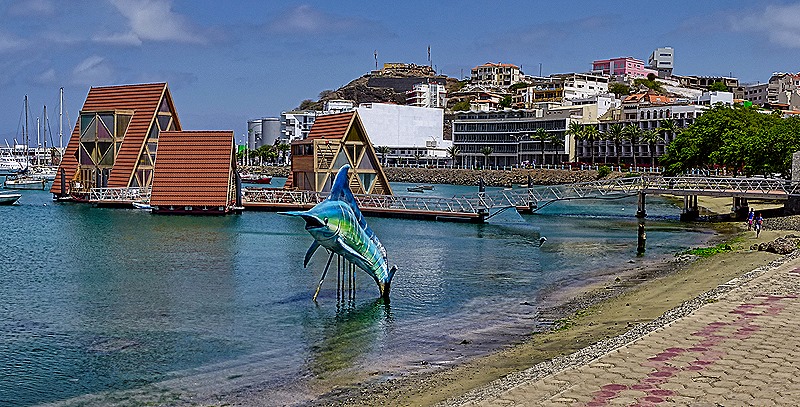
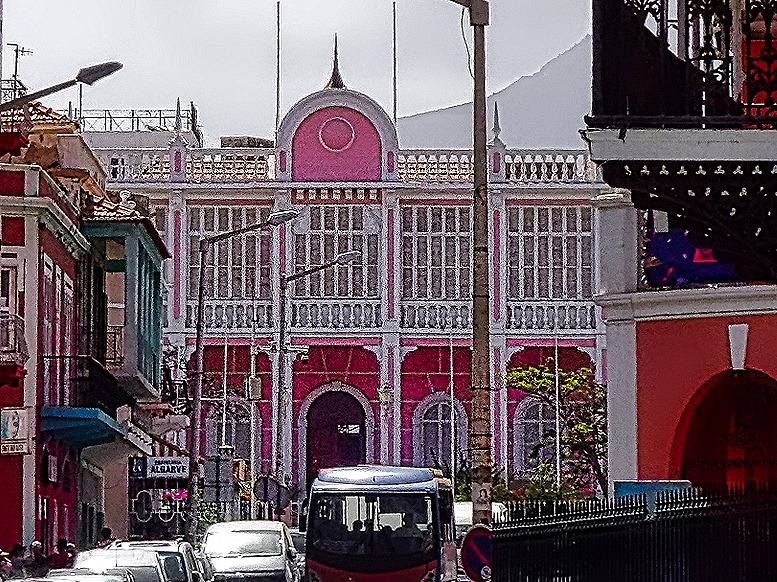
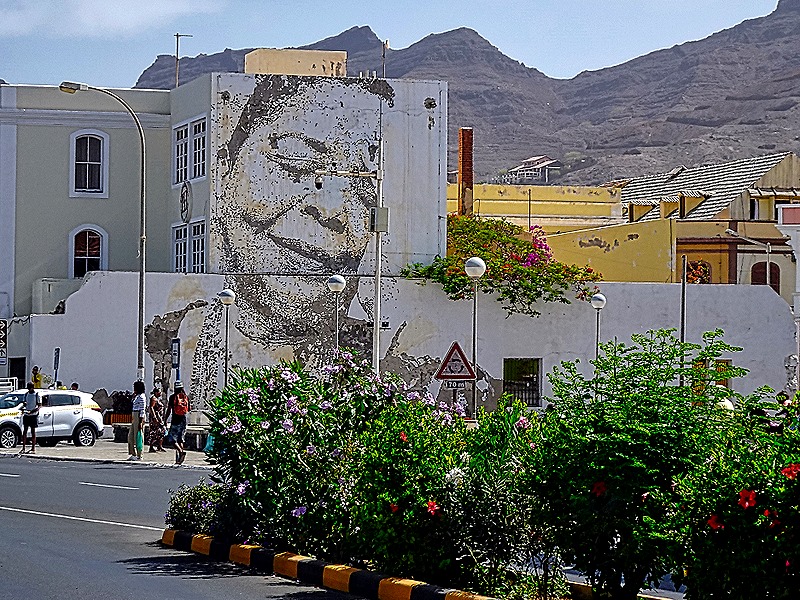
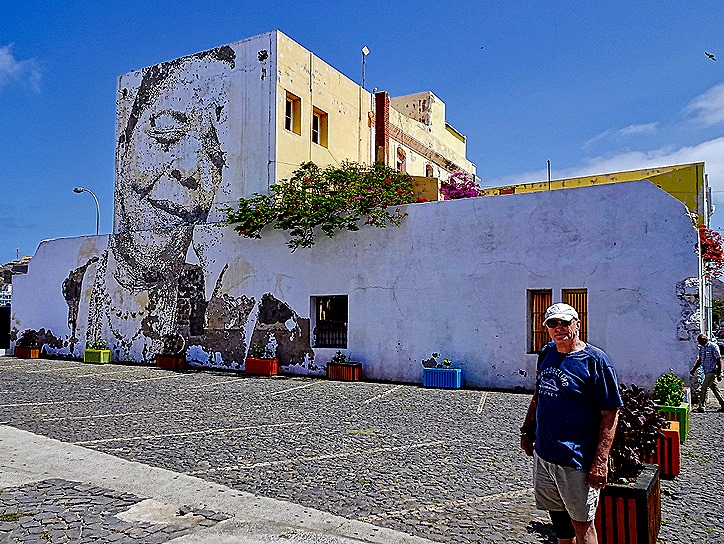
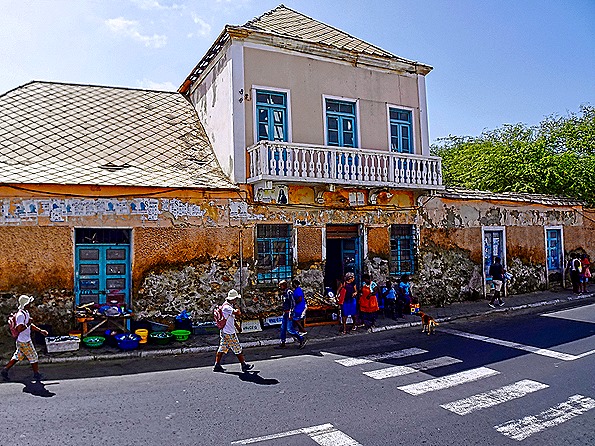
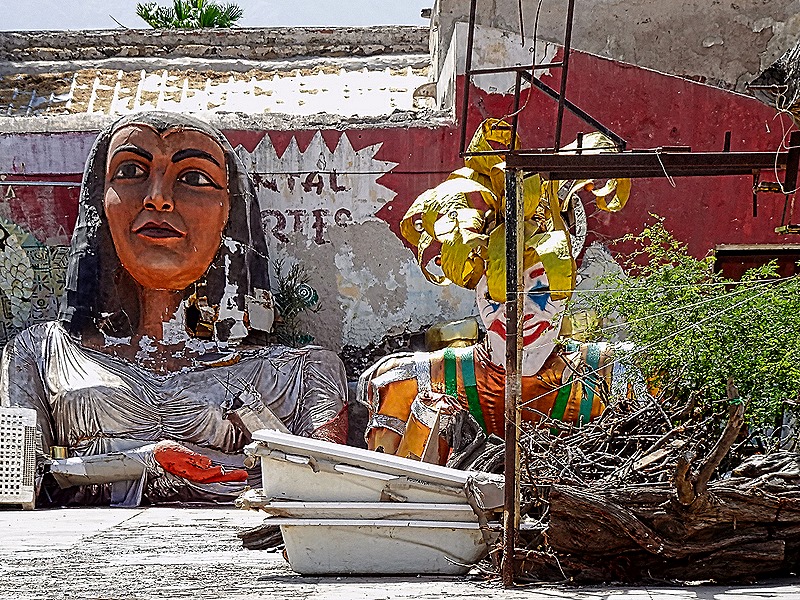
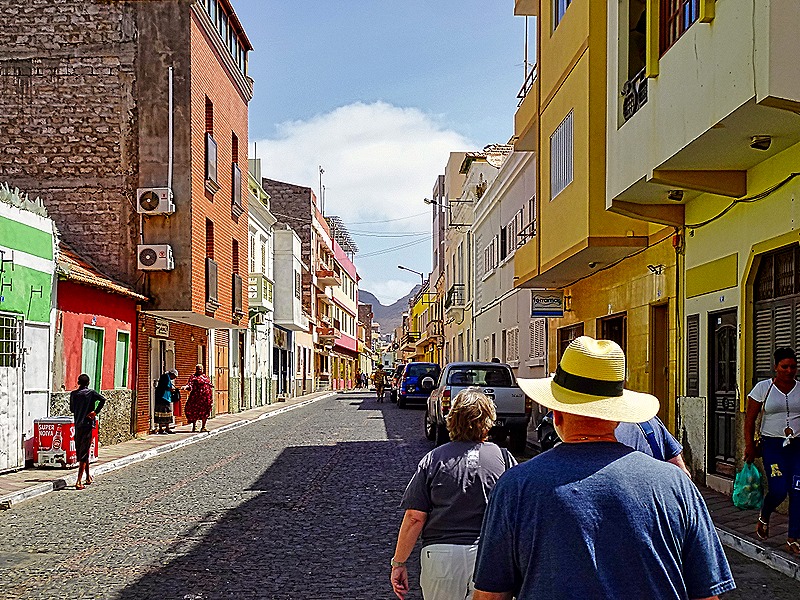
Mindelo is a a very nice walking town, open and airy with buildings painted a variety of bright colors and many flowers. Some areas could benefit from a little more maintenance but that is true of many, if not most, cities in our experience. We walked past the old (closed) public library, which has an impressive mural on one side of Cesária Évora, Mindelo’s favorite folk singer, who died in 2011. We passed the shocking pink People’s Palace, built in 1874, and also what appeared to be an outdoor storage area for floats used in Mindelo’s celebrated Carnaval.

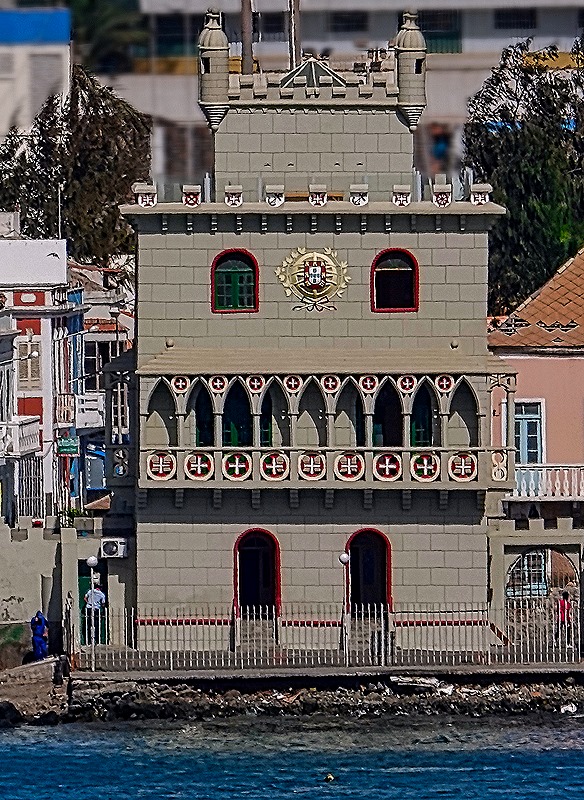
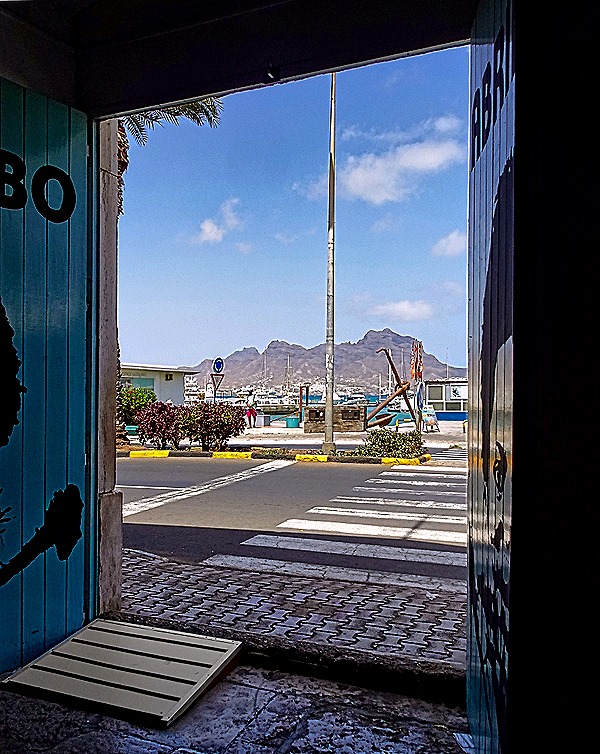
Probably the most striking feature on the waterfront is a three story tower built in 1921, modeled on the Tower of Belem in Lisbon. It houses a museum but we just went inside and admired the view of the bay through the waterfront door.

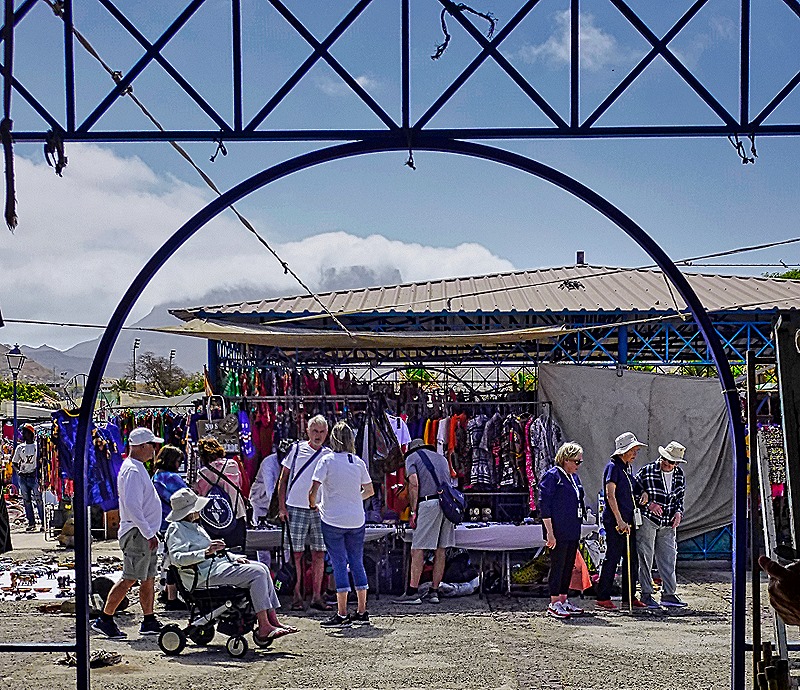
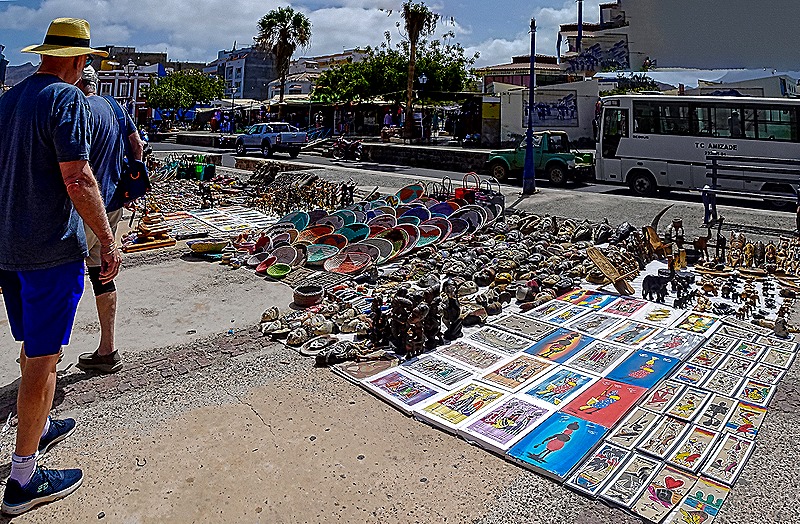
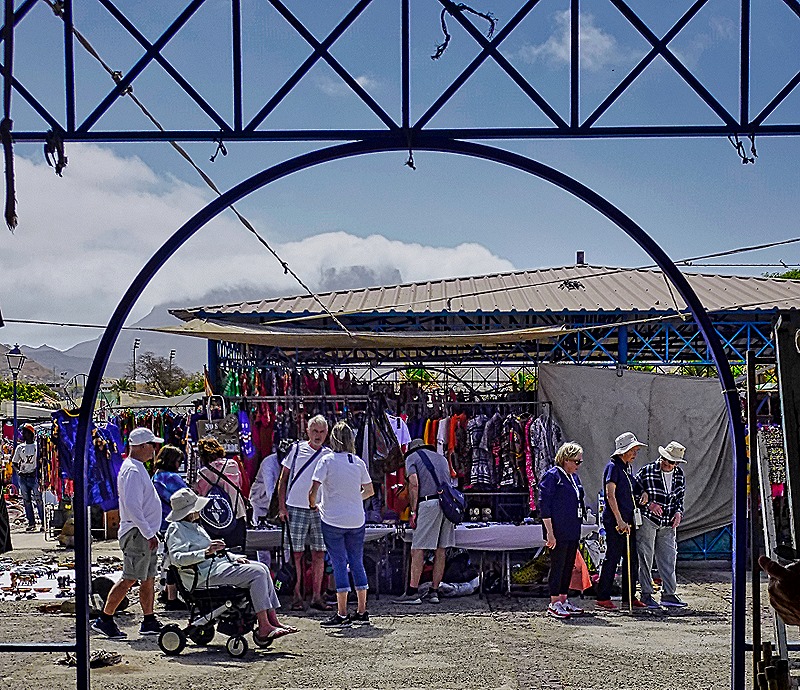
The marketplace has a number of vendors, some outside and some under cover, selling everything from wood carvings to baskets to clothing. Of special interest were several large blue and white Portuguese style tile displays on the walls of the market buildings, depicting (we think) some historic scenes of this area.

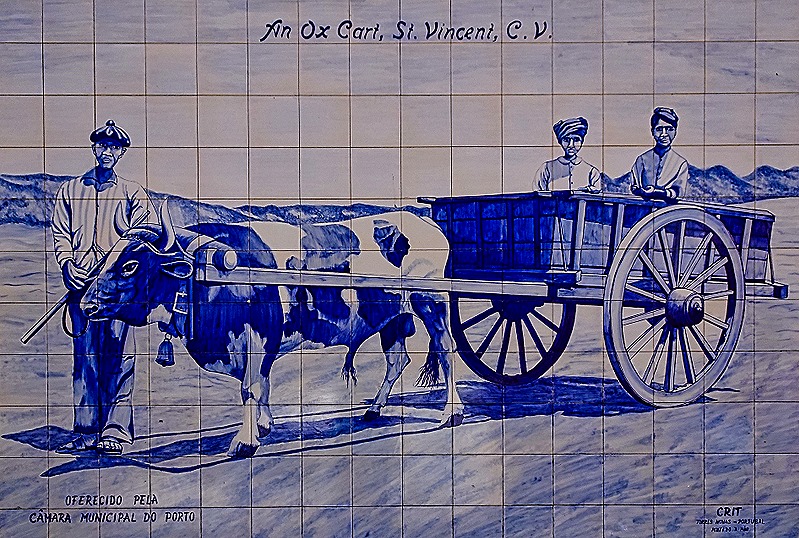


We walked along for a while, then went into the Mindelo Cultural Center (Centro Cultural de Mindelo) facing the waterfront. Inside were some craft shops and, lo and behold, the public library! We knew its old location was closed but didn’t know where (or if) there was a new one. Robert stumbled upon it here by happenstance. It seems much smaller than the previous location, probably with a lot fewer books, so hopefully a larger home will be found eventually. Still, with its second floor on a raised platform inside the high ceilinged room, it was an interesting space. A variety of artworks was mounted in the building (outside the library) and, as at the tower, there was a nice bay view out the front door. While we were resting up to leave the building Robert took pictures of both of us.


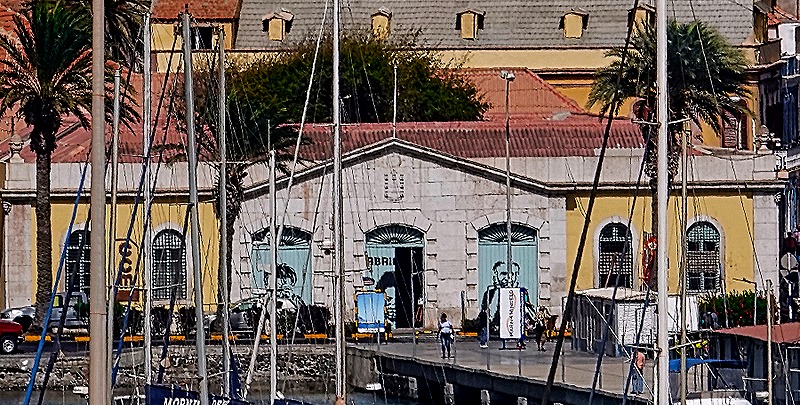


As mentioned above we had an early departure today so we took the shuttle back to the ship to be in plenty of time. Before boarding we took pictures of some of the crew painted walls on the building across the pier.
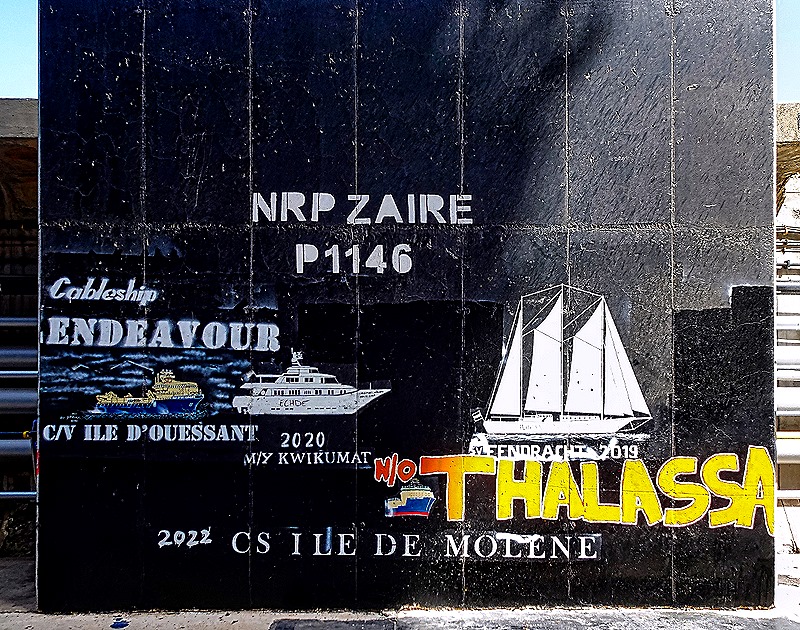
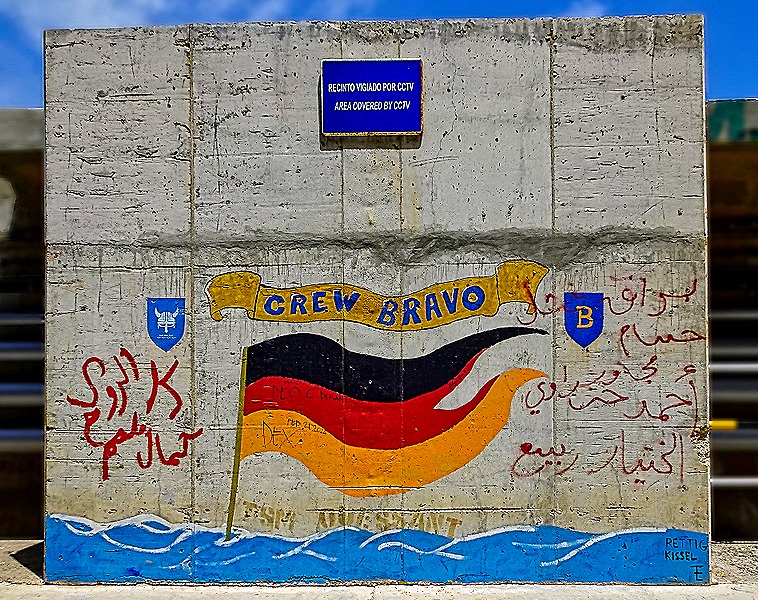
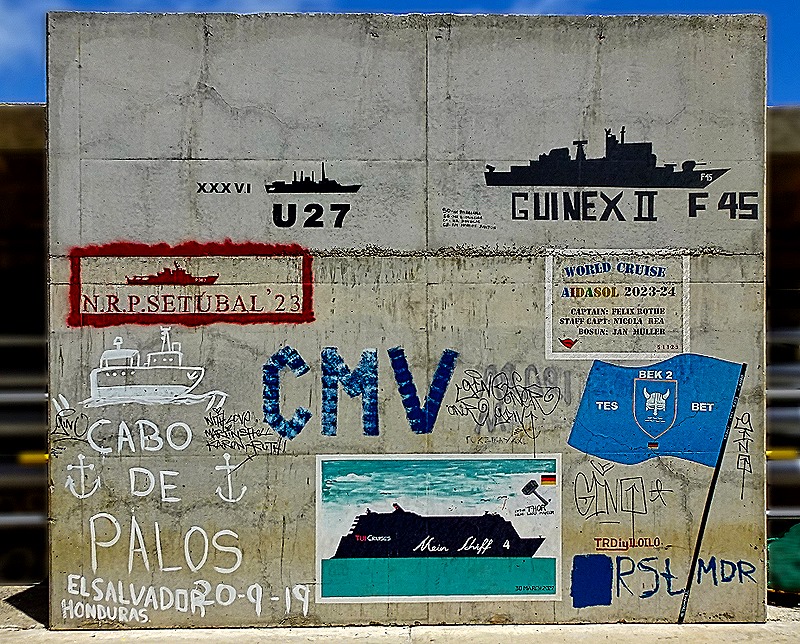

That was the end of our visit to the last foreign port on this long voyage. We set sail in mid afternoon for our final port before reaching Florida again. It would take four sea days to get there. One last look from our veranda before we departed.

Banjul, The Gambia — 2024
After three more sea days we reached Banjul on May 1. The Gambia is a tiny country in northwest Africa whose land borders are completely surrounded by Senegal Not only does The Gambia have about the highest visa charges on this voyage ($145 per person, if memory serves), but you have to pay it even if you don’t leave the ship and step foot in their country. We saw a lot and had a very good time the first time we visited here in 2018, and you can read and see a lot more about this country in that blog episode. https://baderjournal.com/2018/09/05/banjul-the-gambia/ But this time we decided once again to forego the badly overpriced excursions, none of which really appealed to us anyway, and stay on the dock. We had thought about taking the shuttle to the market and walking around some of the city on our own (especially to see the library, of course), but we were warned this wouldn’t really be safe so we passed on it.
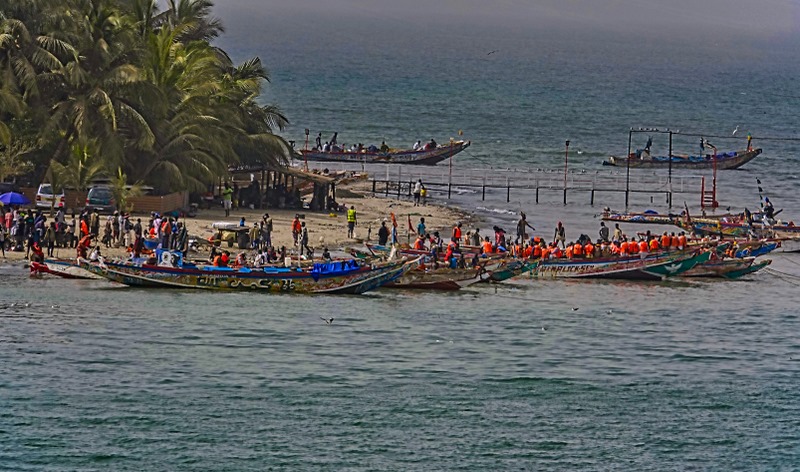
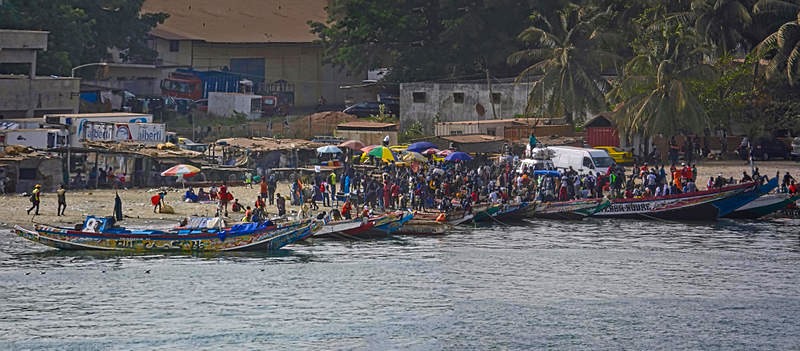
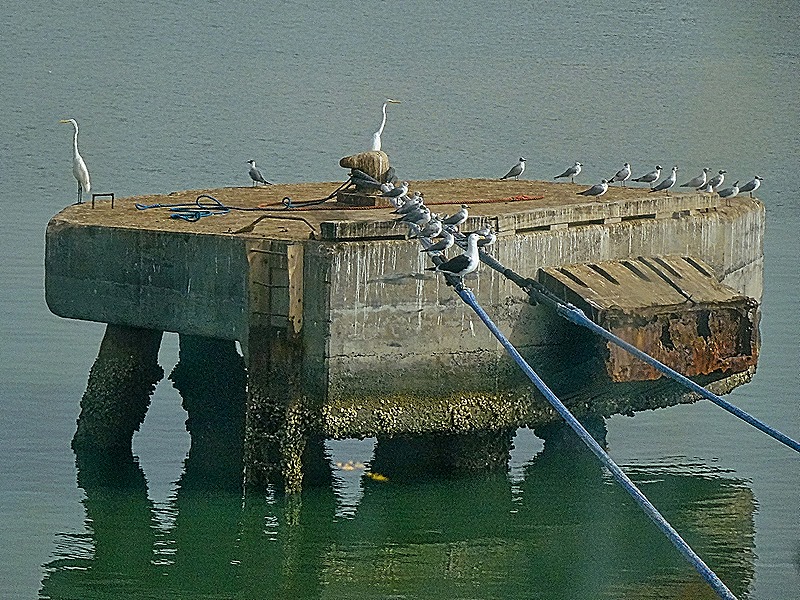
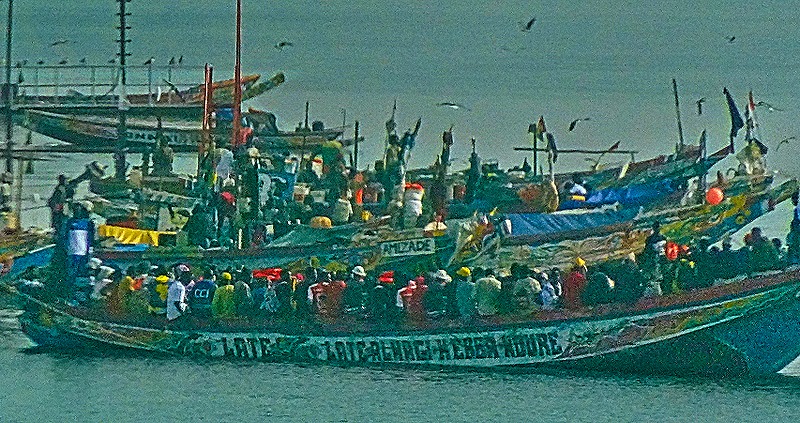
We had a leisurely breakfast in the main dining room. Sitting by the aft windows we had a very nice view of egrets and gulls in the early morning light sitting on a platform in the water to which our ship was tied up. Beyond that we watched commuters piling into open boats called pirogues that would take them to their places of employment.

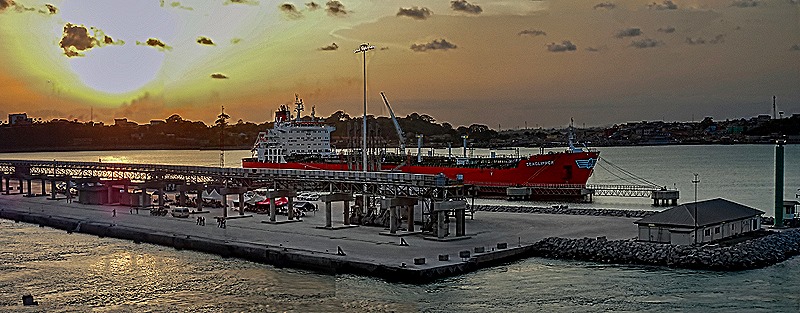
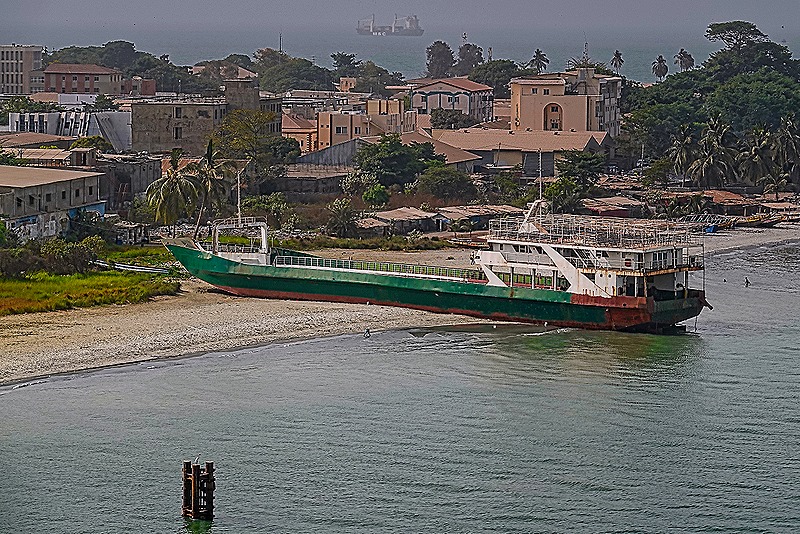
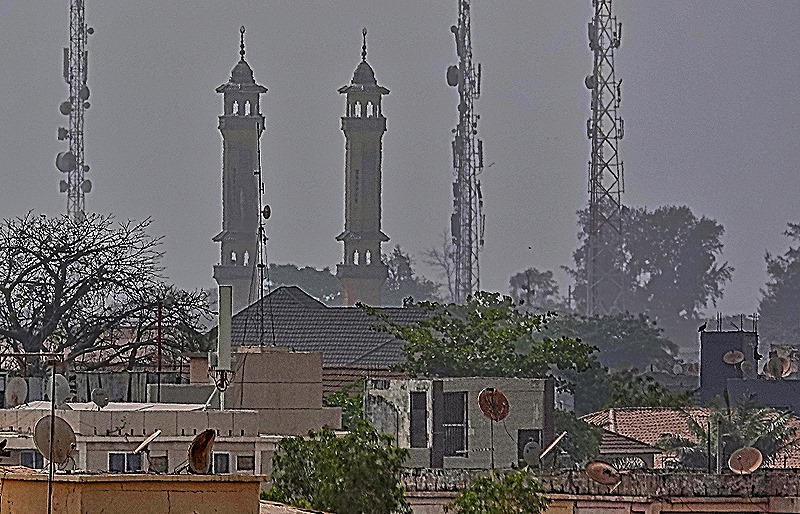
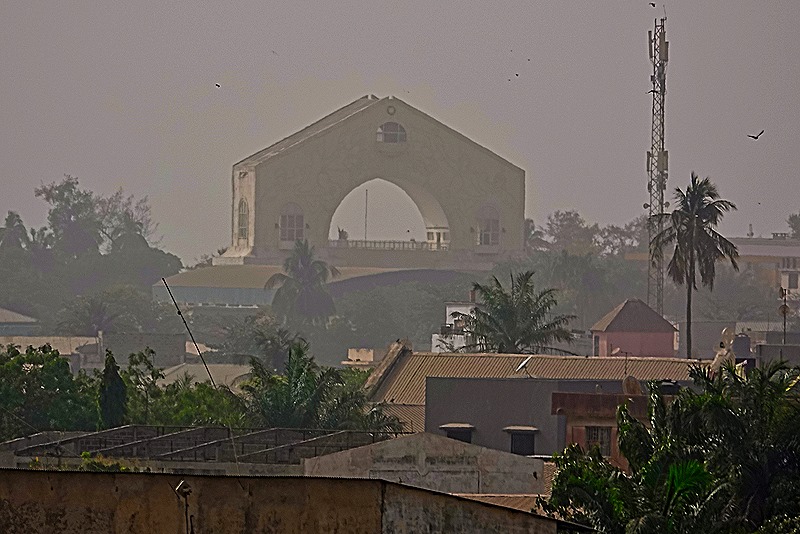
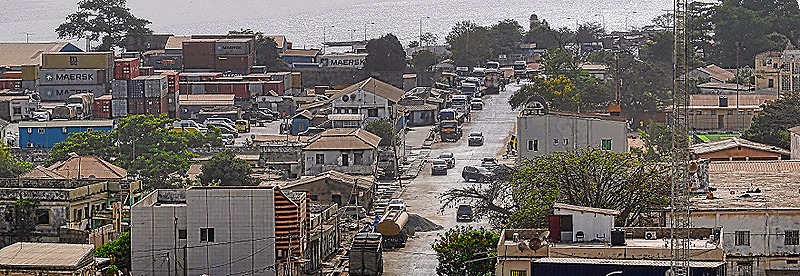
From the ship we had a good view of the port area, which has a causeway over the water to reach the city. It was a pretty foggy day, but in the distance we were able to see the towers of a large mosque and Arch 22, a monument to the coup in 1994 that installed a dictator who ruled Gambia for the next 22 years. On the opposite shore was a large boat pulled up onto the sand and we also had a view of a street and houses located near the port.

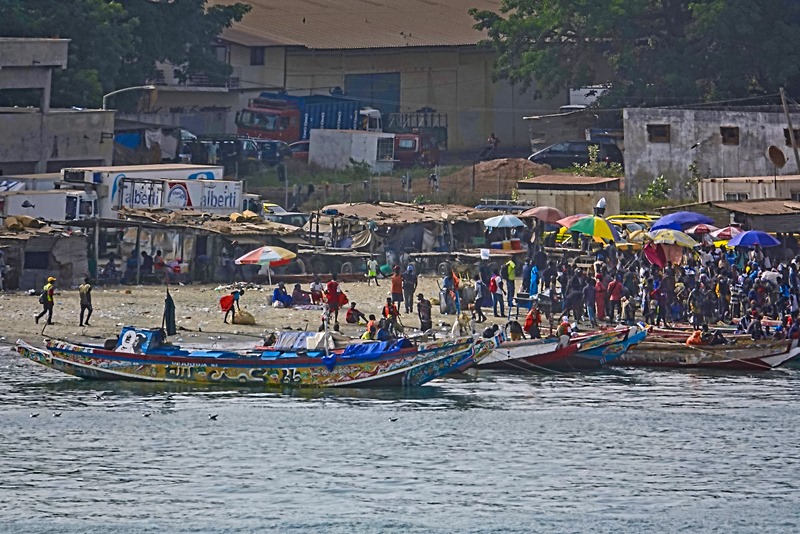
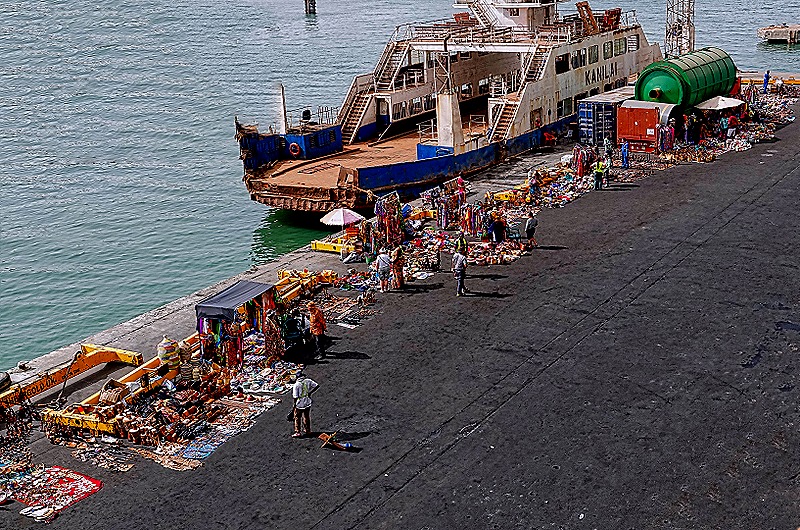
In addition to the pirogues there were larger ferries at this port. One of them was named the “Kunta Kinteh,” which you may recognize as the main character in the book and TV miniseries “Roots.” Kunta Kinteh was an actual person who was captured and sold into slavery from the Gambia. There is also an island nearby that is named for him.


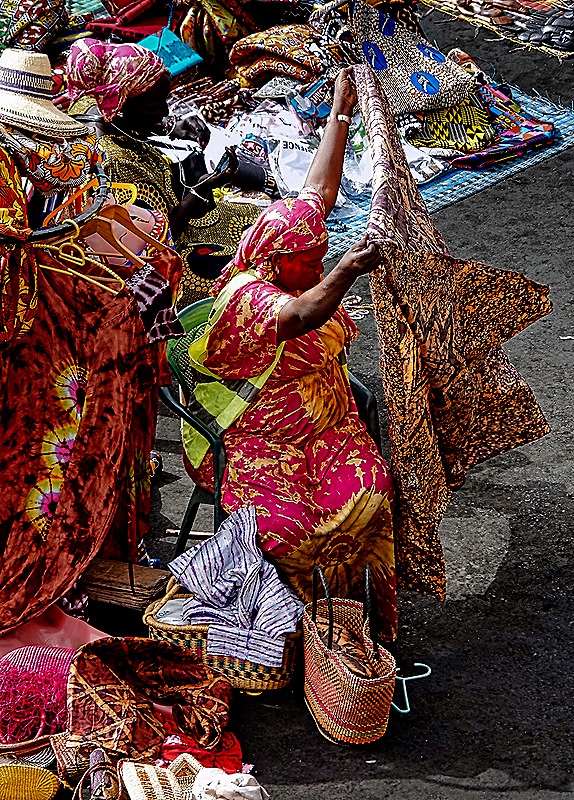
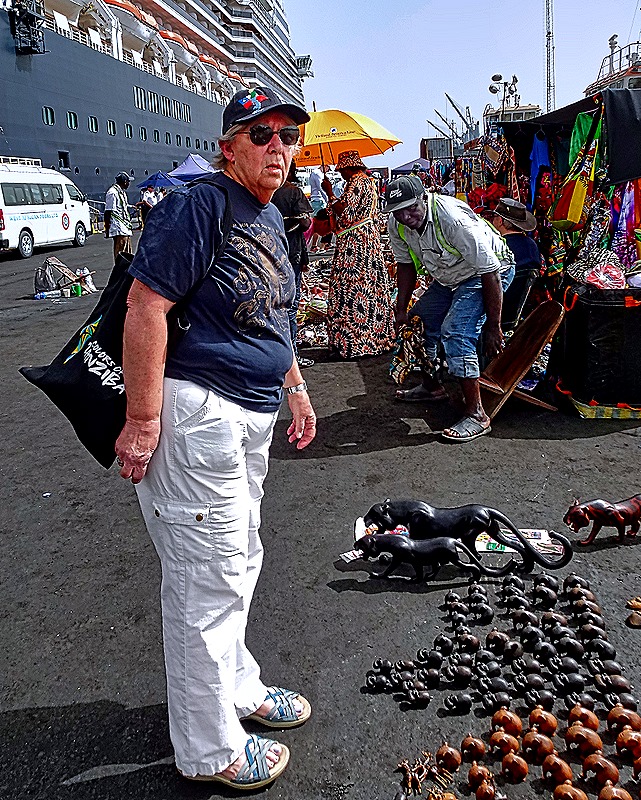
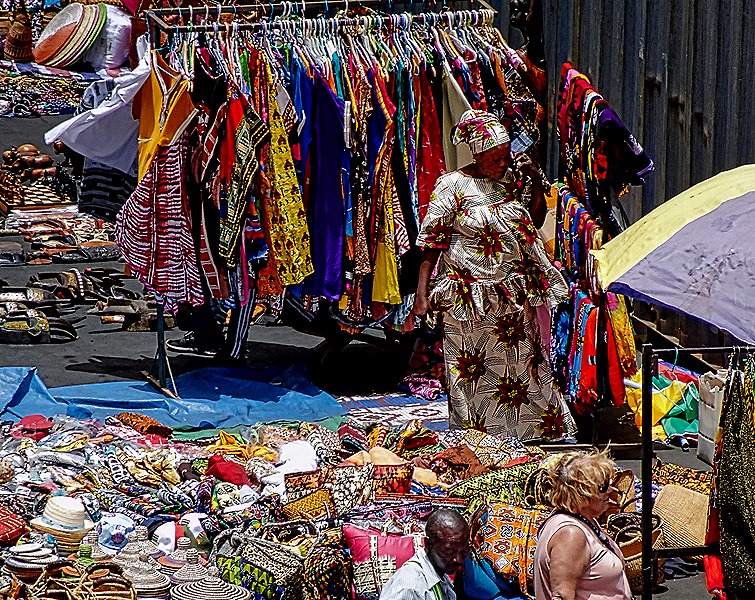
As in Ghana, a large vendors’ market was set up on the dock in front of our ship. You could buy just about any kind of African arts & crafts, from masks to carved animals to clothing to baskets. Bargaining was very much in order, but the vendors were friendly and not demanding. We went out on the dock for a while to explore the market.



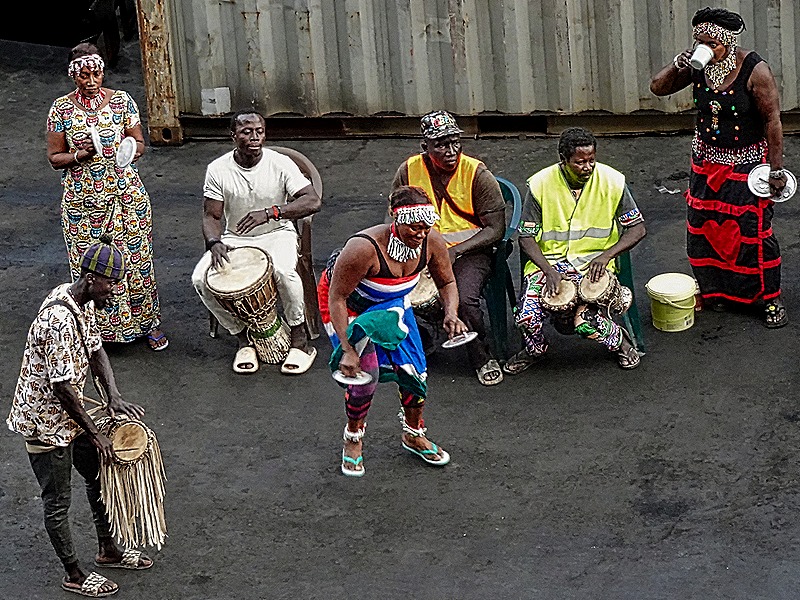
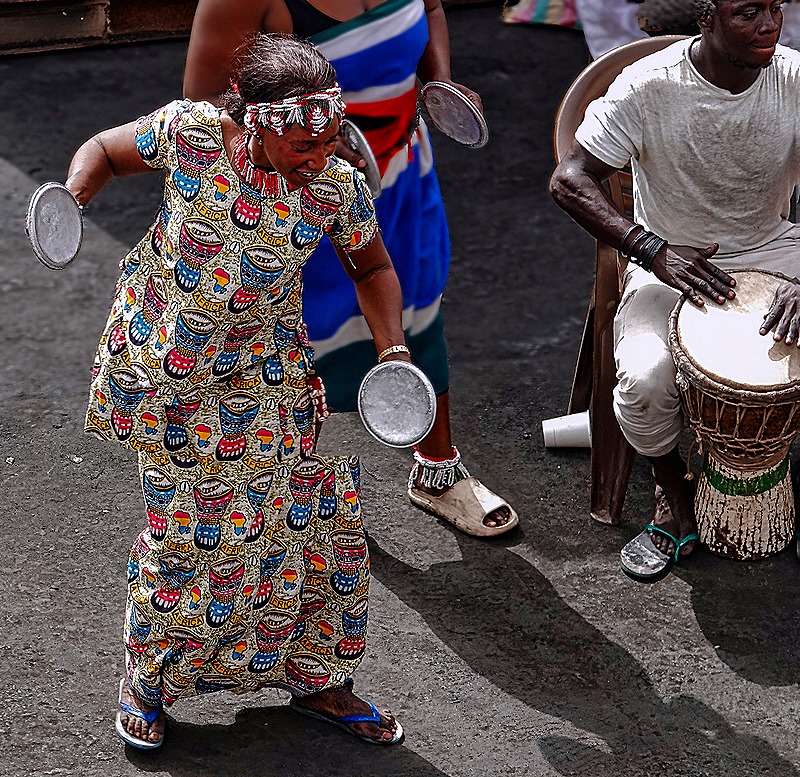
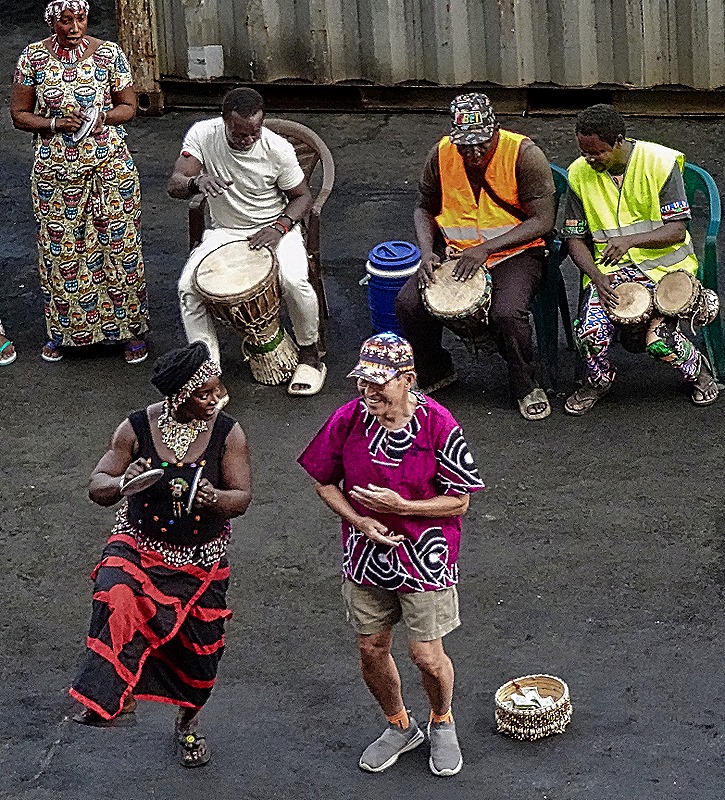
Also on the dock near the ship was a group of drummers and dancers. They had a lot of stamina, performing pretty much all day with very little in the way of breaks (although the dancers took turns to get a breather). We saw one passenger who joined in the dancing.


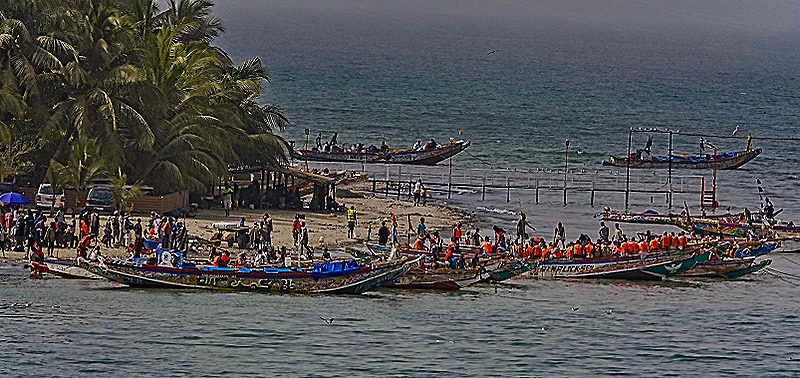
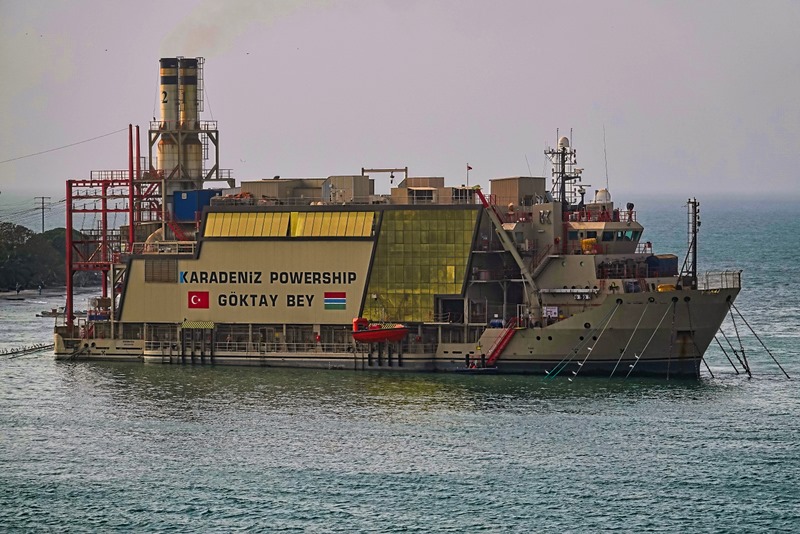
The Banjul port is located up the Gambia River from the coast. The river is 700 miles long but we docked near the beginning, maybe a mile or two from the coast. But still, arrival and departure times here are always subject to the tides. In 2022 we had to skip this port on our itinerary because of the tide schedules. So when the tides were right we sailed away, probably around 5 or 6 PM. As we sailed down the river we saw pirogues by the shore as in the morning, probably bringing back the commuters they transported in the morning. We also passed a Turkish power ship. We have seen these before in Africa so they must be a profitable industry for the Turks. They sit stationary near the coast and provide electrical power for the local city. After that it was clear sailing into the ocean after our last stop on the African continent.


Takoradi, Ghana — 2024
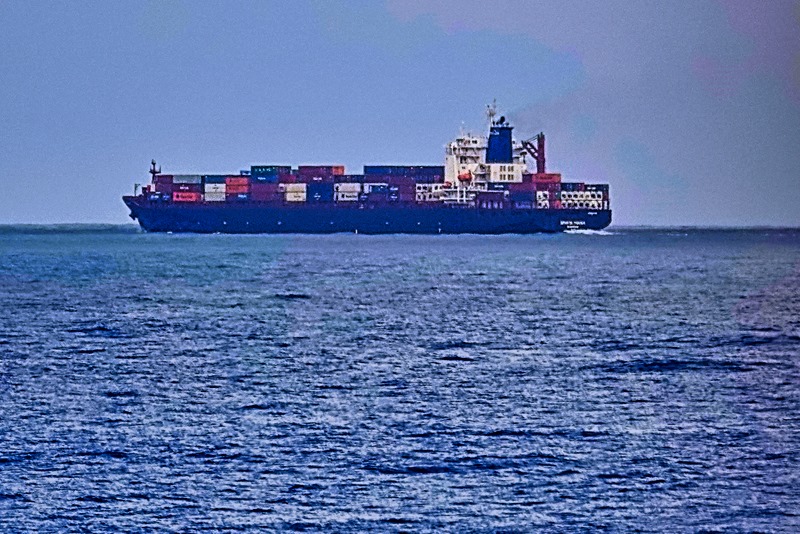
We docked in the port of Takoradi on the morning of April 27 after four sea days. Those of you who have carefully perused the itinerary (probably fewer than one) will notice that the day before this we were scheduled to be at Null Island. The truth is that there is no island at Null Island; that’s why its called “null” . . . you get the joke, right? This is actually the spot in the Atlantic Ocean where the Prime Meridian crosses the Equator, so its zero degrees latitude and zero degrees longitude. There was, we are told, a weather buoy here at one time but we have now crossed this spot three times and seen nothing but water, just like on every other sea day. Our first visit here in 2018 can be seen here: https://baderjournal.com/2018/09/05/ . Our second visit in 2022 can be seen at the bottom of this post: https://baderjournal.com/2023/04/05/luanda-angola-2022/ . There is a good bit more information about this in those posts. For what its worth, here is what we saw this time when we got there:

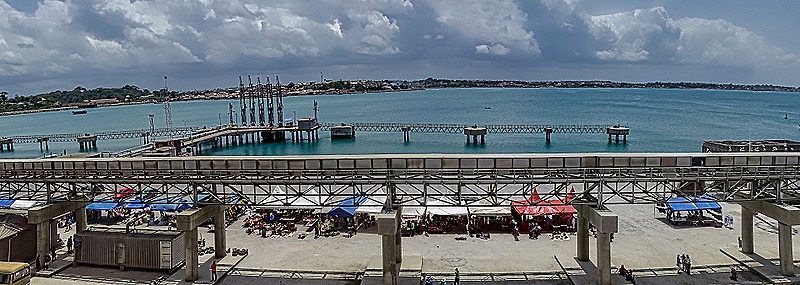
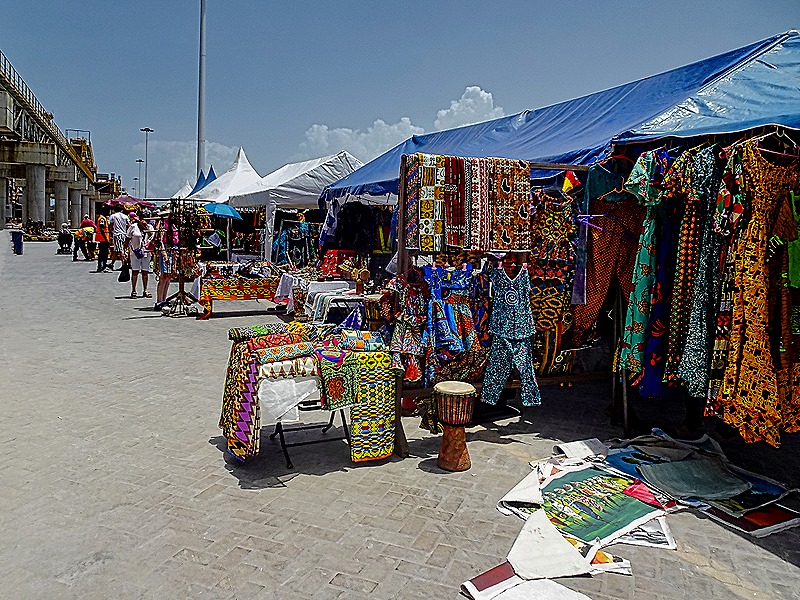
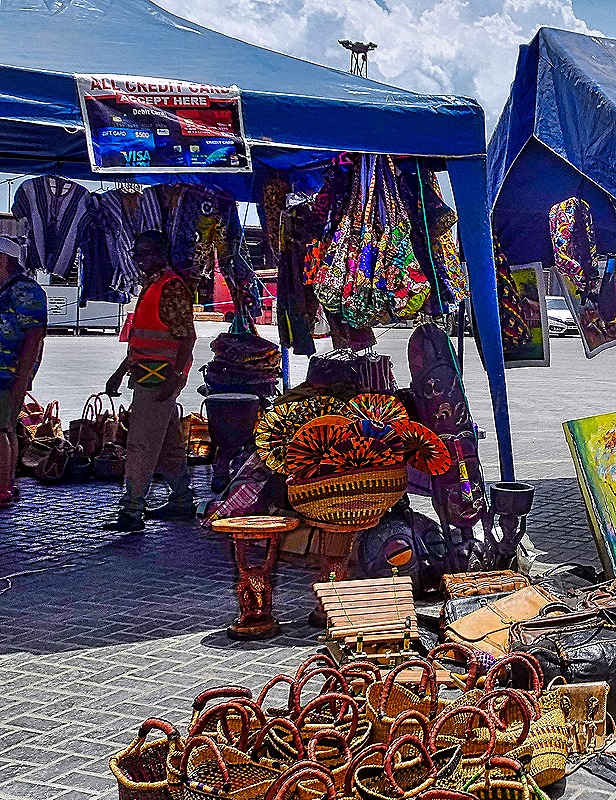
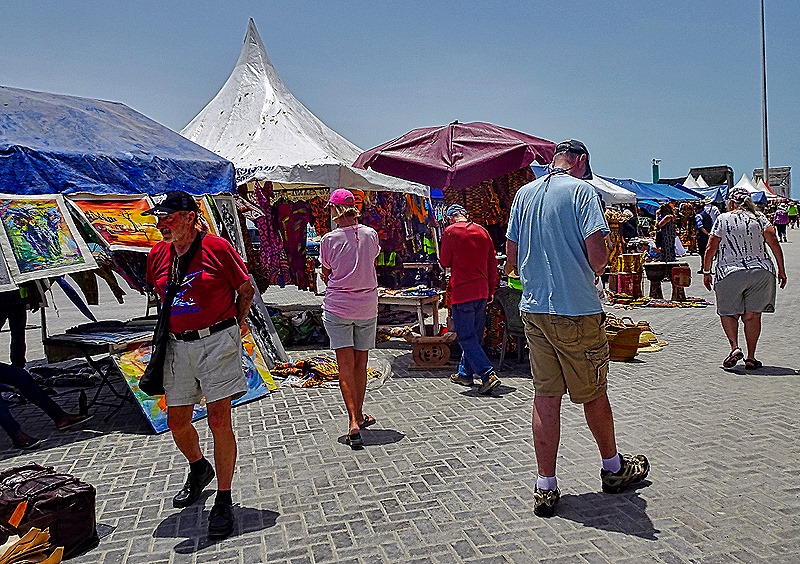
We had been to Takoradi before, just 16 months earlier. On that visit we were on a private excursion that was quite interesting (not to mention somewhat challenging). You can see that, and read a lot more about Takoradi & Ghana, here: https://baderjournal.com/2023/04/10/takoradi-ghana-2022/ . By the time we reached Takoradi on this trip we were pretty tired of bus tours and there really weren’t any offered that piqued our interest. And there was no place to go on foot from this port. So we stayed on the dock. There was a pretty good vendor market set up in tents on the dock for our visit, so we left the ship to spend some time perusing their goods. From our veranda we also saw a local working boat.


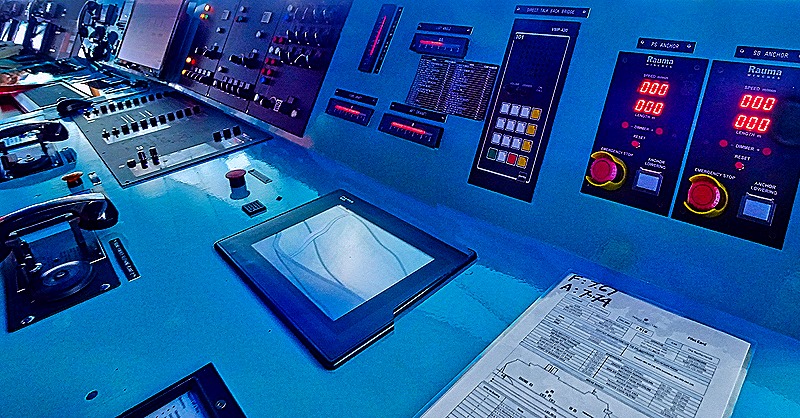
We did have one highlight activity during our day on the ship. It seems they were inviting passengers in groups to tour the bridge, something we had been wanting to do. We aren’t sure whether everybody was invited to do this but quite a few were included. They ran us through in shifts at predetermined times. We were part of a group of about 12 or 15 and if we remember correctly we were allotted about 15 minutes on the bridge before the next group was scheduled to replace us. The bridge is (as you might have guessed if you haven’t seen one) long and narrow with the front array of windows on one of the long sides. There are basically two rows of consoles with many complicated looking bells and whistles and controls. Since we were docked not many officers were needed to handle the bridge (ie. no navigation needed), so most of the people in the room were visitors. A young officer was assigned to explain everything to us and he did a good job on what must have been a trying assignment as tour groups trooped in one after the other. He explained a lot, most of which we have probably forgotten by now. But we do have some pictures. First some general pictures of the navigation consoles.

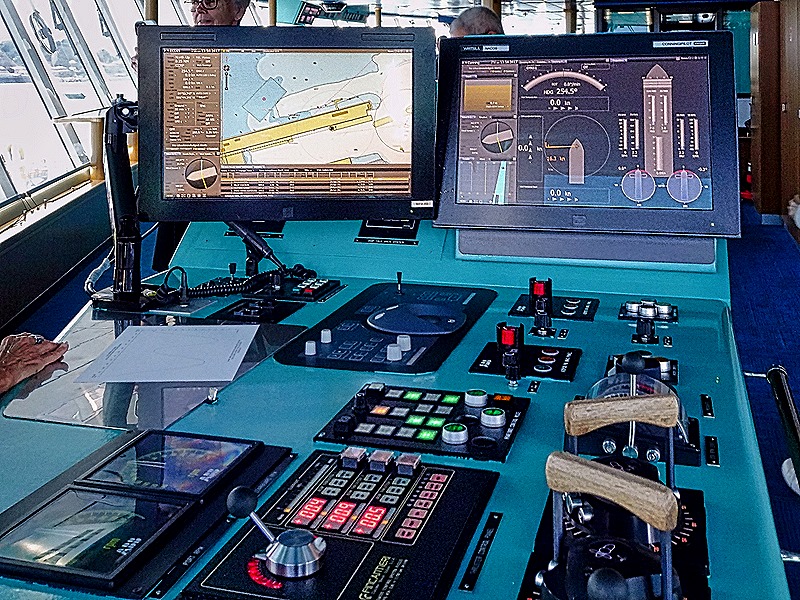

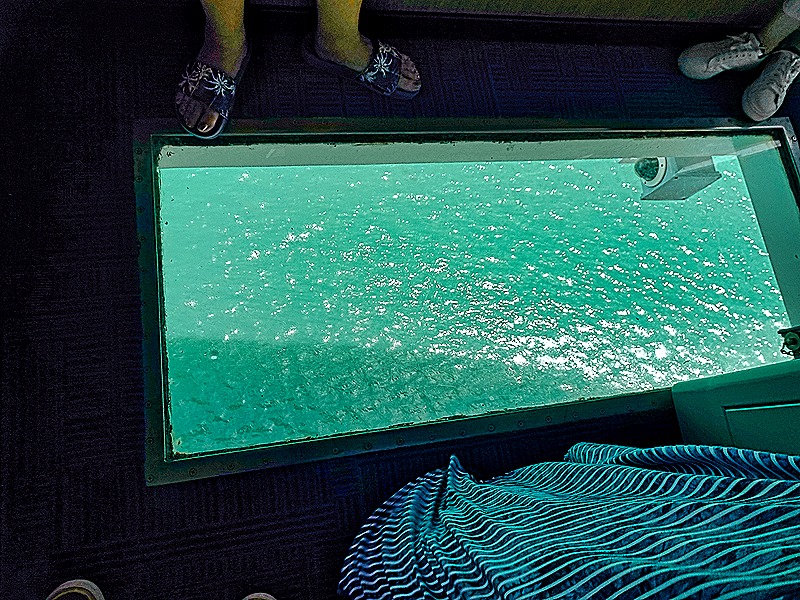
The bowed line of front windows provides a panoramic view of everything in front and curving to the sides. In this case it showed the dock in front of us (we were docked facing the shore). In the floor was a window providing a view of the water below.

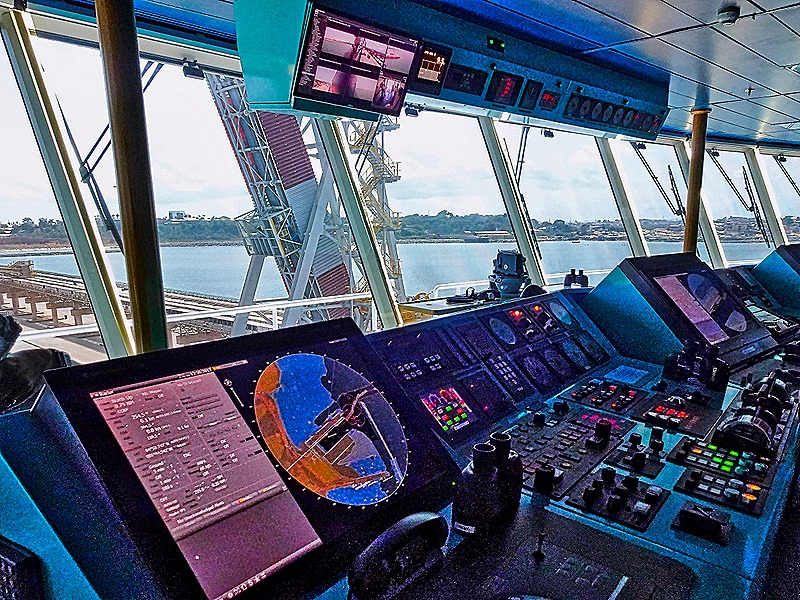
Finally, here is a picture of the young sailor in mid-talk, another of the joystick used for maneuvering the ship especially in tight circumstances (just like a video game), and several closer pictures of some of the lighted consoles.
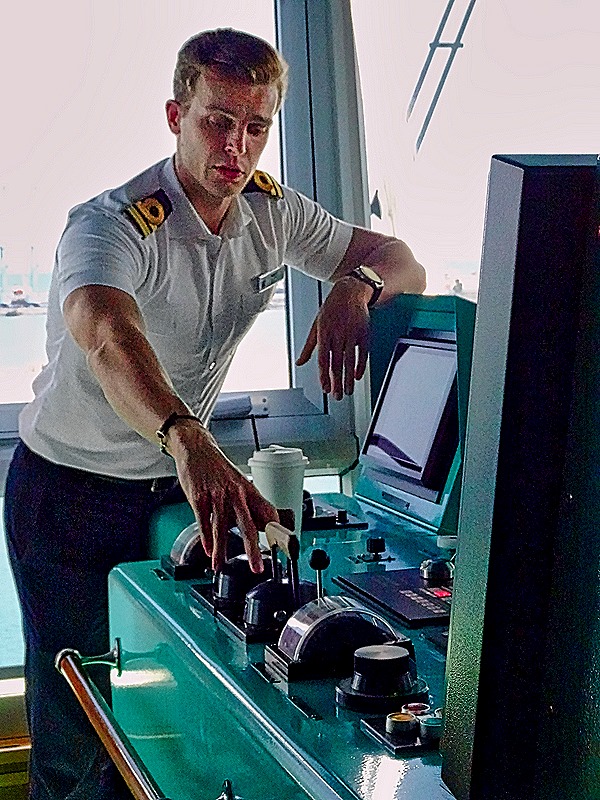
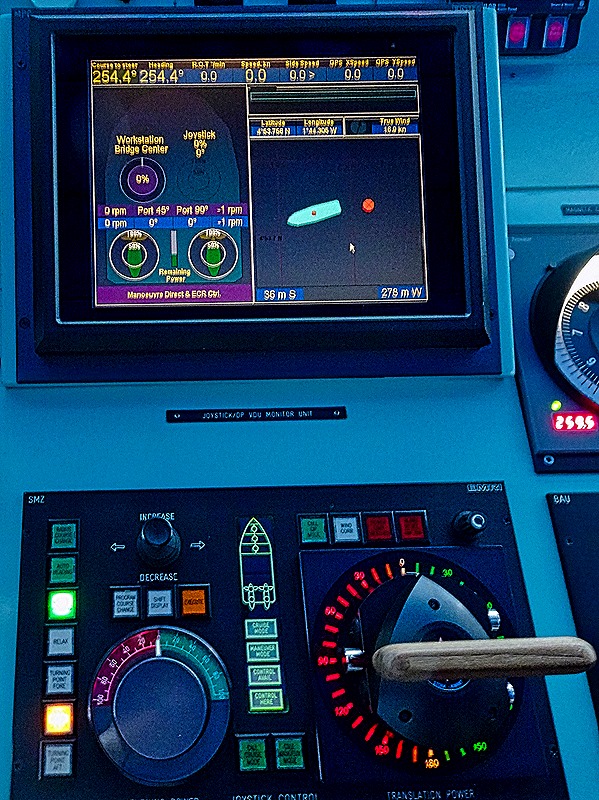

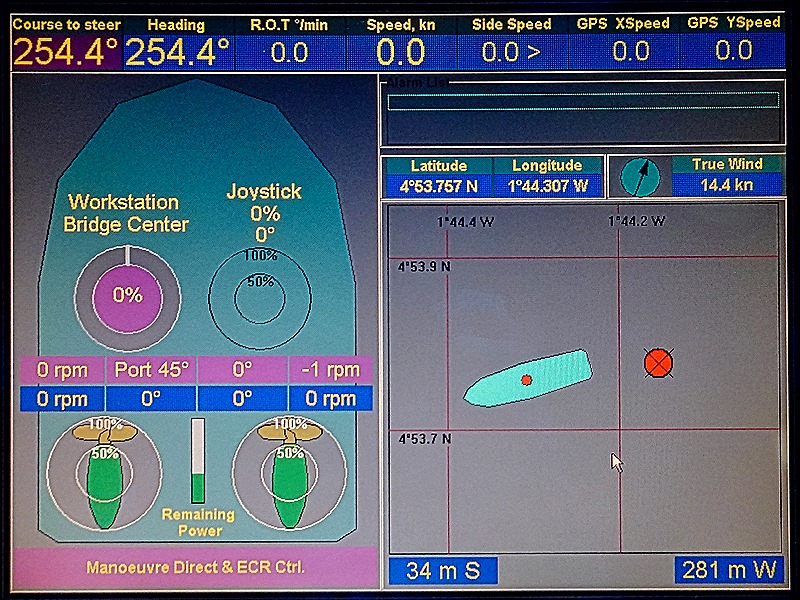

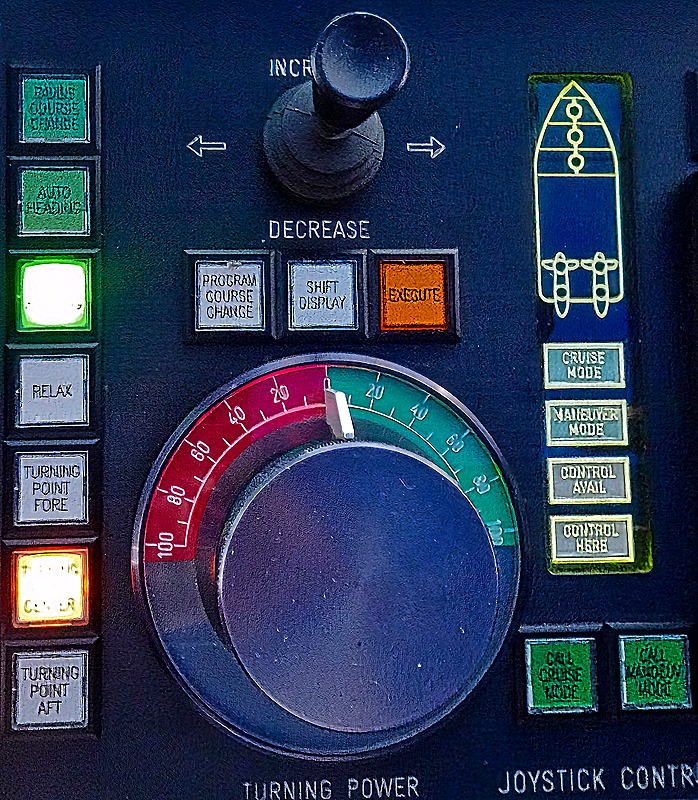
Here are two panoramas. The first is of the shoreline around the port, showing many small wooden houses that look from a distance almost like unstacked piles of boards. On the far right is smoke rising from a fire (hopefully one that was planned). The second is of the sun setting behind one of the piers in the port.


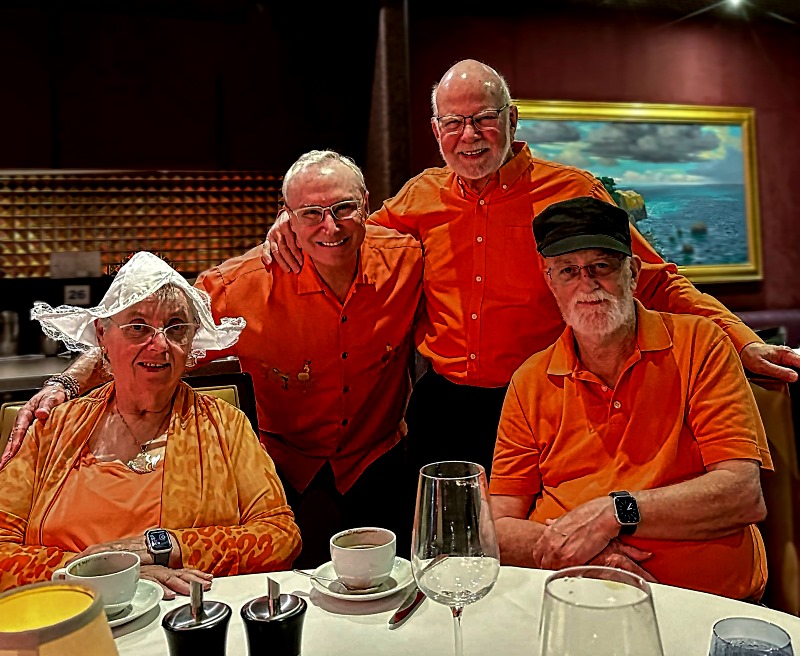
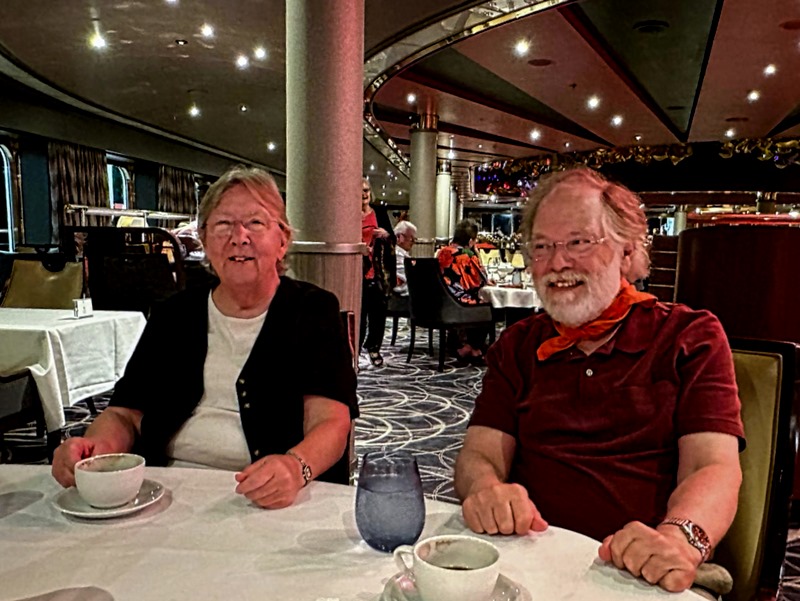
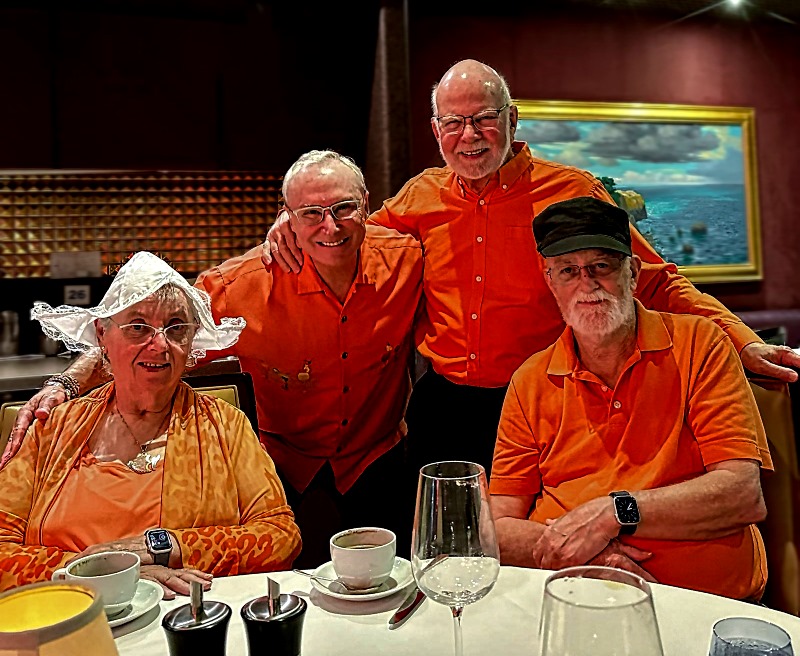
Holland America is now a US corporation (wholly owned by Carnival Corp.), but it started out 150+ years ago as a Dutch line and it still sails under the Dutch flag. The royal family of the Netherlands is the house of Orange and there is a picture of the current royals hanging near the main information desk on all the HAL ships we have been on. In that tradition most of HAL’s cruises include an “Orange Party,” in which passengers and crew are encouraged to wear something orange in tribute to HAL’s origins and on this voyage the party was tonight. Unfortunately they advertised it with something like “Wear something orange to show your loyalty to the House of Orange.” We actually have no loyalty to the House of Orange or any other royals, being Americans, so we did not wear any orange clothes (also, we didn’t have any other than a tee shirt which wouldn’t have cut it in the dining room at dinner). But many others did. Orange items were for sale in the shops (of course), including bizarre orange wigs, but we thought that the prize should go to our travel agency’s onboard hosts: Tom, Keith and Susie. Fun was had by all.



Luderitz & Walvis Bay, Namibia — 2024
Namibia is a fairly large country on the southeast coast of Africa, just north of South Africa. In fact, until it obtained independence in 1990 it was governed by South Africa. From the 1880’s until World War I this area was a German colony called German South West Africa, after which it came under South African control. The driest country in Sub-Sahara Africa, Namibia is largely a desert country, located between the Namib and Kalamari deserts. It is known for its many beautiful sand dunes, some of which come right to the edge of the ocean.
Luderitz
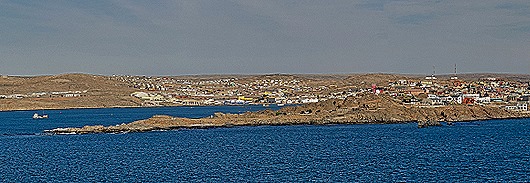
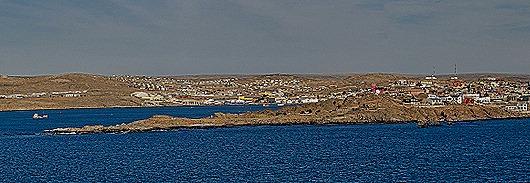
The morning of April 21 found us anchored near the town of Luderitz. Founded in 1883, Luderitz today has a population just over 16,000. Its heyday was from 1909 to World War I when there was a diamond mining boom in the area. There is a heavily German influenced ambiance thanks to its first few decades as part of a German colony. The tender ride into town was not brief, as the tender port is behind the peninsula you can see in the picture below, which is called Shark Island. You can also see in that picture what a bleak desert environment Luderitz sits in.
We were supposed to visit Luderitz on the Grand Africa voyage in 2022, but the weather conditions were bad enough that the Captain skipped this port (Rick was still in Covid quarantine, but because the whole ship missed this port that didn’t make any difference). So this was our first opportunity to visit Luderitz.
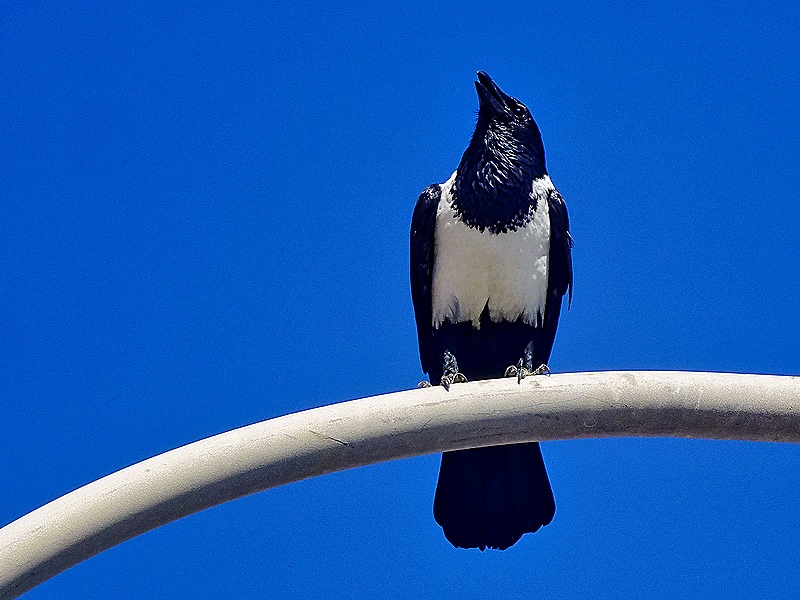
The ship’s tender let us off at a long wooden dock near the center of town. There was a view of part of the town from the dock and what looked like a type of seagull was in the water nearby. As we walked through the port we spotted an interesting black bird with a white breast perched on a metal rail above our heads.
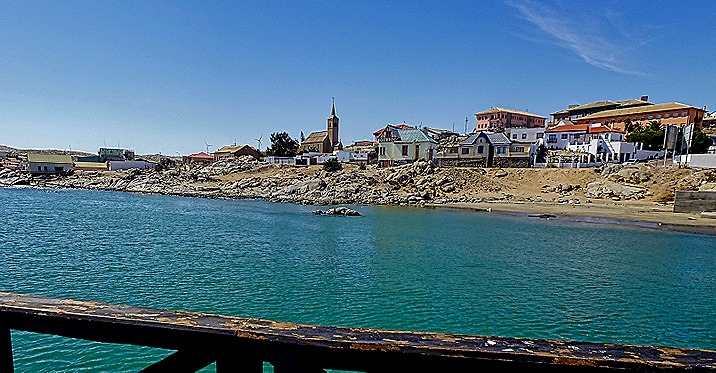

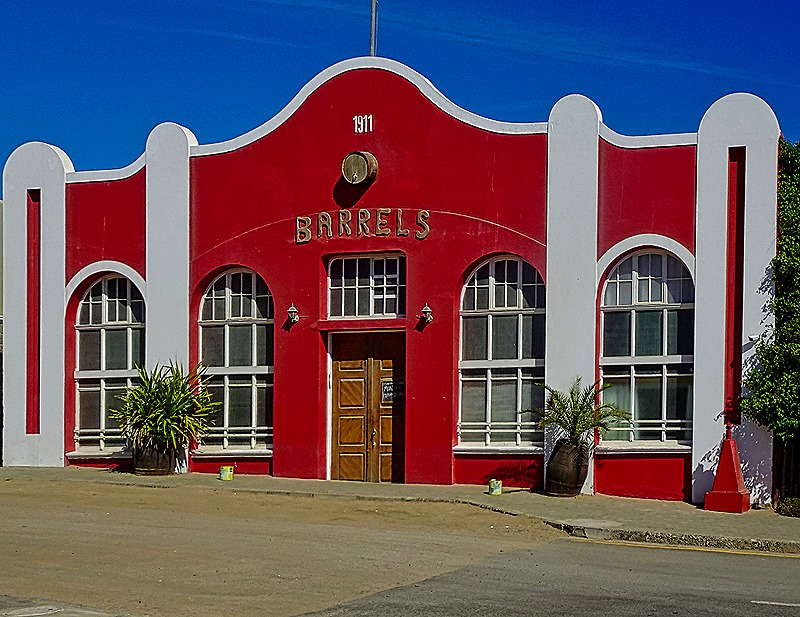
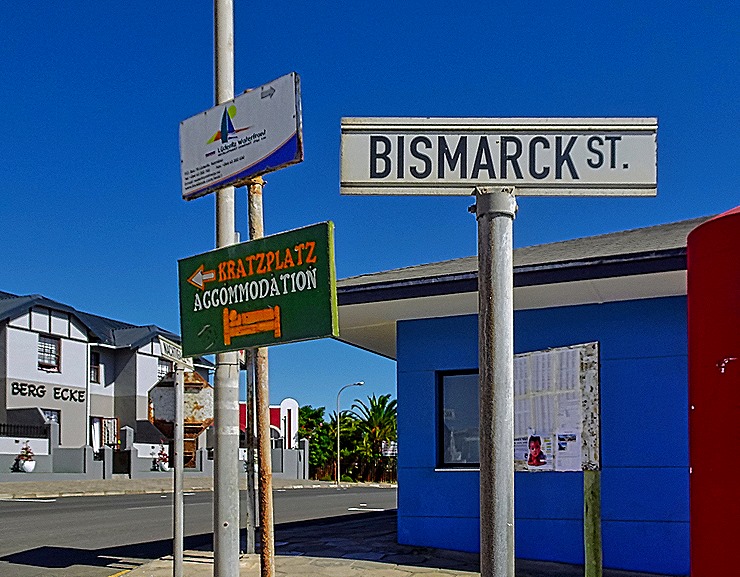
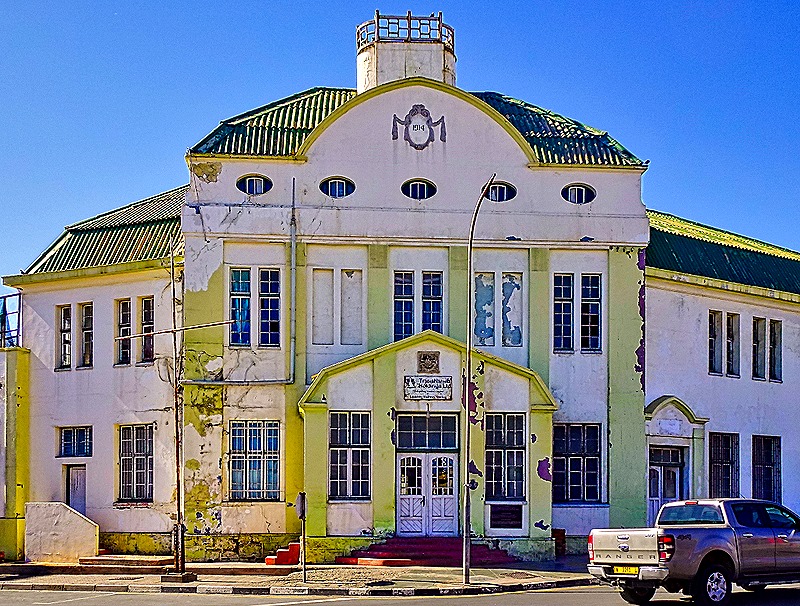
The main thing our research indicated we should see here is the Felsenkirche (church on the rocks) which is on the other side of the central town from the tender dock. So we began walking toward it and found that really the best thing about visiting Luderitz is its hundred year old German colonial architecture, heavily influenced by the Art Nouveau style that was popular at that time. Many of these buildings are painted in bright colors. Among other things we passed on our walk through town was a view of the Felsenkirche looming above the Bayview hotel and a bright red restaurant & bar called Barrels. Bismarck Street is one of the oldest streets in town, named for the German chancellor who first established the colony here. On that street was the Deutsche Afrika Bank Building, opened in 1907, in whose vaults the diamond miners kept their diamonds and where the mine workers were paid. The railway station was, as we understand it, built 1914 a few months before the start of World War I to replace a station built in 1904 that became too small during the diamond boom. This was the last building in Namibia built by the Germans and is still in use and shows its original design. It is on the corner of Bismarck Street and Bahnhof Street.



The Evangelical Lutheran Church, the official name of the Felsenkirche, sits on top of the highest hill in Luderitz. It was a very steep walk up a dirt road to the church, past some old colonial houses. Built in Victorian Gothic style, the church opened in 1912.


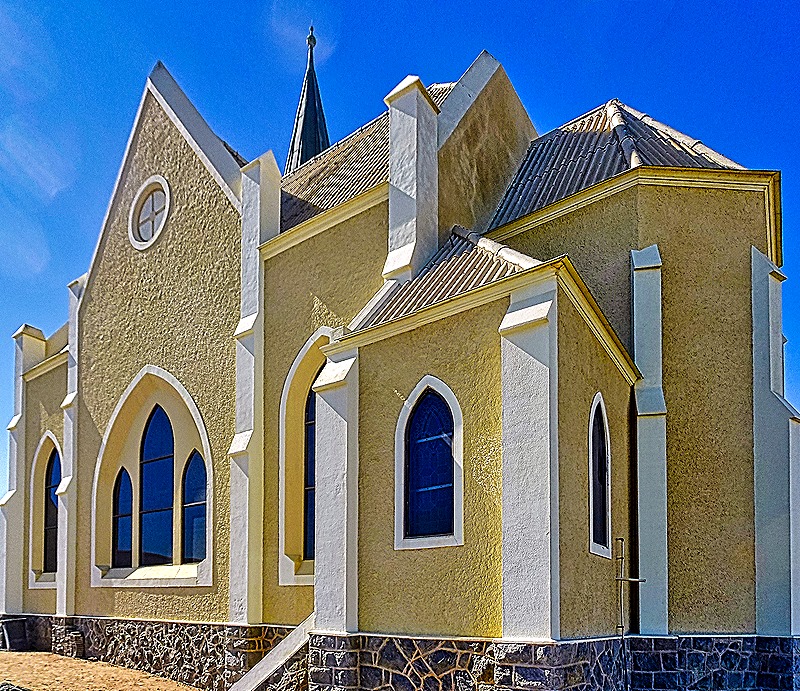
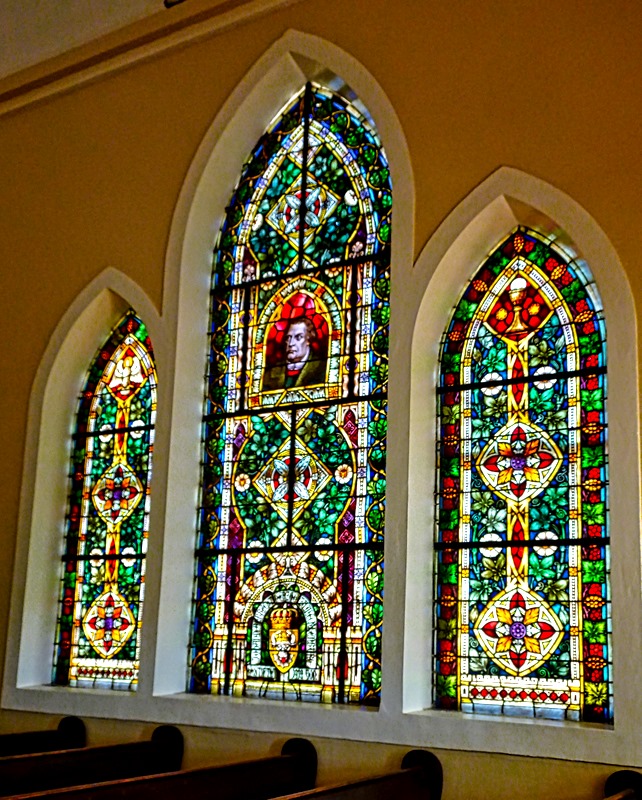
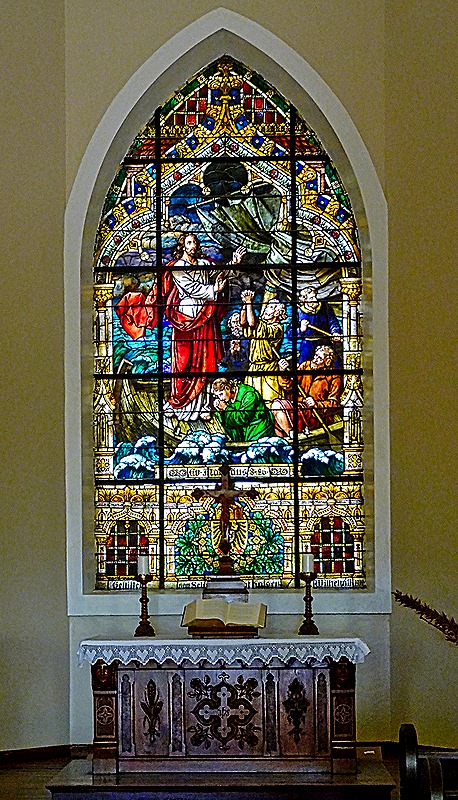
The church is fairly plain inside but has colorful stained glass windows of a quality you don’t expect in a small desert town. They were all imported from Germany, some contributed by the German Kaiser. One has a portrait of Martin Luther incorporated into its design. When asked who it was, the information person in the church said it was the German Martin Luther. We assumed he was distinguishing it from the American Martin Luther King, but it would have been hard to make that mistake from this picture.


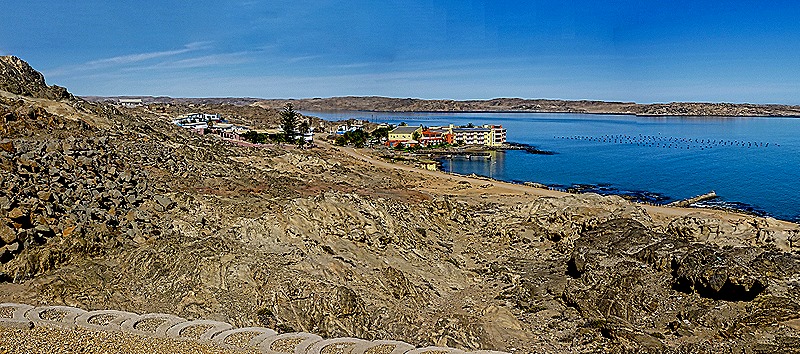
We walked around behind the church and were rewarded with a panoramic view of the bay and the modern Nest Hotel at the bottom of the hill on the water. From the front of the church was a panoramic view of Luderitz. We walked down the hill to start heading back to the tender port.

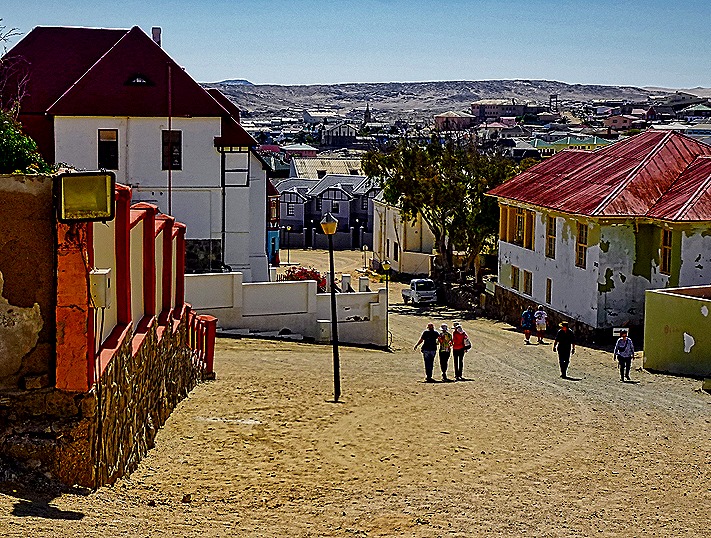
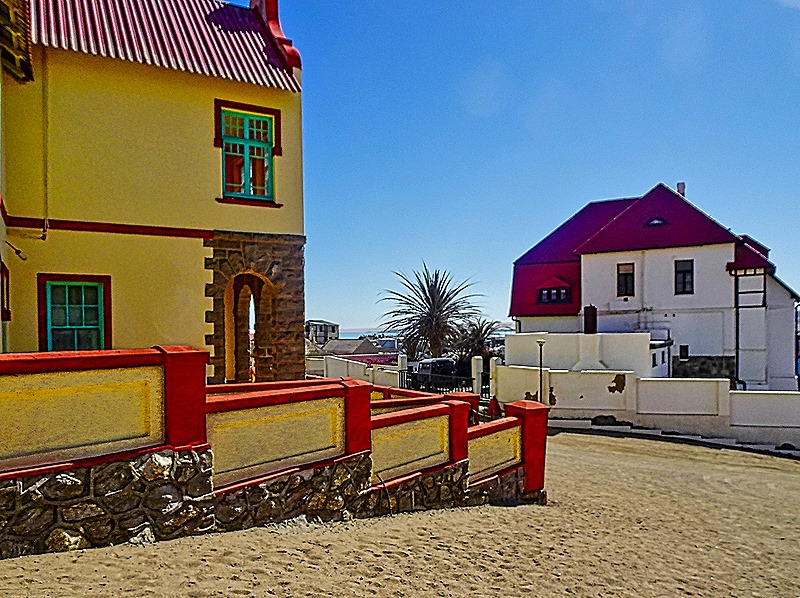

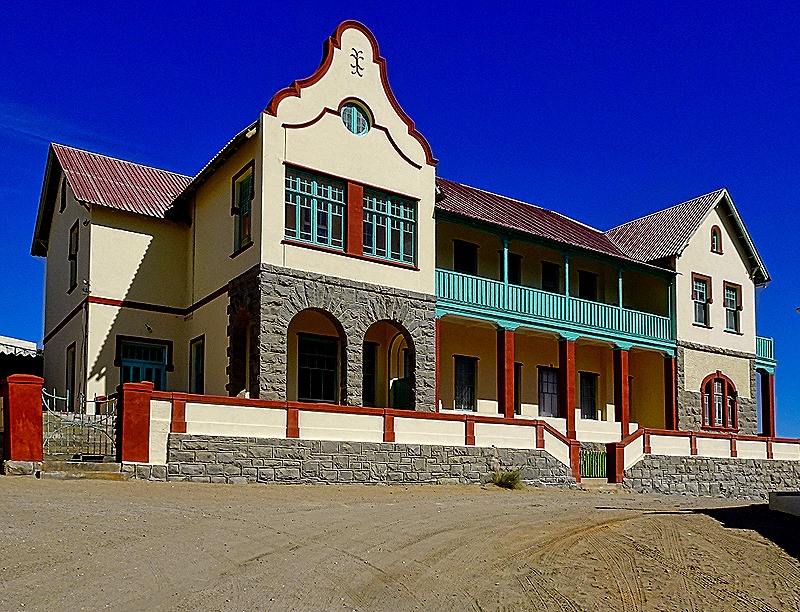
Our walk back to the tender port took us, of course, past more interesting old buildings. Berg Street is topped by the red and blue Haus Grunwald, built in 1910 for Luderitz’s first mayor.
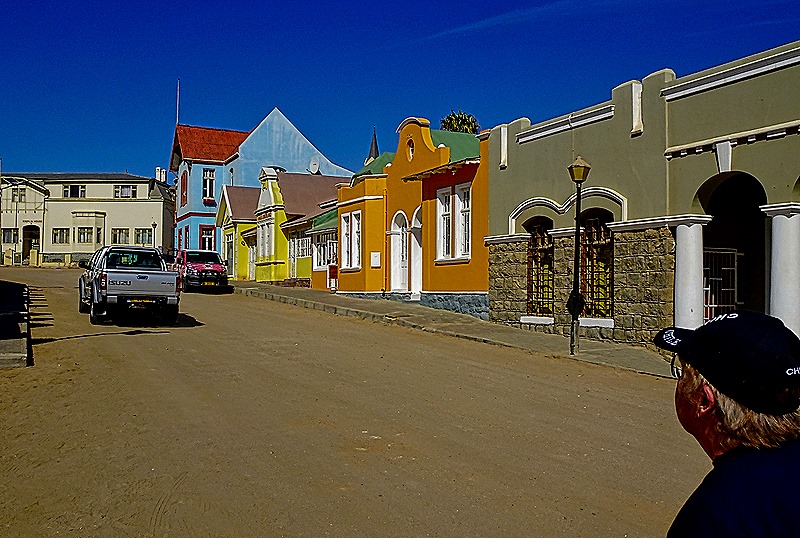
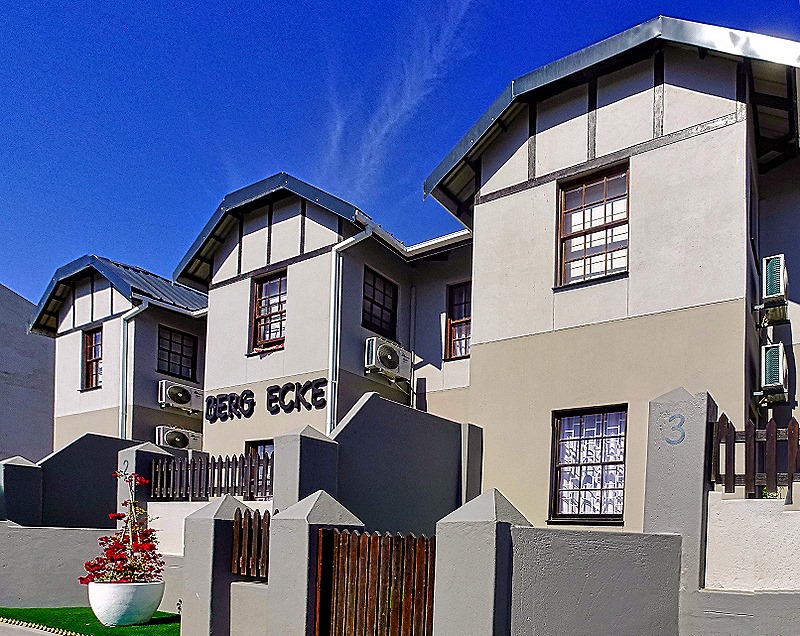

We have some views of notable places from the ship that we took later. Two are of the town’s notable churches, one of the Felsenkirche (of course) sitting on its rock hill and another of the Saints Peter & Paul Catholic Church.


We mentioned Shark Island earlier, which protects the tender dock from the ocean. It has a notable history. The Germans conducted a brutal war from 1904 to 1908 to suppress the resistance to colonial rule by the indigenous Herero and Nama people (some call it a genocide, not without reason). From 1905 to 1907 the Germans ran a concentration camp on Shark Island in which several thousand prisoners died.
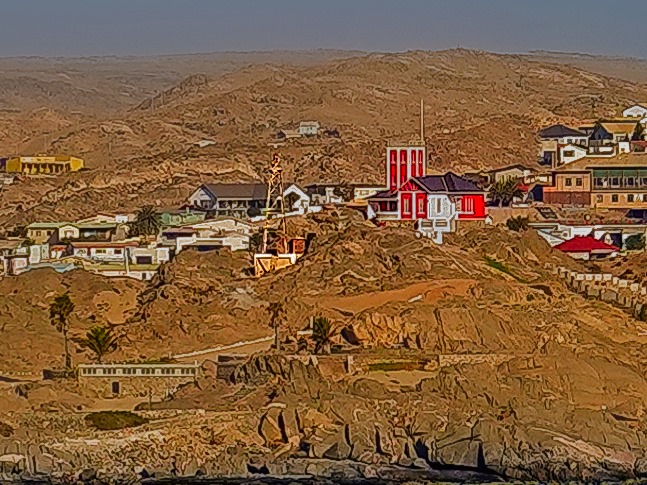
There are two lighthouses here. First is the Shark Island Lighthouse, built in 1903. It was decommissioned and the light was removed in 1910 (today this building can be rented for tourist accommodations). A new light was built very near by, on a steel skeleton tower. In the first picture below the old lighthouse is the bright red building and the newer one can be seen to the left of it rising from a yellow base.
Second is the Diaz Point Lighthouse on the opposite end of the “island.” Built in 1915, the light is 174 feet above sea level and is painted in horizontal white and red stripes. In our previous episode, driving from Cape Town to the Cape of Good Hope, we saw the padrao (cross) erected there by the Portuguese explorer Bartolomeu Dias in 1488. He erected a padrao here as well on July 25, 1488, a little way behind this lighthouse so we can’t see it in the picture. It stood for several centuries before deteriorating enough that it had to be removed to a museum. It was replaced in 1988 (500 years after Dias’s last visit) with a duplicate carefully modeled on contemporaneous pictures of the Dias cross.

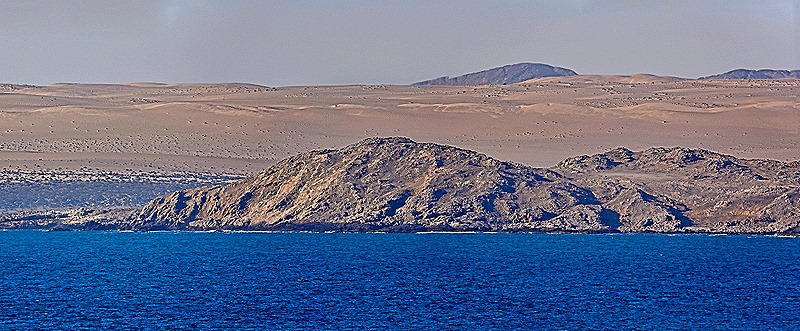
So that is Luderitz. We sailed away shortly before dinner time, passing the empty desert land on the shore outside the city.
Walvis Bay
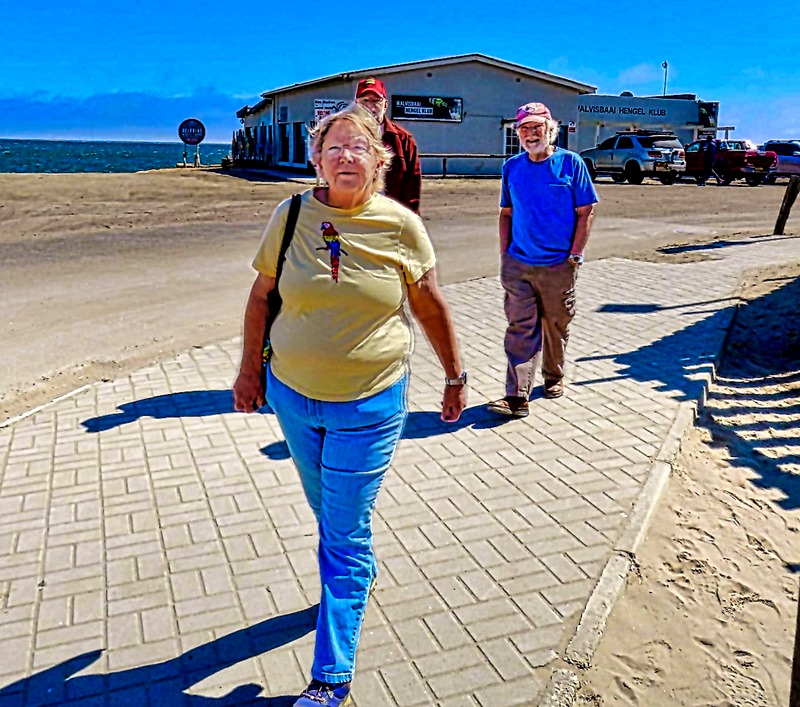
We docked in Walvis Bay the next morning, April 22. There is much of interest to see and do in Walvis Bay, particularly if you like wildlife. During the world cruise in 2018 we had an expedition that took us to the mostly desert interior of this area. https://baderjournal.com/2018/08/24/walvis-bay-namibia/ . And during the Grand Africa voyage in 2022 we had excursions through the bay and down the coast. https://baderjournal.com/2018/08/24/walvis-bay-namibia/ . By the time we reached Namibia on this voyage we were pretty tired of driving excursions, so we decided just to walk to the nearby lagoon where the pink flamingoes hang out, in the company of our friends Robert and Bill.
It was a nice sunny day and the walk was pretty easy. After leaving the port we walked past a large number of vendors with their wares spread out on blankets. Walvis Bay is famous for its many flamingoes and we were not disappointed; they were waiting for us when we arrived. You may notice they are not very pink, but it turns out that the pink color comes from what they eat and doesn’t begin to show up until they are two or three years old.

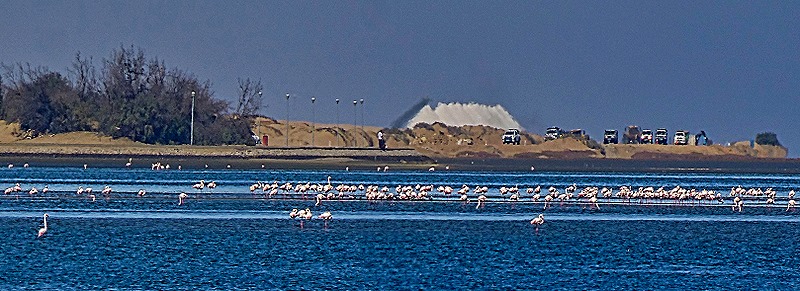


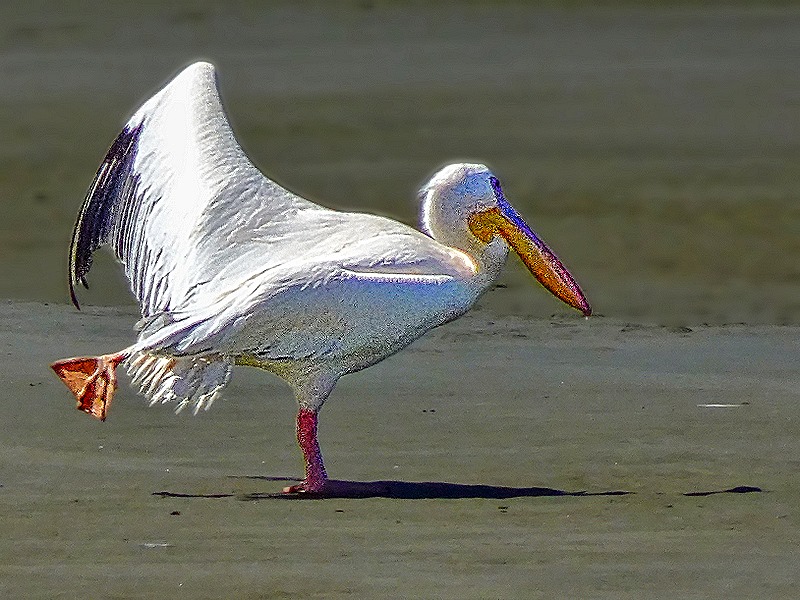
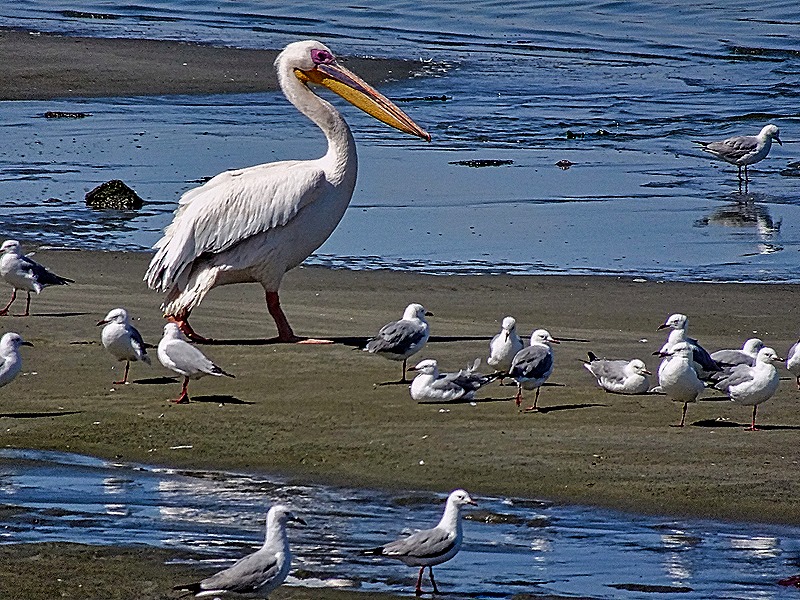
There was also a pelican cavorting on the beach among the seagulls.

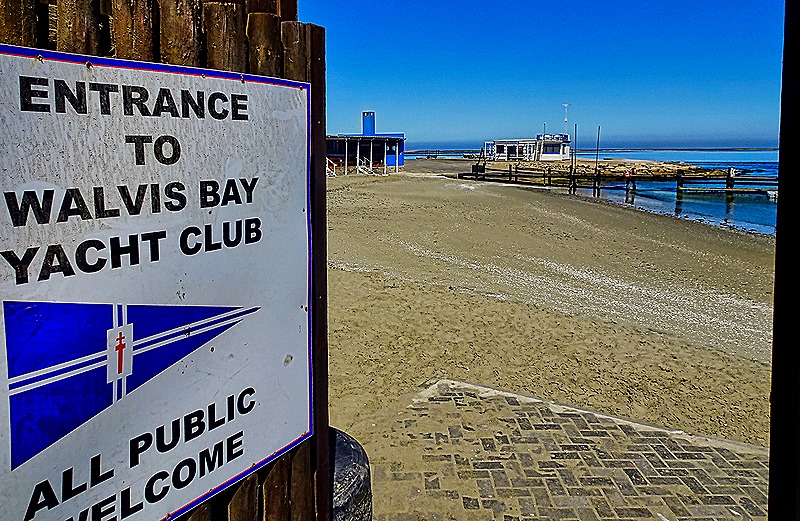
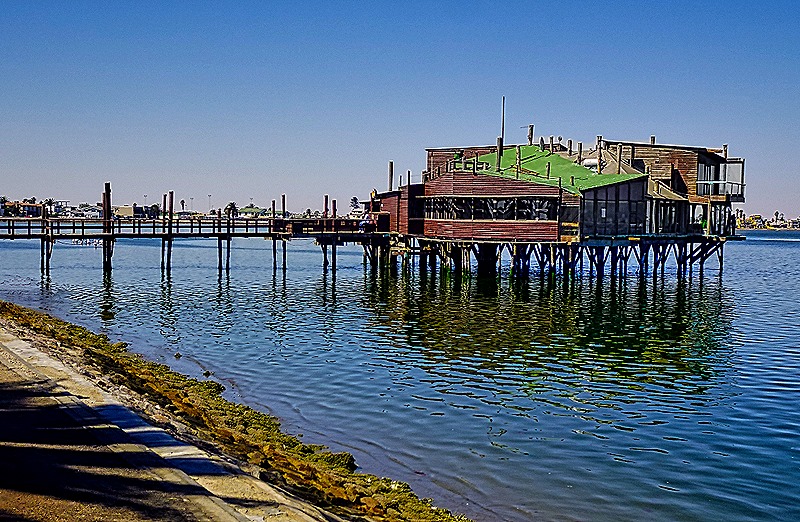
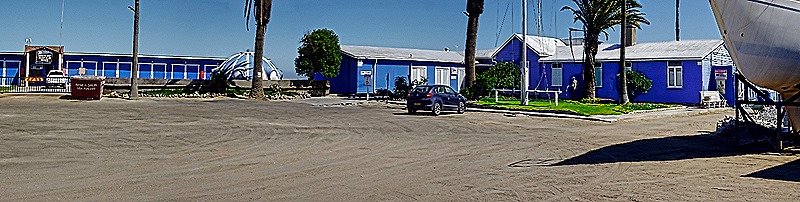
We walked up along the shore toward the right in the picture above. We passed the Walvis Bay Yacht Club and The Raft, a landmark and restaurant built on stilts over the water.
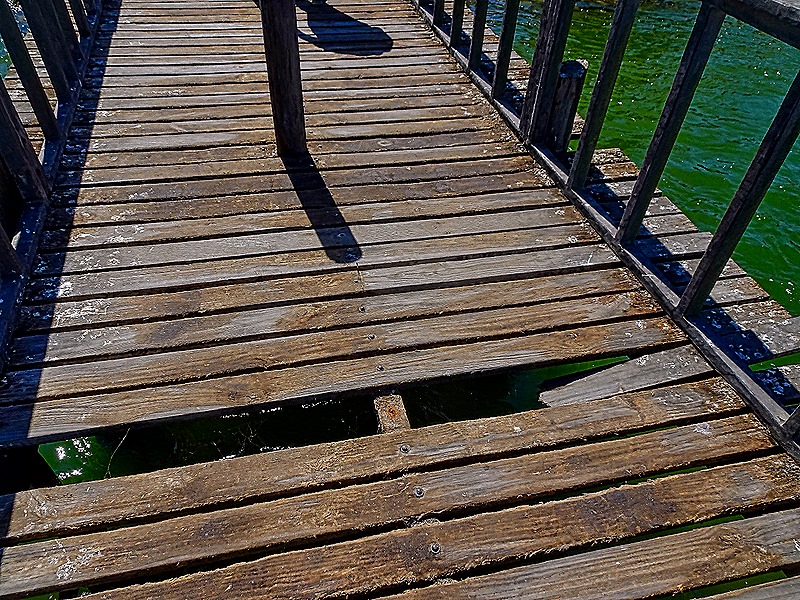
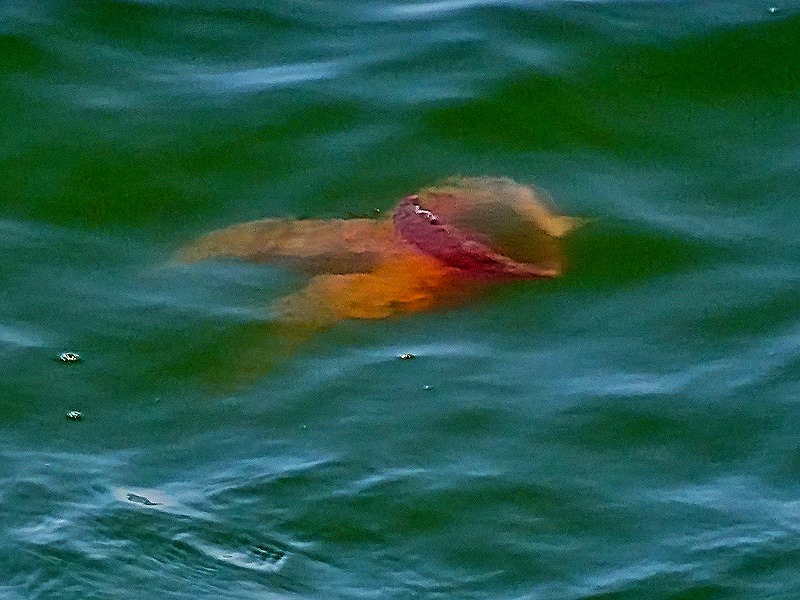
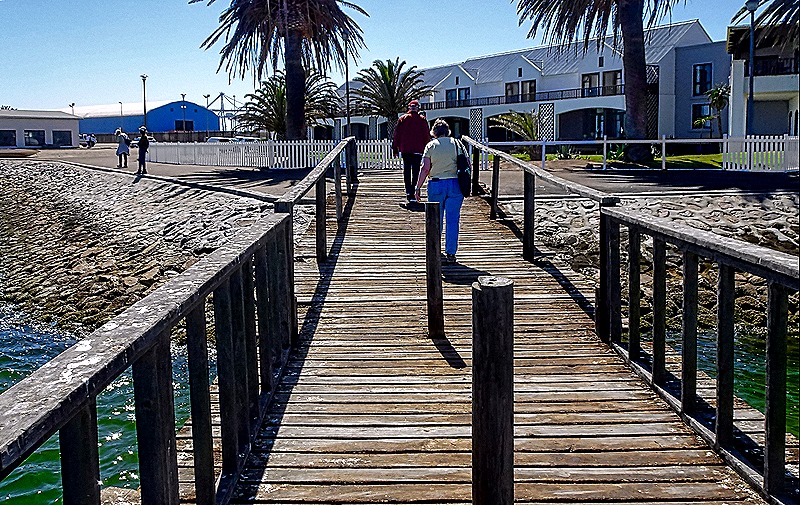
We walked out over the water on a rickety old wooden pier. Looking over the side we saw some impressive orange jellyfish.
We kept walking in the same direction and, after passing an unsettlingly worded sign, came to a small waterfront shop and restaurant complex. It was lunchtime so we sat down at an umbrella table at the water’s edge and ordered a small lunch. This was the Anchor Waterside restaurant, well known in this area. It is famous for its fresh calamari, but that’s not what we ordered (that would never be what we would order). We watched the boats and sea life as we ate, highlighted by a seal swimming around a nearby pier.

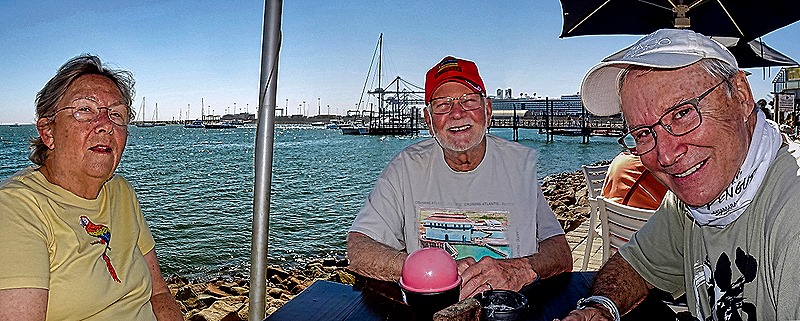
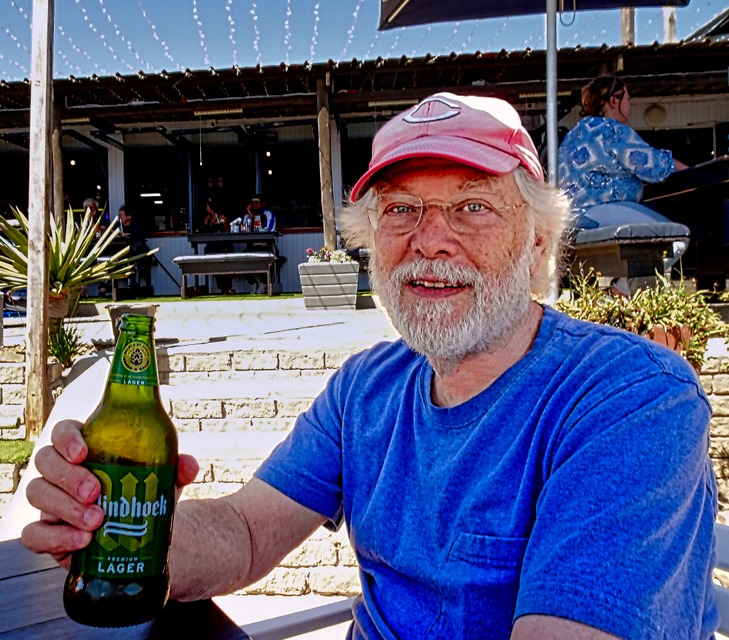
All of us except Robert had local beer, which was good. We were a little surprised at just how close to the ship our lunch spot turned out to be. After we returned to the ship we found that we could see the restaurant and our table from the veranda in our room! When it came time to pay up the waiter brought a portable credit card reader to our table. It wouldn’t register Robert’s card (which had been giving him trouble), so the waiter held his reader up in the air and waved it back and forth. We all thought this was a joke and laughed, but sure enough the card finally was recognized! Who would have expected that would work?



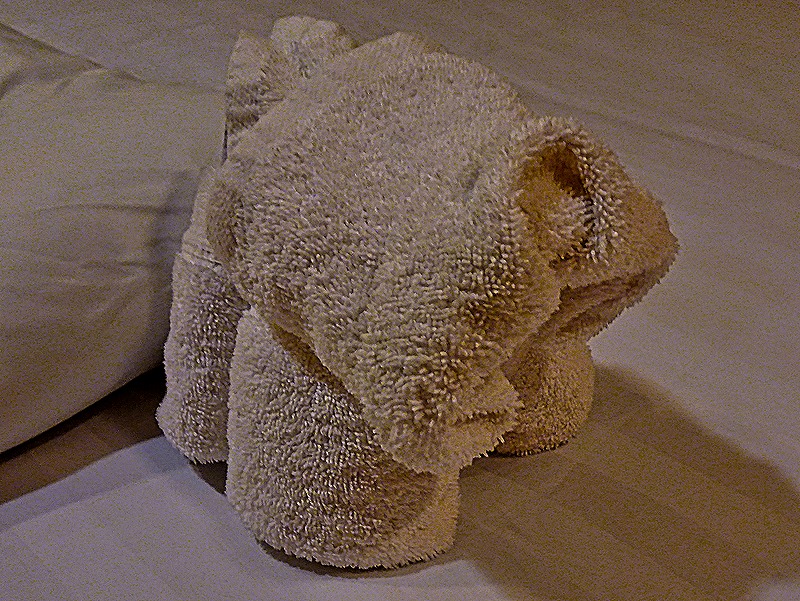
That’s it for Namibia. After this we had four sea days before our next port. We will leave you here with a picture of a towel animal that appeared on our bed during one of those sea days. We aren’t at all sure what animal it is (a pig maybe?).

 BADER JOURNAL