Manaus, Brazil (2024)
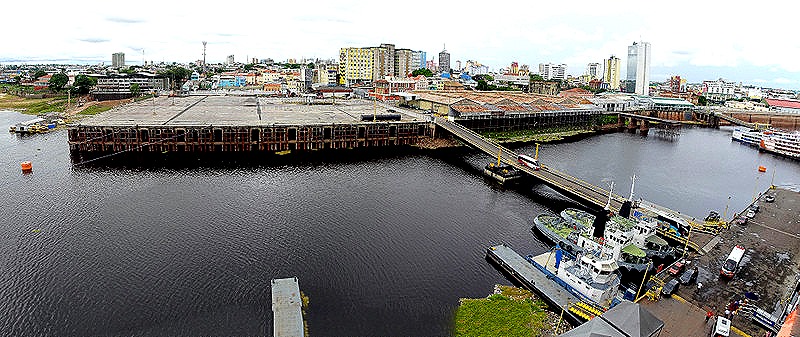
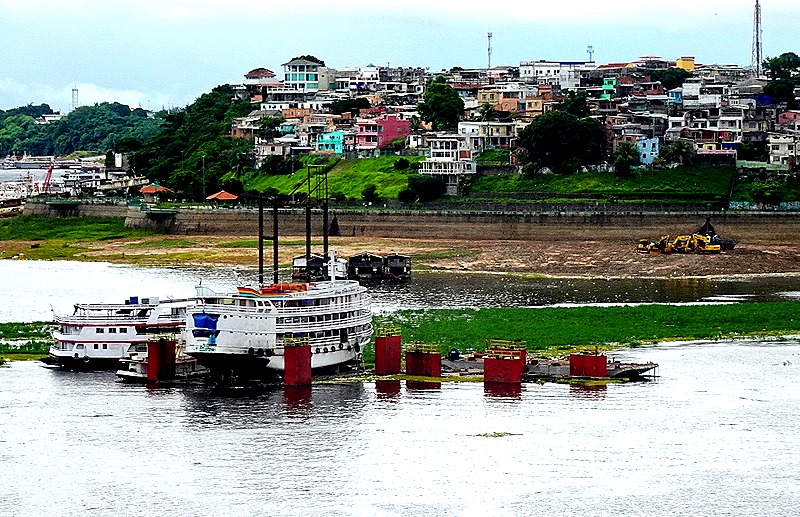
We spent January 14 in Manaus, a city of some 2 million residents located about 1,000 miles up the Amazon River in the Brazilian rainforest, where the Rio Negro and Rio Solimoes come together to form the Amazon. Because the Amazon rises and falls about 40 feet every year we were docked at a floating pier that rises and falls with the water. With the water so low right now there was a steep ramp from the pier to the mainland part of the dock area. These are new piers and mostly for cargo, so ship passengers are not permitted to walk out of the dock area on their own. A shuttle bus was provided to take us from the ship to the cruise terminal a few blocks away on the mainland.
We had been to Manaus twice before, both overnight stays. The first time, in 2012, we explored the city by ourselves on foot and had a boat trip into the rain forest. The second time, in 2019, we had an overnight excursion at a camp in the forest, seeing dancing in an indigenous village, hunting baby caimens by boat at night and hiking through the forest, among other things. If you want to read more about Manaus & see more pictures, you can do that here (the pictures are much better in 2019):
https://baderjournal.com/2012/03/05/manaus-brazil-day-1/
https://baderjournal.com/2012/03/05/201204manaus-brazil-day-2/
https://baderjournal.com/2019/11/11/manaus-brazil-day-1-2019/
https://baderjournal.com/2019/11/15/manaus-brazil-day-2-2019/
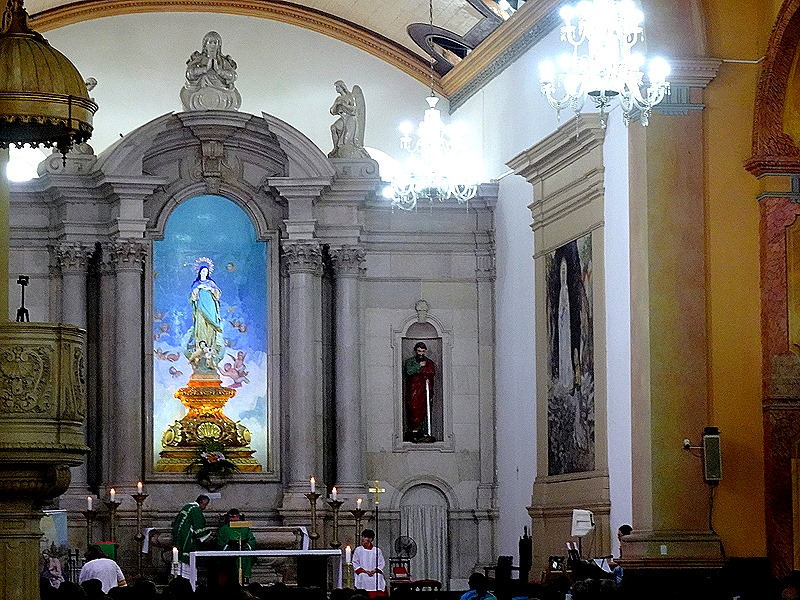
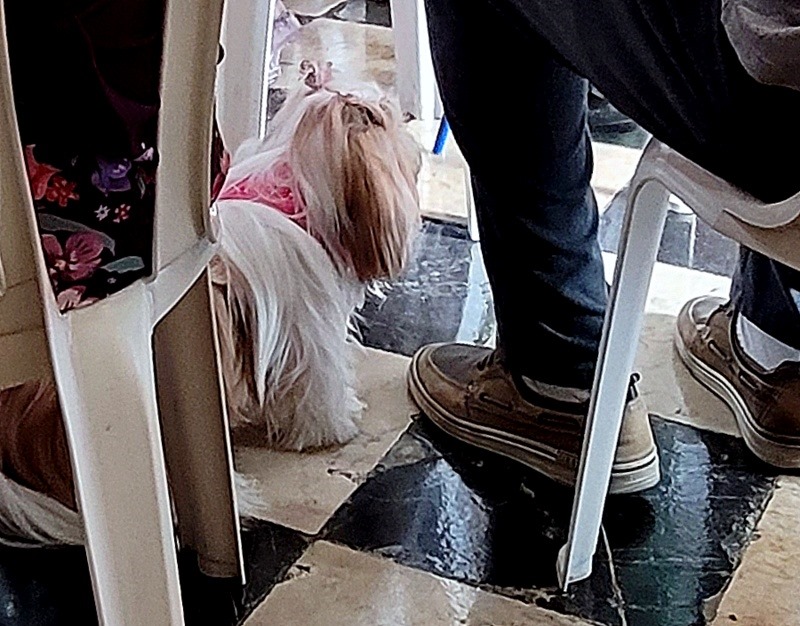
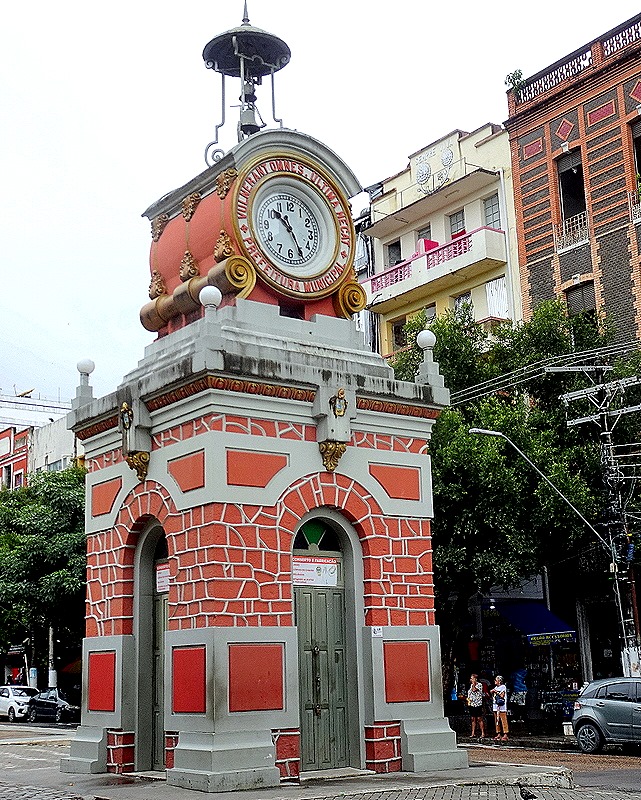
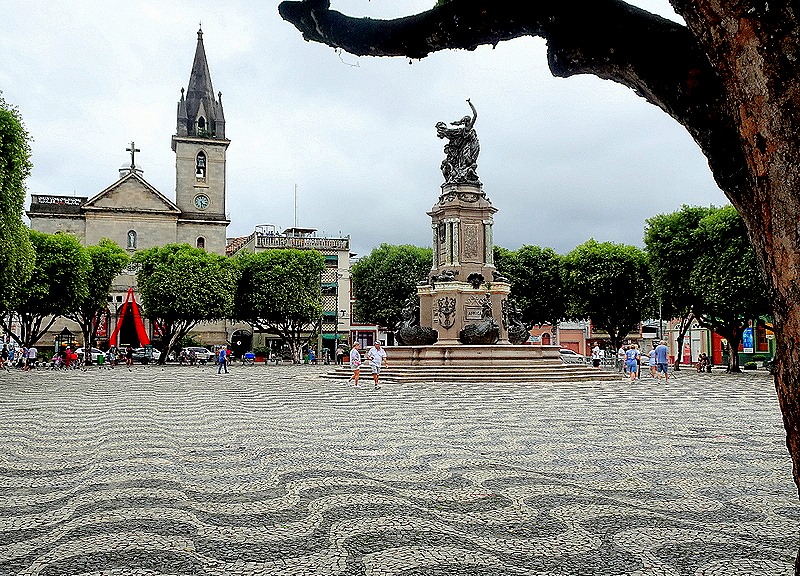
This time we had only one day and decided to spend it walking through the city seeing the sights we had missed before. Our first stop was the Municipal Cathedral, first built in 1695. It was Sunday so Mass was in progress but we were permitted to come in and sit in the back seats. The people were not dressed up for the most part, but a little dog with its hair made up for a Sunday visit came in with its mistress and sat in front of us. The church was set in a large green park and in the street next to it was the Relógio Municipal de Manaus (sounds much grander than “Municipal Clock Tower,” doesn’t it).


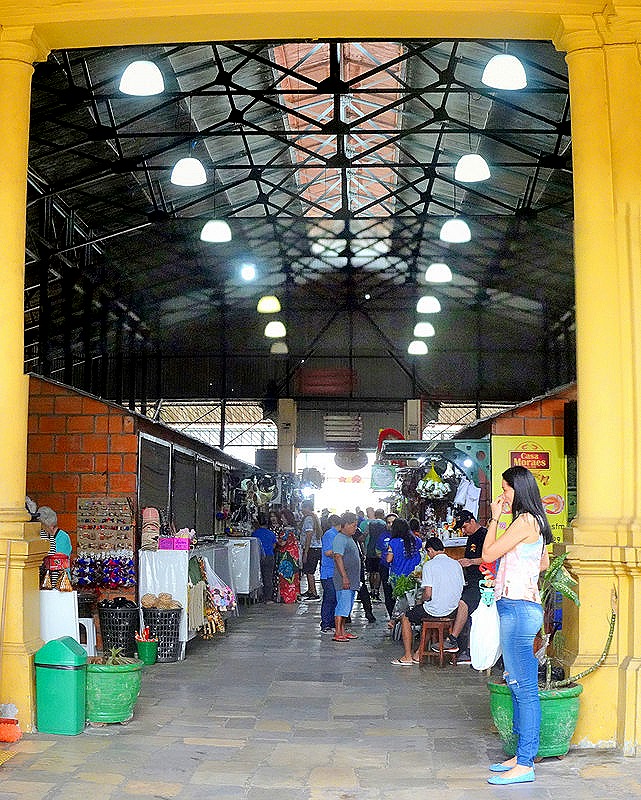
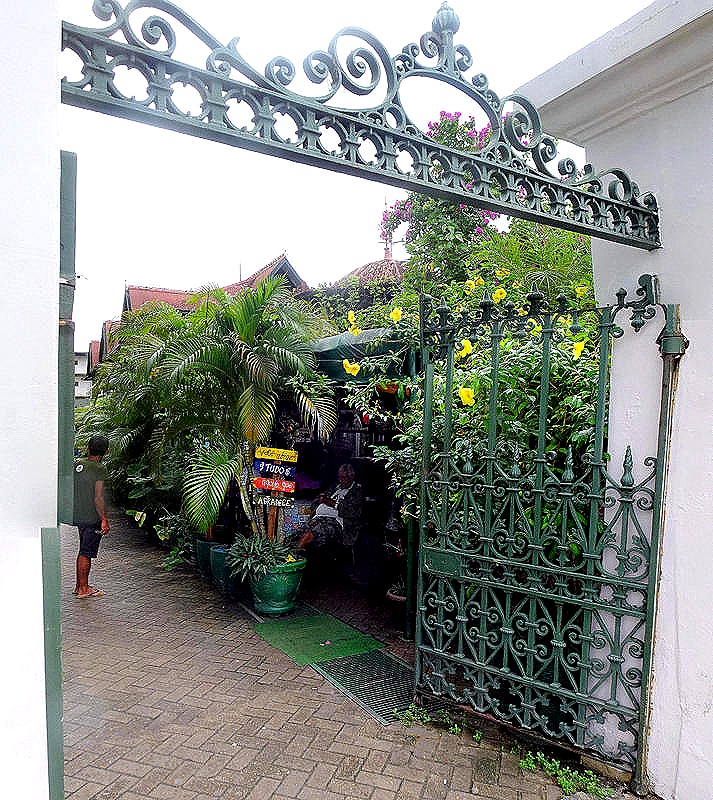
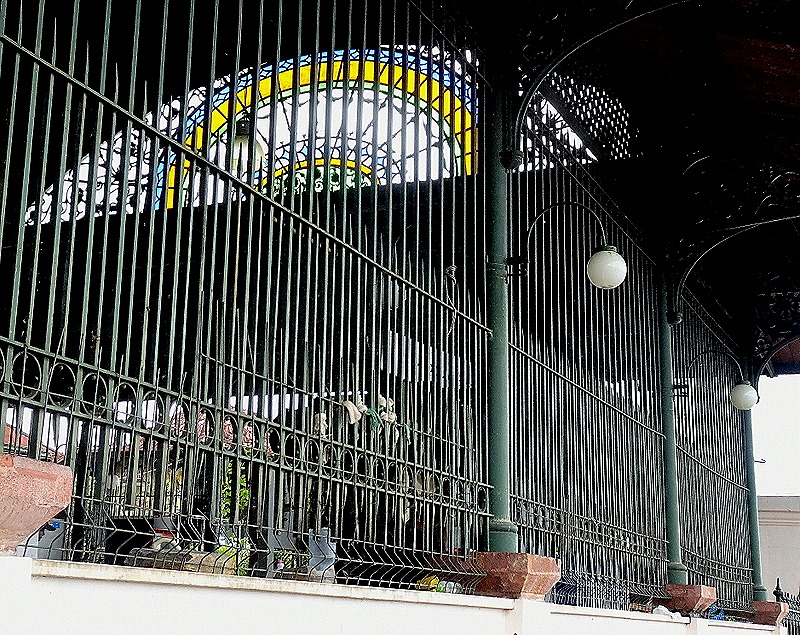
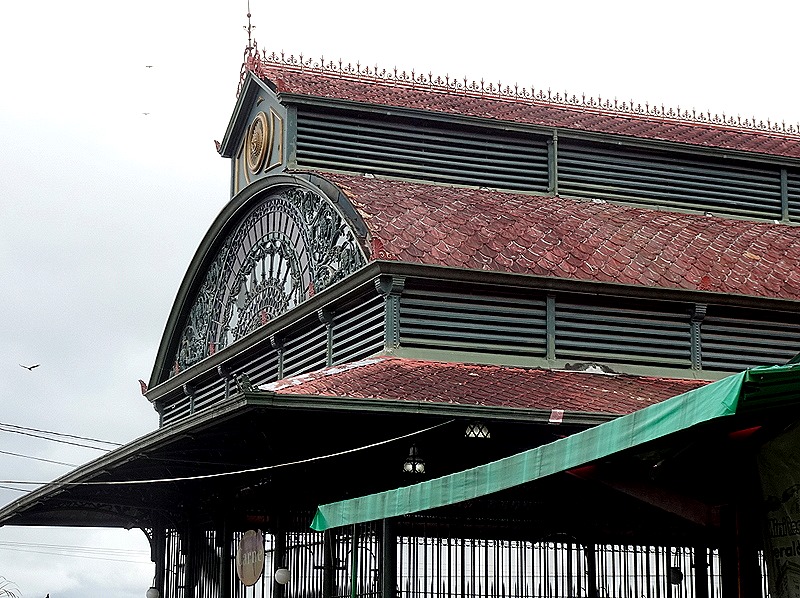
One place we had not been able to walk through when we were here before was the Mercado Municipal Adolfo Lisboa. The masonry portion of this large market was opened in 1883 and the additional iron Art Nouveau structures opened about 30 years later. All of the materials for these buildings were prefabricated in Europe and shipped up the Amazon to Manaus. The market is supposed to have been modeled on Les Halles in Paris. We entered the tourist market building through the masonry facade on one of the streets running up from the river.
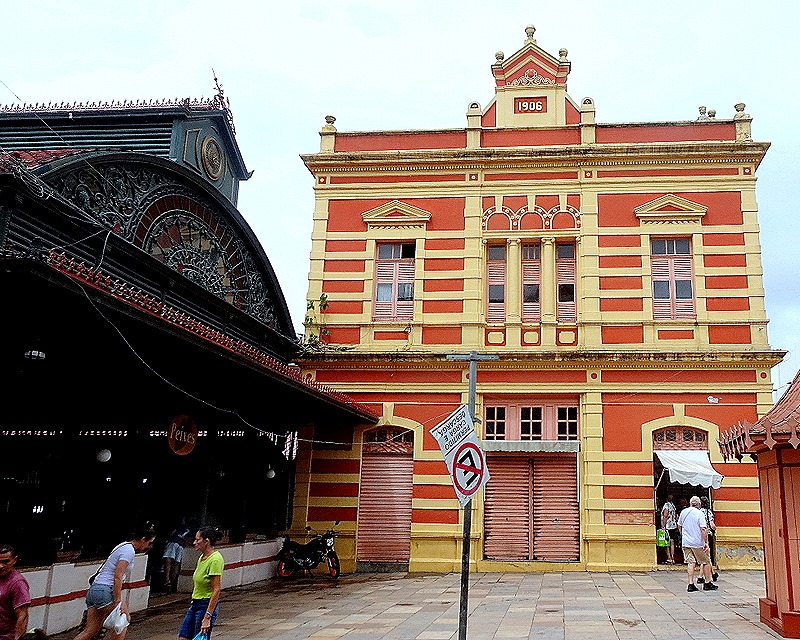
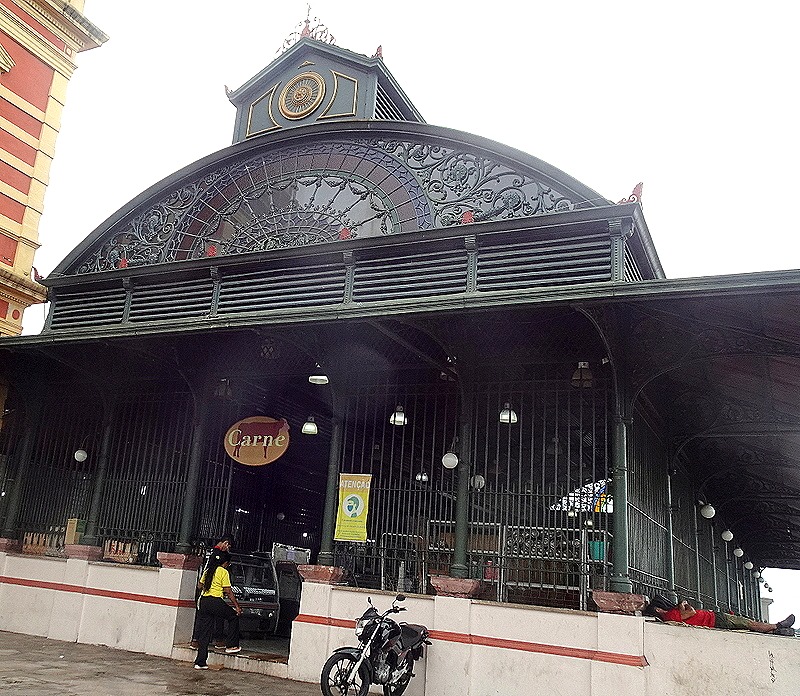
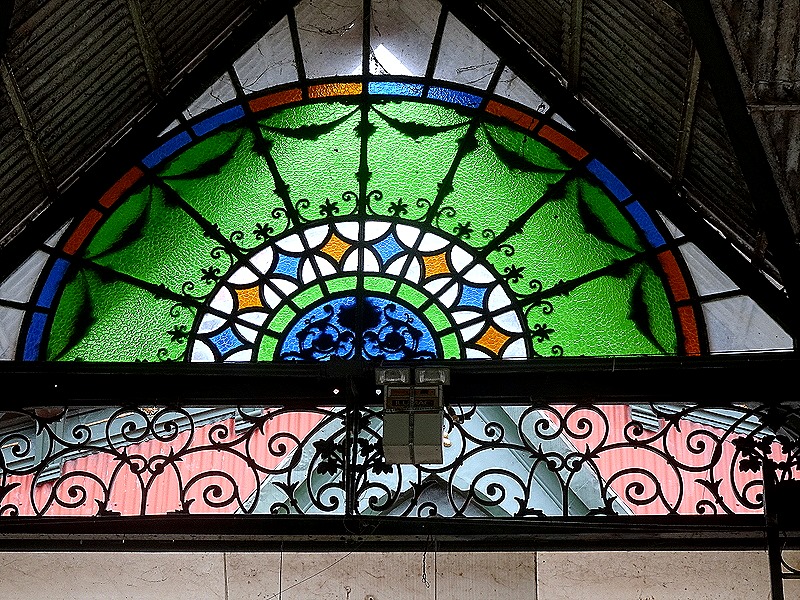
Running parallel to the river are several long iron buildings that house produce, meat and fish markets. Under the roof in each end wall is a large stained glass window. The complex has restaurants, iron gates, flowers and bushes aplenty.


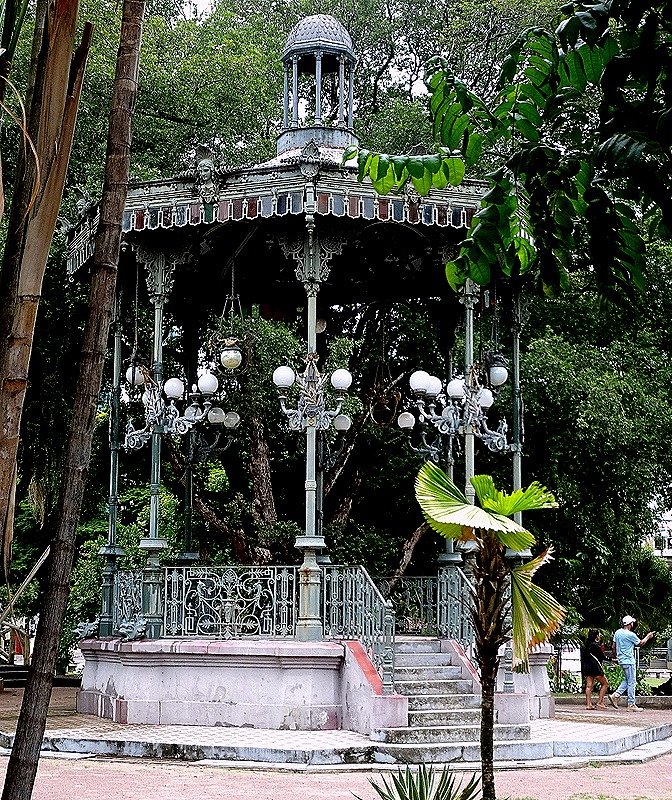
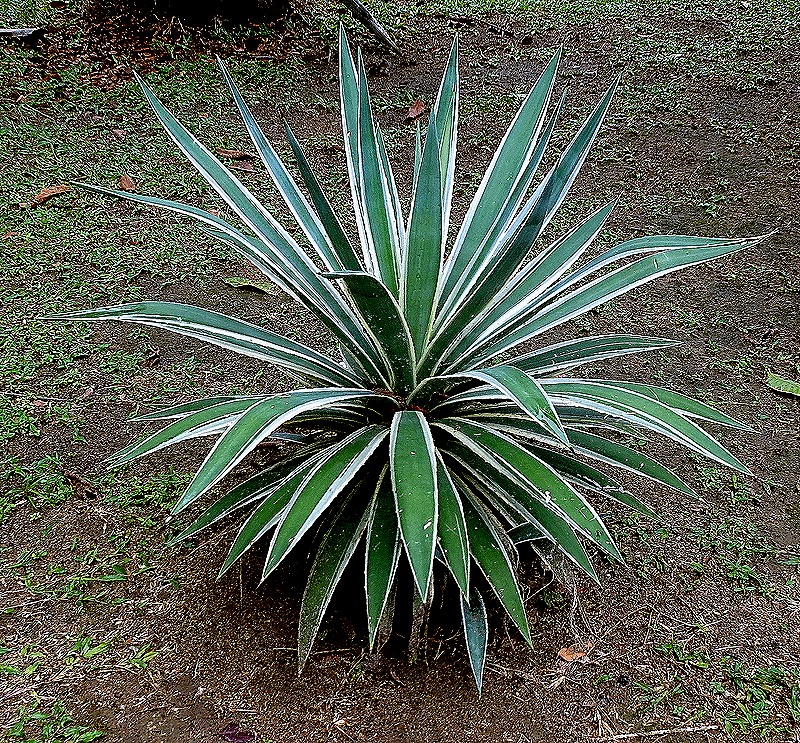
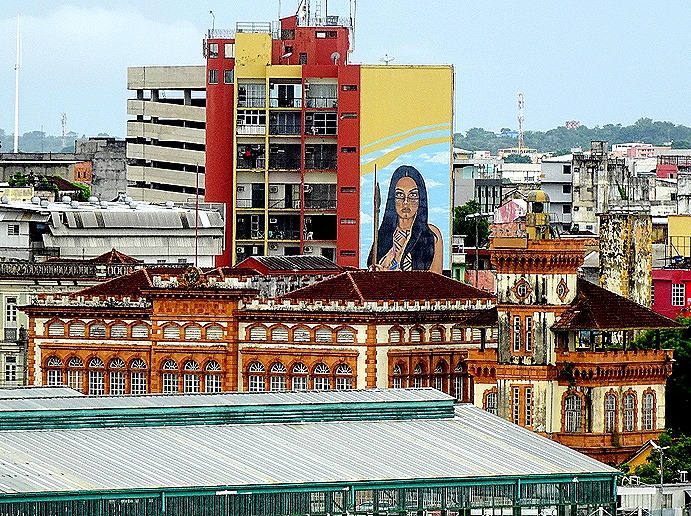
We had toured the Teatro Amazonas, the opera house that is the city’s most famous building, on both of our prior visits, so we didn’t need to do that again. But we decided to walk up there again because Mary wanted to get an opera house T-shirt. We walked up a couple of very long blocks lined on both sides with closed up vendors’ carts; it was a bit eerie because almost no one else was in this street that looked like it would be very busy on any day but Sunday. We walked past a very large mural of an indigenous woman covering the side of a multi-story building and then through a park with an iron pavilion, some dry ponds and a good bit of nice flora. Again, hardly anybody there other than us on a Sunday.

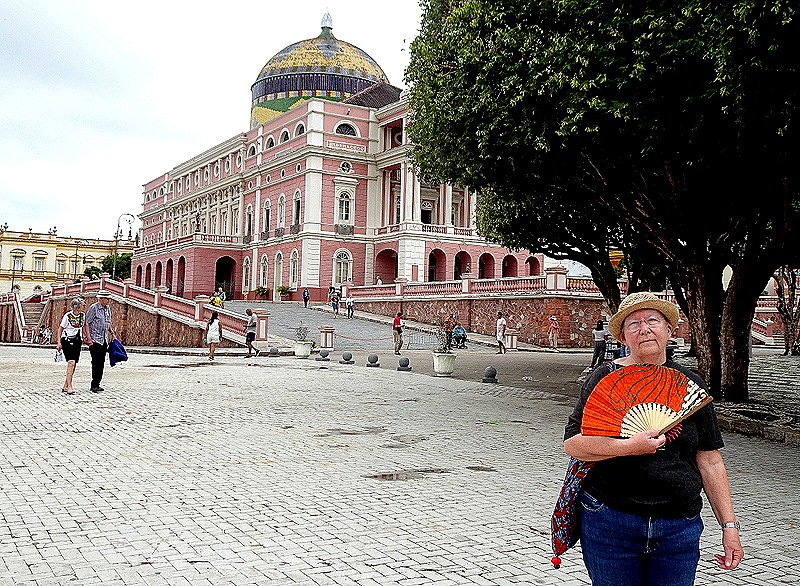
We finally arrived at the Teatro Amazonas, a large pink building with a dome tiled in the colors of the Brazilian flag. Opened in 1896, it was financed by the huge fortunes accumulated by the rubber barons during the period when this part of Brazil had a world monopoly on rubber, just as the auto industry was beginning to need large amounts of it. Everything here, from tiles to marble for the stairs and columns, to the 32 Murano chandeliers, was made in Europe and shipped up the Amazon by boat. This imposing building, which would have looked more at home in a large European city, must have been quite a sight when it was opened here in the middle of a rainforest!
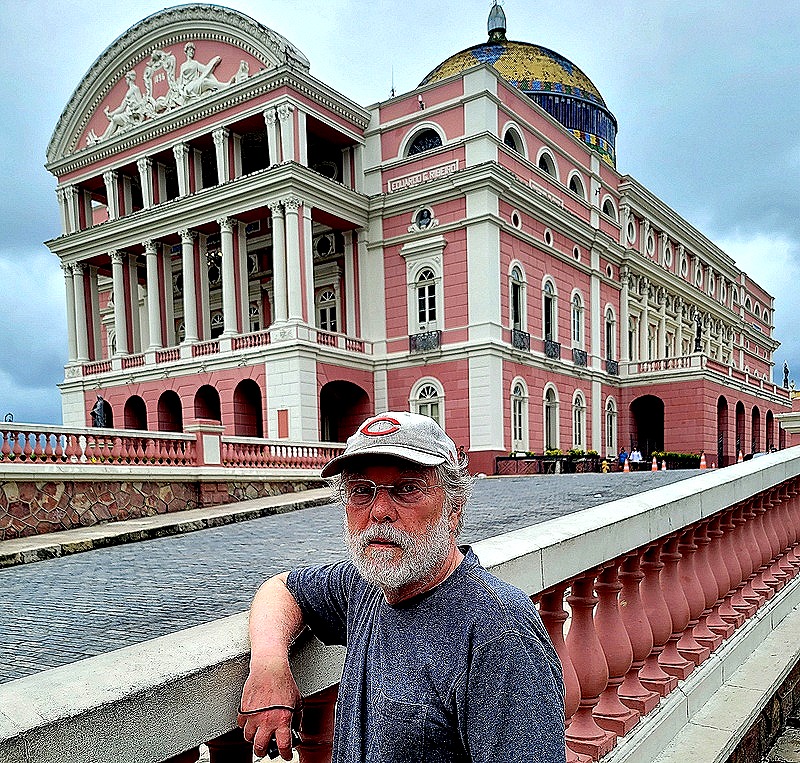
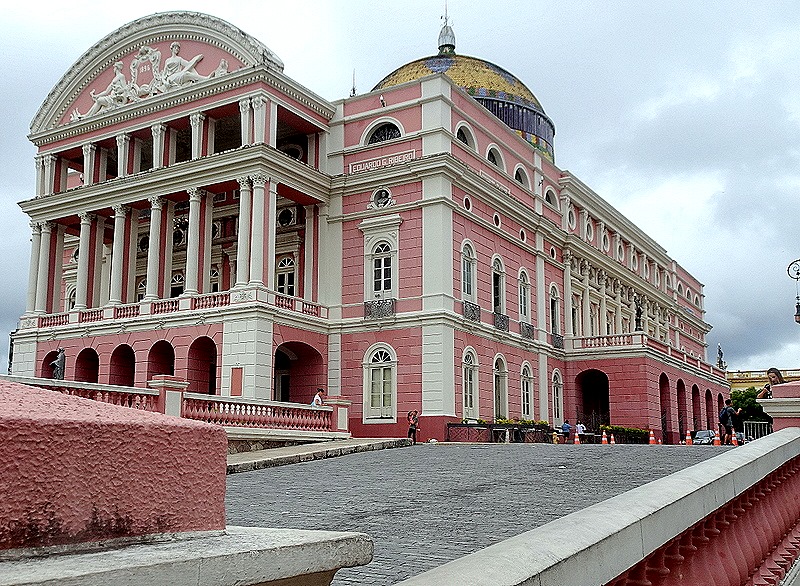
It was disappointing after the long walk in the high heat and humidity to find that the Teatro was closed on Sunday, including its gift store. So no T-shirt for Mary after all! We started walking back downhill toward the port, or so we thought. We were using a smartphone navigation program called Maps.me (which we had already decided to abandon for a newer, and still free, program but we had one more map already downloaded so we used it here). It let us down completely, guiding us off in the wrong direction (up river) and changing its walking directions multiple times. One time before, in Barbados a couple of years ago, it guided us in a complete circle back to our starting point instead of to the Synagogue, so we probably should have known better.
Anyway, we spent several hours wandering around the more western part of town trying to find our way back to the port, in neighborhoods where nobody spoke English and, of course, we couldn’t speak Portuguese. We didn’t feel much like taking pictures as we concentrated on figuring out where we were, and really there was little worth photographing. We saw a few interesting wall paintings and passed a neighborhood that looked like one of the favelas in Rio.
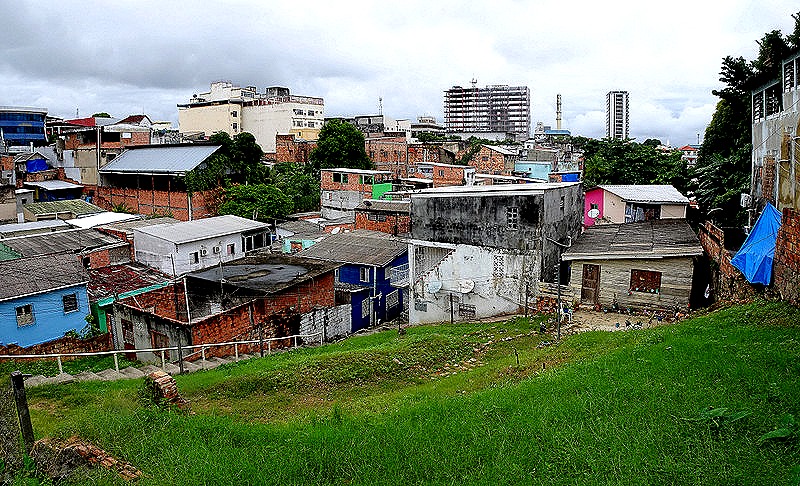
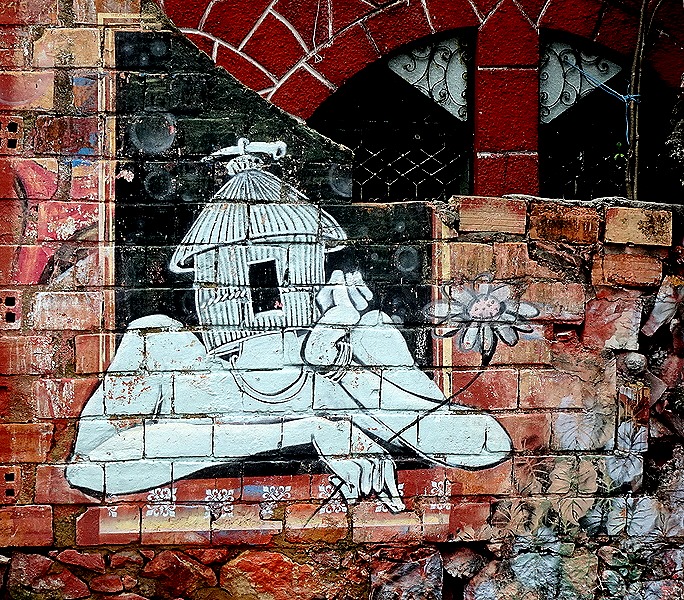
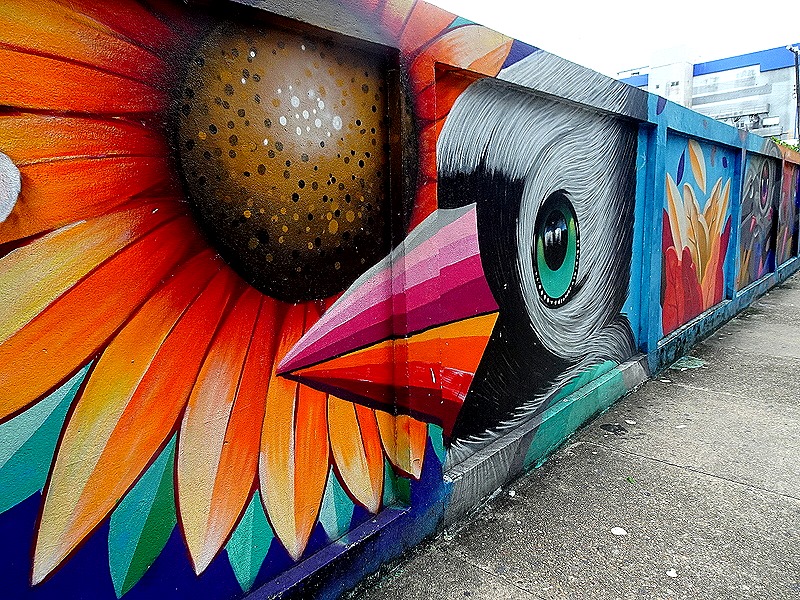
It was getting late, only about an hour before all-aboard time, and we had no idea where we were or how far it was to the port terminal. One man in a car stopped to give us directions, but he only spoke Portuguese. It seemed he was telling us to walk up three blocks then to the right. We started to do that, but then another man in a car stopped. He only spoke Portuguese too, but he motioned us to get in the car. Somewhat suspiciously, we did so and Mary saw a taxi license posted in the car. A woman nearby was shaking her head no as we approached the car, but we really had no alternative at that point. The driver was very talkative (in Portuguese, of course), but in the end he dropped us off right across from the shuttle bus waiting at the terminal. It turned out we really hadn’t been that far from the terminal after all and could have walked it, but we didn’t know that. We are pretty sure the driver charged us well over the usual price, but we were so happy to be back at the ship on time that we really didn’t care.
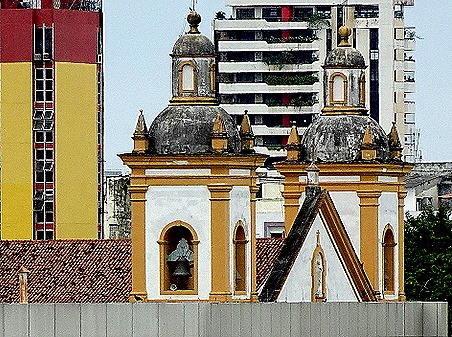
Back on the ship we went up to the top floor for picture taking. We had a view from the ship of the mural of the indigenous woman we had passed, along with the 19th century Customs House we had wanted to visit (closed Sundays) below it and, below that, the top of the green port terminal building. We could see the towers of the Cathedral and also a neighborhood up river that looked like it might have been near where we were lost. Notice in the last picture how far the water is from the sea wall on the lower hillside.
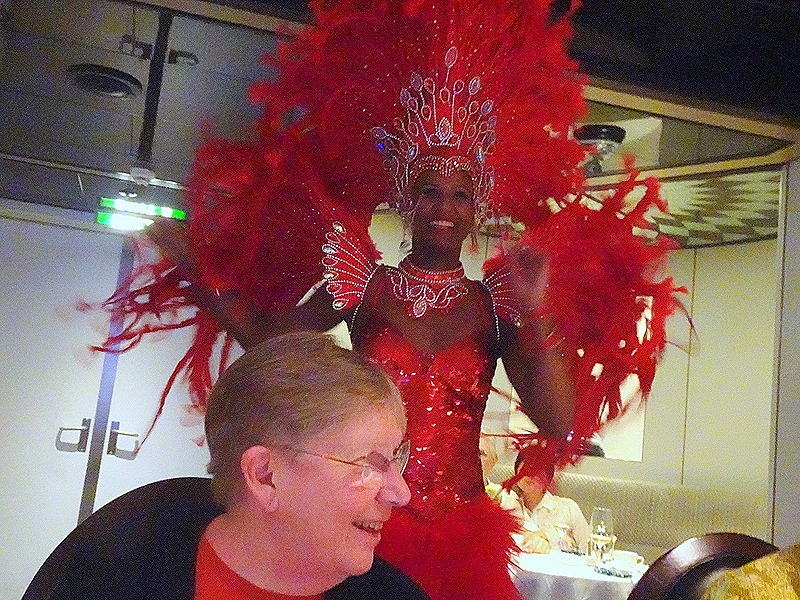
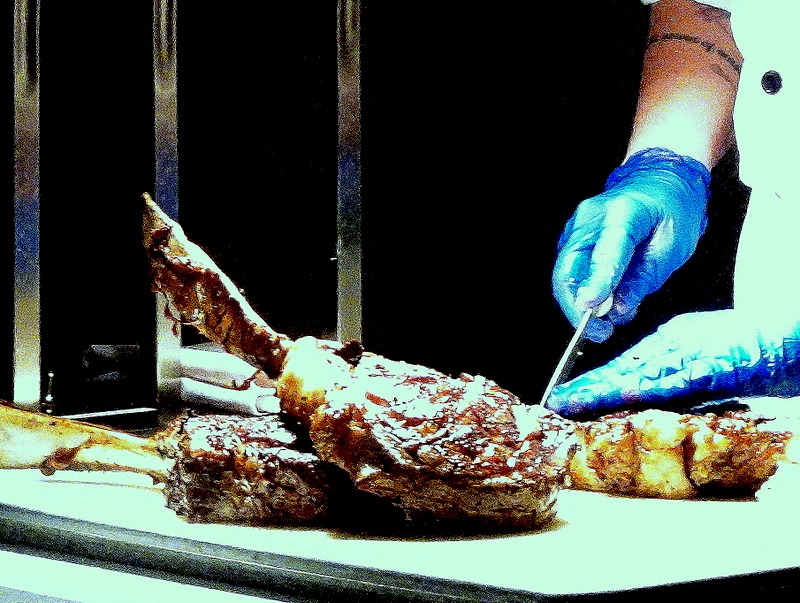
 That evening we had a reservation for a special Brazilian dinner in the Pinnacle Restaurant, along with our table mates Bob, Judy, Robert and Bill. But for the reservations we probably would have eaten in our room because we were so worn out from all that walking on the hot, humid and irregular streets of Manaus. But we were glad we went because it was quite a delicious dinner, accompanied by Brazilian dancing among the tables by the Oi Brazil cultural group on board. The highlight of the meal was thick ribeye steak sliced near our table, but everything was quite delicious.


So that is the end for our day in Manaus. We were very happy to get to bed since there was yet another port day ahead. So we will end now with a picture of six happy diners.


 BADER JOURNAL
so glad to see Mary smiling and I love her fan! Cecile
January 22, 2024 at 3:44 pm