Latest

Alofi, Niue

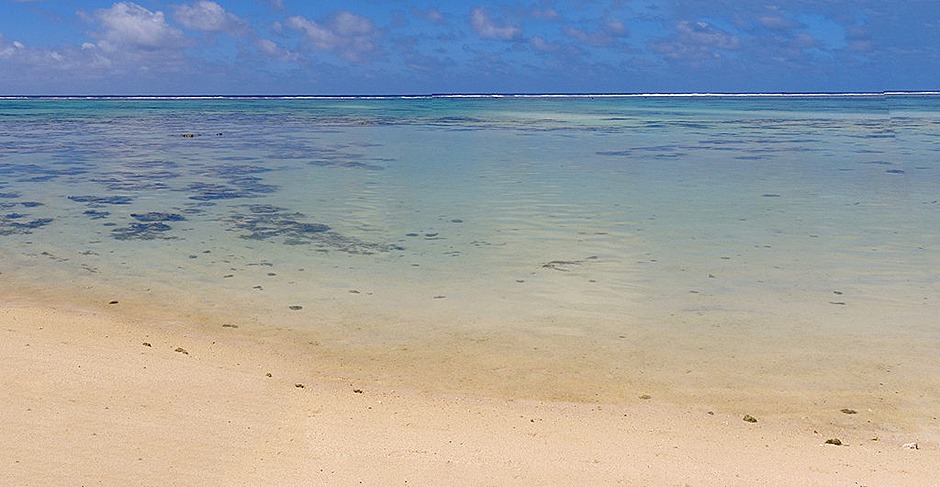
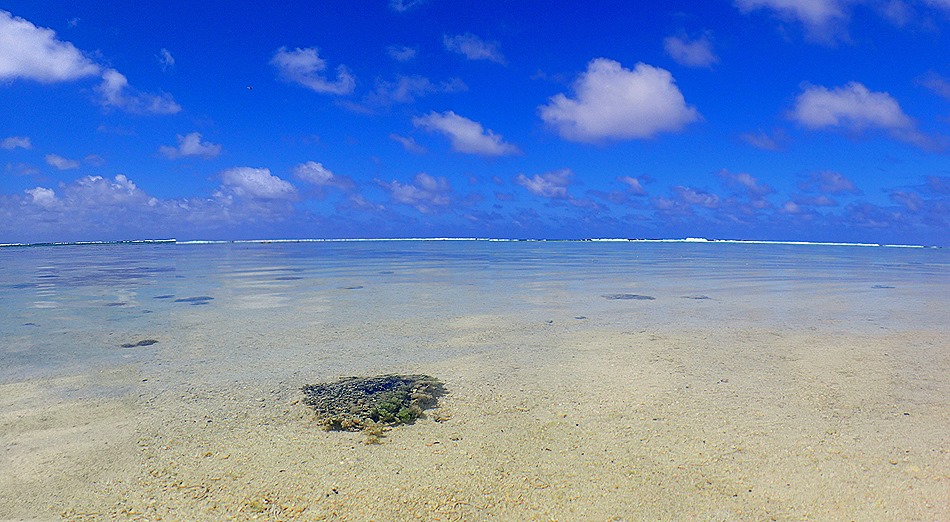
    Amsterdam anchored off the coast of the island of Niue early on the morning of January 28.  Never heard of Niue?  Well, you aren’t alone. This is the largest raised coral island in the world and also the world’s smallest sovereign state.  Home to some 1500 people, give or take a hundred, it also boasts the highest percentage of elected representatives: 1 for every 65 people.  There are actually twice as many Niueans living in Australia as on the island itself, and more than 12 times as many living in New Zealand.  That exodus was probably exacerbated by Cyclone Heta, which devastated Niue in 2004 with 150 mph winds and 90 foot waves that cleared the island’s cliffs. Although independent since 1974, the islanders are citizens of New Zealand.

   Many cruise ships miss scheduled stops here because of ocean conditions (no reef to protect the waters around the island). Our friend Bob, who has been on half a dozen HAL world cruises, told us that he had been scheduled to land here four times but had never made it ashore.  But we did . . . two for two in difficult islands!

     There were no shore excursions offered on this tiny island.  In fact, this was a Sunday, which in Polynesia is a very serious matter with everyone attending church and businesses all closed down.  We were told HAL had to negotiate with the islanders even to get permission to come ashore here on a Sunday.  Fortunately, those negotiations succeeded, but still there was little to see or do since transportation was largely unavailable beyond walking down the one main road of Alofi, the nation’s capital and largest town.

   So, after a leisurely breakfast, we tendered ashore. The Captain & his wife came ashore on the same tender.

72a.  Alofi,Nuie_stitch33.  Alofi,Nuie55.  Alofi,Nuie

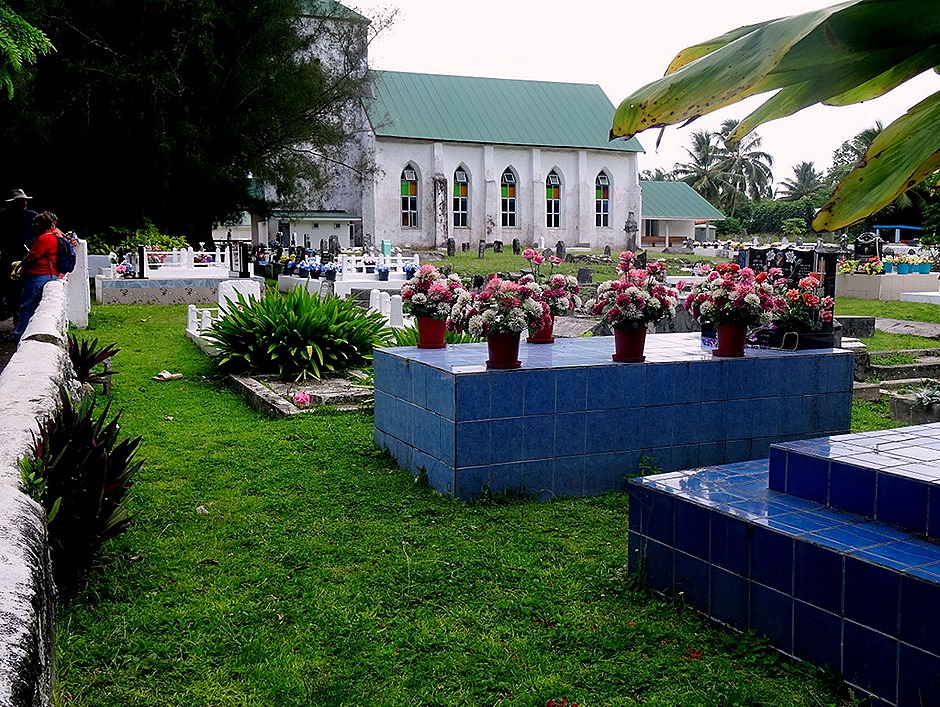
     We walked up the winding road in the first picture above and walked to the right.  There we found a church with services in progress.  We had heard much about the beauty of the singing of Polynesian choirs so we walked over to the church.  The singing was indeed nice, in four part harmony, but probably not what it usually is because about a third of the congregation was from the Amsterdam. Several dogs were lying patiently near the front door waiting for their masters to finish the services.  Around the church was an interesting graveyard, with many graves decorated with fresh flowers. One grave stone looked like it had been split by lightning. We actually saw graves in many places in Alofi, some in people’s yards & others near the cliffs that border the water.

23.  Alofi,Nuie13.  Alofi,Nuie86.  Alofi,Nuie11.  Alofi,Nuie12.  Alofi,Nuie26a.  Alofi,Nuie_stitch

     Behind the church near the cliff was a small area with a tomb in it.  Rick walked out there, but wasn’t aware that this is apparently the resting place of two of Niue’s ancient kings.  It had a fine view of the tender dock & the waves that constantly run in over the rocks nearby.

57.  Alofi,Nuie17a.  Alofi,Nuie_stitch22.  Alofi,Nuie21.  Alofi,Nuie42a.  Alofi,Nuie_stitch

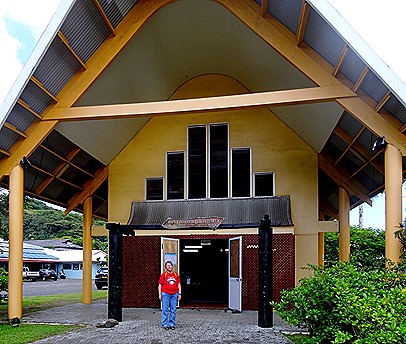
     Walking up the road from the church we passed the seat of Niue’s government, a colorful hut built for an art exhibition a few years ago and more nice sea views.  Very little was open, just the tourist information stop, a small shop advertising DVD rentals (we were told it actually had no dvds) & a couple of restaurants.  The tourist information shop had souvenirs and postcards for sale, but not much else was to be had.  We continued up the road.

25.  Alofi,Nuie58.  Alofi,Nuie56.  Alofi,Nuie46.  Alofi,Nuie28.  Alofi,Nuie53.  Alofi,Nuie34a.  Alofi,Nuie_stitch

     Finally we found the one historic spot in these parts.  In 1774 Captain Cook found this island and tried to come ashore. On the third try they set foot on land.  But although he brought trinkets & gifts he was driven off by spear throwing islanders with what he thought was blood around their mouths but was actually a red plant dye.  He named this “Savage Island,” claimed it for England & sailed away.  No other Europeans attempted to land here for another 80 years, when missionaries finally set up shop.  The place where Cook tried to land is called “Opaahi Landing.”  It was a very steep & slippery climb down from the road to the landing spot, so Mary stopped about halfway & Rick went all the way down to this picturesque spot.

47.  Alofi,Nuie48.  Alofi,Nuie50.  Alofi,Nuie

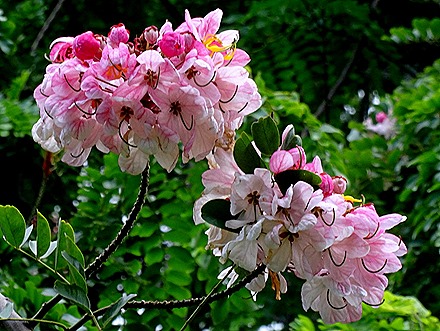
     While there wasn’t much here in the way of sights, we did see some flora & fauna while walking through the town and its outskirts.

36.  Alofi,Nuie30.  Alofi,Nuie37.  Alofi,Nuie62.  Alofi,Nuie38.  Alofi,Nuie39.  Alofi,Nuie59.  Alofi,Nuie64.  Alofi,Nuie

      One of the more dramatic aspects of Niue is the tall cliffs that line the water.  They appear to have been worn away at the bottom only by waves, which gives them an unusual aspect of hanging out over the water.  Quite beautiful.

83a.  Alofi,Nuie_stitch10.  Alofi,Nuie54.  Alofi,Nuie87a.  Alofi,Nuie_stitch

     We tendered back to the ship for the sail away.  We were glad we had a chance to see this remote and not often visited island, but it is not one we would go out of our way to visit again.  Unlike the others we have visited on this cruise, Niue lacks mountains or other distinguishing geographic features and the view as we sailed away was flat & uninteresting.

81a.  Alofi,Nuie_stitch94a.  Alofi,Nuie_stitch92.  Alofi,Nuie

Avatiu, Rarotonga

     On January 26 we were scheduled to stop in Rarotonga, the largest of the Cook Islands.  These islands are “associated” with New Zealand, which means they use NZ currency & New Zealand handles their foreign affairs, but internally they are self-governing.  In 2016 we visited here, but one of the tenders was shipwrecked on a coral reef, resulting in some injuries & expense to Holland America, including the Captain having to go to the Netherlands for an inquiry.  You can read all about that incident (and our visit to Rarotonga) here:

https://baderjournal.wordpress.com/2016/02/17/rarotonga-cook-islands

As a result of all this, it was quite clear that the Captain would not send in the tenders unless conditions were quite reliable.  During our sea day there were some sizeable ocean swells, so it didn’t look good for a visit.  Ships often miss this port because of sea conditions (there is no reef creating a calm water space around the island, as there is in Moorea & Bora Bora); most recently just a few days before we arrived. The Cook Island newspaper had an article (edited by me) anticipating our arrival:

____________________________________________________

 Cruise ship to call, weather permitting

With the scheduled arrival of the cruise ship MS Amsterdam this morning, local tourism operators are praying for a good weather so passengers from the cruise ship are able to come onshore.

The cruise ship which belongs to Holland America Line, an American/British owned cruise line originating in the Netherlands, will stay in Rarotonga for a day, leaving later in the afternoon.

It is expected to be off Avatiu harbour at around 7am.

Turama Pacific Travel’s Nina Webb said 340 passengers were booked for various tours during the day.

Webb said they were hoping for a better weather to allow the local tourism operators to maximise on MS Amsterdam’s Rarotonga tour.

On Friday last week, some tourism operators suffered a loss of business after efforts to get passengers onshore from the cruise ship Viking Sun proved futile. The cruise ship, with 930 passengers aboard, arrived on early Friday and was to call at Avatiu, but high swells made it difficult to get passengers onboard the cruise tender.

The ship was then directed to the Arorangi jetty where the sea was much calmer, but the passage through the reef proved too narrow for the tender to get through safely.

“We hope the weather is good enough to allow passengers from the Amsterdam to come onshore and enjoy what Rarotonga has on offer for them.”

Fourteen different ships will visit six of this country’s islands in 24 separate voyages, this year.

__________________________________________________

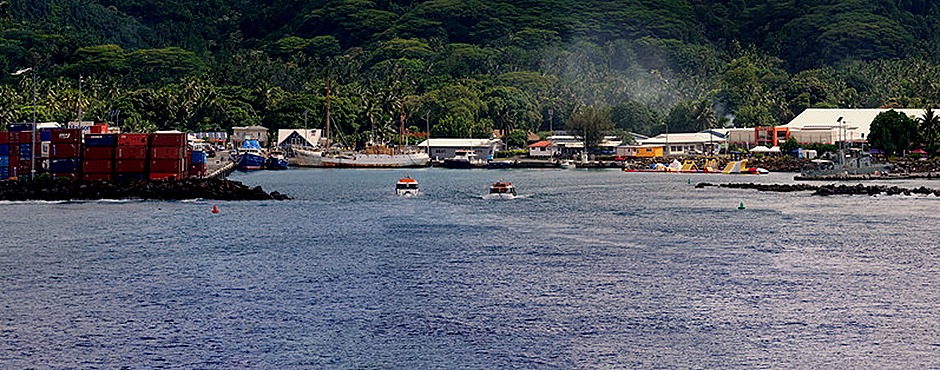
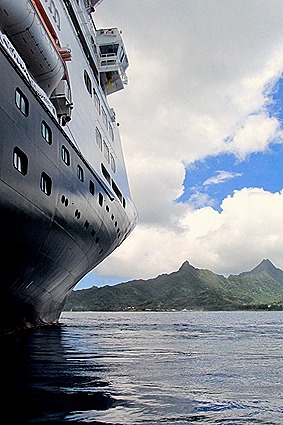
     We arrived off the coast at Avatiu early in the morning.  To make a long story short(er), the Captain maneuvered the ship around to protect as much as possible from ocean swells, then after lengthy consideration they lowered the tenders & tender platform.  So we were going in (yay!).

159a. Raratonga_stitch

     We were on a HAL excursion so we were sent into the first tender.  As luck would have it, this was the same tender that had been shipwrecked in 2016.  Our friends Bill & Robert, who had been on the tender for the incident in 2016, were on the same excursion.  From the look on Robert’s face we weren’t sure he would board the tender, but he did in the end.  Boarding the tender was unusually treacherous, since it was going up & down several feet in the waves, and also drifting several feet away from the platform then smacking back against the platform again.  So the crew helping people board were repeatedly yelling “hold on” as we hit the platform.  It took a while, but everyone boarded & we sailed for the harbor.  We noticed that while loading the next tender they had a second one acting like a tug, pushing the tender against the platform so it couldn’t drift away & back.

     Because of the treacherous conditions the Captain had restricted tender access to those who could walk on their own, or with easily portable assistance (like a cane).  We were told that one fellow wheeled his wife to the tender bay in a wheelchair and loudly demanded that she be admitted to a tender. With fully mobile people finding it so difficult to board the tender there was no way a wheelchair could have done so safely.  Reportedly, he actually said (this is kind of a running joke on board) that he had paid a lot for this cruise (who hadn’t ?) & resented being denied access to this island. He was properly told to take it up with the Captain.  You see a whole lot of strange behavior on a cruise ship; if you have a relaxed attitude this is one of the more entertaining aspects of life on board.
155a. Raratonga_stitch

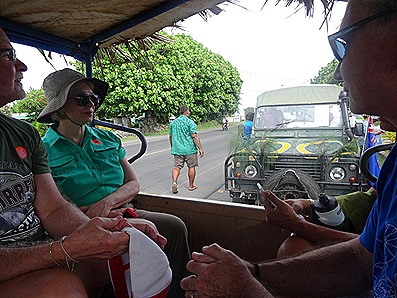
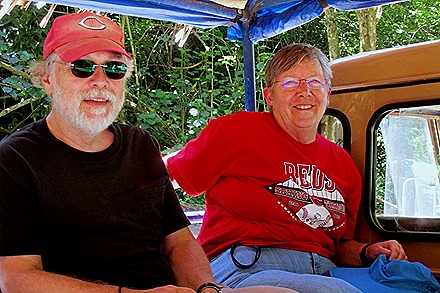
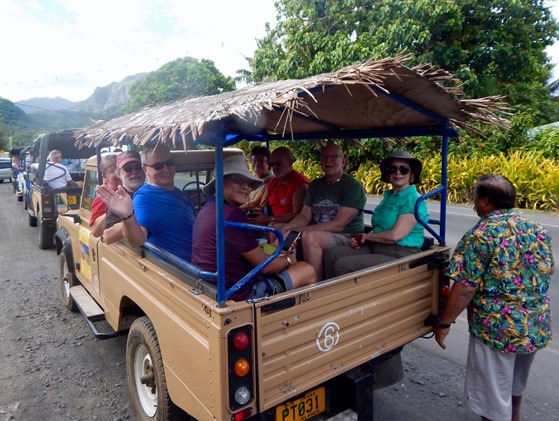
     We boarded open trucks for a trip around the island and into the mountains.  Unfortunately, three people hadn’t made it on time for the first tender, so we didn’t leave for about half an hour as we waited for them to arrive on the unusually slow tender service today.  This had consequences for everyone on the tour later; we would have left them since it was their own fault they didn’t get themselves to the meeting point for the first tender on time. But lucky for them it wasn’t up to us.  Finally, we all boarded the back of the trucks & drove through some rough landscape to reach a high viewing point.
17. Robert Rarotonga18. Robert Rarotonga4. Raratonga9. Robert Rarotonga

     Before we get to the tour, however, we wanted to mention one of the musicians on board.  Hyperion Knight is a Julliard trained pianist from California.  He put on three shows during his stay, including some truly virtuoso piano performances and some entertaining music history.  But on most days he also performed informally in the Explorers’ Lounge.  He called it practice, but he took audience requests & interacted with his listeners. Very unusual and a nice bonus.

2. Raratonga

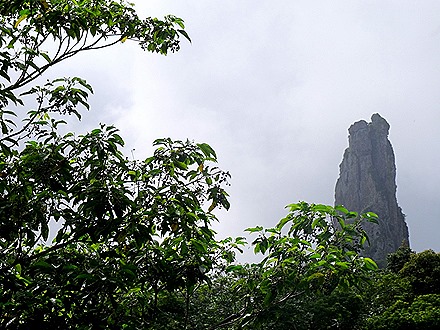
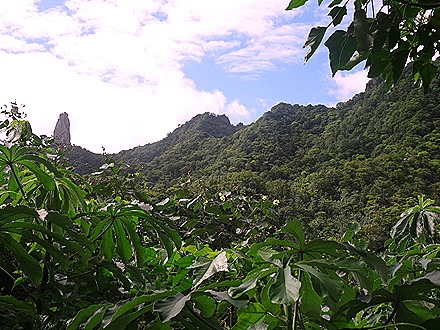
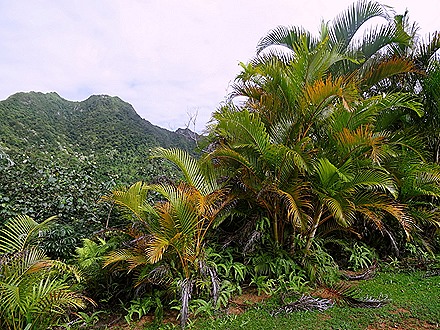
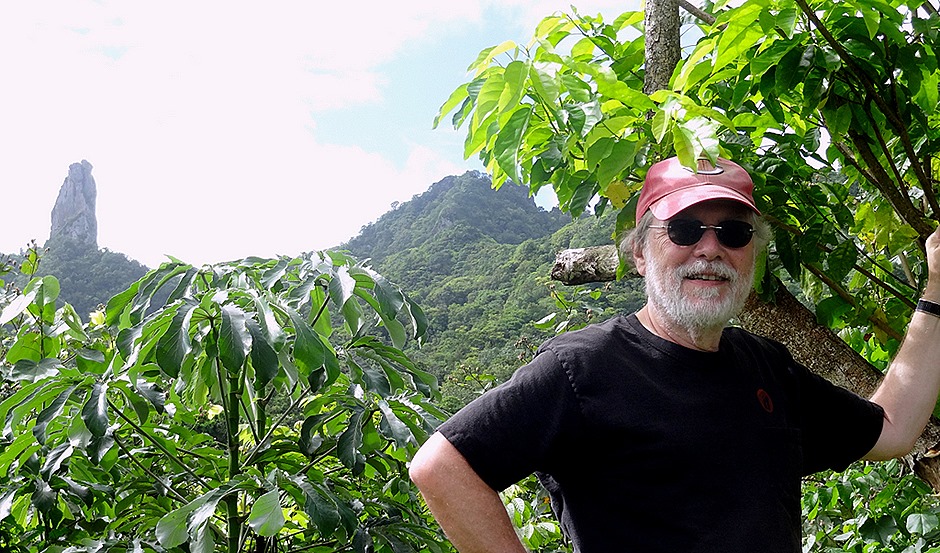
     Getting back to our story, we drove through some very rough & steep terrain to a viewing point in the mountains.  At one point on a very steep climb the back door of the truck flew open & a step stool fell out on the road.  Fortunately the passengers at the end were able to hold on and stay in the truck, because the driver wasn’t stopping for anything; if he had stopped he probably would not have had the momentum to make it to the top.  At the top he stopped, then walked down the hill & retrieved the step stool. The viewing point was worth the drive & gave the closest view  available of “the Needle,” a rock formation near the top of the tallest mountain.
18a. Raratonga_edited6. Raratonga19. Raratonga7. Raratonga25. Raratonga17. Raratonga4. Robert Rarotonga20. Raratonga26. Raratonga

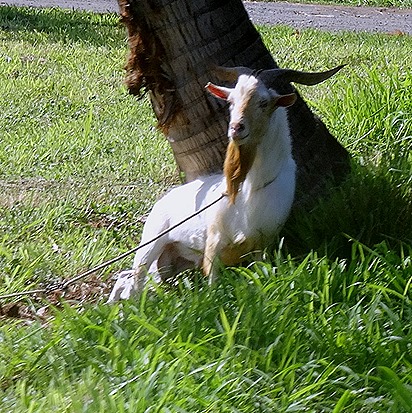
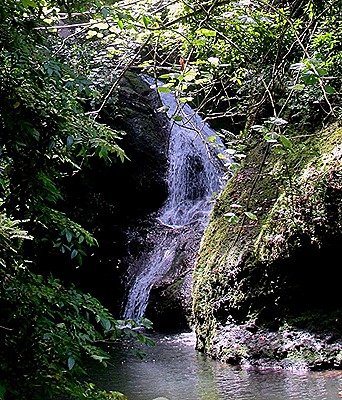
     We drove down from the mountain, the highest point vehicles can reach, to the only waterfall on the island.  Called “Papua Vai Rere,” we were told that this was where women came to bathe in the old days.  Men were not allowed.  On the way we passed a goat & a bust of what looked like a Roman sitting on a pillar, weirdly placed in the middle of the jungle.  Go figure.

30. Raratonga37. Raratonga34. Raratonga6. Robert Rarotonga40. Raratonga8. Robert Rarotonga

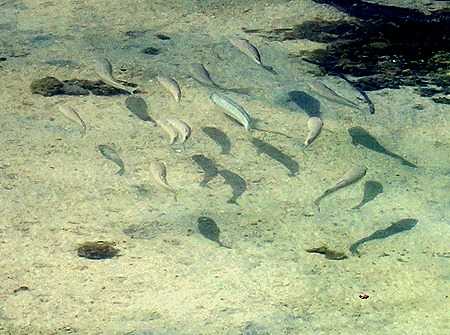
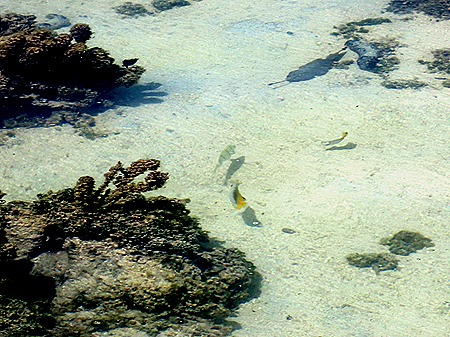
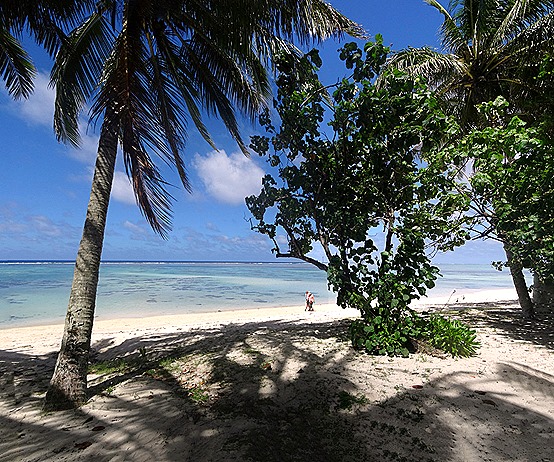
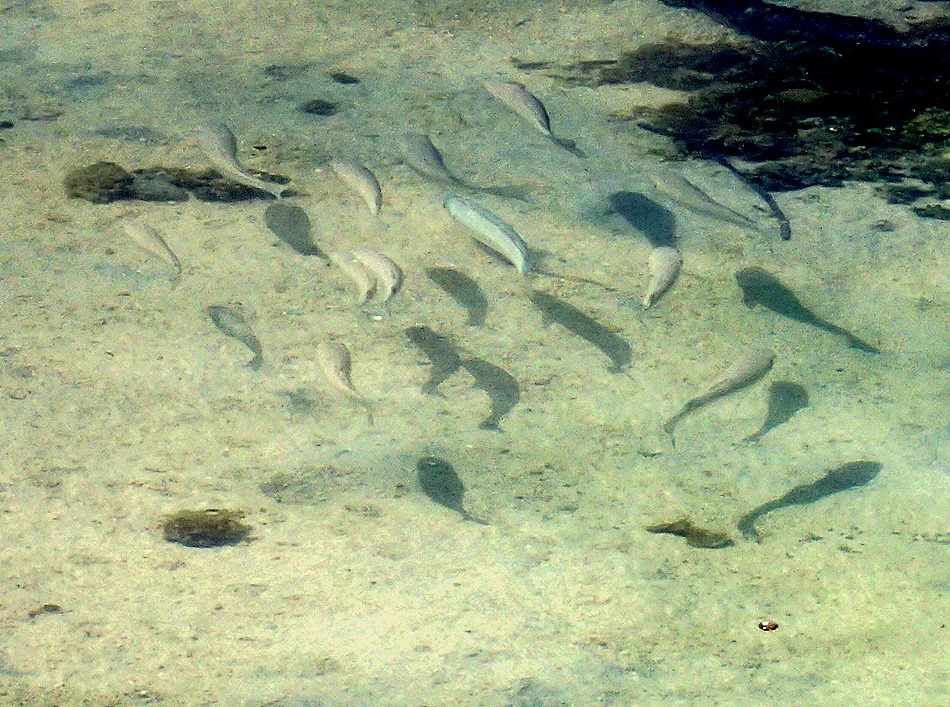
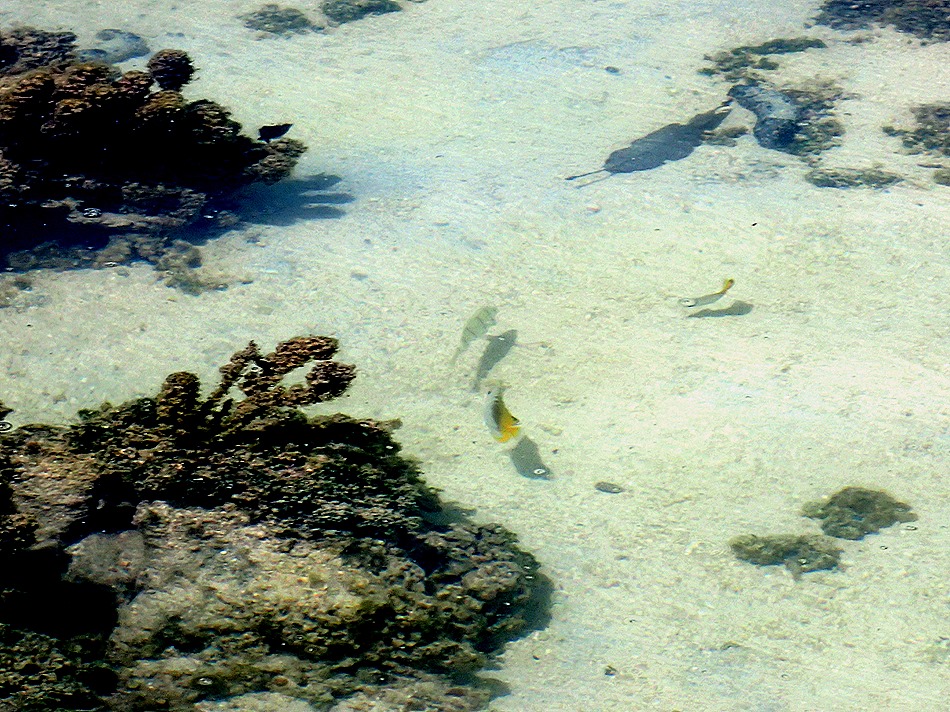
     After a long drive across the island, passing the hospital (why?), the jail & the airport, etc., we visited a large & beautiful beach with water so clear you could see the fish swimming under the surface.
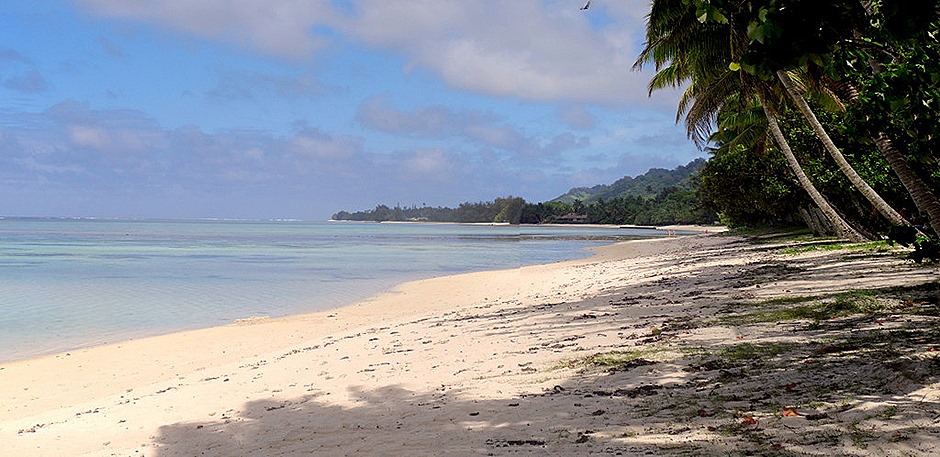
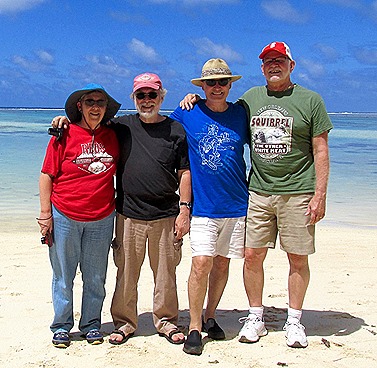
47a. Raratonga_stitch11. Robert Rarotonga55. RaratongaP1260128P126013153a. Raratonga_stitch13. Robert Rarotonga50a. Raratonga_stitch52a_stitch

     We went to see an ancient marae, a sort of platform that was sacred to ancient Polynesians on all of these islands.  This one, called Arai-Te-Tonga, was the site of the royal court of the Makea tribe, built shortly after they first settled Rarotonga round 1350 AD.  These sites are still considered tapu (taboo).
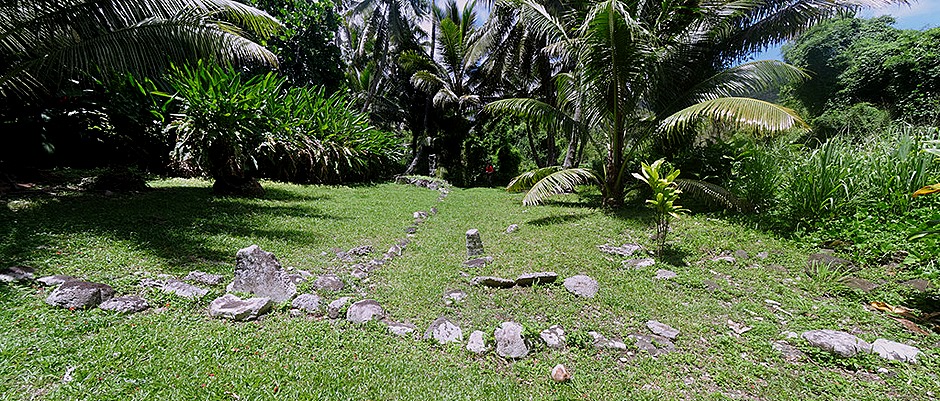
58a. Raratonga_stitch

    Because of our late start, they skipped the site we most wanted to see: the place where the sea canoes left to settle New Zealand.  It was on the tour program & even announced at the beginning of the tour, but in the end they drove us back to town from the marae.  We were not happy campers!

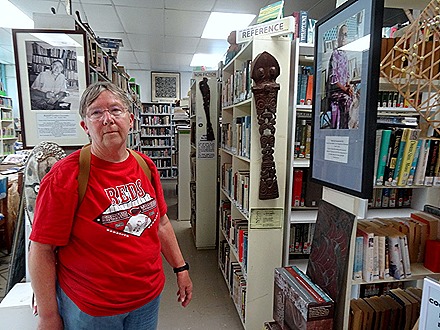
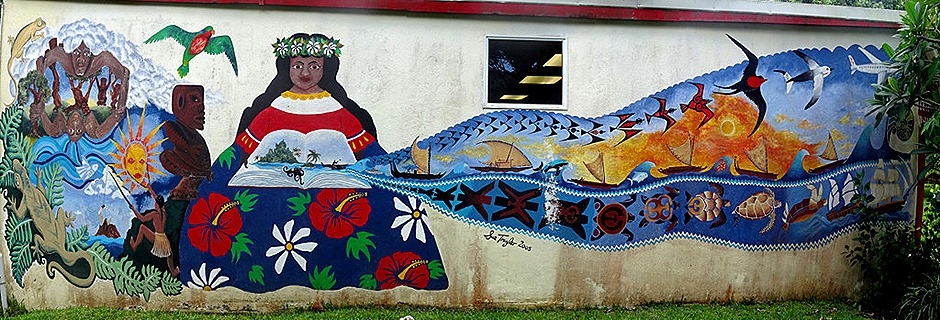
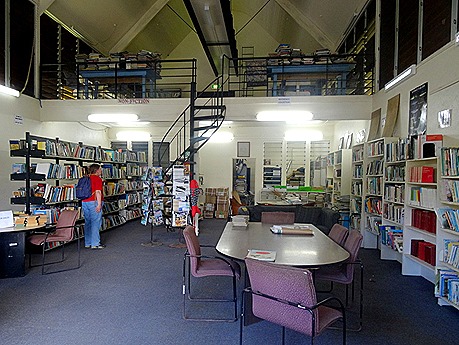
     Back in town, we set out on foot.  Our primary objectives were the local libraries.  We found the town’s public library first, but it was closing so we only had a minute inside.  It is quite small & unassuming with very few bookshelves.  But it has a colorful mural on one outside wall.
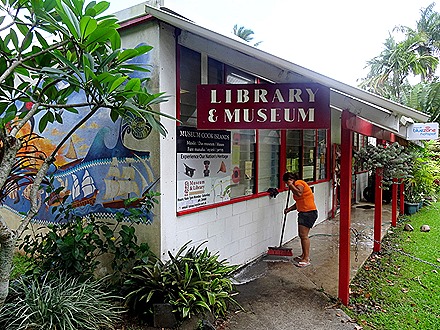
75. Raratonga71. Raratonga72a. Raratonga_stitch

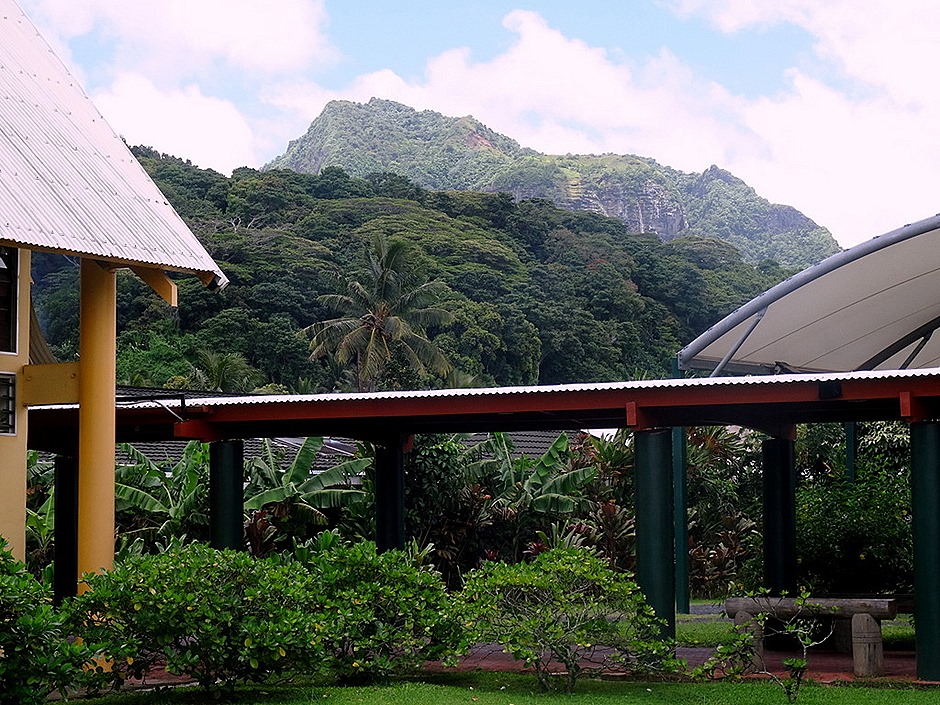
     We walked on to find the National Library.  It wasn’t far away but was tricky to locate. It is in a much larger cultural center complex, amid lush greenery.  It is bigger than the local public library, but not much.
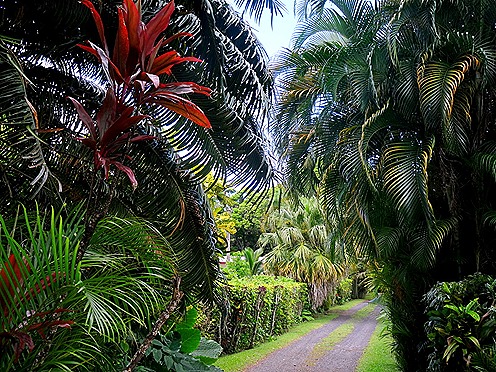
76. Raratonga82. Raratonga83. Raratonga_ShiftN84. Raratonga85. Raratonga

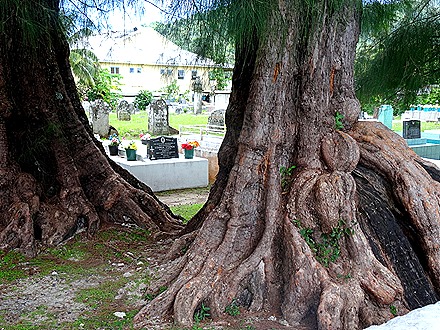
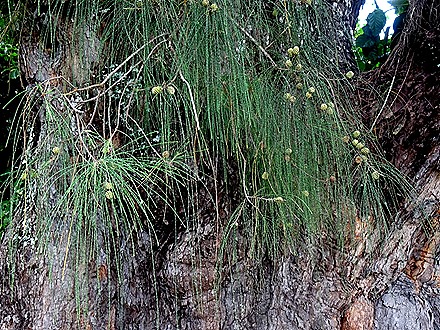
Near the libraries was a lovely small “Peace Garden.”  There was also a church with a cemetery & a tsunami warning instructing you to seek higher ground if there is an earthquake. We walked by the University of the South Pacific, which we think may have been the first university in Polynesia.  There were a lot of trees near the church with huge trunks & roots but very delicate leaves.
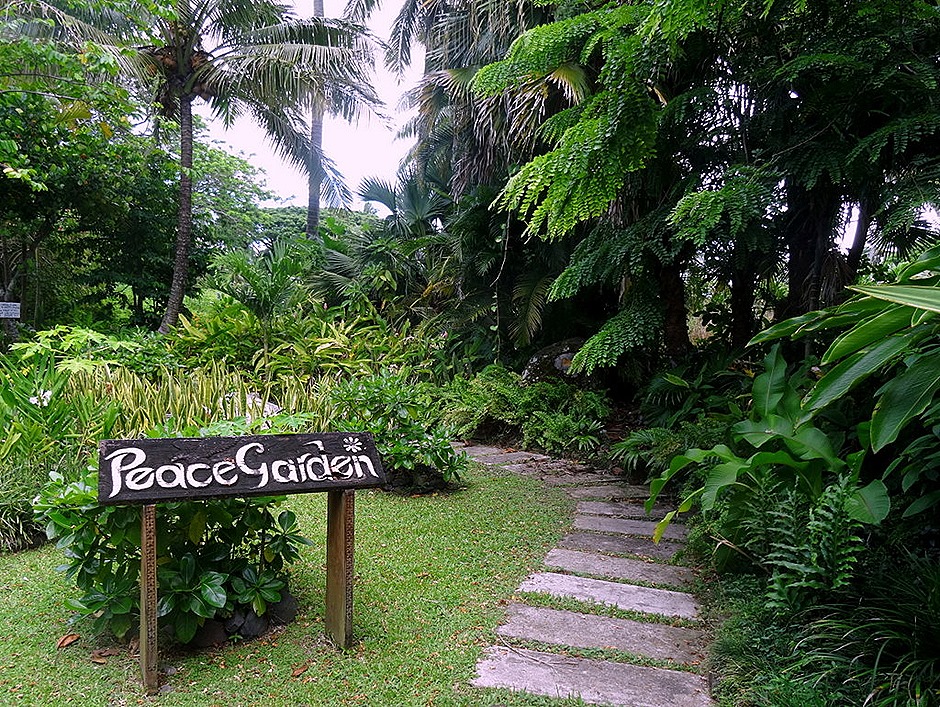
95. Raratonga87. Raratonga89. Raratonga103. Raratonga108. Raratonga97. Raratonga

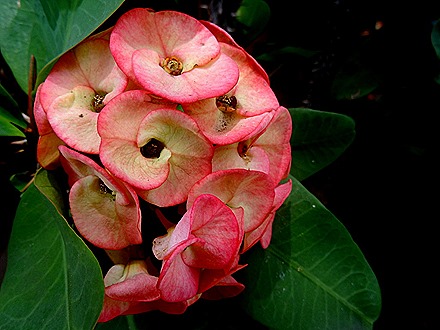
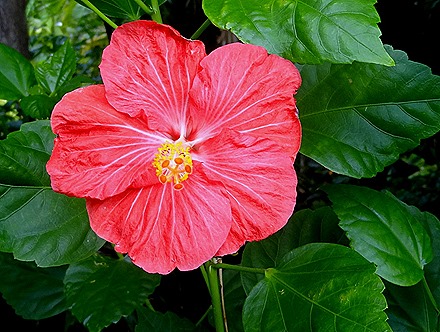
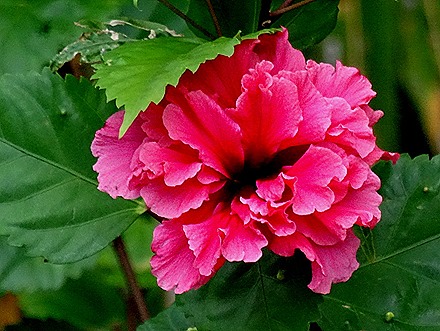
     Rarotonga is a very lush island, so there are a lot of beautiful flowers all over.  Here are some.
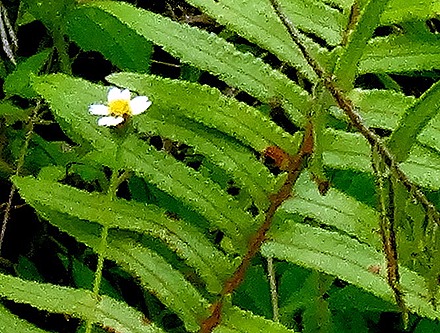
9a. Raratonga22. Raratonga62. Raratonga70. Raratonga91. Raratonga94. Raratonga96. Raratonga98. Raratonga99. Raratonga102. Raratonga104. Raratonga105. Raratonga45. Raratonga122. Raratonga111. Raratonga112. Raratonga121. Raratonga125. Raratonga126. Raratonga114. Raratonga115. Raratonga

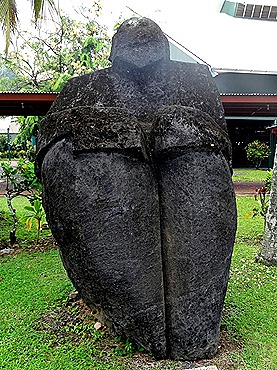
     We also saw some distinctive Polynesian stone sculptures.
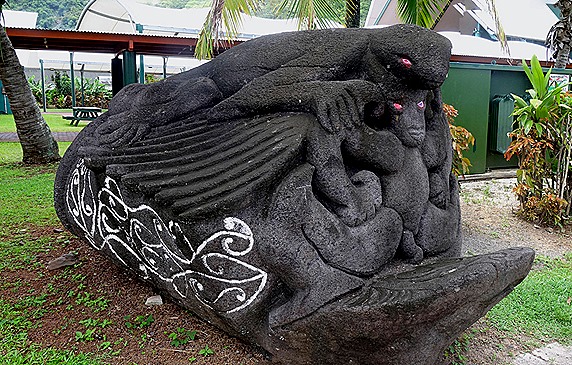
79a. Raratonga_stitch77. Raratonga

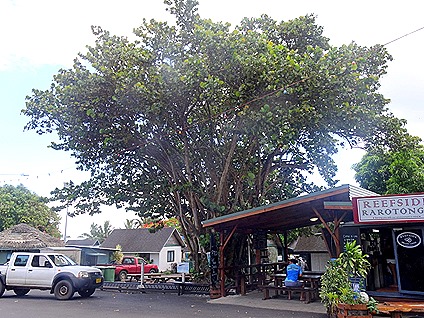
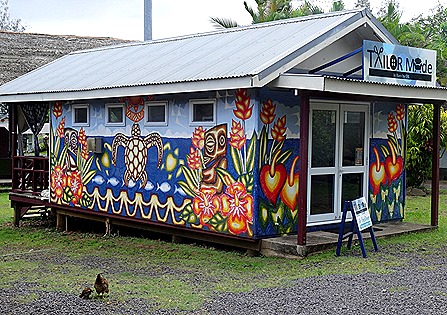
     After walking through town & visiting some shops we headed back toward the tender dock.  On the way we passed a building with an interesting wall painting and a “fish tree.”  Unique to the Cook Islands, a fish tree is used for fishermen to display their catch for sale. The fishermen sew their catch together in what is called a “tui,” then hang it from the tree.  This large tree has been used for this purpose for many years.
130a. Raratonga_stitch129. Raratonga

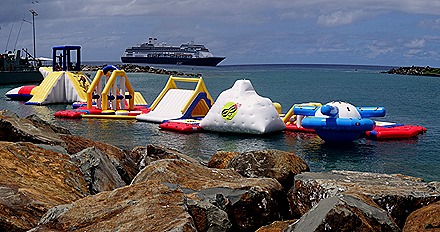
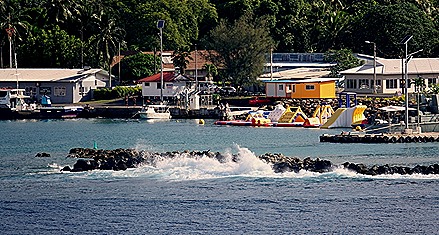
      At the dock we passed a water playground ($20 per hour), then boarded the tender for the much easier ride back to the ship.
132a. Raratonga_stitch165. Raratonga

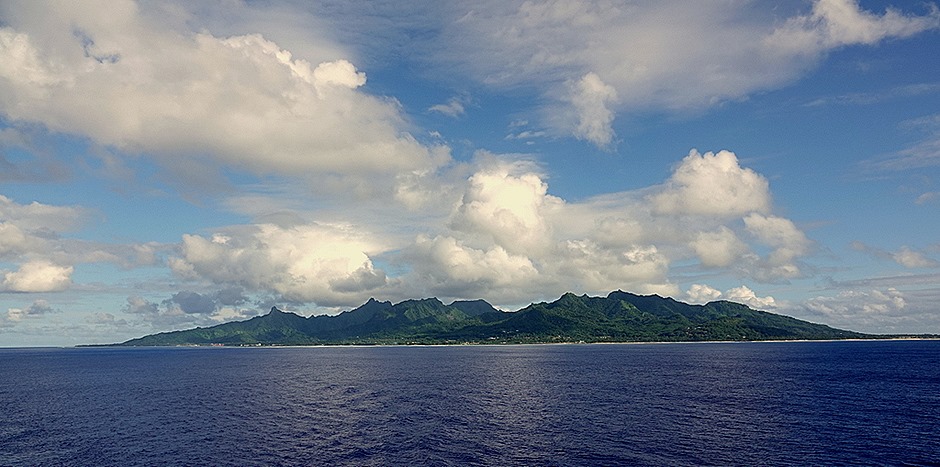
      So that was all, after a very full day on Rarotonga, an island we didn’t expect even to be able to visit when we arrived this morning.  We sailed away toward another island that is often missed by cruise ships because of iffy ocean conditions.  Would we get lucky twice in a row?  Tune in next time to find out.
184. Raratonga

Viatape, Bora Bora

     This was our first visit to Bora Bora, an island Rick has wanted to visit since he read James Michener’s Hawaii when he was in high school.  So he was out on deck early on January 14 for the sail in.  Curiously, not many passengers were out this morning for what turned out to be a pretty spectacular approach with the sun rising behind the big mountain that dominates the island.

10a. Bora Bora_stitch

    I’m sure I am not the first to notice this, but this huge island mountain made me think of Bali Hai in the movie South Pacific. Which is not far fetched since Michener spent time on this island while in the Navy during World War II before writing the book on which the musical & movie were based.  But Bali Hai is undoubtedly an amalgam, since the view of Moorea from Tahiti is also reminiscent of the movie.  Our friend Peggy was on deck for the sail in too, and a nice fellow passenger offered to take our picture, undoubtedly under the impression we were a couple.

24. Bora Bora2b. Bora Bora

     We anchored surprisingly close to shore & could see the town of Vaitape clearly from the ship.  We could hardly wait to get there, it looked like such a beautiful spot. On an island across the water from the town was an abandoned resort that looked like it might once have been quite a nice place to stay.

2d. Bora Bora20. Bora Bora1a. Bora Bora_stitch13. Bora Bora

    Our plan was to explore the town during the morning, then we had an open truck tour of the island scheduled for 2:00.  So after breakfast we took the short tender ride into town, where we were greeted by a musical group.

102. Bora Bora93. Bora Bora27. Bora Bora

     The town as a whole was a real disappointment.  It was small & crowded with commercial buildings.  The traffic was unrelenting on the one road in the town & there was a very touristy commercial vibe, nothing like what the island looked like from the water.  Of course, the touristy vibe was emphasized by the hundreds of tourists who poured into this tiny town, constituting the majority of people on the street.

127. Bora Bora129. Bora Bora113. Bora Bora130. Bora Bora118. Bora Bora128. Bora Bora

     There were two interesting churches in town.  One was pink with a red roof & steeple, which looked nice in front of the green mountain.  We aren’t sure what denomination it is, but the other one may be Catholic since it had stations of the cross inside.  The second church was less attractive from the outside, but inside was a large window with stained glass around the sides, painted images in the middle & a number of clear glass panes that allowed a view of the mountain behind.  Very interesting.

114. Bora Bora107. Bora Bora105. Bora Bora105a. Bora Bora_stitch119. Bora Bora121a. Bora Bora_stitch

     We wandered up the street & back, perusing shops & art galleries but finding nothing we wanted to purchase.  We went back to the ship for lunch, then tendered back to the pier in time for our 2:00 excursion.  There were eight folks in the truck for this outing.  The roads on this island were built by the U.S. Navy, which maintained a supply base here during World War II.  We found that many of them go straight up a mountain, no switchbacks or zig-zags, so we had to hold on tight to avoid sliding into the next person’s lap.  But it was fun.

73. Bora Bora70. Bora Bora39a. Bora Bora_stitch

     While some of the travelling was a little rough, the lookout spots on the mountains were well worth it.  Bora Bora has a particularly wide lagoon inside its reef & our guide told us there are 14 colors of blue in the water here.  While we didn’t count them, we believe it because we saw a lot of shades of blue on our short visit.

62a. Bora Bora_stitch48. Bora Bora51. Bora Bora89a. Bora Bora_stitch97a. Bora Bora53a. Bora Bora65a. Bora Bora_stitch54. Bora Bora58. Bora Bora86a. Bora Bora_stitch95a. Bora Bora_stitch

     During World War II the US Navy had an important supply operation on Bora Bora.  To protect the island several large cannons were put in place on the mountainsides.  There was never any actual fighting here, however, so the guns were not used.  But they are still there and we visited one of them.

44a. Bora Bora_stitch43. Bora Bora

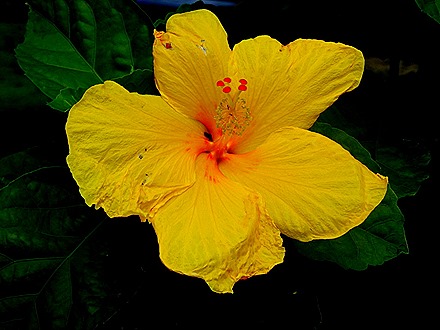
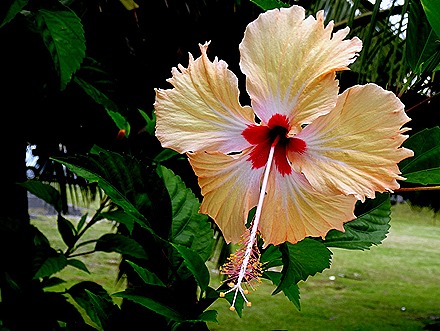
    At the gun site were several reddish flowers lying on the ground, having fallen off a tree.  We were told that these were a type of Hibiscus.  The flower lasts only one day: it opens yellow in the morning, turns bright red in early afternoon, then turns dark red & falls off before evening.  It sounds kind of sad, really.  We saw a lot of other nice flowers on this lush island, so there are some more pictured below.

50. Bora Bora36. Bora Bora74. Bora Bora101. Bora Bora49. Bora Bora111. Bora Bora117. Bora Bora120. Bora Bora104. Bora Bora124. Bora Bora126. Bora Bora

     We stopped at a beach & also drove by several of the expensive resort hotels with glass bottom bungalows over the water.

56. Bora Bora69. Bora Bora68. Bora Bora72. Bora Bora76a. Bora Bora_stitch

     We stopped at a place where they were making pareos, decorated Polynesian cloth that can be folded to wear as a skirt, dress, shawl, etc.  Many are printed in bright designs, but the more interesting ones are sort of tie-dyed, then left in the sun with decorative linoleum cutouts on top.  The exposed dye is activated by the sun in a way the covered dye is not, giving the design (often including the name of the island) a varied & colorful design.  Pareos are everywhere in Polynesian shops.

28. Bora Bora29. Bora Bora30. Bora Bora32. Bora Bora33. Bora Bora34. Bora Bora

     We returned to the dock & tendered back to the ship.  Here are a couple of miscellaneous pictures that didn’t fit anywhere else.

60. Bora Bora61. Bora Bora137. Bora Bora

     In 2016 we had a number of cook-outs on the lido deck, which were fun.  But last year the health inspectors nixed that for some reason, so now they have “cook-ins” in the lido buffet and you can take the food out on the deck to eat.  This isn’t nearly as much fun.  But tonight there was a Polynesian cook-in at the Lido, complete with suckling pig & drinks sipped out of coconuts.  We ate in the dining room.

135. Bora Bora136. Bora Bora 

     Sunset was behind an island, but Bora Bora itself was bathed in sunlight.

143. Bora Bora138. Bora Bora142a. Bora Bora_stitch140. Bora Bora

     We sailed away from Bora Bora looking forward to a relaxing sea day (finally after 4 consecutive ports).  The sky was clear, the moon was bright & of course there was a towel animal at bedtime.

149. Bora Bora31. At Sea to Nuku Hiva

Opanuhu Bay, Moorea

     We left Tahiti around 5:00 AM for the short sail to Moorea, approaching the island shortly after sunrise.  Moorea has two large bays parallel to each other: Cook’s Bay & Opanuhu Bay.   We had been told, right up to bedtime the night before that we would be anchored in Cook Bay this time but as we emerged on deck for the sail in we discovered it was Opanuhu Bay, the same as last time.  It is an amazingly beautiful spot, but we (and others) had been hoping for something new.  1a. Opanuhu Bay, Moorea_stitch

    In 2016 we enjoyed a 4X4 excursion through the mountains & pineapple groves of Moorea, and you can see that here:

https://baderjournal.wordpress.com/2016/02/16/opunohu-bay-moorea

So this time we decided to take it easy by tendering ashore and hiking down the road toward the bay.  So, after breakfast in the dining room we boarded a tender to go ashore.  We sat by the rear windows during breakfast where a crew member was hanging on a rope outside washing the windows.  We were glad to be on the inside.

16. Opanuhu Bay, Moorea67a. Opanuhu Bay, Moorea_stitch94. Opanuhu Bay, Moorea

     We walked out of the little village at the tender port, which seems to be named Papetoa, then turned left toward the bay.  They have recently upgraded the road so that it is paved & fairly smooth going.  It was a very nice day & there was a lot of great scenery every way you turned . . . mountains, palm trees, etc.

21a. Opanuhu Bay, Moorea_stitch20. Opanuhu Bay, Moorea - Copy24. Opanuhu Bay, Moorea

     We passed bananas, breadfruit, mangoes & coconuts growing on trees.  There was also a fruit stand in front of someone’s driveway, but no one was manning it.  Maybe it’s an honor system.

27. Opanuhu Bay, Moorea35. Opanuhu Bay, Moorea26. Opanuhu Bay, Moorea30. Opanuhu Bay, Moorea31. Opanuhu Bay, Moorea49. Opanuhu Bay, Moorea

     As we neared the bay we had views of the ship and of the pointed peak in the middle of the bay shore.

42. Opanuhu Bay, Moorea37. Opanuhu Bay, Moorea41. Opanuhu Bay, Moorea43. Opanuhu Bay, Moorea47. Opanuhu Bay, Moorea

     We saw a lot of flowers along the road to the bay.  Here are a few of them.

28. Opanuhu Bay, Moorea53. Opanuhu Bay, Moorea19. Opanuhu Bay, Moorea55. Opanuhu Bay, Moorea59. Opanuhu Bay, Moorea29. Opanuhu Bay, Moorea57. Opanuhu Bay, Moorea63. Opanuhu Bay, Moorea44a. Opanuhu Bay, Moorea_stitch

     We were walking along the road on our way back to the port when suddenly a horse stepped out of the brush right in front of us.  She wasn’t the least bit afraid, and a moment later her two foals followed her out.  They grazed by the road as we continued on.  We also passed a goat, working hard at keeping the grass short in someone’s yard.  A bird hopped up on the goat’s back, but the goat didn’t seem to notice.  We also walked past the local school before reaching the tender port.

52. Opanuhu Bay, Moorea60. Opanuhu Bay, Moorea56. Opanuhu Bay, Moorea62. Opanuhu Bay, Moorea

     In Papetoa (if that is the right name for the tender port village) is a small octagonal church with a bright orange roof.  We were hoping to go inside this time (it was locked in 2016), but no dice.  We were told that this was the first church in Polynesia, originally built in the first half of the 19th century.  We saw a tile mural that centered on this church.  There was a market set up at the pier, about the best place we have seen to buy nice black diamond jewelry, as well as tee shirts & other items.

18. Opanuhu Bay, Moorea64. Opanuhu Bay, Moorea_ShiftN66. Opanuhu Bay, Moorea_ShiftN69. Opanuhu Bay, Moorea

     Waiting on deck for the sailaway, we saw a number of outrigger canoes in the water near the ship.  There was also a resort hotel nearby with cabanas over the water.  These are available for visits (for a whole lot of money) on several of the Polynesian islands we visited.

73. Opanuhu Bay, Moorea85. Opanuhu Bay, Moorea93. Opanuhu Bay, Moorea

     We sailed away well before sunset.  As we did so we saw another ship, a small Europa vessel, sailing out of Cook’s Bay.  Apparently they were given the port position there that Amsterdam had anticipated using.  Moorea is probably the most beautiful island we have seen, lush green craggy mountains & a calm blue lagoon surrounded by a reef where the surf breaks.  As we sailed away in the evening we appreciated the view once again.

80a. Opanuhu Bay, Moorea_stitch105. Opanuhu Bay, Moorea113a. Opanuhu Bay, Moorea_stitch-001116. Opanuhu Bay, Moorea

     It was too early for a real sunset, but the sun did dip dramatically behind some clouds.  And after dinner a towel animal was waiting for us as we hit the sack to prepare for an early morning arrival at Bora Bora, the last of our four consecutive port days.

115. Opanuhu Bay, Moorea117. Opanuhu Bay, Moorea

Papeete, Tahiti

      At about 8:00 Am on January 22, we docked (yes docked!) in Papeete, Tahiti, the second of four consecutive shore days, the only such stretch on this voyage. Last time we were here we took an excursion along the west side of the island, which is documented here:

https://baderjournal.wordpress.com/2016/02/13/papeete-tahiti

So this time we had a morning excursion along the north coast to Venus Point, where Captain Cook observed the passage of Venus across the Sun in 1769 as part of a worldwide effort to measure the distance to the Sun. Upon leaving the ship we were greeted by local singers & dancers in costume.

7. Tahiti8. Tahiti

     Driving north we passed the crown peak, which actually looks like a giant crown among the mountains.  Then our first stop, the house of American author James Norman Hall.  So, who is that, you may ask (we did).  It turns out he was a flyer in the Lafayette Escadrille in World War I, then co-author of the Bounty trilogy, upon which the Mutiny on the Bounty films were based.  He was, therefore, partly responsible for the maligning of the reputation of Captain Bligh that is still with us.  Bligh (who had been Cook’s navigator on his final voyage) came to Tahiti on a mission to collect breadfruit seedlings for transplanting in the Antilles, where it was thought to be a perfect source of food for slaves.  His ship was here for months & many of his seamen became enthralled with the beauty of the island and, probably more importantly, its friendly women.  Bligh did not treat his men any worse than other sea captains of the time, and better than many, but Fletcher Christian considered himself to be a gentleman who was above the normal treatment of ship officers. He was popular among the seamen & his growing animosity toward Bligh culminated in the mutiny.  The mutineers set Bligh & a couple of dozen others afloat in an open boat & returned to Tahiti, where they split up, some staying in Tahiti with their new wives & the rest sailing with Tahitian girlfriends & slaves to Pitcairn island.  Meanwhile, Bligh brought all but one of his open boat contingent safely to what is now Indonesia, some six thousand miles away, now considered one of the great feats of navigation history.  The mutineers on Tahiti were later rounded up by the British & most ultimately executed, while most of those on Pitcairn did not survive a slave uprising there.  Bligh completed his breadfruit mission on a second voyage and went on to become governor of Australia.

9. Tahiti18. Tahiti17. Tahiti

     We drove on to Venus Point.  The only lighthouse on Tahiti is situated here, built in 1867.  It was reputedly designed by the father of Robert Louis Stevenson, a notable lighthouse builder (we saw one of his in Shetland in 2014). A plaque commemorates Stevenson’s statement upon visiting it in 1888 that he was moved because he worked in his father’s office the year it was designed.  We have read elsewhere that it really wasn’t designed by Stevenson the elder, but his son would probably have known.

20. Tahiti52. Tahiti21. Tahiti55. Tahiti

   There are two monuments at Venus Point. The first is to commemorate Cook’s viewing of the transit of Venus.  Our guide told us the spot was picked because of a piece of coral with a ridge cut into it that the finders thought was left to mark the spot, but he said it really wasn’t.  The second monument was erected recently to commemorate the Bounty mutineers, built apparently by some of their descendants.

34. Tahiti36. Tahiti

     Today Venus Point is a very pretty park.  To its left is Matavai Bay, where Cook anchored in 1769 & the Bounty anchored for several months in 1788.  The beach is black sand, which gets extremely hot in the sun . . . never walk on it barefoot!  Part of the Marlon Brando version of Mutiny on the Bounty was filmed here, as the ships sailed into the bay.  But the coming ashore scenes were filmed at another island because the director wanted a white sand beach; he though American audiences would never accept the real thing.

25. Tahiti26. Tahiti54. Tahiti48. Tahiti51. Tahiti49. Tahiti1a. Tahiti38. Tahitia_stitch

     Our last stop before returning to town was at a lookout point on top of a hill overlooking Matavai Bay.  We don’t know its current name, but Cook’s men called it “One Tree Hill.”  We can imagine why, but today it is covered by trees.  There is a huge rubber tree at the top that has been cut back several times.  It looks like it could have been there when Cook visited, but our guide told us it is only about 40 years old.  Apparently the grow really fast.

57a. Tahiti_stitch62. Tahiti5. Tahiti

     Back in Papeete we first walked to the Catholic Cathedral.  Papeete is a modern city with busy streets & lots of nondescript commercial buildings.  One distinctive thing here is the paintings and/or graffiti on the walls of many buildings.  Some are quite impressive.

67. Tahiti150. Tahiti

87. Tahiti12. Tahiti10. Tahiti65. Tahiti103. Tahiti147. Tahiti

     We visited the Catholic Cathedral in 2016, but it was closed.  This time it was open to worshippers & visitors so we were able to see its interior & stained glass windows.  The windows have Tahiti influenced images, such as breadfruit trees, canoe paddlers, and local musical instruments.  Papeete means basket of water, & one of the windows included this image.

68a. Tahiti_stitch74. Tahiti75. Tahiti77. Tahiti79. Tahiti82. Tahiti83. Tahiti80. Tahiti81. Tahiti

     We visited the Marche, a large two story market building.  The first floor is mostly produce, with some other products like straw hats.  The second floor has a bar & higher end jewelry & textile stores.  There was a group singing & playing on the first floor as well today.

88. Tahiti89. Tahiti93. Tahiti95. Tahiti100. Tahiti99. Tahiti_ShiftN

     In recent years Papeete has turned its waterfront into a very long & beautiful park, full of trees & flowers.  We decided to walk all the way down to the end, where sits the public library.  In 2016 the library was closed, so we were hoping to see the inside today.

117. Tahiti127. Tahiti122a. Tahiti_stitch129a. Tahiti_stitch

     They have built sort of an aquarium in the water along one part of the park.  The fish are under netting & there are signs not to touch or feed the fish.  They are not easy to see, but its an interesting concept to have this right there in the salt water.

118. Tahiti120. Tahiti

     Since we are in the park, this is a good place to show you some of the many beautiful flowers we saw  in Tahiti.  A lot were in the park, but some were at Venus Point & elsewhere. We also saw some birds.

15. Tahiti23. Tahiti84. Tahiti104. Tahiti110. Tahiti132. Tahiti154. Tahiti106. Tahiti121. Tahiti137. Tahiti

     We reached the library, but the outer gate was locked . . . worse than last time!  But Rick explored around the back & finally found an open entrance.  I guess you have to know the secret entrance in order to use the library.  Inside was a courtyard with a huge tree in the center with hanging plants somewhat like Spanish Moss.  It looks somewhat like a Banyan tree but for the free hanging fronds. The library is in three rooms, each with a vaulted ceiling, but it’s a lot smaller than that makes it sound.

146. Tahiti143. Tahiti138a. Tahiti_stitch142. Tahiti6. Tahiti148. Tahiti

     We walked back from the library on the other side of the main street, passing the pink Evangelical Church.  Bougainville Park has a bust of the French explorer after whom the beautiful flowers are named.  Next to the park is the post office, where we mailed some post cards.  Then we stopped at a street café for some French Fries & Hinano dark beer.  It had been a long hot day, and this was very refreshing.  We liked the Hinano dark better than the light, and the fries came with mayonnaise in the French fashion.

151. Tahiti_ShiftN152. Tahiti

     Another distinctive thing about Papeete is the Polynesian stone sculpture you see in parks and on streets.

86. Tahiti116. Tahiti155. Tahiti145. Tahiti

     It was getting to be about 5:30 as we reached the ship, so we walked over to a nearby area that is home to a Papeete institution: its famous food trucks.  They are parked in an open space where tables and chairs are set up so people can buy their food, then sit down while it is cooked and brought to their table.  Not just sandwiches and such, you can get French crepes and other delicacies.  We thought the prices a little high until we spotted a fellow eating a giant crepe that filled his plate after being folded in half.  We were just discussing what kind of crepe to get for sharing when it started to rain.  So we ran back to the ship & still haven’t tasted those crepes.

156b. Tahiti_stitch161. Tahiti162. Tahiti

     After dinner tonight there was a dance performance by a local Tahitian dance group.  We saw one of these last time and certainly didn’t want to miss it.  But there was only one performance (usually there is one scheduled for early eaters and one for late eaters) and by the time we reached the Queen’s Lounge the place was packed.  We usually sit in the front of the balcony, but this night we were lucky to find seats at the very back of the first floor.  So that is why most of these pictures have the tops of people’s heads silhouetted at the bottom.

169. Tahiti Polynesian Show182. Tahiti Polynesian Show201. Tahiti Polynesian Show221. Tahiti Polynesian Show233. Tahiti Polynesian Show246. Tahiti Polynesian Show274. Tahiti Polynesian Show270. Tahiti Polynesian Show224. Tahiti Polynesian Show305. Tahiti Polynesian Show311. Tahiti Polynesian Show252. Tahiti Polynesian Show

     Well, this was a long and tiring day, so nothing to do after this high energy show but go to bed.  The ship would be leaving at 5:00 AM for Moorea, which you can see from some of the pictures is very close, so the sail in would be early.

163. Tahiti35. At Sea to Nuku Hiva