Waitangi, New Zealand (Paihia) 2026
The morning of March 18 found us anchored in the Bay of Islands near Waitangi, where the English – Maori treaty that is considered New Zealand’s foundational document was signed in 1840. We had visited here once before, 6 years ago, which you can see here: https://baderjournal.com/2016/02/20/waitangi-new-zealand/ And we had seen the actual Waitangi Treaty a few days before in the National Library in Wellington. While it is certainly worth visiting, the admission to the treaty grounds now costs $75 NZ per person for foreigners like us, so we were happy we had visited it before and decided to spend our port visit in the nearby village of Paihia. We took the tender to the Waitangi dock then boarded the shuttle bus to Paihia.
Paihia began as an Anglican mission founded by Henry Williams and his family in 1823. Henry Williams translated the Bible into Maori and also made the translation of the Waitangi Treaty into Maori, which continues to be controversial to this day because of possible inaccuracies in this Maori version that was signed by their chiefs. Students at Williams’s mission school played New Zealand’s first game of cricket in 1832 and in 1835, during a visit by the HMS Beagle, Charles Darwin was a spectator at another match there. After the mission closed in 1850 Paihia declined to a very small settlement. Paihia’s population today is about 1,640.
The Bay of Islands is a popular vacation spot among New Zealanders. It was named by Captain Cook in 1769 after he climbed a tall hill and counted 100 islands (there are actually 144). Zane Grey wrote a book set in this bay after a sport fishing visit and today the area is famous for its big game fishing. The Maori have been living in this area for some 700 years, since the arrival of the Polynesian migration canoe Mataatua. The town of Russel, on an island across the water from Paihia, was the first permanent European settlement in New Zealand.
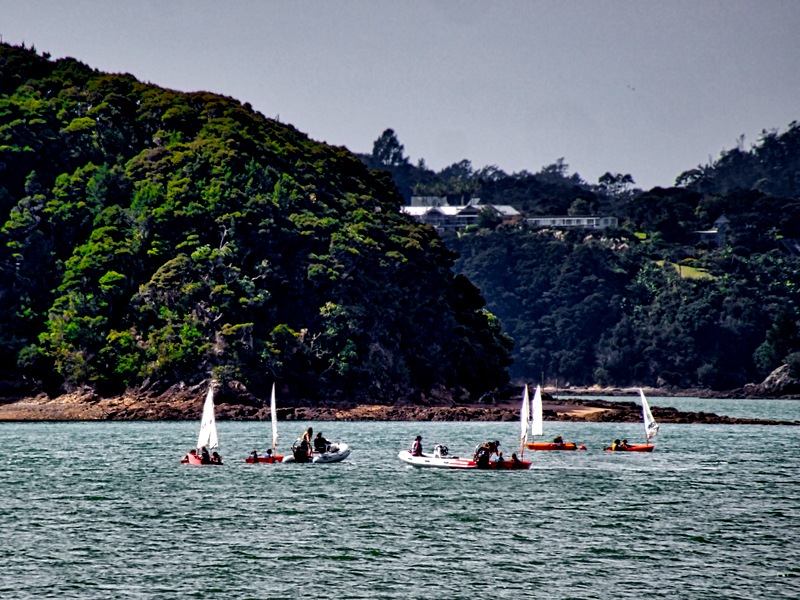
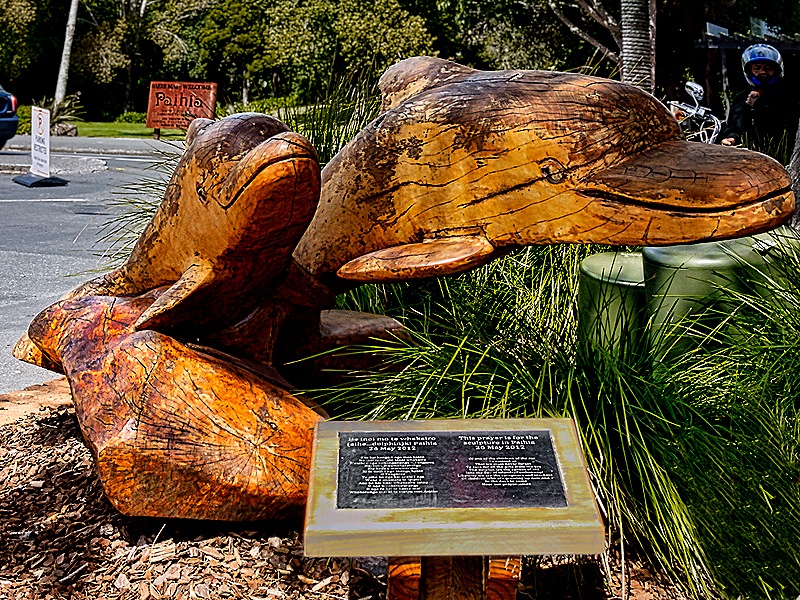
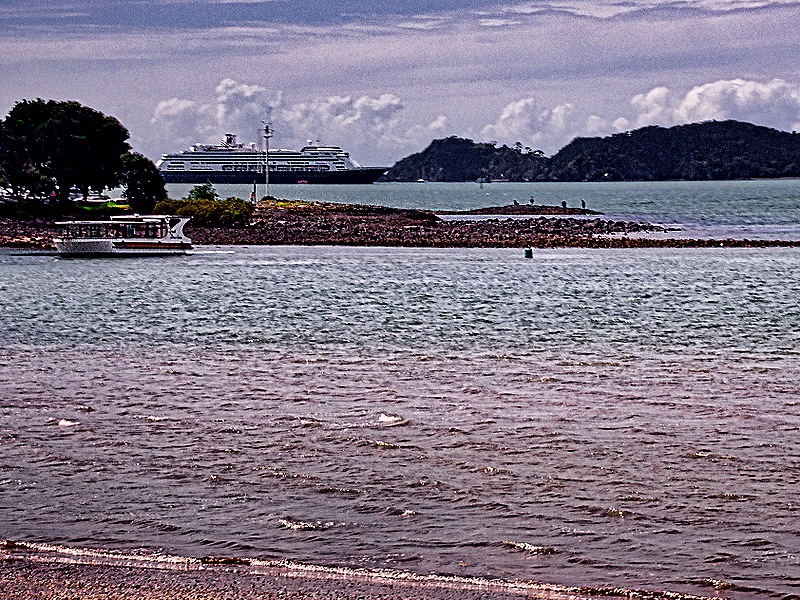
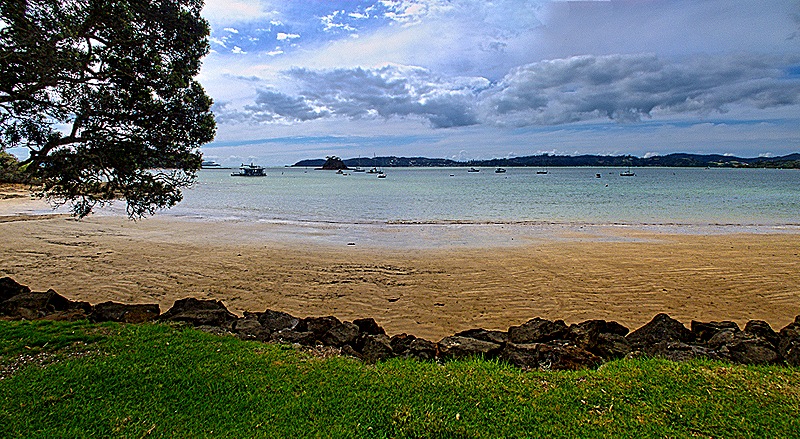
The shuttle dropped us off at a multi use building containing tourist information and a gift shop that was next to the dock for recreation boats. This was at the foot of Williams Street, which seems to be the town’s main road. The bay looked beautiful with boats on the water and there was an interesting wood sculpture of thee dolphins in front of the building. We walked up Williams Street.


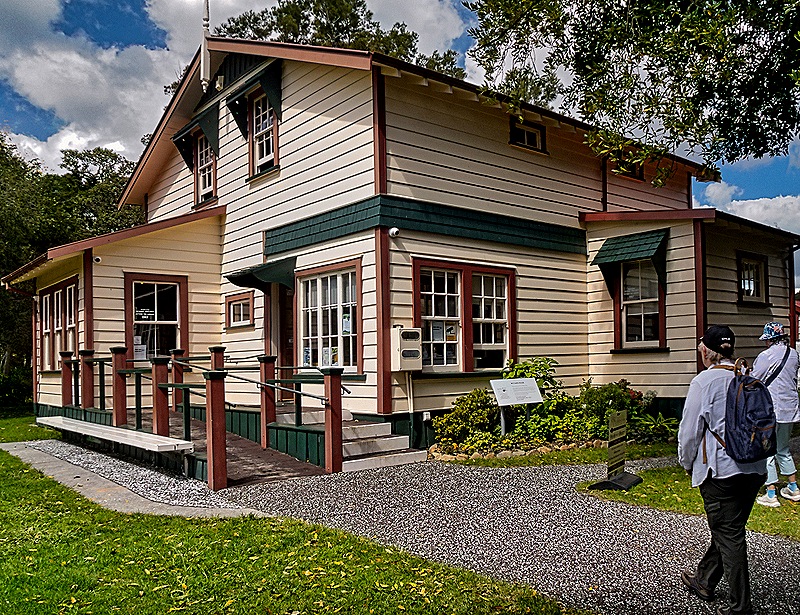
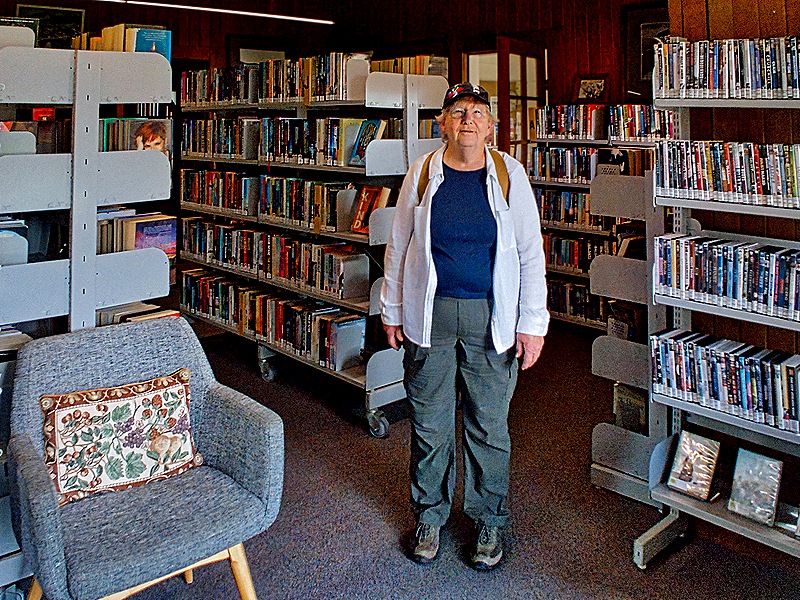
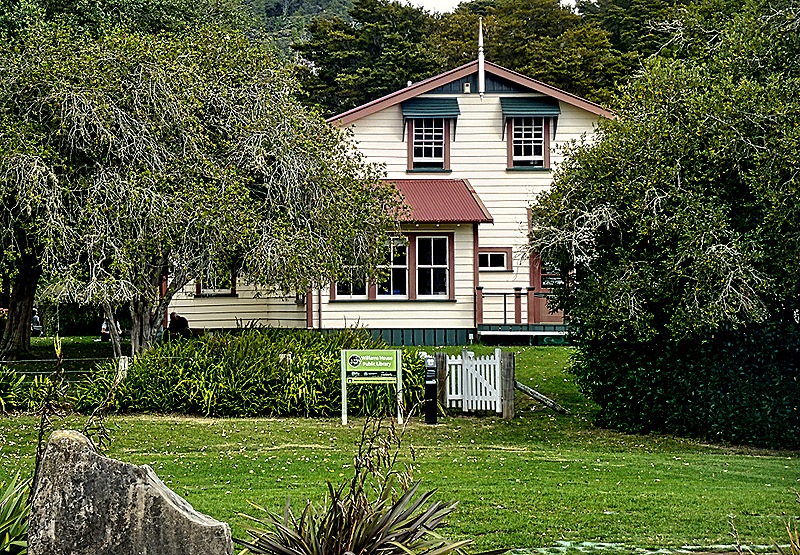
A little way up we came to the library, which we had visited last time when it was closed. Today it was open so we were able to see the inside. The library is in a house built by the Williams family, descendants of the original missionaries, in the early 1920’s. It became a public library in 2003.


We continued up the street on our leisurely walk. We bought some hokey pokey cookies and stopped into a honey store (really, that was all they had) for some Manuka honey, a New Zealand specialty. We looked around inside a craft show where Mary bought some earrings and when we emerged we noticed a small plaque on the wall memorializing the three local fellows killed in World War II. We decided not to climb up to the lookout, which we had done on our first visit.

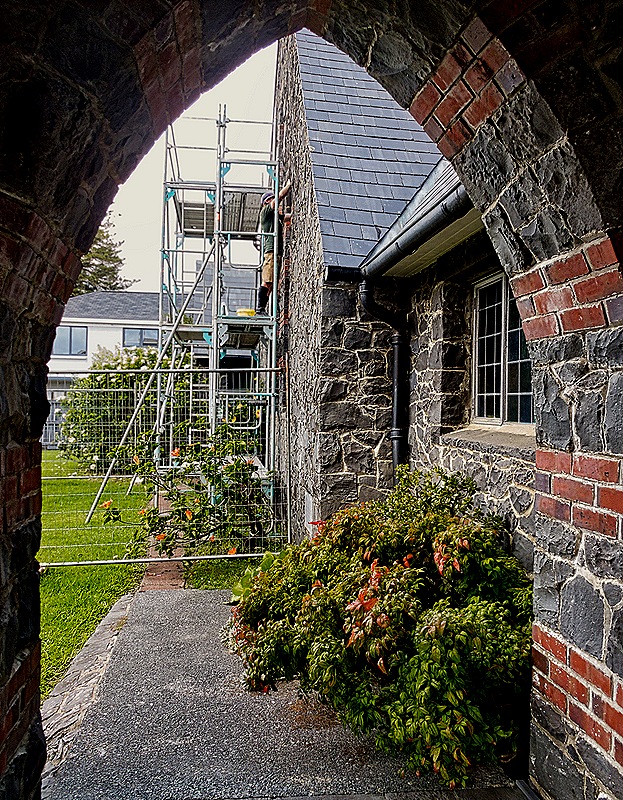
When we came out of the craft show we ran into our tablemates and friends, Steve and Kelly, who tipped us off that they had visited the old stone church where a construction crew was at work replacing the plain stained glass windows with new ones reflecting local history and culture. We walked down Williams Street, stopping for some delicious hokey pokey ice cream (the last hokey pokey on this voyage). When we reached the bottom of Williams Street we turned right to walk down to St Paul’s Anglican Church. We walked past Paihia Village Green, a large grassy park next to the library that has an interesting Maori sculpture and hosts a farmers and craftsperson market on Thursdays. On the other side of the street was the waterfront, again presenting a nice view of the bay.


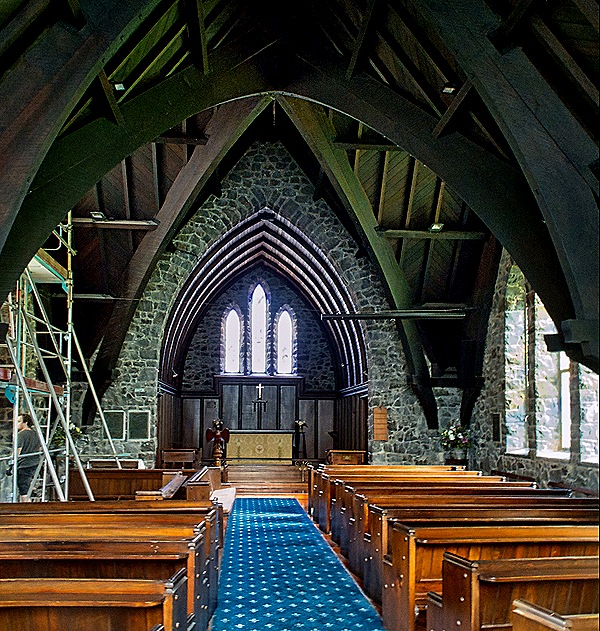
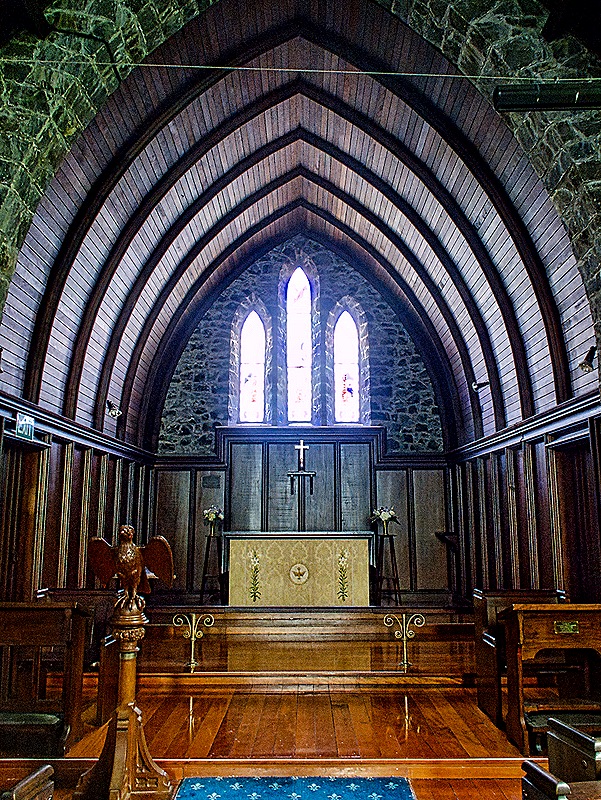
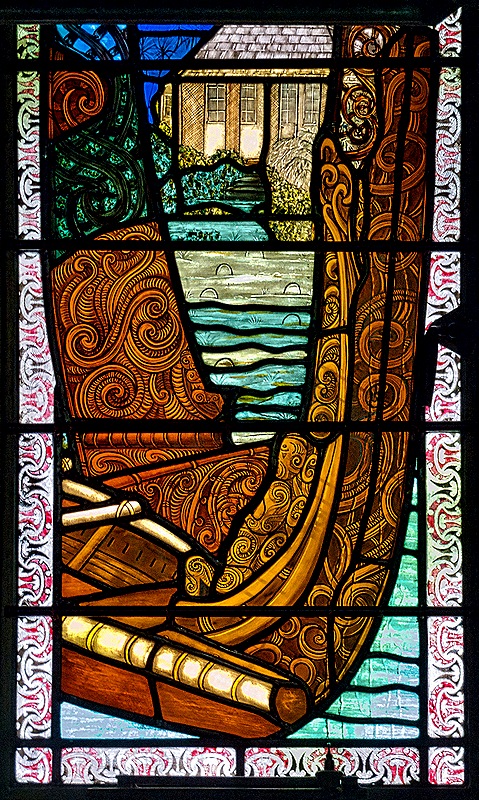
It wasn’t much further before we came to St Paul’s Anglican Church (also called Williams Memorial Church in honor of the Williamses) set back from the street on the side of the road opposite the shore. This was the site of the original Williams mission. The first church was built on this spot in 1823 and this one has been here since 1926. It is built of local stone and wood. We were happy to see when we arrived that the stained glass window installation was still in progress. Three of the new windows had been installed when we got there, and there was an existing stained glass tryptic over the altar depicting New Zealand birds. A church with stained glass windows depicting local landmarks, events and/or wildlife is always of interest to us, suggesting pride in the locals for their home city or town. The three new windows included one with Reverend Williams and three Maories whose identities we don’t know, one showing the Williams family with two children (they eventually had eleven), and one showing what looks to us like the front of a Maori waka (large migration canoe) with probably the original church in the background. Since they were still being installed while we were there these are among the first, if not the very first, pictures of them installed in the church.


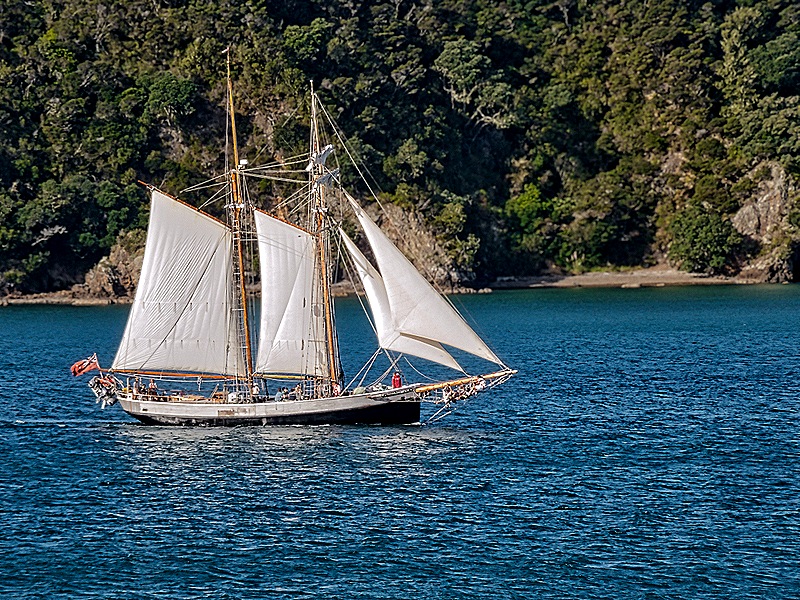
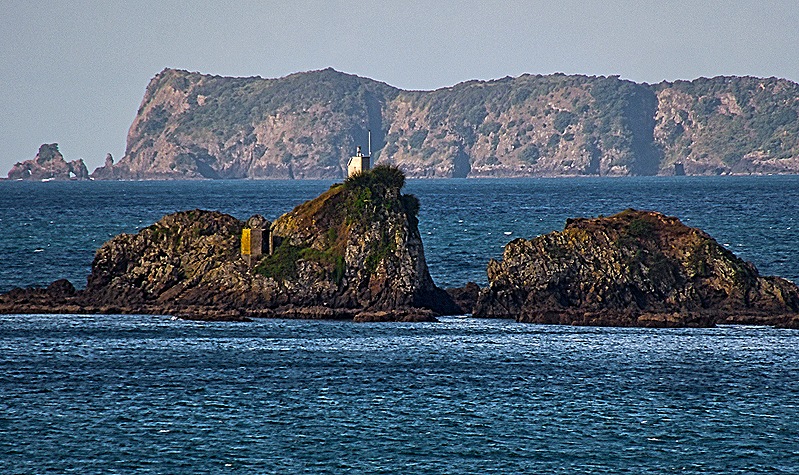
We walked back into Paihia and rode the shuttle back to the Waitangi dock, then tendered back to the ship. We sailed out through the bay as the sun was lowering in the sky and casting shadows on the rocky sides of the islands. We also caught sight of the “R. Tucker Thompson,” an 85 foot schooner modeled on a 19th century halibut fishing ship. First launched in 1985, the ship now provides day trips for visitors during the season and a venue for sailing lessons for young people during the winter. It was a very nice evening as we sailed away from our last port in New Zealand.


 RSS - Posts








Leave a Reply