Auckland, New Zealand Day 1 (Devonport) 2026
We arrived in Auckland on the morning of March 16 for a two day visit. Auckland is a very interesting city, the largest in New Zealand, with a lot of things to do. We have visited here twice before, in 2016 and 2018, which you can see here:
https://baderjournal.com/2016/02/22/auckland-new-zealand/
https://baderjournal.com/2018/05/31/auckland-new-zealand-2/
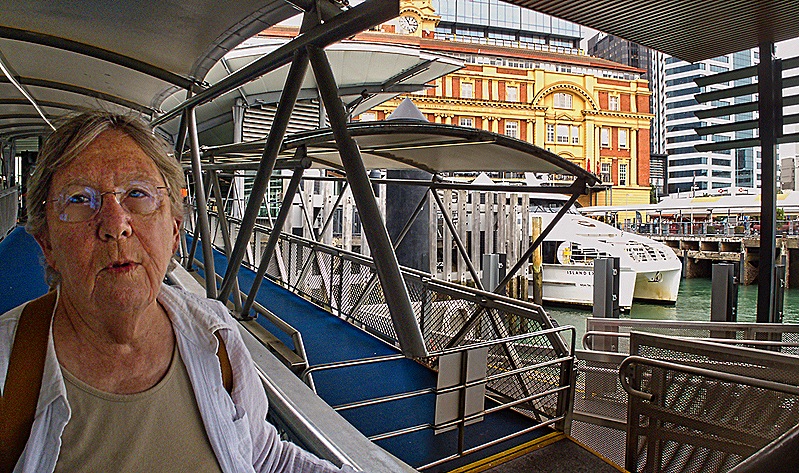
Quite a bit of background is included in those posts that won’t be repeated here, including visits to the War Museum and the Tower which are among the main attractions. We decided this time to spend our first day across Waitemata Harbor in Devonport, just about a 10 minute ferry ride from where our ship was docked. This turned out to be a very good decision (Mary’s idea). We left the ship in mid morning and, after some confusion caused by what turned out to be poor or misleading suggestions for saving money on the ferry ride, we boarded the ferry to Devonport at the Ferry Building next to our dock. They had a tap and go payment system as you boarded the boat, which was quite easy and you didn’t have to handle a paper ticket.

There appears to have been a Maori settlement here beginning in the 14th century but the first European settlers were a family responsible for maintaining a signal station established on Mount Victoria by the Royal Navy in 1841. It was one of the first European settlements in the Auckland area. The Royal New Zealand Navy still has an important base here. The settlement was originally named Flagstaff (because, of course, there was a flagstaff at the signal station) and was renamed Devonport in 1859 after an English naval town of the same name. The population of Devonport today is about 5,000.
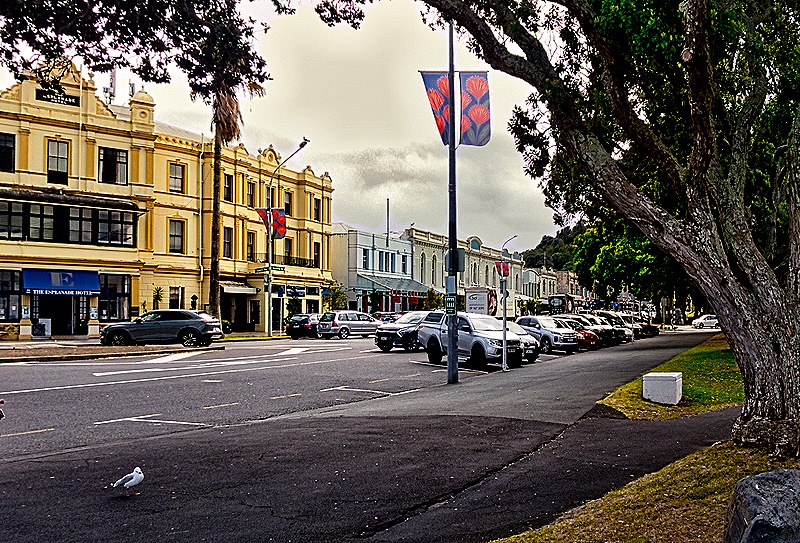
Leaving the ferry dock we walked through a nice park called the Windsor Reserve to Devonport’s main street called Victoria Road. Most of the buildings on this road date from the early 20th century. The first building at the bottom of the hill was the Esplanade Hotel which opened in 1903, and next to it was the tourist information office where we picked up some maps and advice.
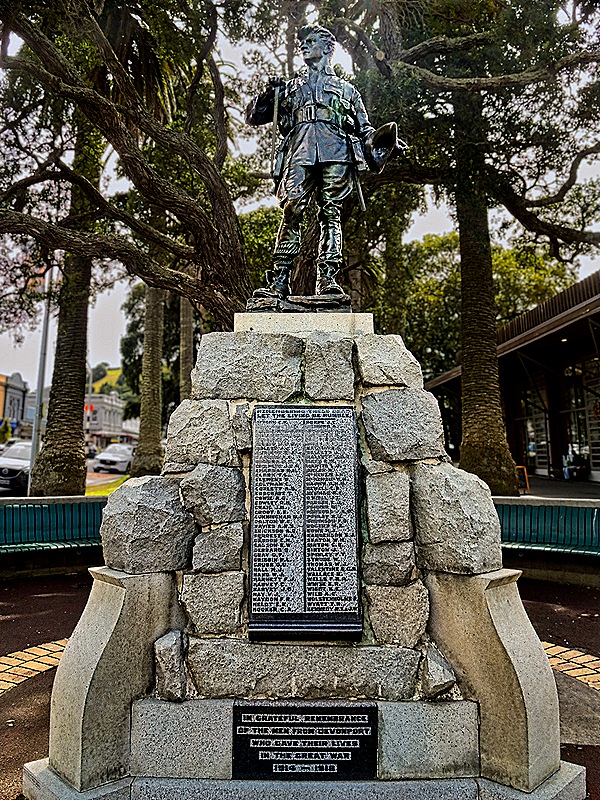
At the edge of the Windsor Reserve was Devonport’s World War I memorial, a 7 foot bronze sculpture of an ANZAC soldier atop a stone plinth, dedicated in 1924. The sculpture, by a local artist who was a veteran of Gallipoli, portrays a soldier with hat in hand and shoes untied, intentionally made to contrast with other soldier sculptures in New Zealand all showing soldiers in full dress holding rifles and all (according to the sculptor here) looking very much alike. Intended to look more realistic, this is colloquially known as “the untidy soldier.” The picture below shows the original plaque with the names of Devonport’s WWI dead; plaques were added later on other sides of the plinth for the war dead from WWII, Korea and Vietnam. Above the names on the WWI plaque it reads “Remembering these dead, let the living be humble.”


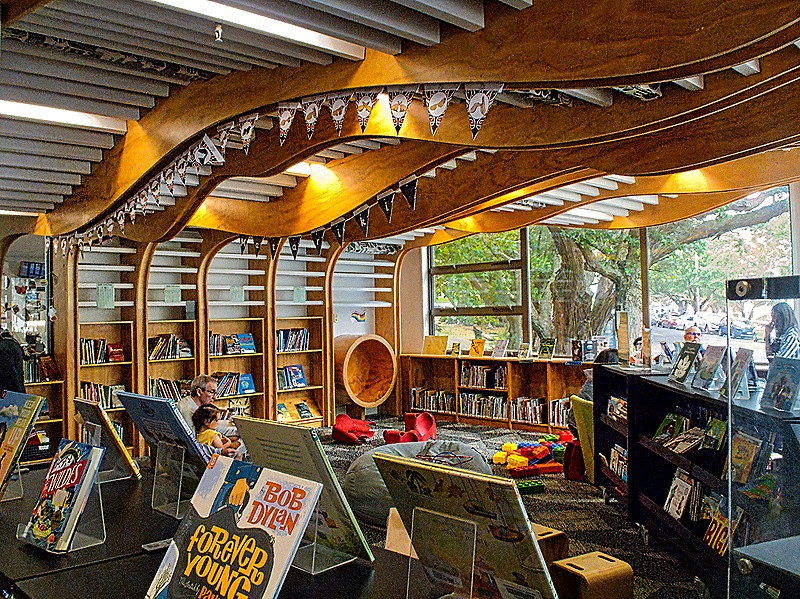
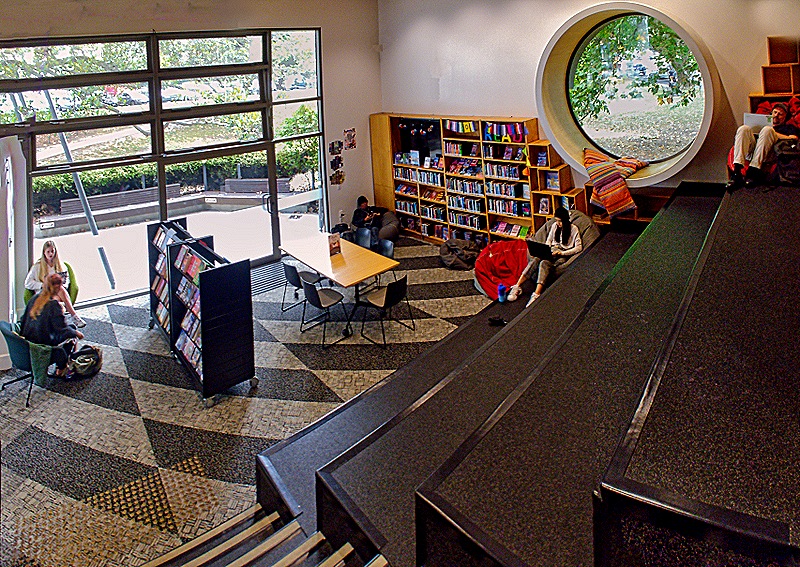
Devonport’s first library was a section of the Council’s Chambers that opened in 1878 in a building designed to celebrate Queen Victoria’s Jubilee. The room was free for all members of the community but it closed in 1897 for financial reasons. An independent Devonport Library opened in a separate concrete building in 1930 and it moved to a new brick building in Windsor Reserve in 1954. The current modern building, made of wood and glass, opened in 2015 and is also located in Windsor Reserve (you can see a piece of its roof in the War Memorial picture above).
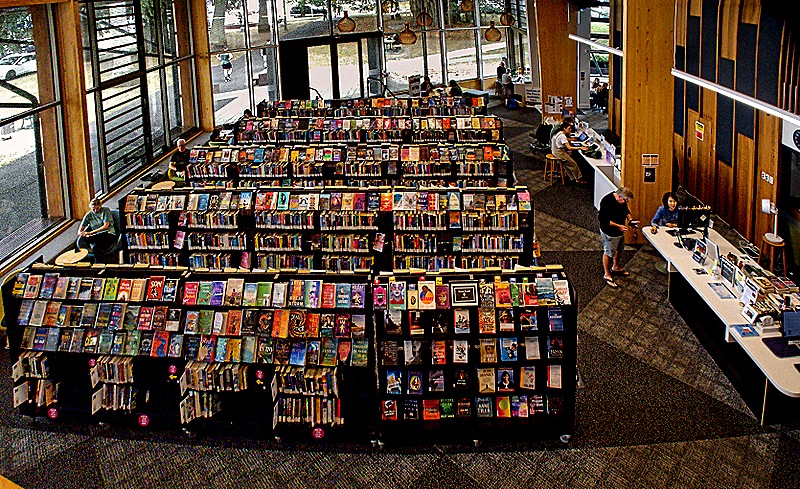
We thought this was a very special and beautiful library. It is very open and inviting with many places to sit down and read. As is often true of buildings and public spaces in New Zealand, the library has a Maori name: Te Pataka Korero o Te Hau Kapua and Moari design is used in many contexts throughout the library.


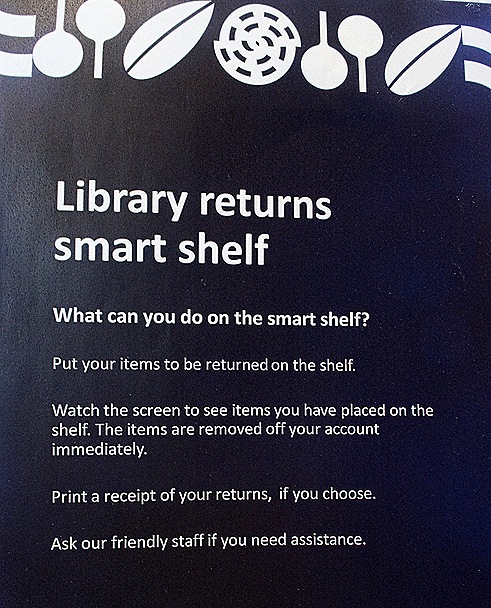
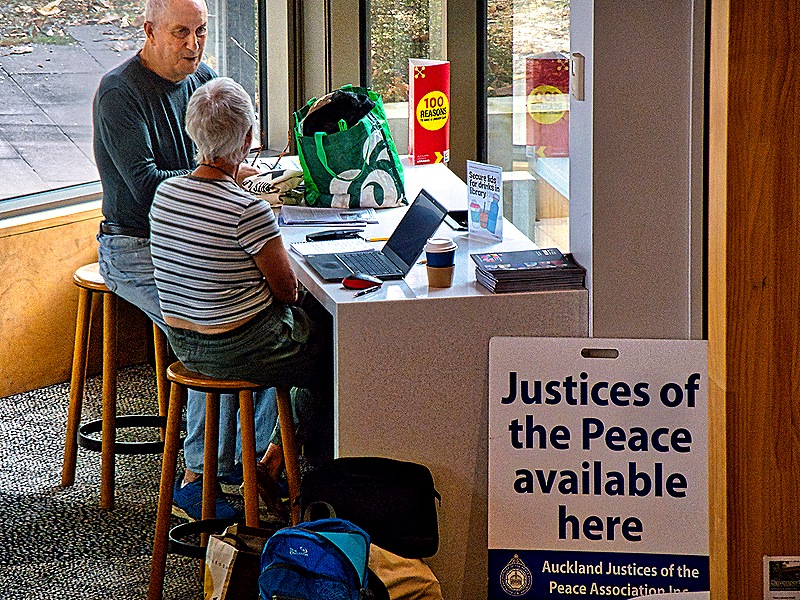
Among other interesting things the library has a large set of Terra Cotta tiles mounted above a fireplace representing all (we understand) of the ferries that have operated between Auckland and Devonport during the library’s existence. It also has a set of automatic return shelves, on which you can place your materials for return then print out a return receipt after the pop up on the attached video screen. A slot in the wall for after hours returns is labelled in Maori (which we can’t translate but probably means After Hour Returns). A poster of a cat reminds patrons to return their library books “Right Meow.” And they even have a resident Justice of the Peace (a real one) at a desk in a window corner for anyone who needs their services. How convenient is that?


Perhaps the most interesting aspect of this library was one we discovered upon leaving it. One day in 2002 a cat wandered into the library and made himself at home. The community took to him so the architects of the current library designed a special cat door that operates on a microchip that allows the cat, and only the cat, to come and go at night from the staff workroom, which is sealed off from the collections. The cat was named Benjamin and he often spent his days wandering the town’s streets while spending nights in the library. But the streets are not as safe as the library and in January 2017 Benjamin died when hit by a car while sleeping in a gutter of a street.
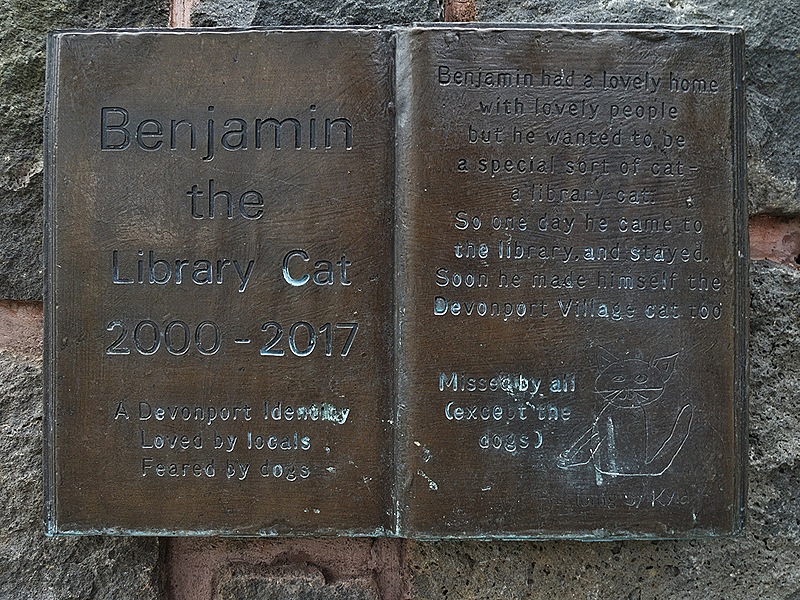
But that is not the end of Benjamin’s story. the community raised close to $10,000 for a bronze statue of him, sculpted by one of the librarians, showing him sitting on a stack of books. It can be seen today, as we did, not far from the library’s entrance. A bronze plaque on the plinth reads, in part: “Benjamin the Library Cat, 2000-2017 . . . Loved by locals, Feared by dogs , , , Missed by all (except the dogs)”
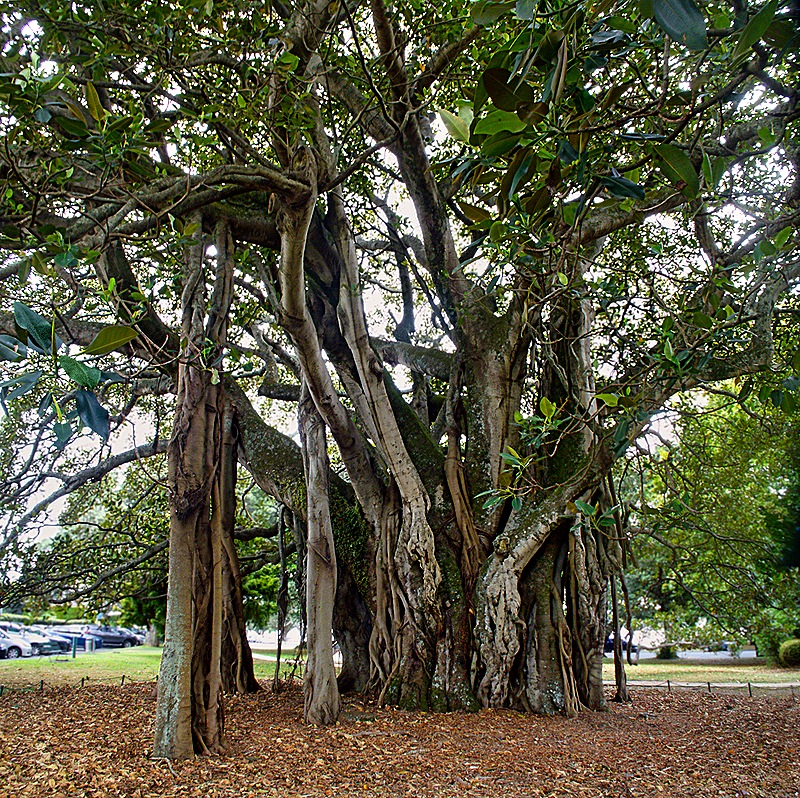
A magnificent Banyan tree was nearby in the Reserve and walking up a little further to the corner of Victoria Road and Flagstaff Terrace we came across a fountain first erected in 1903 as a memorial to the two Devonport men who were killed during the Second Boer War in South Africa, the first international war in which New Zealand’s army fought. The fountain was originally bronze with three horse heads surrounding the water spout. In 2009 the bronze horses were stolen but they were replaced in 2010 by cast iron horseheads and the entire fountain was painted black.


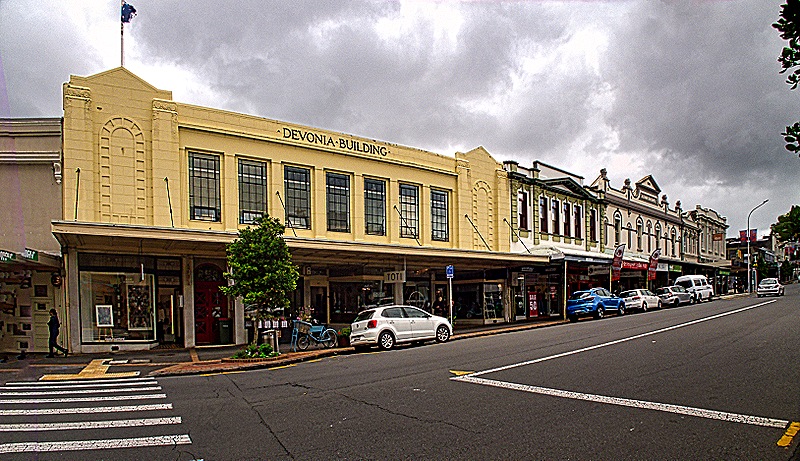
We continued up Victoria Road, enjoying all the old character-filled buildings. The Devonia Building, for example, was built in 1923 and is a protected historic structure. The road got steeper as we ascended.

Eventually we came to a sign that said to take the right fork to go up Takarunga/Mount Victoria. This is a dormant volcanic cone with a summit some 220 to 270 feet high (depending on who is measuring) and is the tallest of three volcanic hills in the Devonport area. As mentioned earlier, the first European structure in Devonport was a signal station on top of this mountain to direct ship traffic. I (Rick) wasn’t sure climbing a mountain was a great thing for Mary to do since her replaced knees had been giving her some trouble, but she said lets start up and we can always turn around if it gets too hard. (I have heard that line before!)
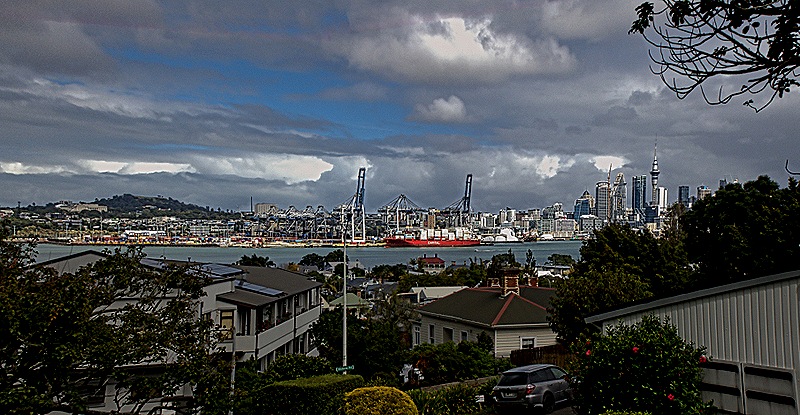
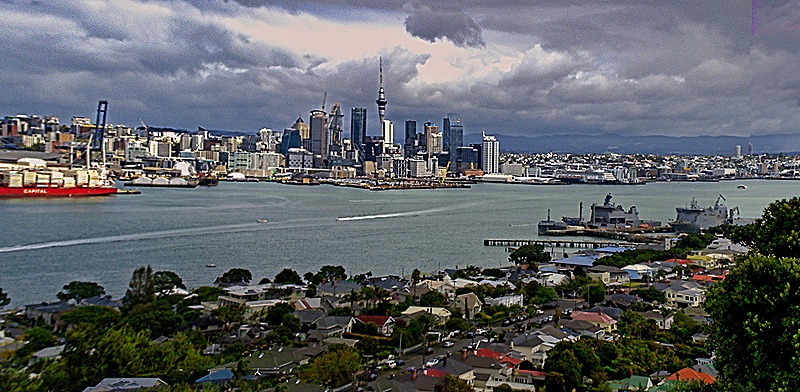
So we started up the steep path. It was a well built and maintained paved path with steps at the steepest points. About half way up we might have decided that we were high enough, but then a group of young people passed us, one of them carrying a baby. Well, if she could do that we couldn’t just give up and go back so we continued on to the summit. It was a clear day and the views of Auckland from the path were excellent.


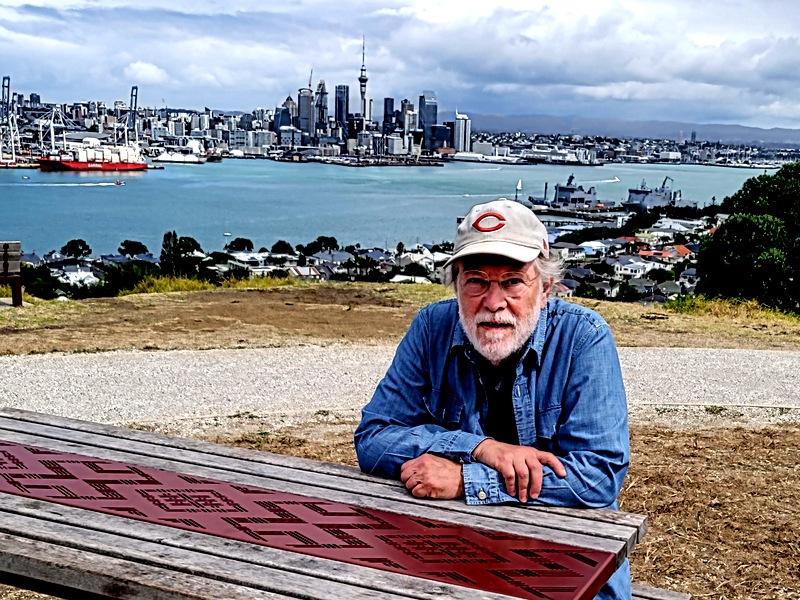
Well, the views from Mount Victoria were so eye catching that we neglected to take any pictures of the summit of the mountain itself. But there is one picture below of Rick sitting at a picnic table on the summit, just to prove we actually made it there. The summit was a very large grassy area with some small hills near the edges and there was, of course, a signal station located there.
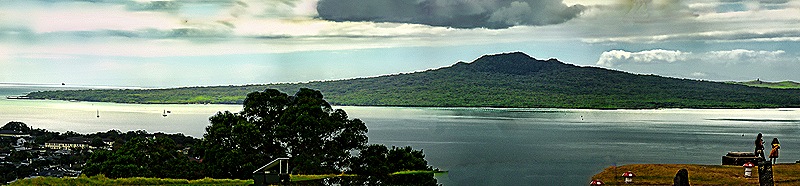
The side of the summit away from central Auckland had a particularly spectacular view of Rangitoto Island, a volcanic shield volcano whose lava covers the whole island. Although some people lived there in the past it is now a natural reserve. Auckland sits on a volcanic field with around 50 volcanoes and Rangitoto is the youngest (last erupted about 600 years ago) and the largest. At the bottom right of the picture are some people on the shore looking at Rangitoto across the water who are standing among what look like large mushrooms with white stems and red & white polka dot caps. There are a number of them on the summit of Mount Victoria as well. They are actually air vents for two water reservoirs inside the mountain that were constructed in 1894 and 1911. These ducts were painted green until 1988 when a couple of young “guerilla artists” repainted them as they look today. The community liked them and they have been maintained and repainted when needed ever since. It looks like a scene from Super Mario Brothers.
We returned down the mountain by a different path (shorter but steeper) on the Rangitoto side of the island.


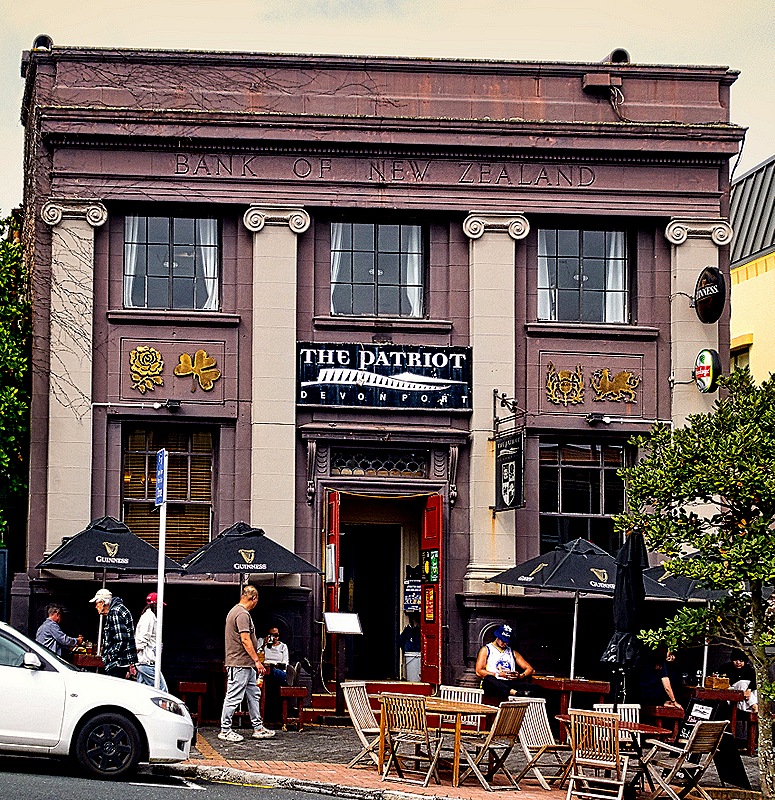
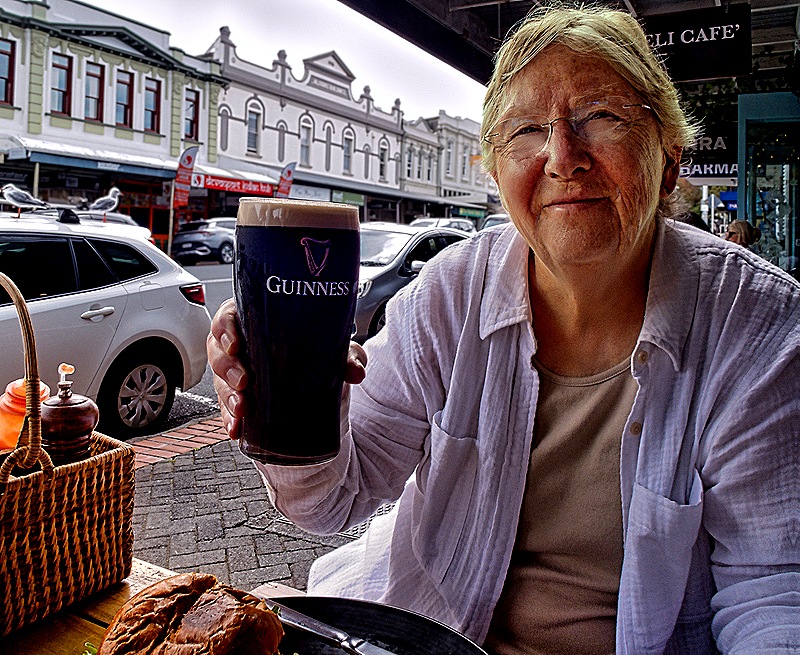
Back down in Devonport we stopped for a late lunch at an Irish pub called The Patriot and sat at a sidewalk table in front. The food was really delicious and there was way too much to eat. Rick had an Irish stew cooked inside a large pastry shell and Mary had a large hamburger with a Guinness. A group of seagulls were hanging around, undoubtedly hoping for leftovers, and did a lot of fighting and squawking for positions on top of a parked car nearby. After lunch we walked up to the Victoria Theater, which has a gelato stand outside near the sidewalk where we rewarded ourselves for a successful climb.


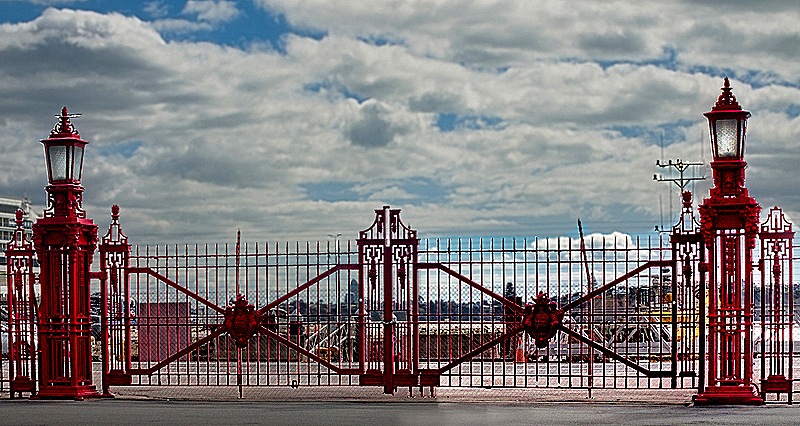
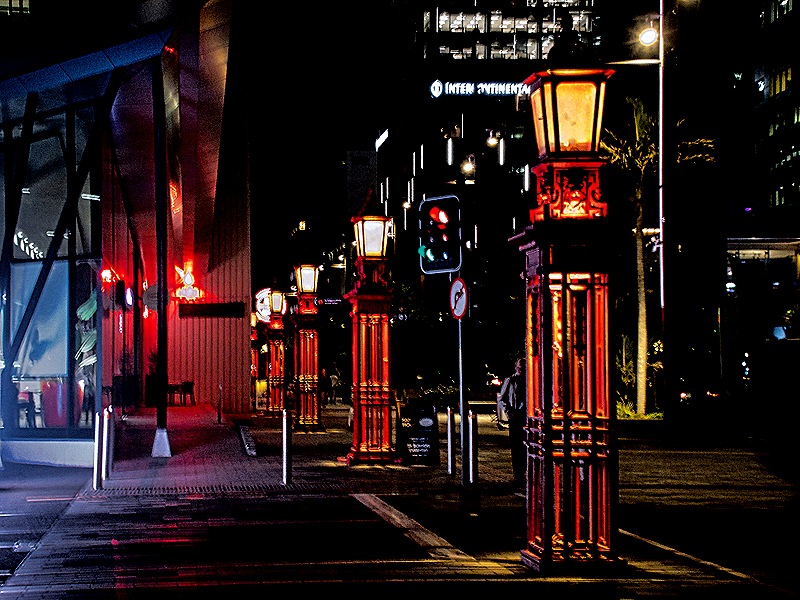
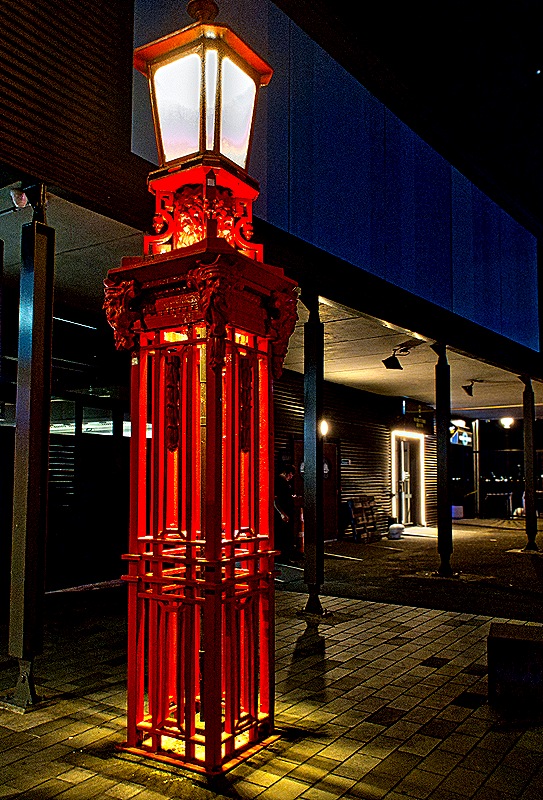
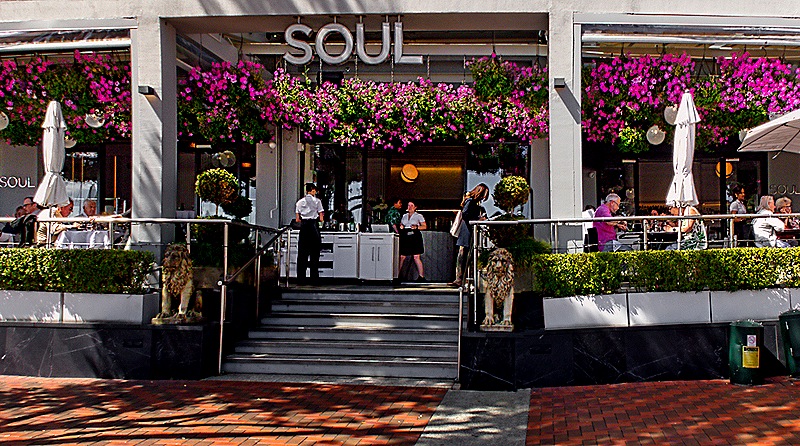
On thing we hadn’t counted on when eating such a hearty late lunch was that we had reservations for dinner at an Auckland restaurant called Soul to celebrate Mary’s birthday the day before. It was an Italian restaurant within walking distance of the ship and it was good, but it would have been a better experience if we hadn’t already filled up in Devonport only a few hours earlier. We managed to put away most of the food we were served anyway. The sidewalk outside Auckland’s port is lined by a fence with very distinctive red light posts. We have seen them before on previous visits, of course, but I think when we walked back to the ship after sunset tonight was the first time we had seen them alight. (The daylight pictures below were taken the next day.)


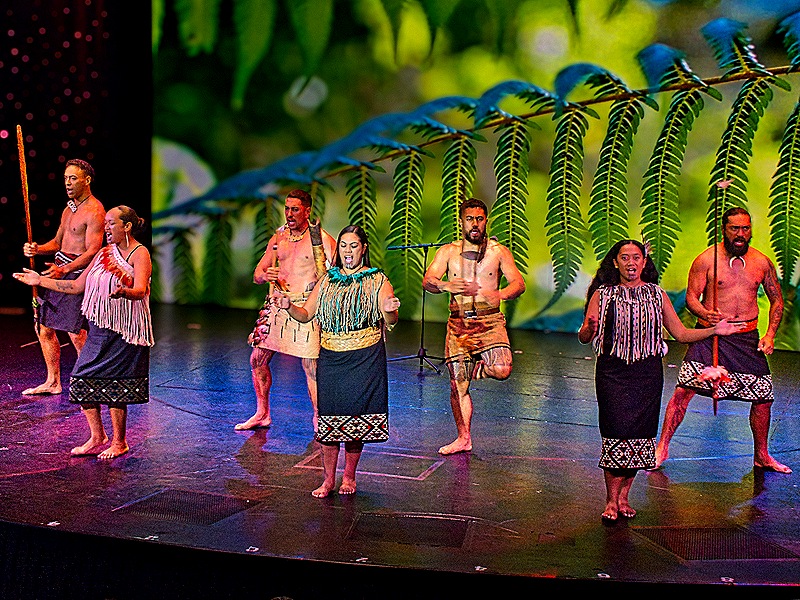
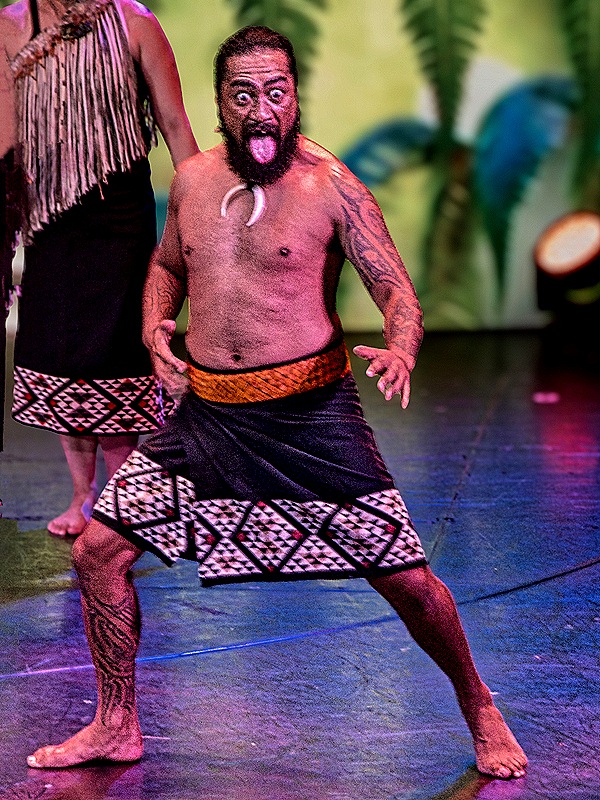
Overnight stays in port provide an opportunity for the ship to present local talent on the main stage in the evening, and tonight was no exception. We attended a performance by a troop of Maori dancers. They were really quite good and very colorful, with tattoos and traditional dress. Among other things they performed the Haka, the traditional Maori war dance, with bulging eyes and extended tongues intended to intimidate the enemy. New Zealand’s national men’s rugby team, the All-Blacks, one of the world’s winningest teams in any sport, perform the Haka before every international match. They also performed a traditional dance in which a woman twirls white fluffy balls on long strings, which looks like a difficult maneuver particularly when keeping time to the music. A good time was had by all.


 RSS - Posts