Darwin, Australia 2026
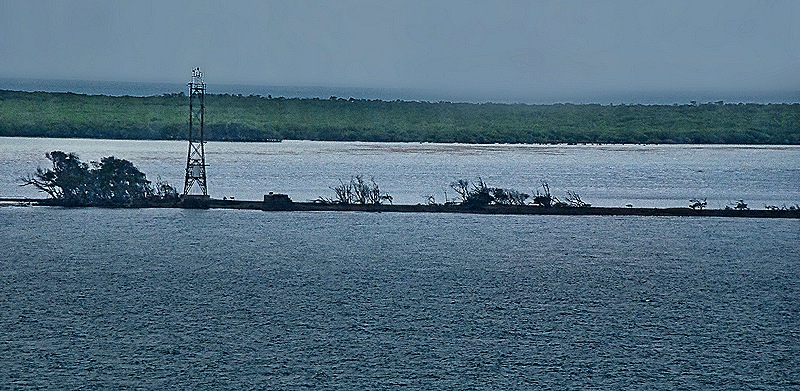
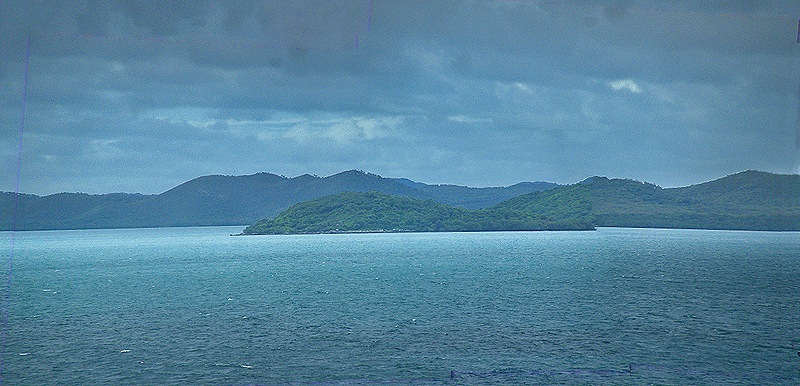
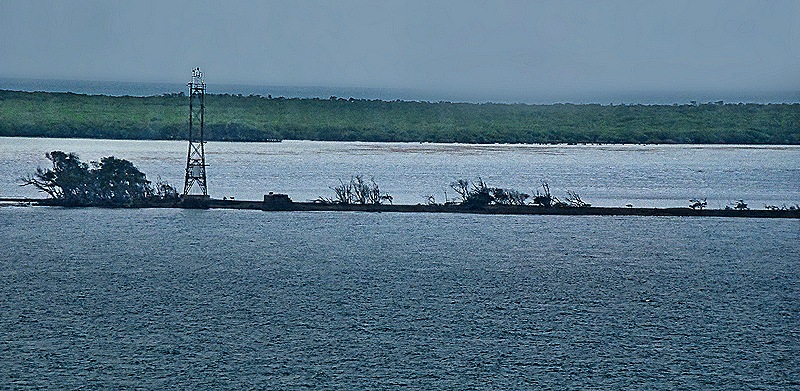
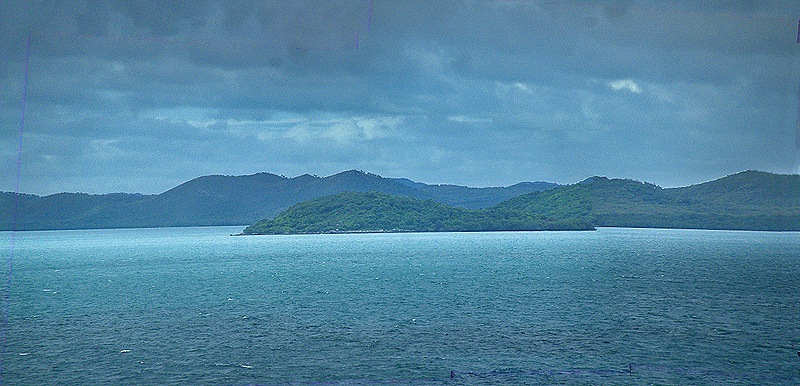
We were in Darwin for Valentine’s Day, February 14. We spent four days at sea getting there, billed by HAL as the Great Barrier Reef Experience. The Great Barrier Reef was there as we sailed by but it was well under water so of course we couldn’t see it. We aren’t sure what they mean by hyping it as an “Experience.” North of Cairns there were a few low, long and skinny islands that were probably pushed up by the coral on the reef, but not really special.
This was our second visit to Darwin. In 2016 we were here on a very sunny, oppressively hot and humid day, but we did a lot and explored the city. The blog post from that stop also includes some background and context that we are not going to repeat here. https://baderjournal.com/2016/03/08/ But today’s visit was entirely different. It rained all day, sometimes heavy sometimes light, and we spent the day on an excursion. So in the morning we all piled on a bus and headed out to see crocodiles.
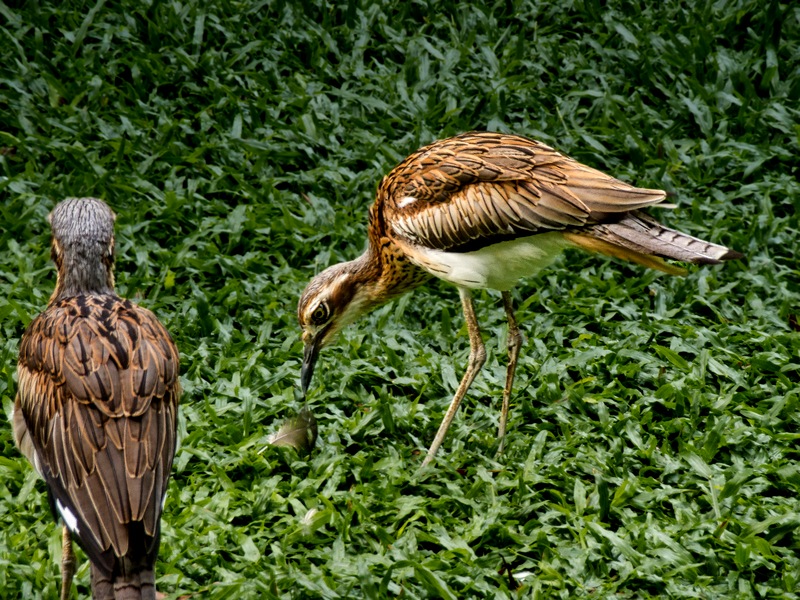
It was about a half hour drive to Crocodylus Park, which was basically an amusement park with zoo. We had about an hour to wander around the grounds to see the caged animals before our scheduled boat ride among the crocs. The animals on display in their small caged areas were mostly Australian, though not all, and some of them were pretty interesting. But really, we prefer seeing animals in the wild rather than cooped up in unnatural surroundings for tourists to look at. Among other animals we saw Meerkats from Africa, Bush Stone Curlews (Australian birds), Emus and Cassowaries (large Australian birds) and snakes (a Boa and an Anaconda).
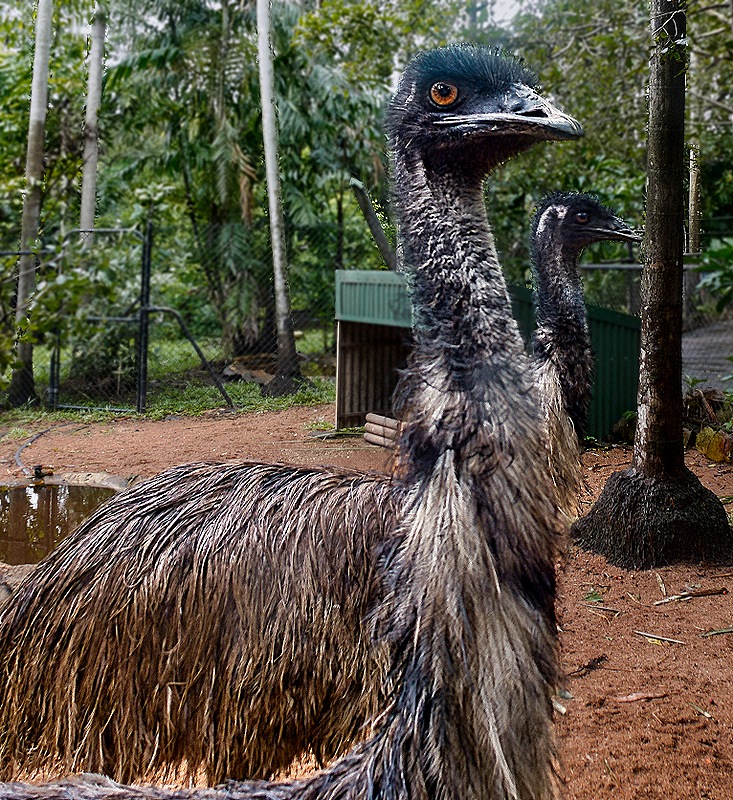
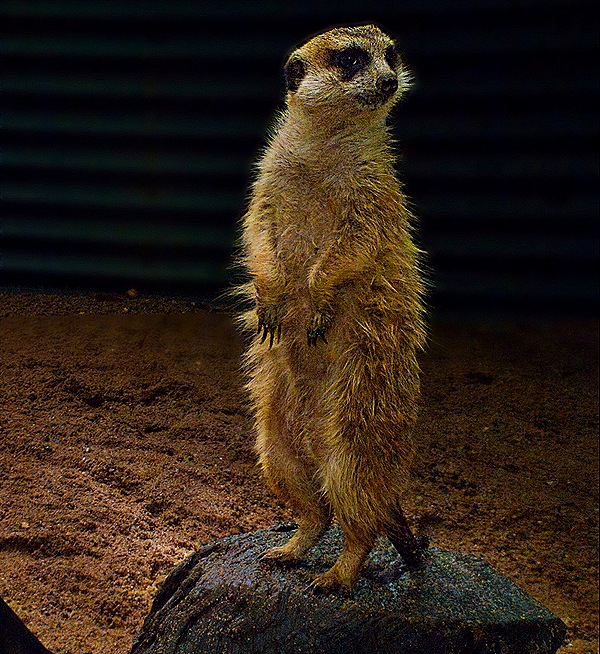
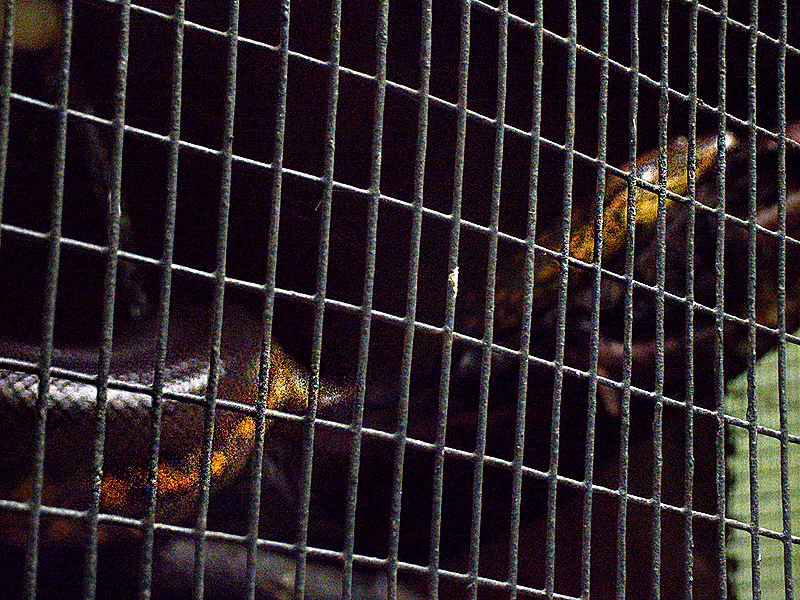
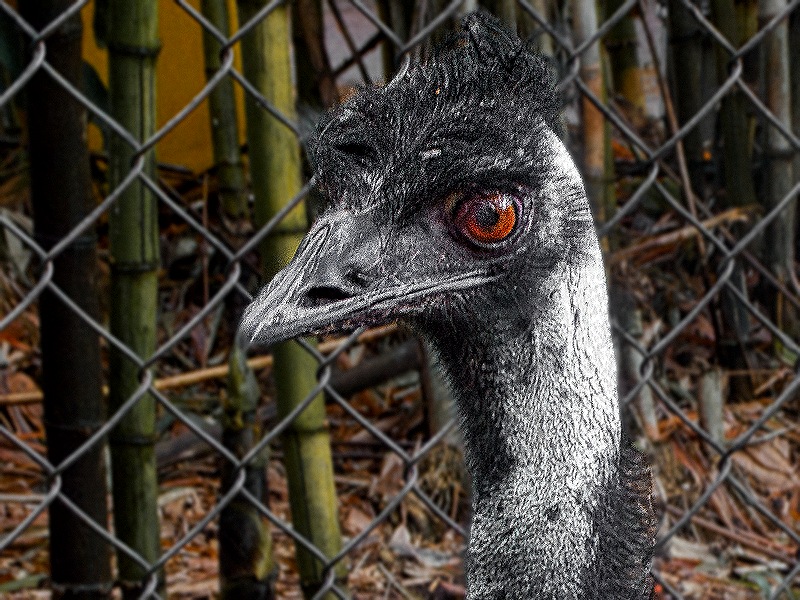
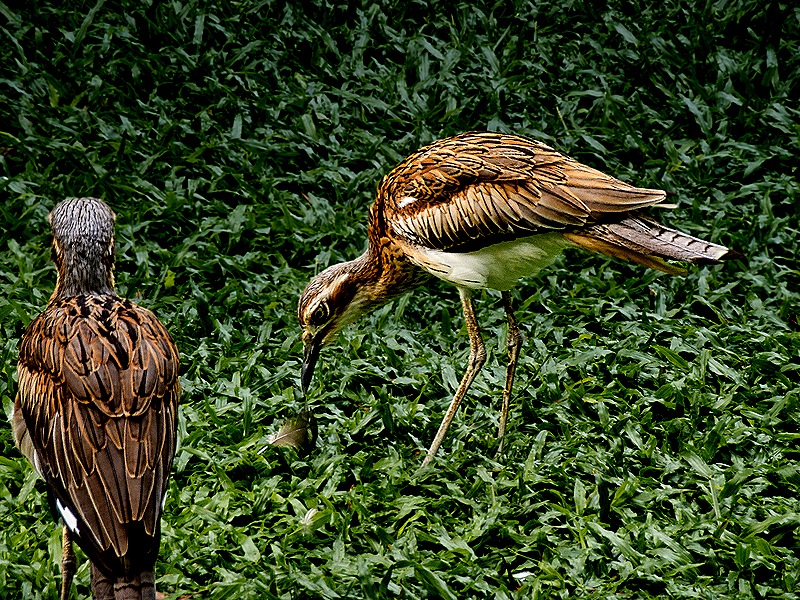
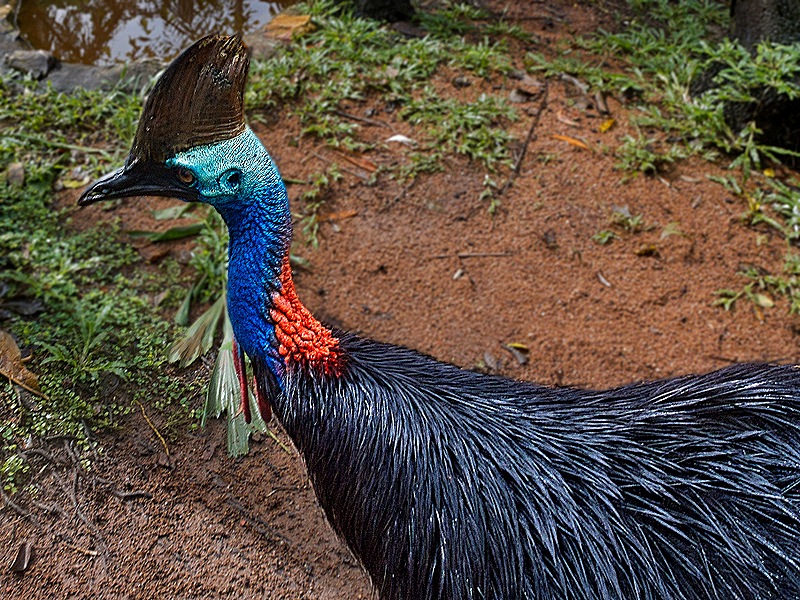
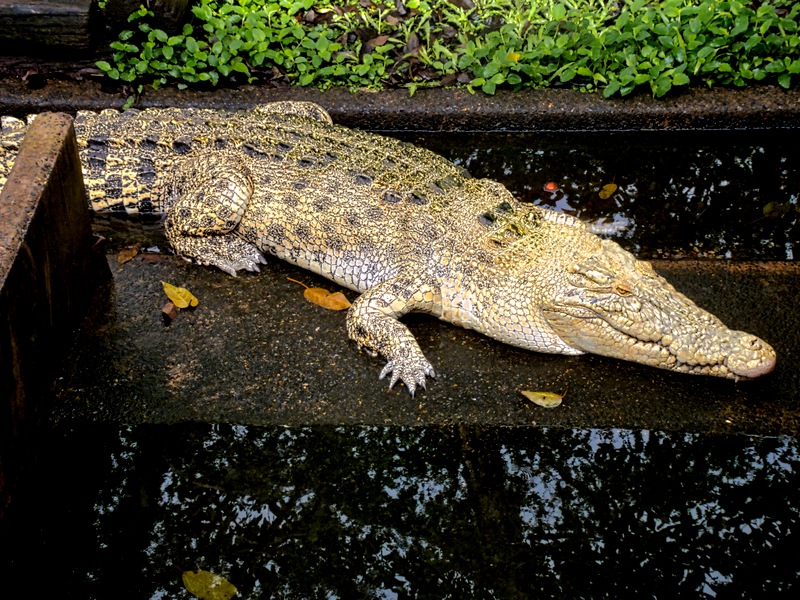
But really that was just a sideshow. There was no doubt that crocodiles were the main attraction here and we saw quite a few of them, many in fenced enclosures that looked far too small for them.
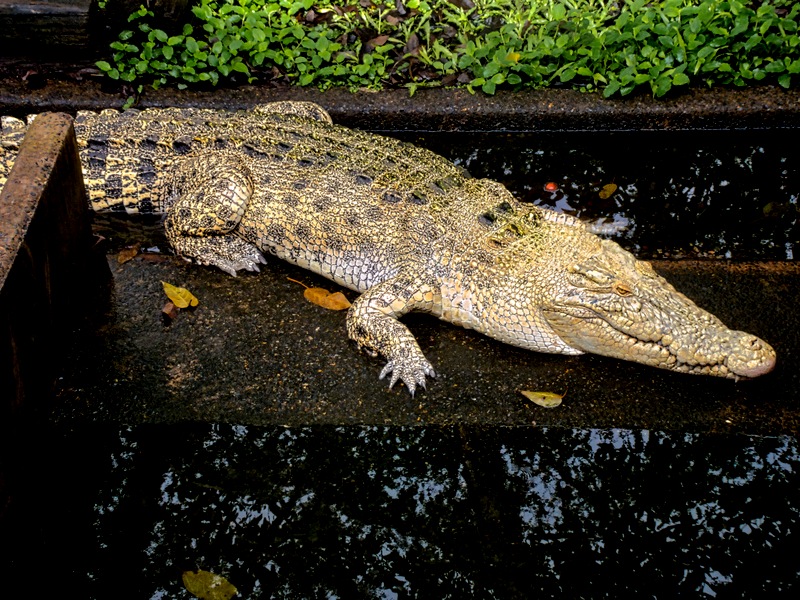
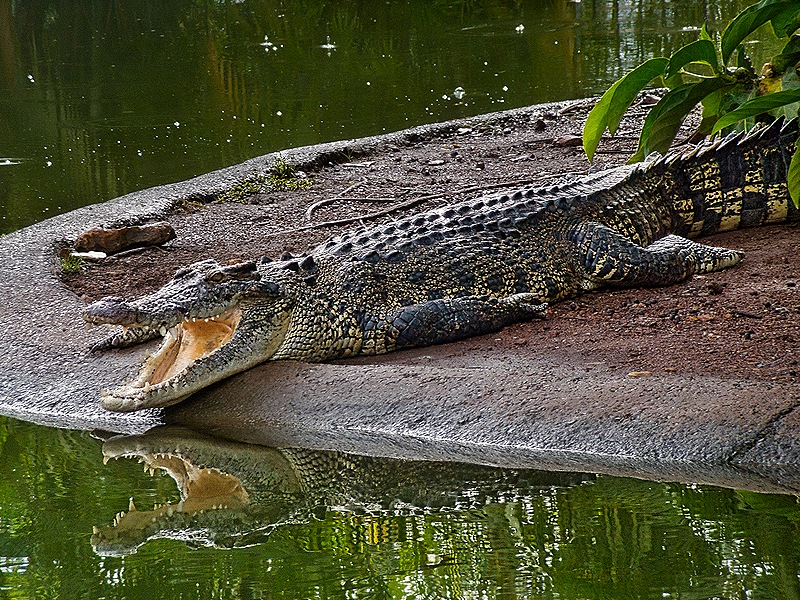
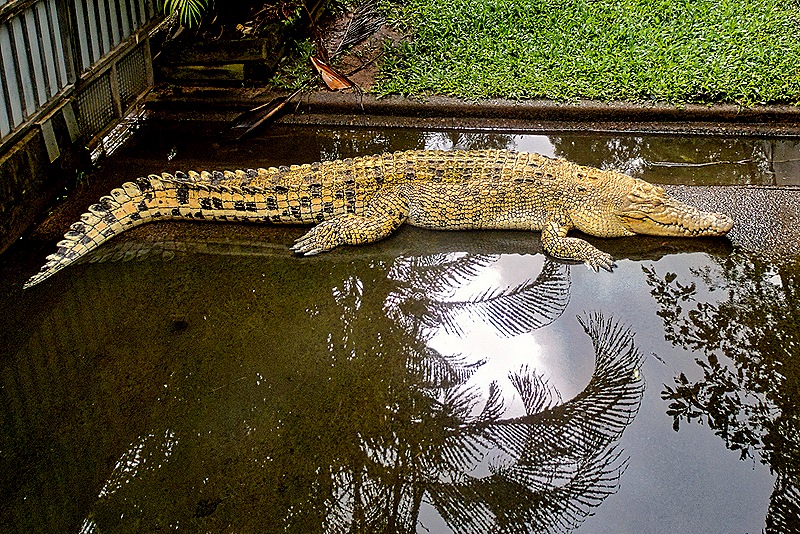
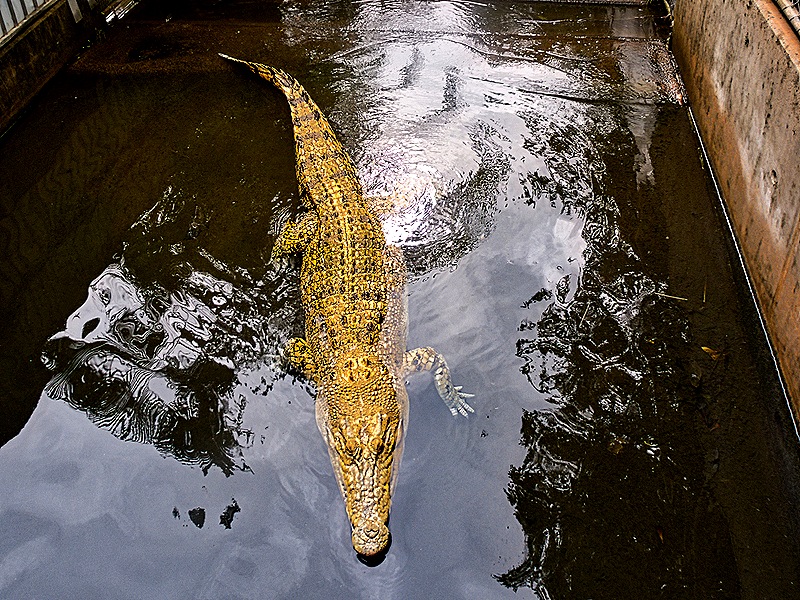
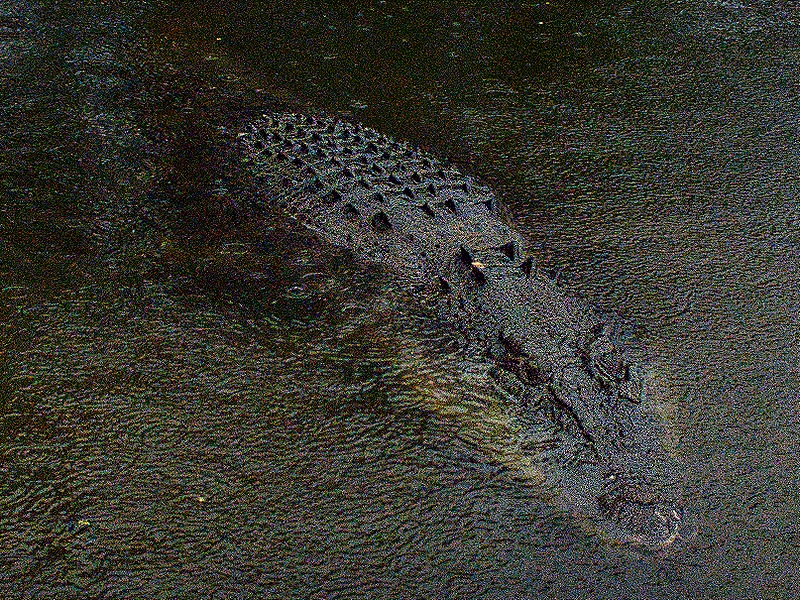
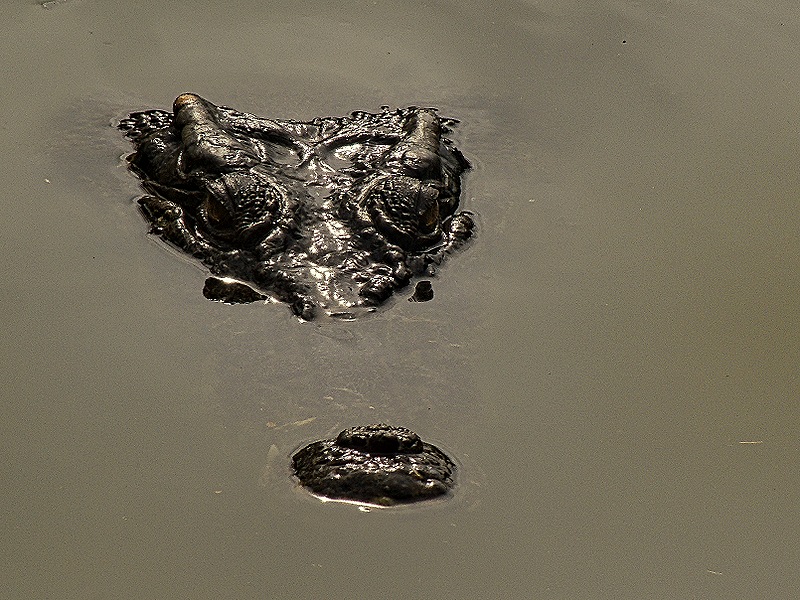
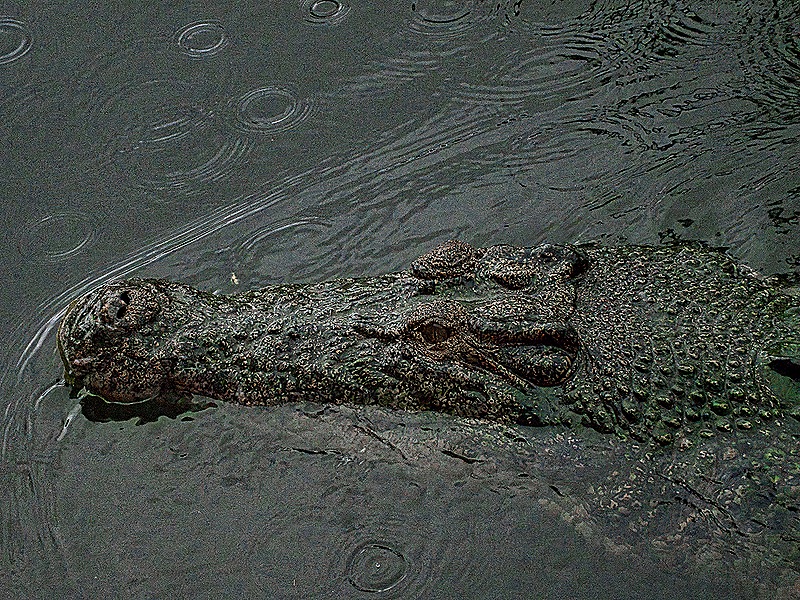
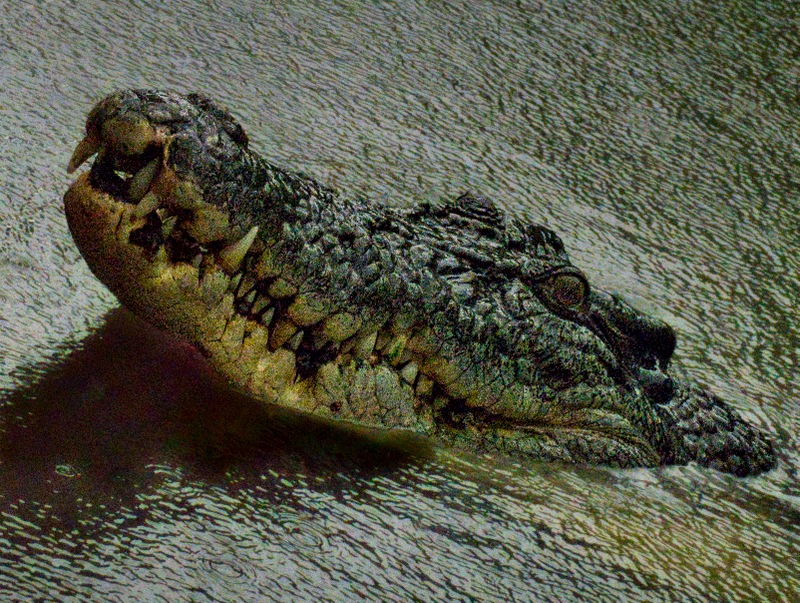
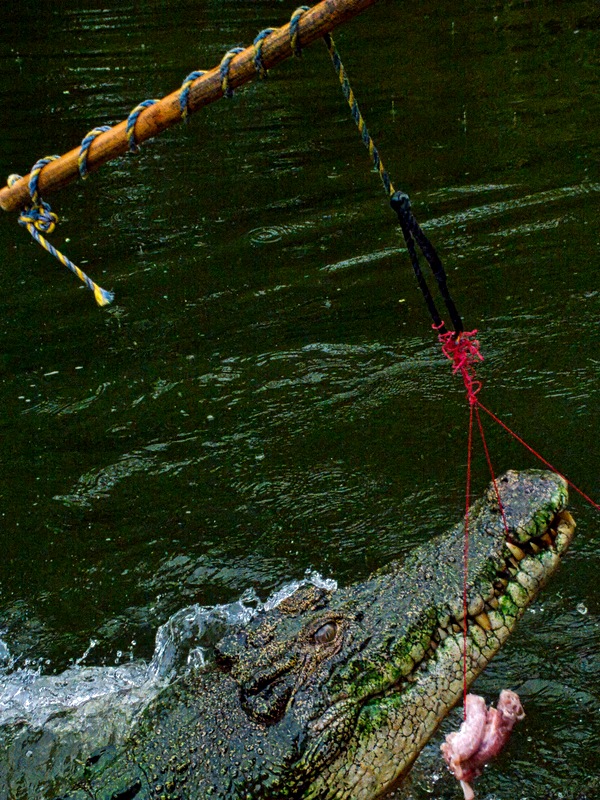
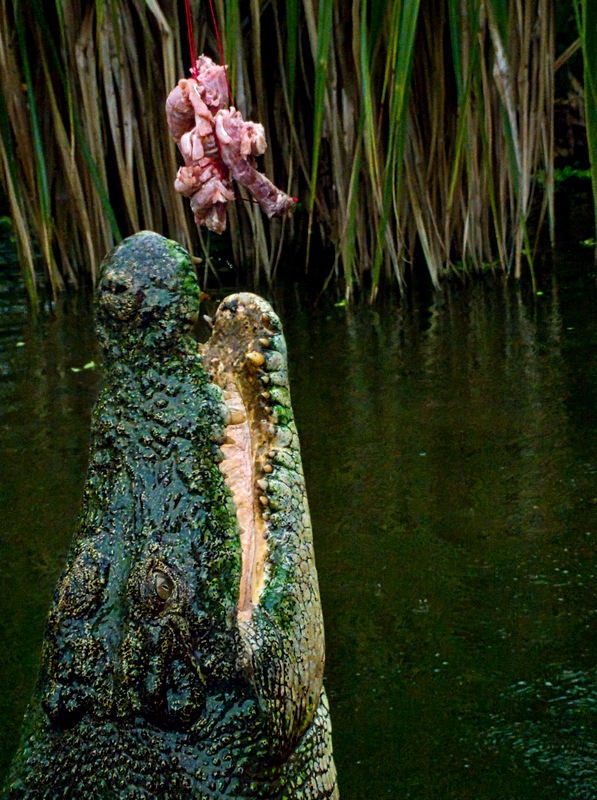
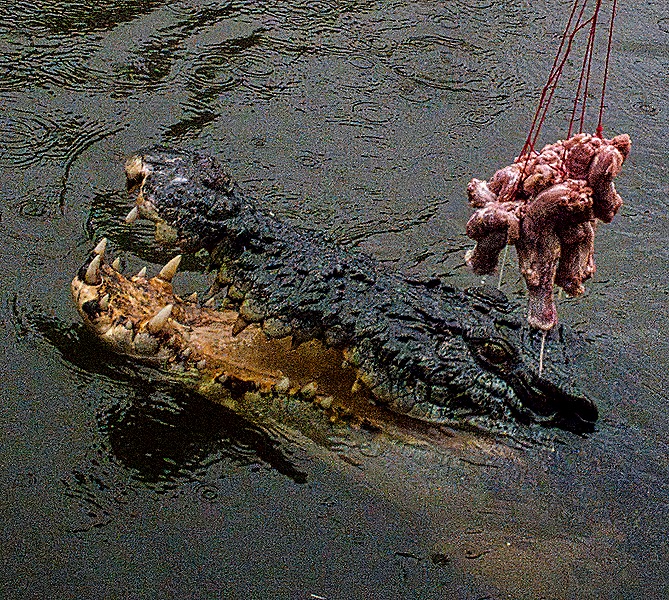
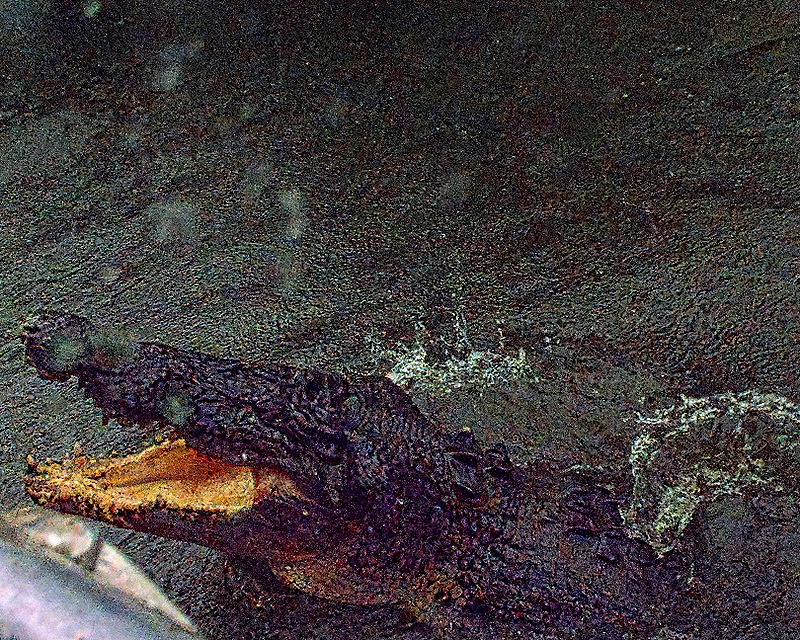
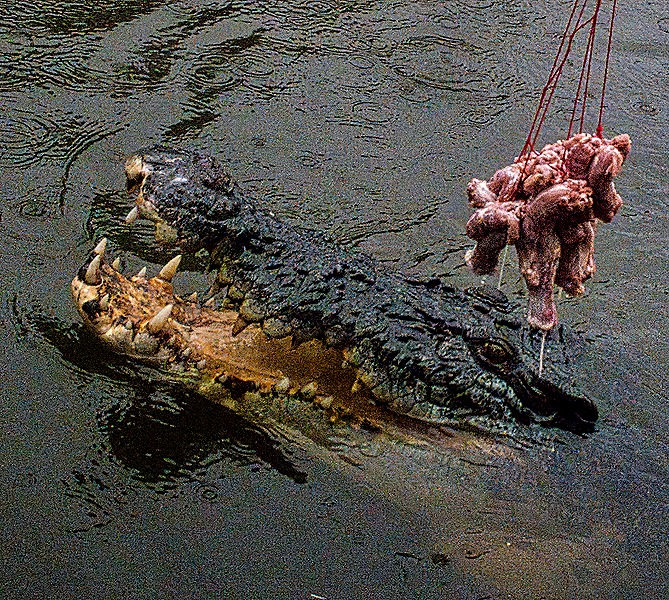
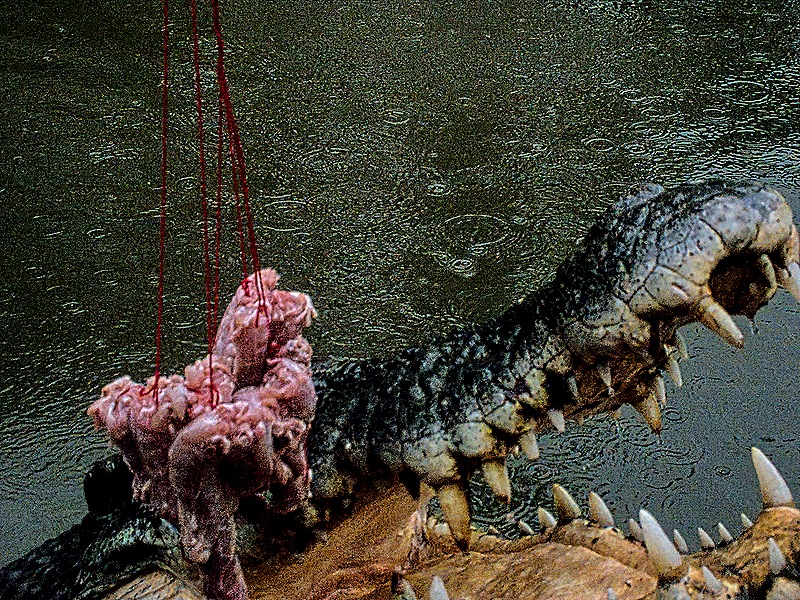
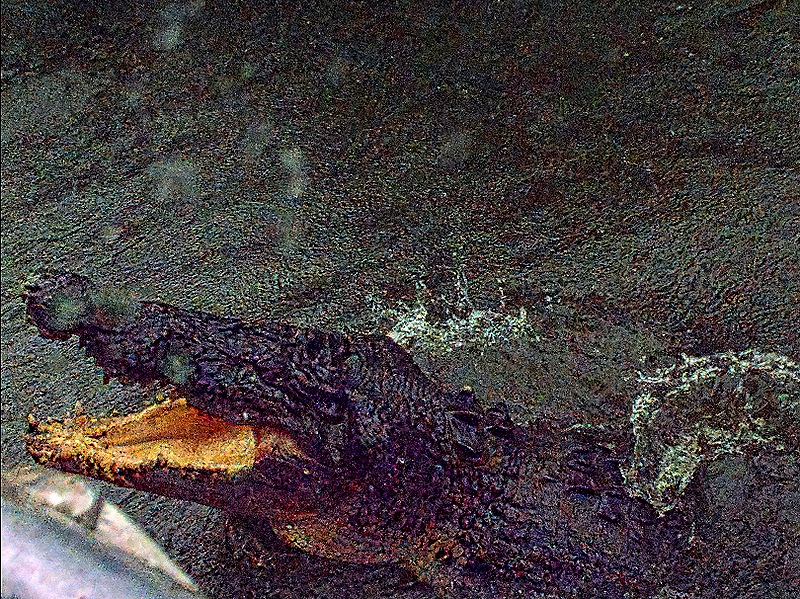
The highlight of the visit was a boat ride on a swampy lake full of crocodiles. These are the so called “jumping crocodiles” that are popular around here, not a special breed but just hungry crocs who will leap out of the water to grab food that is dangled above them. Our young but experienced driver/guide would attach a bunch of chicken necks to a rope on a stick, then hold the other end of the stick so that the food was well above the water. The crocodiles’ athletic display leaping directly up from the water to get the food was pretty impressive. Usually they look so restrained but when food is at issue they are fast and usually accurate. They glide toward the boat pretty stealthily, mostly underwater except for their eyes.
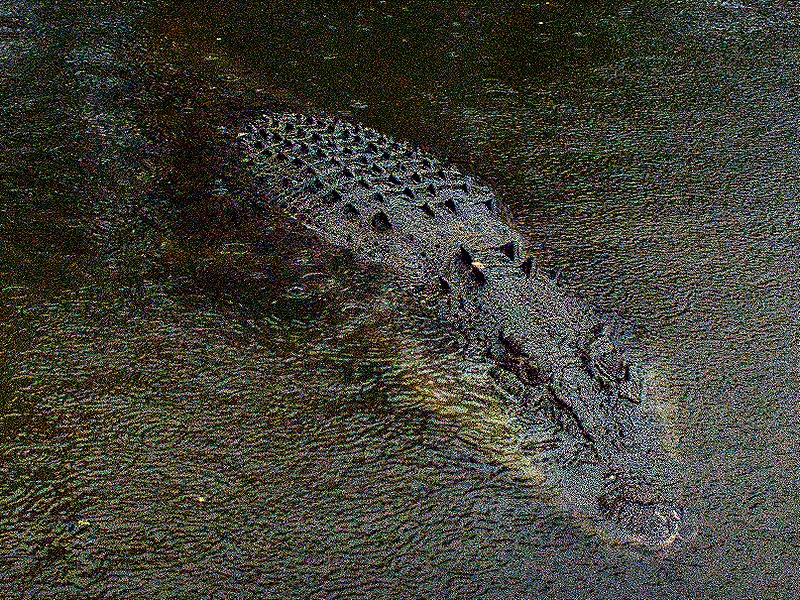
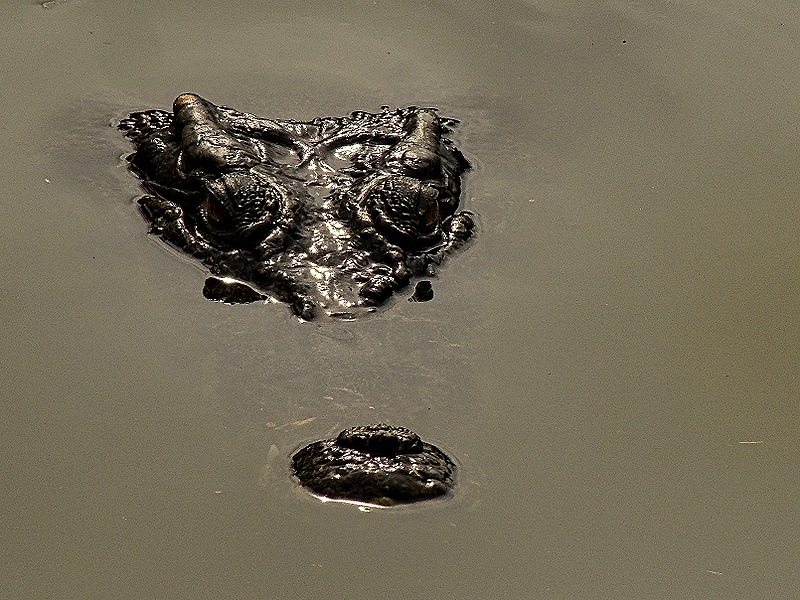
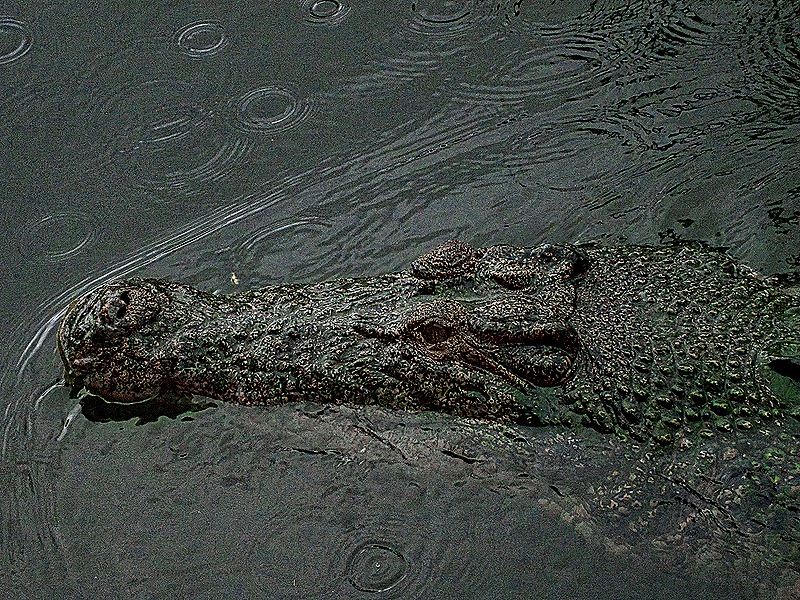
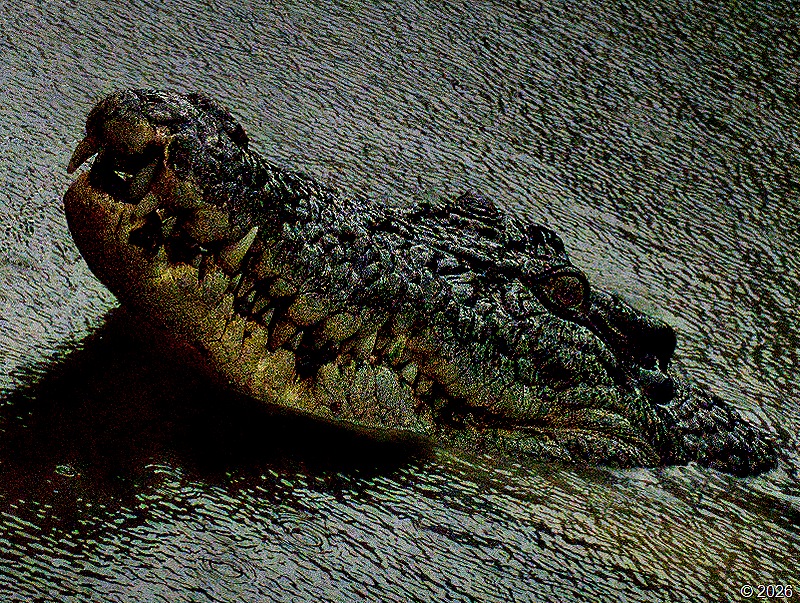
Spotting the food, they swim under it and leap high in the air.
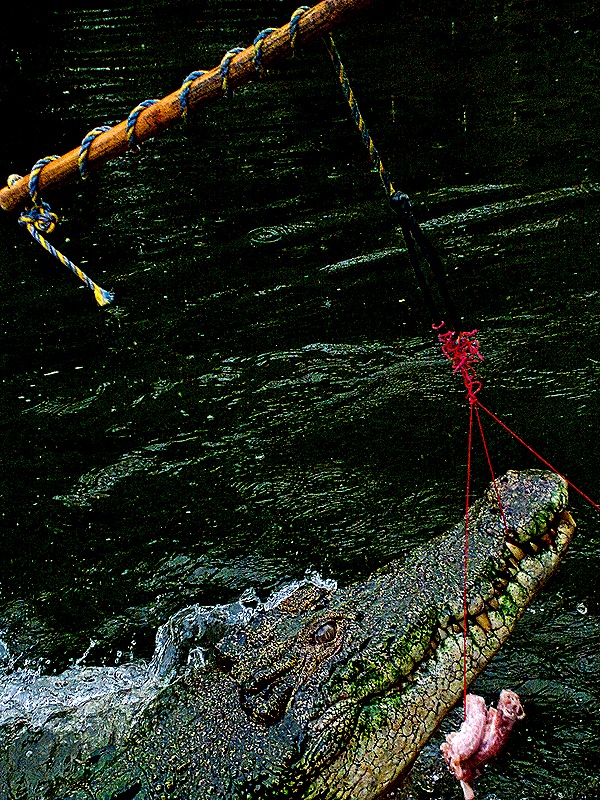
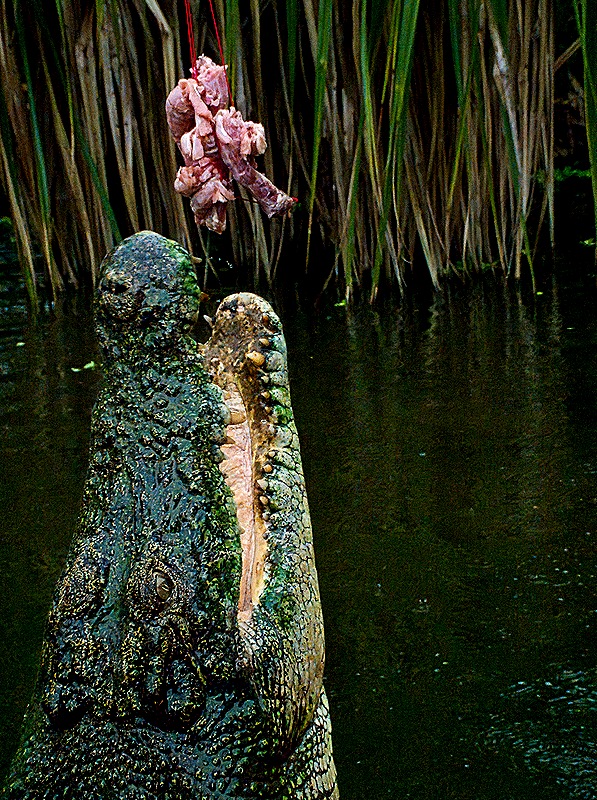
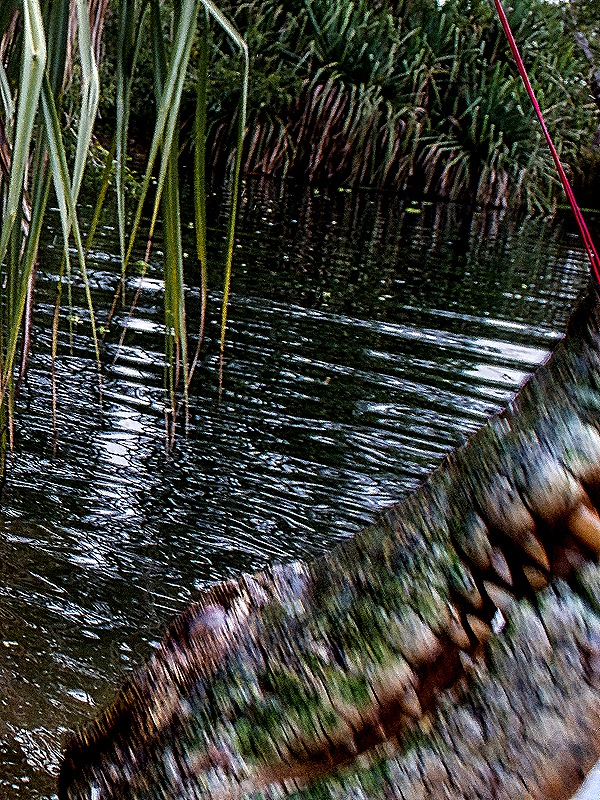
Usually they grab the food, but often enough they miss. Rick was sitting right at the edge of the boat so they were leaping up right next to him very quickly, making it difficult to get them in the photo. Note the raindrops in the last of these photos, the very beginning of a real downpour.
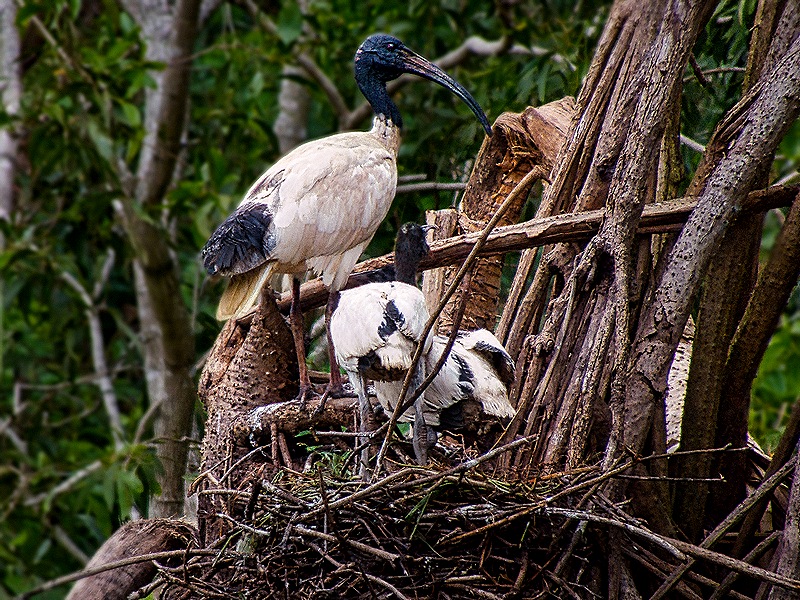
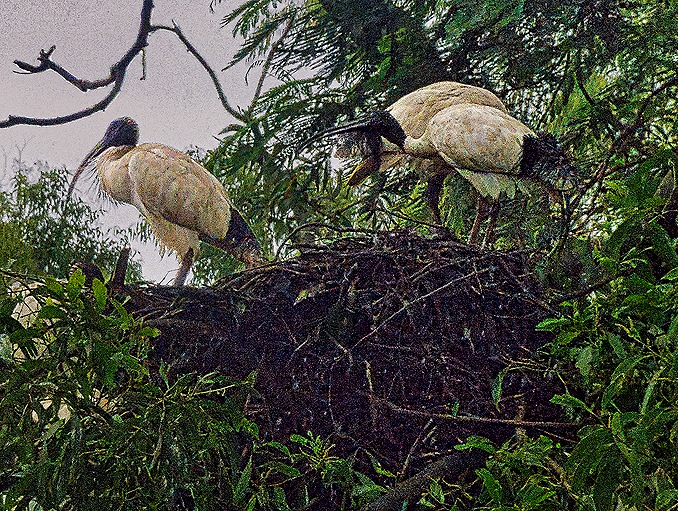
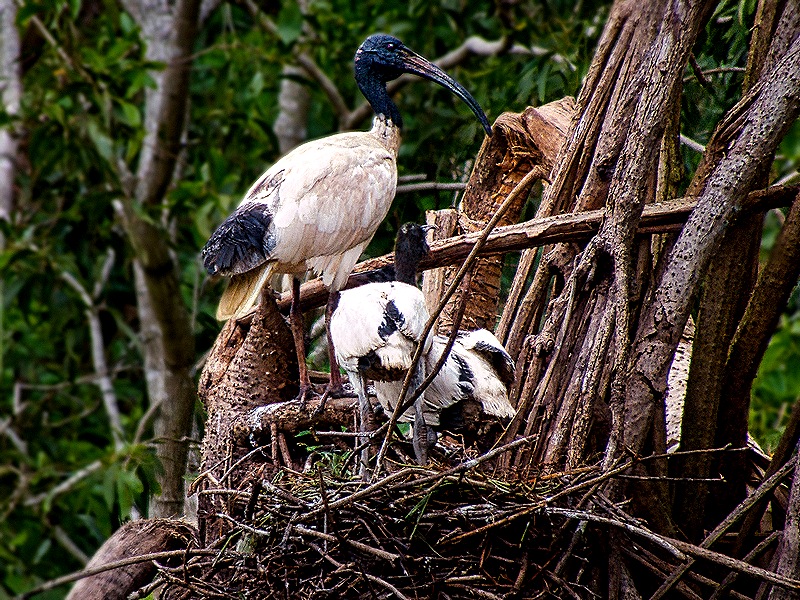
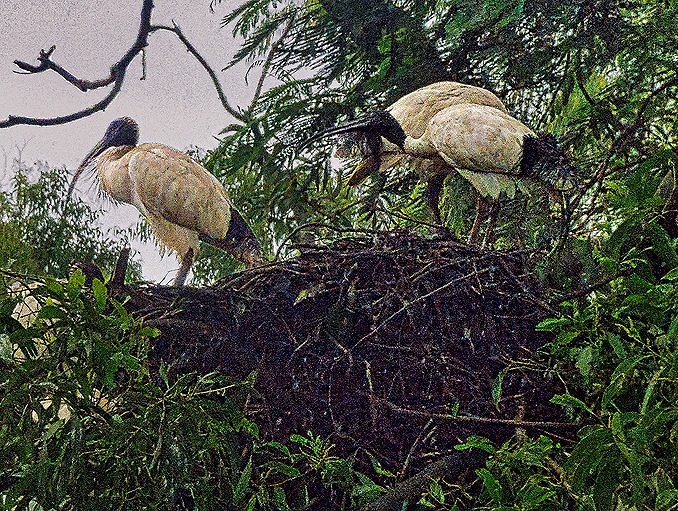
Also of interest here, in addition to the crocodiles, was a large colony of ibises nesting in the trees. We have seen ibises before but never in a nest.
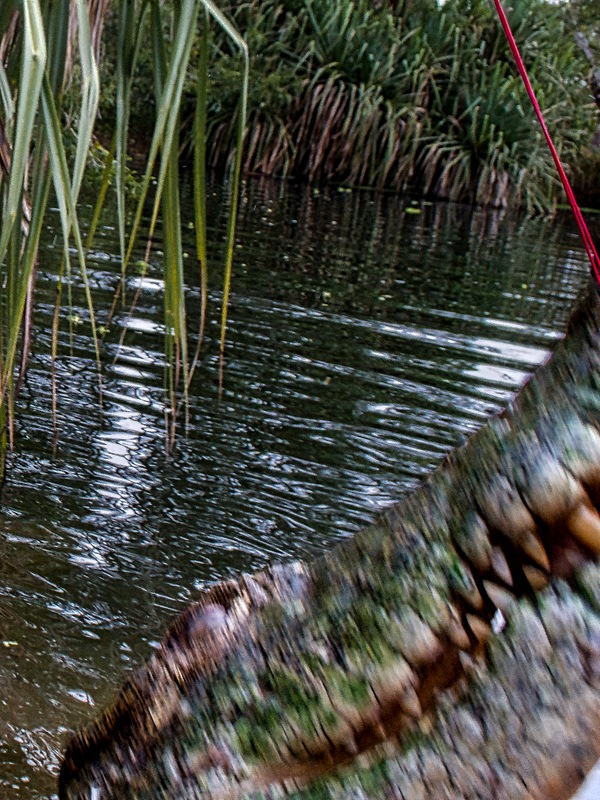
Well, we mentioned above that the crocs were jumping up very close to Rick at the edge of the boat. And of course they don’t care whether people in the boat get wet when they jump. Rick did get a little wet a few times, but finally one of them made a mighty leap at just the right angle to send a wall of water onto Rick. He wasn’t worried about getting wet, it was that kind of day, but the camera was inundated with water and apparently some of it got inside it. So these were his last pictures, at least for today, because the camera completely stopped working.
We walked (quickly) back to the building in the pouring rain and when we got back on the bus Rick opened up the camera as much as possible and tried to dry it out. Then we left it to dry (hopefully) for the rest of the excursion. But to no avail.
Our next stop was at Darwin’s military museum. Darwin is in the far north of Australia quite close to Indonesia, which the Japanese had mostly occupied early in the war. On February 19, 1942, a force of 188 Japanese planes fresh from bombing Pearl Harbor bombed Darwin. Darwin was then a small isolated town of about 6,000 but its location gave it strategic importance. Some 250 or more people were killed and more than that injured. More than half of Darwin’s civilians were evacuated after that and many of them never returned. This was the first of 64 Japanese bombing attacks on Darwin, continuing through 1942 and 1943.
We spent more than an hour at this museum, which is small and light on artifacts but includes many interesting photos and audio accounts by survivors. The highlight is a 15 minute film, including original pictures as well as CGI sequences of the Japanese planes, telling the story of February 19. Outside was some larger military equipment used during the war. Altogether worth seeing.
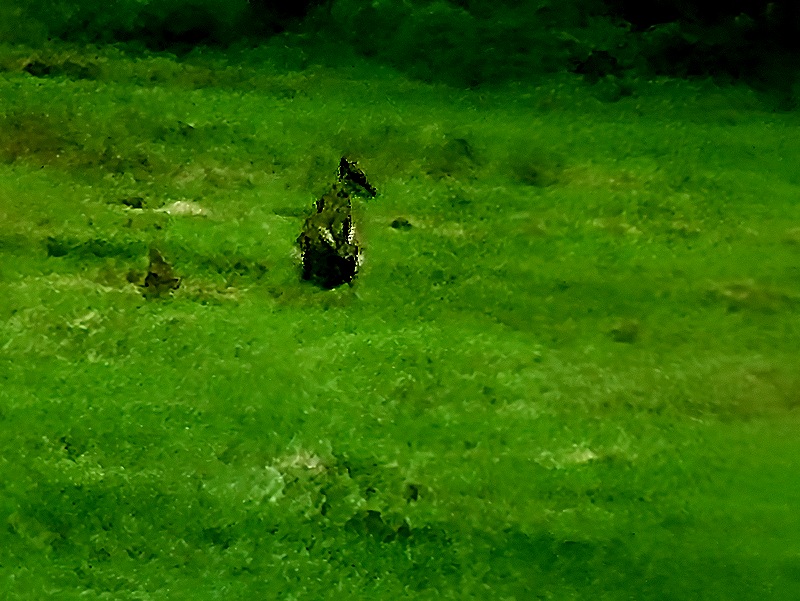
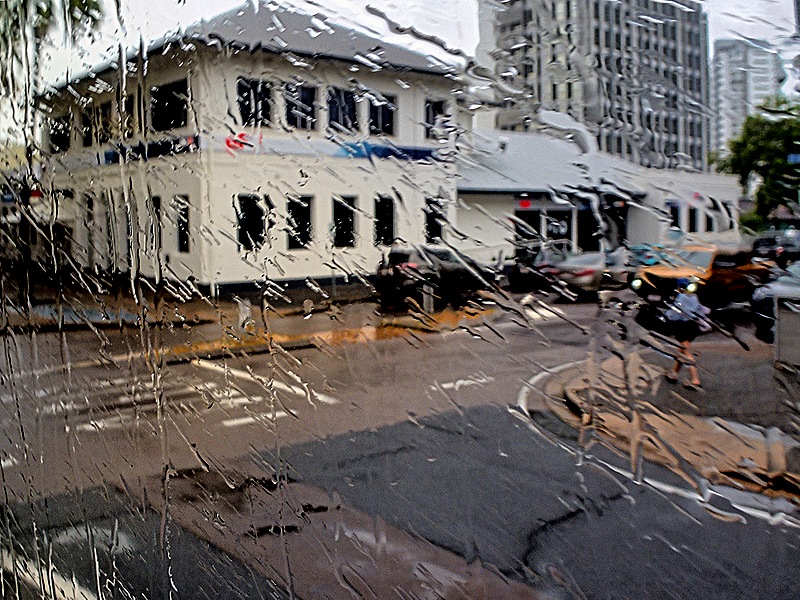
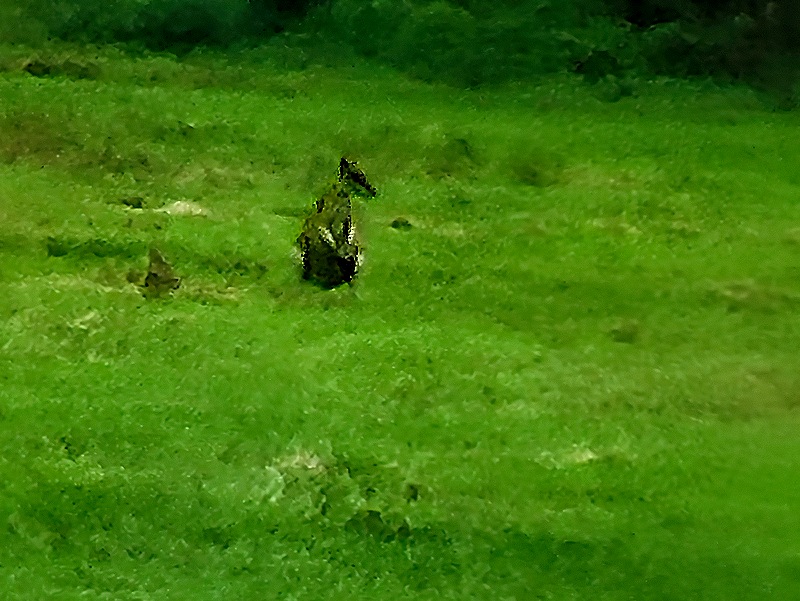
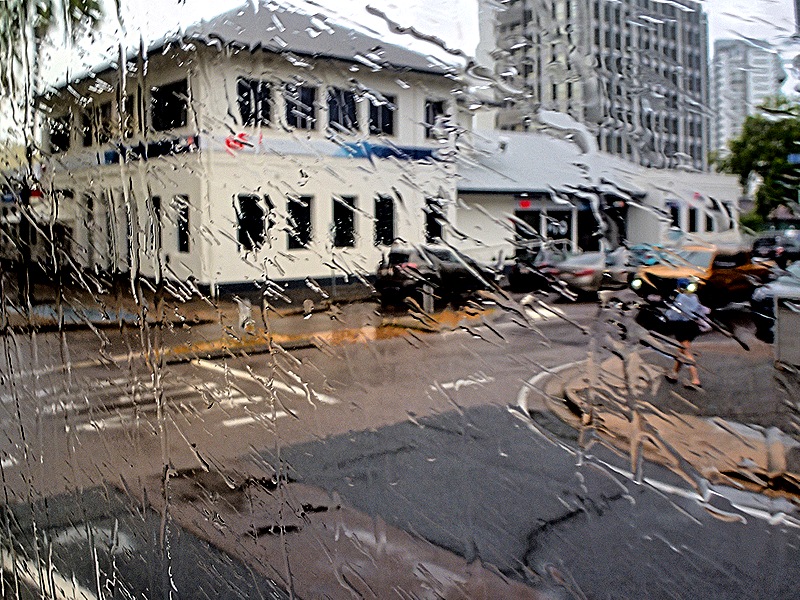
Of course, thanks to our friendly (or not so friendly) crocodile, you will see no pictures of the museum in this blog episode. We do have two more pictures to end this episode, however, such as they are. While sitting on the bus waiting to leave the museum Mary spotted a whole lot of little wallabies spread out in a meadow across the street. She took a picture with her phone, but they were really too small and far away for a decent photo. Second, although Rick’s camera did not recover during the excursion as we hoped, he did take a couple of experimental shots through the bus window just to see what would happen. Nothing, it seemed. But after we got back to the ship he was able to download all of the day’s pictures to his computer (yay!) and the two experimental shots from the bus were there. So that meant the whole camera wasn’t drowned, just the lcd display on the back. Still not very usable, but at least . . . ITS ALIVE! As you can see below, it was pouring rain as we drove back to the ship so we abandoned our original plan to take the shuttle into town to walk around. We sailed away around 5:00, keeping our fingers crossed that the camera would dry out and return to normal.