Lautoka, Fiji 2026
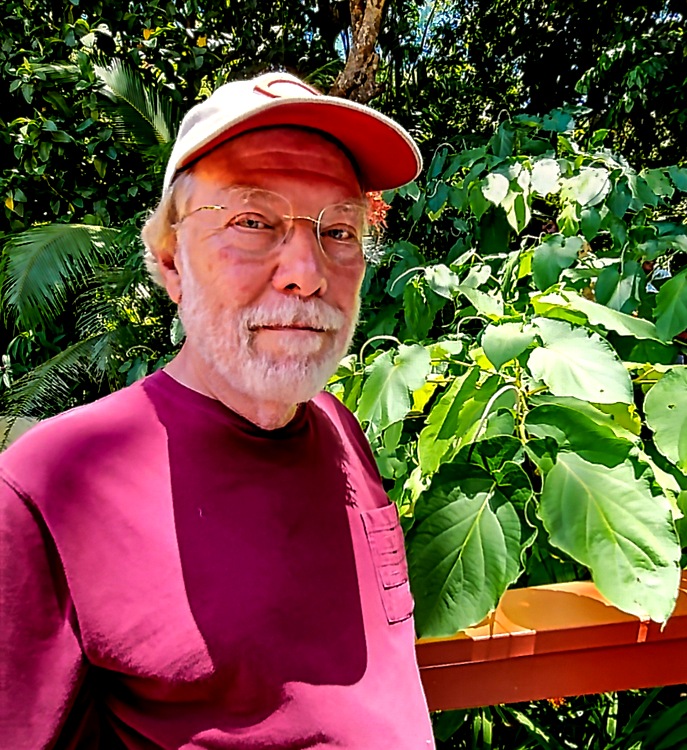
January 25 found us in Lautoka, the second largest city in Fiji (population more than 70,000), located on the opposite side of the island of Vitu Levu from Suva. This is sugarcane country and Lautoka is known as “Sugar City.” Having spent the first two Fiji stops in town we decided we would rather get out and see some of the countryside and some local fauna today. So we joined a HAL excursion to what was billed as Kula Eco & Wildlife Park, where you could see birds and animals of Fiji. The description didn’t mention that there would be a two hour bus ride each way! We left around 9:00 AM.
As mentioned above, it was a very long bus trip through the countryside and a few small towns, made longer by a lengthy stop at an upscale art and handicraft store (with some very nice things at not so nice prices). When we arrived at the park we were surprised to find the sign at the entrance said “Kula Wild Adventure Park” instead of Eco & Wildlife Park that was in the excursion description. It was pretty apparent from the name and the ambience inside that this was a facility aimed at families with children, including several elaborate playgrounds and signs geared toward youngsters. The place also offered a zipline and a large water slide. We saw a lot of colorful Fijian birds and a few animals, although most of them were in cages (albeit large and relatively unconfining ones that visitors could walk through). Still, it was apparent that the staff there cared about the animals and were quite serious about preserving and caring for them. The park dates back to the 1980’s when it originated as a bird park.
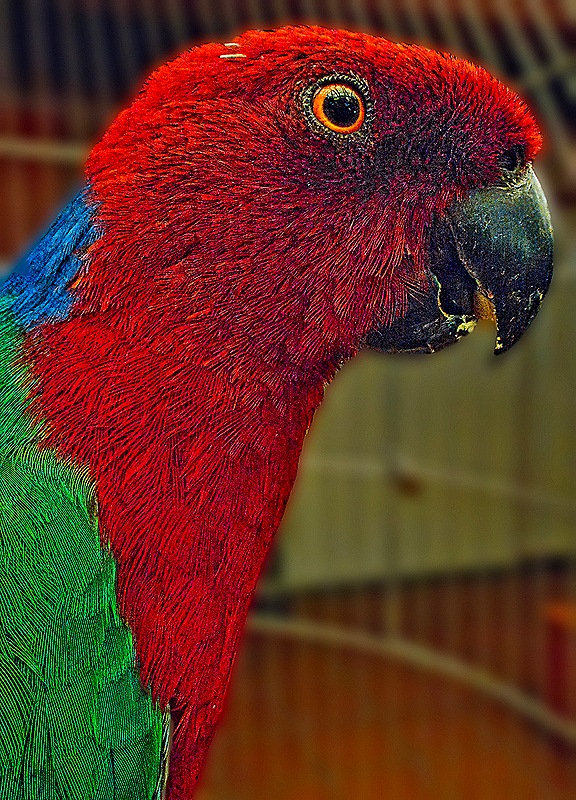
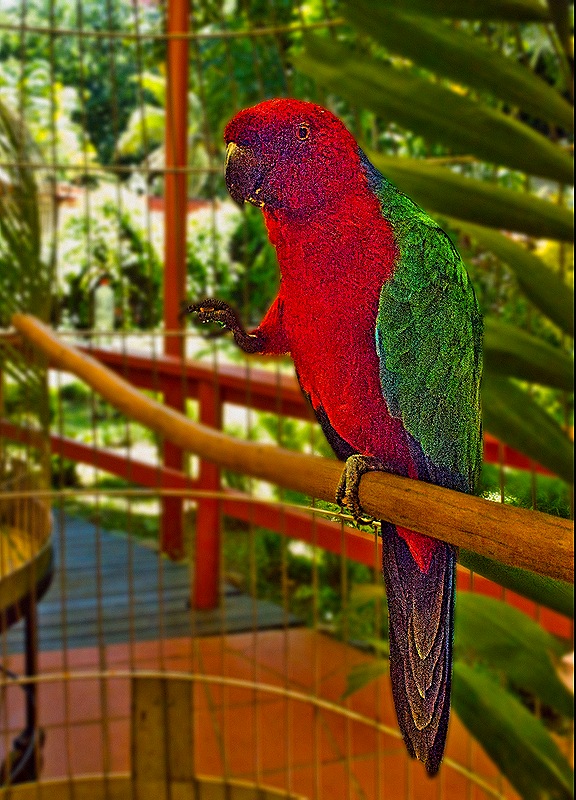
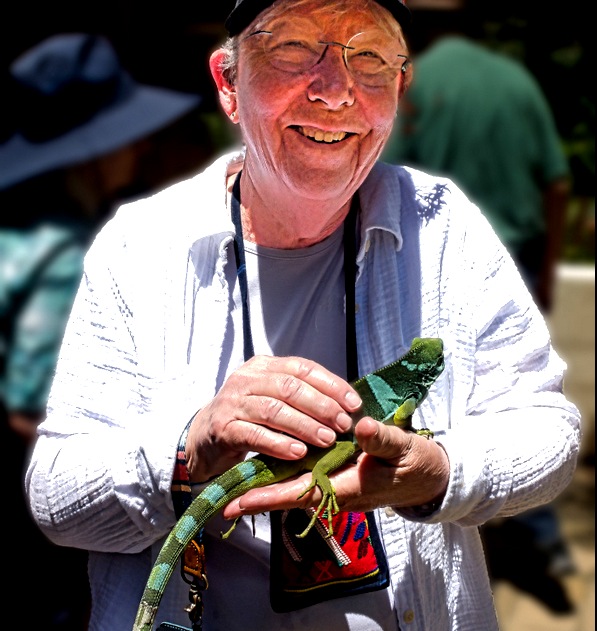
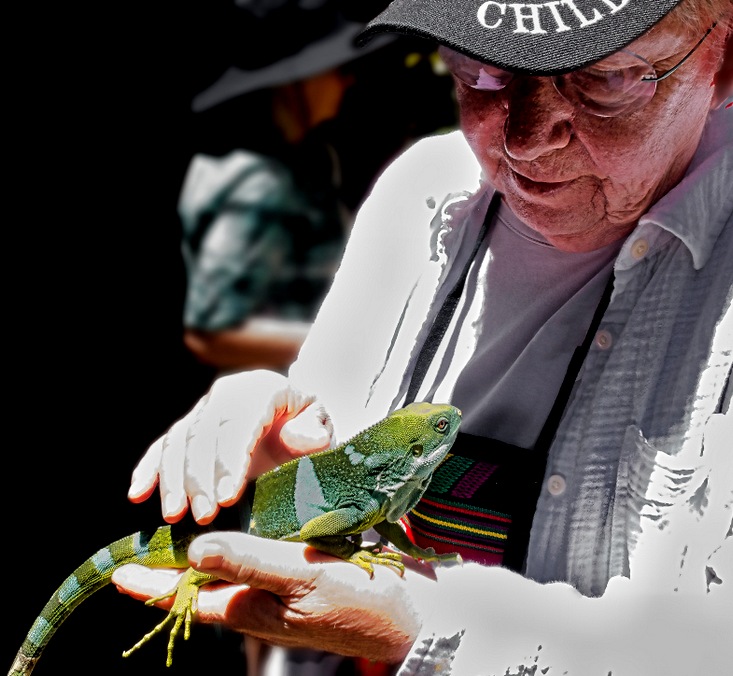
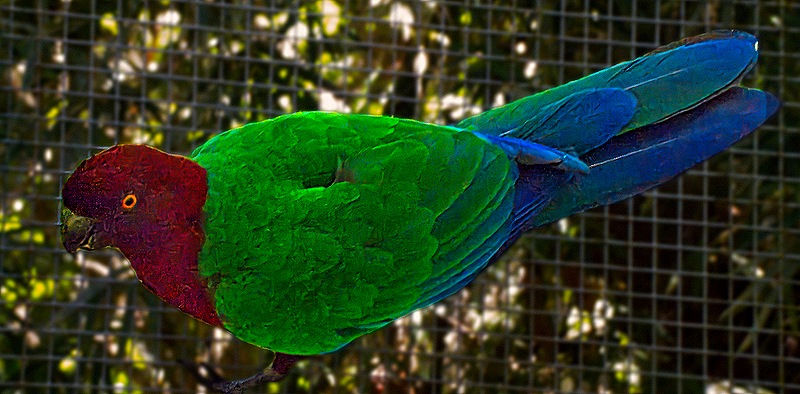
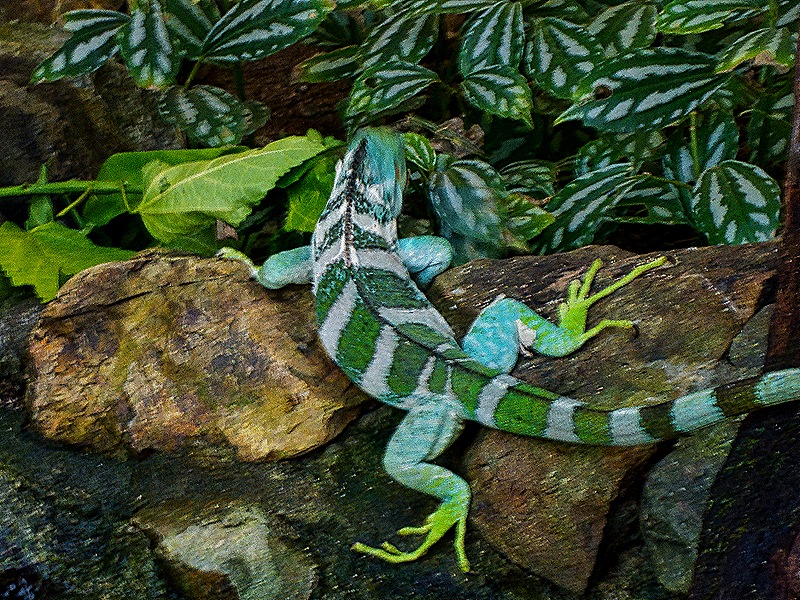
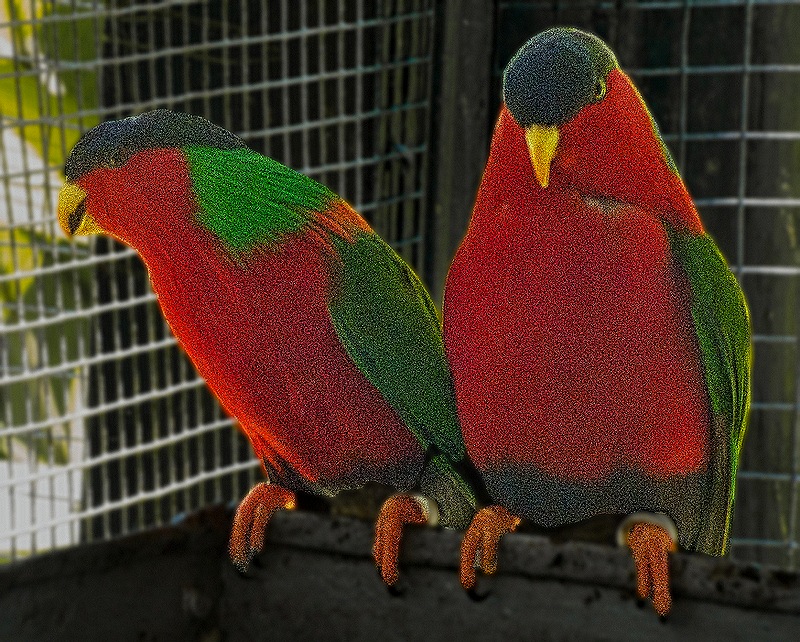
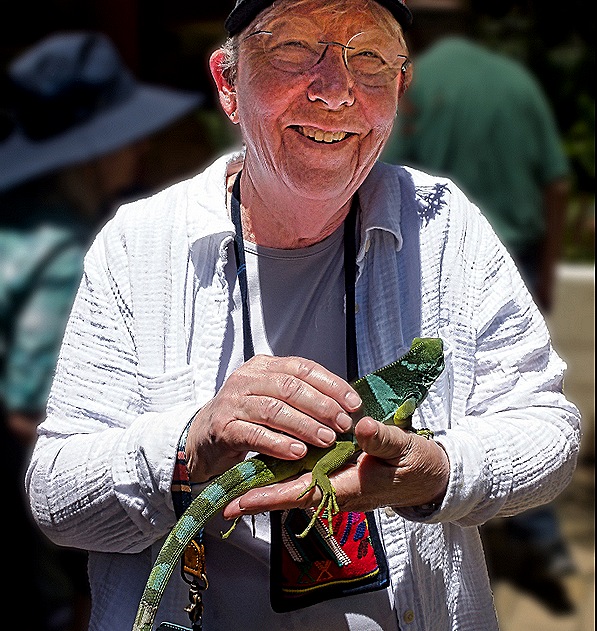
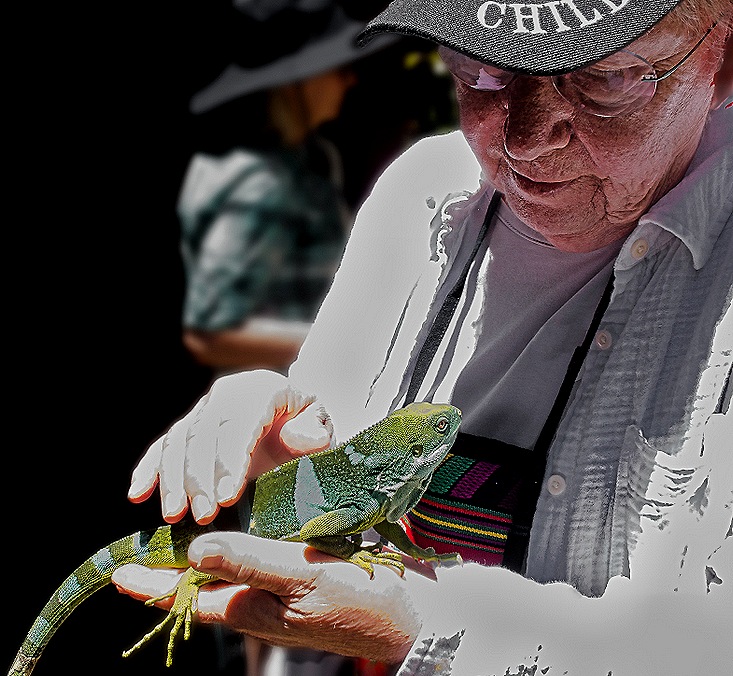
Our tour began just inside the entrance where there were several large and colorful Crimson Shining Parrots in relatively small individual cages. These parrots are endemic to Fiji. Nearby was a green iguana named Kevin (we think) who was there to be held and petted by visitors. There are two species of iguana endemic to parts of Fiji, Central Fijian Banded Iguana and Fiji Crested Iguana; this one was a Banded Iguana. A seasoned entertainer, he got along fine with Mary.
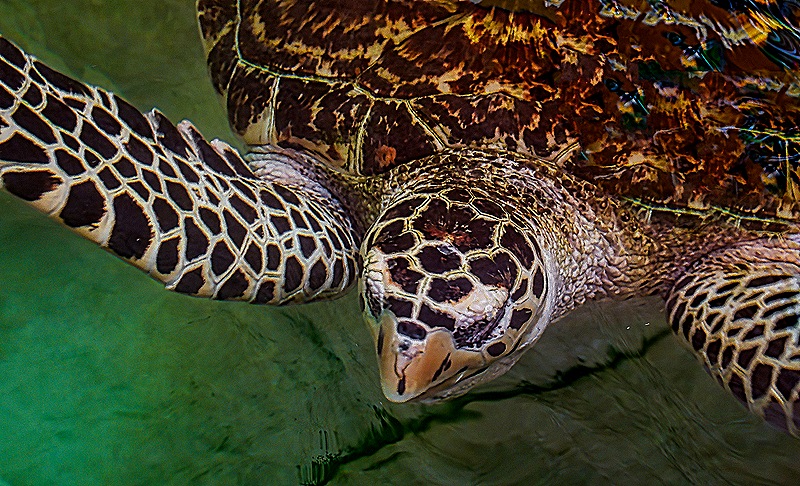
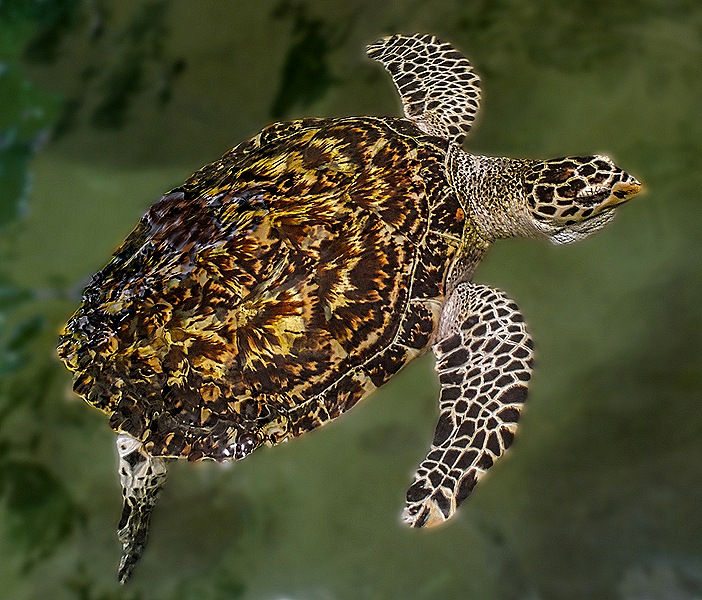
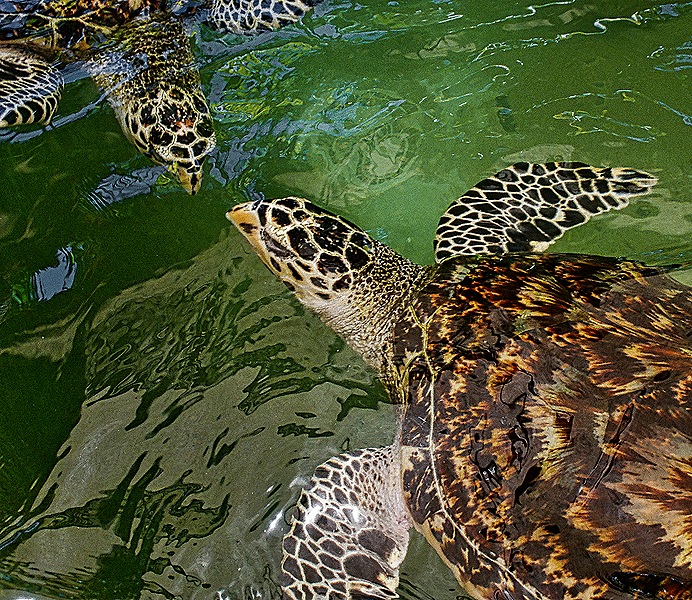
A shallow concrete pool in this area was home to several Hawksbill sea turtles, a critically endangered species found in oceans worldwide. The name comes from the bird-like beak they have in lieu of a flat mouth. They have been widely hunted in the past for their shells, used to make decorative tortoiseshell items, but today they are protected.
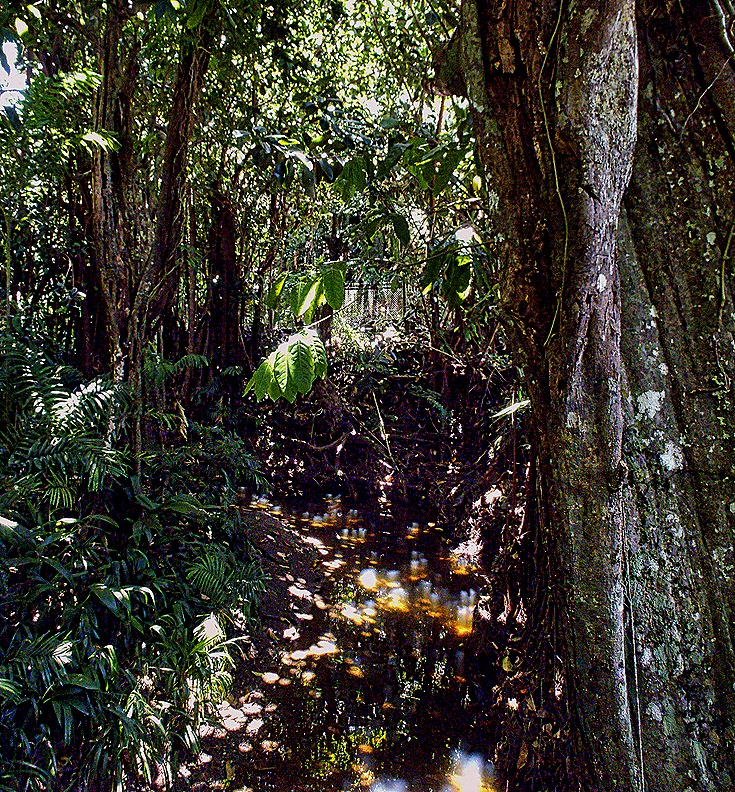
We walked through the dense and well maintained rain forest to the bird houses. Betel nuts are addictive and slightly intoxicating items that are chewed like gum or tobacco by many people in the Pacific area, often leaving their mouths colored brown. We were shown one of the plants on which they grow.
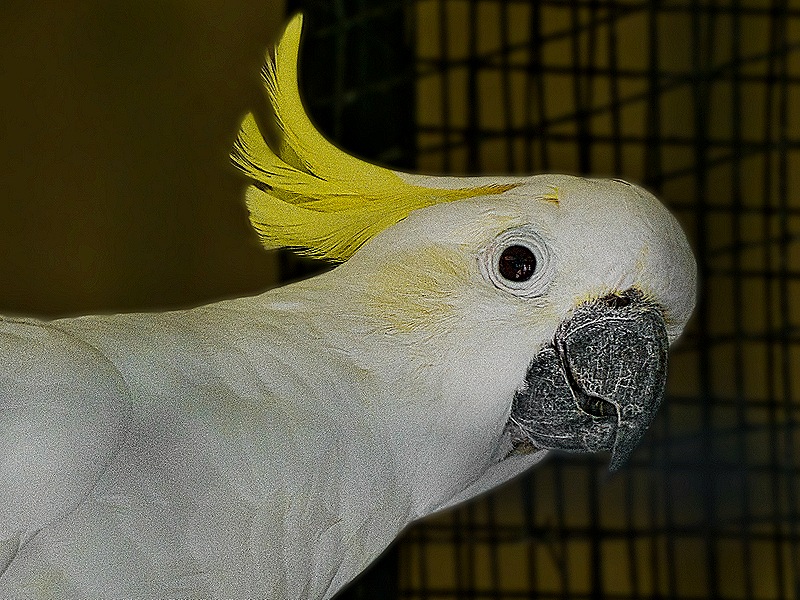
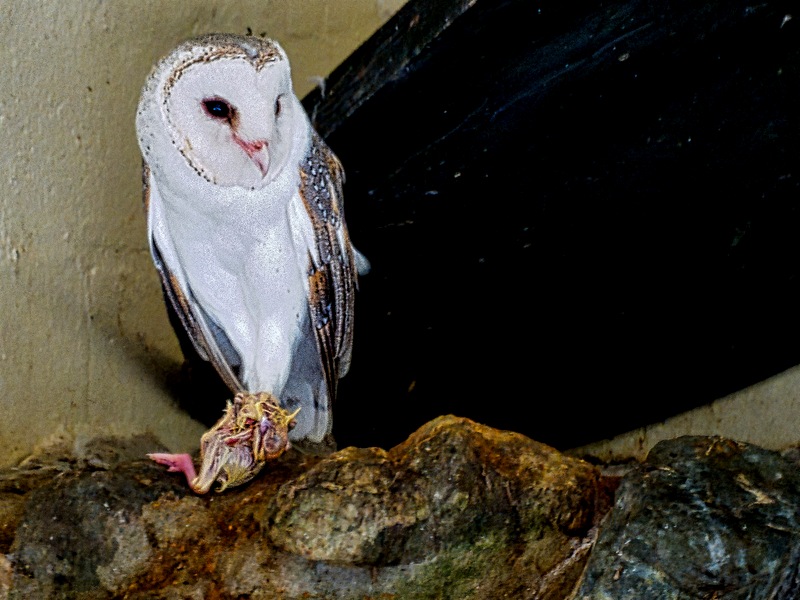
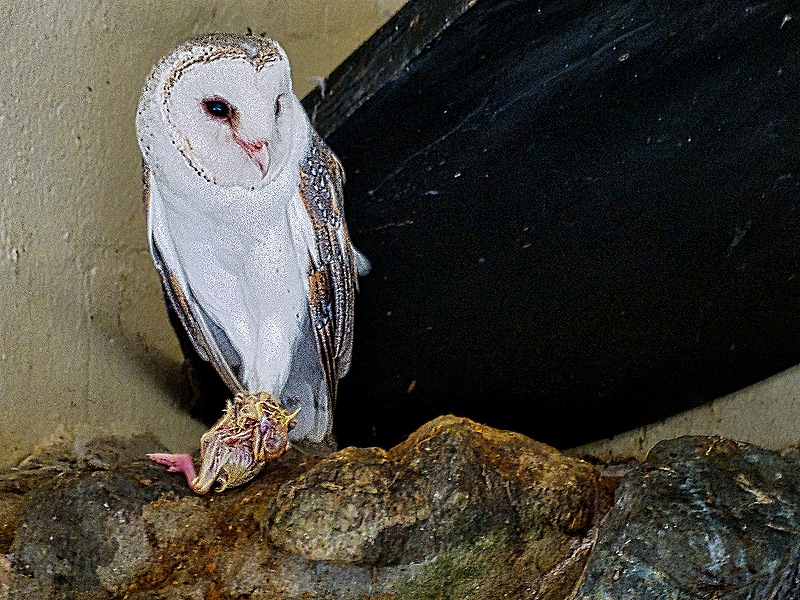
Among the first birds we saw were barn owls, Sulphur Crested Cockatoos and some more Crimson Shining Parrots. A sign said most of the parrots here were donated by illegal owners who had kept them in small home made cages with insufficient diets and brought them here because they were sick.
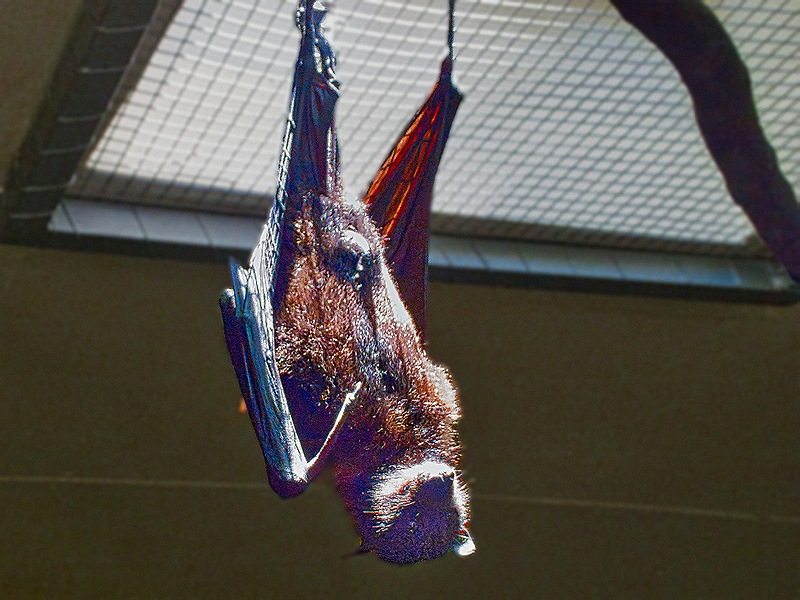
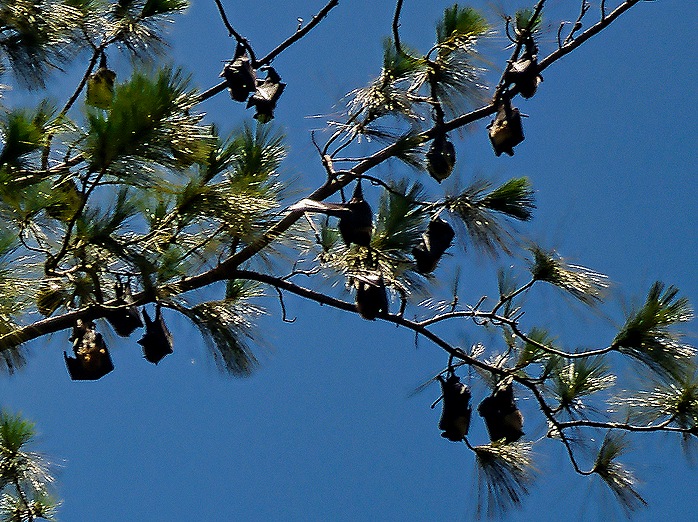
Fiji’s only endemic mammal is the Fijian Monkey-faced Bat (also known as Fijian Flying Fox). It was discovered in 1976 living in a forest on Fiji’s second highest mountain peak. We saw a few bats hanging in an enclosure and understand that these are flying foxes, which are critically endangered with a total population estimated around 1,000. Outside in some trees were quite a few bats hanging about but these were too many to be flying foxes, who live in the wild on a different island (Taveuni).
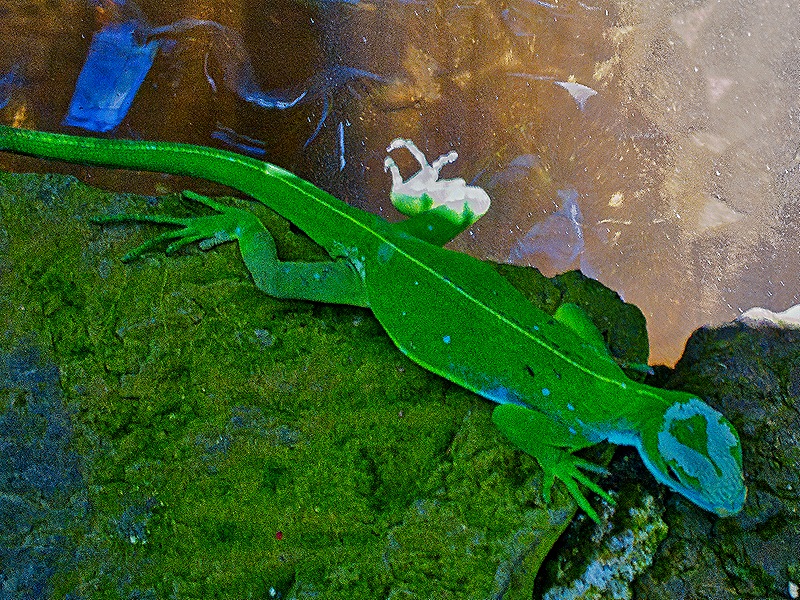
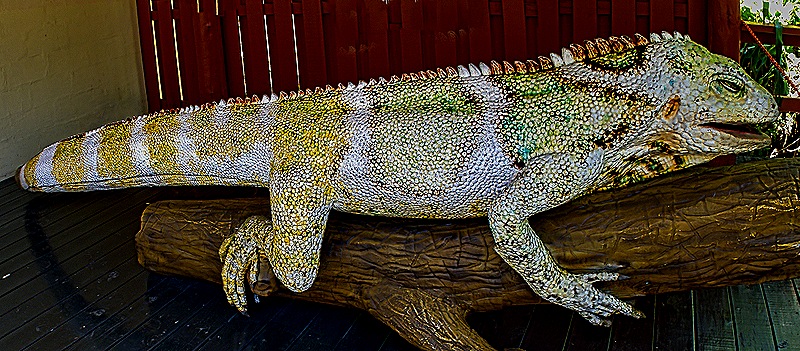
We saw some more Fijian Banded Iguanas. The males are banded but the females are completely green on top. Near the park entrance we had seen an impressive iguana (possibly a crested iguana) about 9 feet long and made apparently of concrete.
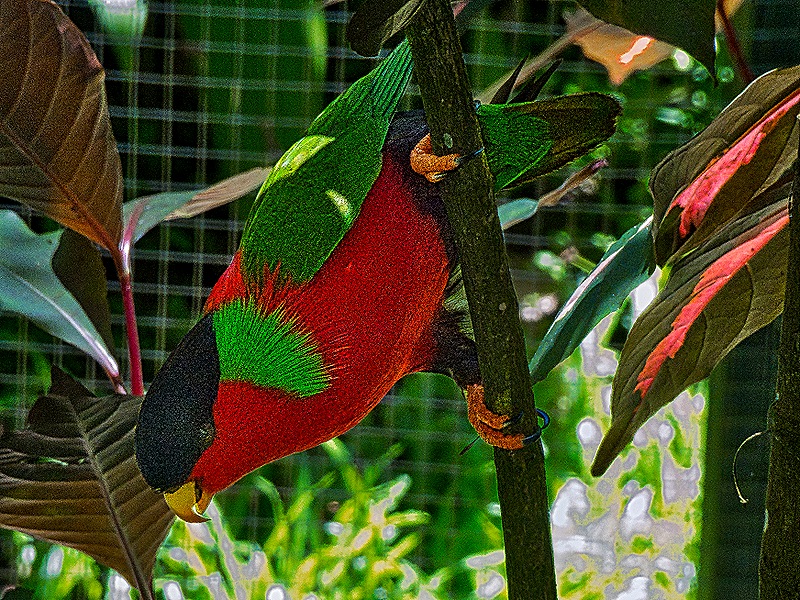
The Collared Lory (also called a Kula) is Fiji’s national bird. It is a parrot and often found in mating pairs. They seem to have a lot of bright red birds around here.
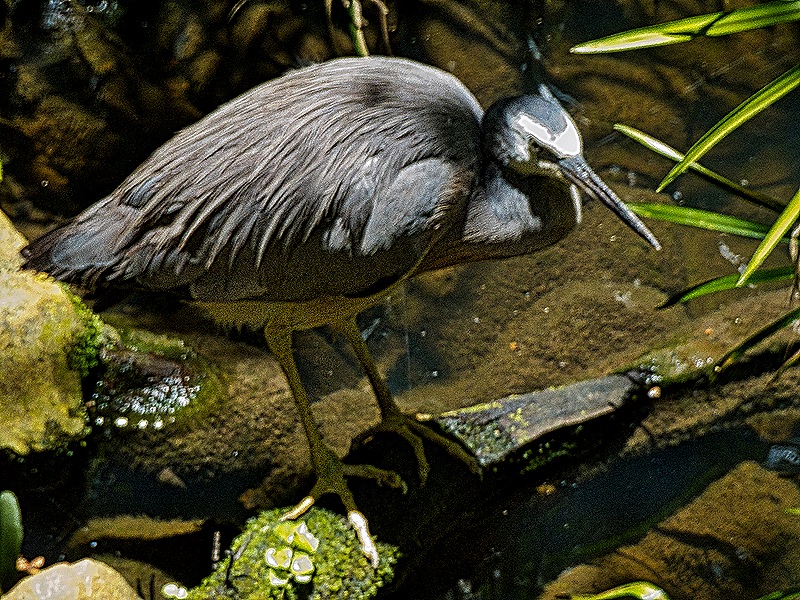
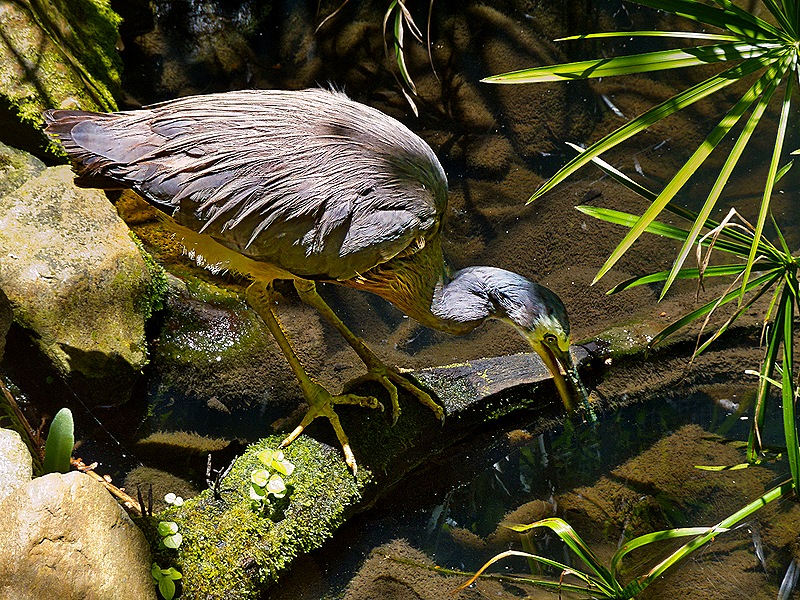
The White Faced Heron can be found throughout Australasia. They have lived in this part of Viti Levu since 1997.
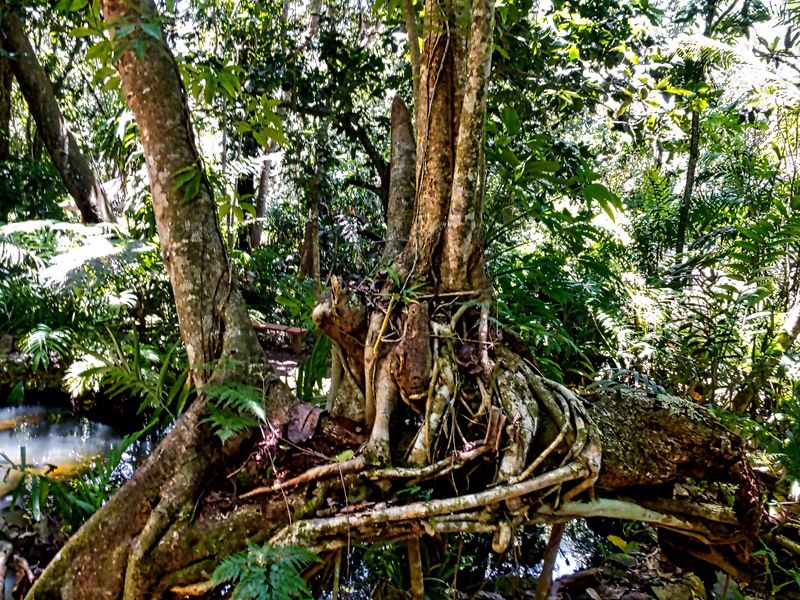
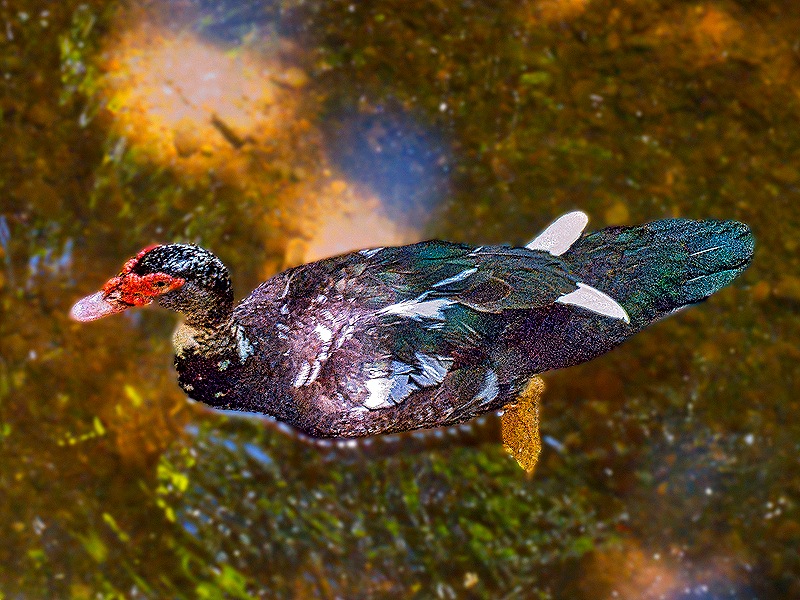
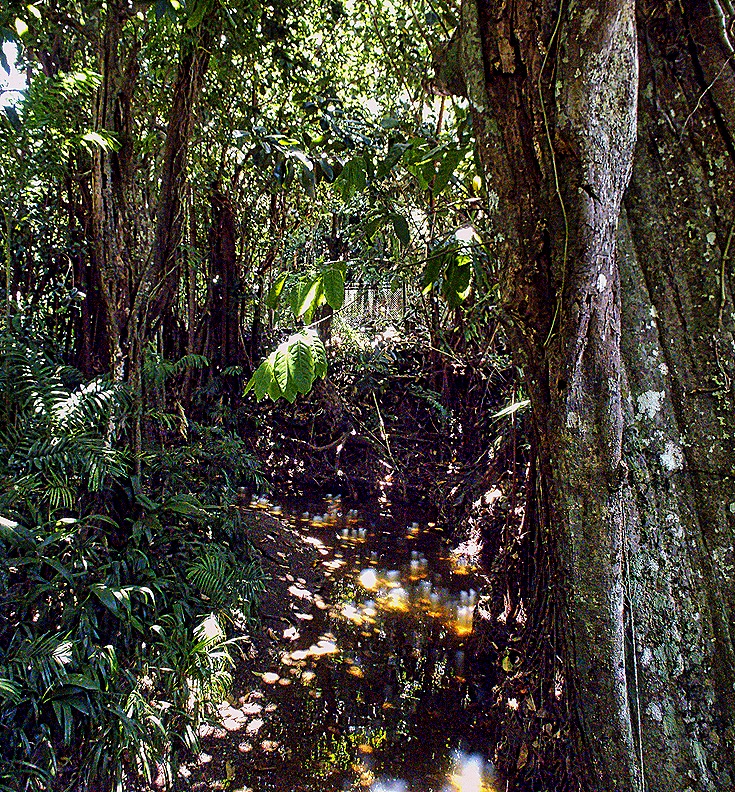
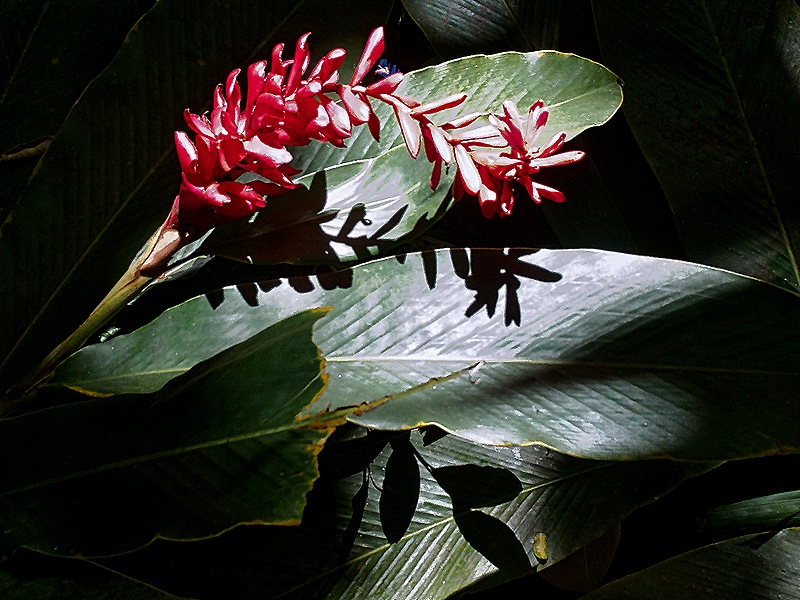
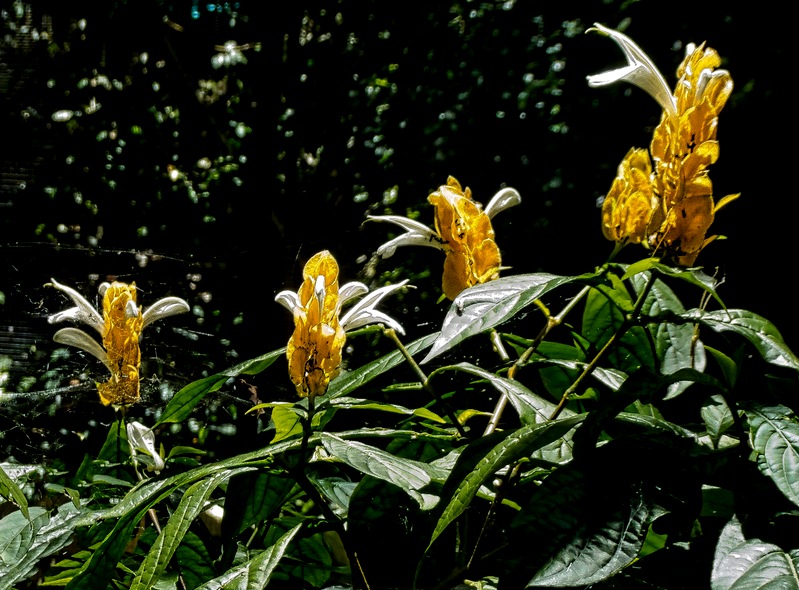
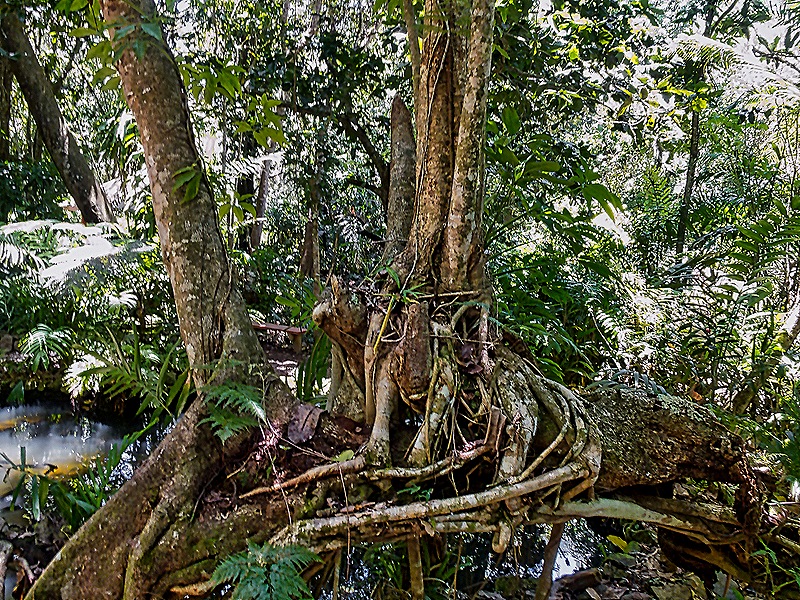
We walked back to the area near the entrance where we were served a light lunch. There were many nice flowers in the forest and we also walked past a Baka Ni Viti twisting around a host tree. Birds enjoy its fruits and drop undigested seeds into other sorts of trees, which are usually killed as the new tree grows around it. At one point we walked on a wooden bridge over a picturesque stream and looking down we saw a brightly colored Muscovy Duck swimming in the water.
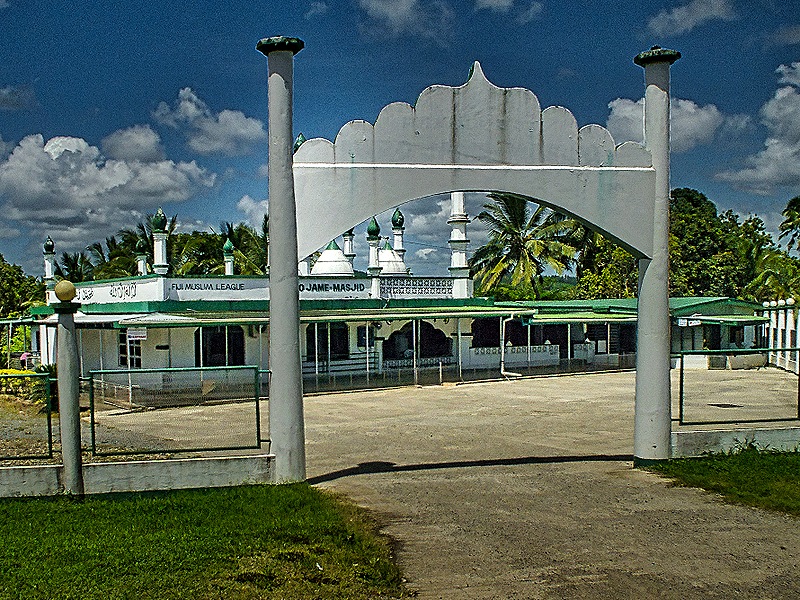
After lunch we reboarded the bus for the long drive back to the ship, made longer by several lengthy delays for road construction operations. Among other things, we passed (in the moving bus) what looked like a small mosque labeled Fiji Muslim League. Muslims first arrived in Fiji among the indentured servants imported from India to work in sugarcane fields between the 1870’s and 1916 and today they make up about 7"% of Fiji’s population. Muhammad’s birthday is a Fijian national holiday. The Fiji Muslim League, which operates schools and mosques, was formed in 1926.
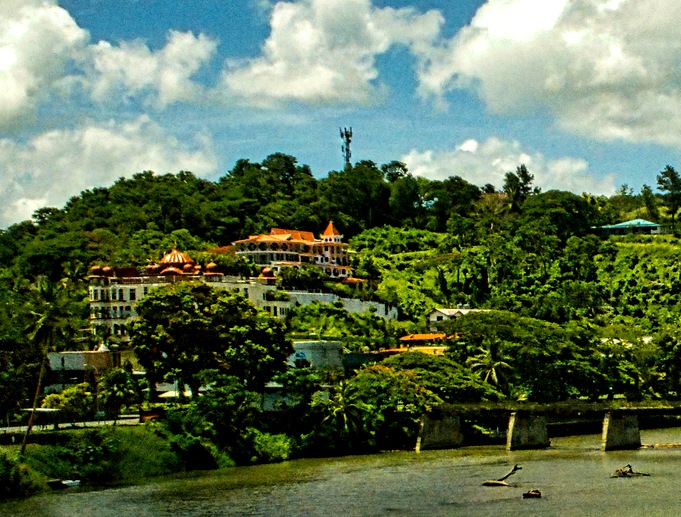
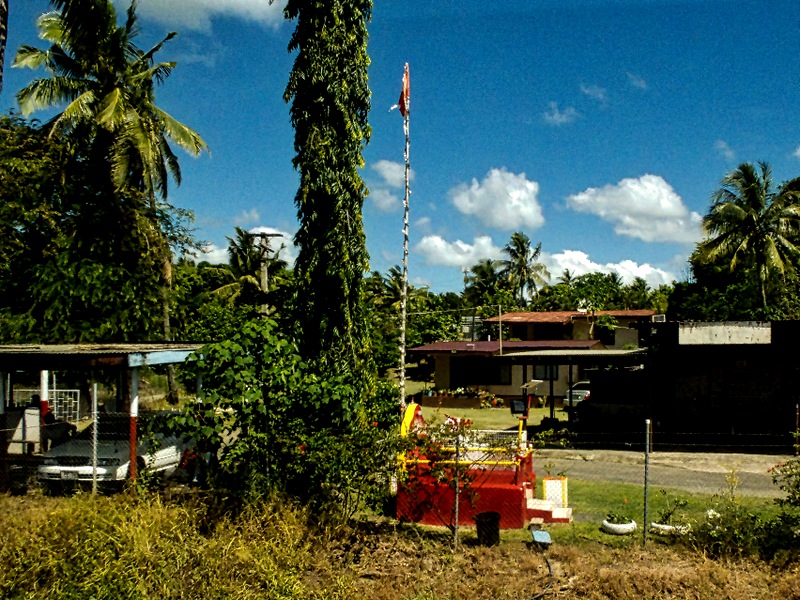
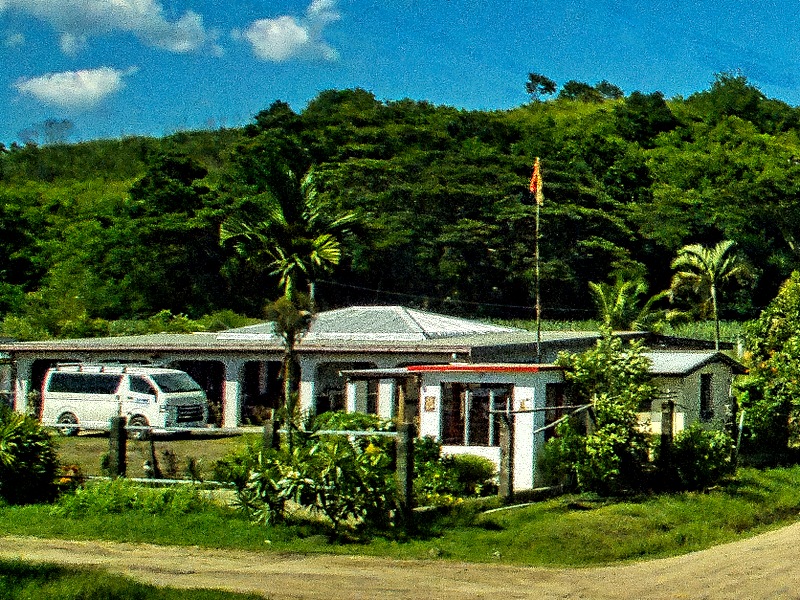
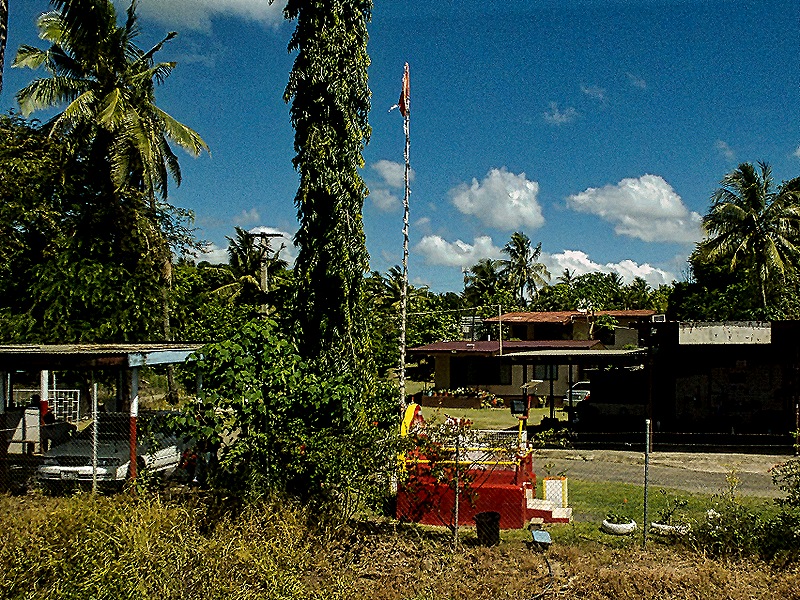
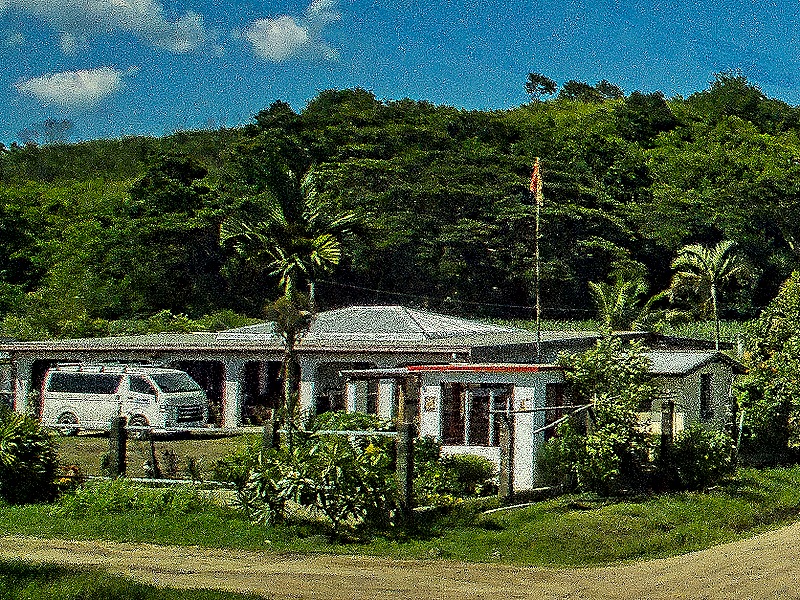
As we drove along we noticed a number of residential neighborhoods in which one or two houses had a red pennant flying above on a long pole, mostly made of bamboo. Our guide told us these were Hindu homes and it was mandatory for them to fly a red flag. We were pretty shocked by this, since it sounded like the Nazis requiring Jewish businesses to paint a star of David on the front. It turns out that either the guide was wrong or we misunderstood him. The Fiji government does not require these of Hindus at all. Instead, these are sacred Hindu prayer flags called Jhandi that identify a sacred space. So they are associated with Hindu homes, but are placed there voluntarily to signify spirituality.
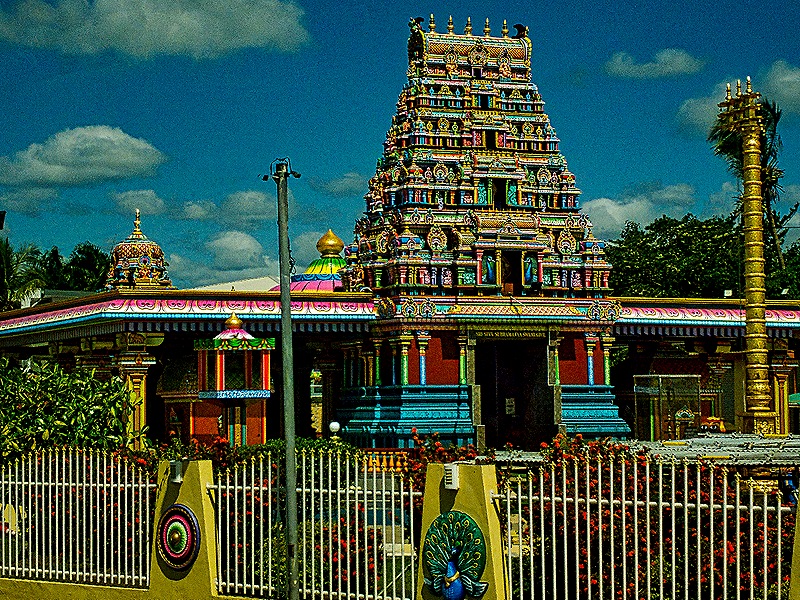
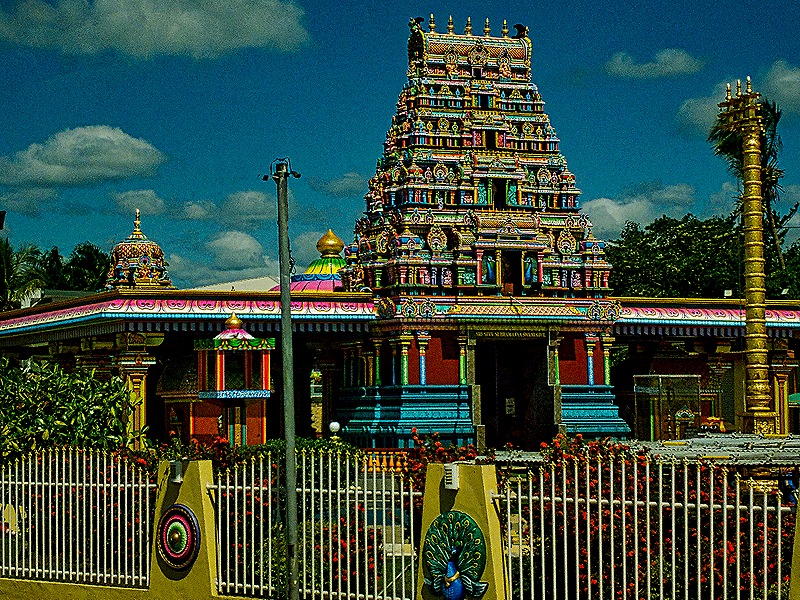
We mentioned in previous episode the large community of ethnic Indians in Fiji descended from the indentured servants brought here by the British before World War I to work in the sugarcane fields. The area we were passing through is an important sugarcane territory so it is not surprising that we encountered a colorful Hindu temple. We think this was in the town of Nadi and is called Sri Siva Subramaniya Temple. That is the name of the largest Hindu temple in the Pacific. It was opened in 1994 on the site of a previous temple that had been there since 1926. We stopped for pictures but did not have a chance to go in.
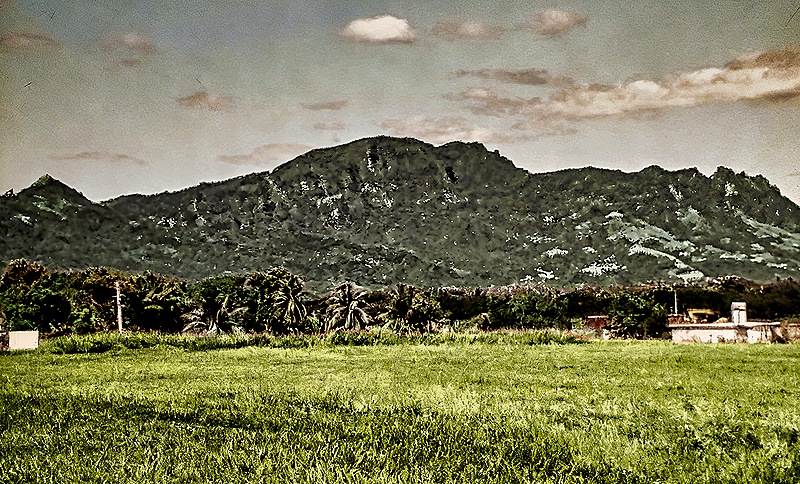
Last but not least we drove past the Sleeping Giant mountain. Named for a legend about a warrior king who was permitted by deities to rest here after defending the area for many years, the mountain looks strikingly like a man lying on his back. If you look carefully you can see a nose and an open mouth in the head on the right, a large stomach in the middle and his feet pointing to the sky on the left. Located in the foothills of the mountain is the “Garden of the Sleeping Giant,” 50 acres with more than 2,000 orchids along with, among other things, rainforest walks and lily ponds. It was established in 1977 by American actor Raymond Burr of “Perry Mason” and “Ironsides” fame on TV, along with many movies, to house his huge personal collection of orchids and is open to the public.
We returned to the ship and sailed away from Fiji before dinner for a sea day to rest up before our next port.



Leave a Reply