
Adelaide (Hahndorf), Australia 2026
It took two sea days to reach the harbor of Adelaide on February 26. The port is a long way from the city so the best way to get there is on a train, which is what we did on our first visit here in 2018. We spent the day on that visit with our friends Bill & Robert exploring the very interesting downtown area of Adelaide, which is the capital of South Australia and a big city of about 1.4 million. You can see that visit here: https://baderjournal.com/2018/07/04/adelaide-australia/.

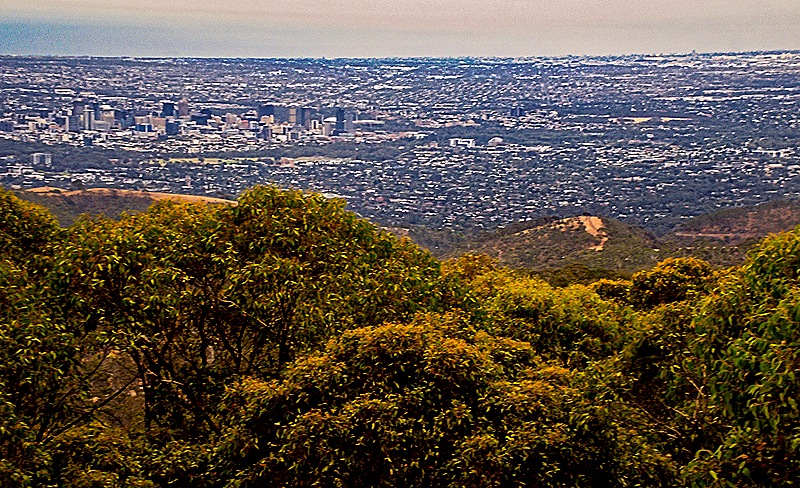
On this visit we wanted to see some of the surrounding countryside so we joined an excursion going into the hill country around Mt Lofty. Our bus drove (and drove some more) through the suburbs into Adelaide, through downtown Adelaide, then up into the hills beyond on the other side from the port. So we saw quite a lot, but from the windows of the bus.
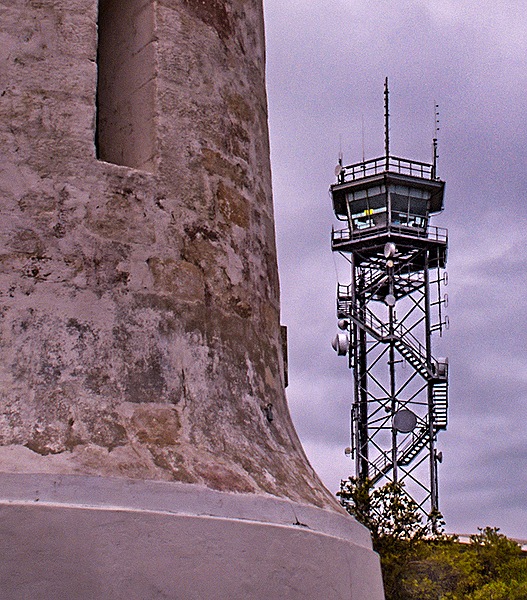
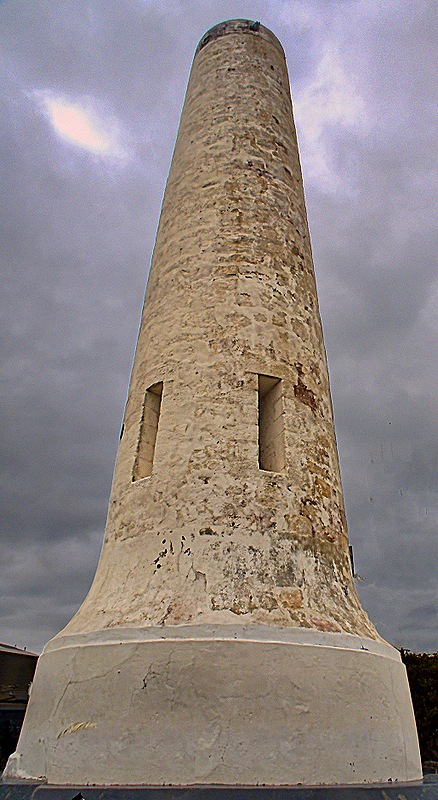
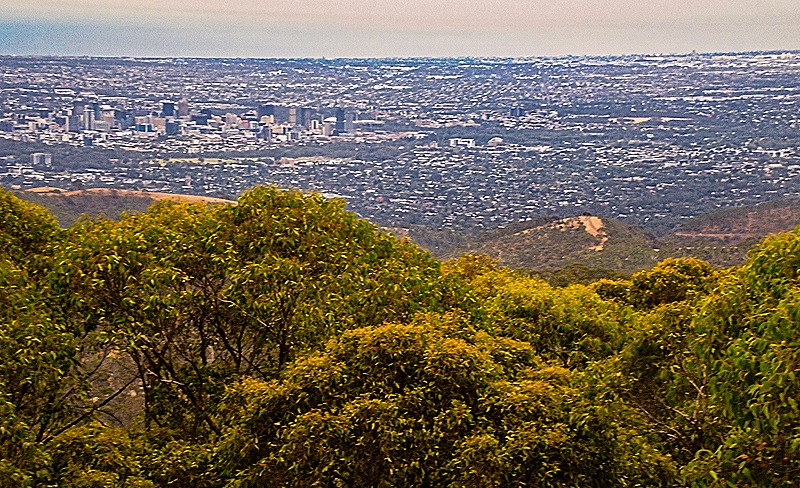
We drove up the 2300 foot Mt Lofty, named by Matthew Flinders in 1802 when he led the first circumnavigation of Australia. In 1885 a tower more than 50 feet tall was erected at the summit to serve as a surveying marker and later as a navigation aid. In 1902 it was named the Flinders Column in honor of Matthew Flinders. Today it is part of a lookout area with panoramic views of Adelaide that includes a gift shop and a cafe. Looking in the opposite direction from Adelaide you can see the more than 100 foot tall Mt Lofty Fire Tower, which has been used since it was built in 1980 to keep watch for forest fires.

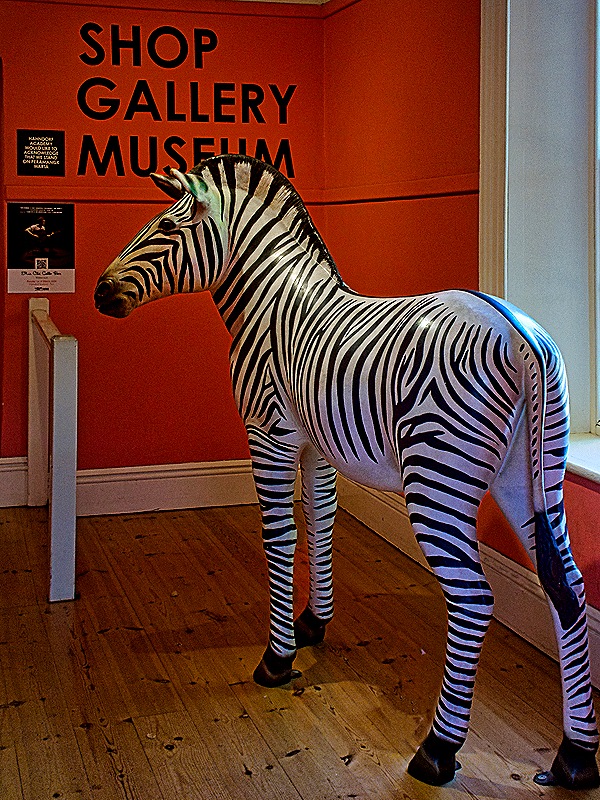
We drove on to our main destination, a small town (population less than 2500) in the mountains called Hahndorf. It was founded in about 1839 by a group of 188 immigrants from a town in Prussia (today it is in Poland) who had sailed from Hamburg on a ship called the Zebra. They were a Lutheran congregation fleeing religious persecution. The voyage took about four months, arriving in South Australia at the end of 1838. They settled together on land they purchased in the Adelaide Hills where they founded a German speaking farming community. They named their settlement Hahndorf after the captain of the Zebra, Dirk Meinerts Hahn, who had taken an interest in the group and was instrumental in helping them find and purchase the land. While some other Germans emigrated to Australia during this period, Hahndorf is the oldest continuing German town in Australia. We understand that descendants of many of the original immigrants still live here.
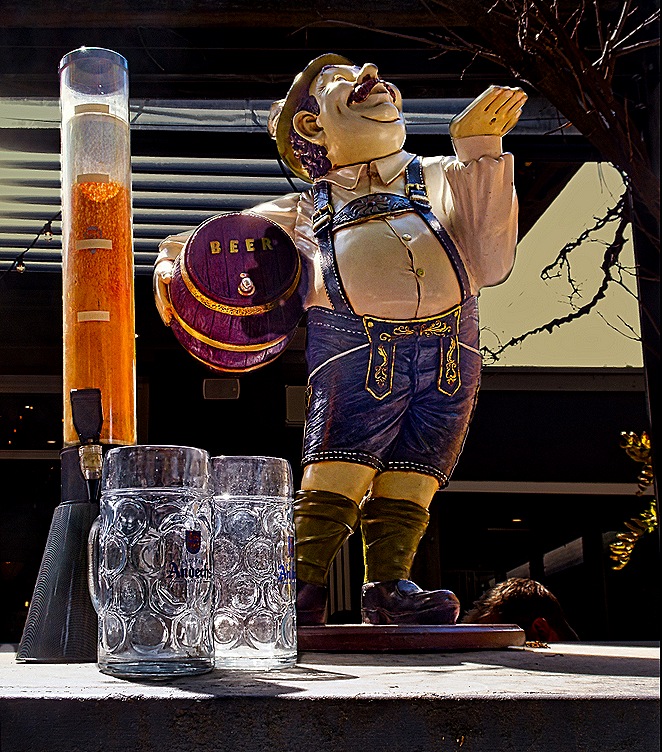
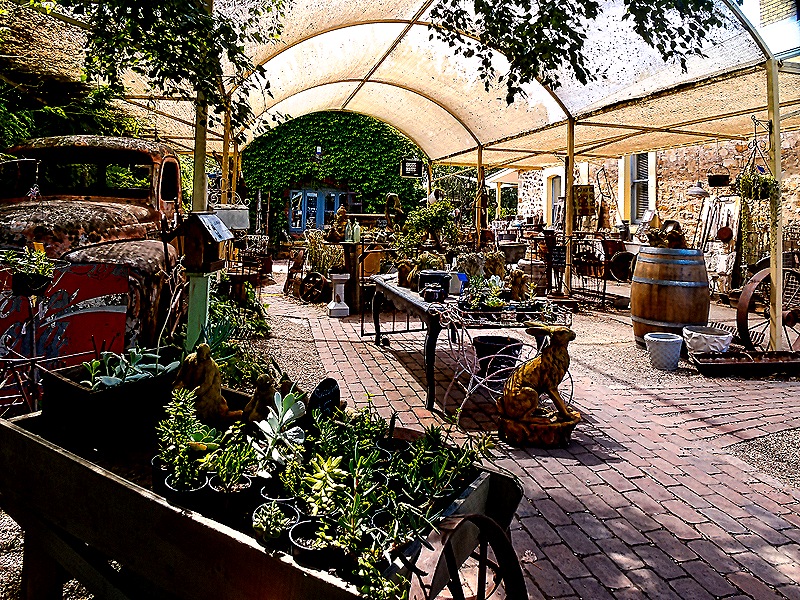
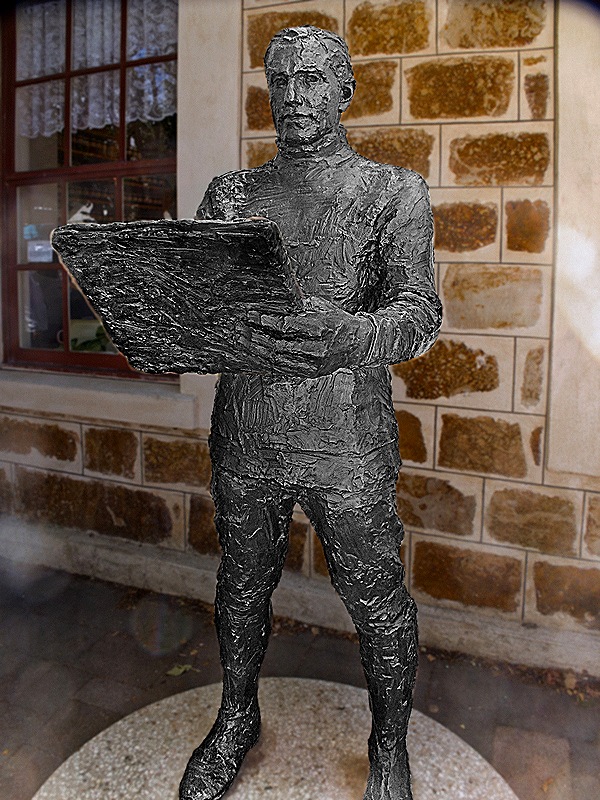
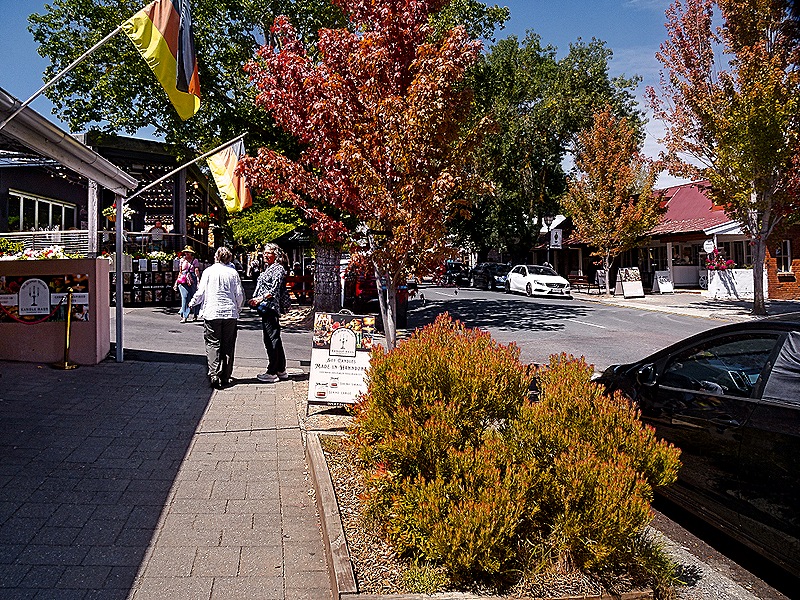
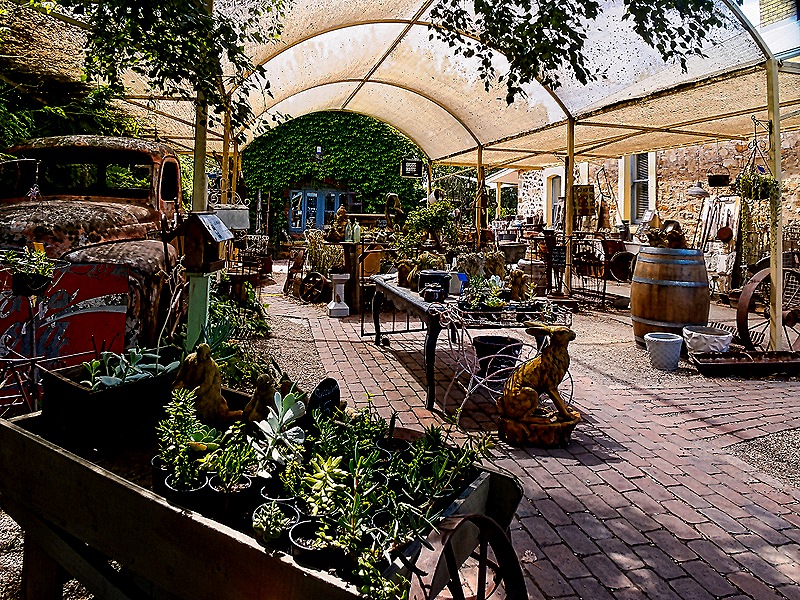
Hahndorf struck us as a rather arty town largely catering to tourists. It was two or three blocks long so we walked up one side and back on the other, passing a number of gift shops, artist galleries and restaurants. There was a museum telling about the town’s history, but it was very small and most of the building seemed to be devoted to the gift shop. There were, however, a couple of nice churches. Pleasant enough, but not the best choice for the one day available in Adelaide. We met up with our friend Karen, who was in town on a different excursion, and we ate in a nice German restaurant called The Haus Hahndorf. Mary and Karen had Reuben sandwiches on a pretzel bun and Rick had a very good sausage platter with sauerkraut and a big bready pretzel. Among other things we saw while walking around town was a statue of Captain Hahn and a very Bavarian looking beer advertisement in front of the restaurant.
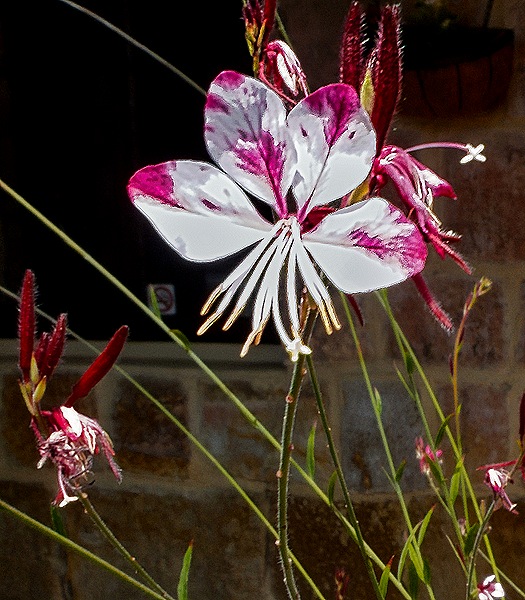
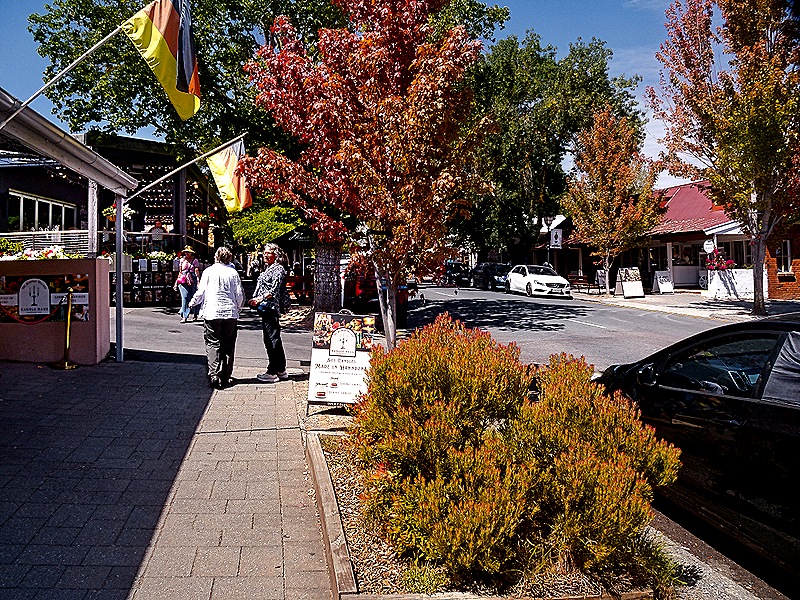
After lunch we found a gelato place for dessert, then returned to the bus for the drive back to the ship. It was early autumn and the streets of this town in the mountains were quite colorful and made for a pleasant walk, as you can see Mary and Karen enjoying that in the picture below.
 RSS - Posts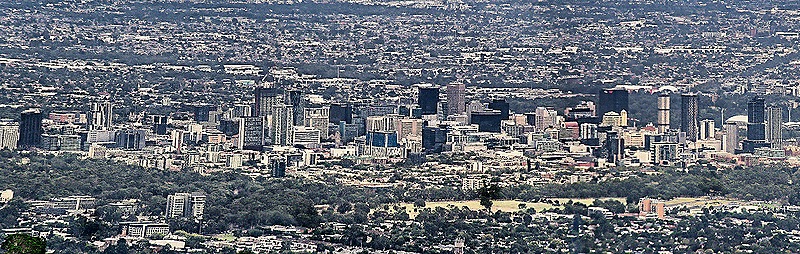
Leave a Reply