Kangaroo Island, Australia 2026
We anchored off Penneshaw on Kangaroo Island early on February 27. It’s just a handful of miles from Adelaide so no problem getting here early in the morning. Last time we were here, in 2018, we signed up for a 9 hour excursion that would take us across the island to visit some of the most prominent landmarks. But we ran into a cyclone (quite an adventure) that delayed our arrival by four hours requiring all the long excursions to be cancelled. You can see that visit (including the cyclone experience) here: https://baderjournal.com/2018/07/02/penneshaw-kangaroo-island-australia/. So we signed up for the same excursion for this visit and were able to complete the whole thing.
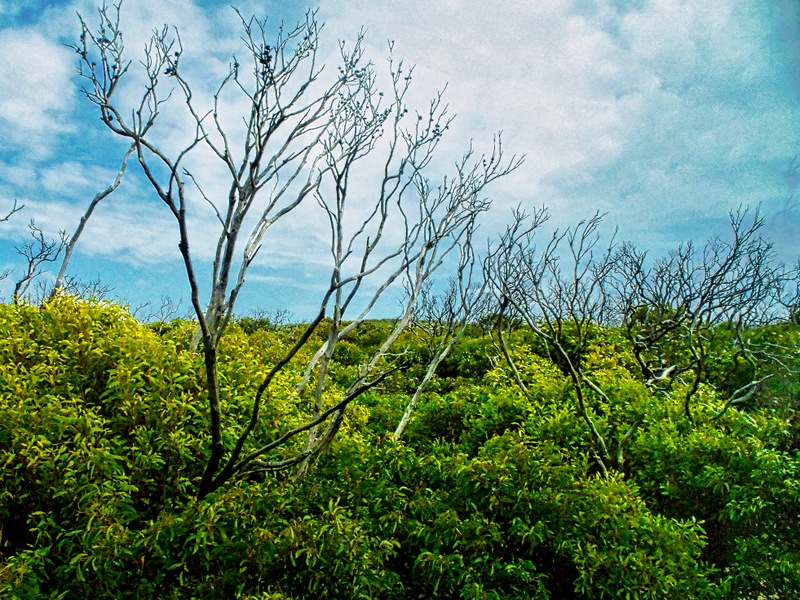
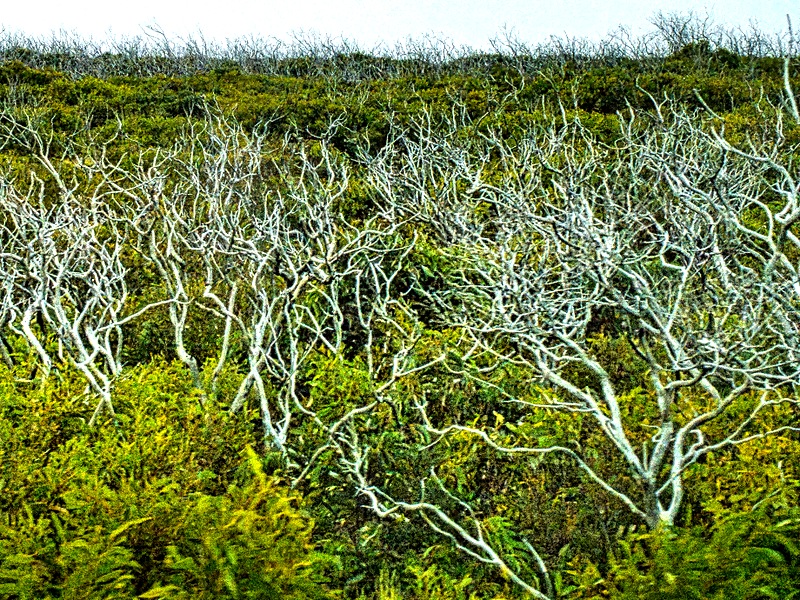
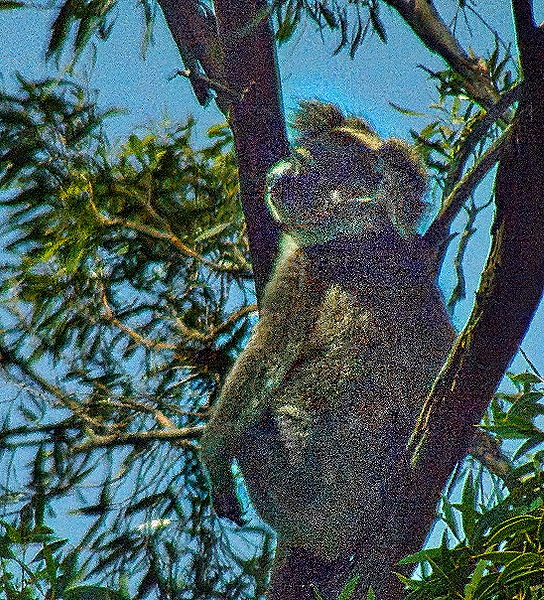
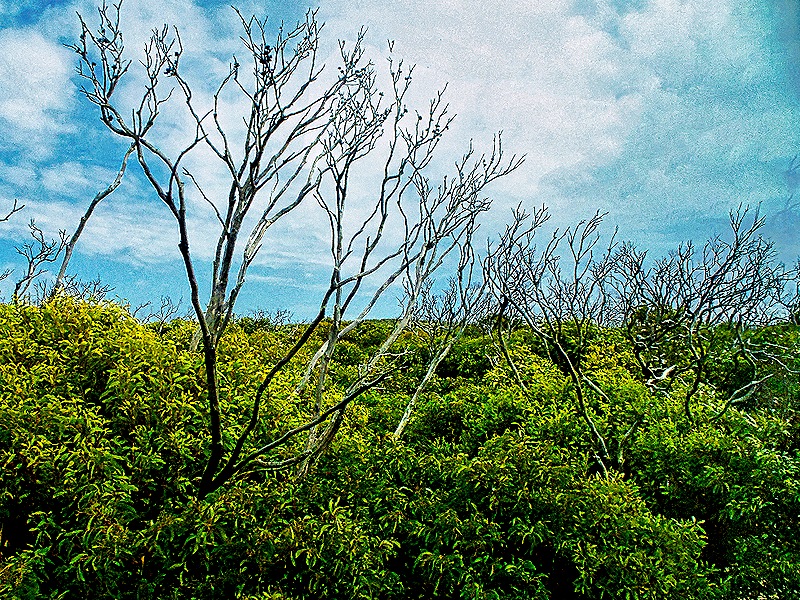
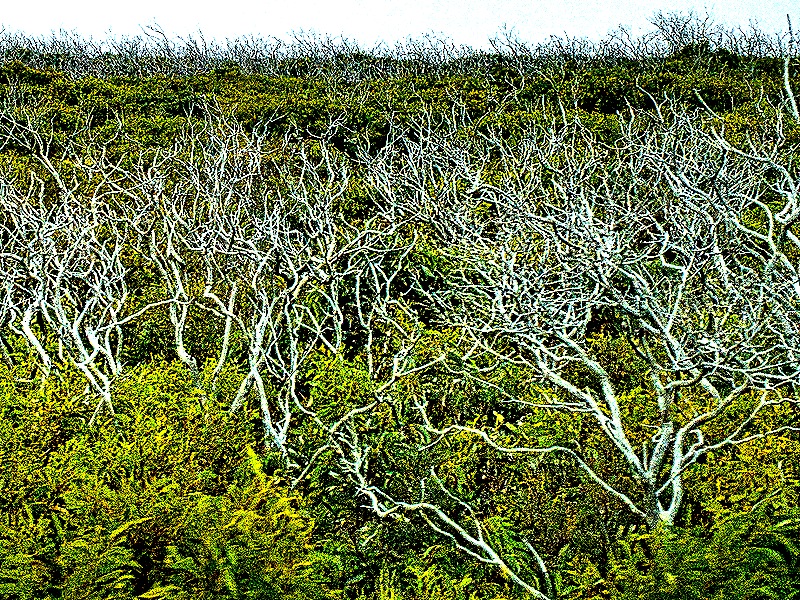
So we tendered into Penneshaw in the morning to meet our excursion bus and off we went. Even though our guide Robert drove pretty fast on the less than perfect roads, the long morning drive across the island through mostly forests and fields made us wonder if we had made a bad choice. One interesting thing we saw in the southwestern part of the island was fields of low green growth with taller dead white trees. This was the result of the massive forest fires here in 2020 which not only destroyed much woodland but also killed about 80 percent of the Koalas who lived there. Koalas are slow, low energy animals who live mostly in eucalyptus trees, whose leaves are most of their diet. Their natural response to danger is to climb higher into the trees but that didn’t protect them from the wildfires. A massive effort to rescue the survivors was undertaken and today the population has rebounded to between 15 and 20 thousand, maybe 40% of what it was before the fires.
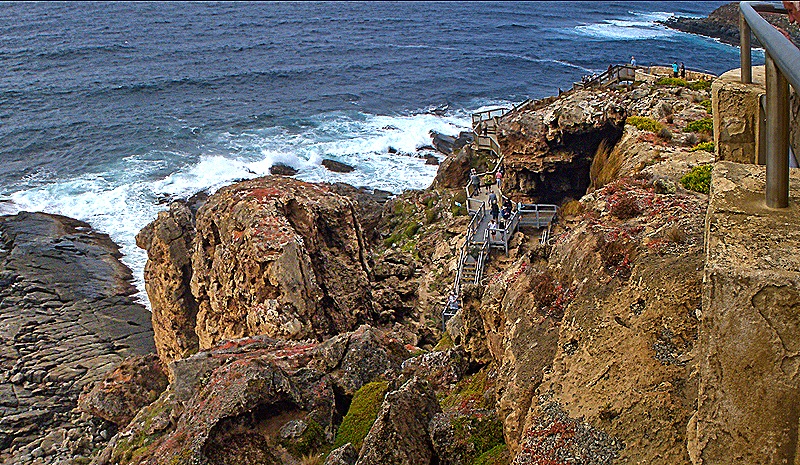
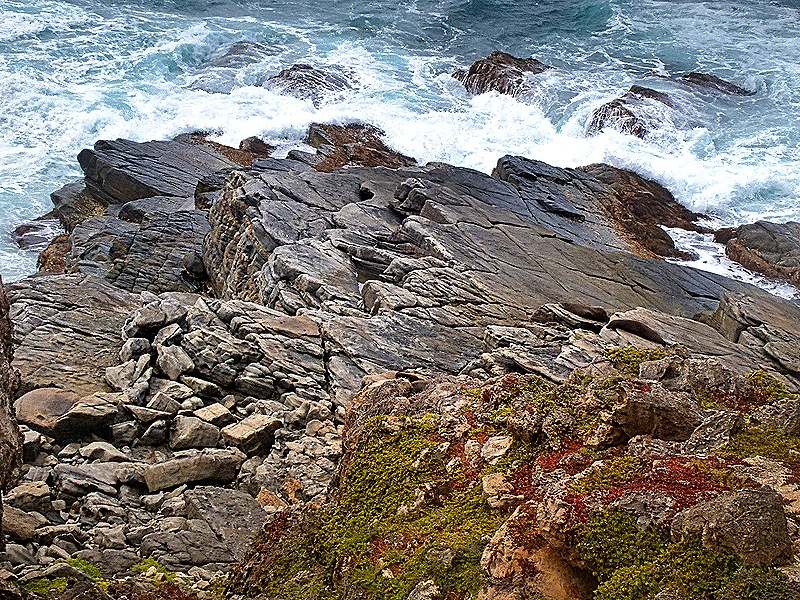
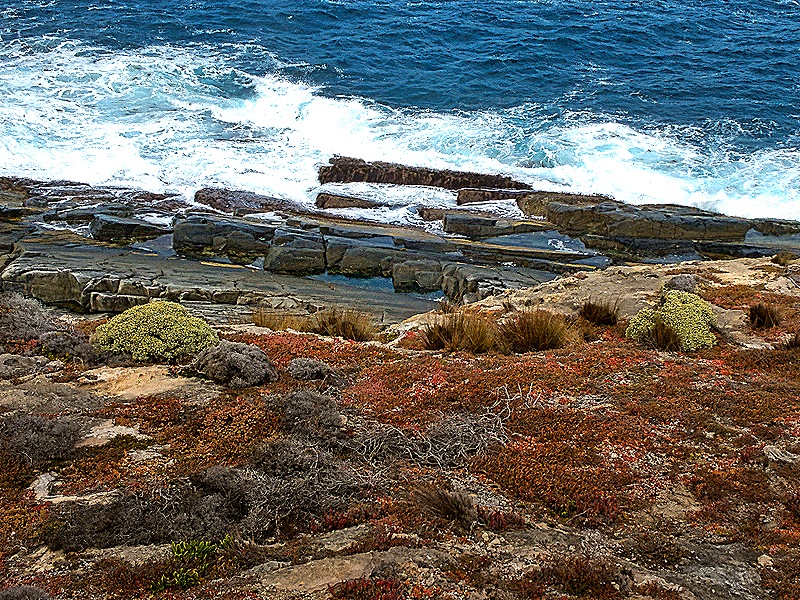
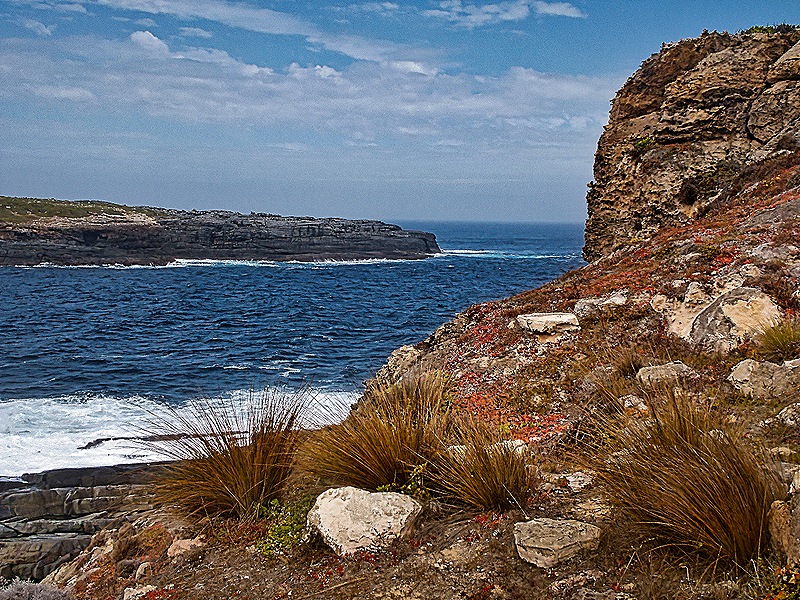
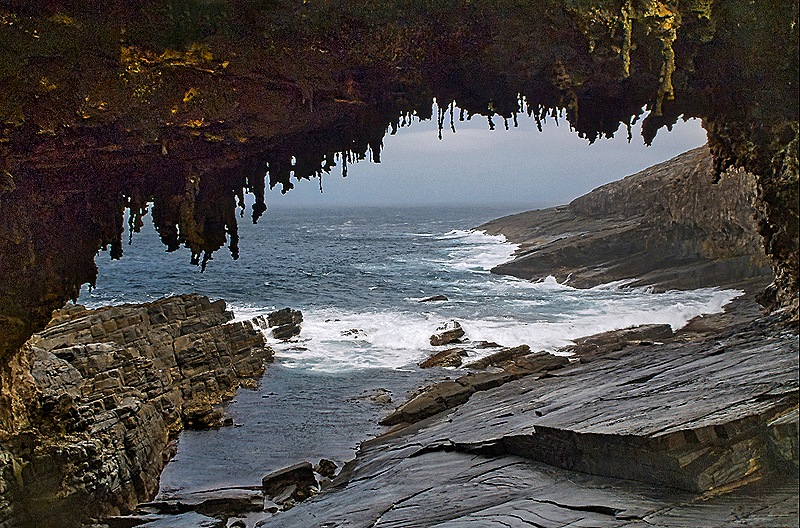
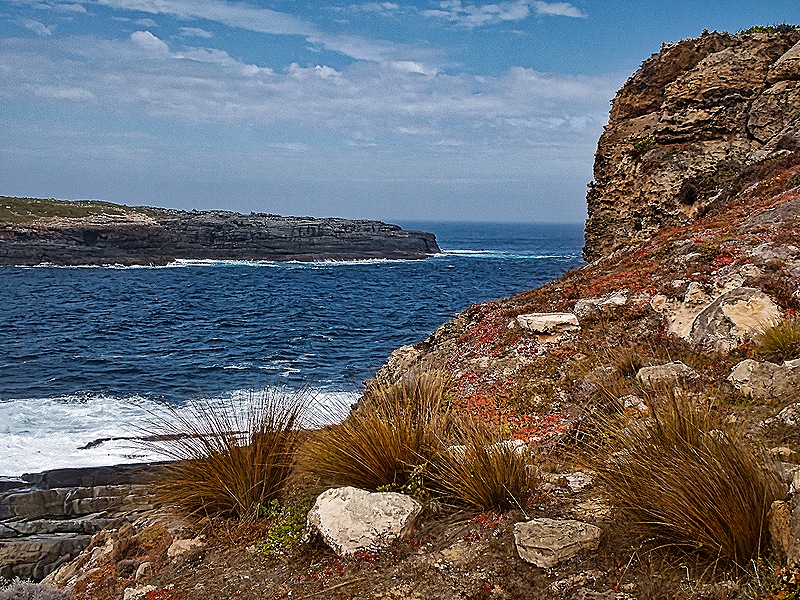
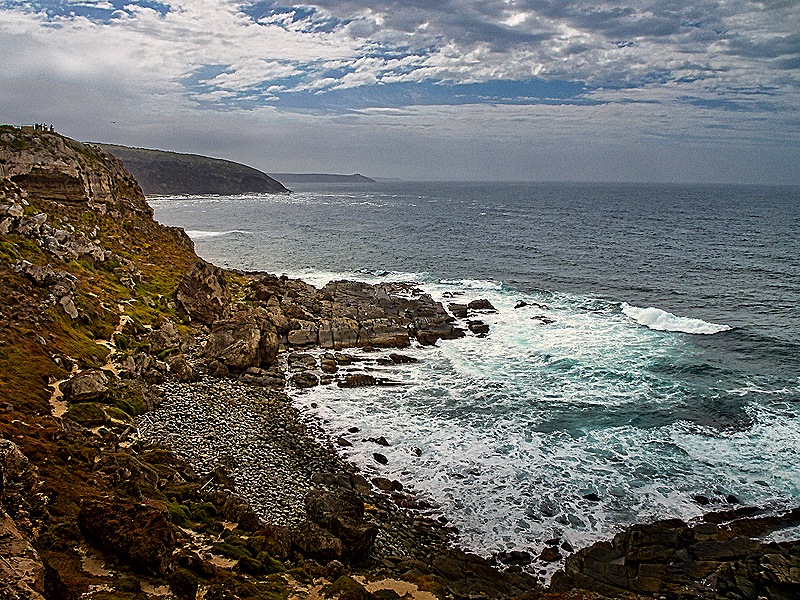
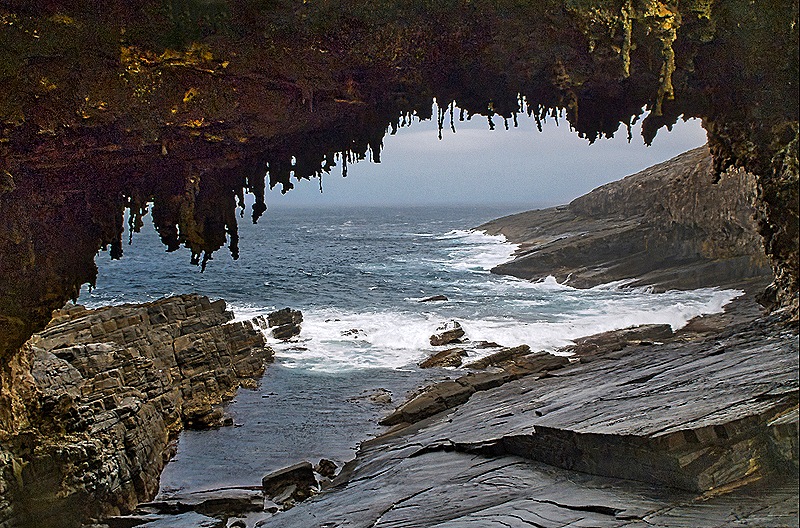
 Eventually we reached Flinders Chase National Park, named for Matthew Flinders who visited here in 1802 and named it Kangaroo Island. It was established as a nature reserve in 1919 and made a national park in 1972. Our first visit was to Admiral’s Arch, a natural bridge overlooking the rocky ocean shore. Getting to it requires a very long walk along a boardwalk that descends and then goes around Cape du Couedic to reach a wooden stairway up to the arch viewing platform. Very nice seaside views from the boardwalk. Less than a mile off the coast were the two Casuarina Islets.

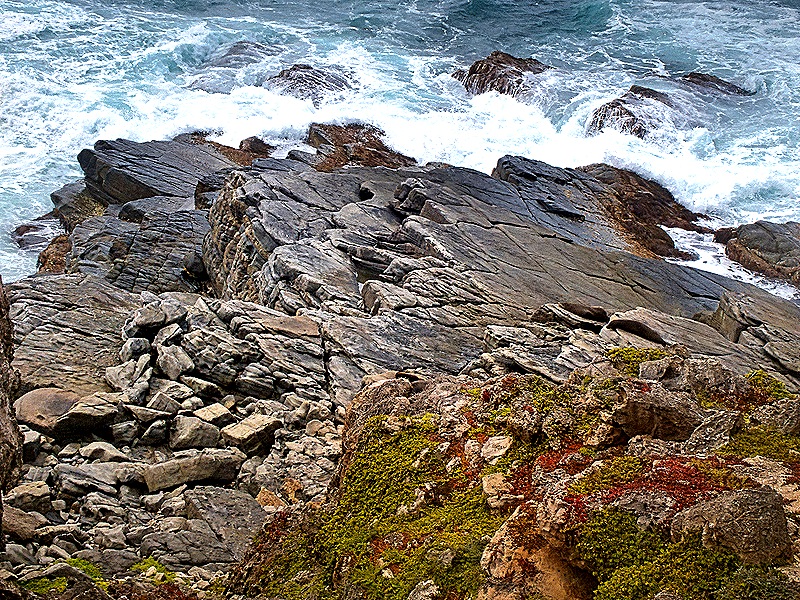
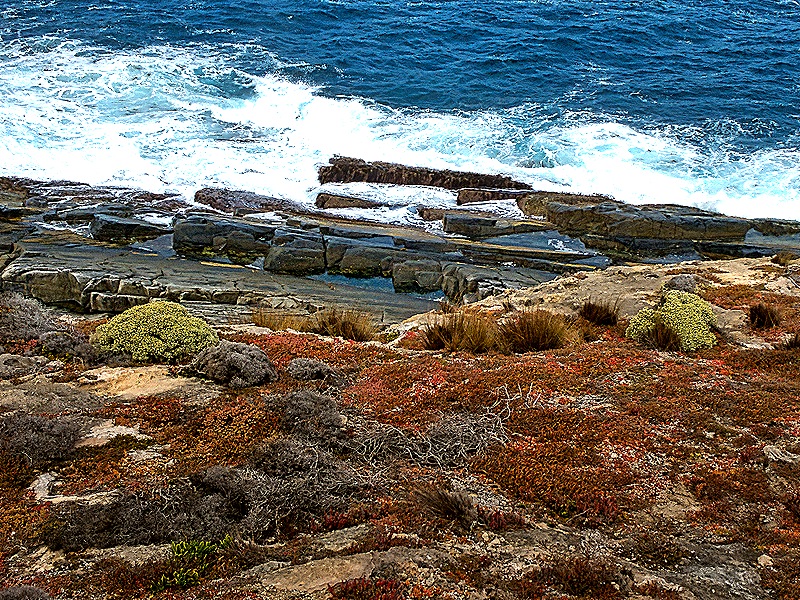


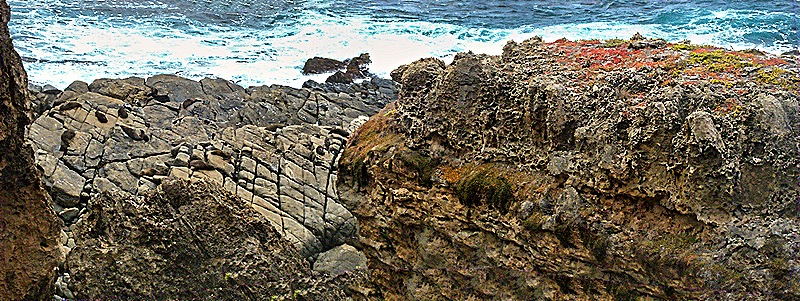
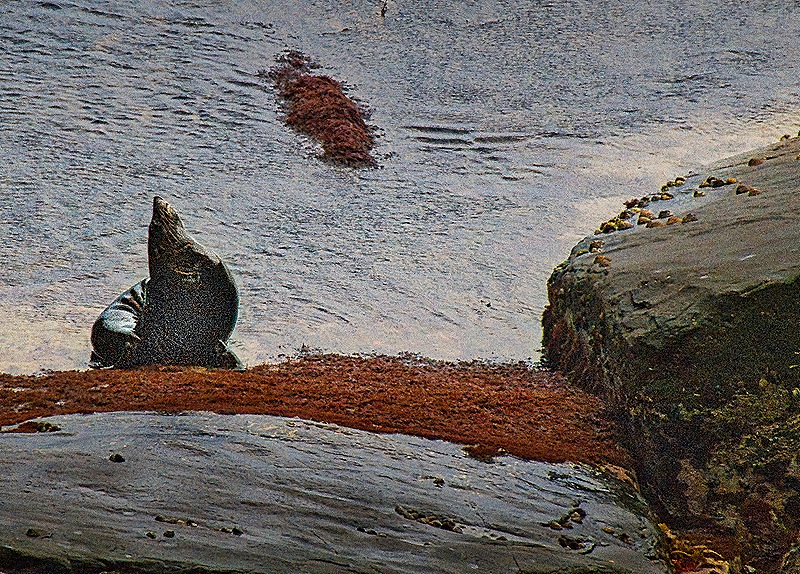
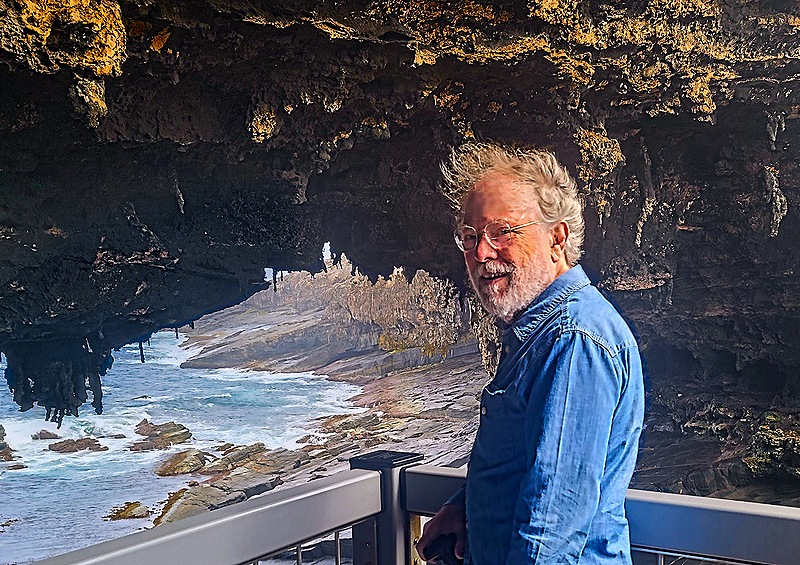
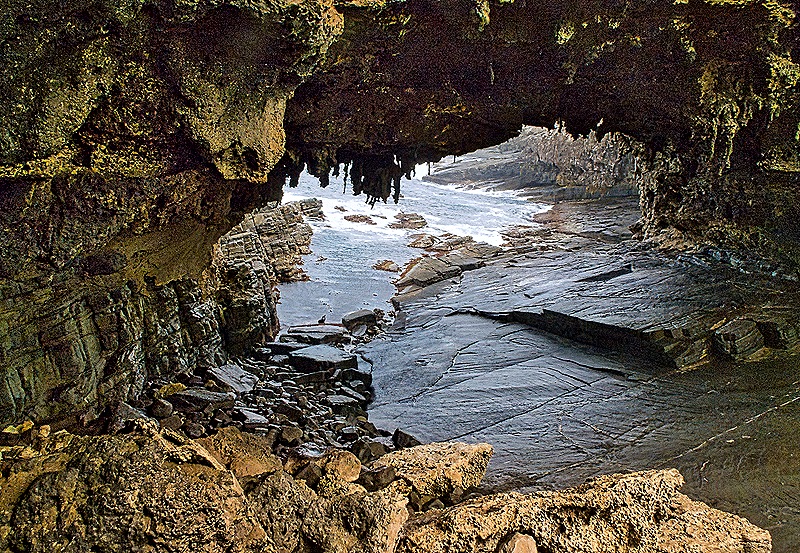
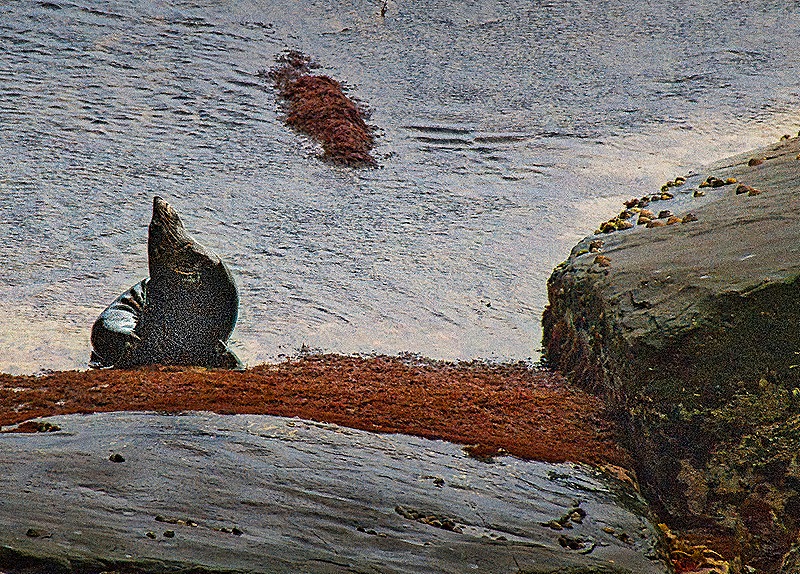
The arch is said to have been formed by erosion from ocean waves but when we were there the ocean looked too far down for that. Maybe it was different in the past or during other seasons. The walls and top of the arch look like a cave formation, very uneven with what look like small stalactites. It was quite windy the day we were there, especially on the exposed viewing platform, which is why Rick isn’t wearing his hat in the picture below. We understand that this area is frequented by large numbers of Long Nosed Fur Seals, but on the day we visited we only saw two of them. Maybe it was the wind.

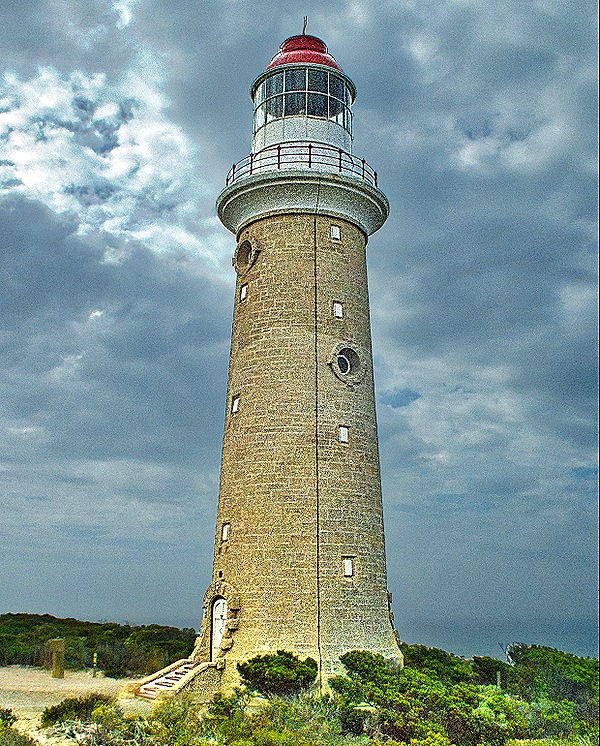
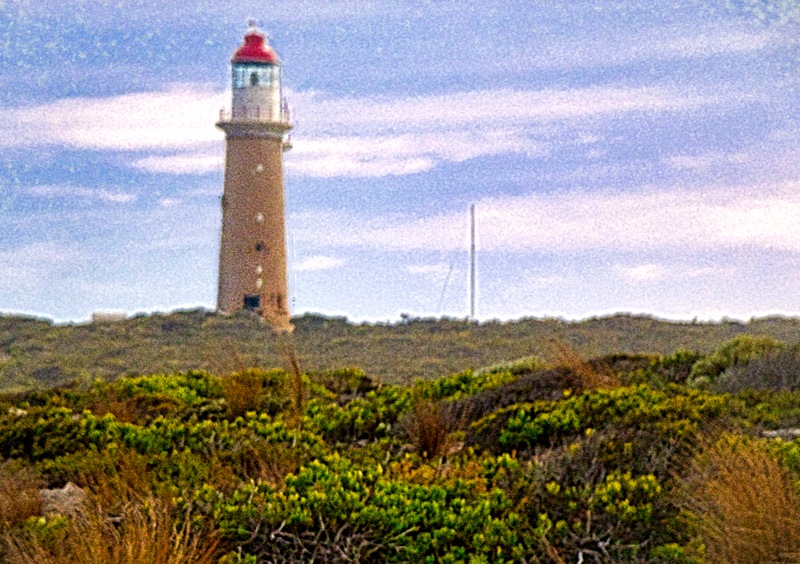
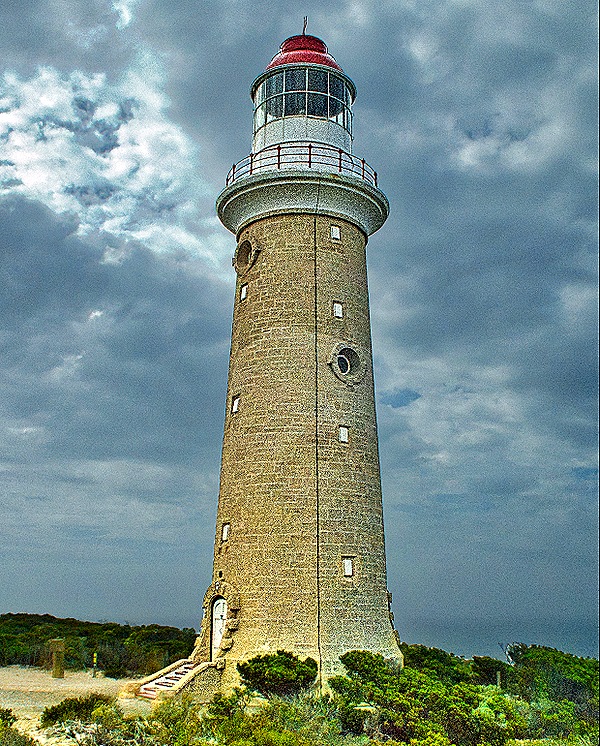
On higher ground back from the ocean stood the 82 foot tall Cape du Couedic Lighthouse. Opened in 1909, it was automated in 1957 and since 1991 the three former lighthouse keeper’s houses have been available for park visitors to rent. We saw it fairly closely from the parking lot and in the distance as we drove away.

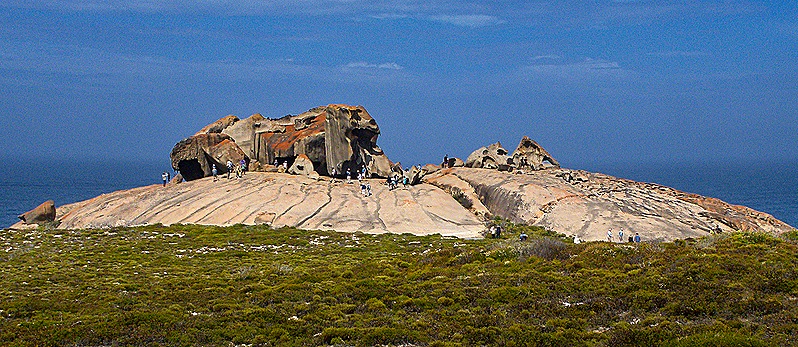
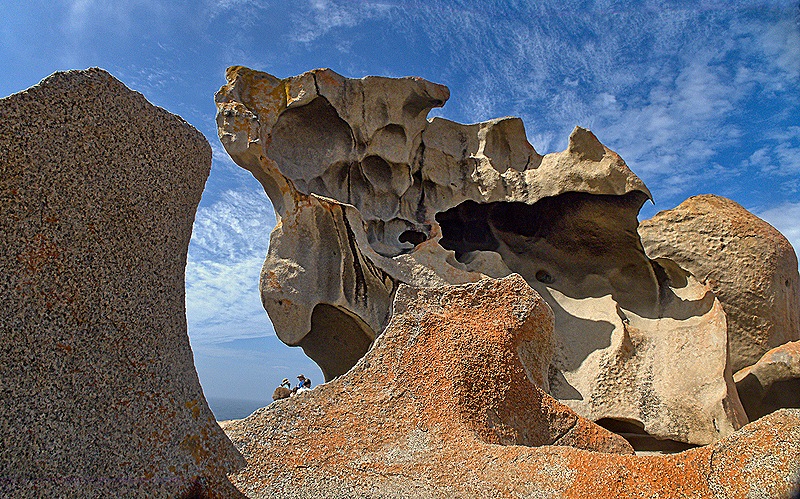
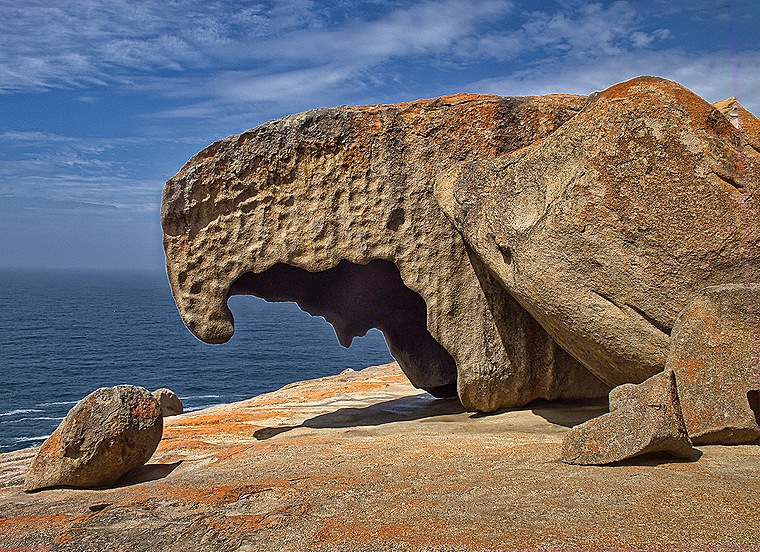
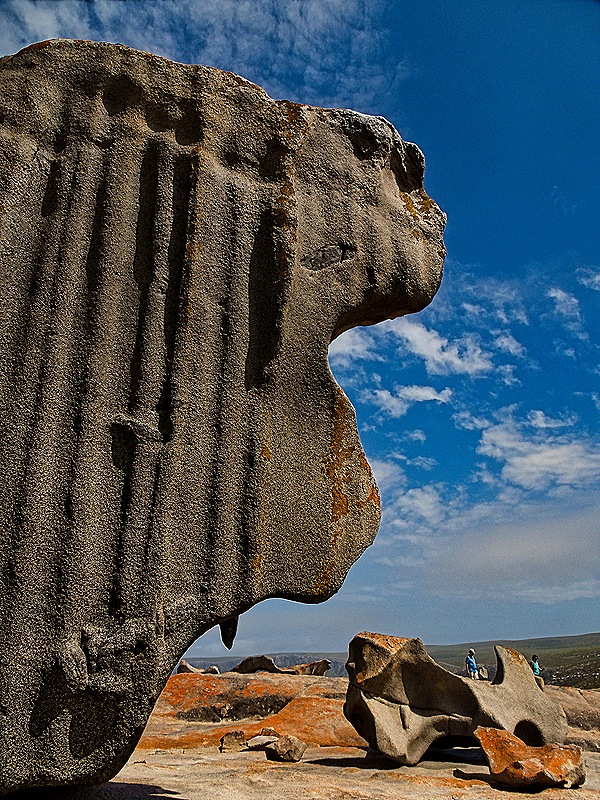
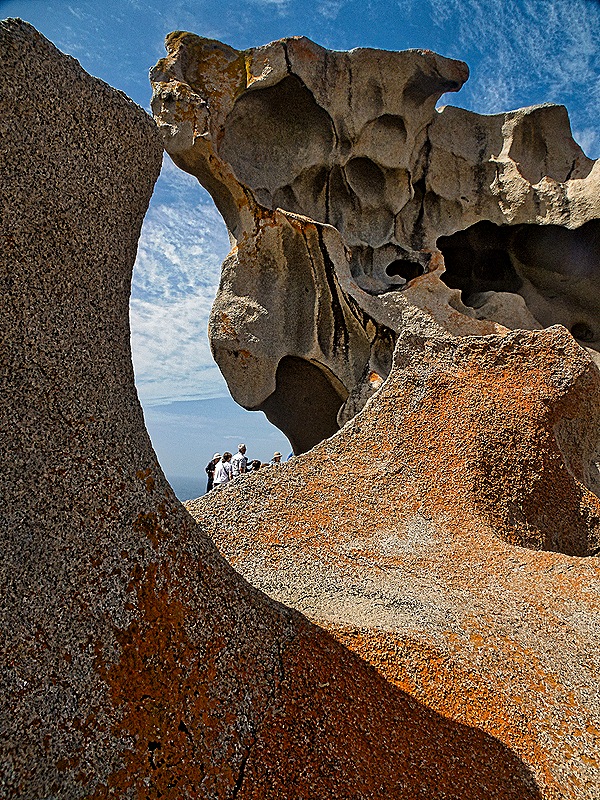
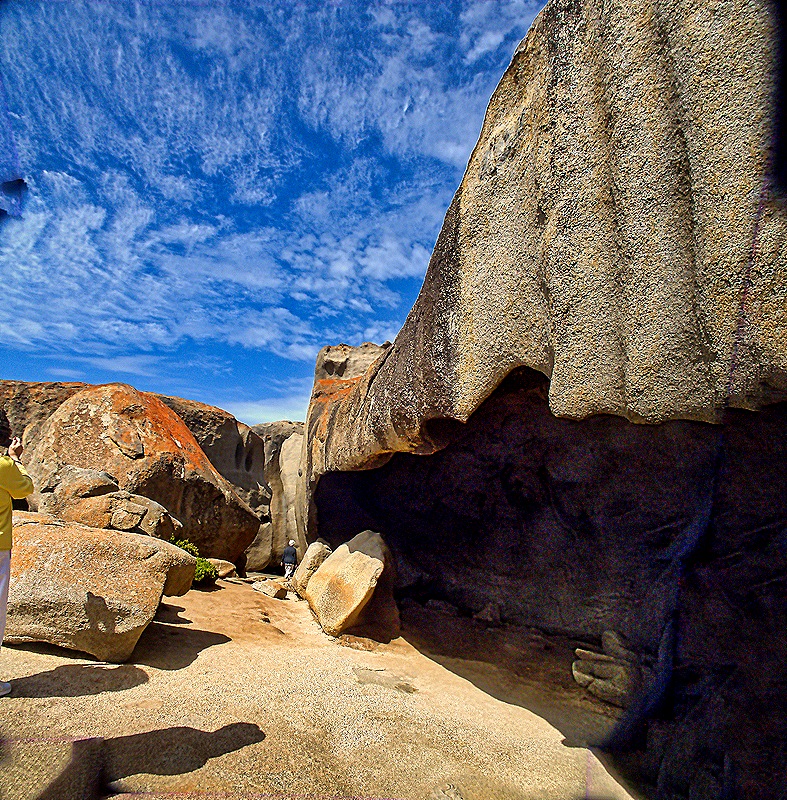
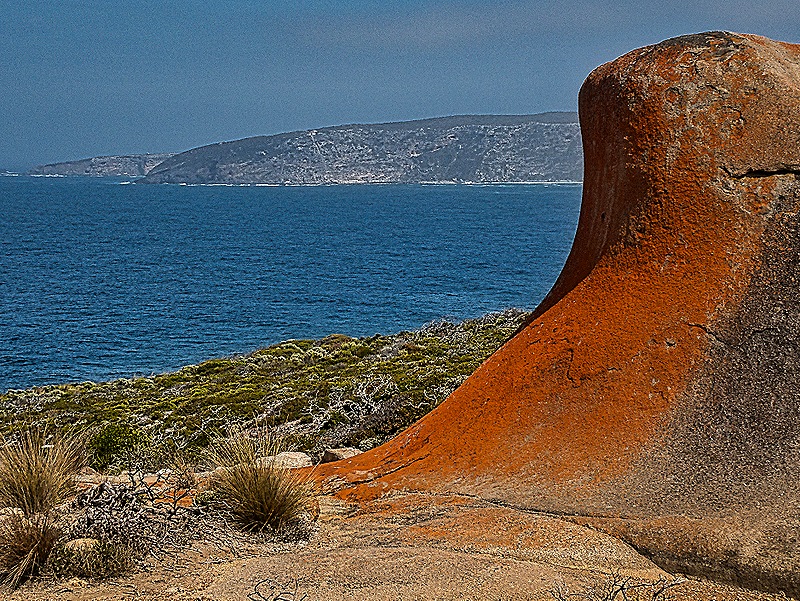
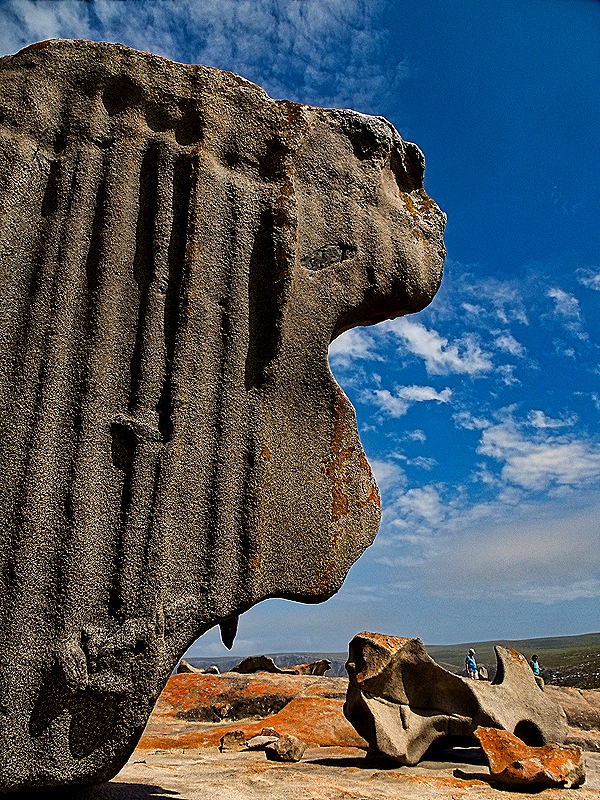
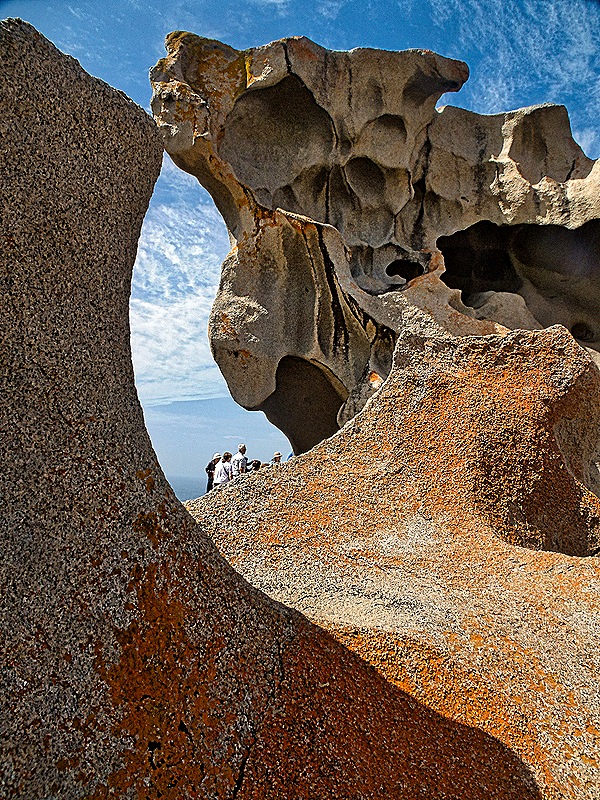
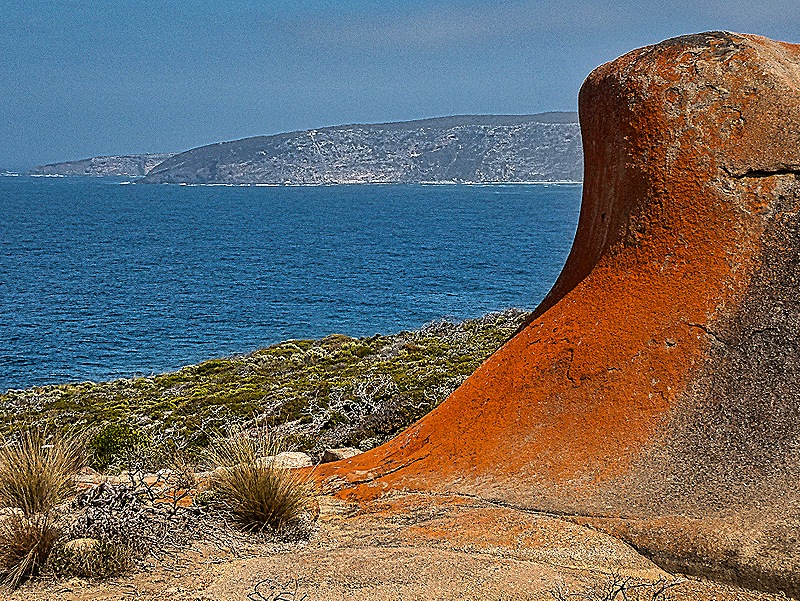
Remarkable Rocks is the name given to a group of large granite boulders sitting near a cliff some 200 feet above the ocean. They have been sculpted naturally by wind, rain and sea spray over some 500 million years into formations that look a little like works by Henry Moore. Remarkable Rocks sounds like a remarkably English name to us, but it is quite appropriate. We parked some distance away and you had to walk on a flat boardwalk until we reached the rocks, which were on top of a low hill of granite. The orange blotches on the rocks are lichen. From inside the formation on the hill the rocks made for a stunning display.



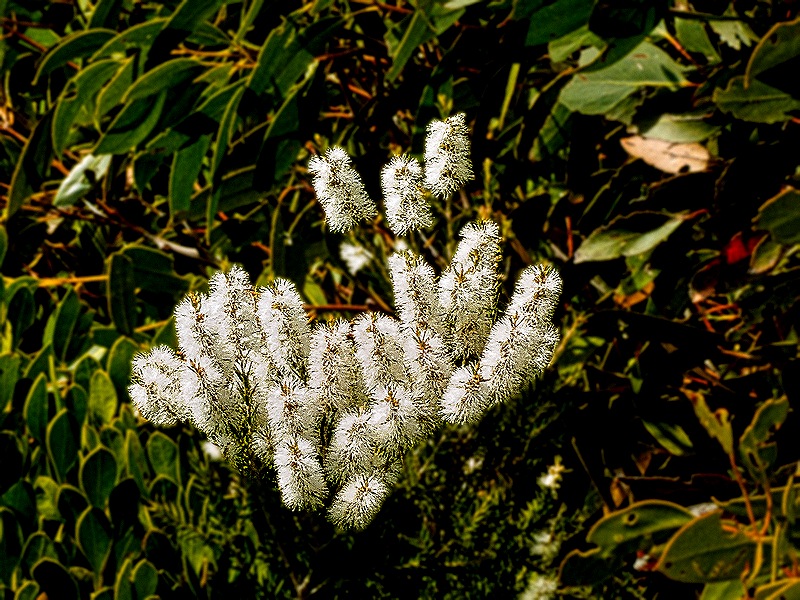
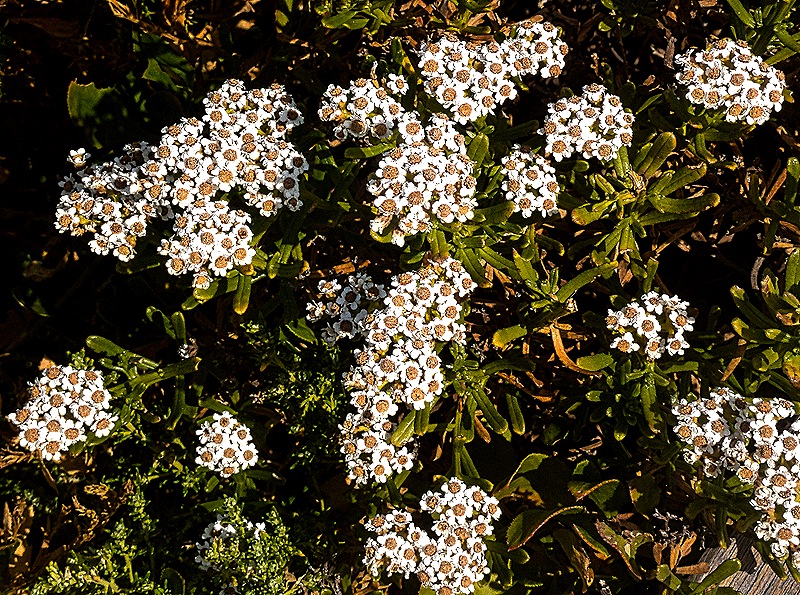
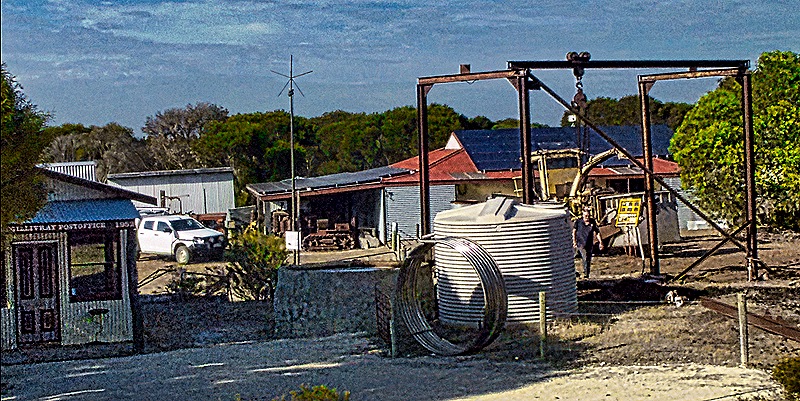
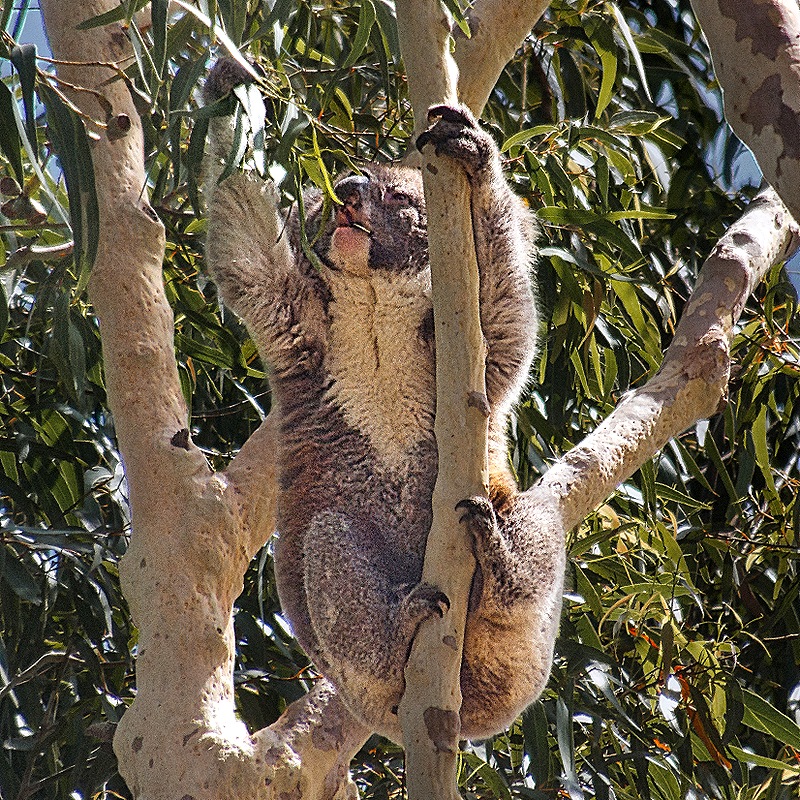
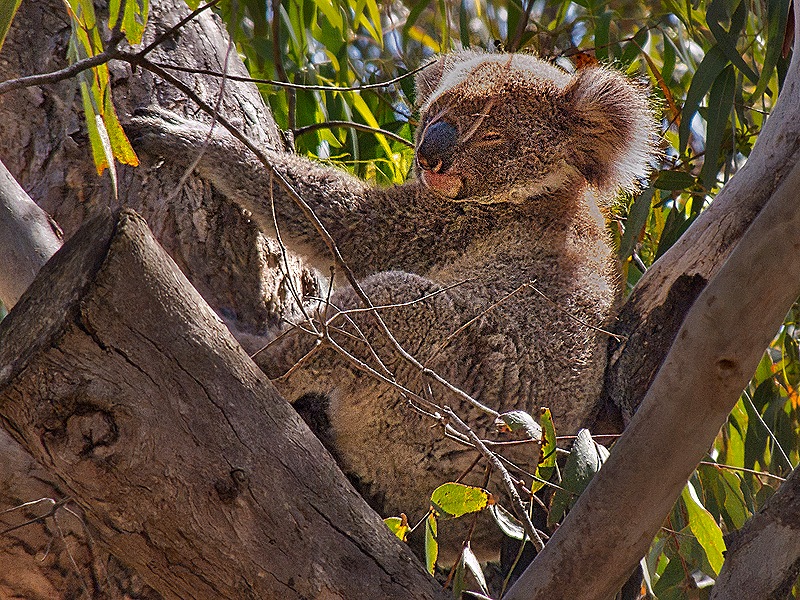
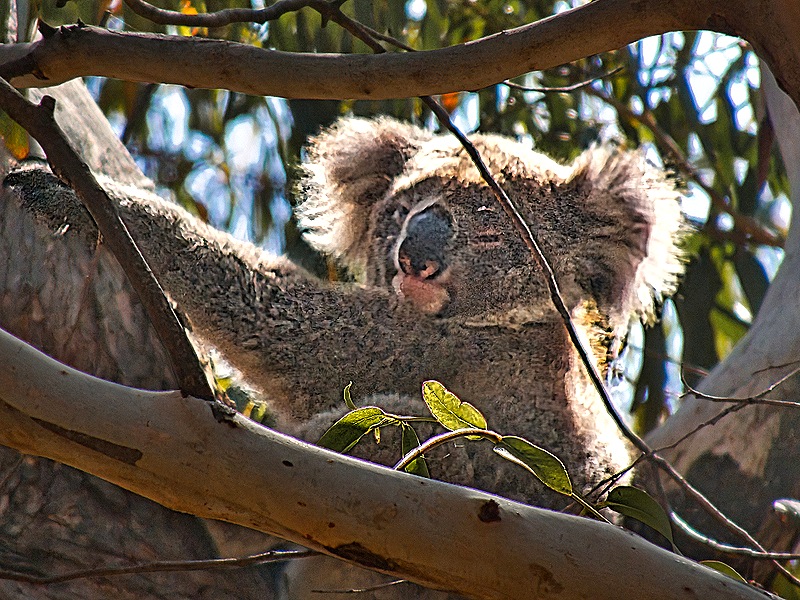
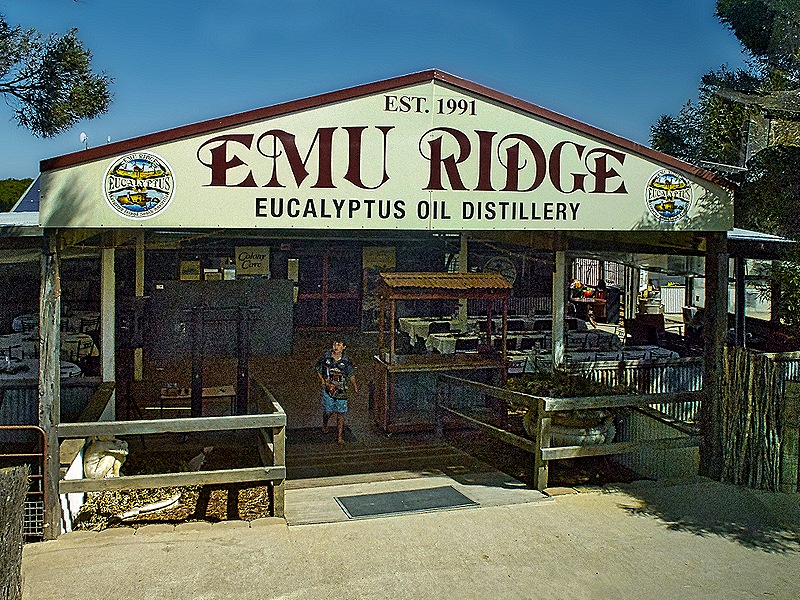
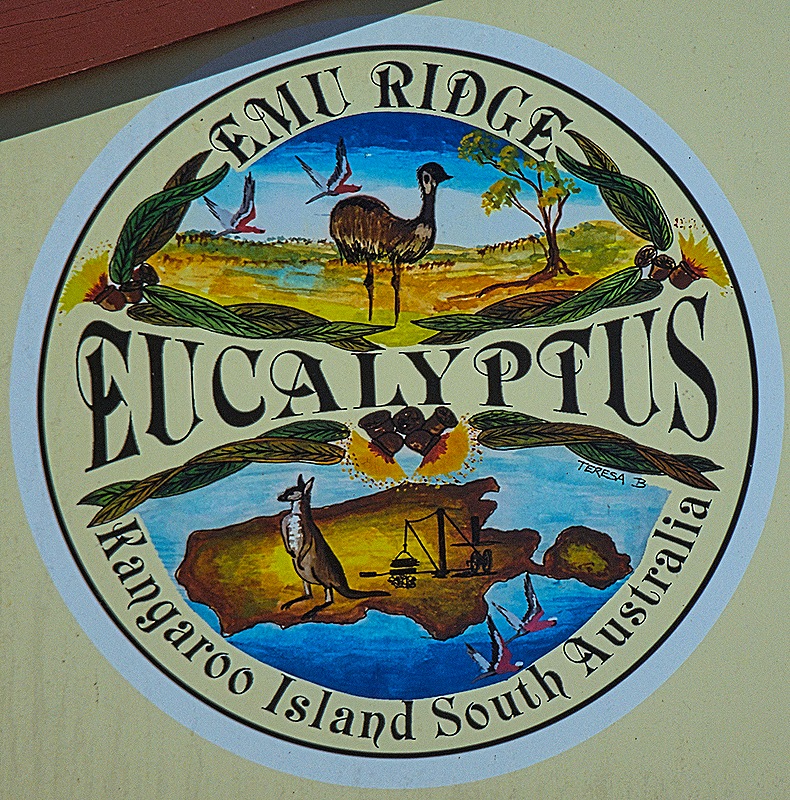
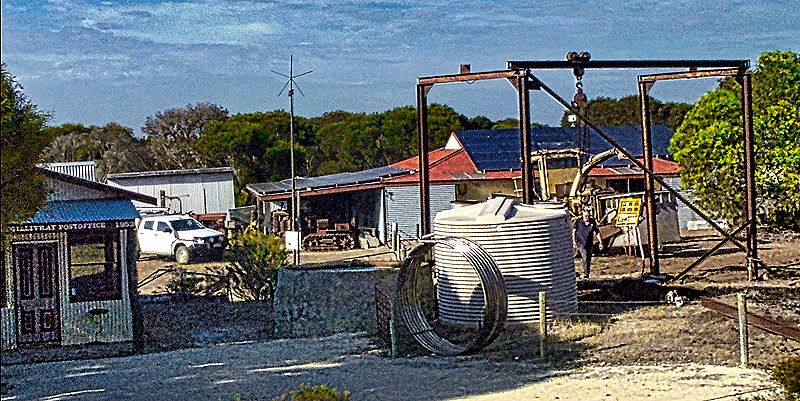
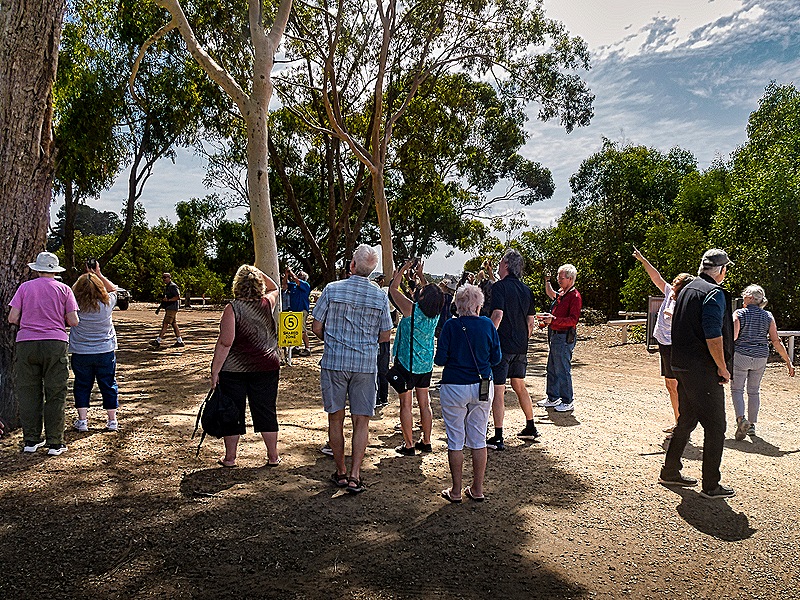
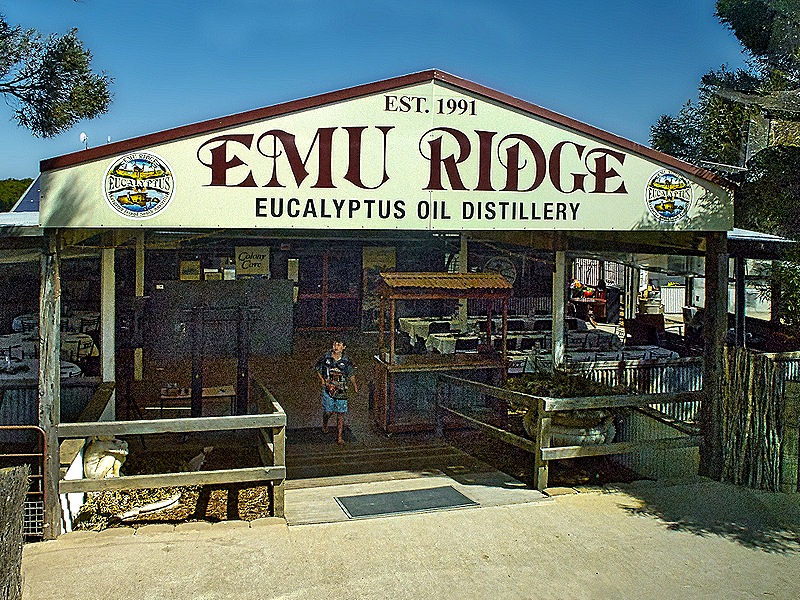
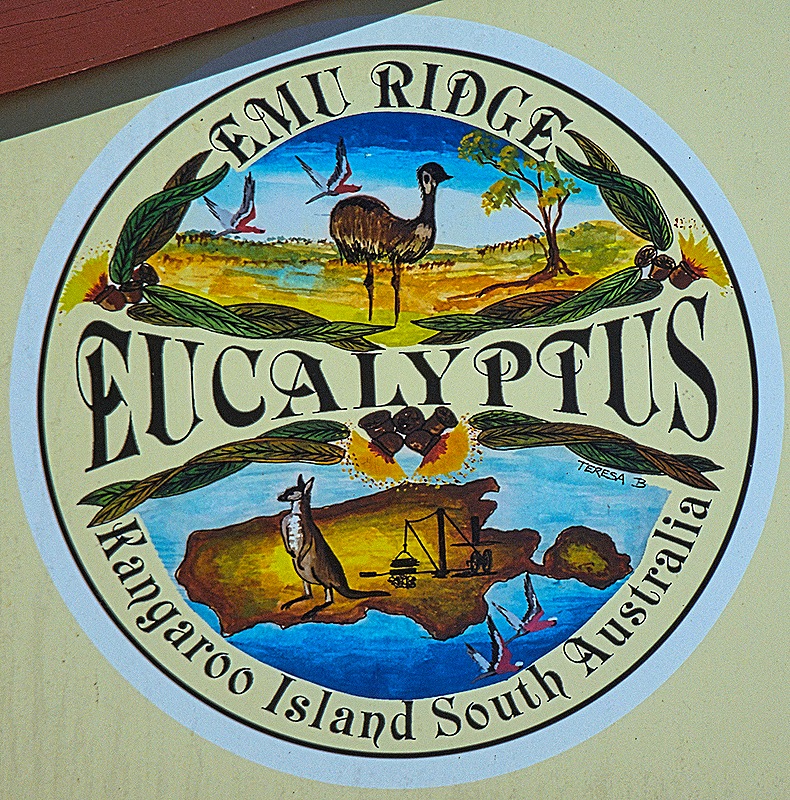
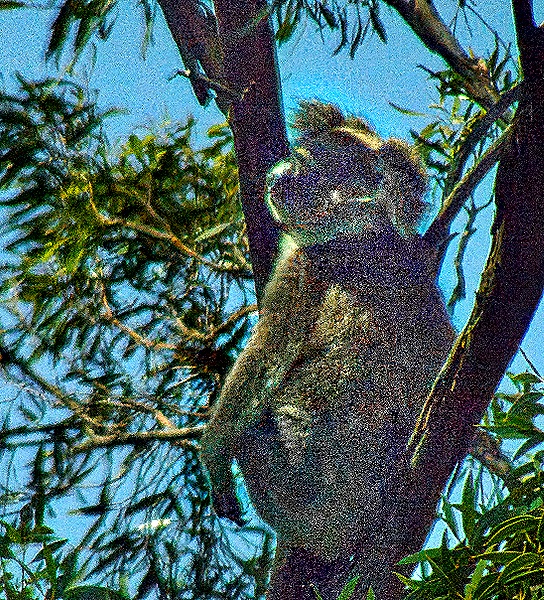
It was time for lunch so we drove to Emu Ridge Eucalyptus Distillery, the only remaining example of what once was a thriving industry on Kangaroo Island, to eat our box lunches. The lunches were distributed in what appeared to be a lunchroom and they were quite good for box lunches.Many of us took the meal outside and sat at picnic tables set up on the grounds, some with welcome shade. It turned out that koalas hung out in the eucalyptus trees near our picnic tables. As you would expect, once spotted they drew a crowd & we were among them.

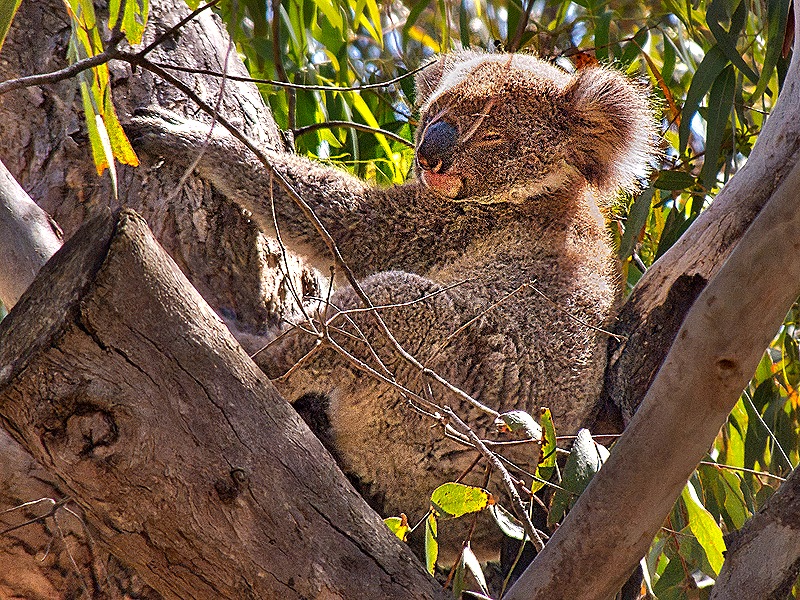
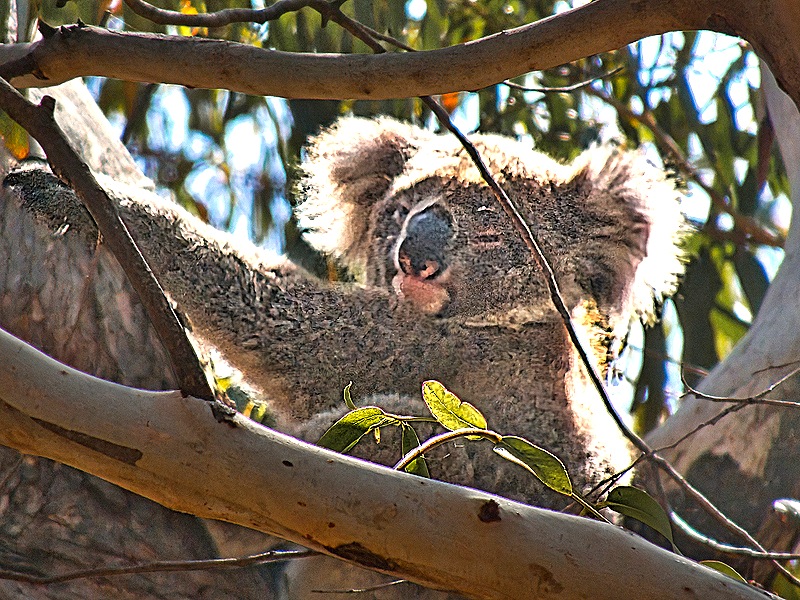
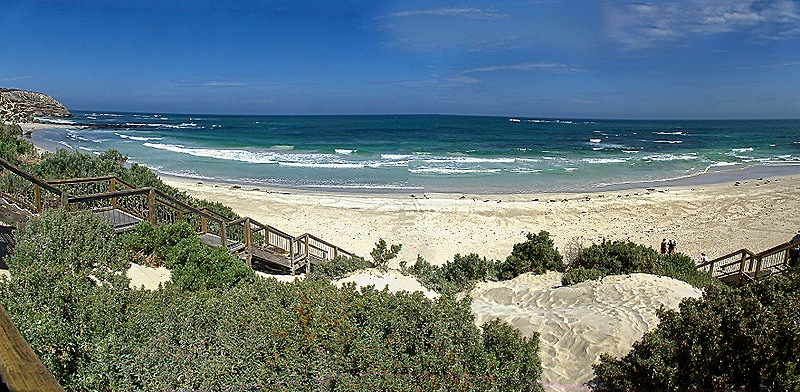
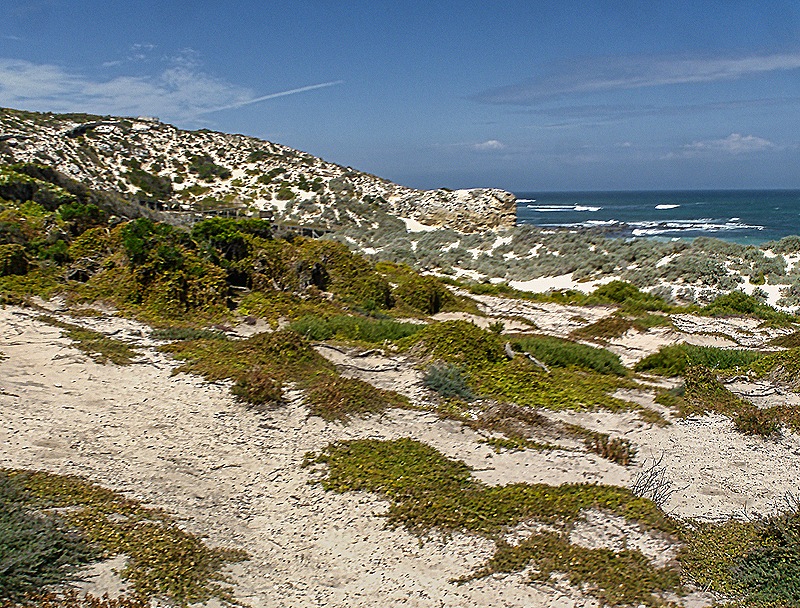
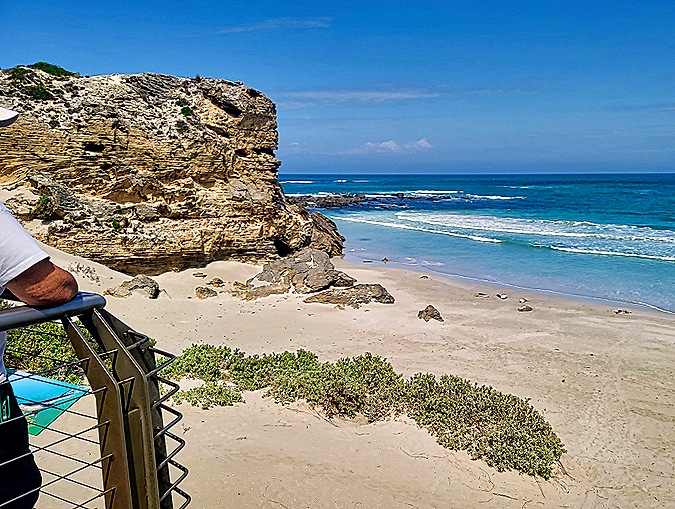
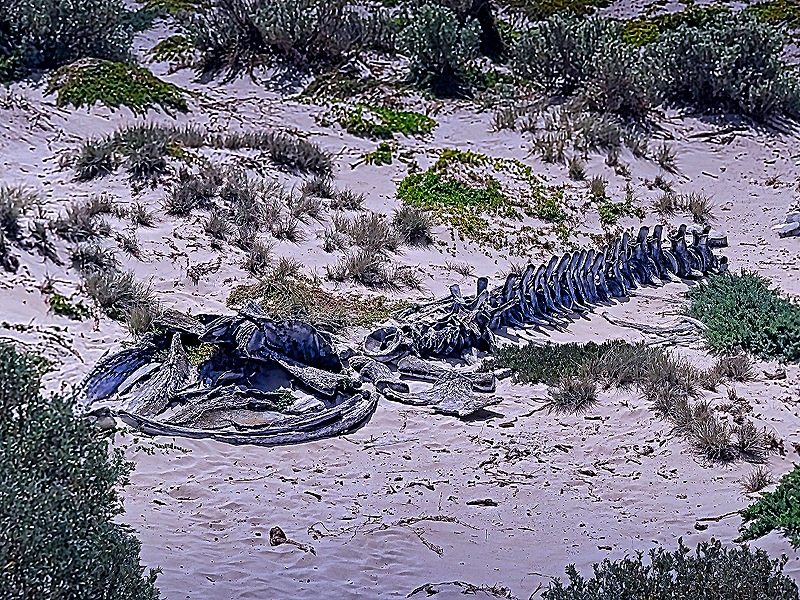
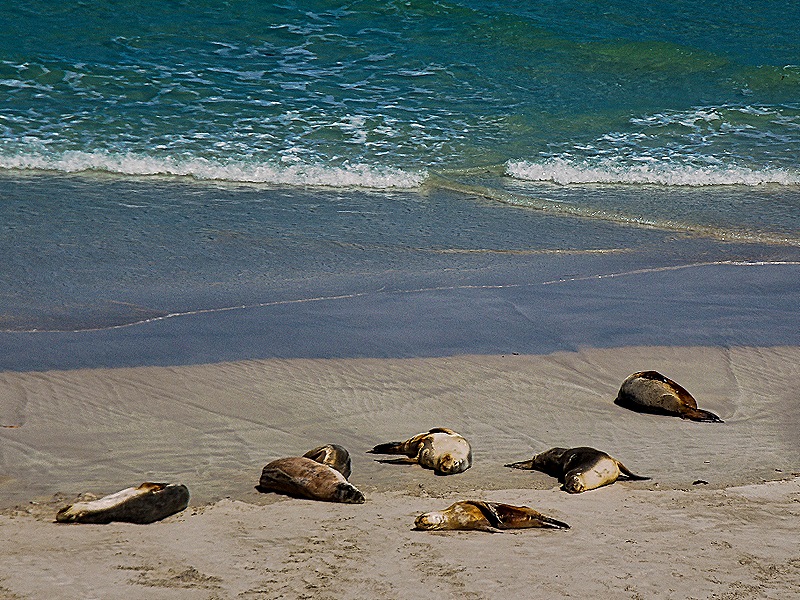
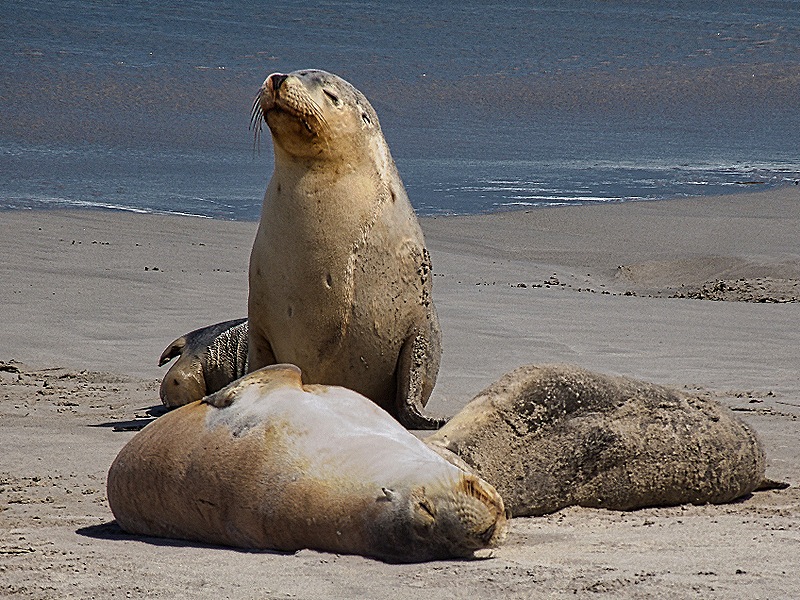
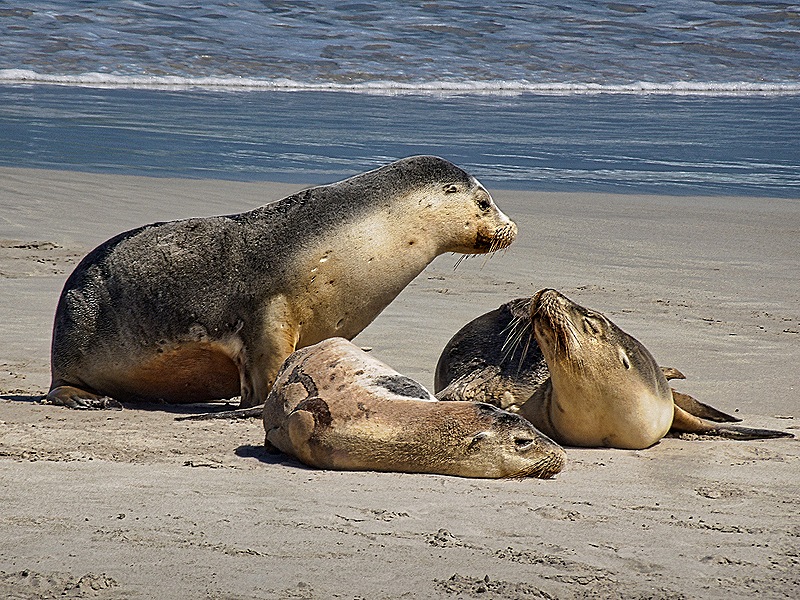
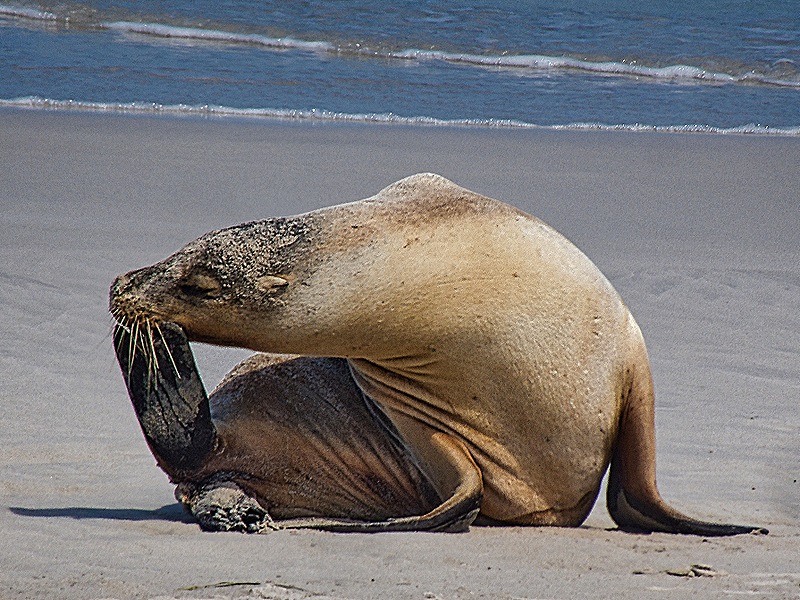
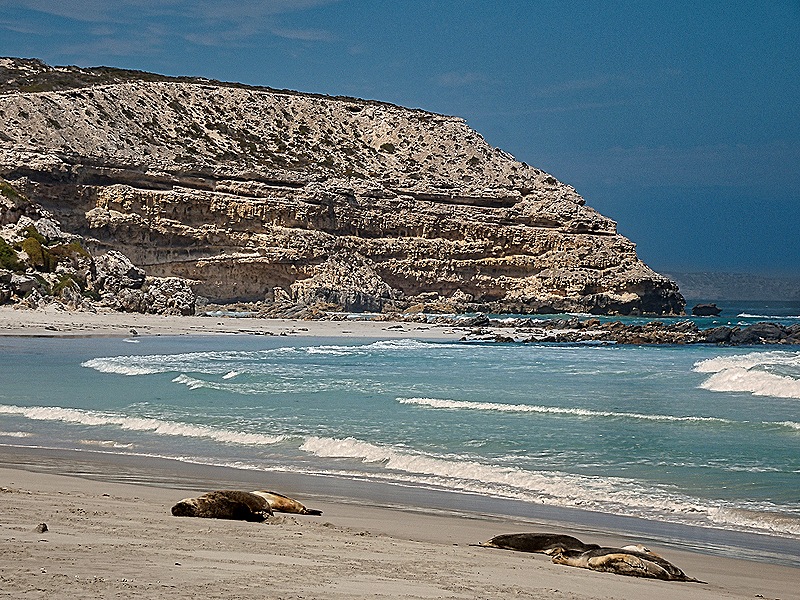
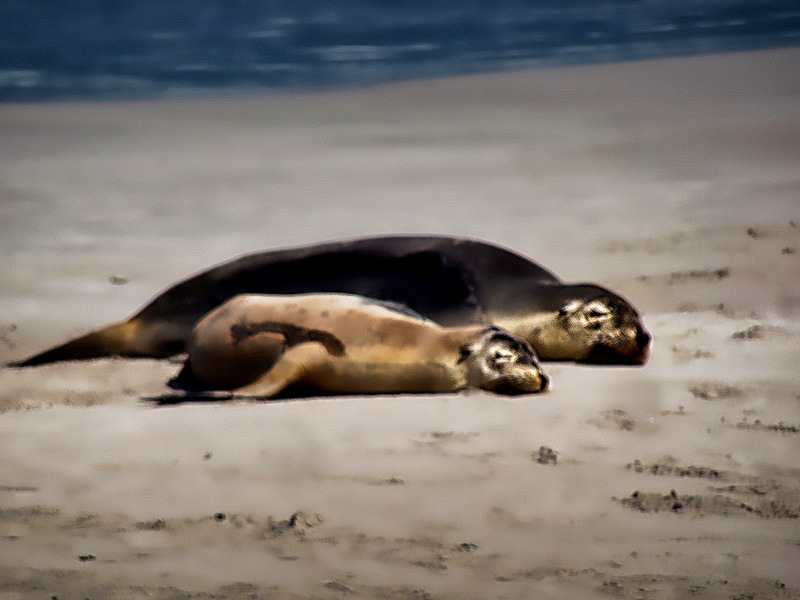
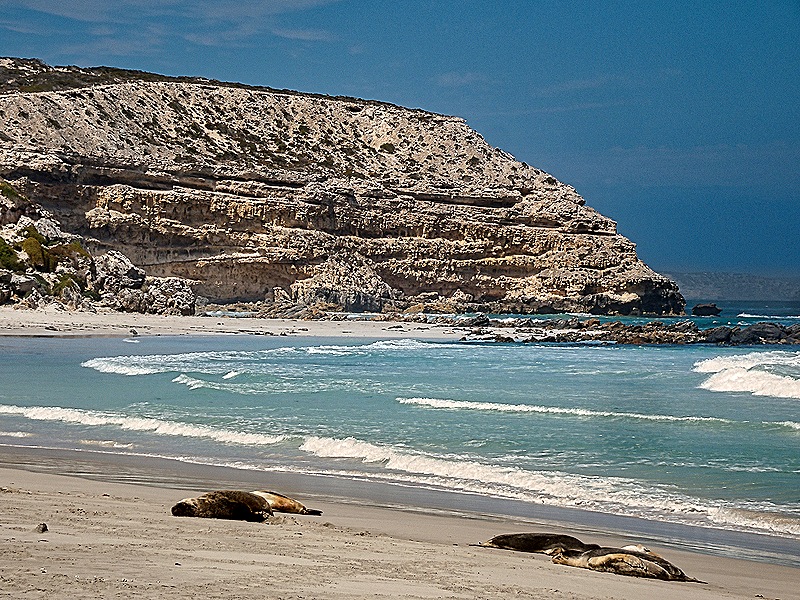
After lunch we boarded the bus once again to drive to Seal Bay, which has been a protected reserve for Australian sea lions since 1954. These sea lions are an endangered species and Seal Bay’s colony of about 800 is the third largest in the world, accounting for about 5% of the total population. When we visited there were only a few dozen at the beach beneath us (possibly more on other parts of the beach). To visit the sea lions required another long walk down a boardwalk from the visitor’s center. Visitors can only step onto the beach in the company of a park ranger, who gives a lot of information and also makes sure no one approaches the sea lions. Rick took the ranger tour on the beach while Mary stayed on a viewing platform at the top of the hill. One thing she saw that those of us on the beach did not was the skeleton of a juvenile humpback whale that washed up in this area during a storm in 1984.


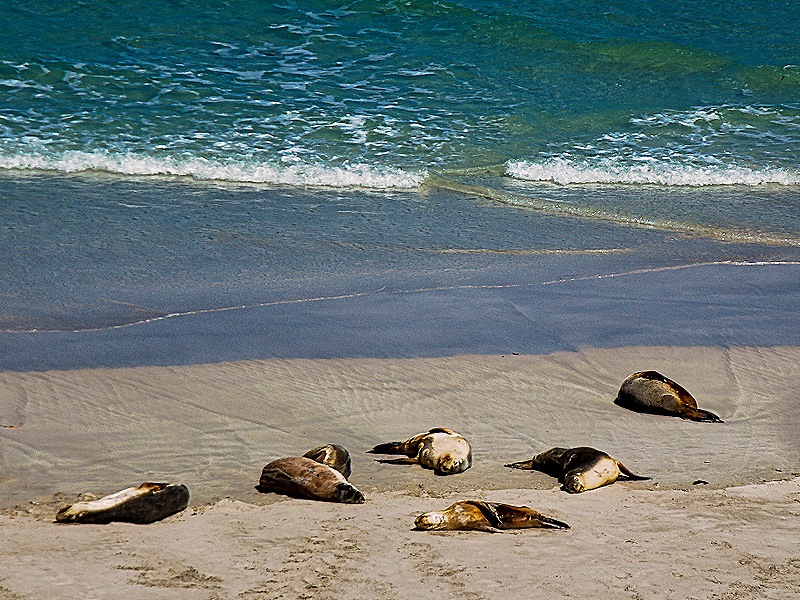
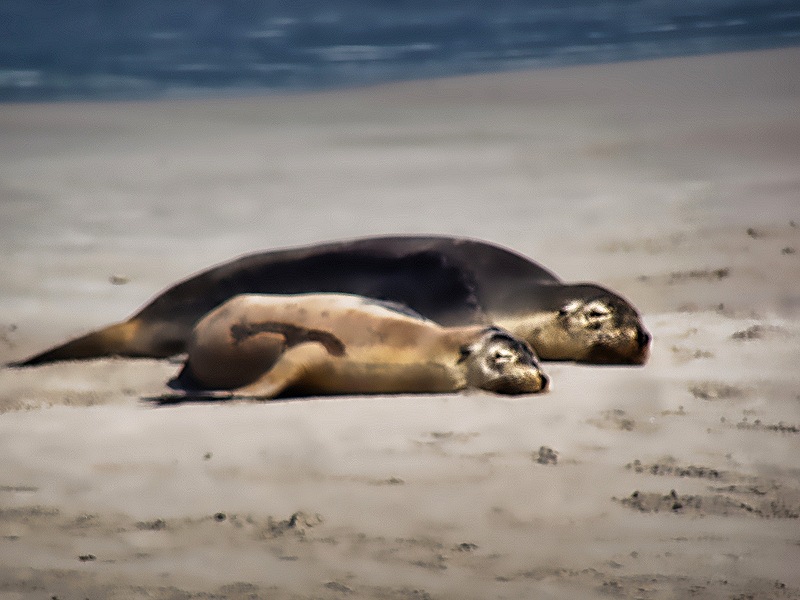
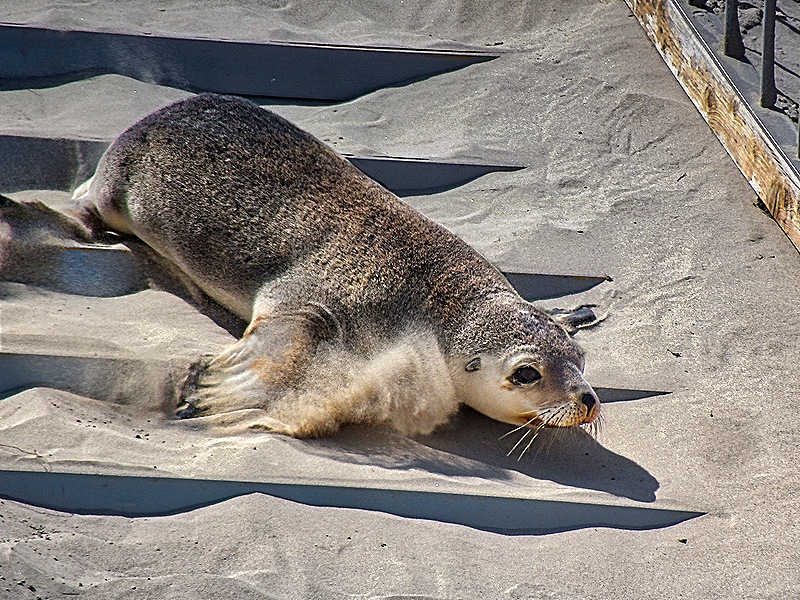
On the beach we were able to walk around a bit to take pictures, but never to walk near the sea lions. The park ranger was quite good at leading the tour and explaining everything, but was careful to corral any wandering visitors. We think these were all females along with their pups, and they really weren’t doing much for the most part. But still quite fun to see.
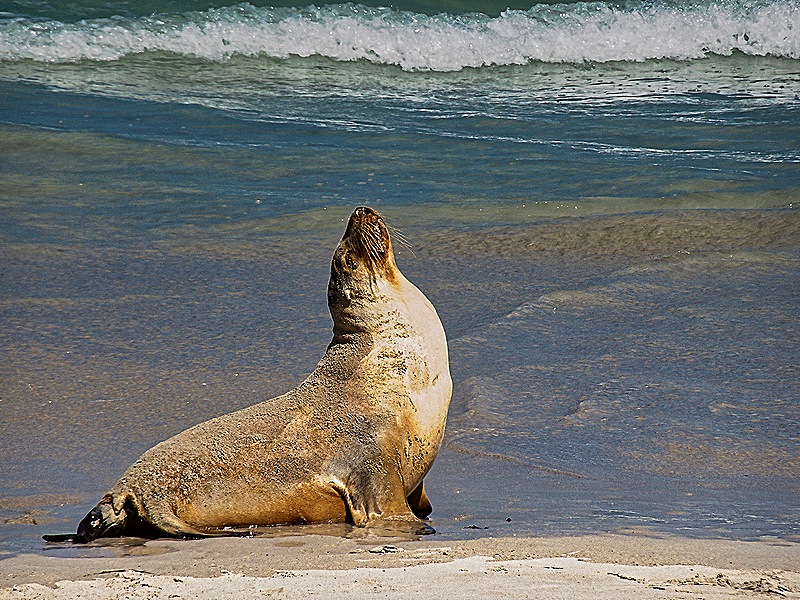
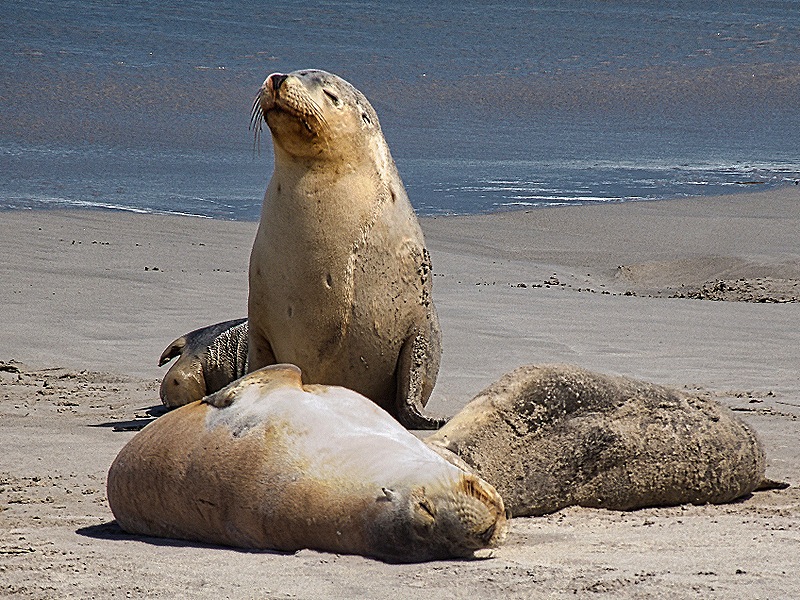
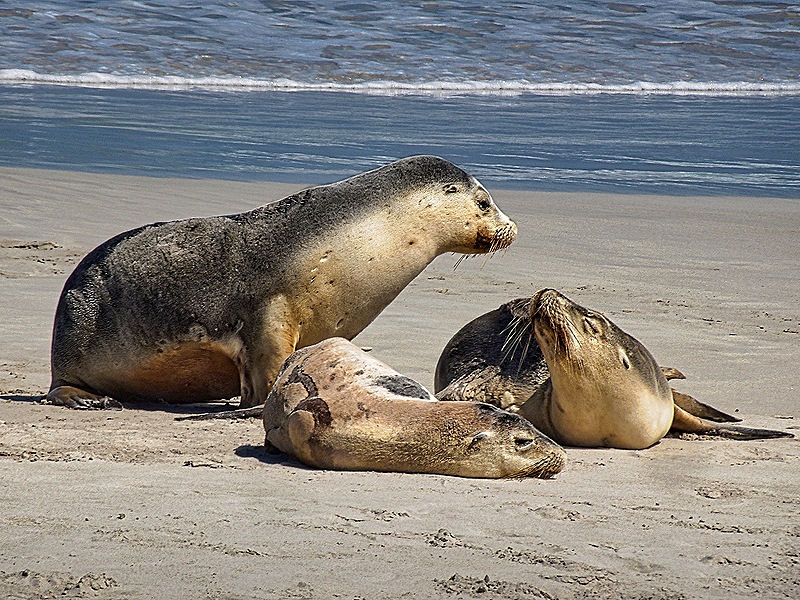
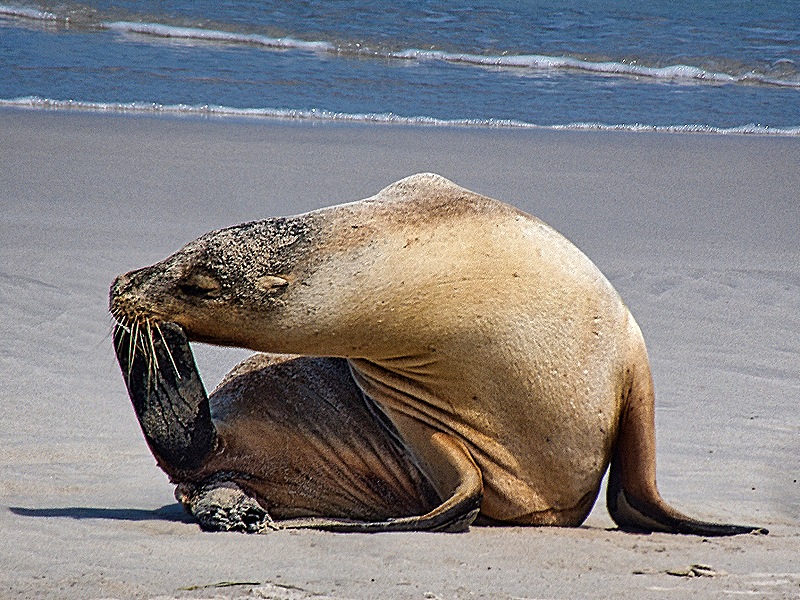
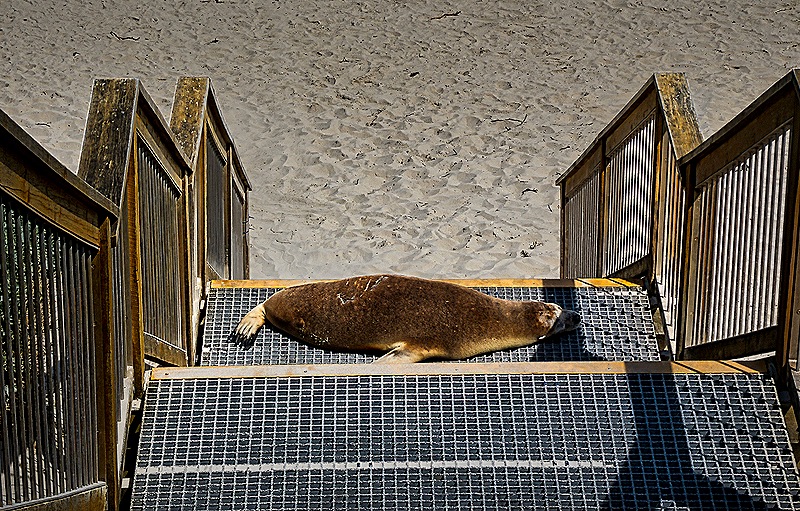
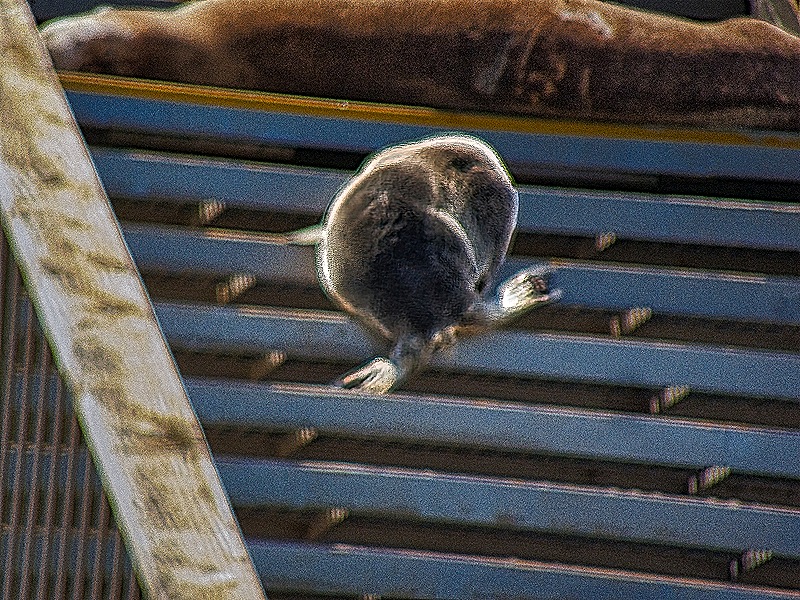
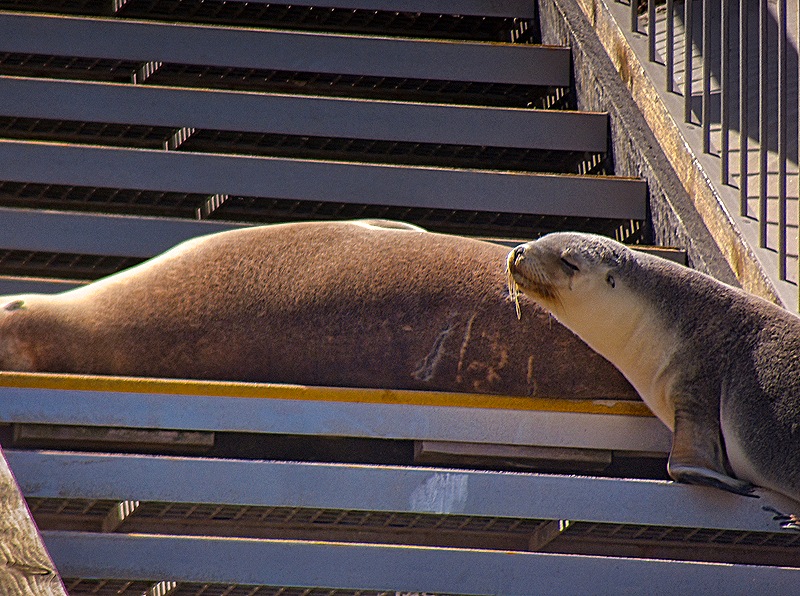
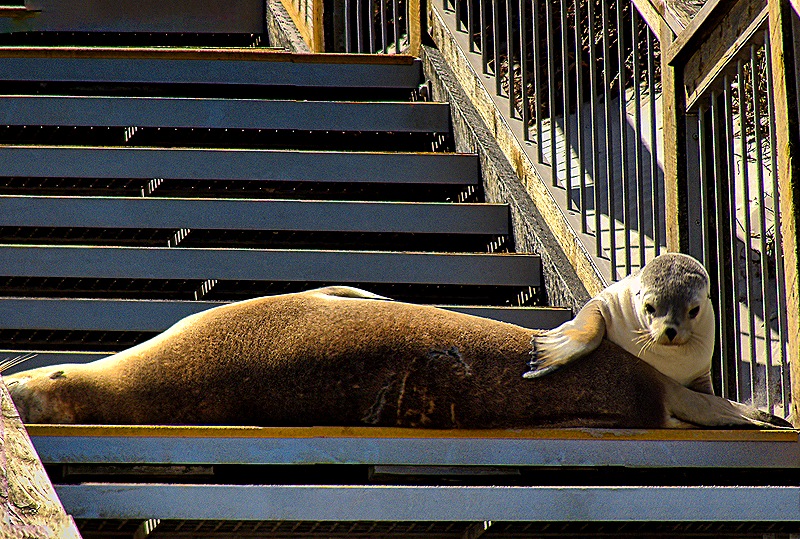
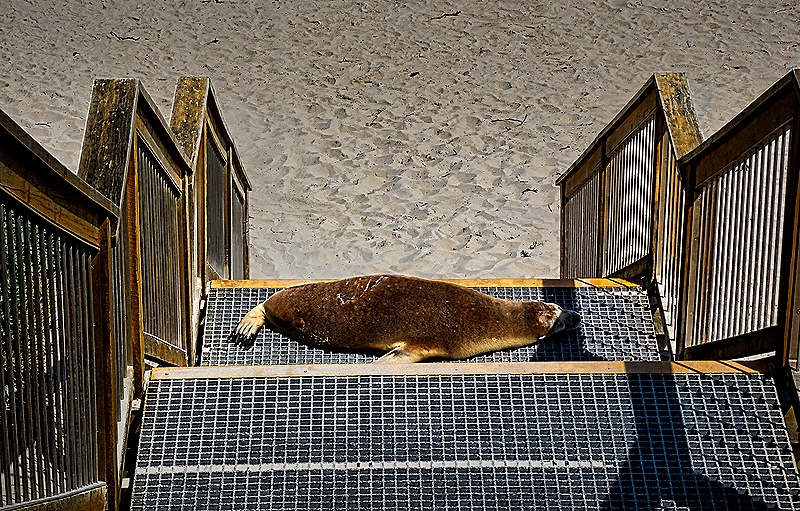
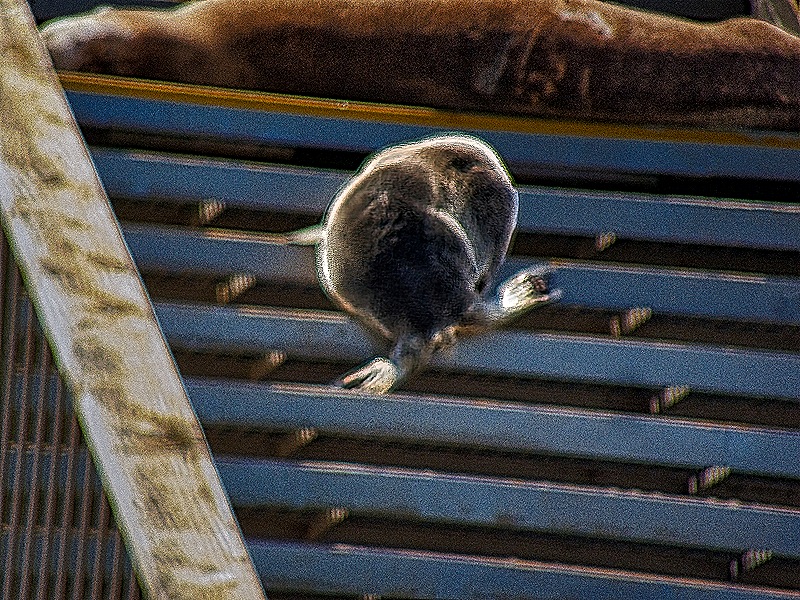
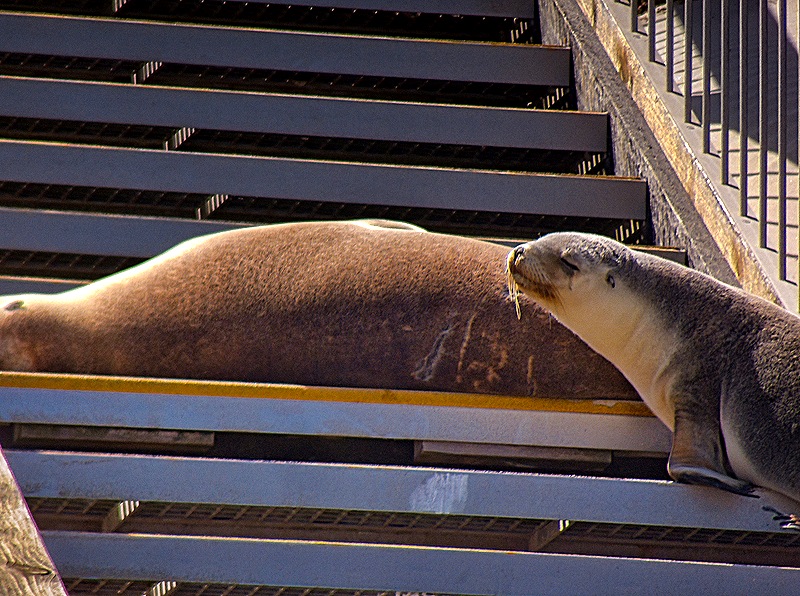
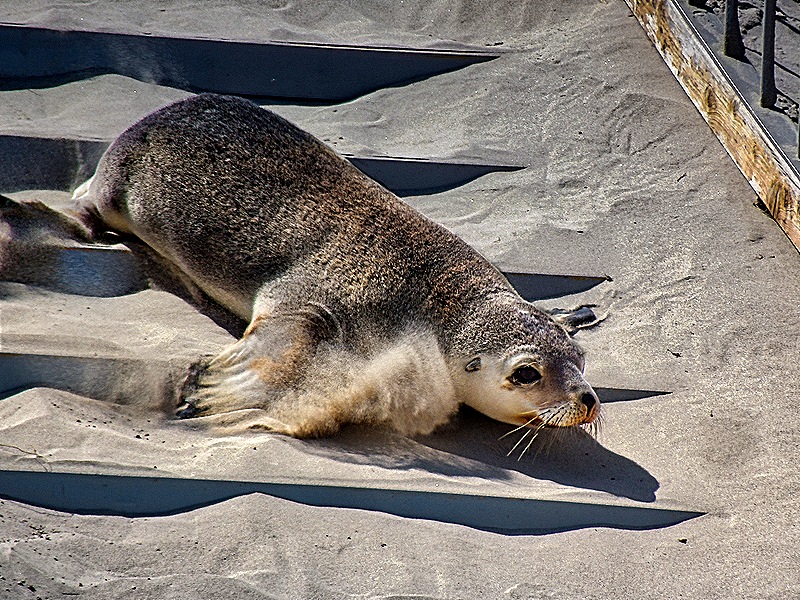
One of the mother seals apparently climbed up one of the wooden stairways, where she stretched out on a step for a nap. But her pup followed her up there later and looked to be interested in lunch. But the mom didn’t respond so the pup went back down to the beach. This was the most activity we saw here.

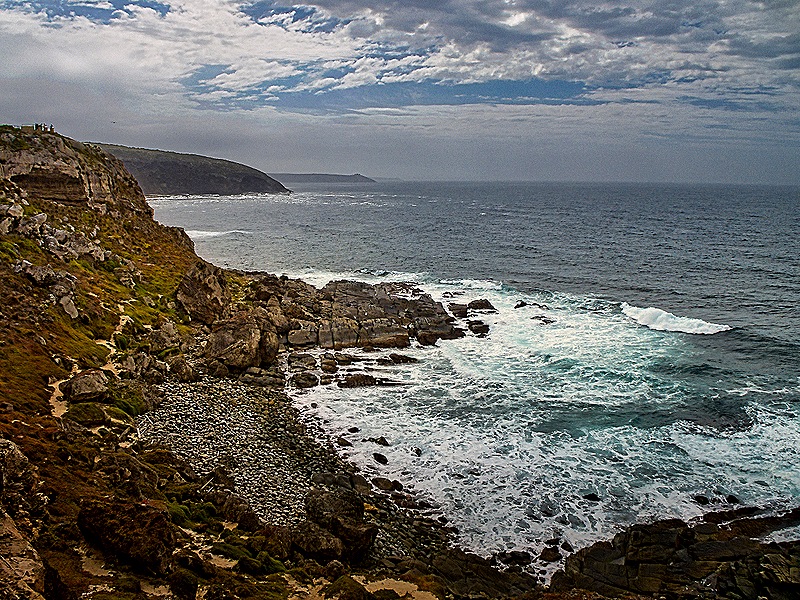
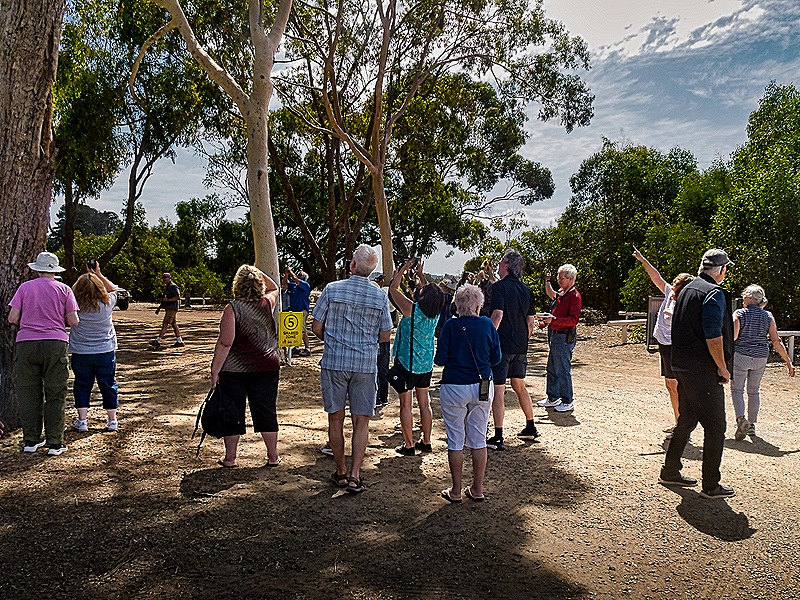
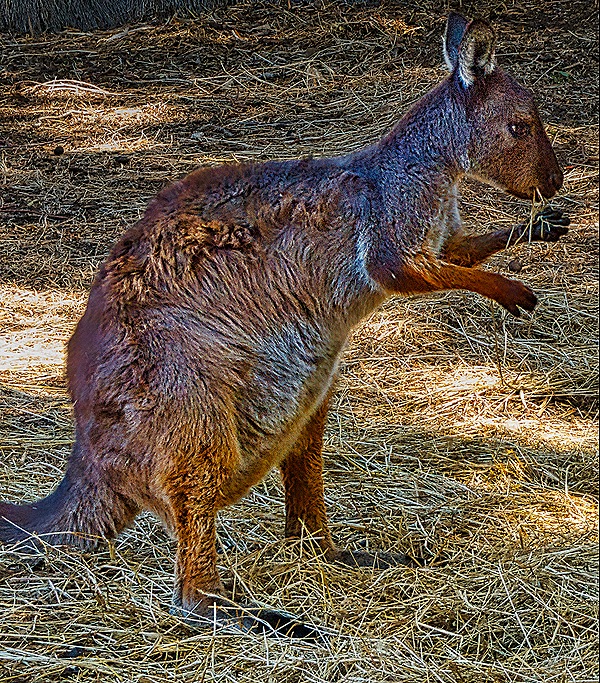
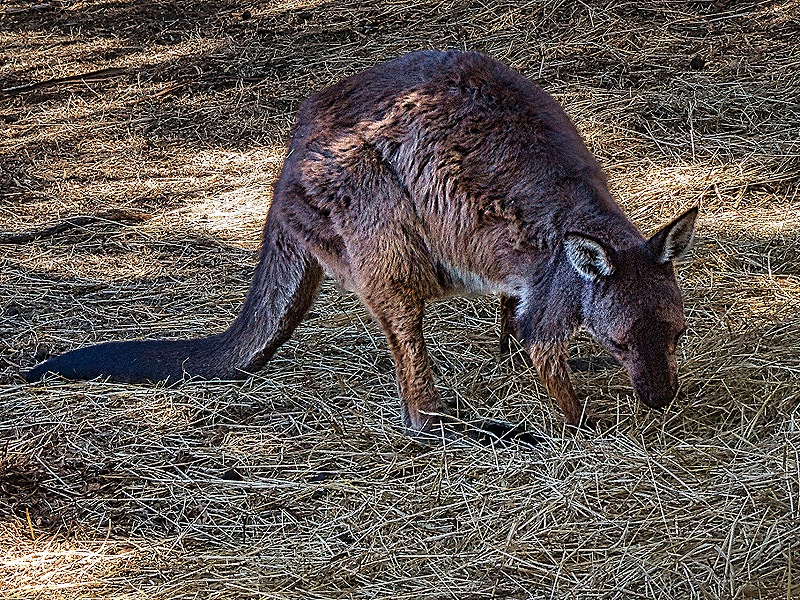
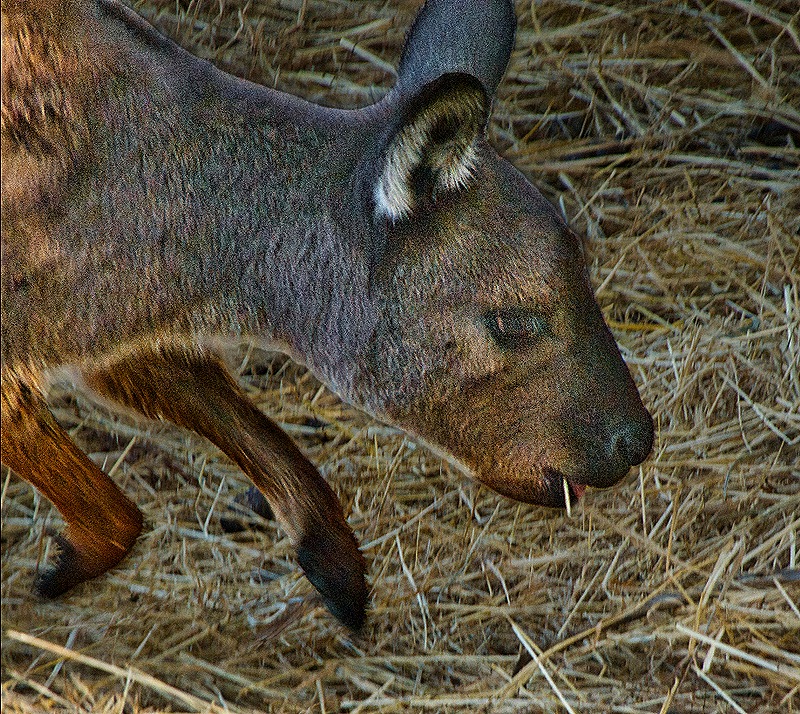
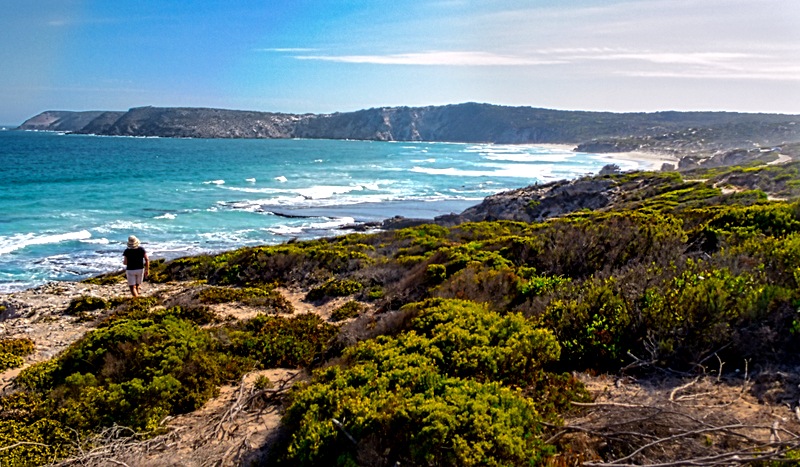
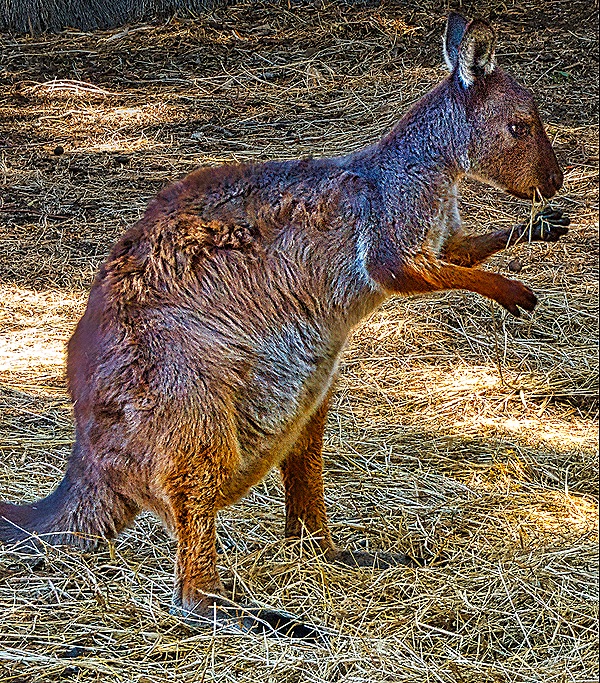
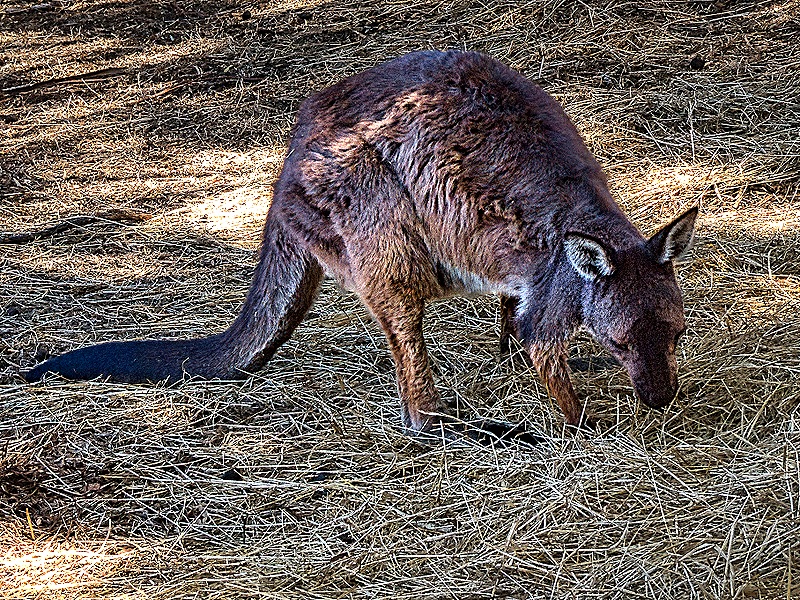
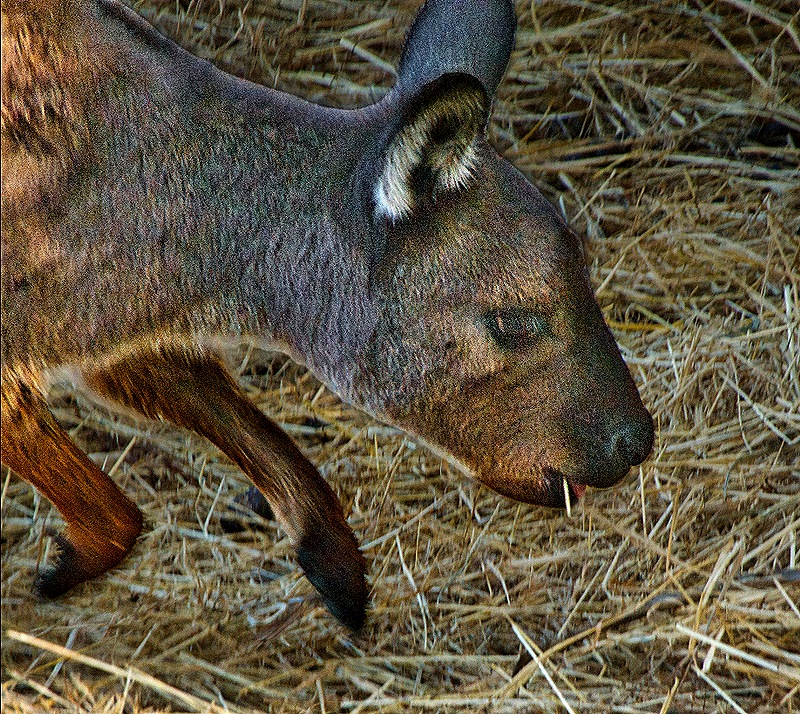
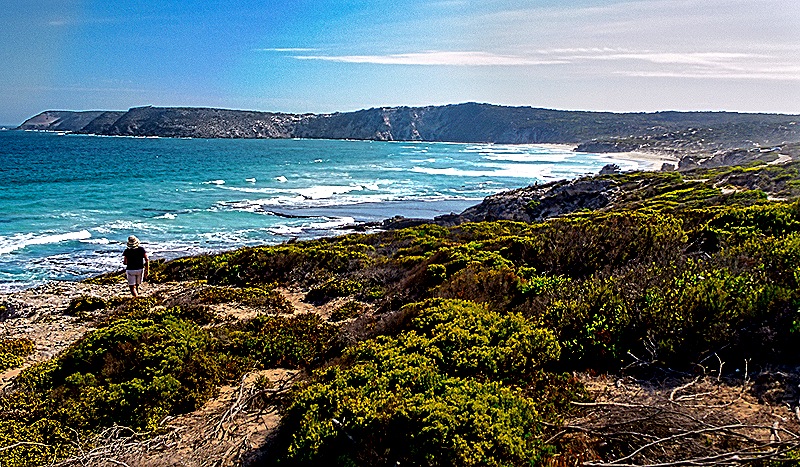
It was time to head back to the tender dock in Penneshaw so we all piled back into the bus. But we made two more stops before the end. First we stopped back at the Emu Ridge facility at the request of some of the passengers. It turned out they have a lot more than just a distillery. There was a cafe and a store where we bought some honey produced by the last pure Ligurian bees in the world, who are only found on Kangaroo Island. An animal rescue operation there had several kangaroos in residence. We also spotted another koala while we were there. The second stop was at an overlook of a large bay that we think our guide Robert told us was called Baudin Beach. Just before we got there Robert gave us a stern lecture that this area was very dangerous, with an unfenced cliff that would be easy to fall over if walking through the rough sand and stones. So he admonished us not to wander beyond the road. Nevertheless, one woman (who you can see in the photo) started walking toward the cliff as soon as she exited the bus. Robert was really furious and yelled at her to come right back, which she reluctantly did.
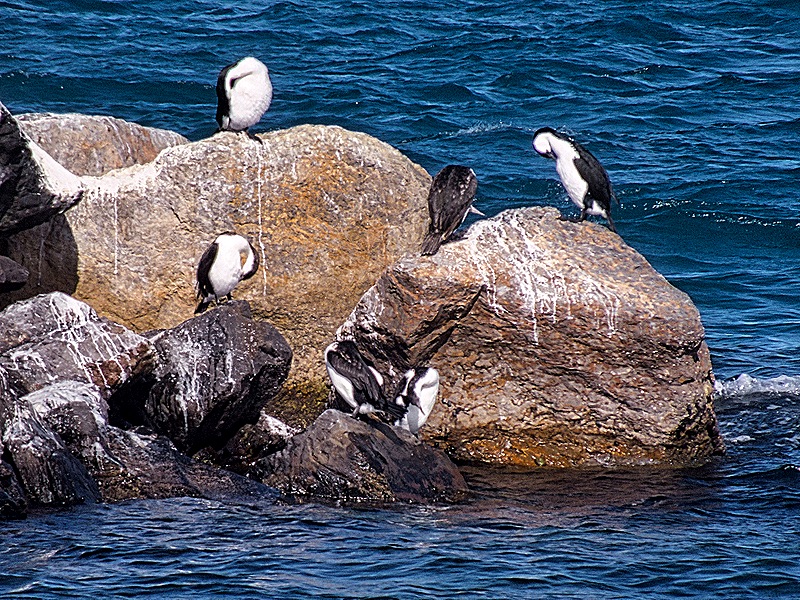
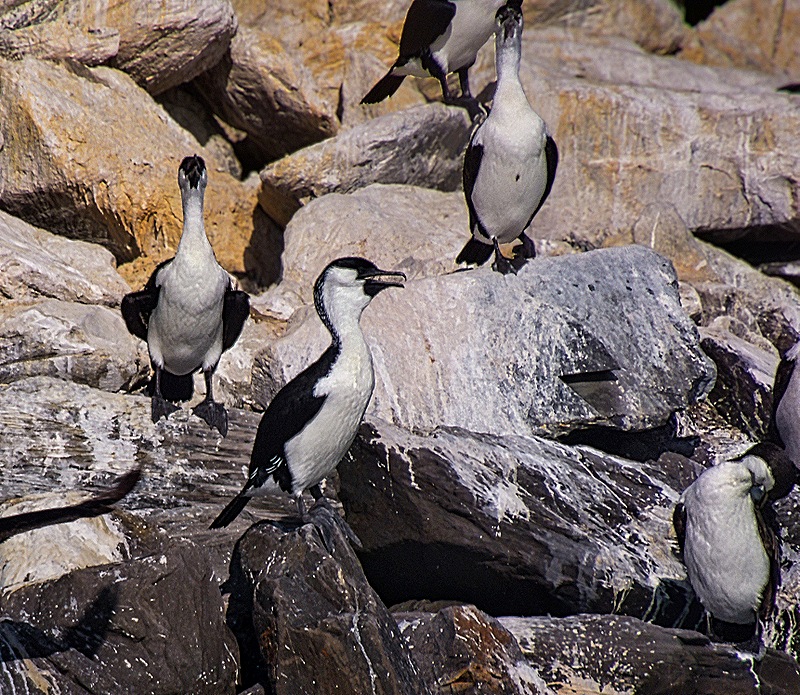
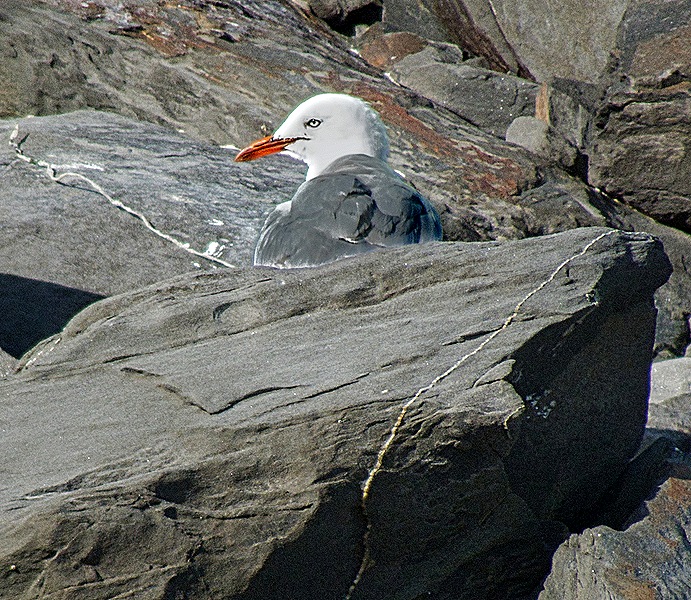
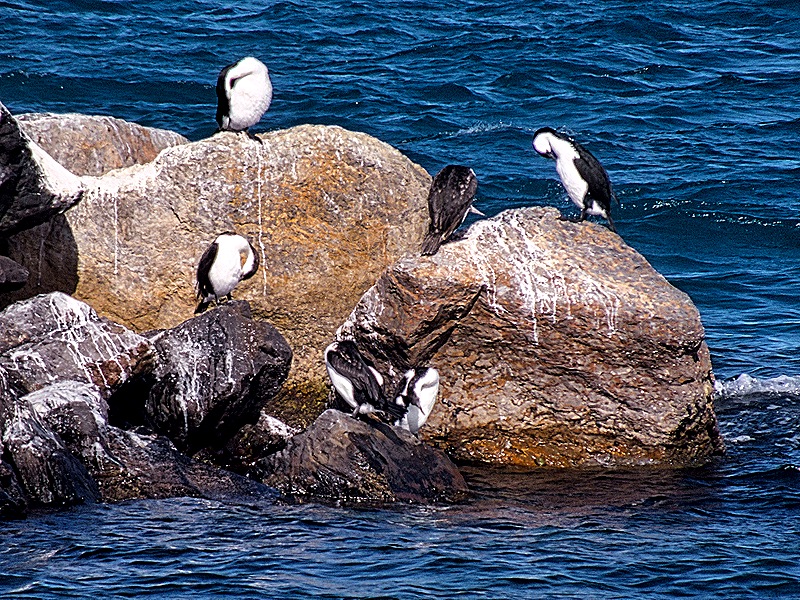
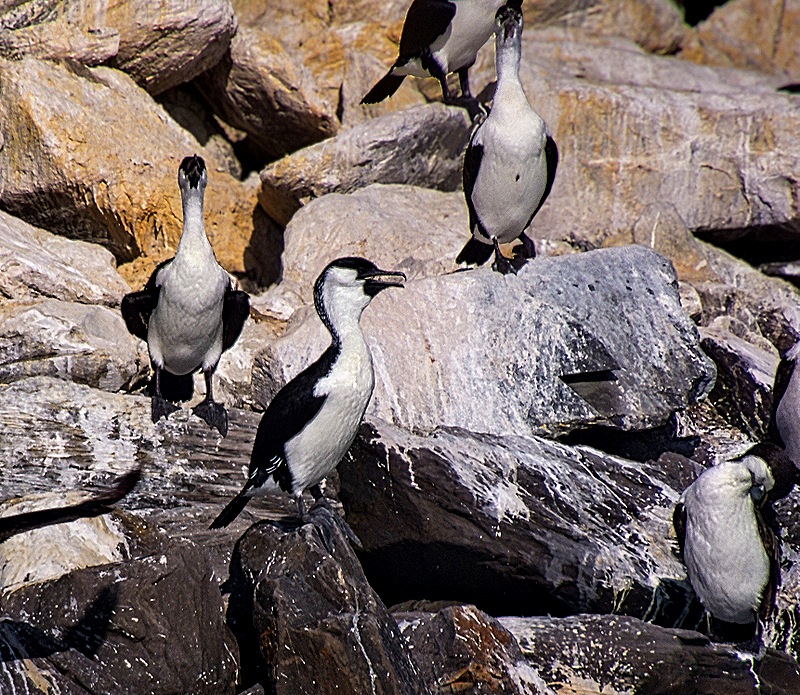
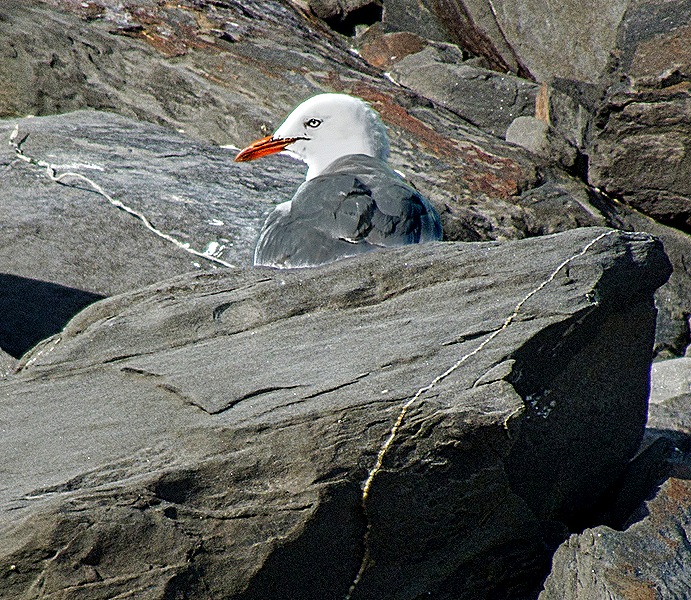
From there it was back to Penneshaw to board the tender back to the ship. It had been an excellent day, starting out seeming like a disappointment but ending up as one of the highlights of the voyage. As the tender pulled away we saw cormorants on the rocks (they were there on our last visit too) and not to be overlooked, a sea gull.
 RSS - Posts