Fremantle, Australia (Day 1–Perth) 2026
We arrived in Fremantle on February 20 for an overnight stay. Since we had two days we decided to spend the first on an excursion to Perth, a huge city only about 10 miles from Fremantle. Our bus left around 9:00 AM.
While Fremantle is where the area’s cruise port is located, Perth is the capital of Western Australia. It is considered the fourth largest city in Australia with a population of around 2.5 million, although that gets a little confusing because Fremantle is one of many other localities included in this “greater Perth” calculation even though it is also a city with its own government and history. Still, central Perth actually looks like a very big city, unlike Fremantle.
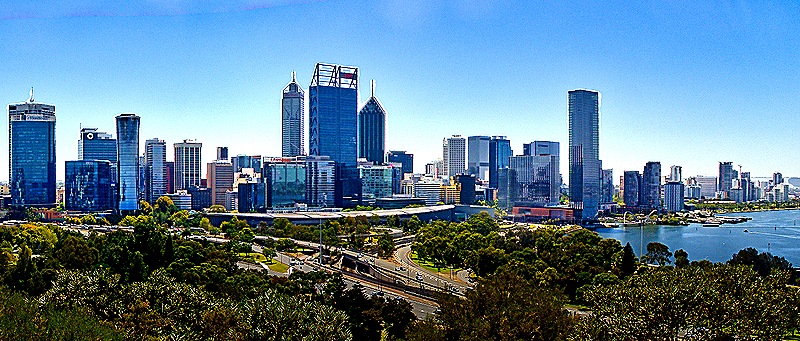
Aboriginal people have lived here for about 48,000 years and the first European settlers arrived in 1829. Perth was elevated to city status in 1856. Perth has often experienced strained relations with the indigenous Noongar people, who were banned as recently as the 1950’s from entering large portions of the city. Much of Perth’s growth stemmed from mining and drilling activities in Western Australia over the years. Since the end of World War II Perth has grown from less than 300,000 to its current 2.5 million.
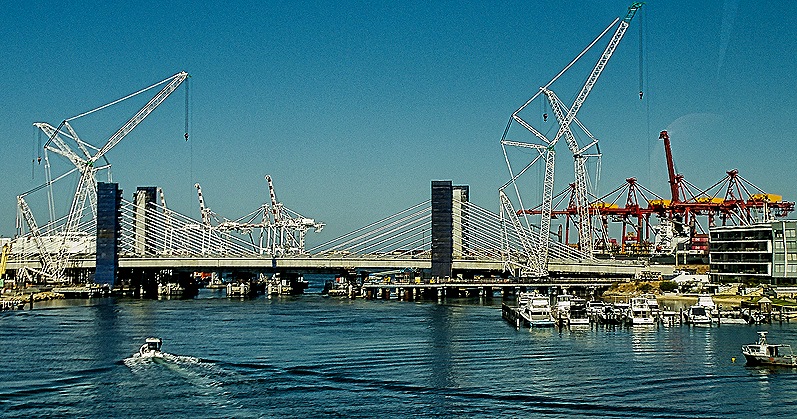
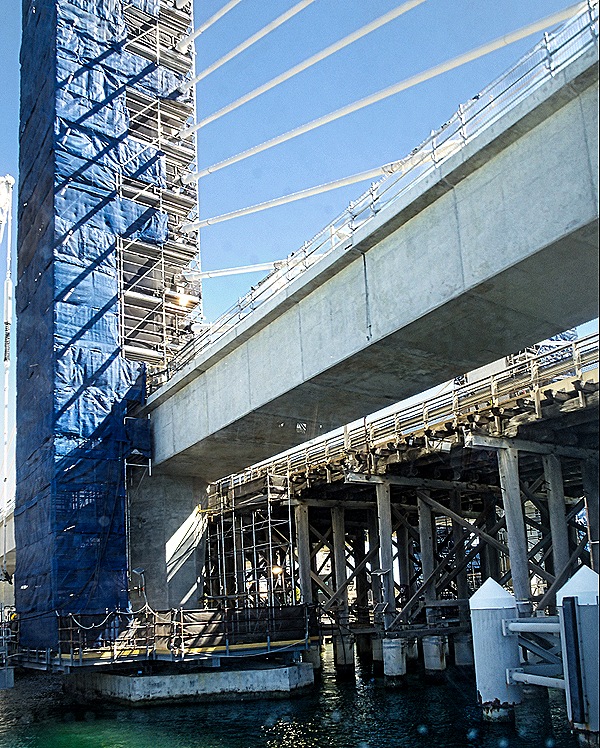
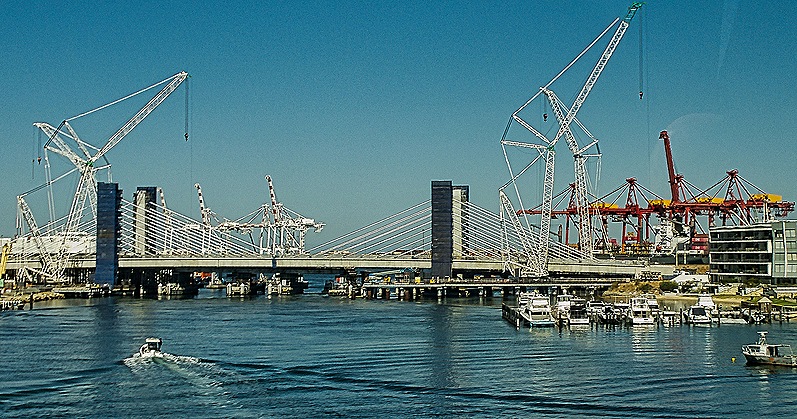
Our bus began with a drive through some streets in Fremantle, totally worthless to us because you couldn’t see much from the bus windows on Fremantle’s narrow streets and we had another whole day to explore Fremantle on foot. We crossed the Swan River, which connects central Perth with Fremantle, on the Stirling Bridge (we think). This is a detour from the usual crossing, the Fremantle Traffic Bridge, which was closed for renovation. We had a nice view of the renovation area from the bus as we crossed.
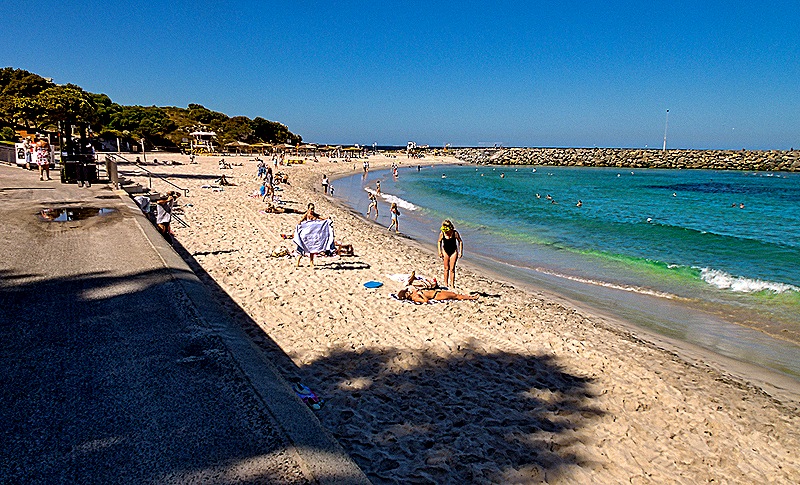
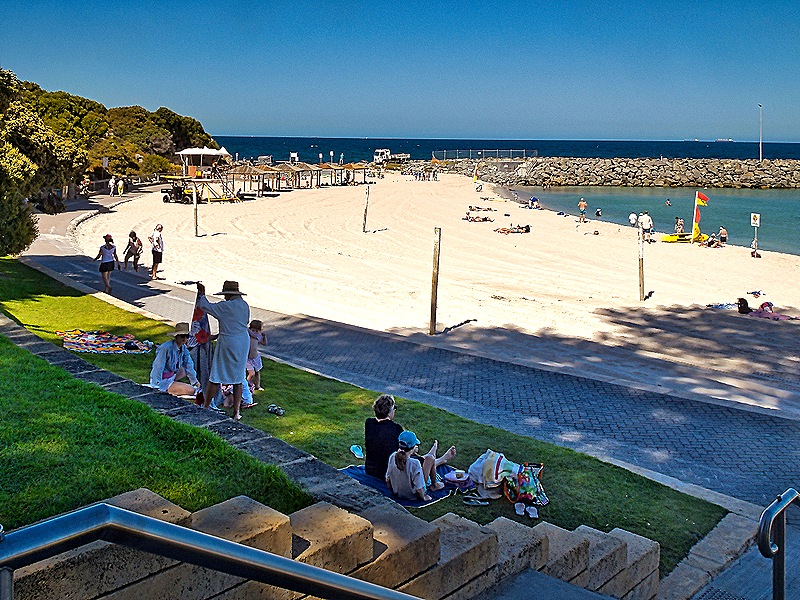
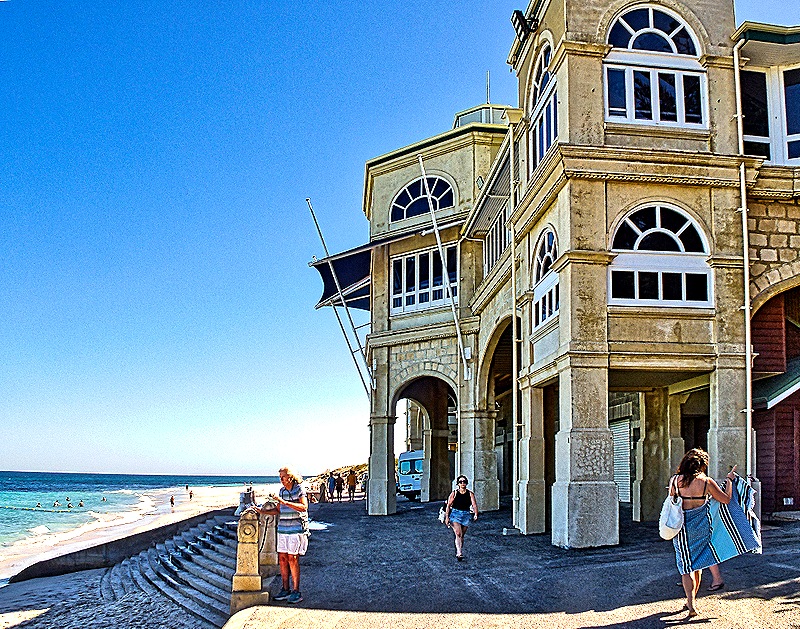
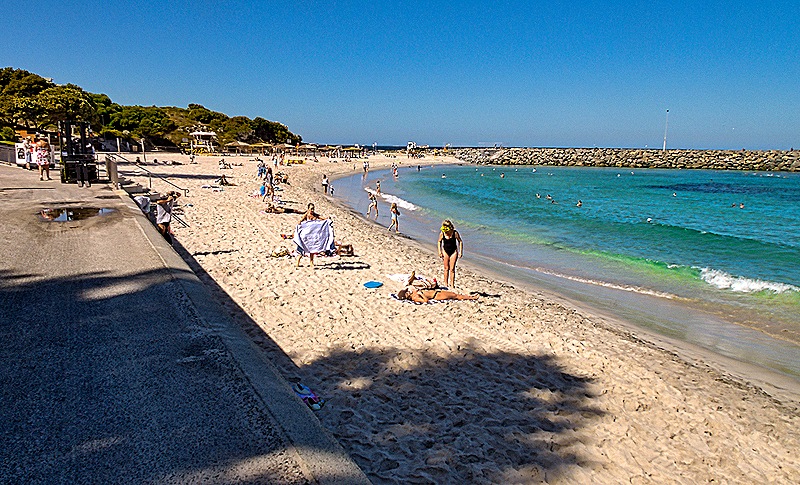
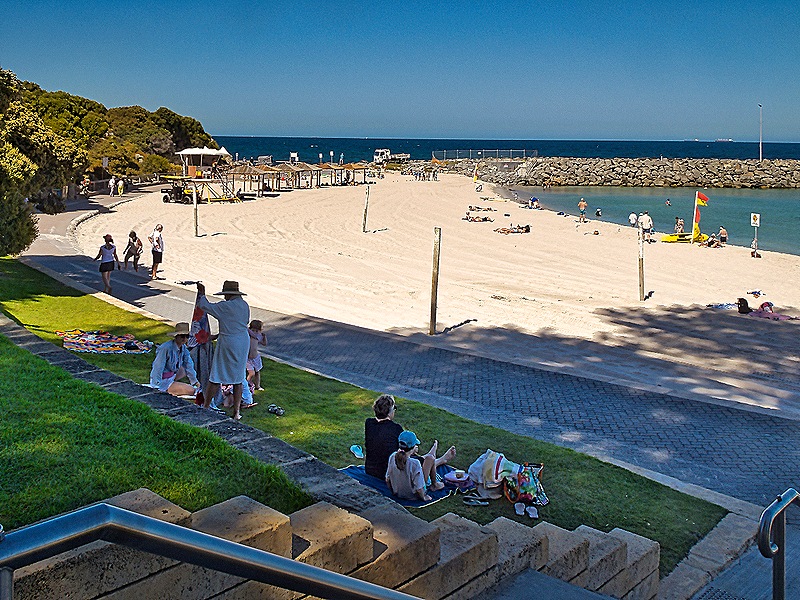
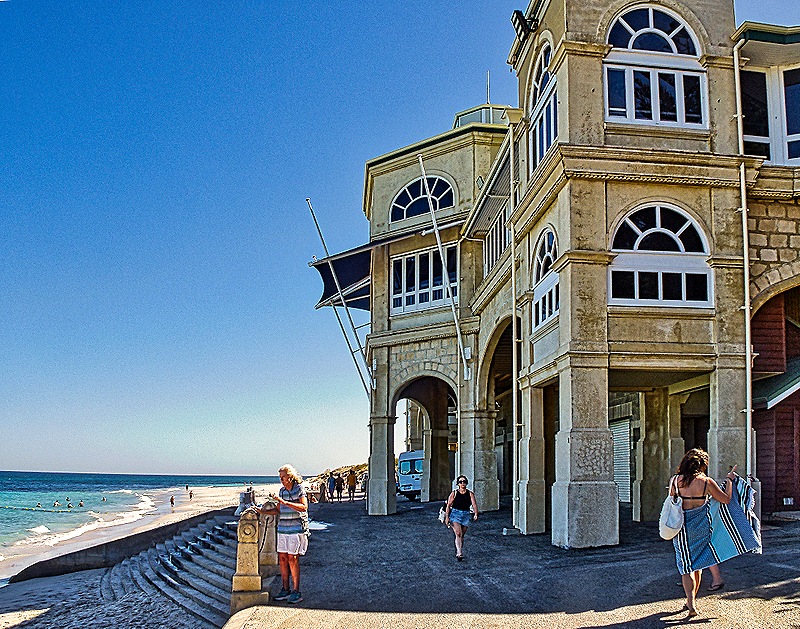
We stopped for about half an hour at Cottesloe Beach, almost a mile long and one of the most popular public swimming areas in Western Australia since the 1880’s. It is the home of the annual 12+ mile swim to Rottnest Island, an annual event since 1991 (although the first documented swim was in 1956). In recent years it has grown to more than 2,000 swimmers each year, making it one of the world’s largest ocean swimming events. This year’s race was supposed to be held the day after we visited but was cancelled because of weather, only the third cancellation in its 35 year history (although 2 of those three were in the last 3 years). A rather substantial building on the beach houses restrooms, changing rooms, and a tea garden in a central courtyard. It opened in 1996 but its earliest predecessor dated to 1910.
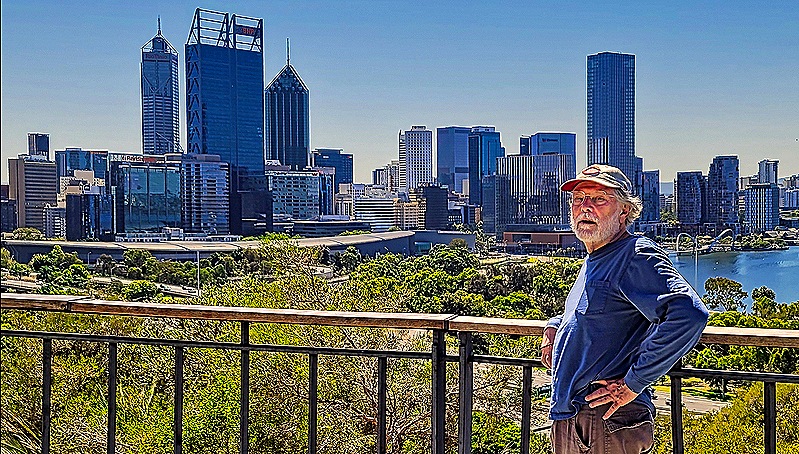
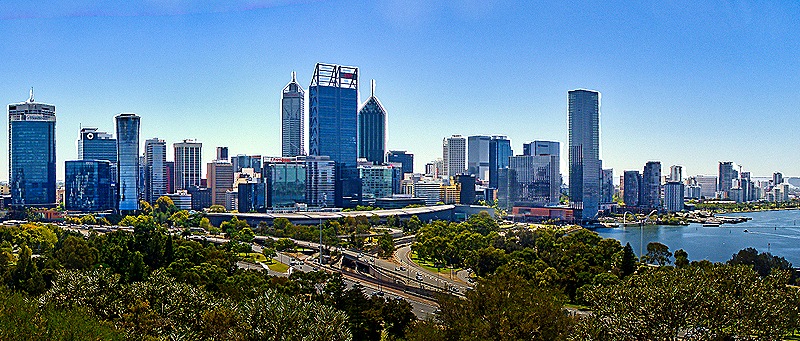
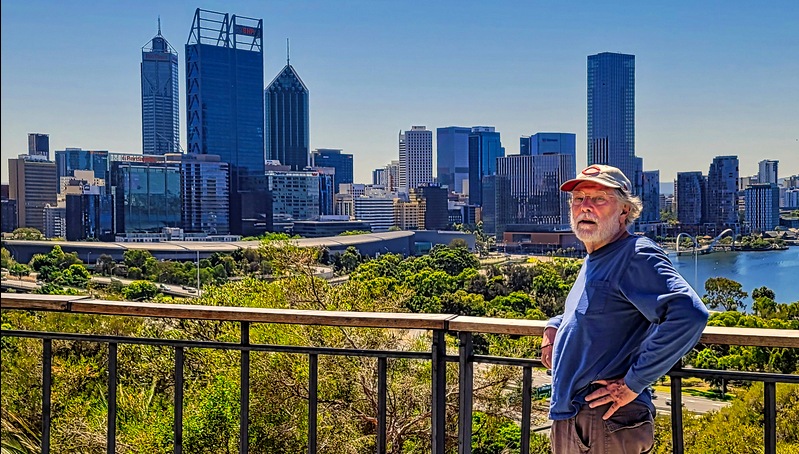
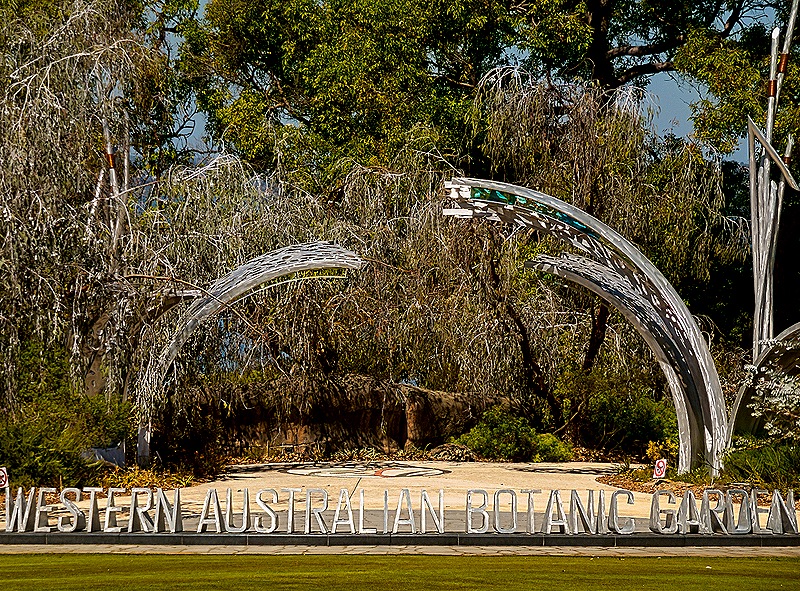
Our next stop was King’s Park where we spent about an hour. This is a huge (almost 1,000 acres) public park containing war memorials, a botanical garden and a large preserve of native bushland. It is the most popular attraction in Western Australia with some 5 million visitors per year. The park has a spectacular view over part of the Swan River and Perth’s central business district. There is a special law protecting it from developers, many of whom would love to get their hands on some of it.
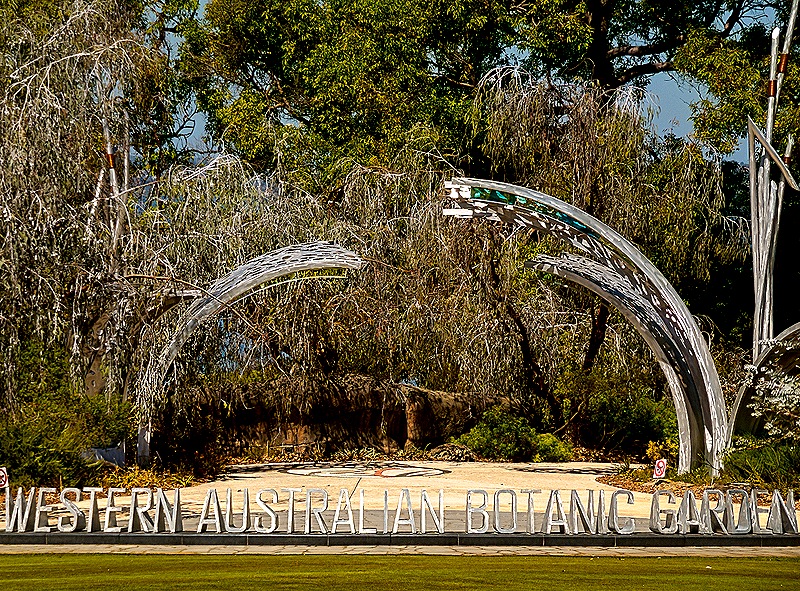
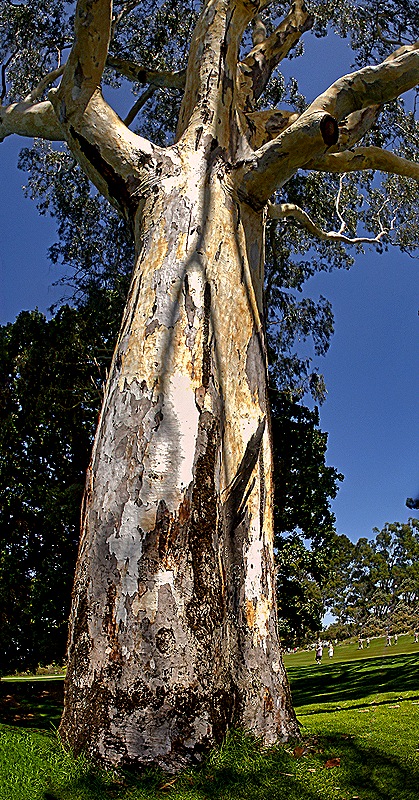
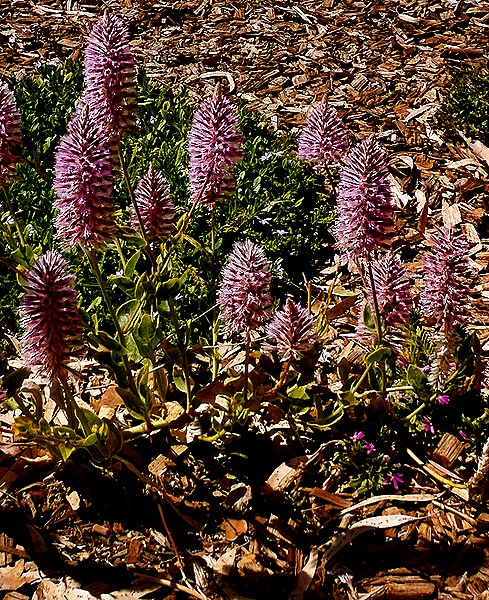
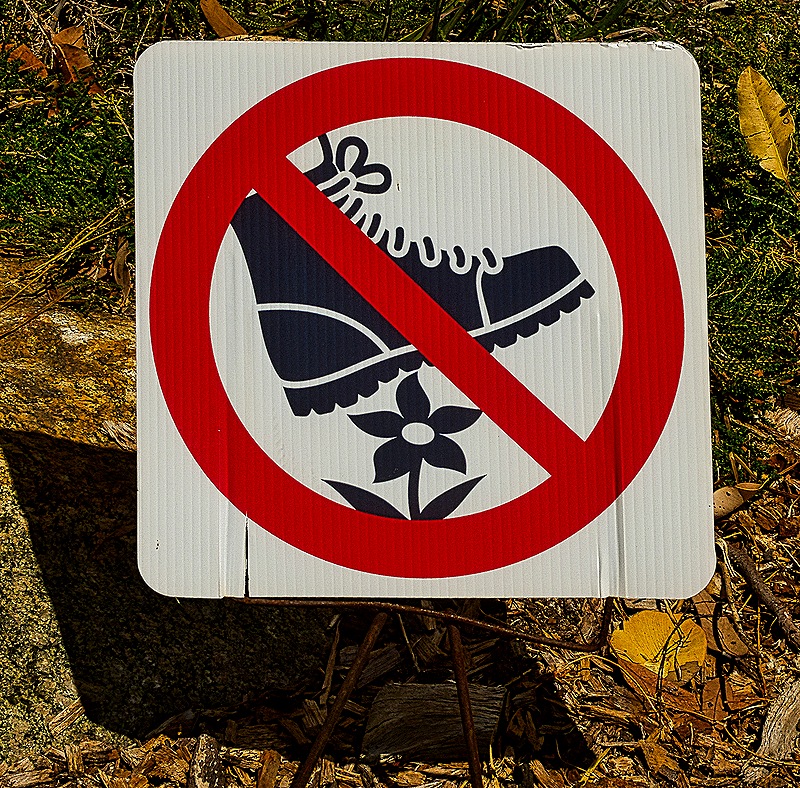
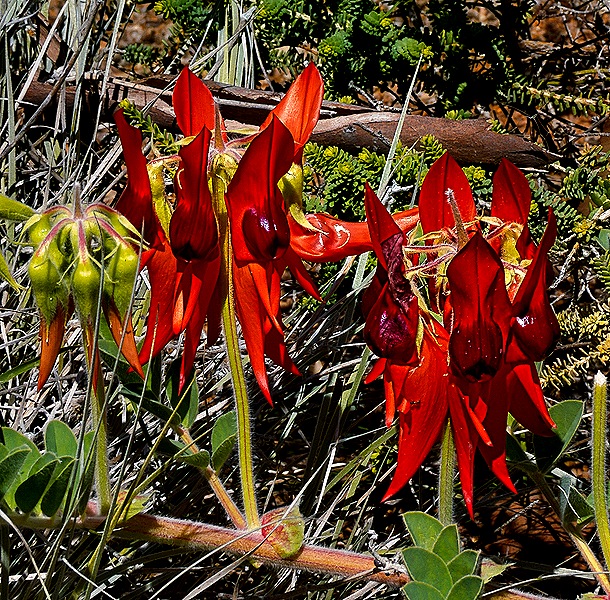
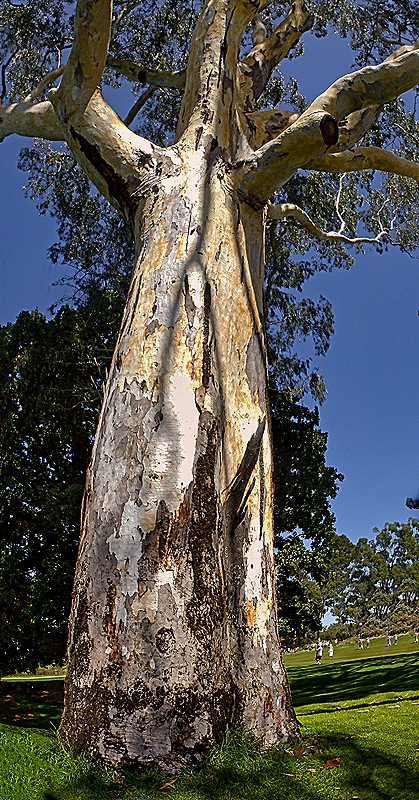
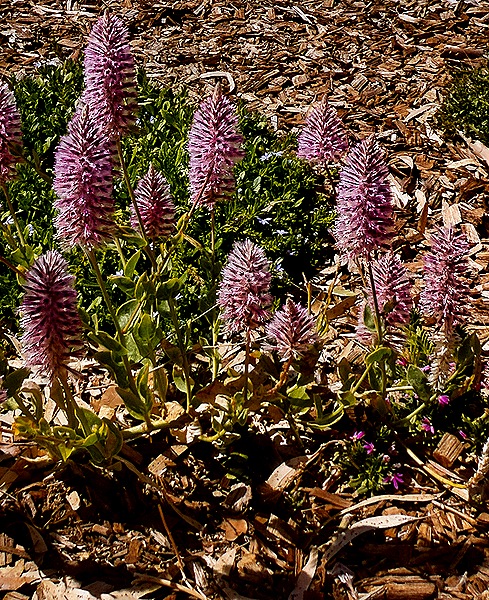
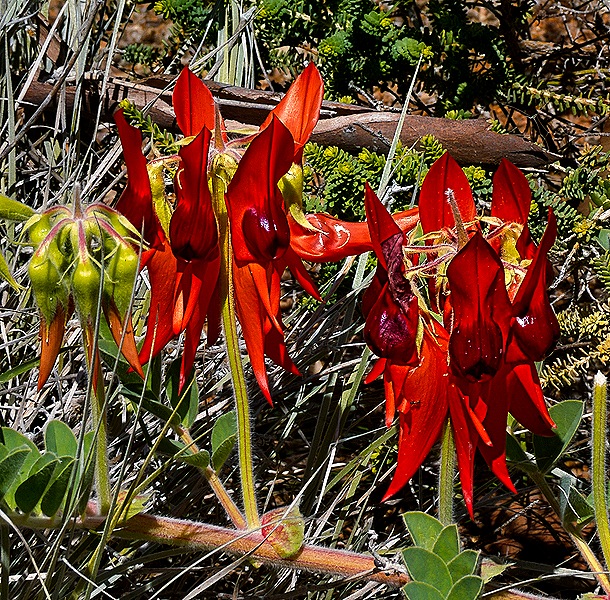
We did not have time to explore much of the botanic garden and were told that blooms would be somewhat sparse this time of year, but we did see some. Throughout the park were large and majestic trees, many Eucalyptus.
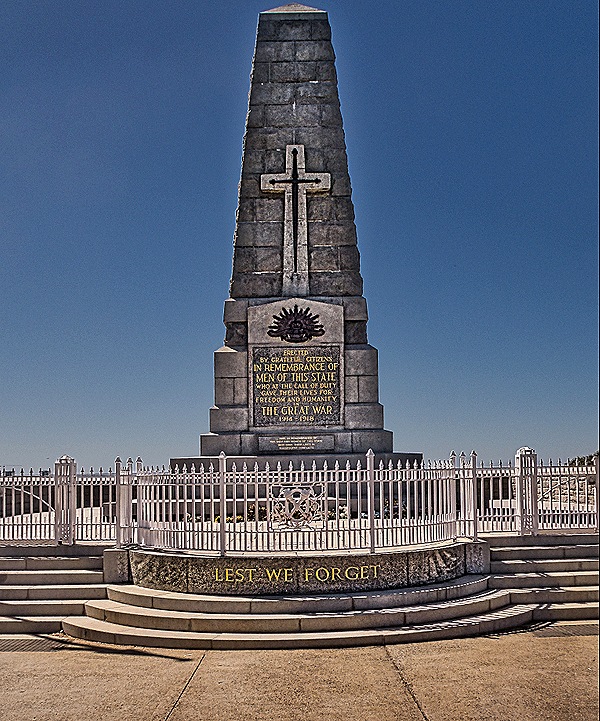
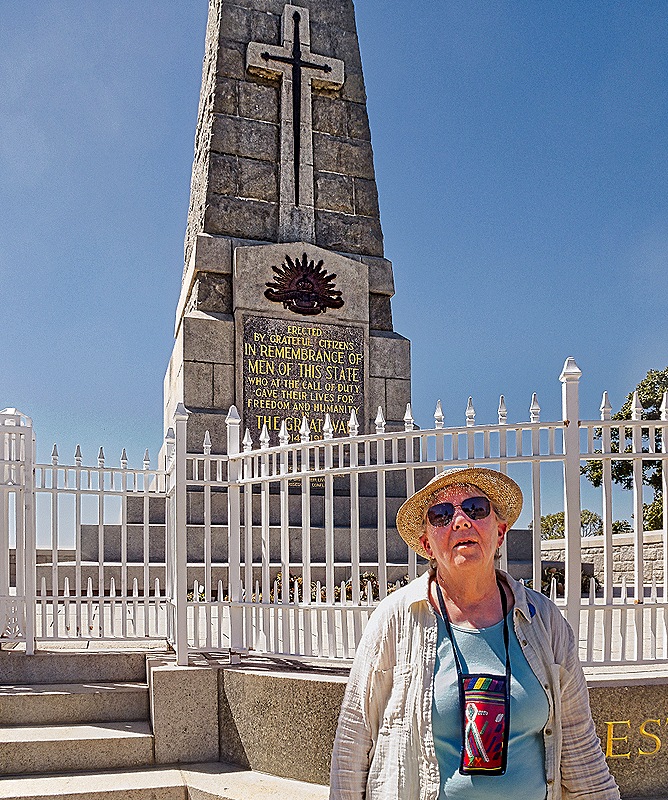
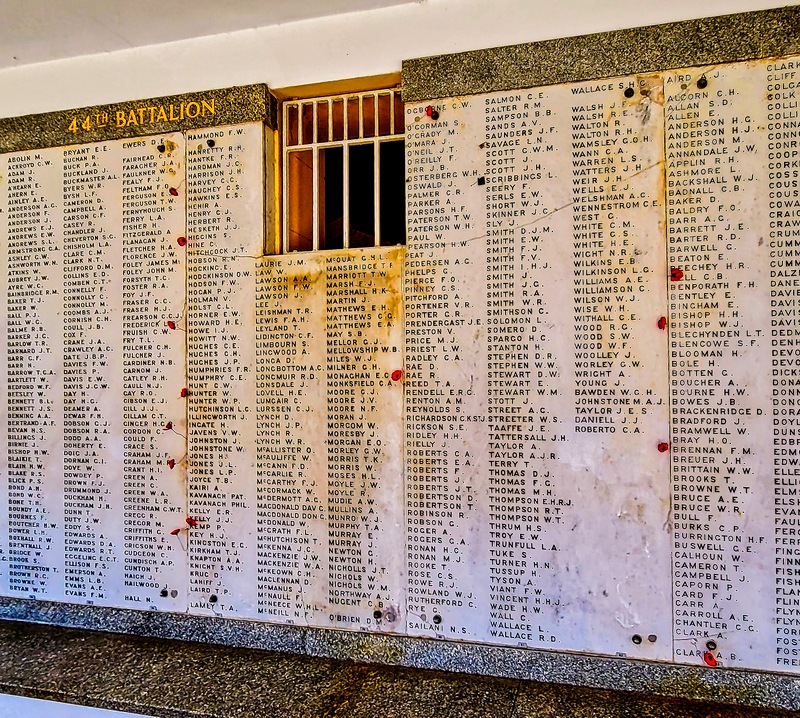
The State War Memorial sits on the edge of the park overlooking the water and the city of Perth. Unveiled in 1929, it consists of a “cenotaph,” an almost 60 foot tall obelisk, which is on top of a crypt below ground with the names of thousands of Australian service members killed during World War I, with many more added later who served in more recent wars. On ANZAC Day, April 25 every year, there is a memorial gathering here to commemorate Western Australians who died in war (April 25 is the date of the first Australian and New Zealand landings at Gallipoli during World War I).
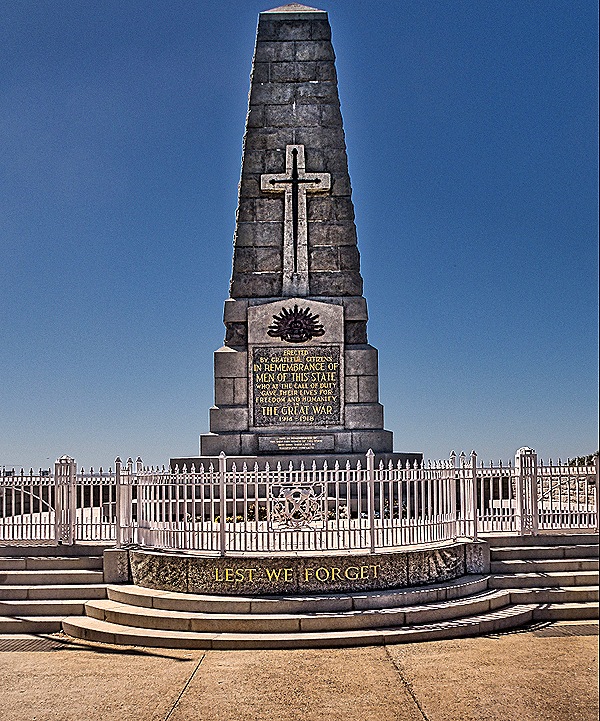
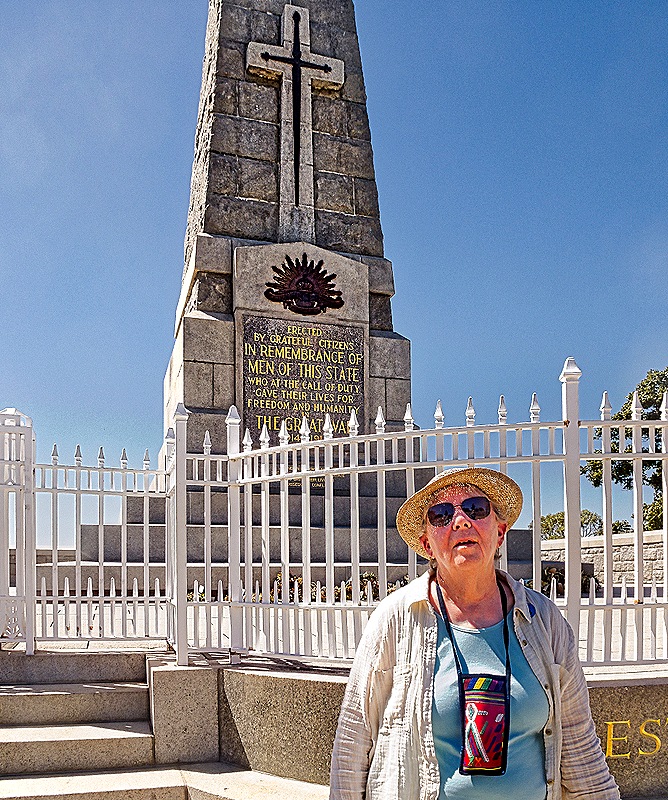
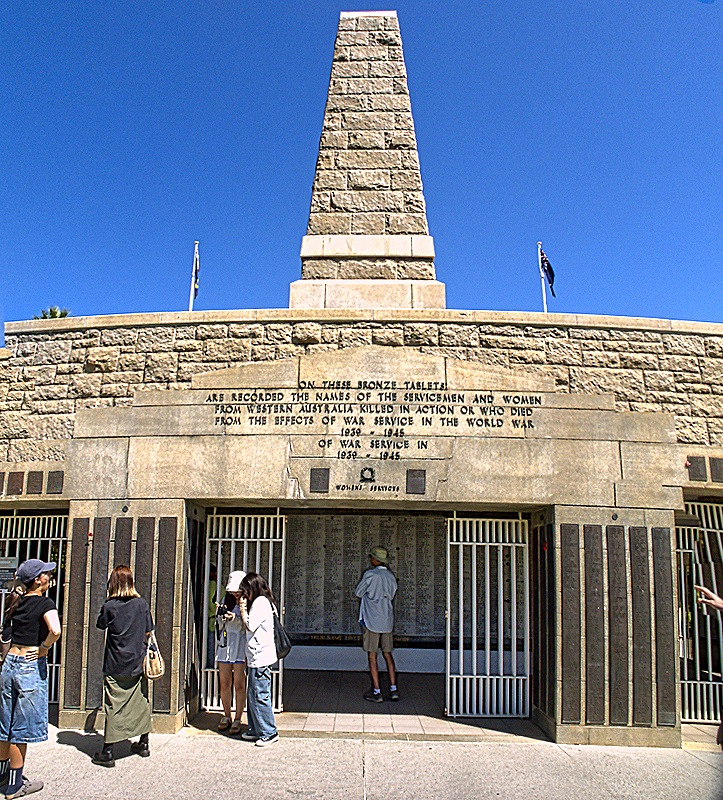
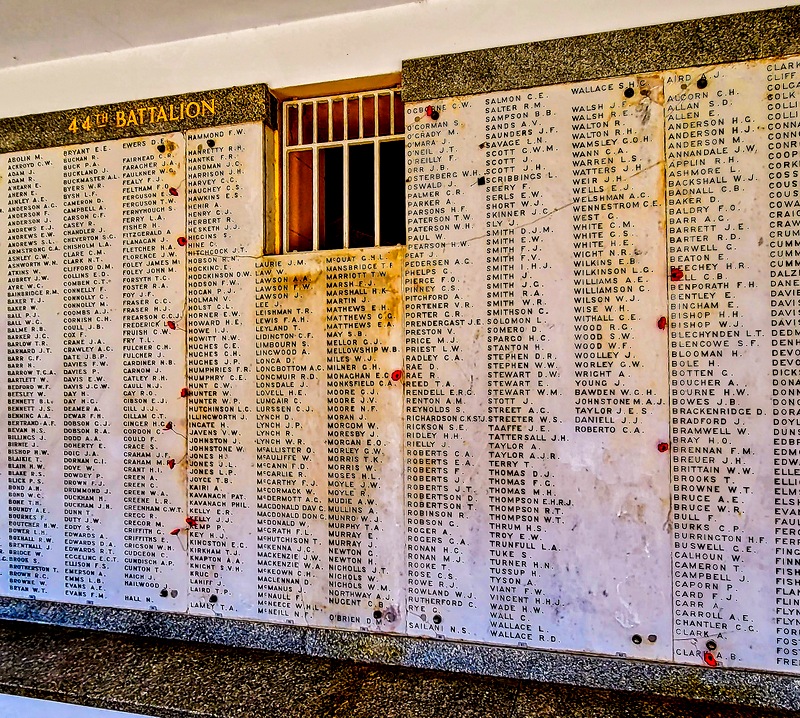
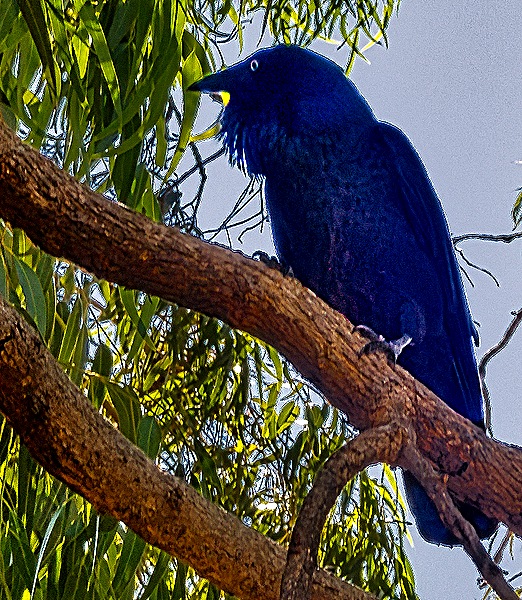
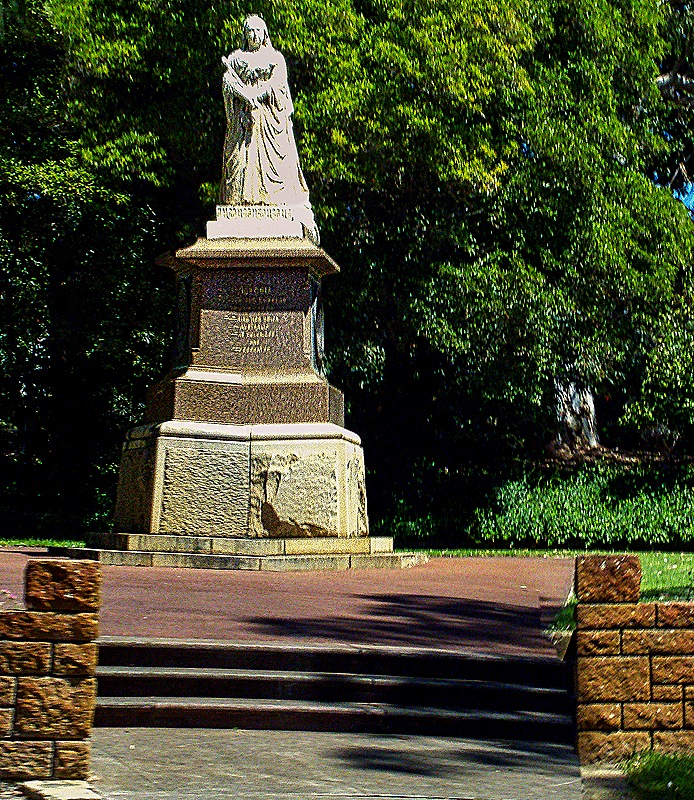
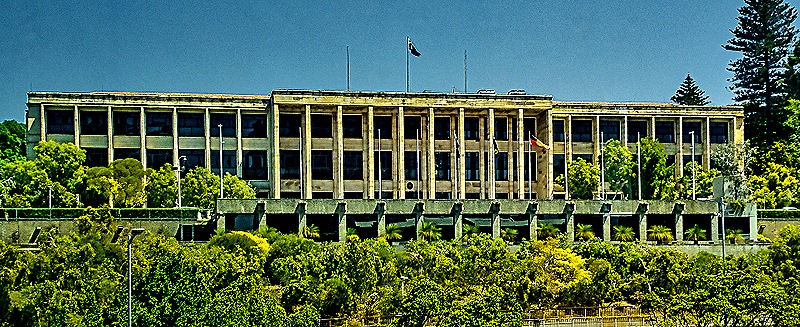
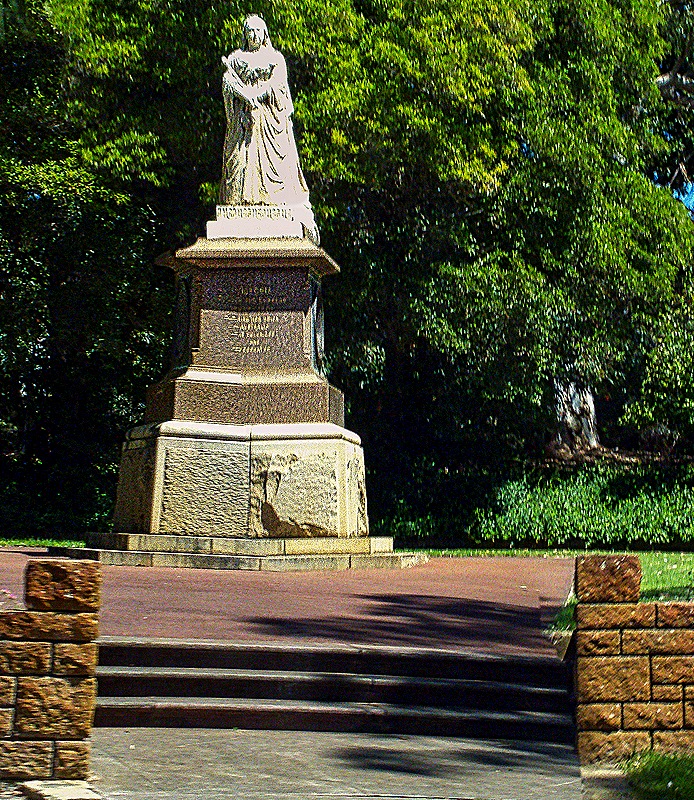
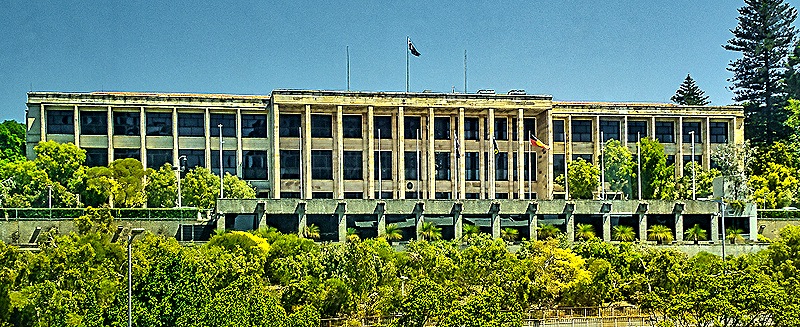
There was a combination information center and gift shop building that was really very good. The information people were very anxious to answer questions and impart information about the park and the botanic gardens and the gift shop was full of original artwork in addition to tourist mementoes. Outside was a large bluish black bird we haven’t identified sitting in a tree and making quite a racket . . . probably doesn’t like having all these people in his park. On our way out of the park we passed a very nice 16 foot marble statue of Queen Victoria that has been there since 1903. Then on the way into central Perth we passed the Western Australia parliament building on the side of a hill with a long view toward town. It opened in 1904.
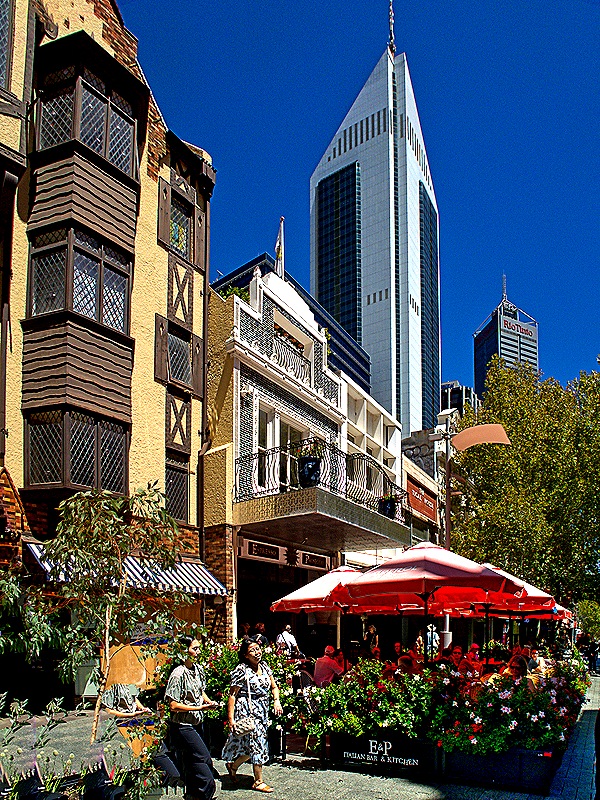
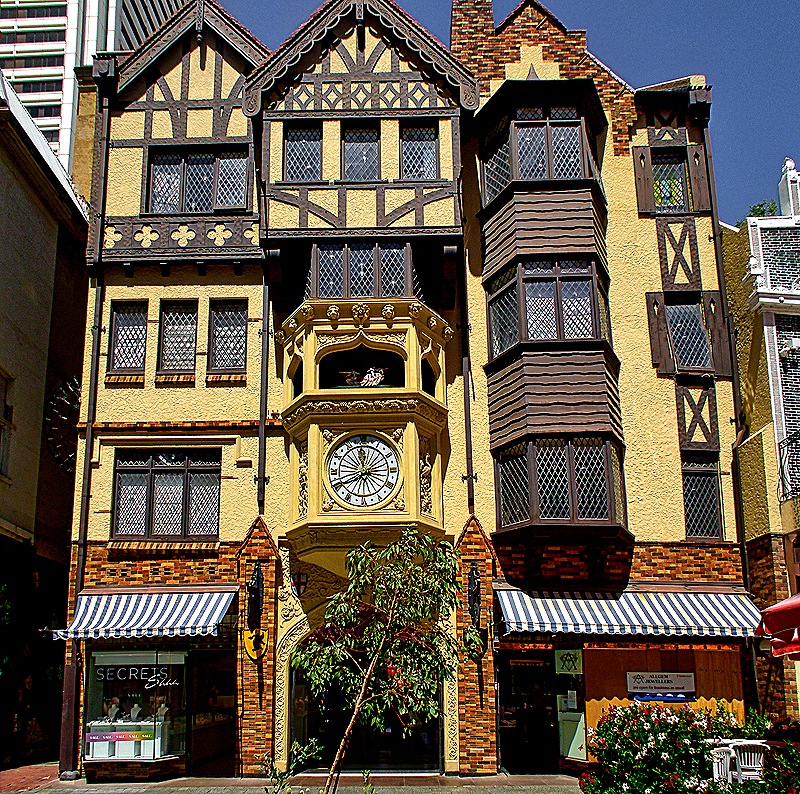
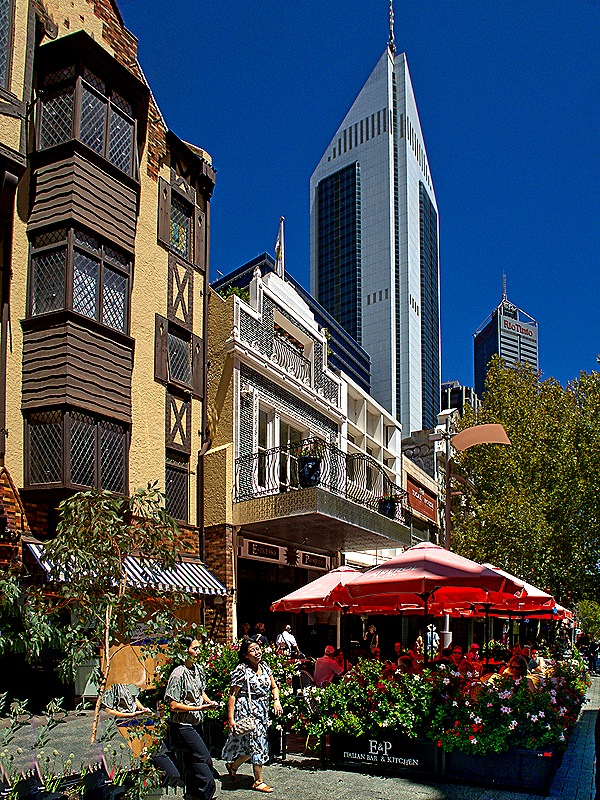
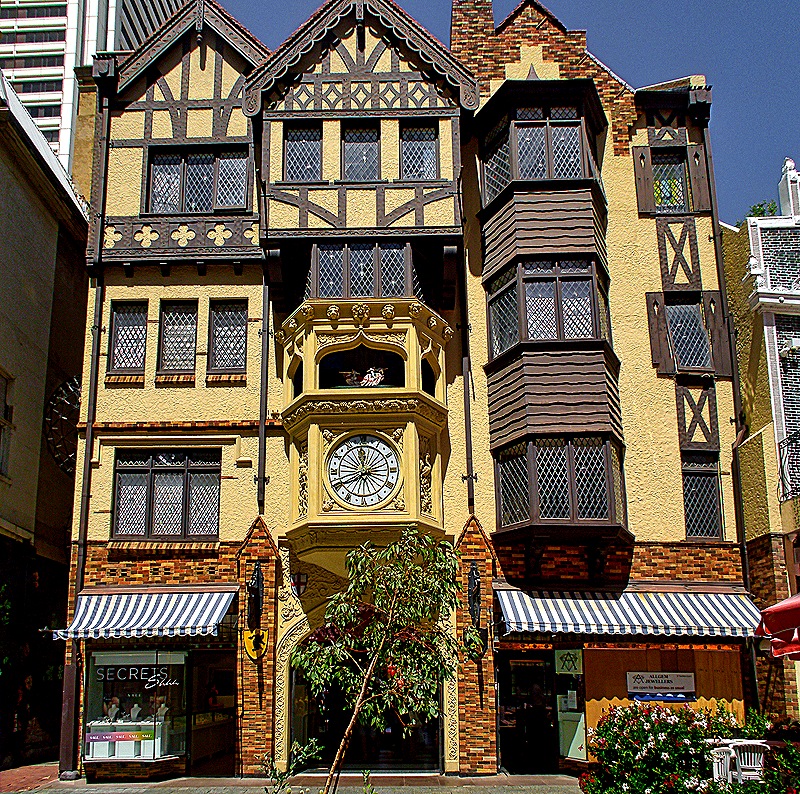
We left the bus near the State Buildings on St George’s Terrace in the historic area of central Perth for 2 hours of free time. Our guide offered to lead interested passengers on a walk to the art museum and we joined up. We walked through an enclosed mall inside the London Court building to the Hay Street mall (a pedestrian only street). London Court, with its distinctive Tudor style facade complete with mechanical knights that emerge when the large clock below chimes, was opened in 1937. The enclosed portion was like a long tunnel lined on both sides by small shops and restaurants. The Hay Street mall was lined with shops and restaurants with outdoor tables under umbrellas. Altogether very nice.
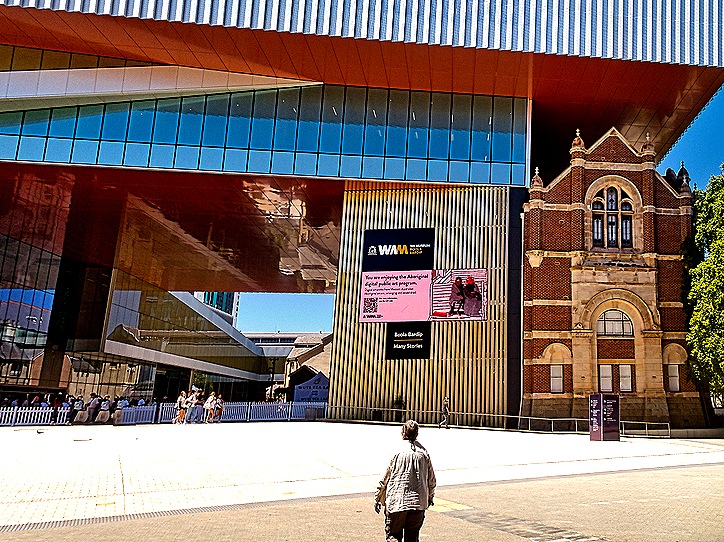
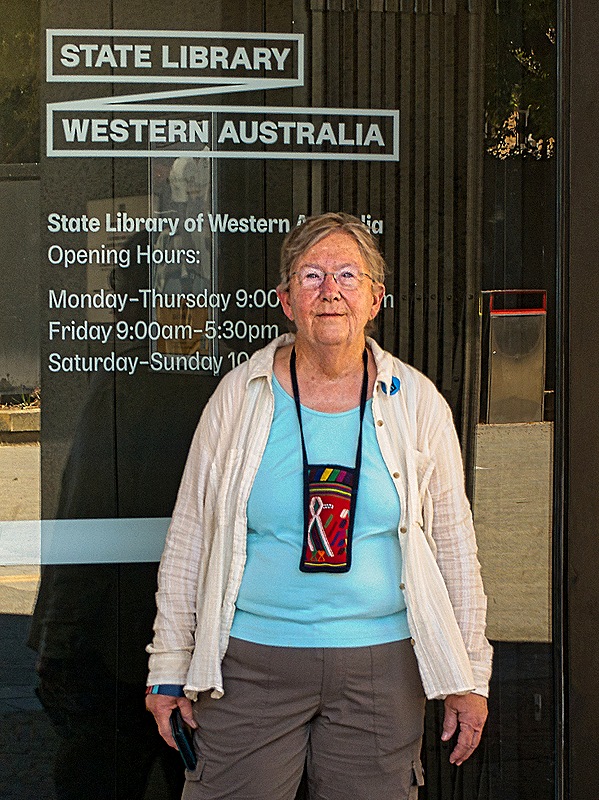
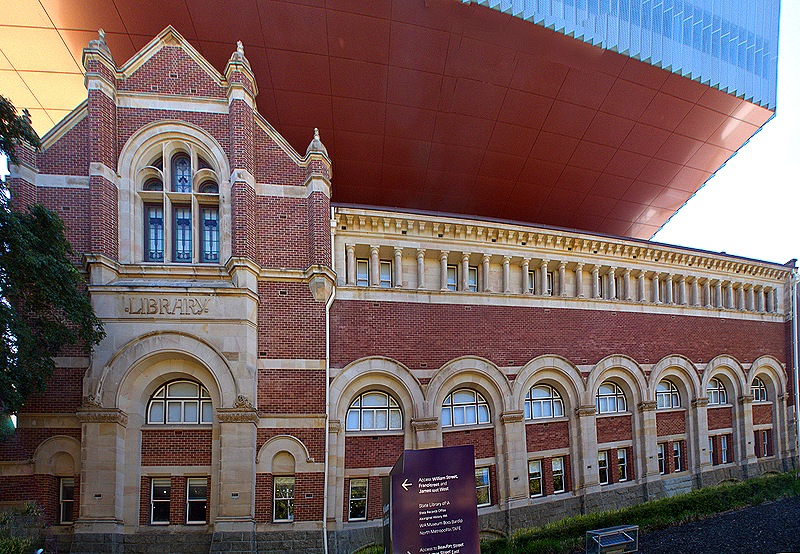
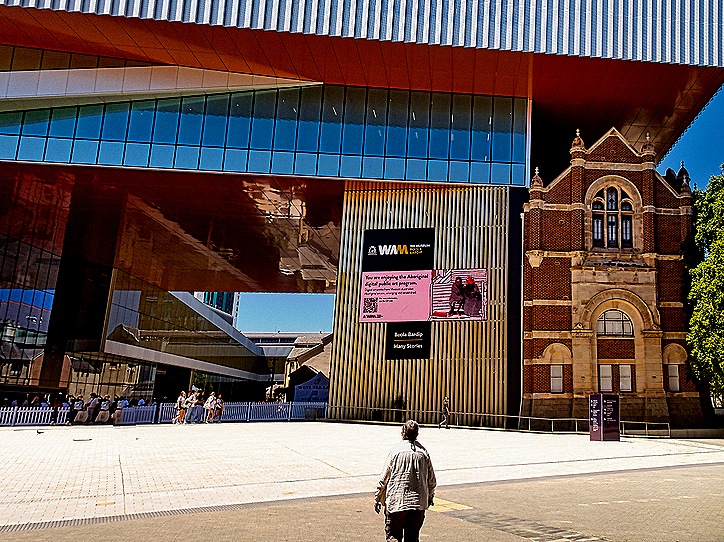
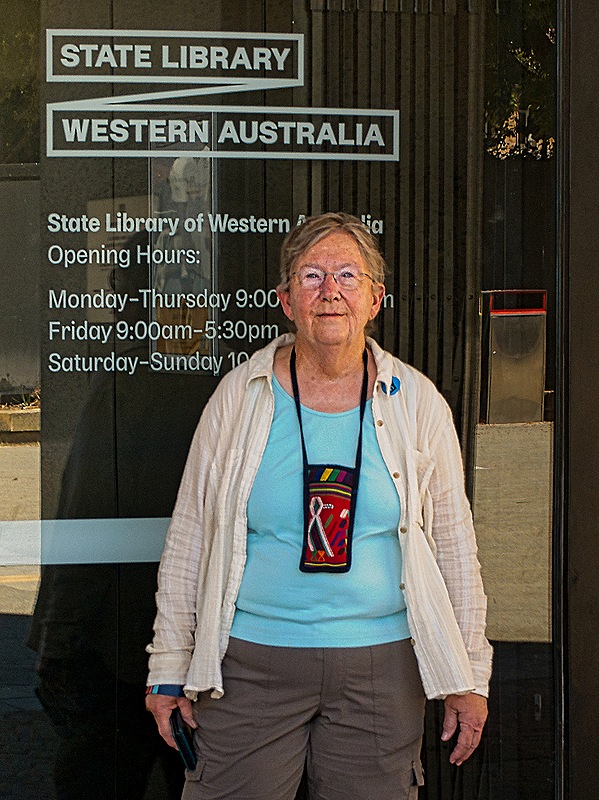
Leaving our guide when we reached the art museum we decided we didn’t have enough time to tour museums (with hefty admissions) so we walked over to the nearby State Library of Western Australia. We walked past the 1913 vintage Hackett Hall, which used to house the State Library but is now part of the Museum of Western Australia. In an unusual architectural design, the museum’s new modern building was erected next to, but also extending over the roof of, Hackett Hall, which is now home to a blue whale skeleton named Otto.
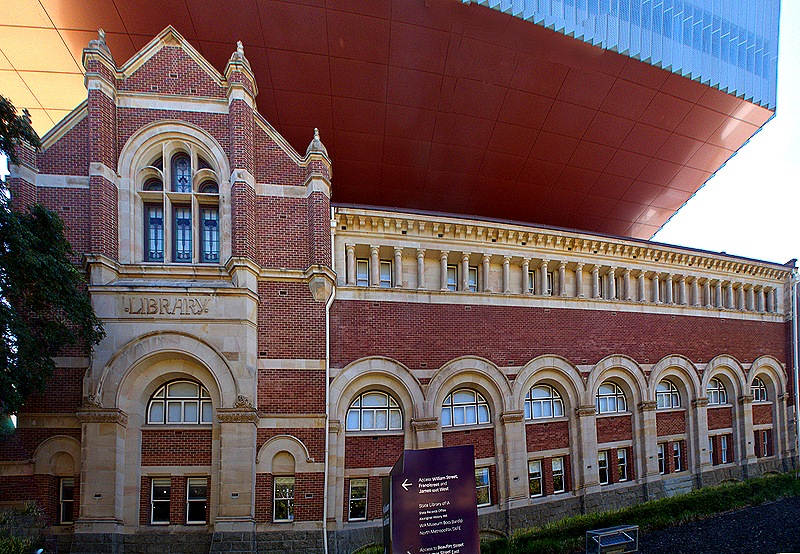
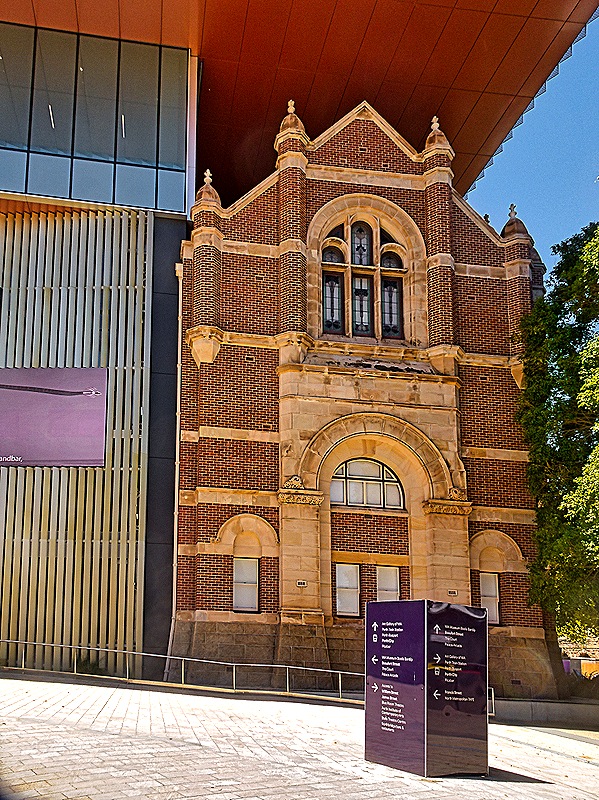
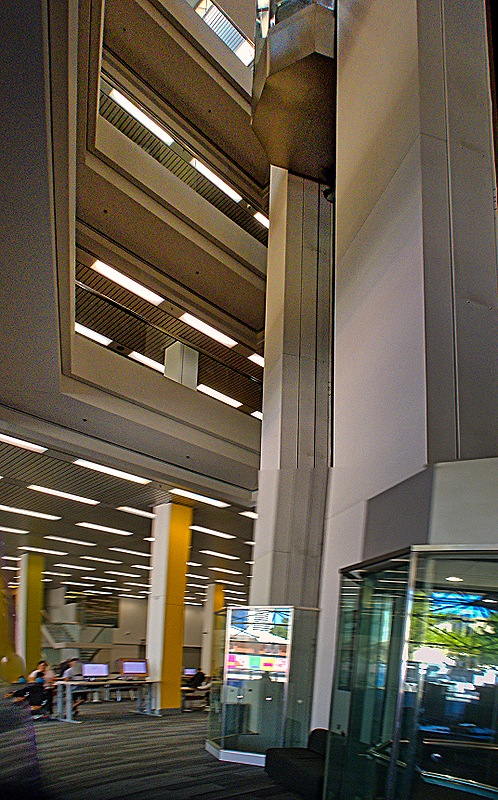
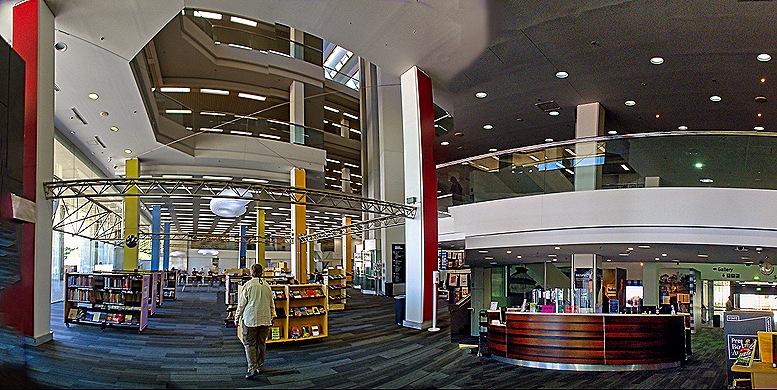
The Alexander Library Building houses the State Library of Western Australia along with the State Records Office and a collection of historical documents.
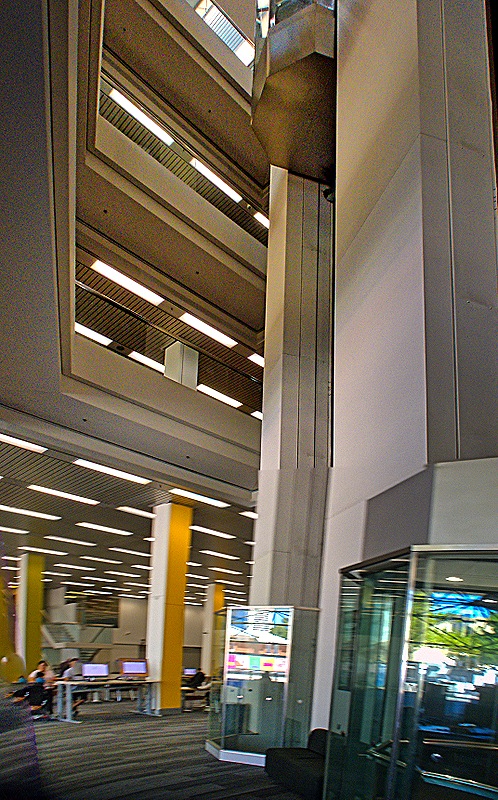
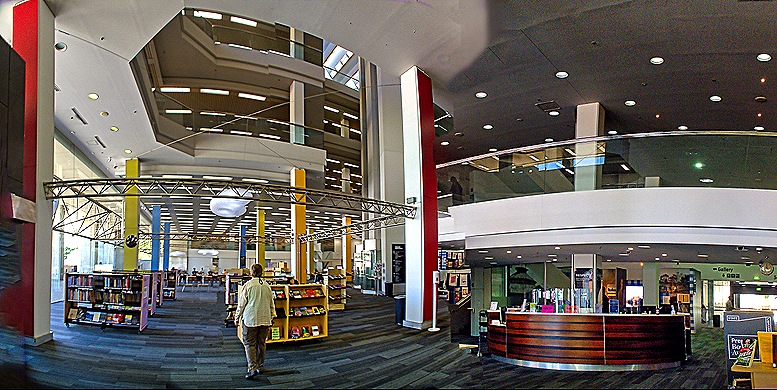
Although its roots date to 1879, the State Library has been in this building since it opened in 1985. In addition to functioning as a research and lending library with more than 300,000 books, the State Library operates a unified purchasing and exchange program and a centralized online catalogue for the other libraries throughout Western Australia. The Library’s space within this building is soaring and impressive.
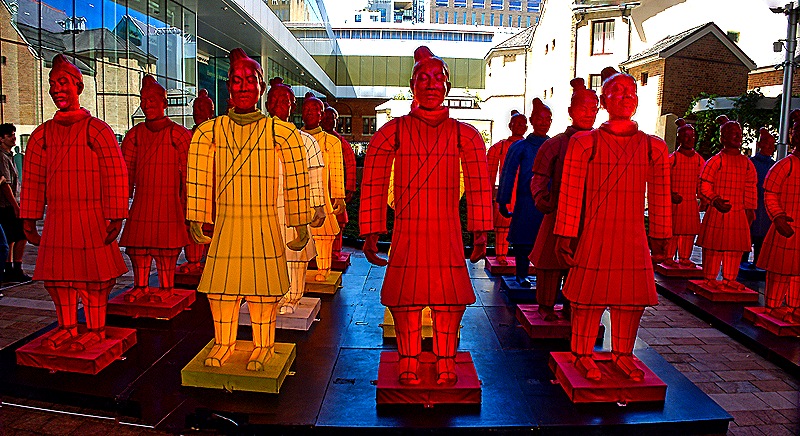
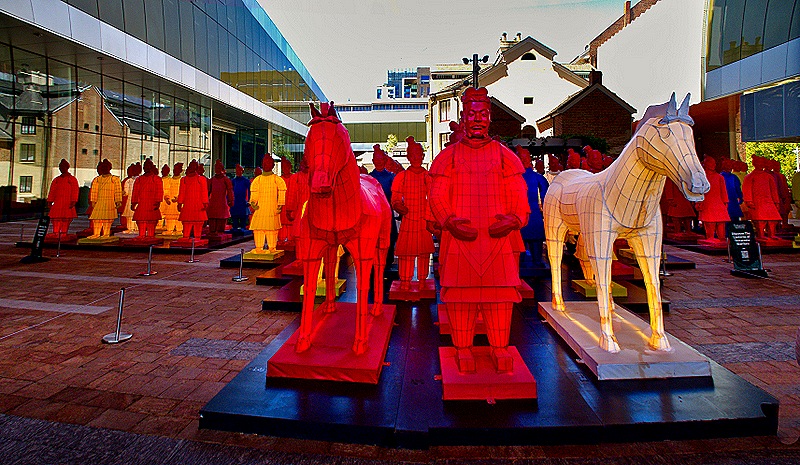
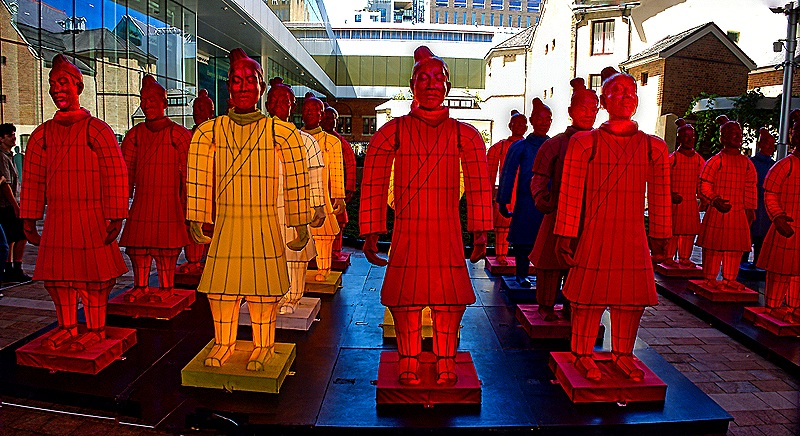
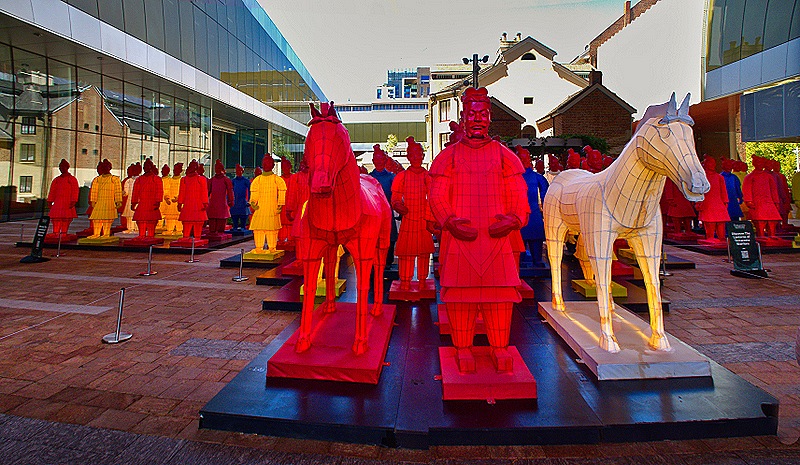
The museum was hosting an exhibit of the Terracotta Warriors from Xian, China. We didn’t see that (didn’t enter the museum), but outside in a large courtyard was an interesting installation called “The Lanterns of Terracotta Warriors.”
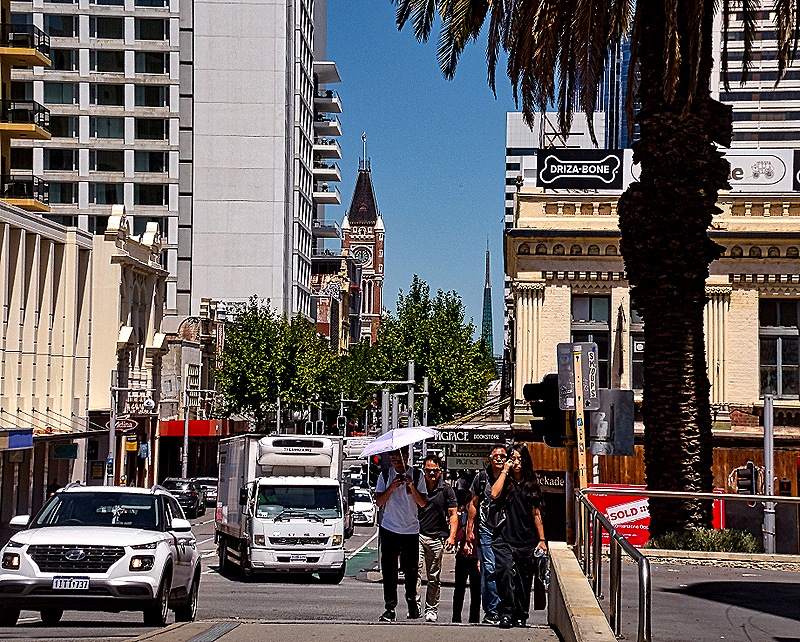
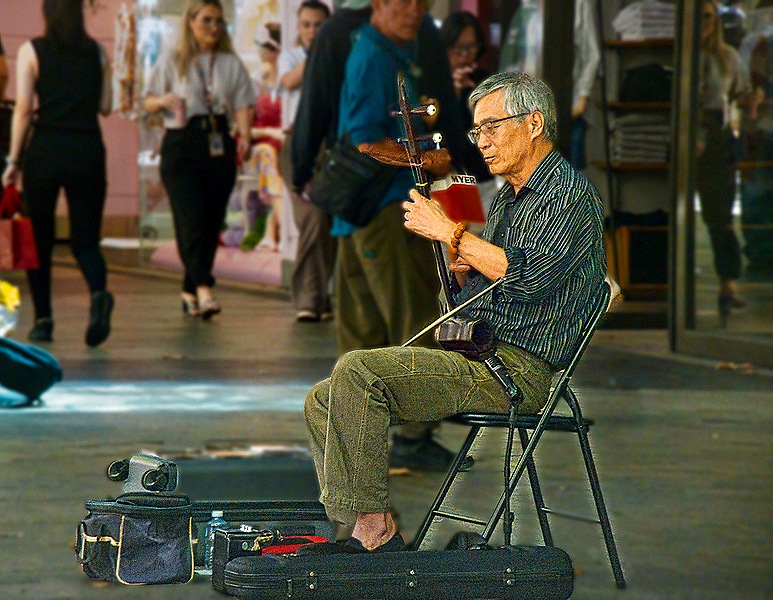
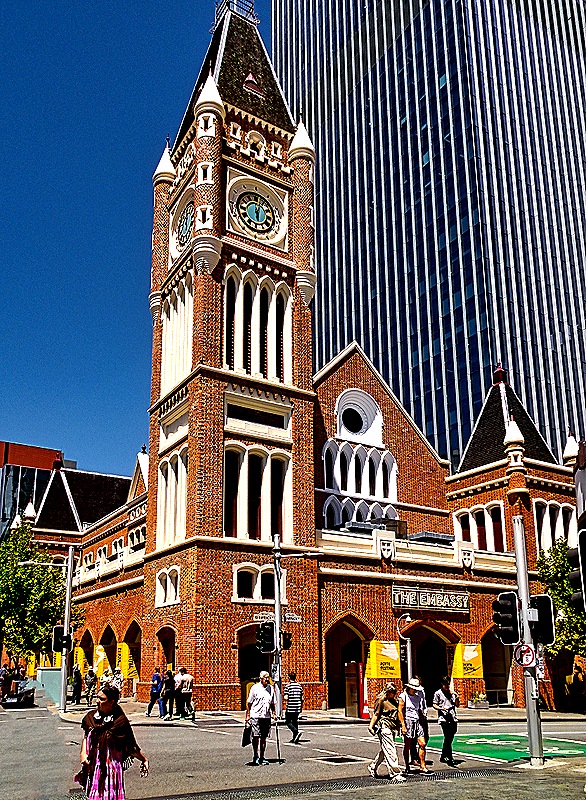
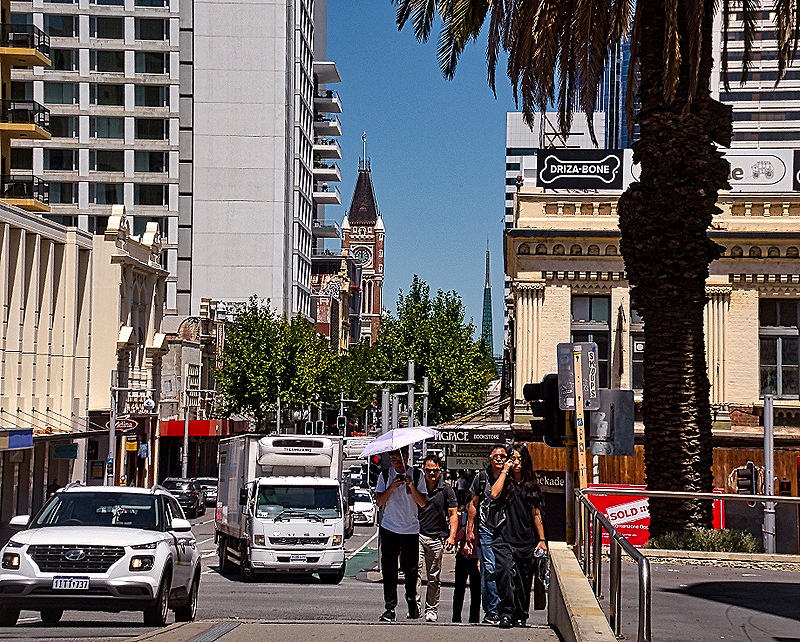
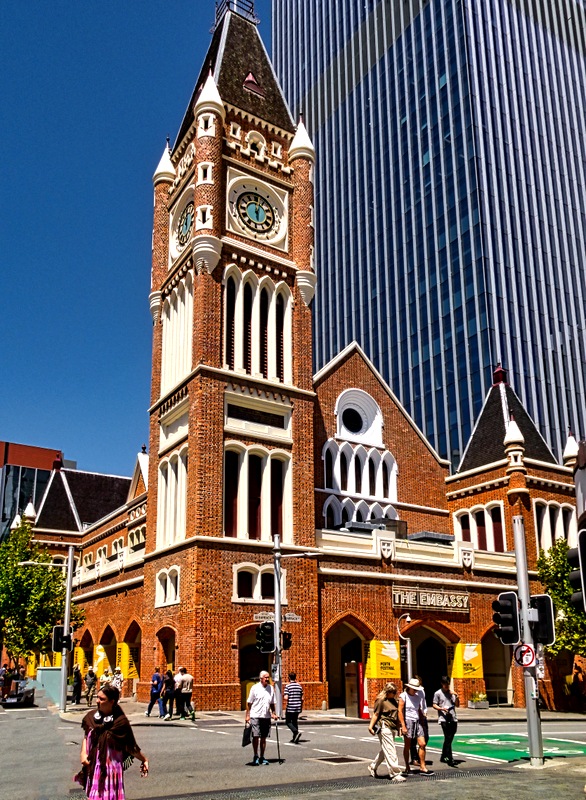
We decided it was time to head back in the direction of our meeting place on St George’s Terrace, with a couple of other places on the way we wanted to see. Australians not only drive on the left, they walk on the left too and we found it sometimes difficult to remember to do that. This walk had a nice mixture of new and old architecture, but the highlight was a walk through a pedestrian mall where we stopped at Swan River Gelato for some pistachio, tiramisu and panna cotta gelato. One fellow in the mall was playing an interesting string instrument. Perth’s Town Hall opened in 1870, the only town hall built using convict labor and the tallest building in Perth when it opened. During the 20th century the first floor accumulated many commercial entities but it was restored in the 1990’s. We walked into the front part of the building but didn’t have time to find out whether we could go further.The clock in the tower was imported from England in 1870 and is reached by a system of spiral staircases and ladders.
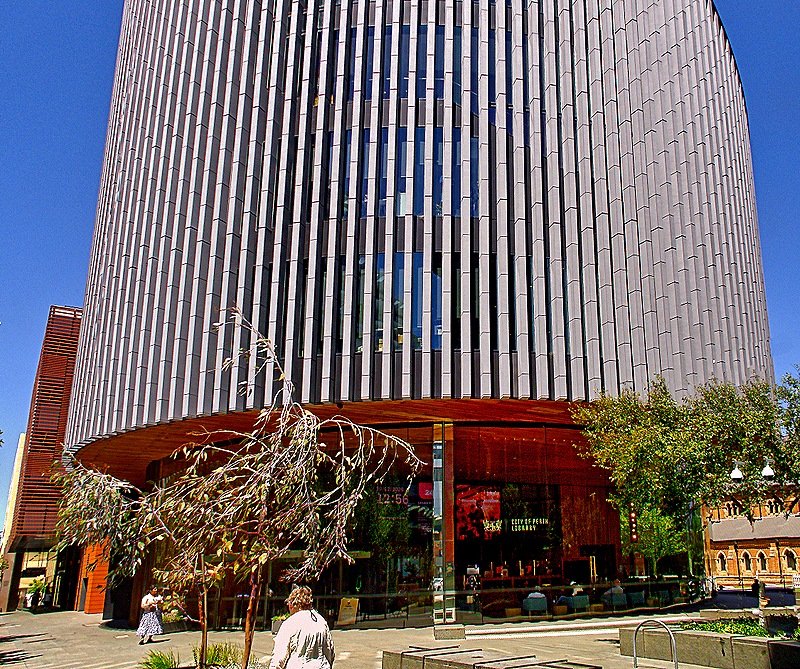
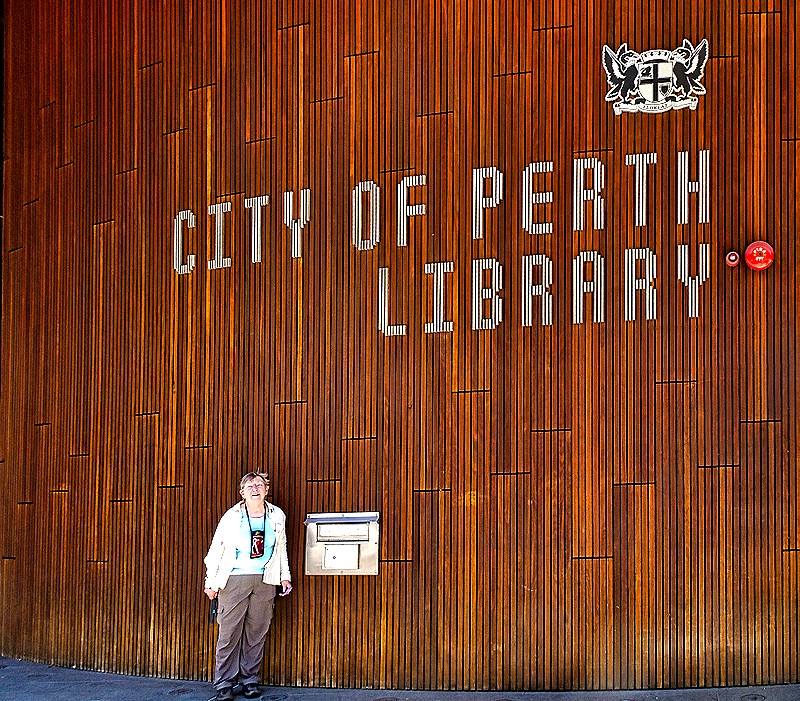
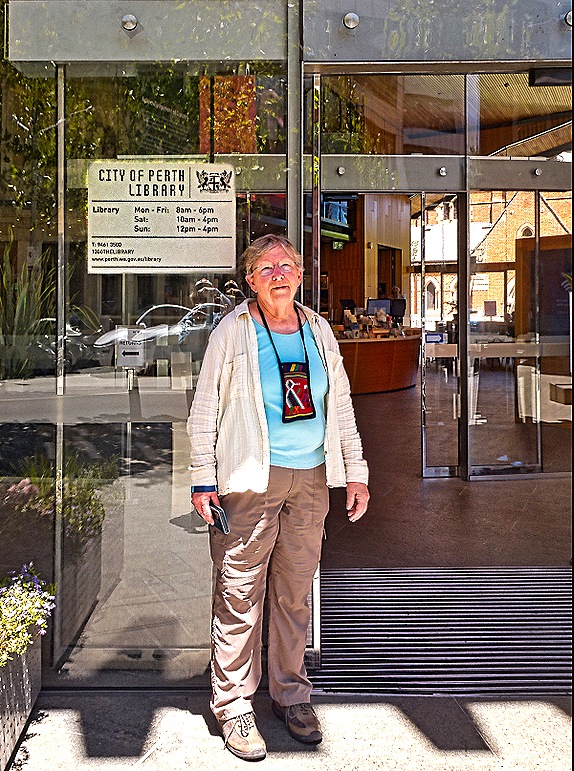
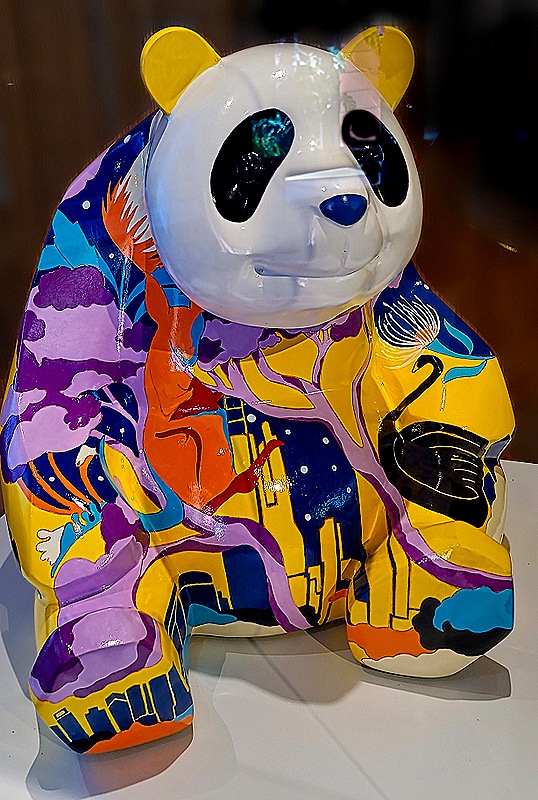
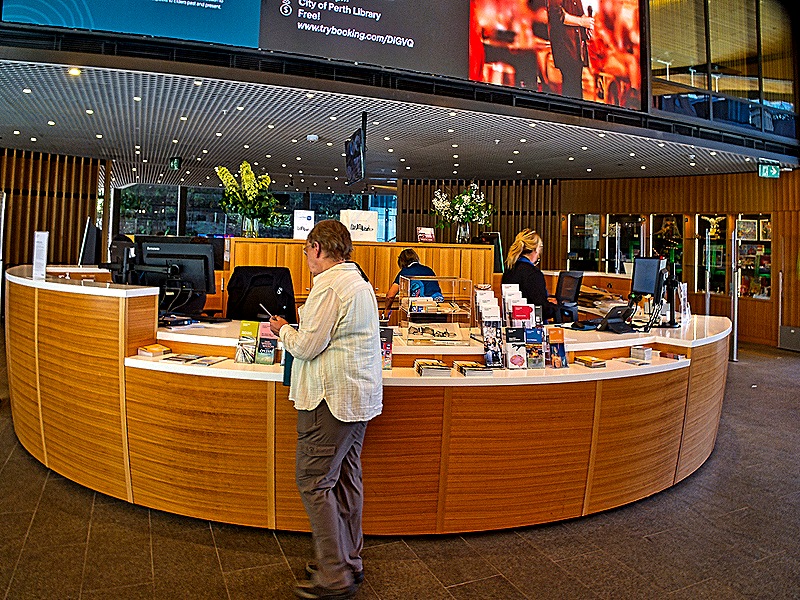
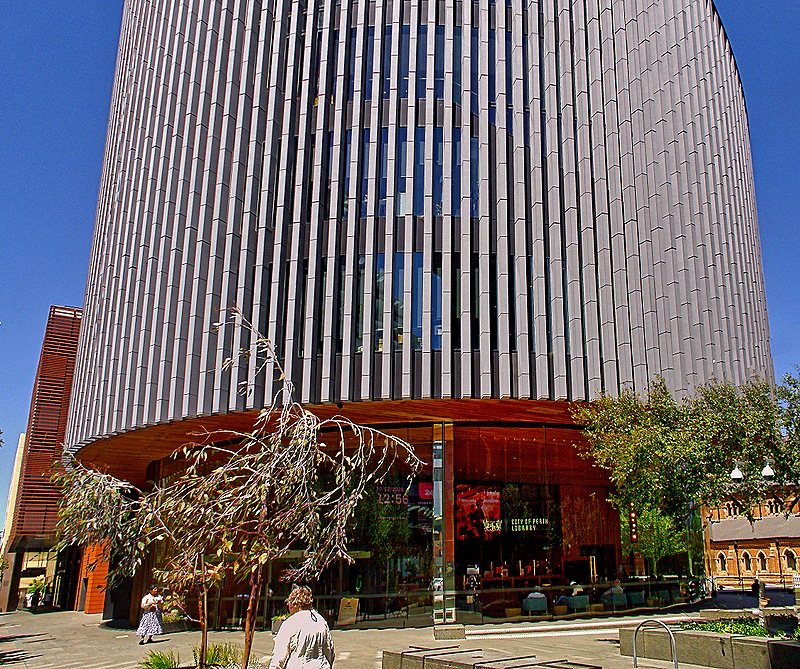
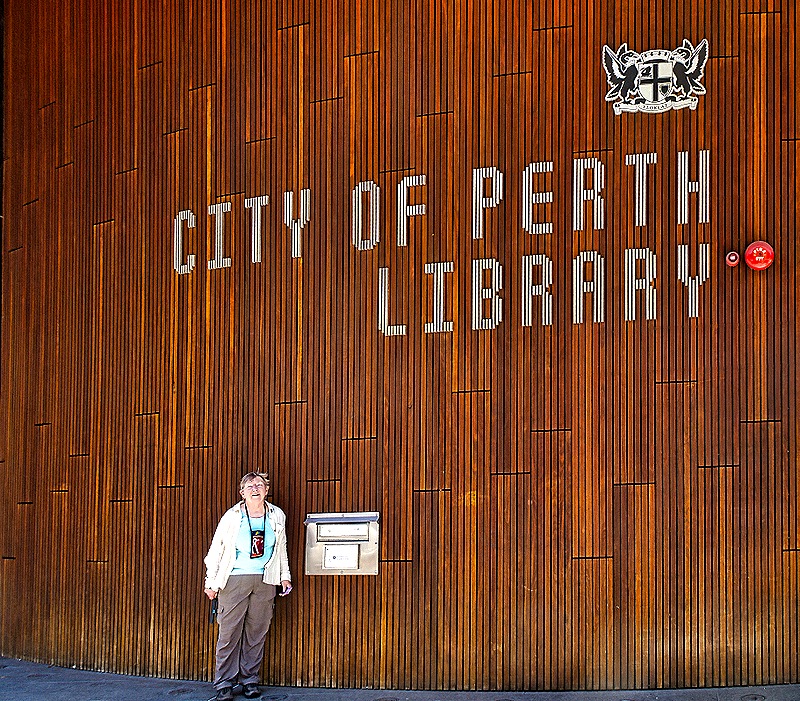
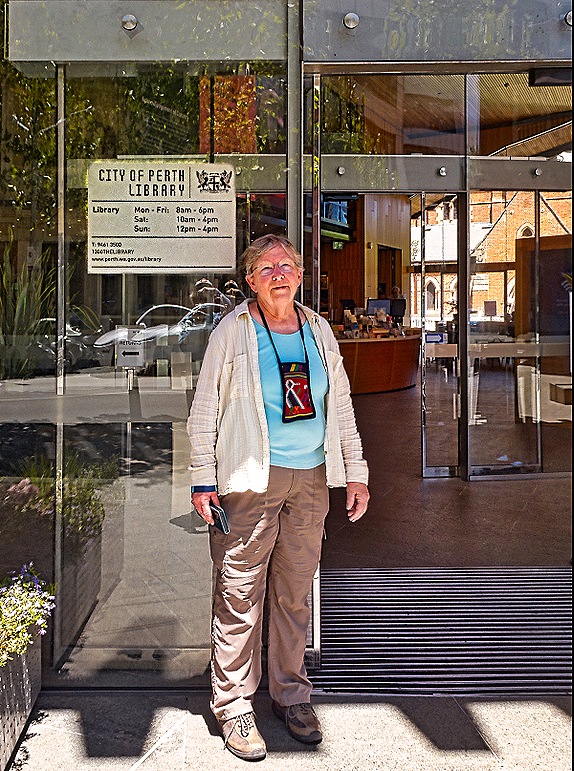
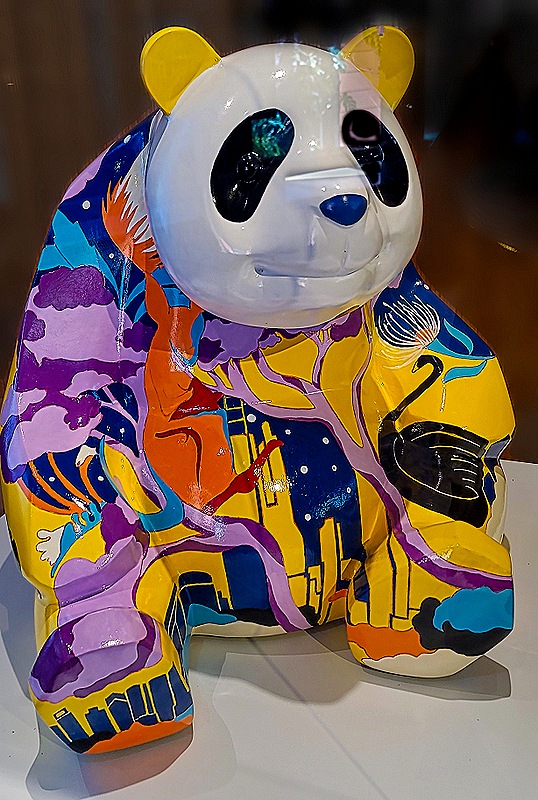
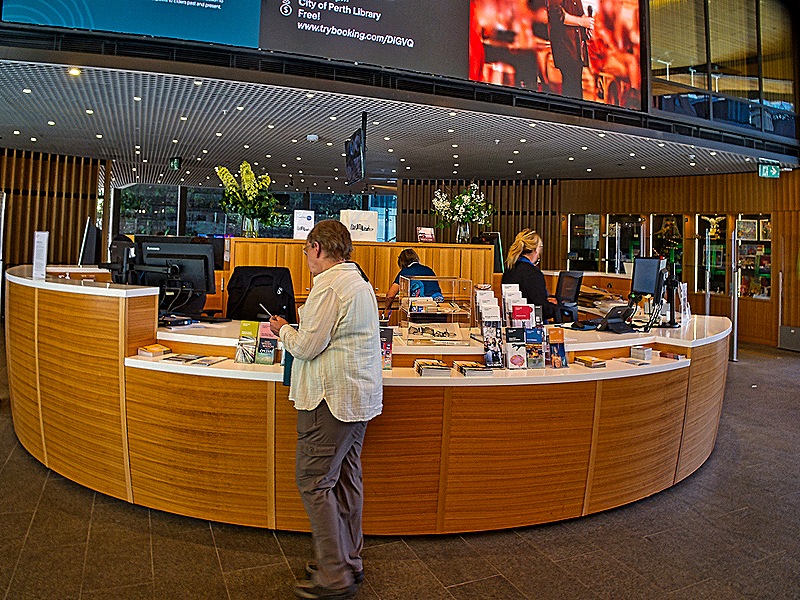
Next we stopped into the City of Perth Library near the Town Hall. The library can trace its roots to 1851 but its current building opened in 2016. It is a thoroughly modern circular building seven stories tall. We thought it was quite nice. This library operates separately from the State Library we visited earlier. A glass case in the library held a colorful panda presented to Perth in 2022 by Chengdu, China on the 10th anniversary of their becoming sister cities.
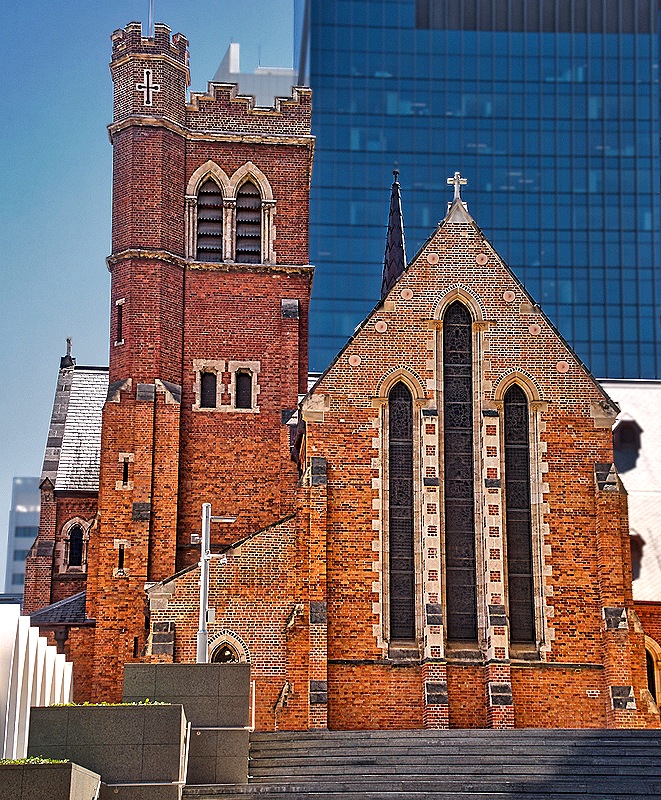
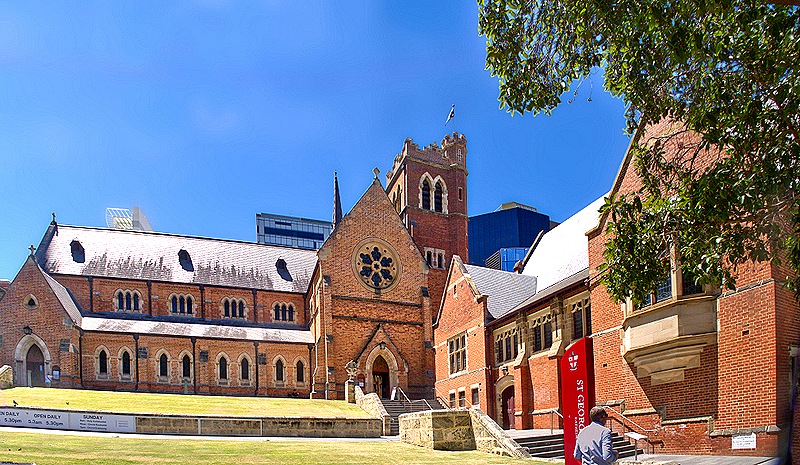
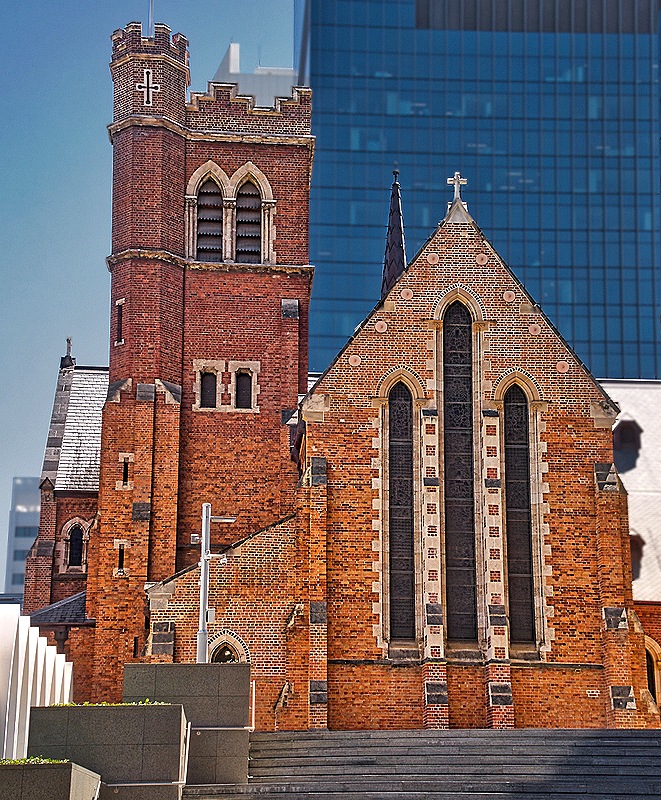
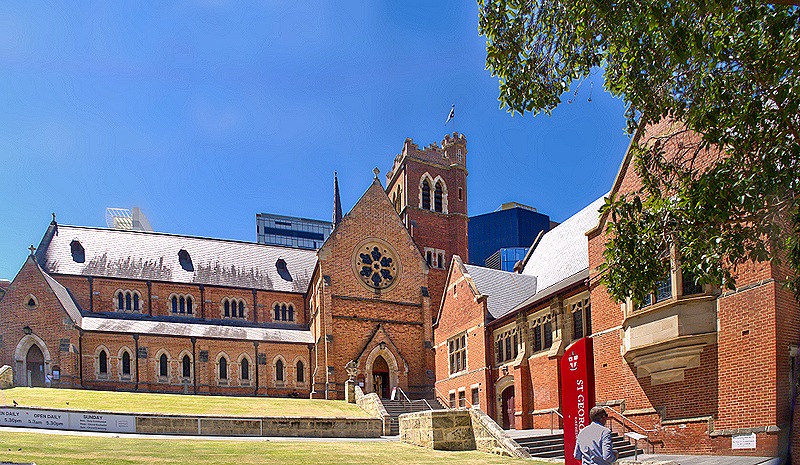
We walked down a block to meet the bus at the same place we had been dropped off. On a small hill behind us was St George’s Cathedral. Dedicated in 1888 this is the principal Anglican church in Perth.
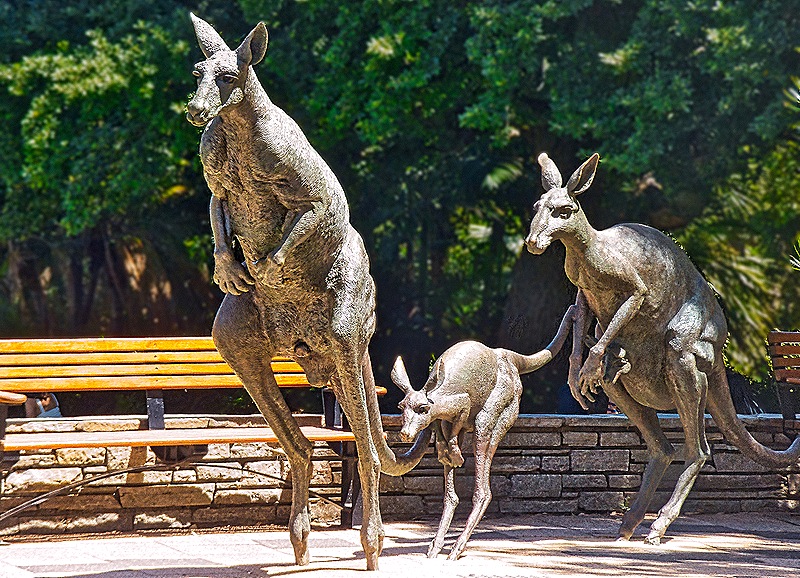
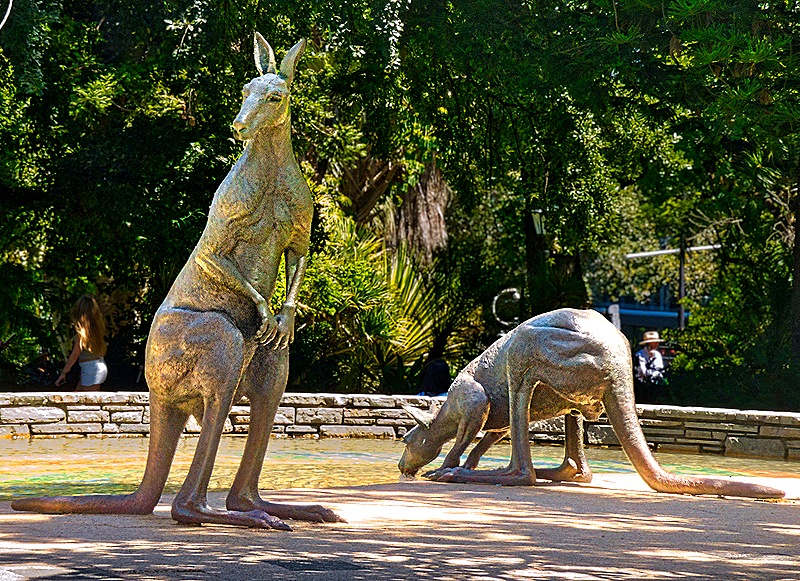
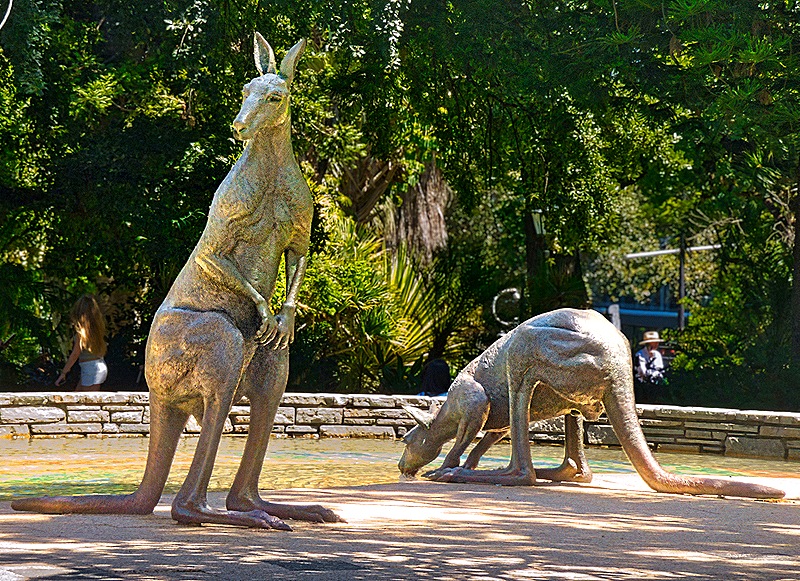
Looking across the street it appeared at first like a family of kangaroos had gotten loose in the city. But no, they didn’t move and it turned out they were made of bronze and somewhat larger than life size. These were three of the five sculptures that together are called “Kangaroos in the City” installed in 1998 on the edge of Stirling Gardens. The other two were a little further back, one kangaroo alert and the other drinking.
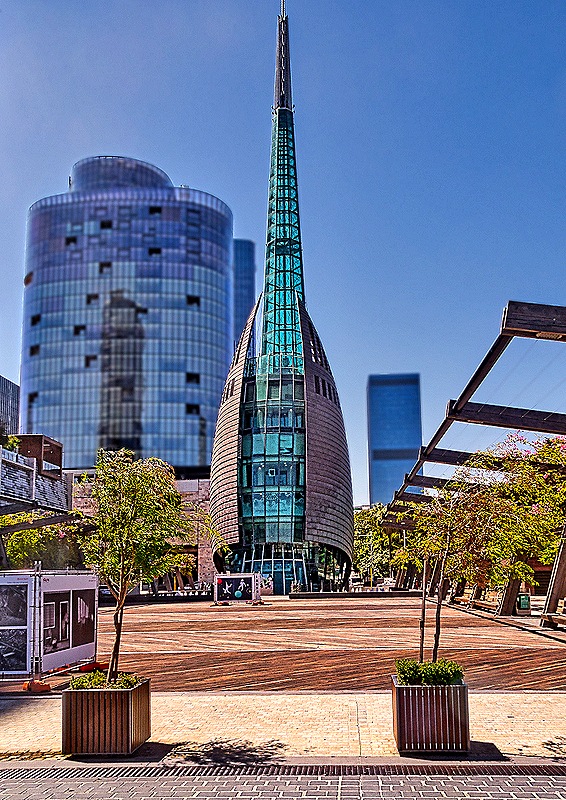
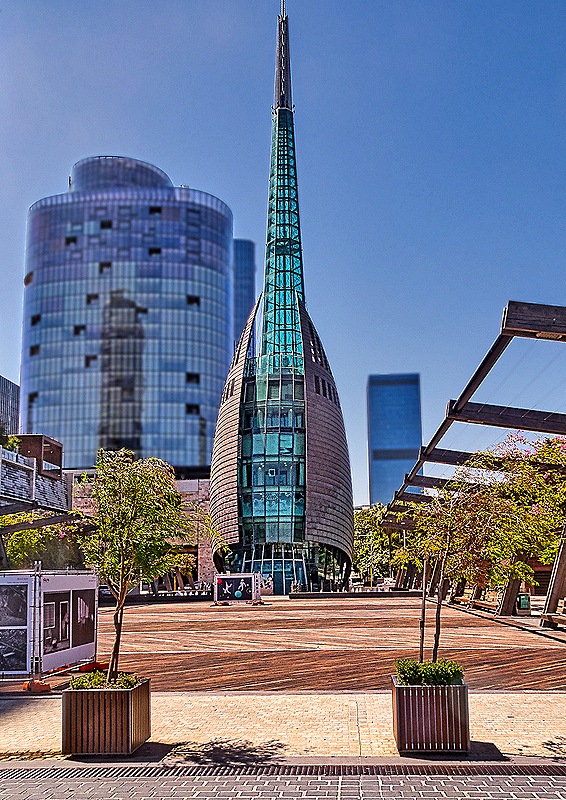
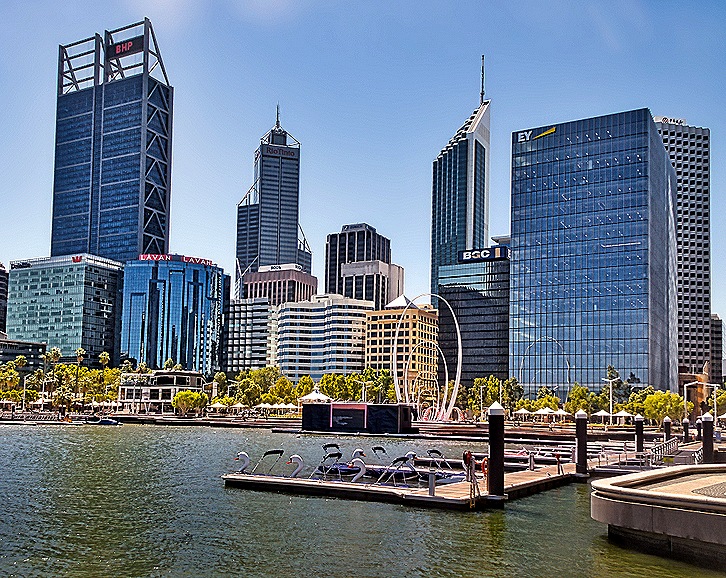
We were scheduled to return to Fremantle on a boat trip down the Swan River, so we were taken to the dock not far away. We walked together through Barracks Square and Elizabeth Quay to get there. There has been a boat jetty for river traffic here since 1845 but Barrack Square was not laid out until 1907. In 2000 the Swan Bells tower was built on the land side of the square to celebrate the millennium. It is a very tall, narrow and pointed structure made of glass, lighted from the inside at night. Twelve of the 18 bells inside are from the church of St Martin-in-the-Fields in London and date back to the 14th century (although recast a couple of times since then). After we boarded the river boat and left the dock we had a view of Elizabeth Quay, with several boat slips and the large sculpture Spanda in the center, which was installed in 2016. About 9 stories tall, Spanda is the largest freestandng carbon fiber structure in the world.
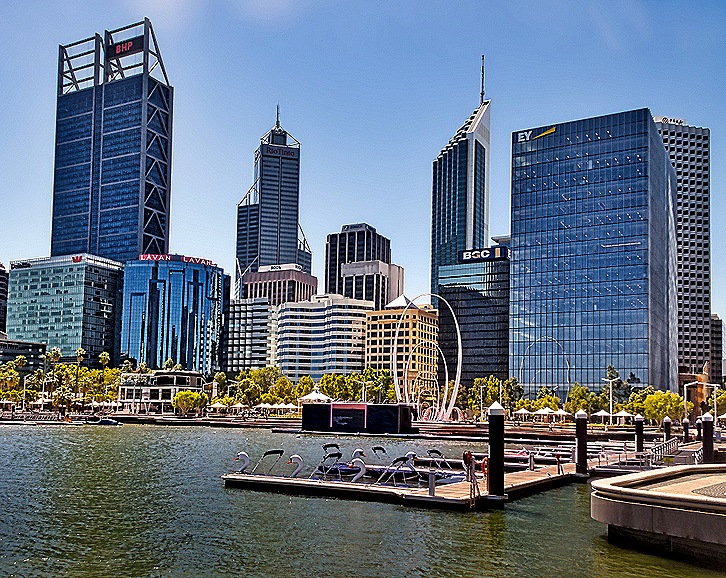
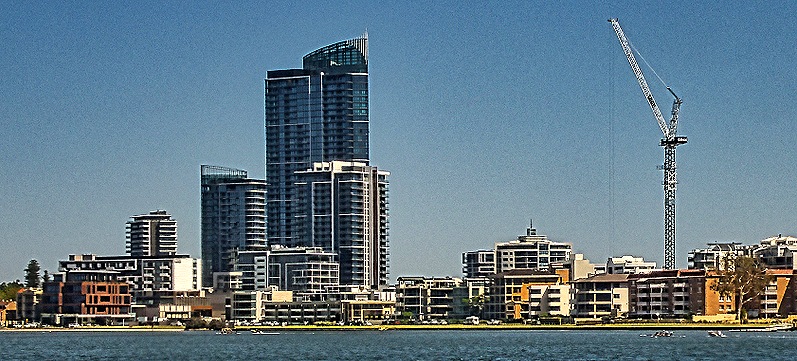
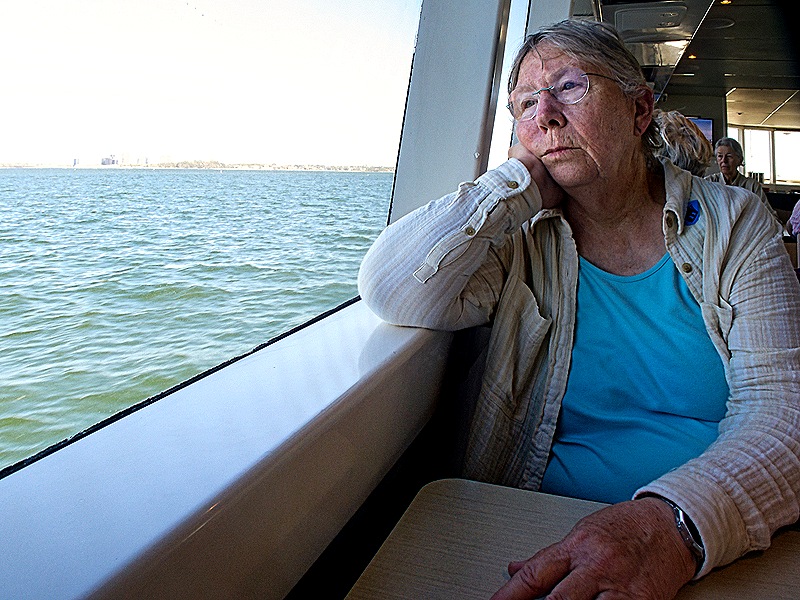
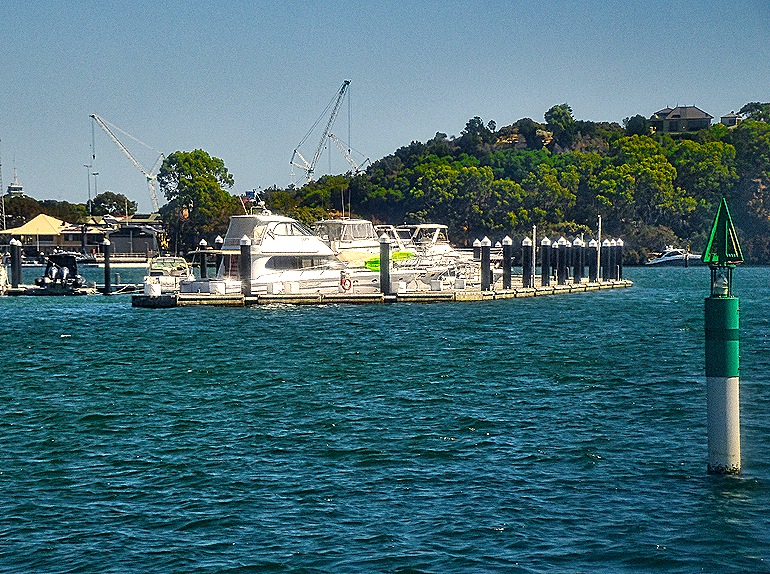
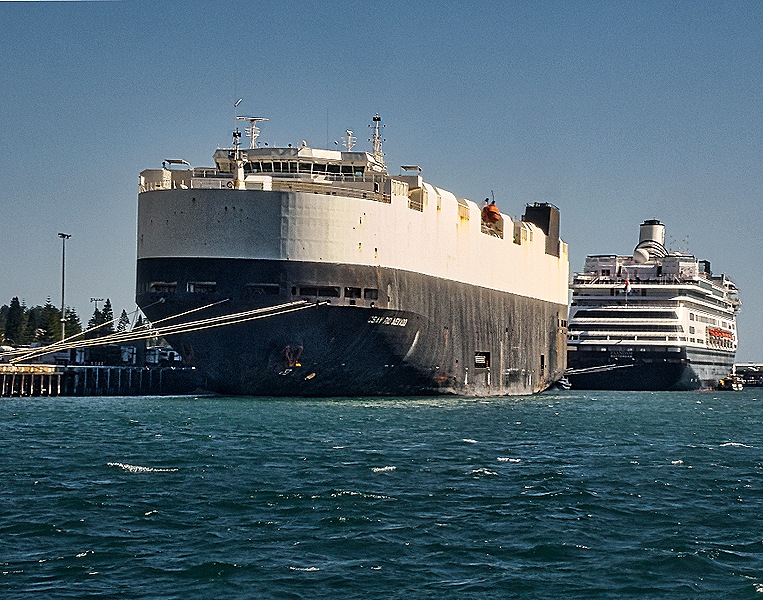
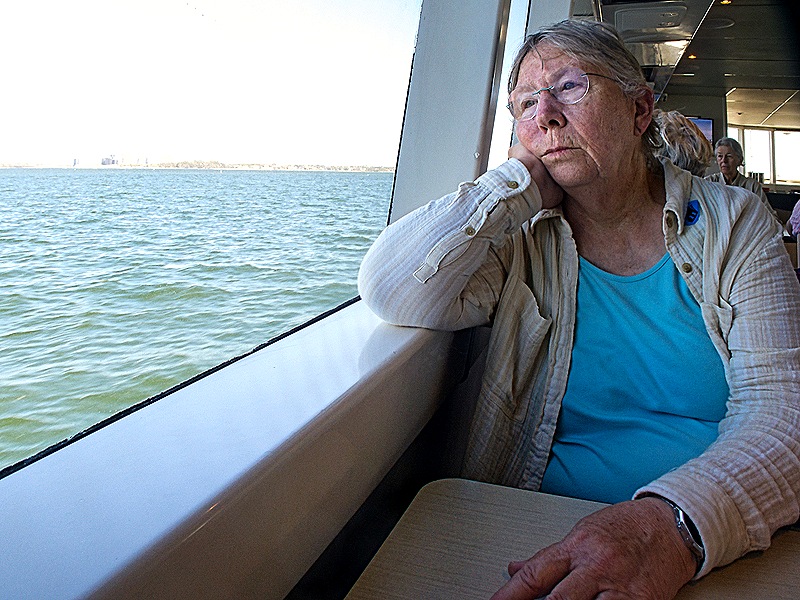
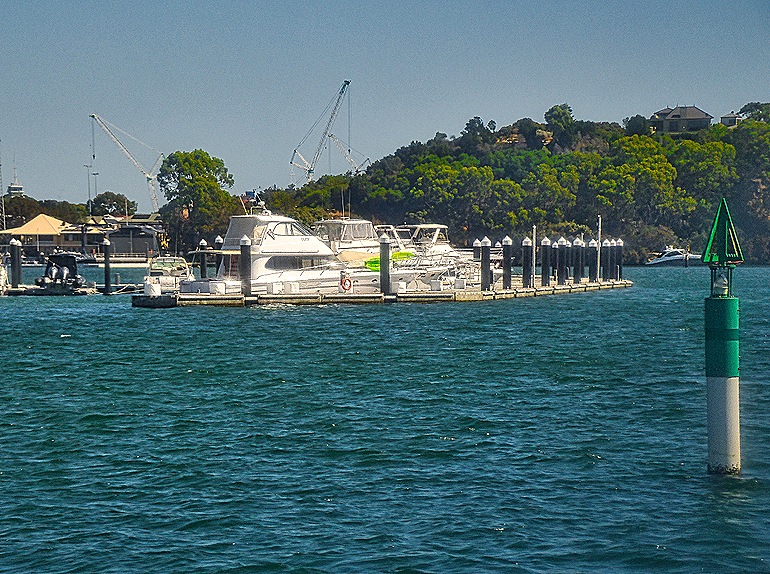
When we signed up for this excursion they made this sound like a scenic and enjoyable river cruise. But it really wasn’t. The boat was rather crowded, we all sat at tables, the scenery was neither very scenic nor varied and there was little in the way of interesting landmarks to see. A small boat dock before a turn in the river was about the most interesting sight. When we got close to Fremantle we did sail under the bridge we had seen under construction in the morning, which was interesting, and a large boxy ship that might have been a tanker was docked in front of the Zaandam.
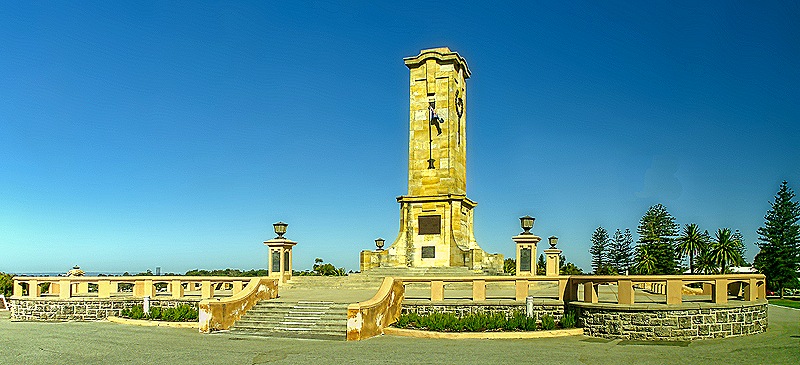
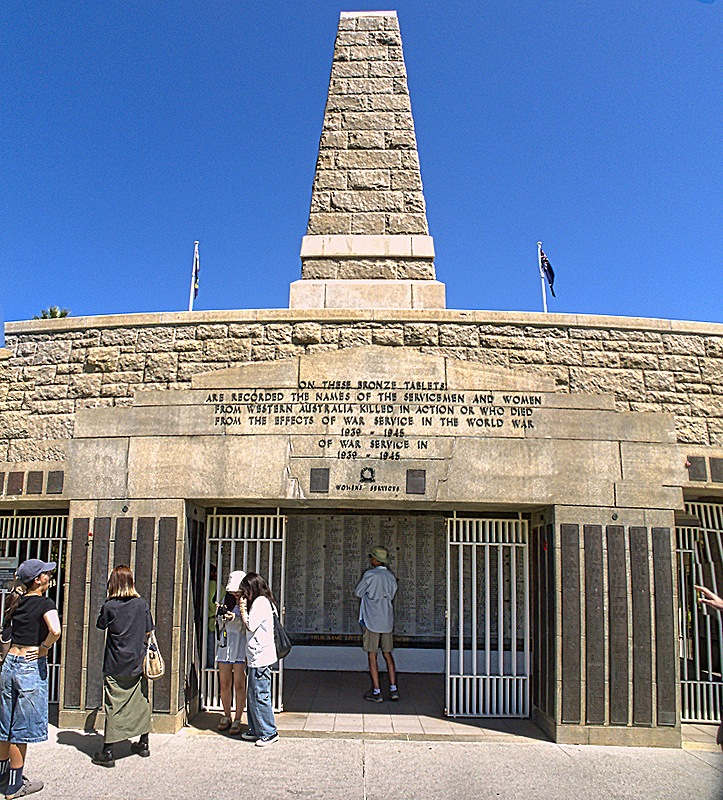
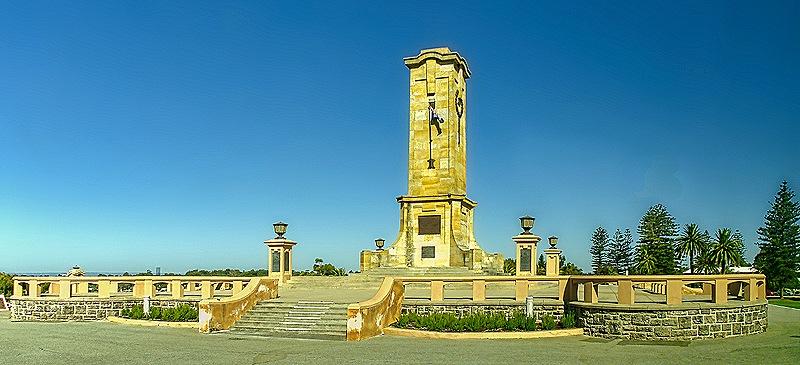
It had been a long day and we were looking forward to getting back to the ship as we boarded the bus on the dock. But no . . . first we had another unnecessary drive through the streets of Fremantle and then they took us up a hill to see the Fremantle War Memorial. Completed in 1928, it honors the almost 60,000 Australians who died in World War I. The central tower is about 60 feet high.
After this we finally made it back to the ship, ending a long but interesting day. If we were to do it again we would take the train, which runs from a station walking distance from the ship to the center of Perth. That would be much faster and much less expensive. Tomorrow was another day in Fremantle, this time on foot.


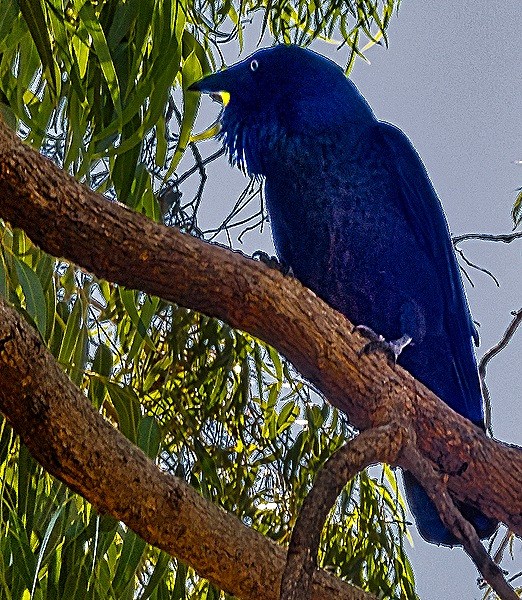
This bird is a mature male Satin Bowerbird (Ptilonorhynchus violaceus), an endemic species found along the eastern coast of Australia.
While it looks somewhat like a crow or a raven at a quick glance due to its shape and size, it can be easily distinguished by its dazzling, glossy metallic blue-black plumage, striking violet-blue eyes, and pale greenish-yellow bill.
October 3, 2026 at 7:42 pm
Thank you Glenda, that’s interesting and, obviously, something we didn’t know before. He sure had a lot of personality.
October 3, 2026 at 8:41 pm