
Easo, Lifou, New Caledonia 2026
Lifou is the largest of the Loyalty Islands that make up a province of New Caledonia. We arrived here on January 27, the first of two ports in the French overseas territory of New Caledonia. Fewer than 10,000 people live on this island, about 95% of whom are Kanaka, a Melanesian ethnic group whose ancestors arrived more than 3,000 years ago. It was first spotted by Europeans in the early 19th century and received Christian missionaries around the middle of the century. The population today is overwhelmingly Christian, including Protestants and Catholics.
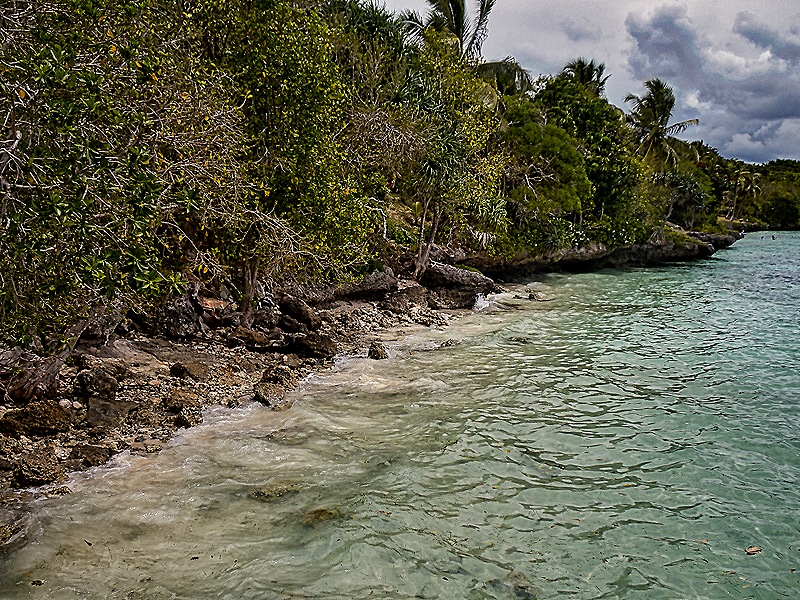
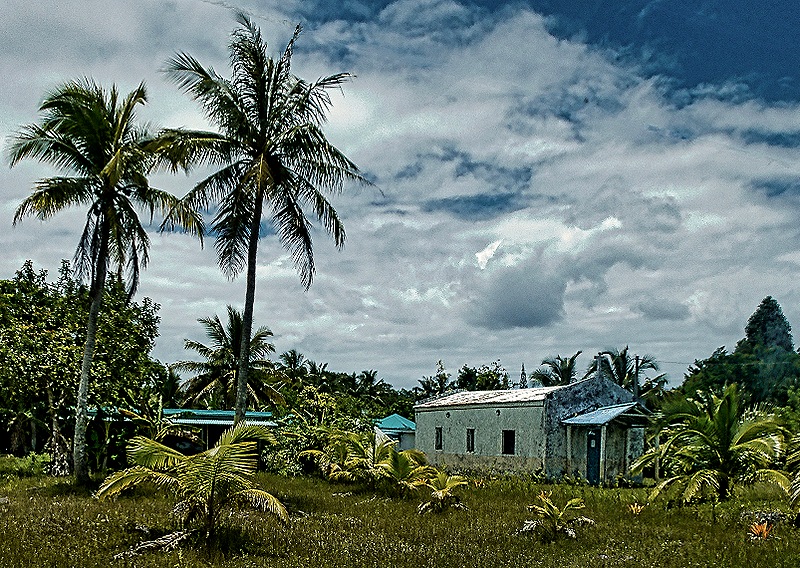
Lifou was once a large coral reef that was uplifted by tectonic forces into an island. Its surface is mostly flat, no higher than 60 meters above the sea, and there are no rivers or standing water on the surface. But as we tendered ashore this morning we could see that its shores were lined with very dense green flora.


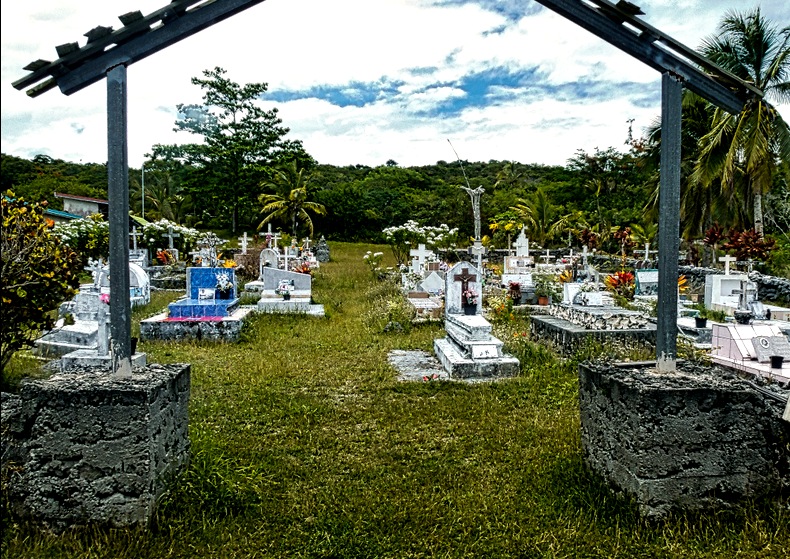
An open sided structure had local vendors and musicians to entertain cruise passengers waiting for excursion buses. This was very helpful because it was a gray day with intermittent rain (and hot and muggy at the same time). After a longer wait than we would have preferred our bus arrived and we climbed aboard. As we drove down the road to our first stop we passed a church and a cemetery and several rather isolated houses, but few (if any) neighborhoods.


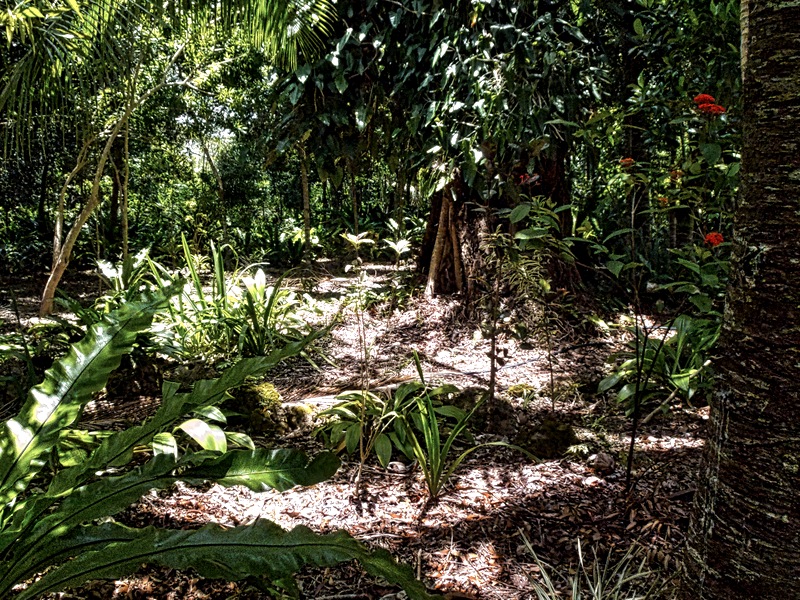
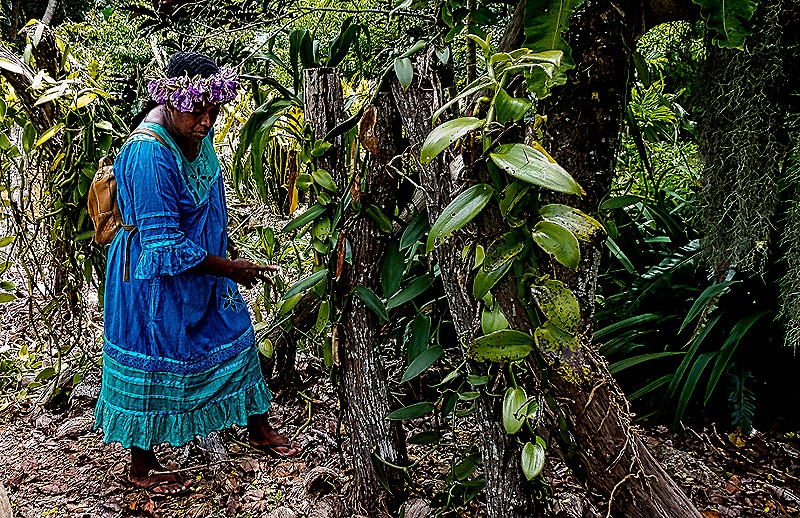
Departing the bus we had a pretty good walk through a forest to reach the botanical gardens. Many colorful flowers and interesting trees were to be seen there. Vanilla, brought here from Madagascar, is grown by many of the people here and our engaging guide, Flo, gave a talk about how it is grown and cared for in this environment; very labor intensive. We were served cups of vanilla tea while we were there.


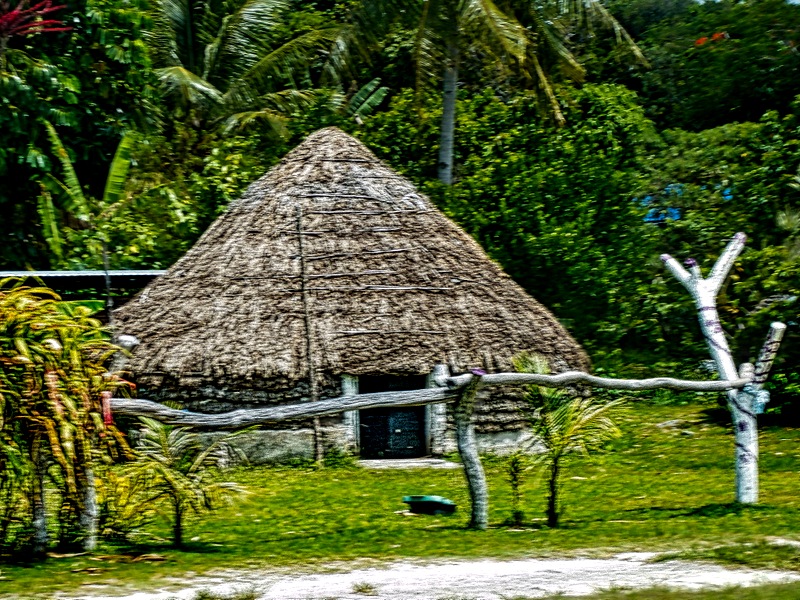
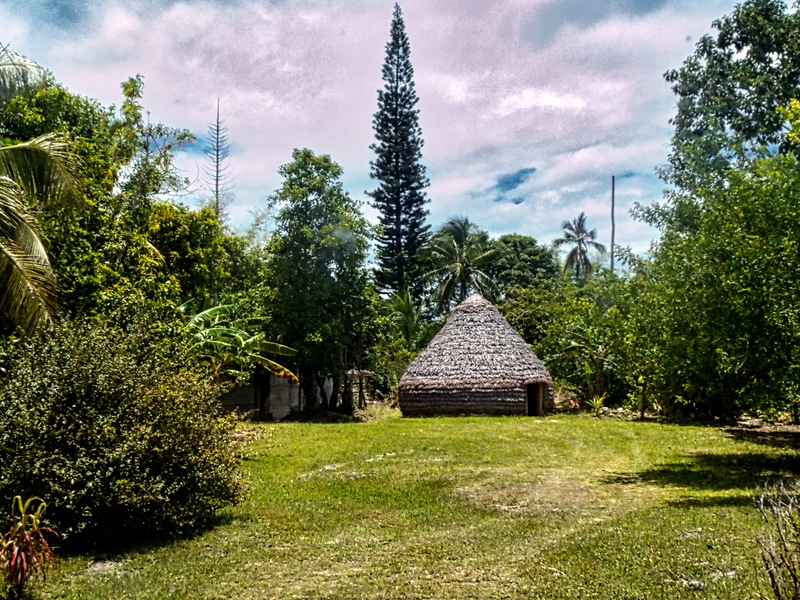
Driving on toward Jokin we passed many traditional grass or palm leaf huts. People live in some and some are used for ceremonial purposes. Even some people living in houses still maintain a traditional hut nearby for ceremonial activities.


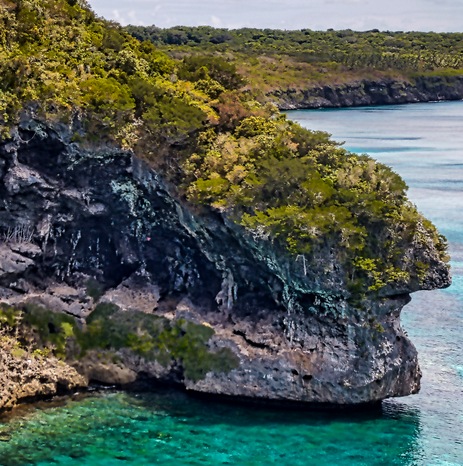
Our final stop was the village of Jokin. Our guide Flo, who lives here, explained that this was the territory of her tribe, also called Jokin. She said there are some 39 tribes in the Loyalty Islands, each with its own language. They communicate with each other in French, which is widely spoken (it is, so to speak, the lingua franca of the area). We were here mainly to see the Cliffs of Jokin, which was the featured attraction on our excursion and is owned by this tribe. The cliffs are certainly beautiful, but the water in this area is even more so. The water is really clear and you can see rocks and coral sitting on the bottom even from a cliff top. There is a mostly wooden stairway from the village down to the water, but there are more than 200 steps (and another 200+ to get back up) so we passed on that. The view from the observation platform at the top was plenty.


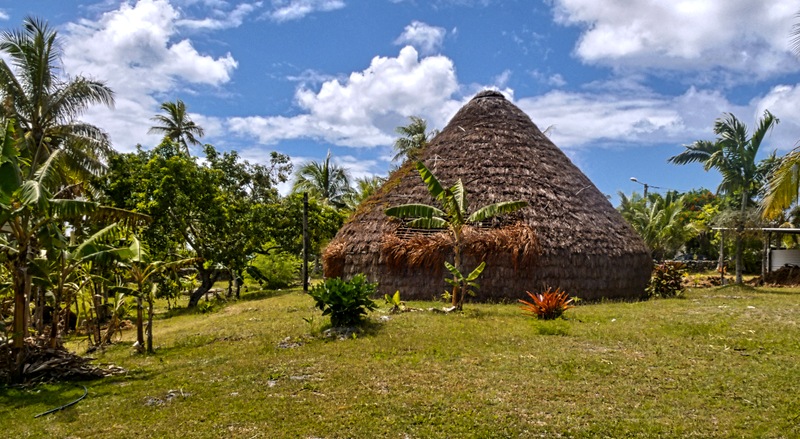
In the middle of the village was an unusually large grass or leaf hut. We were told that this belonged to the chief and was used mainly for ceremonial functions. We were invited inside, which required bending completely at the waist because the doorways were so low. Apparently this is done to ensure that anyone entering had to bow low to the chief as they came in. Several visitors had some trouble entering and Mary chose not to because of her knee issues. There were two openings and we were asked to enter only through the left one because that is the tradition. A huge scaffold made of tree trunks and branches had been erected in the middle of the room because the leafy thatch of the roof and walls were being replaced, a task that must be done about every five years. If I (Rick) remember correctly the chief had another hut to live in that was not far away.


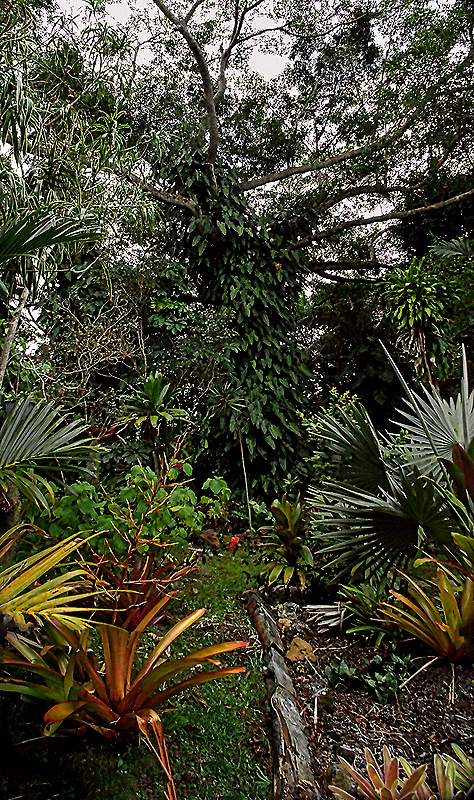
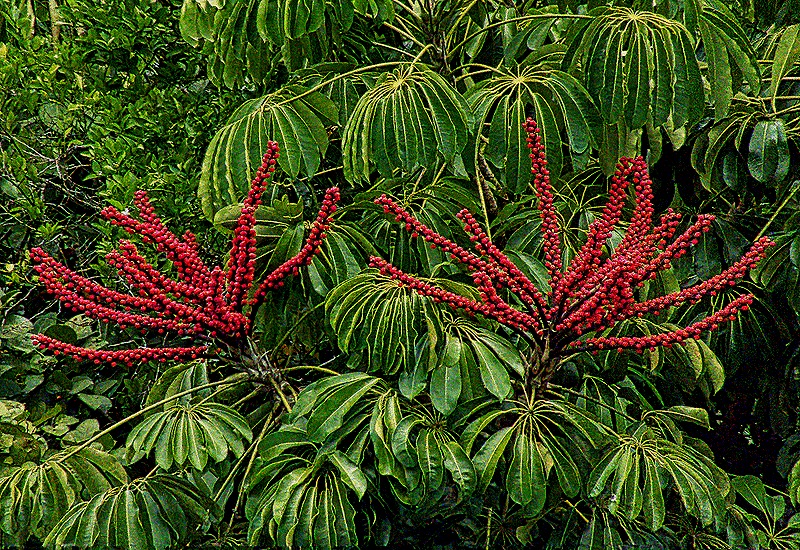
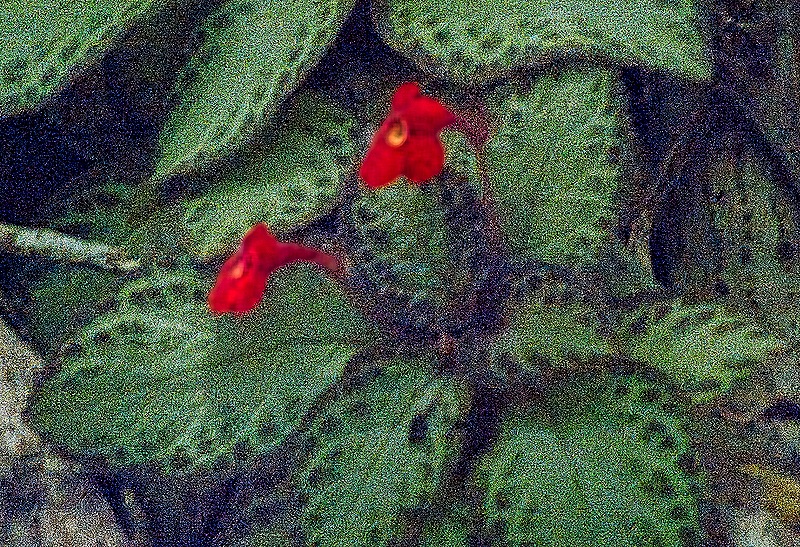
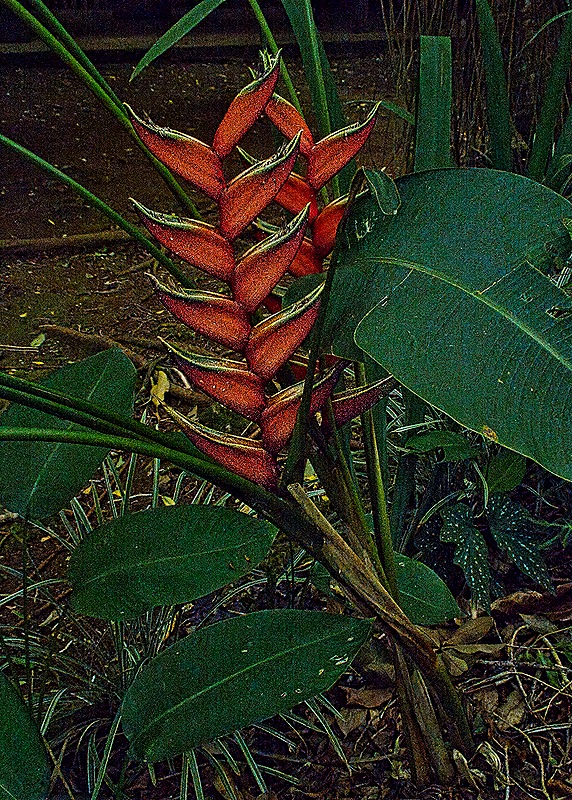
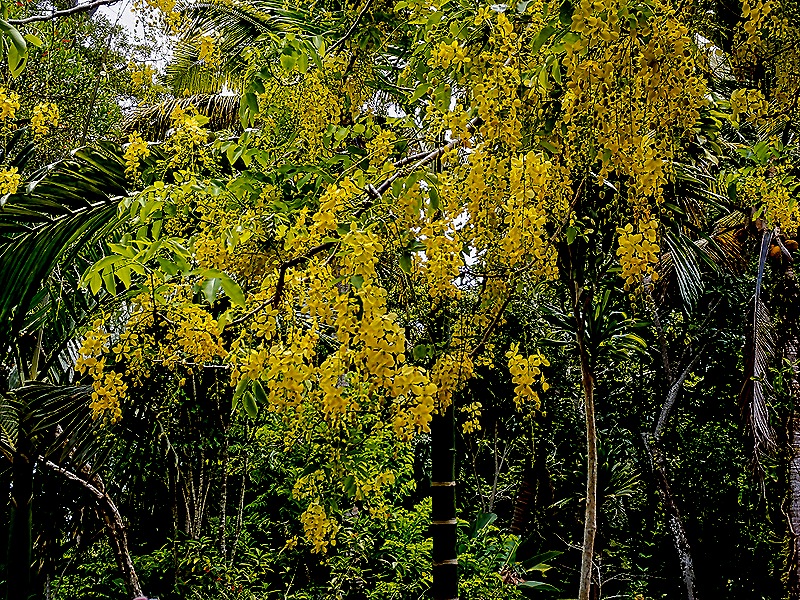
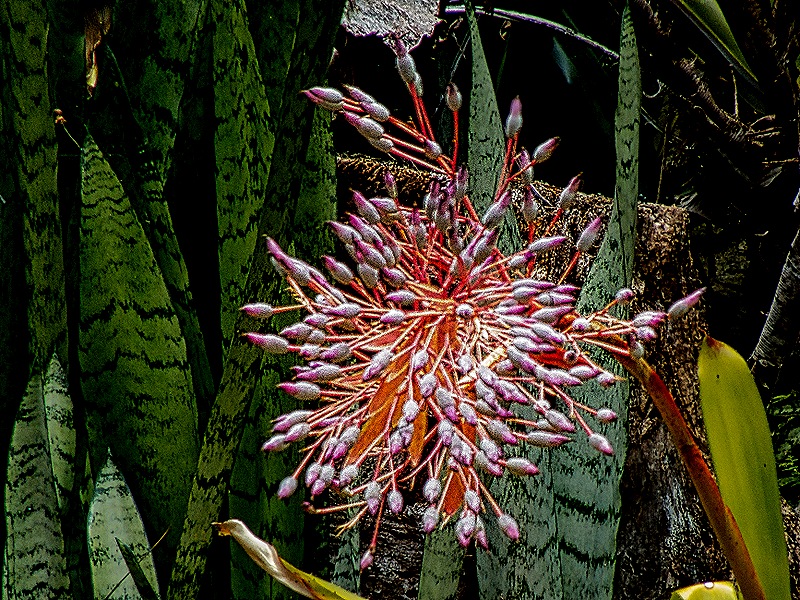
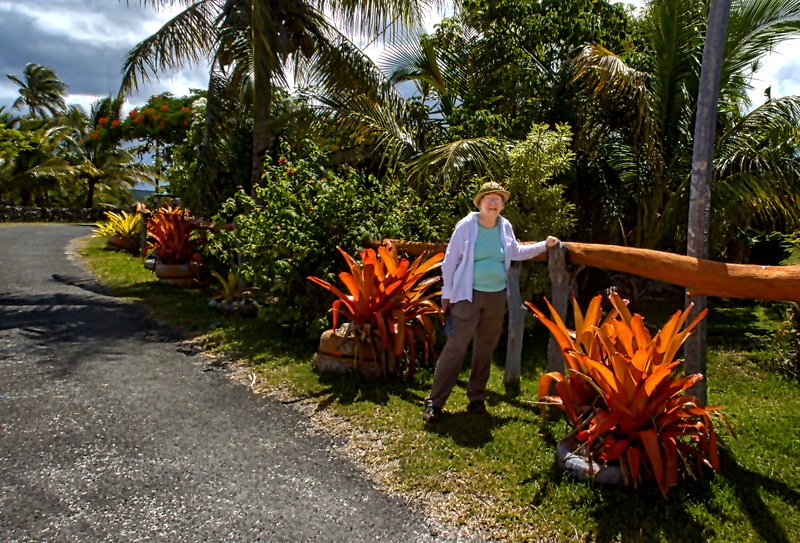
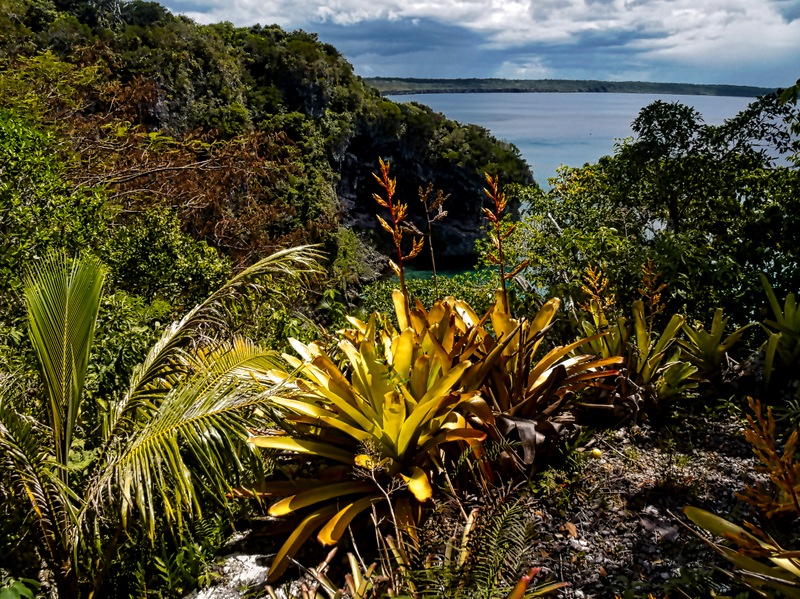
This is, as we have seen, an island thick with flora so it was no surprise to find many interesting plants on the grounds of the village.


We were invited into an open but roofed structure, sort of like a porch, where we were given headbands braided from leaves with red flower buds in the front. Mary put hers around the crown of her hat. There was also a small buffet of delicious fresh fruit and each of us was given a cup of (if I remember correctly) coconut water. Sitting on some rocks nearby was a woven turtle.


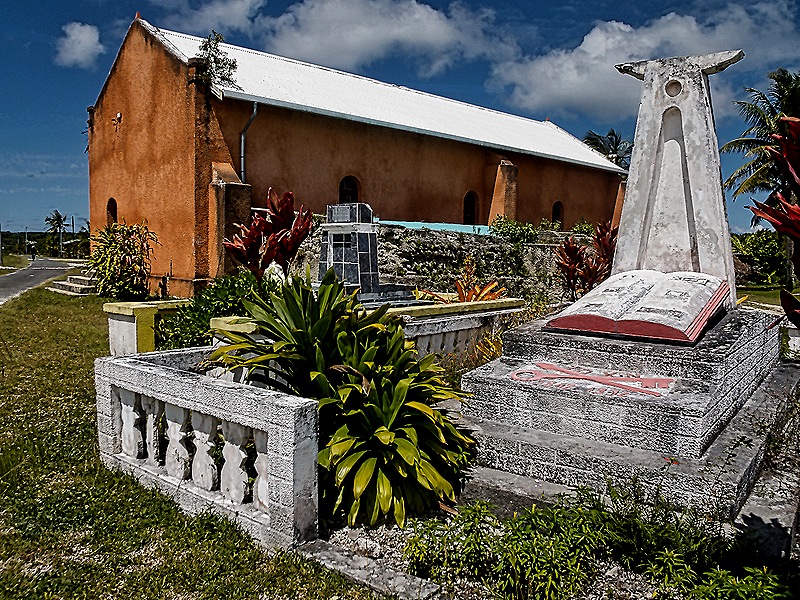
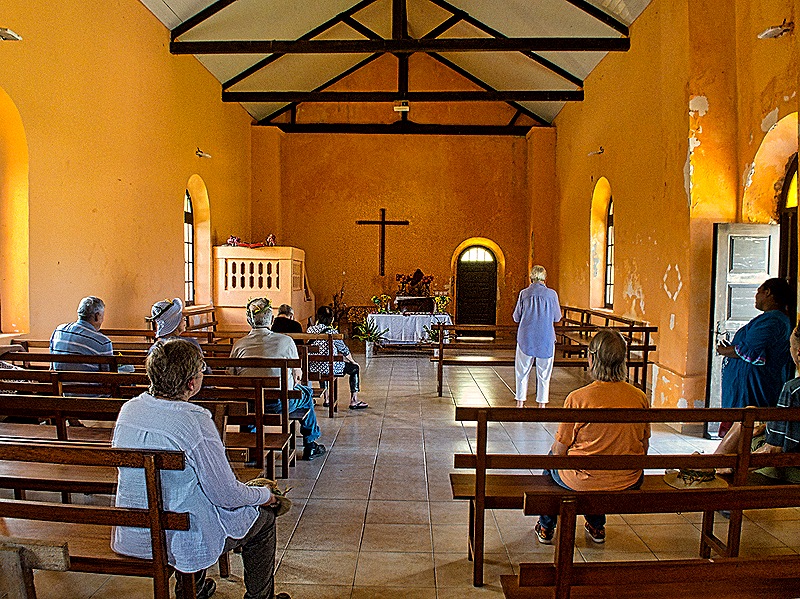
Last we were shown the village church. Very simple design, inside and out, painted orange with a cemetery outside (the large tomb with an obelisk was dated “1847 – 1892”). Apparently the people of this archipelago are very devoted Christians and we saw quite a few village churches.


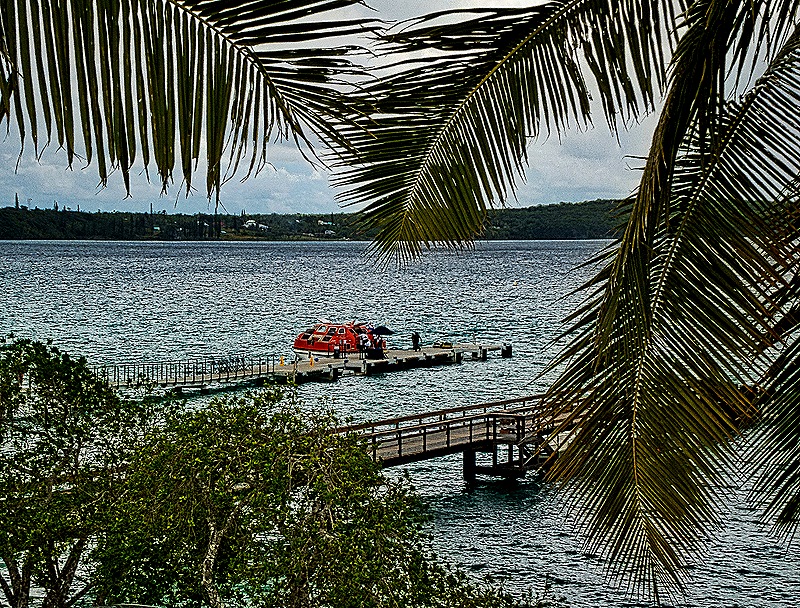
We drove all the way back to the bus loading facilities on the hill overlooking the tender dock, then returned to the ship. We spent the night sailing to our next (and last) stop in New Caledonia.
 RSS - Posts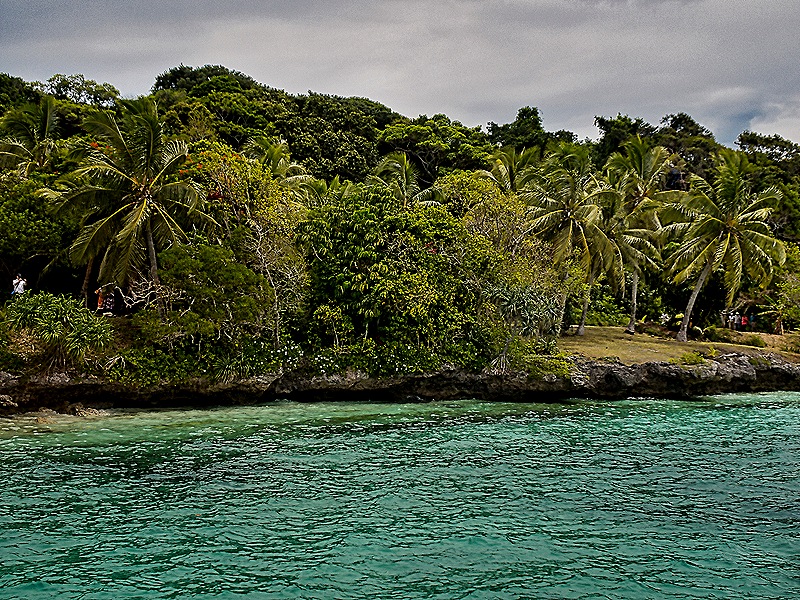
Leave a Reply