Latest

Funchal, Madeira – 2022

     On October 18 we finally stepped off the ship in Funchal, the capital of the Portuguese island of Madeira near the coast of Africa.  We have visited here twice before and you can learn more about Madeira in these posts.

https://baderjournal.com/2013/03/27/madeira-day-1-funchal/

https://baderjournal.com/2013/03/27/madeira-day-2-around-the-island/

https://baderjournal.com/2016/07/13/funchal-madeira-portugal/

     Last time we were here we planned to take the cable car up to Monte, a mountain above the town, and visit the church and gardens up there, but the top was covered in clouds so there was no point in doing that.  This time we planned to finally do that, but guess what?  Monte was covered by clouds again, so no go.  Maybe next time.

28..  Funchal, Madeira

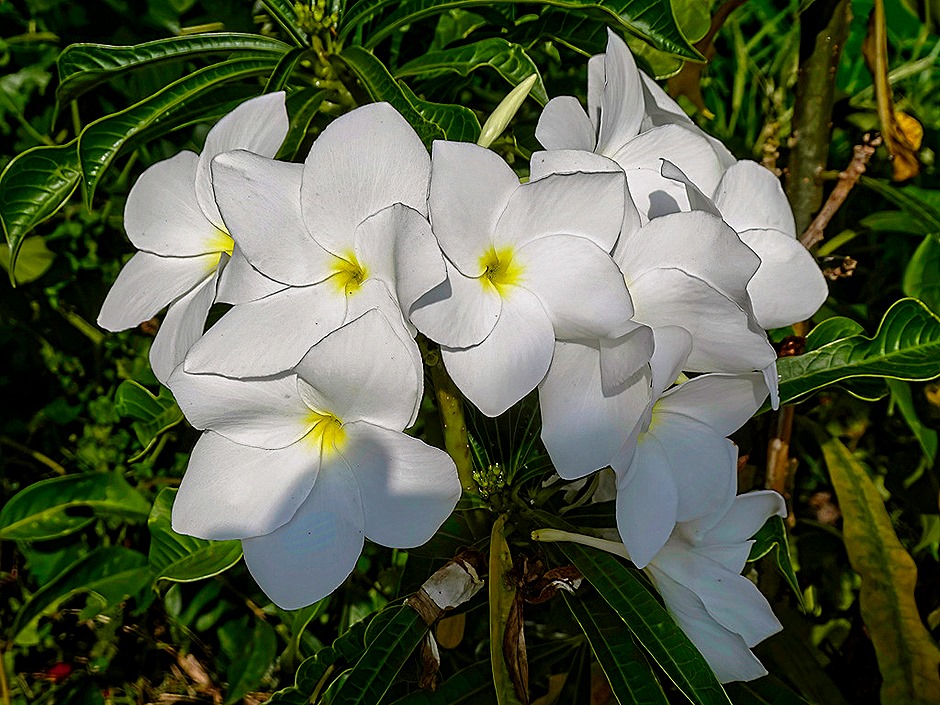
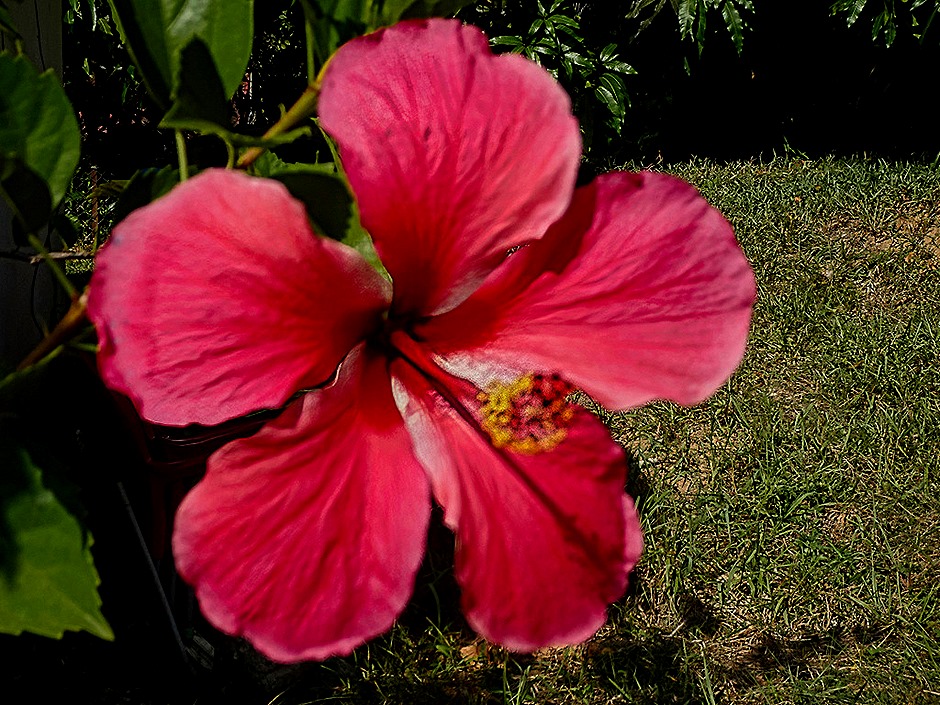
     So instead we took the shuttle bus into town and walked to the Municipal Gardens.  It is filled with many varieties of flowers and trees.  There is also a pond with a fountain and a sculpture; last time it had swans but not today and the fountain was off.  Oh, well, the gardens are still beautiful.

3..  Funchal, Madeira7..  Funchal, Madeira4..  Funchal, Madeira57. Funchal (Mary)62. Funchal (Mary)63. Funchal (Mary)59. Funchal (Mary)8..  Funchal, Madeira9..  Funchal, Madeira5..  Funchal, Madeira10..  Funchal, Madeira12..  Funchal, Madeira11..  Funchal, Madeira

     One feature of current and former Portuguese cities that we always enjoy is the mosaic sidewalks and plazas.  We have seen these throughout Brazil as well as here.  Made with about two inch square stones these often have intricate designs and even pictures.  It must be a lot of work to create and maintain them because it is all done by hand.  We saw a fellow today who was trimming small white stones in preparation of restoring part of a sidewalk, sitting on the ground with a hand chisel and large piles of stones on each side.

1..  Funchal, Madeira44..  Funchal, Madeira

     We walked down to the center of town where a large Jesuit church sits on one side and the city hall on another.  Currently called St John The Evangelist Church, this was originally built by the Jesuits in 1640.  The paintings and sculpture inside are also from the mid 17th Century.  Deceptively plain on the outside, this church is surprisingly elaborate inside.  A man was playing the pipe organ located above the entrance, a nice extra.

13..  Funchal, Madeira27..  Funchal, Madeira22..  Funchal, Madeira25..  Funchal, Madeira23..  Funchal, Madeira

     The town hall was built in 1758 and renovated in 1940, the year the blue tiles on the walls were created. The fountain sculpture in the interior courtyard dates from 1880 and originally stood in a fish market.  During our first visit here a small labor demonstration was in progress outside this building but today all was quiet.

43..  Funchal, Madeira15..  Funchal, Madeira66. Funchal (Mary)65. Funchal (Mary)16b..  Funchal, Madeira_stitch19..  Funchal, Madeira

     We walked on to the cable car station, hoping the clouds would clear in time for us to go up to Monte.  But no luck and the cable car costs too much to just take a flyer on it being clearer from the top.  So we walked back toward the Mercado dos Lavradores through the Zona Velho, a neighborhood of shops and restaurants on narrow cobblestone streets oozing character.  It is known for painted doors and windows on many of the buildings.

67. Funchal (Mary)31..  Funchal, Madeira33..  Funchal, Madeira34..  Funchal, Madeira70. Funchal (Mary)35..  Funchal, Madeira

     We went into the Mercado, a delightful market in the interior courtyard of a building open to the sky.  Usually the street level is filled with umbrellas over vendors’ carts but this was a rainy day so no umbrellas were there.  Still there were many stands under partial roofs on both floors displaying colorful flowers and produce.  It rained cats and dogs while we were there & we had to wait a few minutes after our visit before we could venture back out onto the street.  There is more Portuguese tile work on the walls in the market.

38..  Funchal, Madeira36..  Funchal, Madeira39..  Funchal, Madeira40..  Funchal, Madeira41..  Funchal, Madeira

     Continuing back toward the port we came to the Catholic Cathedral of Our Lady of the Assumption.  It was built in the late 15th and early 16th centuries.  We had been here before but had never been able to see the inside.  Today we did.

45..  Funchal, Madeira48..  Funchal, Madeira49..  Funchal, Madeira

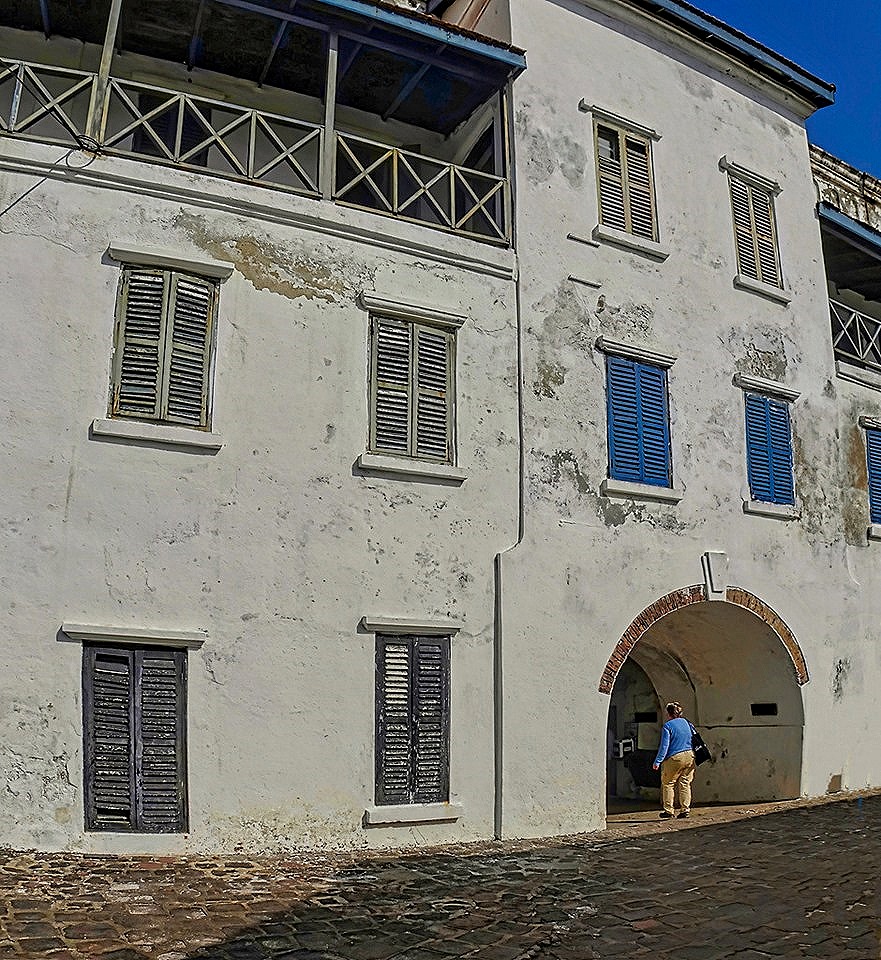
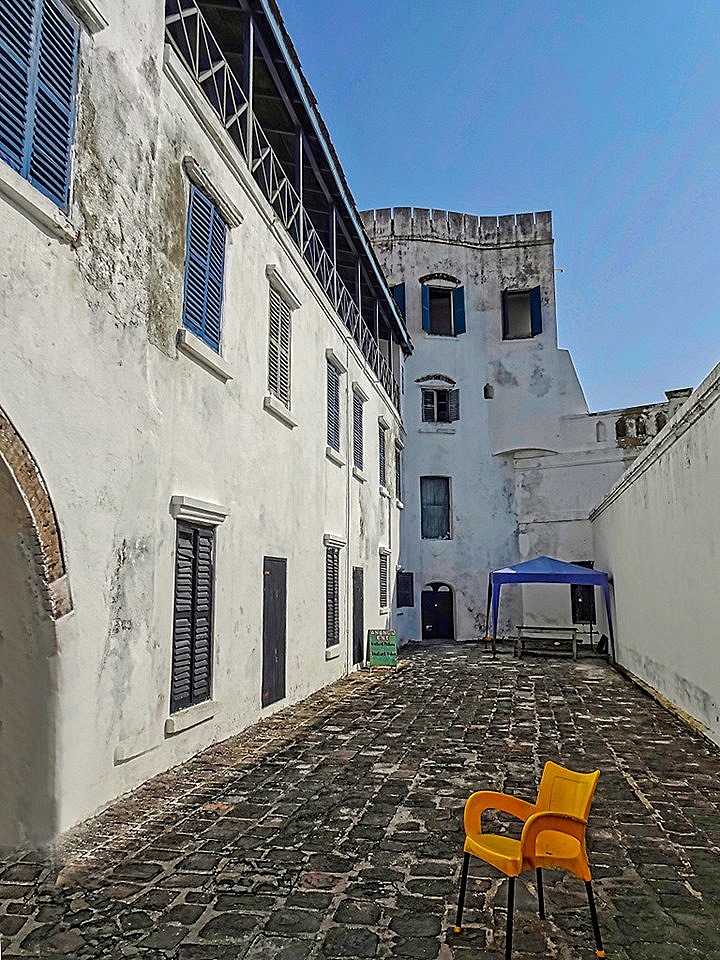
     It was drizzly and gray as we headed back to the drop off for the shuttle to the ship, but there was one more thing we wanted to see.  Those who have followed this blog at all know that Mary is a retired librarian with a great love of libraries.  We always visit them when possible and we have seen many beautiful ones on our travels.  But the one in Funchal, a steep uphill walk at the end of a full day, was not one of those.  Sadly, the only part of the library visible to the street was an entrance to what looked like a office, tucked away behind a row of parked busses under a car park garage.  Rather a disappointment but here it is. On top of a hill across the street we spied the Fortress of S. João Baptista do Pico, built in the early 17th century, of which we had not previously heard.  It looks pretty formidable and was part of the defense of the city from pirates.

51a..  Funchal, Madeira_stitch55..  Funchal, Madeira

     We returned to the ship after our first port on this voyage, tired but looking forward to visiting another in the morning.

Around Africa – 2022

    Note:  As this is posted our Grand Africa voyage has been over for several weeks.  For some unknown reason we were unable to connect to our blog from Rick’s laptop to post these episodes during the cruise, but his home desktop seems to be doing this OK.  So in the spirit of “better late than never” the postings from the Grand Africa cruise will roll out over the next several weeks (schedule uncertain because not all of them have been written yet & at home other obligations get in the way). 

_________________________________________________________________________________________________________________________________________________________

     On October 10, 2022 we set sail from Ft Lauderdale on Holland America’s Zaandam for a 71 day voyage to circumnavigate the continent of Africa.  We originally booked this cruise more than three years ago for a sailing in October of 2020, but you know what happened.  The pandemic shut down all cruise ships in the Spring of 2020 and this cruise was postponed to 2021, then again to 2022.  The ship was also changed twice, first from Amsterdam to Rotterdam for 2021 then, after Amsterdam and Rotterdam were sold, to Zaandam for 2022.  All three of these ships were built at about the same time and are of virtually identical construction and layout, although internal furnishings and decoration are different.  So we ended up still in the same cabin on the Starboard (right) side of the Lower Promenade Deck that we booked in 2019 but on a different ship.  This is the Zaandam:

Zaandam 1

Our cabin was between the last two lifeboats in the picture.  This gave us a nice ocean view and enabled us to walk through the exit doors next to our cabin onto the walking deck under the lifeboats on either side of the ship.

     So finally, after three years of preparing and waiting and packing, it felt great to be on board.  Like everybody else on the ship we were vaccinated against Covid and for the first week (at least) everybody had to wear a mask inside when not eating.  We were rather nervous right up until we left home for the two day drive to Florida because we had to pass a monitored Covid test on Oct 7, within 3 days of boarding.  We had visions of receiving a positive result from our tests after driving a couple hundred miles south and having to turn around and spend the next 10 weeks at home after all.  But at 4:30 AM Saturday, about 5 hours before we left, we both received our negative test results and we were good to go.  

     We don’t know whether any other potential passengers tested positive & had to abandon at the last minute (HAL generally doesn’t tell you things like that) but we were told there are a little over 1100 passengers on board the ship, which has a capacity of about 1400, so some of that difference might be folks who tested positive.  It would have been quite a kick in the teeth to be left behind after waiting three years!  We know of at least one couple who had to cancel during the last week after being booked for a long time because of health reasons; not Covid but that probably doesn’t  make it feel any better. 

     Here is our itinerary, in map form (half moon means late departure & a black half sun means a two day overnight stay) and then a list of the ports with arrival and departure times:

New Grand Africa map (9-22)

DATE DAY               PORT                               ARRIVE & DEPART

Oct 10 Monday         Ft. Lauderdale, Florida     Embark 4:00 PM

Oct 18 Tuesday         Funchal, Madeira, Portugal     8:00 AM 5:00 PM

Oct 19 Wednesday    Arrecife, Lanzarote, Canary Islands, Spain     11:00 AM 6:00 PM

Oct 20 Thursday       Agadir, Morocco     7:00 AM 1:00 PM

Oct 21 Friday           Casablanca, Morocco     7:00 AM 9:00 PM

Oct 24 Sunday          Tunis (La Goulette),     Tunisia 8:00 AM 5:30 PM

Oct 26 Wednesday     Soúda, Chania, Crete, Greece     11:00 AM 10:00 PM

Oct 28 Friday            Transit Suez Canal-    Cruise Only

Oct 29 Saturday        Sharm el-Sheikh, Egypt     7:00 AM 5:00 PM

Oct 30 Sunday          Aqaba (for Petra), Jordan      *7:00 AM —

Oct 31 Monday         Aqaba (for Petra), Jordan     — 5:00 PM*

Nov 1 Tuesday         Safaga (Luxor), Egypt     8:00 AM 12 Midnight

Nov 10 Thursday     Dar es Salaam, Tanzania     *10:00 AM —

Nov 11 Friday          Dar es Salaam, Tanzania          — 8:00 PM*

Nov 12 Saturday      Zanzibar, Tanzania         *8:00 AM —

Nov 13 Sunday        Zanzibar, Tanzania            — 5:00 PM*

Nov 15 Tuesday       Andoany, Nosy-Be, Madagascar         *11:00 AM —

Nov 16 Wednesday   Andoany, Nosy-Be, Madagascar     — 3:00 PM*

Nov 19 Saturday      Maputo, Mozambique      8:00 AM 3:00 PM

Nov 20 Sunday        Durban, South Africa       11:00 AM 11:00 PM

Nov 23 Wednesday  Cape Town, South Africa        *8:00 AM —

Nov 24 Thursday     Cape Town, South Africa             — 11:00 PM*

Nov 26 Friday          Luderitz, Namibia      8:00 AM 5:00 PM

Nov 27 Saturday      Walvis Bay, Namibia      10:00 AM 11:00 PM

Nov 30 Tuesday       Luanda, Angola      7:00 AM 5:00 PM

Dec 4 Sunday           Takoradi, Ghana      8:00 AM 5:00 PM

Dec 5 Monday          Abidjan, Côte d’Ivoire      8:00 AM 5:00 PM

Dec 8 Thursday        Banjul, The Gambia      8:00 AM 5:00 PM

Dec 10 Saturday       Praia, Ilha de Santiago, Cape Verde       7:00 AM 6:00 PM

Dec 11 Sunday         Mindelo, São Vicente, Cape Verde       8:00 AM 5:00 PM

Dec 17 Saturday       San Juan, Puerto Rico, USA      8:00 AM 11:00 PM

Dec 20 Tuesday        Ft. Lauderdale, Florida, USA      7:00 AM Disembark

*overnight stay in this port

__________________________________________________________________________________________________________

     We were hoping to make it to all these ports, of course,  but we have had last minute itinerary changes in the past because of disease or political unrest or weather.  You may have read about unrest in some of these places recently and  there was no telling how Covid or weather could disrupt things.  We had already had some itinerary changes about a month before departure, so who could tell?  Stay tuned.

     Crossing the Atlantic takes seven consecutive sea days, so everyone would be happy to set foot on land in Madeira.  Among other things, on Wednesday we had the Captain’s toast to introduce the main officers and wish luck for the journey (free champagne for all) and on Friday we all had to take a self test for Covid, the results of which were reviewed by crew members.  Even though every person on the ship had tested negative within 3 days of boarding, just 3 days after boarding some (we heard 15 and 25, but no official numbers were released) tested positive and were quarantined for seven days.  A couple of them are friends of ours and they would miss at least the first two ports.  It was a chilling reminder that this insidious virus can take a hunk out of your voyage at any time.  I guess if you have to be quarantined, crossing the ocean is a better time for it than when we stop at new and exotic ports.  We tried to be careful and kept our fingers crossed.

1.  Crossing Atlantic-topaz4.  Crossing Atlantic

      As I mentioned earlier, Zaandam is laid out just like Amsterdam, but with different furnishings and art works.  In the Atrium in the center of the ship is a three story pipe organ.  It was played one day in the first week but we were disappointed that it was just a recording (similar to a player piano we guess) with no one sitting at the keyboard.  Among a lot of other eclectic art around the ship are a couple of paintings overflowing their frames outside the main dining room, a floor to ceiling sized painting in the hall near the Explorations Café, and a sculpture of a couple of seahorses near the entrance from the deck just outside our cabin.  Several large MC Escher pictures were displayed on the walls of stairwell landings.  And almost qualifying as a work of art, we received a box of Grand Africa themed chocolates after the first “dressy night.”  (These are nights when men are expected to wear a tie & jacket to dinner, formerly called “formal nights,” then “gala nights”; no explanation for the name changes.)  Other shipboard pictures may show up in later episodes. 

10.  Crossing Atlantic_stitch125. Crossing Atlantic (Seahorse brothers near cabin)10b Crossing Atlantic Pipe Organ40.  Crossing Atlantic.24. Crossing Atlantic (Explorations Cafe Hall painting)26.  Crossing Atlantic (Choc box 1st Dressy night)22. Crossing Atlantic (MDR painting)23.  Crossing Atlantic (MDR painting)42.  Crossing Atlantic

    In the Explorer’s Lounge a young classical pianist named Luca presented concerts twice every afternoon.  This was supposed to be a cello-piano duo but at the last minute the cellist was unable to sail with us, so Luca performed solo piano pieces, and quite excellently.  He assured us that the cellist would join us soon.  As on all the older HAL ships, the Explorer’s Lounge features a naval painting (or a reproduction) about 15 feet long.

31.  Crossing Atlantic.33.  Crossing Atlantic.28b.  Crossing Atlantic._stitch

      So that is enough introduction and the next episode will be the first of our ports.  Until then, we will leave you with the first of what we hope will be many beautiful sunsets on this voyage.

19a.  Crossing Atlantic sunset_stitch-topaz

Caribbean Journey – Part 6: Willemstad, Curacao & Oranjestad, Aruba (2022)

Curacao

     The morning of April 2 found us docked in Willemstad, the capital of Curacao.  We have visited Willemstad previously several times, so if you want to read more background about Curacao you can go there:

https://baderjournal.com/2014/05/01/southern-caribbean-part-2-oranjestad-aruba-willemstad-curacao/

https://baderjournal.com/2019/12/30/willemstad-curacao-2019/

We had spent our previous visits entirely in the town of Willemstad, which is a fine approach because this is a very interesting and enjoyable city.  But we decided on this visit to spend some time seeing the rest of the island, which we were able to do on an excursion.  Our first stop was a “Kunuku House,” a slave house from an old plantation.  It is a small structure with white walls and thatch roof and only a door and two small windows in front.  As in Bonaire, there was a cactus fence around the property.  Our guide on the property gave us an extraordinarily detailed and interesting tour, demonstrating just how people used the items on display in their daily lives.  A bit of a downside was that most of the lengthy presentation involved standing outside and it was very hot.  During the presentation a nice little bird with an orange head sat in a bush listening.

14. 2022, 04-02  Willemstad, Curacao1. 2022, 04-02  Willemstad, Curacao2. 2022, 04-02  Willemstad, Curacao6. 2022, 04-02  Willemstad, Curacao7. 2022, 04-02  Willemstad, Curacao5. 2022, 04-02  Willemstad, Curacao9. 2022, 04-02  Willemstad, Curacao

     In 1795 more than 60% of the population of Curacao were enslaved.  A slave named Tula led a revolt that continued for months before finally being defeated.  Tula and others were executed but later the slaves were granted some additional rights in an effort to stave off another revolt.  We saw several modest monuments to this revolt consisting of a raised fist on top of a column a few feet tall.  A broken chain was hanging from the fist on the one at the location where the revolt began.  Slavery was not finally abolished in Curacao until 1863.

42. 2022, 04-02  Willemstad, Curacao16. 2022, 04-02  Willemstad, Curacao40. 2022, 04-02  Willemstad, Curacao

     Shete Boka (Seven Inlets) National Park stretches some 7 miles along the seashore.  It was established in 1994 to protect these inlets that are nesting areas for sea turtles.  We didn’t see any turtles but the surf pounding the rocky shore was quite a sight.  There was some interesting small flora eking out a living in the dry, hot and rocky area behind the seashore and also some cacti.  And a monument to the island’s ubiquitous iguanas.

26. 2022, 04-02  Willemstad, Curacao (2)20. 2022, 04-02  Willemstad, Curacao31. 2022, 04-02  Willemstad, Curacao20220402_11035836. 2022, 04-02  Willemstad, Curacao35. 2022, 04-02  Willemstad, Curacao38. 2022, 04-02  Willemstad, Curacao

      On the way back to Willemstad we stopped to look at Playa Kenepa Grandi beach, which the guide said is the most beautiful on the island.  We also saw flamingoes in a salt lake.

44a. 2022, 04-02  Willemstad, Curacao_stitch49a. 2022, 04-02  Willemstad, Curacao_stitch

     It was still lunch time when we got back to the dock so we decided to walk to our favorite restaurant, which is built over the water in a large inlet (you can see it in the previous visit postings).  We crossed the Queen Emma Bridge, a 130 year old pontoon bridge that is moved aside for ship traffic in and out of the bay, and walked along the colorful streets of the city to the site of the restaurant.  Sadly, when we got there it turned out to be permanently closed.  The lack of tourism during the pandemic has undoubtedly taken a toll on stores and restaurants on these islands so this wasn’t a shock, but definitely a disappointment.  Hopefully someone will buy it and open a new restaurant here. 

52a. 2022, 04-02  Willemstad, Curacao_stitch (2)63. 2022, 04-02  Willemstad, Curacao64. 2022, 04-02  Willemstad, Curacao73. 2022, 04-02  Willemstad, Curacao20220402_13320759. 2022, 04-02  Willemstad, Curacao57. 2022, 04-02  Willemstad, Curacao

     The Mikve Israel-Emanuel Synagogue in Willemstad is reputedly the oldest surviving synagogue in the Western Hemisphere (not sure how it compares to the one we visited in Barbados).  As in Barbados, the first Jews here came from Brazil and the Netherlands in the mid-17th century and this synagogue opened in 1730.  We had seen the building before but this time we wanted to tour the inside and see the museum.  Unfortunately for us it was closed to the public on this day.  Foiled again!

62. 2022, 04-02  Willemstad, Curacao60. 2022, 04-02  Willemstad, Curacao

     We did find a nice place for lunch on our way back.  I think it was called the Iguana Café and we were seated under a canopy right on the edge of the bay on the Punda side.  We had a great view of the bay, the Queen Emma Bridge and the Otrabanda waterfront across the water.  A cruise passenger at a nearby table spent the whole time talking with friends and family at home in England.  From what we could hear it sounded like most of them didn’t know where Curacao is and didn’t know that this woman was away from home.  She was trying to impress them with her exotic Caribbean locale and I think she was rather disappointed.  She told them she was sitting near the world’s oldest bridge, but I would wager that there are older bridges where she lives in England.  The lunch was good and the ambience pleasant and the day was warm, so following lunch we walked back to the ship after a very full day in Curacao.

55a. 2022, 04-02  Willemstad, Curacao_stitch70. 2022, 04-02  Willemstad, Curacao65. 2022, 04-02  Willemstad, Curacao66a. 2022, 04-02  Willemstad, Curacao_stitch

Aruba

    We spent April 3 in Aruba, the last of the Dutch ABC Islands (Aruba, Bonaire, Curacao) and our last port on this voyage.  We have been here several times before:

     https://baderjournal.com/2014/05/01/southern-caribbean-part-2-oranjestad-aruba-willemstad-curacao/ 

     https://baderjournal.com/2020/01/02/oranjestad-aruba-2019/

As with Curacao we had never ventured beyond Oranjestad on our previous visits, so we decided on an excursion around the island.  Our first stop was at the Casibari Rock Formations, a hill made of huge boulders in the middle of the island.  The origin of this striking rock formation in a desert setting is unknown, and apparently the indigenous people who lived here considered it sacred.  The rocks are surrounded by attractive garden areas.  On the way there we passed an interesting cemetery with rows of above ground tombs. Behind it was Mount Hooiberg, a volcanic cone mountain rising straight up out of the desert, known locally as The Haystack

1. 2022, 04-03  Oranjestad, Aruba2. 2022, 04-03  Oranjestad, Aruba3. 2022, 04-03  Oranjestad, Aruba20220403_10201620220403_10210220220403_10272220220403_10203110. 2022, 04-03  Oranjestad, Aruba

     You may have noticed in one of the pictures above that people were on top of the large hill of boulders.  In fact, two routes have been built for climbing to the top.  Mary stayed below but Rick climbed to the top.  The path on the side we were on went up through the rocks.  At one point it seemed to come to an end well below the top & I (Rick) was about to go back down in defeat.  Then I saw two teenage boys disappear into what looked like a cave in the rocks about ten feet before the end of the path.  Following their lead, I found the path branched into the rocks.  Climbing on some rocks was required and there wasn’t always sufficient head room to stand up, but ultimately this branch of the path emerged on the top of the hill.  This provided panoramic views in every direction, including the Nieuw Statendam all the way back at the dock.

20220403_10251620220403_1023538. 2022, 04-03  Oranjestad, Aruba9. 2022, 04-03  Oranjestad, Aruba5. 2022, 04-03  Oranjestad, Aruba

     The climb up had been steep and twisty but not too exhausting.  However there was a lot of wind at the top which made me feel unsteady unless holding on to the railing.  And it seemed that going back down through the hill was going to be tricky to say the least.  Then I saw that on the other side of the hill a very steep staircase had been built all the way down, complete with hand rails.  So that’s where I went, holding tight to the hand rails the whole way.

6. 2022, 04-03  Oranjestad, Aruba

     Leaving Casibari we drove on to our next stop, on the Atlantic coastline.  On the way we passed several old farmhouses surrounded by cacti.

12. 2022, 04-03  Oranjestad, Aruba11. 2022, 04-03  Oranjestad, Aruba

    Arikok National Park encompasses a stretch of dramatic sea coast that includes a natural bridge.  There was originally a large bridge, 100 feet long and more than 20 feet above the water, but it collapsed in 2005.  Still standing near it is the Baby Natural Bridge, measuring 25 feet long and about 3 feet above the water.  Still beautiful though.  There is a sign reading “Caution. Possible Collapse” and who could doubt that after what happened to its big brother.  But some people still walked out on it.  The surf on the nearby shore line & what is probably the remains of the larger bridge is pretty spectacular.

17. 2022, 04-03  Oranjestad, Aruba27. 2022, 04-03  Oranjestad, Aruba21. 2022, 04-03  Oranjestad, Aruba19. 2022, 04-03  Oranjestad, Aruba22. 2022, 04-03  Oranjestad, Aruba26. 2022, 04-03  Oranjestad, Aruba34. 2022, 04-03  Oranjestad, Aruba20220403_110344 (2)

     We drove through more cactus country to the Alto Vista Chapel.  The first Catholic Church in Aruba, it was originally built in 1750.  After a plague devastated the area the church was abandoned in 1816.  The current building was opened in 1952 on the same spot as the original church.

37. 2022, 04-03  Oranjestad, Aruba38. 2022, 04-03  Oranjestad, Aruba (2)40. 2022, 04-03  Oranjestad, Aruba

     The California Lighthouse is situated above a cliff at the northwest corner of the island.  I had the idea that perhaps it was called this because it is the closest spot on Aruba to the state of California.  But actually it was named for the SS California, a British steamship that went down here in 1891. Opened in 1916, the lighthouse was intended to ensure that this wouldn’t happen again.

54. 2022, 04-03  Oranjestad, Aruba47a. 2022, 04-03  Oranjestad, Aruba_stitch52. 2022, 04-03  Oranjestad, Aruba

     While we were there we saw cactus flowers, birds and lizards.  And there was a nice view across the bay of some of the resort hotels on Palm Beach (which we later drove through).

56. 2022, 04-03  Oranjestad, Aruba58. 2022, 04-03  Oranjestad, Aruba57. 2022, 04-03  Oranjestad, Aruba55. 2022, 04-03  Oranjestad, Aruba

     We drove along the beach hotels back to the pier.  It was still early enough for lunch so we took a chance and walked to our favorite beach restaurant (which can be seen in posts of previous visits).  To our delight, unlike in Curacao, this restaurant was still open and fully operational!  We enjoyed grouper sandwiches and french fries along with local Balashi beer.

60. 2022, 04-03  Oranjestad, Aruba20220403_142248

     After lunch we walked back to Nieuw Statendam, a fairly long walk on a hot day (especially after a beer).  On the way we stopped in Queen Wilhelmina Park, a popular hangout for iguanas.  So here are pictures of a few of them because, who doesn’t love iguana pictures?

64. 2022, 04-03  Oranjestad, Aruba67. 2022, 04-03  Oranjestad, Aruba68. 2022, 04-03  Oranjestad, Aruba71. 2022, 04-03  Oranjestad, Aruba74. 2022, 04-03  Oranjestad, Aruba

     After boarding the ship we sailed back to Ft Lauderdale, retrieved our car and drove home.  We were glad to get home, still in good health, but we did enjoy the ports we visited.  Originally envisioned primarily as a pandemic get away the trip turned out to have many interesting and engaging moments.  The ship and its management could have stood some improvements in our view, as you may have read in the previous episodes, but all in all we are glad we went on this voyage, particularly since it had been three full years since the last time we were at sea.  We are still keeping our fingers crossed that it will be a much shorter time until our next adventure, because in the time of Covid you just never know.

Caribbean Journey – Part 5: Amber Cove (Puerto Plata), Dominican Republic and Kralendjik, Bonaire (2022)

Dominican Republic

   We spent March 30 in the Dominican Republic, which we had never visited before.  Like most Americans, prior to booking this cruise our knowledge of the Dominican Republic extended little beyond Columbus’s visit, long time dictator General Trujillo, and the astounding number of Major League baseball players who originated here. 

     Amber Cove is a self contained cruise ship port built by Carnival in 2015 with swimming, shopping and even a zip line, we think.  Having just been to Grand Turk and Half Moon Cay we didn’t need any more of that so we signed up for an excursion to Puerto Plata, a city of about 330,000 some five miles away on the island’s north coast.  Some ten or twenty miles further is the site of the first European settlement in the Western Hemisphere, La Isabela, founded by Columbus on his second voyage.  There had been an attempted settlement in 1492 but it had been destroyed by the local people by the time Columbus returned.  La Isabela lasted until 1496 when Columbus decided to move the settlement to what is now Santo Domingo.

     We didn’t get to visit La Isabela but at least we saw Puerto Plata.  We rode in a bus that was decorated like some grandmother’s parlor.  Our first stop was at the home of General Gregorio Luperon, a hero of the struggle for independence from Spain in the 1860’s who had a long and storied career as a soldier and politician.  If you have ever visited a 19th century house containing period furniture and clothing you would not find much here that is new.  However the tour guide gave an interesting talk about Luperon, his family and Dominican history. 5a. 2022, 03-30  Amer Cove (Playa Plata), Dominican Republic_stitch2. 2022, 03-30  Amer Cove (Playa Plata), Dominican Republic3. 2022, 03-30  Amer Cove (Playa Plata), Dominican Republic4. 2022, 03-30  Amer Cove (Playa Plata), Dominican Republic18. 2022, 03-30  Amer Cove (Playa Plata), Dominican Republic
     We next drove down near the edge of the bay to visit the Fortaleza San Felipe.  Completed in 1577, this is the oldest structure in Puerto Plata.  It was built to protect the town from English and French pirates who frequented the area.  In 1800 US Marines captured the fort briefly during the “Quasi-War” with France that lasted from 1798 to 1800.  It was officially opened to the public as a museum in the 1980’s.  The fort is made of stone on a hilltop overlooking the bay.

15. 2022, 03-30  Amer Cove (Playa Plata), Dominican Republic9. 2022, 03-30  Amer Cove (Playa Plata), Dominican Republic13. 2022, 03-30  Amer Cove (Playa Plata), Dominican Republic8. 2022, 03-30  Amer Cove (Playa Plata), Dominican Republic17. 2022, 03-30  Amer Cove (Playa Plata), Dominican Republic

11a. 2022, 03-30  Amer Cove (Playa Plata), Dominican Republic_stitch


     Next stop was the Macorix House of Rum.  Before our tour began we spent some time in a park area with some very nice flowers.  The tour consisted of walking through rooms filled with barrels of aging rum, then a short film about the history of Dominican rum and how Macorix makes the best.  Then the best part, a rum tasting in a large room with exhibits from the history of the company.  Dominican rum is reputed to be particularly smooth because of the process used here and the 8 or 9 types of rum we sampled were smooth and flavorful.

  20220330_15100620. 2022, 03-30  Amer Cove (Playa Plata), Dominican Republic23. 2022, 03-30  Amer Cove (Playa Plata), Dominican Republic20220330_11090829. 2022, 03-30  Amer Cove (Playa Plata), Dominican Republic27. 2022, 03-30  Amer Cove (Playa Plata), Dominican Republic

     I mentioned that the rum was very smooth, and it really snuck up on you.  Those of us who participated in the sampling staggered out to the bus and we drove to the center of town.  Puerto Plata was founded sometime between 1496 and 1506 (contemporary reports vary) .  The first British ship of enslaved people delivered 400 captives from what is now Sierra Leone here in 1563.  In 1605 the Spanish depopulated and destroyed the town to counter English pirates and a hundred years later it was reborn with immigrants from the Canary Islands. Then in 1863, during the Dominican Restoration War for independence from Spain Puerto Plata was entirely razed, then rebuilt beginning a couple of years later.  This is why the Fortaleza is the only surviving building from before that time and also why the city is characterized by Victorian buildings.  Independence Square, the central square of the city, is surrounded by such buildings.

45a. 2022, 03-30  Amer Cove (Playa Plata), Dominican Republic_stitch73. 2022, 03-30  Amer Cove (Playa Plata), Dominican Republic39. 2022, 03-30  Amer Cove (Playa Plata), Dominican Republic36a. 2022, 03-30  Amer Cove (Playa Plata), Dominican Republic_stitch

     On one side of the square is the Cathedral of St Philip the Apostle.  The first church here was built in the 16th century and burned down, with the rest of the town, in 1863.  Reconstruction began in 1870 but wasn’t completed until 1956.  It became a cathedral in 1996. In the square is an ornate round building that looks like a sort of kiosk.  There is a lot of action in the square; one fellow was wearing a riding outfit complete with horse and some walls nearby have impressive paintings.

34. 2022, 03-30  Amer Cove (Playa Plata), Dominican Republic41. 2022, 03-30  Amer Cove (Playa Plata), Dominican Republic42. 2022, 03-30  Amer Cove (Playa Plata), Dominican Republic35. 2022, 03-30  Amer Cove (Playa Plata), Dominican Republic43. 2022, 03-30  Amer Cove (Playa Plata), Dominican Republic

    We walked down Calle de las Sombrillas (Umbrella Street), a pedestrian block covered by a matrix of hanging umbrellas lined with restaurants and boutiques.  Very colorful and different, of course, but we couldn’t tell whether this was built for tourists or has a local history.  We also spent a good deal of time in a large store full of souvenirs and local crafts and products.  Then we had a nice lunch sitting in the patio of a restaurant in the area whose sign outside just said “Kaffe,” so maybe that’s its name.  In the time of Covid its always better to eat outside if the weather permits and this courtyard was nicely surrounded with greenery.

49. 2022, 03-30  Amer Cove (Playa Plata), Dominican Republic53. 2022, 03-30  Amer Cove (Playa Plata), Dominican Republic71. 2022, 03-30  Amer Cove (Playa Plata), Dominican Republic67. 2022, 03-30  Amer Cove (Playa Plata), Dominican Republic56a. 2022, 03-30  Amer Cove (Playa Plata), Dominican Republic_stitch54a. 2022, 03-30  Amer Cove (Playa Plata), Dominican Republic_stitch

     The excursion over, we returned to the port where we spent some time examining the shops then back on the ship.  In late afternoon we departed for the Dutch Antilles.

Kralendijk, Bonaire

   After a sea day we arrived in Kralendijk, Bonaire, on April 1 (yes, April Fool’s Day, but this really happened).  Part of the Dutch Antilles until it was disbanded in 2010, Bonaire today is a special municipality within the Netherlands (although it uses the US dollar for currency rather than the Euro).  Located some 50 miles off the coast of Venezuela, Bonaire’s population of about 20,000 is mostly Dutch citizens but the predominant language is Papiamento, a creole language with Spanish and Portuguese roots.  In explaining the language the guides love to tell you about the word “sushi”, which means garbage rather than a Japanese dish (although left over Japanese sushi could become Papiamento sushi I guess). 

     This was our first visit to Bonaire and we booked a tour around the island.  Driving north along the coast road we passed several diving spots and beaches.  Bonaire is known as a first class scuba diving venue and there are some 80 diving spots around the island, most accessible directly from the shore without need for a boat.  The coral reefs and coastal waters surrounding the island make up a legally protected national park.  Ascending a hill also gave us a nice view back toward Kralendijk, a city of about 10,000 that is the capital and largest town on Bonaire.1. 2022, 04-01  Krejelijk, Bonaire14. 2022, 04-01  Krejelijk, Bonaire18. 2022, 04-01  Krejelijk, Bonaire13. 2022, 04-01  Krejelijk, Bonaire

         During this part of the drive we saw a good deal of flora and fauna.  Unfortunately, much of it was hard to photograph from a bus window, since it was often far on the other side of the bus and the birds were not inclined to pose for pictures.  But here are a caracara, a type of hawk, and a yellow shouldered parrot.  We passed a huge termite nest as well.

25. 2022, 04-01  Krejelijk, Bonaire-gigapixel-very_compressed-scale-6_00x-cropped-SharpenAI-Focus31. 2022, 04-01  Krejelijk, Bonaire-gigapixel-low_res-scale-4_00x-SharpenAI-Motion27. 2022, 04-01  Krejelijk, Bonaire-gigapixel-low_res-scale-4_00x-SharpenAI-Motion (1)24. 2022, 04-01  Krejelijk, Bonaire

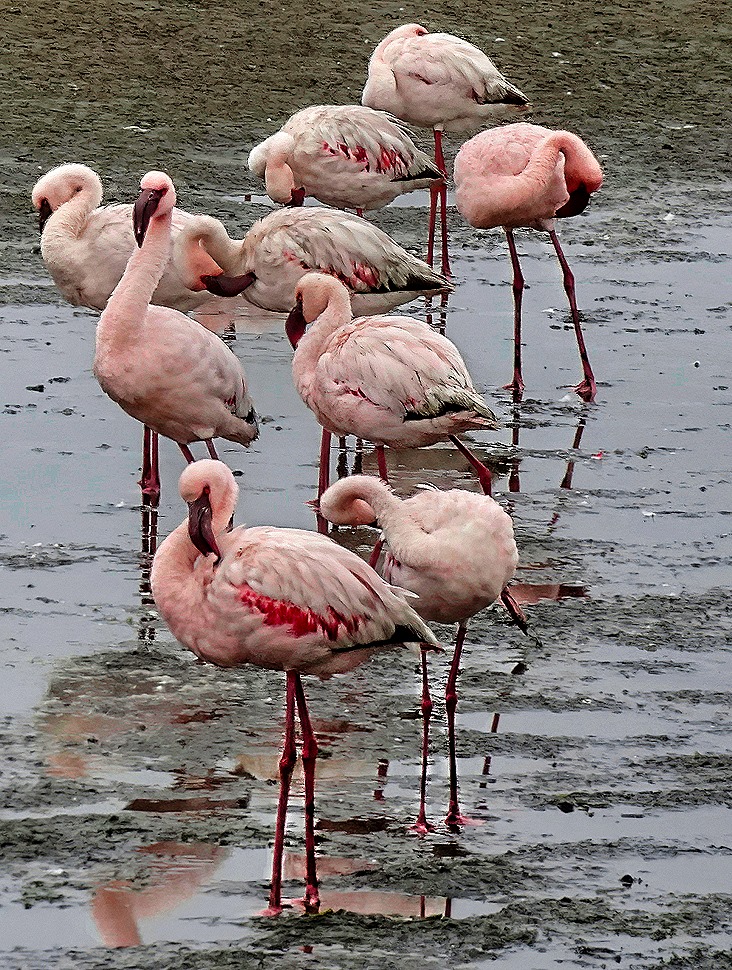
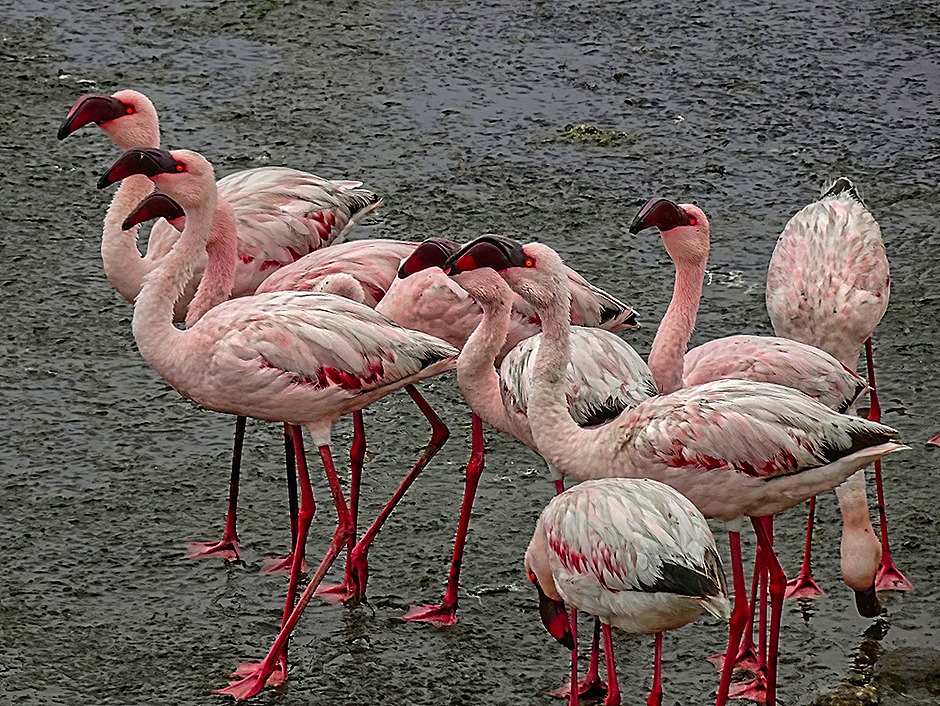
     Driving further inland we stopped at an overlook of Gotomeer (Lake Goto), a large saltwater lagoon that is not connected to the ocean.  It was quite beautiful and some pink flamingoes were hanging out near a long skinny island in the lake.  Near the overlook we saw iguanas too.

38. 2022, 04-01  Krejelijk, Bonaire42. 2022, 04-01  Krejelijk, Bonaire43. 2022, 04-01  Krejelijk, Bonaire41. 2022, 04-01  Krejelijk, Bonaire34. 2022, 04-01  Krejelijk, Bonaire39. 2022, 04-01  Krejelijk, Bonaire

     You may have noticed some large cactus in the lake pictures.  In fact, much of the island is covered in cactus, some quite beautiful and some looking a little worse for wear.  The people here actually build fences out of cactus lined up against a wire and wood frame.  This is very effective, as you can imagine, in keeping wild and stray animals out and domestic animals in.

50a. 2022, 04-01  Krejelijk, Bonaire_stitch9. 2022, 04-01  Krejelijk, Bonaire8. 2022, 04-01  Krejelijk, Bonaire50. 2022, 04-01  Krejelijk, Bonaire

     We stopped for a little while at the visitor center of Washington Slagbaai National Park, which lies beyond the lake and covers the northern fifth of the island.  Again plenty of cactus and a few buildings.  Most notable, though, was the skeleton of a 40 foot Bryde’s whale that was accidentally impaled on the prow of HAL’s Nieuw Amsterdam (not the current one) in 2000.  The skeleton was reconstructed by a team of high school students and went on display here in 2005.  It is the largest whale skeleton in the Caribbean.

.57a. 2022, 04-01  Krejelijk, Bonaire_stitch60. 2022, 04-01  Krejelijk, Bonaire61a. 2022, 04-01  Krejelijk, Bonaire_stitch53. 2022, 04-01  Krejelijk, Bonaire54. 2022, 04-01  Krejelijk, Bonaire55. 2022, 04-01  Krejelijk, Bonaire (1)

   Next came the long drive to the southern part of the island to see the salt works.  We passed more cactus & encountered a wild donkey on the side of the road.  Apparently these wild donkeys are descended from some brought to the island several hundred years ago.  We passed a number of fairly plain but colorful back country houses and we drove through Kralendijk and past Flamingo International Airport, the buildings of which are pink (no pictures, so you will have to take my word for it).

69. 2022, 04-01  Krejelijk, Bonaire66. 2022, 04-01  Krejelijk, Bonaire67. 2022, 04-01  Krejelijk, Bonaire46. 2022, 04-01  Krejelijk, Bonaire48. 2022, 04-01  Krejelijk, Bonaire

     When the Spanish first visited Bonaire in 1499 it was populated by the Caquetio people.  Concluding that the island was devoid of metals and unsuitable for agriculture, by 1515 the Spanish had enslaved them all (between 500 and 2000 people) and transported them to work in the copper mines on Hispaniola.  Some of them were returned 10 years later to work on animal plantations stocked with domestic animals from Spain (we saw a descendant of the donkeys above).  After an 80 year war with Spain the Dutch conquered Bonaire in 1636 and built a fort (still standing) in what is now Kralendijk.  It was the Dutch who began to exploit the salt resources of the island, with African and Caquetio slaves and convicts doing the labor.

     The slave population grew and the salt works expanded.  Today Cargill Corp. operates the huge salt works occupying the southern 15% or so of the island.  They export some 400 tons of 99.6% pure salt each year, produced from large fields of salt water (called pans) from which the sun evaporates the water.  The pans of drying salt look pink because of bacteria that reside there.  There is a white foam on top of the salt pans which (I think) is caused by the bacteria.  When the salt is harvested it is stored in large pyramids, each of which contains about 10,000 tons of salt, before being loaded onto ships.  The sun was VERY bright when we were there, making the white and pink strikingly bright as well.  Beyond the salt pans is a salt water lake that is the nesting grounds for the flamingoes, but we did not see that as they are protected.

71. 2022, 04-01  Krejelijk, Bonaire93. 2022, 04-01  Krejelijk, Bonaire92. 2022, 04-01  Krejelijk, Bonaire

     By the seashore are arrayed several rows of old slave quarters.  They are tiny stone houses, too short to stand up in with entrances that are only about chest high.  The door and single small window are open to the elements.  It was very hot the day we were there and these quarters must have been very uncomfortable for those living there.  While many slaves had been freed earlier, emancipation came in 1862 when the last 758 slaves were freed (607 owned by the Dutch government).

80. 2022, 04-01  Krejelijk, Bonaire78. 2022, 04-01  Krejelijk, Bonaire88. 2022, 04-01  Krejelijk, Bonaire (1)82. 2022, 04-01  Krejelijk, Bonaire (1)

     Bonaire is mostly a coral reef lifted out of the water millions of years ago and still surrounded by offshore coral.  The gravel on the beach near the salt works was, upon closer inspection, mostly coral.  There was a very bright red sea plant growing among the gravel and we also encountered a small sandpiper called a Ruddy Turnstone walking in the water.

79. 2022, 04-01  Krejelijk, Bonaire85. 2022, 04-01  Krejelijk, Bonaire (1)87. 2022, 04-01  Krejelijk, Bonaire91. 2022, 04-01  Krejelijk, Bonaire90. 2022, 04-01  Krejelijk, Bonaire

     We returned to Kralendijk and walked around the city for a little while (not too long, as it was very hot out).  In some of the sidewalks were flamingoes made of stones and there was a nice view of the waterfront to the north from the entry to the pier.  Black headed gulls (or maybe terns) were swarming near the dock, probably expecting food from the departing tourists.

101. 2022, 04-01  Krejelijk, Bonaire102. 2022, 04-01  Krejelijk, Bonaire (2)97. 2022, 04-01  Krejelijk, Bonaire96. 2022, 04-01  Krejelijk, Bonaire98. 2022, 04-01  Krejelijk, Bonaire99. 2022, 04-01  Krejelijk, Bonaire100. 2022, 04-01  Krejelijk, Bonaire

Caribbean Journey – Part 4: Half Moon Cay, Bahamas; Ft Lauderdale, Florida ; and Grand Turk, Turks and Caicos (2022)

Half Moon Cay

     After a relaxing day at sea we dropped anchor off Half Moon Cay on March 26.  During the sea day the ship held a Mariner event (Mariner Society is HAL’s loyalty program, giving credits for time at sea and onboard purchases).  They award medals for number of days on board HAL ships and we received gold medals this time.  They look like you won an Olympics event, but actually they represent being one of HAL’s best customers.  Our picture was taken with the Captain (left) and Hotel Manager.

HAL Gold Medal ceremony (1)

     Located about 100 miles from Nassau, Holland America purchased Half Moon Cay, then called Little San Salvador Island, for $6 million in 1996.  It has developed just 50 acres into a cruiser’s playground with the remainder of its almost 4 square miles left as wildlife habitat.  The current name of the island comes from its 2.5 mile long soft white sand beach.

  40a. 2022, 03-26  Half Moon Cay, Bahamas_stitch Neo

     There is no deep water dock here, at least so far, so we had to tender ashore.  We waited for the early rush to subside while having a leisurely breakfast, then boarded the local tender (not one of the ship’s lifeboats) which dropped us off at the pier (on the right side in the picture above).  We walked through the facility, mostly shops, and down to take a look at the beach.  There are cabanas at the beach that can be rented for the day, but at a very high price in our opinion.

1a. 2022, 03-26  Half Moon Cay, Bahamas_stitch41. 2022, 03-26  Half Moon Cay, Bahamas7. 2022, 03-29  Grand Turk, Turks & Caicos

     We walked down the beach for a while, beyond the cabanas to the paddock where the riding horses live.  A platform was set up on the beach to help cruise passengers mount the horses and a donkey was wandering around the paddock.

6. 2022, 03-26  Half Moon Cay, Bahamas3. 2022, 03-26  Half Moon Cay, Bahamas5. 2022, 03-26  Half Moon Cay, Bahamas10. 2022, 03-26  Half Moon Cay, Bahamas13. 2022, 03-26  Half Moon Cay, Bahamas

14a. 2022, 03-26  Half Moon Cay, Bahamas_stitch

     We returned along the inland path surrounded by many flowers, palm trees and other fauna.

24. 2022, 03-26  Half Moon Cay, Bahamas25. 2022, 03-26  Half Moon Cay, Bahamas20. 2022, 03-26  Half Moon Cay, Bahamas21a. 2022, 03-26  Half Moon Cay, Bahamas_stitch28. 2022, 03-26  Half Moon Cay, Bahamas23. 2022, 03-26  Half Moon Cay, Bahamas29. 2022, 03-26  Half Moon Cay, Bahamas

     On the way back to the pier we passed a small white wooden church that is used for weddings and a conch shell fountain in the vendor court. The children’s playground had an impressive pirate ship to climb on.

30. 2022, 03-26  Half Moon Cay, Bahamas41. 2022, 03-26  Half Moon Cay, Bahamas31. 2022, 03-26  Half Moon Cay, Bahamas45. 2022, 03-26  Half Moon Cay, Bahamas1. 2022, 03-29  Grand Turk, Turks & Caicos

     We were back on board in time for a late lunch and spent the afternoon reading before the ship set out to sea toward Florida.

36a. 2022, 03-26  Half Moon Cay, Bahamas_stitch

Ft Lauderdale, Florida

     The first leg of our voyage ended in Ft Lauderdale on March 27 and we sailed again that evening to begin the second leg.   More than 200 passengers were staying on for the next leg but everyone had to leave the ship and be re-identified before reboarding. This process has been known to take up to a couple of hours so we decided that rather than waiting around for that we would take an excursion to the Everglades, where we had never been.

     The Everglades ecosystem covers much of southern Florida up to Lake Okeechobee, basically a slow moving river 60 miles wide and 100 miles long.  Florida has been inhabited for 15,000 years by indigenous people, who were driven into a much smaller area of southern Florida during the Seminole Wars of the 19th century.  European settlers wanted to drain the area for plantations and in 1882 construction of canals began, continuing through the first half of the 20th century.  In 1934 the Everglades became a National Park. A flood control project established by Congress in 1948 led to more than 1000 miles of canals and other water control measures being built, much of the water being diverted to the booming metropolis of Miami and to support the farming of sugarcane.

     We were bussed across the metropolitan area to a place called Everglades Holiday Park.  Located on the edge of one of the Everglades canals, they provide rides in large airboats throughout the nearby canals.  An airboat is a flat bottomed boat with one or two large fans or propellers mounted on the back.  These fans blow air back from the boat, which propels the boat forward at speeds up to about 60 miles per hour.  Mounting the propulsion system above the water ensures that it will not get tangled in the grass and other things growing below it.

6. 2022, 03-27  Ft Lauderdale, Florida34. 2022, 03-27  Ft Lauderdale, Florida27. 2022, 03-27  Ft Lauderdale, Florida

     As we were waiting in line to board an airboat (this works much like a Disney World line to board a continuous ride) we spotted some birds relaxing on a float and a fellow out fishing in the canal in a small boat.

9. 2022, 03-27  Ft Lauderdale, Florida3. 2022, 03-27  Ft Lauderdale, Florida

     We cruised through several canals lined with saw grass and what appeared to be some sort of water lilies.  This marshy area is natural but the canals are man made.  Everglades means “river of grass” and there was plenty of grass in the water and on the marshy shores to explain why.

25. 2022, 03-27  Ft Lauderdale, Florida11. 2022, 03-27  Ft Lauderdale, Florida16. 2022, 03-27  Ft Lauderdale, Florida13. 2022, 03-27  Ft Lauderdale, Florida

     We went down a side canal that was lined with grass and very pretty trees growing in clumps with above ground roots reaching into the water, which we think are mangroves.

29. 2022, 03-27  Ft Lauderdale, Florida32. 2022, 03-27  Ft Lauderdale, Florida26. 2022, 03-27  Ft Lauderdale, Florida20220327_10131624. 2022, 03-27  Ft Lauderdale, Florida33. 2022, 03-27  Ft Lauderdale, Florida

    The Everglades is famously home to alligators, among other indigenous species.  In the 21st century, however, Burmese Pythons began appearing here.  It is speculated that some young ones were purchased as pets (exotic pets being popular in Florida) and were released by their owners when they became more difficult to control.  Accurate assessment of their numbers is almost impossible for a number of reasons but it is estimated that there are between tens of thousands and hundreds of thousands living in the Everglades today, eating indigenous animals and causing many to become endangered.  We did not see any pythons (they hide and are tough to spot) but we did see alligators along the edge of one canal.

20. 2022, 03-27  Ft Lauderdale, Florida18a. 2022, 03-27  Ft Lauderdale, Florida

     The  airboat ride was a lot of fun, but that wasn’t the end.  We have never seen the TV show Animal Planet but apparently they have featured an alligator rescue group called Gator Boys.  This rescue facility is located in this park so I guess those TV shows were filmed here.  Anyway, after the ride we were ushered into a small amphitheater where a bunch of alligators were on the stage with a guy who kept up a running patter about how dangerous these alligators were and how brave he was to be there with them.  The alligators actually were mostly lying all over each other and looked like they were having trouble staying awake.  It was all in fun, though, as he performed some tricks with them amid the humorous monologue.  There were also some large turtles in this facility.

36a. 2022, 03-27  Ft Lauderdale, Florida_stitch35. 2022, 03-27  Ft Lauderdale, Florida41. 2022, 03-27  Ft Lauderdale, Florida42. 2022, 03-27  Ft Lauderdale, Florida

     We returned to the ship and when I took off my glasses to download the pictures to my computer, this happened.  These glasses are about 20 years old and fortunately I brought a backup pair, because you never know.  But it still was a pretty distressing end to an otherwise fun day.  We sailed away from Ft Lauderdale with a mostly new (and somewhat smaller) passenger complement to begin the second leg of our cruise.
43. 2022, 03-27  Ft Lauderdale, Florida

Grand Turk Island, Turks & Caicos

     On March 29 we visited Grand Turk Island, part of the Turks & Caicos archipelago.  We had stopped at Half Moon Cay again on March 28 but unless you were planning a day at the beach there was no reason to go ashore here for the second time in three days.  So we didn’t, staying on board and treating it as a sea day.

    The passengers continuing on the second leg were required to have a new COVID 19 test, which was administered before we reached Ft Lauderdale.  But that same day they apparently discovered they had a lot of positive people on board (not us, thankfully), because they suddenly re-imposed a mask mandate for most indoor venues and set up a quarantine section of the ship.  We don’t know why they didn’t anticipate needing this and set it up at the beginning of the cruise because quite a few passengers had been quarantined over the previous month or two & there were quite a lot of unused cabins on our cruise.  So with a minimum of planning they could easily have had a quarantine section prepared just in case.  Instead, to create a separate quarantine section now  they required a number of passengers to change staterooms to other areas of the ship . . . for one night before reaching Ft Lauderdale.  We talked to one couple in this situation who were, to put it mildly, not pleased.  Anyway, once most of the old passengers left in Ft Lauderdale the Captain eliminated the mandatory masking order and made masking only “recommended.”  You can imagine, I am sure, the low percentage of people who followed this recommendation (we did).  Then, on our first morning out of Ft Lauderdale it was announced that continuing passengers would have to get yet another Covid test; it was unclear why, but apparently something had been wrong with how the tests were administered on the way to Ft Lauderdale.  We duly lined up, took the test and were negative again.  We don’t know if anyone tested positive and was quarantined . . . they don’t release that kind of information to mere passengers. 

     So that brings us, finally, to Grand Turk.  We had never been to Grand Turk before, but it turned out to be essentially another beach stop similar to Half Moon Cay.  The island’s population is only about 5,000 and we had read that there really wasn’t much to see here that would make an excursion worthwhile.  The island is named after the Turk’s Cap Cactus found there.  Some experts believe this was the island where Columbus first stopped during his first voyage of 1492 but apparently that is not the majority opinion. 

     We were docked at a long pier which we walked down to reach the port.  We walked through the usual collection of vendors’ shops, the central feature of which was a Jimmy Buffet Margaritaville bar & restaurant complete with crowded swimming pool, and took a look at the very nice beach.

13a. 2022, 03-29  Grand Turk, Turks & Caicos_stitch20a. 2022, 03-29  Grand Turk, Turks & Caicos_stitch11. 2022, 03-29  Grand Turk, Turks & Caicos15. 2022, 03-29  Grand Turk, Turks & Caicos23. 2022, 03-29  Grand Turk, Turks & Caicos16a. 2022, 03-29  Grand Turk, Turks & Caicos_stitch

     It seemed a lot more people were in the water here than in Half Moon Cay, perhaps because of the weather (hot) and because two ships were here at once.  But we spent the rest of the day on the ship relaxing until the ship left for the Dominican Republic.

19. 2022, 03-29  Grand Turk, Turks & Caicos