Latest

Port Elizabeth, Bequia, St Vincent & The Grenadines (2019)

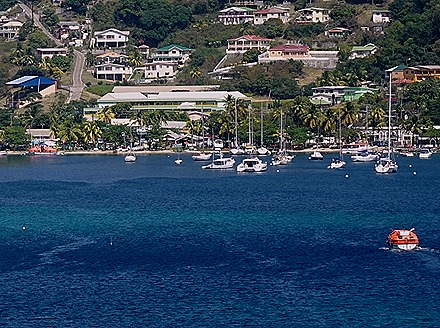
On March 19 we were anchored in Admiralty Bay near Port Elizabeth, the only town on the island of Bequia (Beck-way), the second largest and most northerly of the Grenadines.  Bequia is Arawak for “island of the clouds,” although we didn’t see very many when we were there.76a. Port Elizabeth, Bequia, Grenadines_stitch

Bequia has a long history stretching back to the indigenous Arawak & Carib people.  It came under British rule in 1763 as part of the Treaty of Paris that ended the Seven Years War (French & Indian War in America) .  The British set up a plantation economy and imported thousands of African slaves. The relatively safe harbor here was also a hangout for pirates (we have read that descendants of Captain Kidd still live here).  The country of St Vincent and The Grenadines gained independence in 1979.  The population of the island of Bequia today is about 4300.

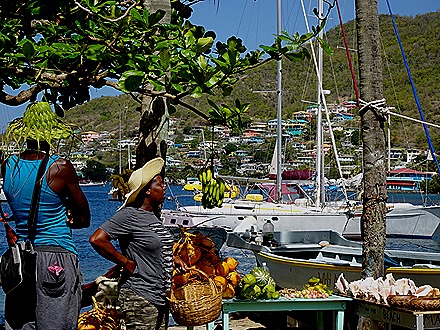
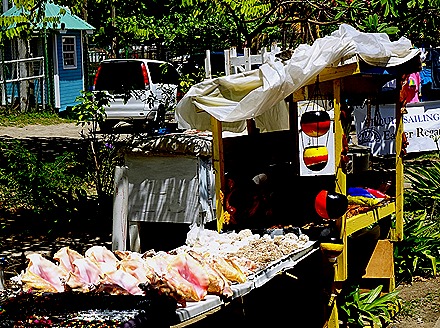
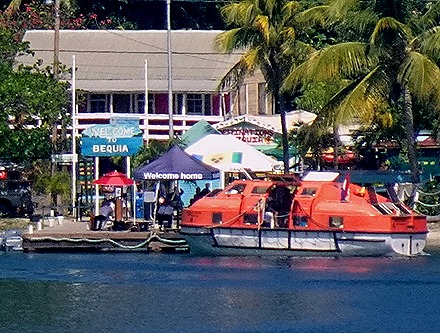
This would be a leisurely day of walking around this sunny and friendly town with little in the way of important landmarks.  After breakfast we tendered in to the town dock.  Nearby were small boats and stands selling produce & souvenirs.  The harbor itself was full of yachts.

2. Port Elizabeth, Bequia, Grenadines3. Port Elizabeth, Bequia, Grenadines13. Port Elizabeth, Bequia, Grenadines74. Port Elizabeth, Bequia, Grenadines_ShiftN37a. Port Elizabeth, Bequia, Grenadines_stitch_ShiftN16. Port Elizabeth, Bequia, Grenadines53. Port Elizabeth, Bequia, Grenadines

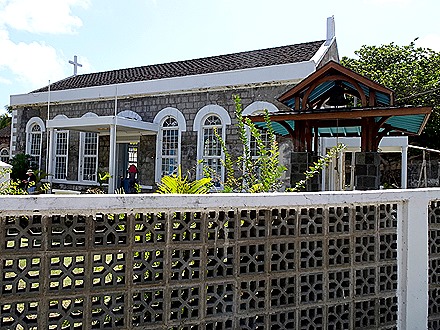
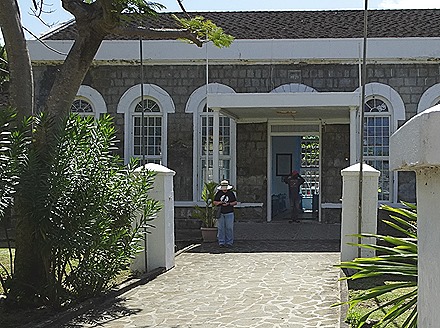
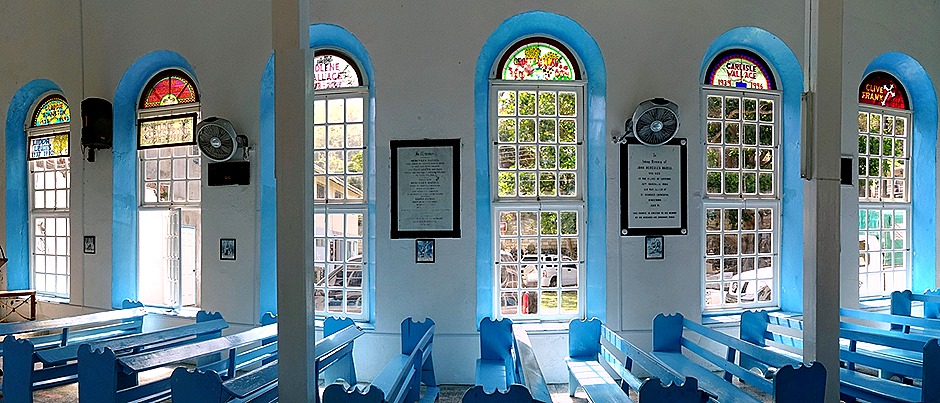
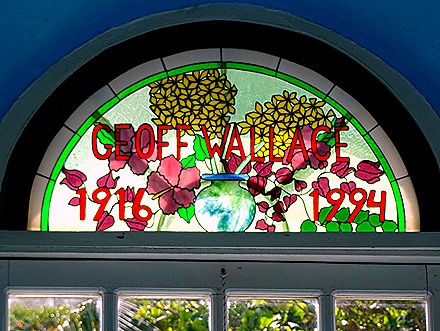
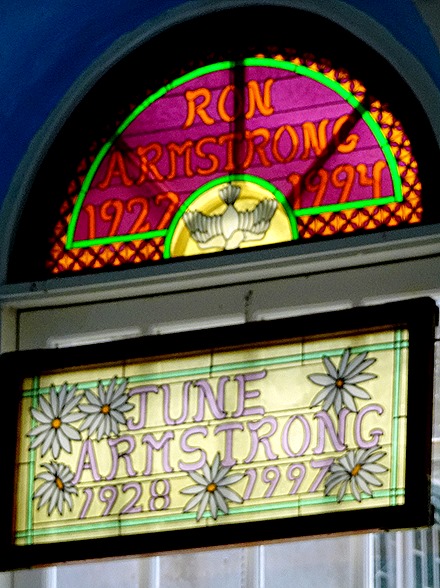
About a block down from the jetty is St Mary’s Anglican Church, built of stone in 1829 to replace a wooden church destroyed by a hurricane.  Small and unassuming, it is very bright from many large windows, many with stained glass memorial plaques hanging in them.

14. Port Elizabeth, Bequia, Grenadines15. Port Elizabeth, Bequia, Grenadines_ShiftN4b. Port Elizabeth, Bequia, Grenadines_stitch_ShiftN7. Port Elizabeth, Bequia, Grenadines9. Port Elizabeth, Bequia, Grenadines11. Port Elizabeth, Bequia, Grenadines10. Port Elizabeth, Bequia, Grenadines8. Port Elizabeth, Bequia, Grenadines12. Port Elizabeth, Bequia, Grenadines

A little way behind the church is a cemetery, where goats were trimming the grass.

66. Port Elizabeth, Bequia, Grenadines66a. Port Elizabeth, Bequia, Grenadines_stitch69. Port Elizabeth, Bequia, Grenadines67. Port Elizabeth, Bequia, Grenadines

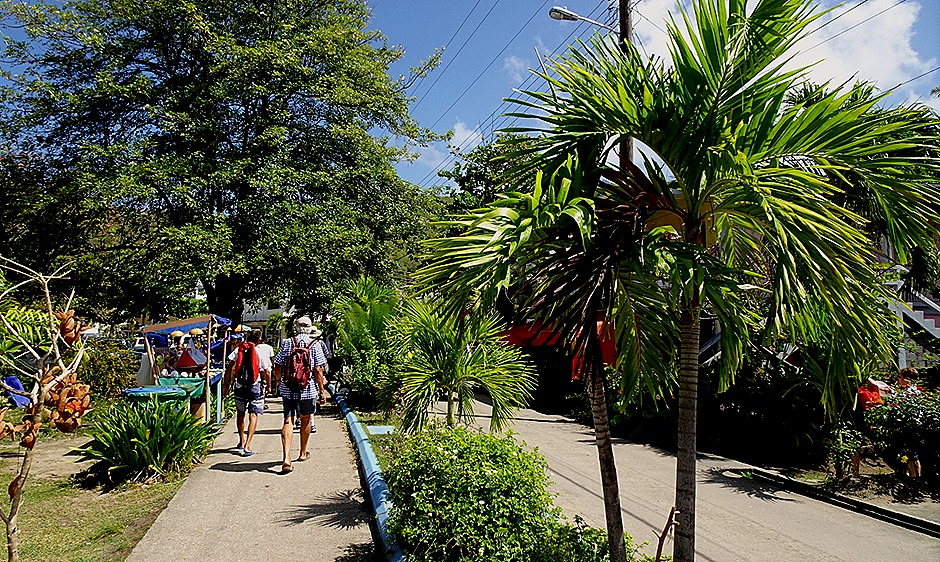
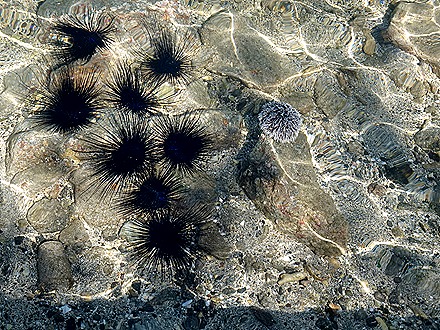
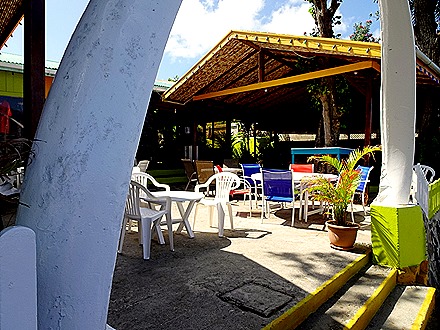
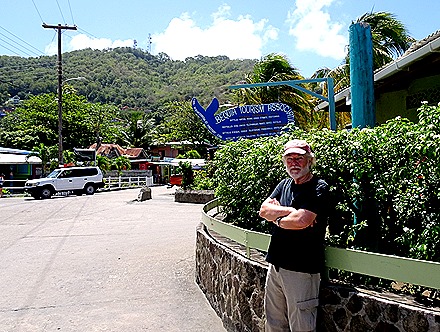
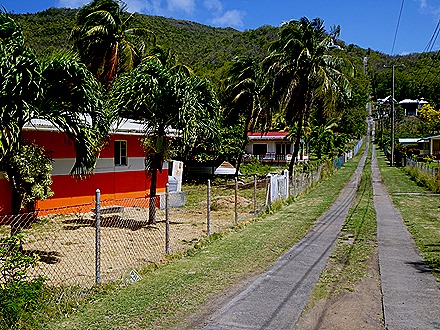
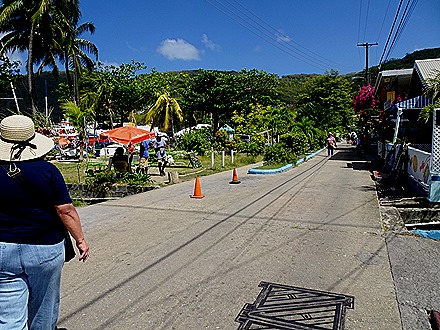
We walked down the main thoroughfare, just back from the waterfront.  It is a divided street with pedestrians on the left, flora in the middle, and a car lane on the right, but it is still a pretty small street.  Then we continued onto a narrow walk right along the water’s edge that eventually leads to a beach, although we didn’t go that far.  The water was extraordinarily clear and the plant life growing under it was quite visible.  On the land side were some restaurants, most notably the Whale Boner, whose gate was made from whale jawbones and bar seats from whale vertebrae.

32. Port Elizabeth, Bequia, Grenadines26. Port Elizabeth, Bequia, Grenadines25. Port Elizabeth, Bequia, Grenadines17. Port Elizabeth, Bequia, Grenadines17. Port Elizabeth, Bequia, Grenadines24. Port Elizabeth, Bequia, Grenadines22. Port Elizabeth, Bequia, Grenadines_ShiftN23. Port Elizabeth, Bequia, Grenadines21. Port Elizabeth, Bequia, Grenadines_ShiftN

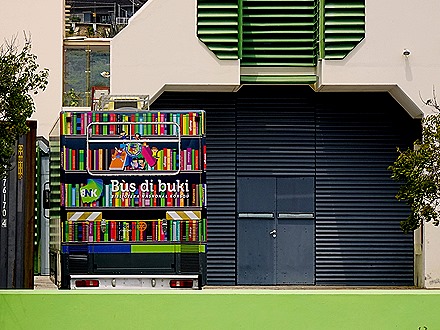
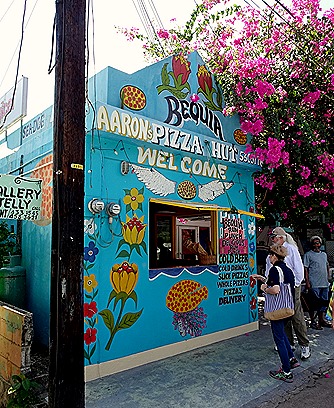
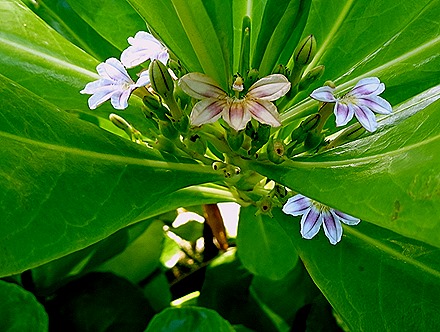
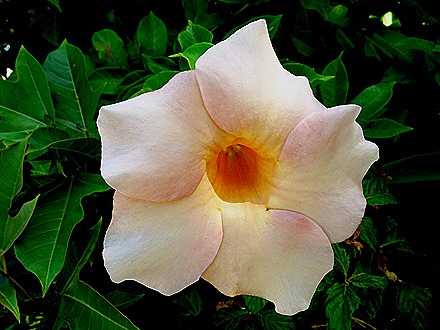
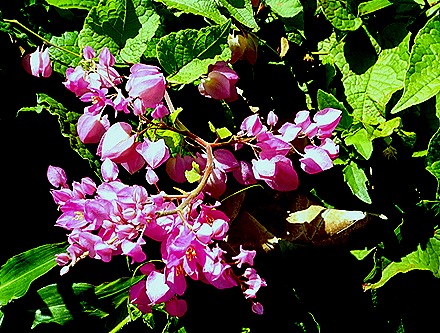
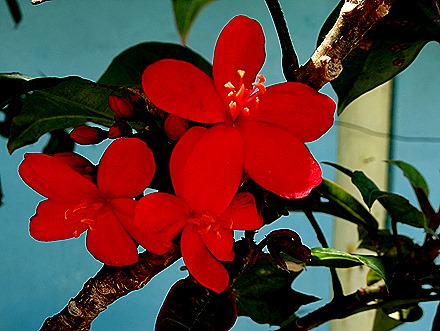
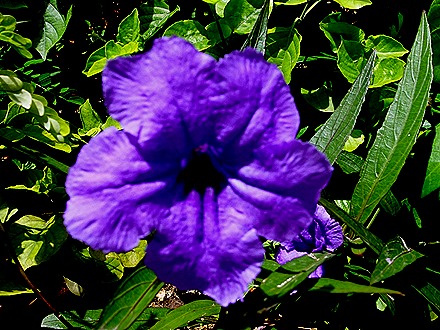
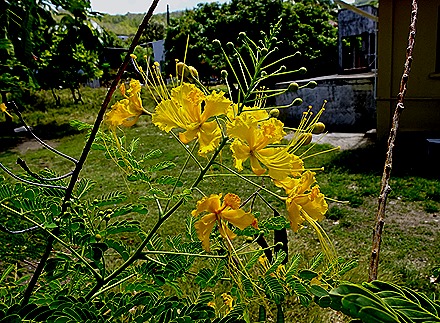
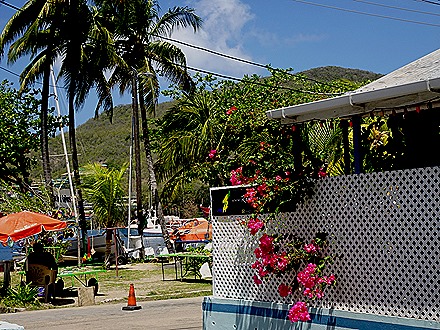
We walked back through town and then on to the north around the bay.  We passed the book store and a pizza place, among other things, and many bright flowers.

29. Port Elizabeth, Bequia, Grenadines28. Port Elizabeth, Bequia, Grenadines31. Port Elizabeth, Bequia, Grenadines55. Port Elizabeth, Bequia, Grenadines1. Port Elizabeth, Bequia, Grenadines39. Port Elizabeth, Bequia, Grenadines27. Port Elizabeth, Bequia, Grenadines34. Port Elizabeth, Bequia, Grenadines40. Port Elizabeth, Bequia, Grenadines36. Port Elizabeth, Bequia, Grenadines54. Port Elizabeth, Bequia, Grenadines56. Port Elizabeth, Bequia, Grenadines61. Port Elizabeth, Bequia, Grenadines

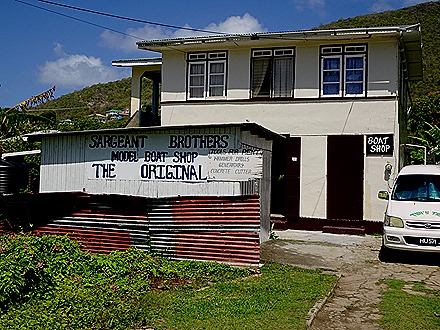
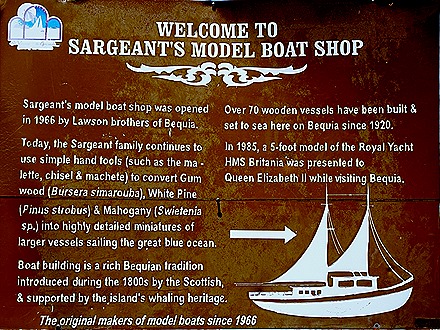
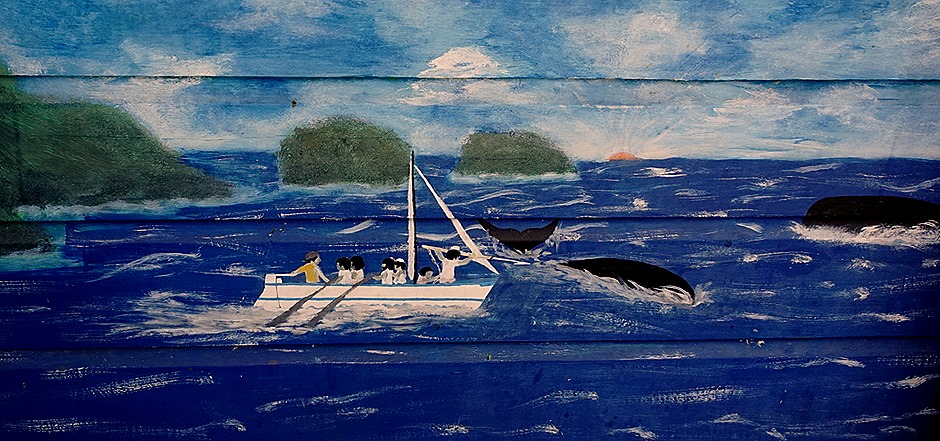
Bequia has a rich history of whaling, fishing and boat building.  At one time it was one of the major ship repair sites in the Caribbean.  Boatbuilding is still practiced here, but it has also developed a reputation for model boat building.  Two establishments in particular are well known: Sargeant Brothers and Malvern.  We found both of them on our walk; Sargeant Brothers was closed but we did go into Malvern’s, which was well stocked with model sail boats.  The road continues up into the hills beyond Malvern’s, but we didn’t.

46. Port Elizabeth, Bequia, Grenadines45. Port Elizabeth, Bequia, Grenadines44. Port Elizabeth, Bequia, Grenadines_ShiftN48. Port Elizabeth, Bequia, Grenadines41. Port Elizabeth, Bequia, Grenadines42. Port Elizabeth, Bequia, Grenadines43. Port Elizabeth, Bequia, Grenadines47. Port Elizabeth, Bequia, Grenadines63. Port Elizabeth, Bequia, Grenadines

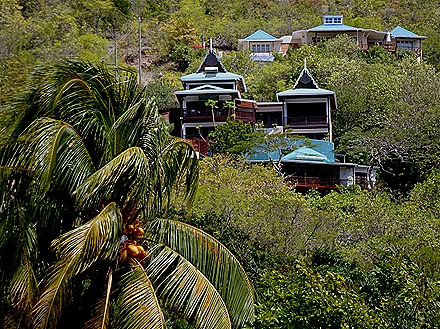
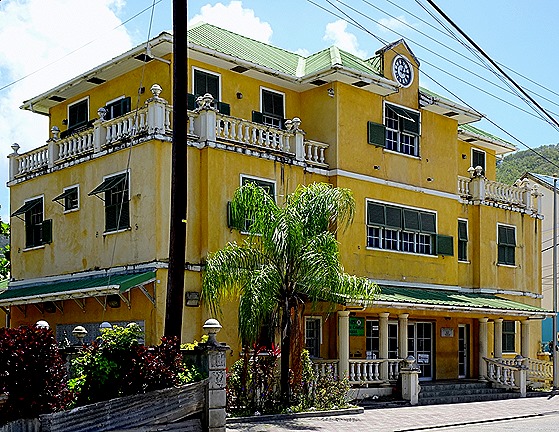
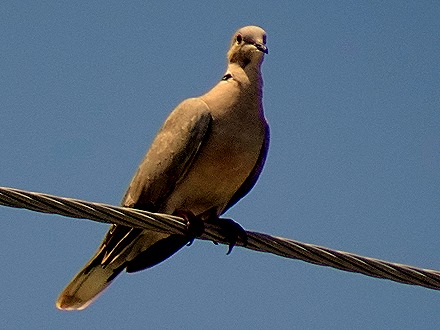
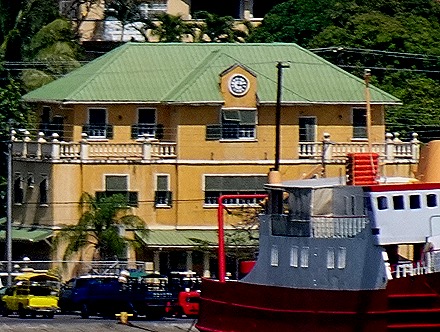
As we walked back into town we passed the town’s revenue building, which houses government administration, post office and customs (at least it used to . . . there was once a sign painted over the door saying “Revenue” but it seems to have been painted over).  We passed what looks like a resort on a hill, a row of clothing vendors and a bird looking down from a wire.

30. Port Elizabeth, Bequia, Grenadines51. Port Elizabeth, Bequia, Grenadines52. Port Elizabeth, Bequia, Grenadines_ShiftN57. Port Elizabeth, Bequia, Grenadines58. Port Elizabeth, Bequia, Grenadines_ShiftN64. Port Elizabeth, Bequia, Grenadines65. Port Elizabeth, Bequia, Grenadines70. Port Elizabeth, Bequia, Grenadines71. Port Elizabeth, Bequia, Grenadines72. Port Elizabeth, Bequia, Grenadines73. Port Elizabeth, Bequia, Grenadines_ShiftN75. Port Elizabeth, Bequia, Grenadines

We returned to the pier & caught a tender back to the ship.  From the ship we could still spot the revenue building, the church & the pier.
82. Port Elizabeth, Bequia, Grenadines84. Port Elizabeth, Bequia, Grenadines_ShiftN83. Port Elizabeth, Bequia, Grenadines77. Port Elizabeth, Bequia, Grenadines

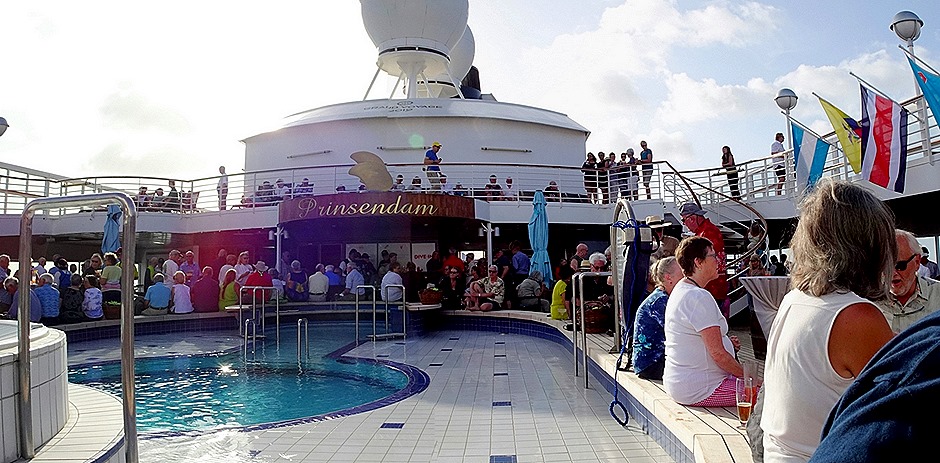
A sail-away party was held by the pool.  Even after such a long sea journey the old folks can still dance!

95a. Port Elizabeth, Bequia, Grenadines_stitch_ShiftN94. Port Elizabeth, Bequia, Grenadines98. Port Elizabeth, Bequia, Grenadines_ShiftN

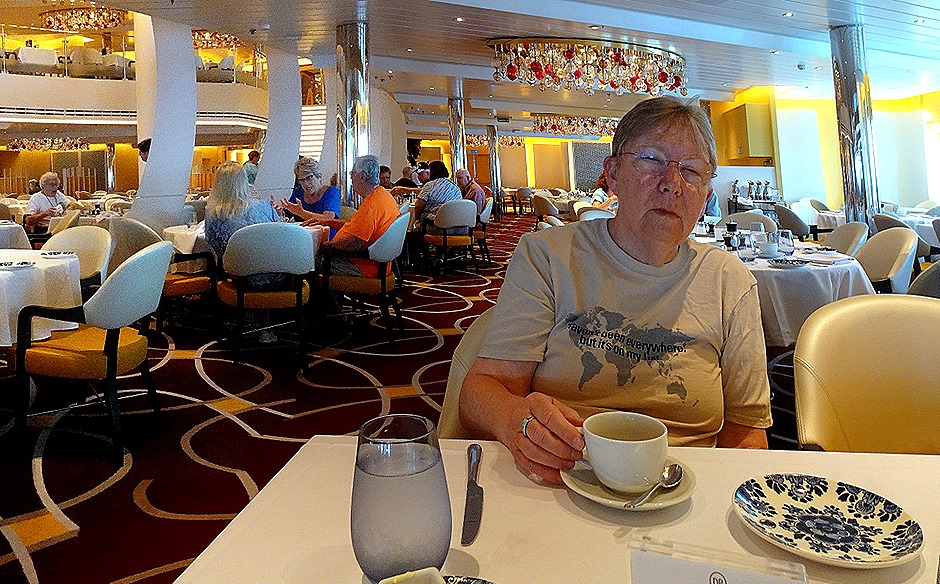
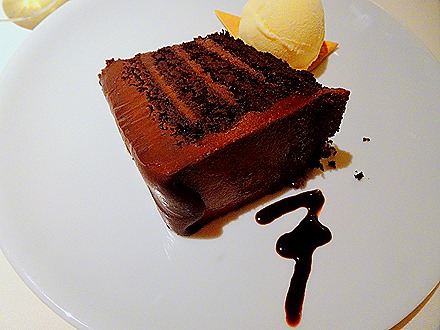
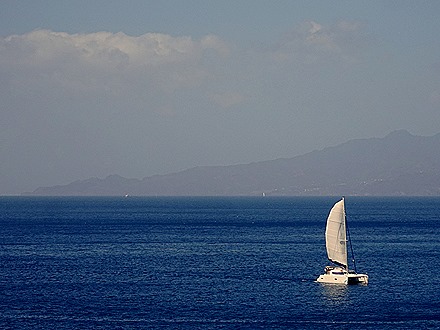
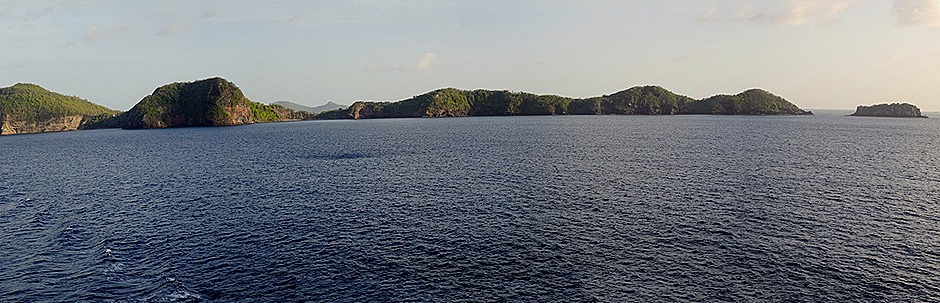
We sailed away past hills and islands and even a sailboat.  In the restaurant we had previously introduced our waiters to a tradition our friend Bob had originated on the Amsterdam world cruise.  When none of the desserts appealed, he (and we) would order the always delicious chocolate cake that from the room service menu.  Because there were usually six desserts listed on the menu, this one was referred to as “number 7” when ordering.  On this night our waiters honored this tradition by bringing us a cake that was labeled accordingly.  That is really getting into the spirit, as the voyage was nearing its close.

85a. Port Elizabeth, Bequia, Grenadines_stitch105a. Port Elizabeth, Bequia, Grenadines_stitch107. Port Elizabeth, Bequia, Grenadines92. Port Elizabeth, Bequia, Grenadines

100a. Port Elizabeth, Bequia, Grenadines_stitch

Bridgetown, Barbados (2019)

We spent March 18 on Barbados, the most easterly of the Caribbean islands.  First settled by the British in 1628, Bridgetown today has some 110,000 inhabitants, more than a third of the total population of Barbados.  Barbados achieved independence from the UK in 1966 but remains in the British Commonwealth.  Unlike the other Caribbean islands Barbados is mostly coral rather than of volcanic origin.  The last time we visited here we walked from the port into Bridgetown and spent our time exploring the city.

https://baderjournal.com/2014/05/02/southern-caribbean-part-3-st-georges-grenada-bridgetown-barbados/

This time we signed up for an excursion with our travel agents to see some of the rest of the island.  So in the morning we headed north from the port in the gray and drizzly weather.  This is a very wealthy area of sandy beaches, calm waters and expensive resorts known as the Gold Coast (or more recently, the Platinum Coast).  It is said that a number of foreign billionaires have beach houses here.  Not only was it poor weather to view these resorts as the bus rolled by but we were on the other side of the bus, so no pictures of the Gold Coast.  As we drove over the island interior to the much wilder east coast facing the Atlantic we passed a number of what seem to be typical Barbadian houses, mostly one story and painted a variety of colors.

1. Bridgetown, Barbados_ShiftN2. Bridgetown, Barbados4. Bridgetown, Barbados5. Bridgetown, Barbados_ShiftN6. Bridgetown, Barbados8. Bridgetown, Barbados

Near the east coast we happened on some monkeys.  Barbadian green monkeys are descended from some that were brought here some 350 years ago from Senegal and the Gambia by slave traders.  Some of these pets escaped and today they are all over the island.  Through some 75 generations they have evolved differently from their cousins in Africa and it is said that this particular species can only be found in the wild here.

18. Bridgetown, Barbados17. Bridgetown, Barbados

We stopped in Bathsheba, a town of about 5,000 on the east coast.  We have read that this is the most painted landscape in Barbados and it was easy to see why, even with the clouds & rain.  The beach is highlighted by very large boulders that have been eroded at the bottom by the heavy surf.  The waves in this area  known to surfers as the “Soup Bowl,” and it regularly hosts international surfing competitions.  Eleven time world champion surfer Kelly Slater has called this one of the “top 3 waves in the world.”  Up the hill from the park where we stopped were some houses similar to what we had seen and some a little more substantial.

26a. Bridgetown, Barbados_stitch10a. Bridgetown, Barbados_stitch25. Bridgetown, Barbados12. Bridgetown, Barbados13. Bridgetown, Barbados14. Bridgetown, Barbados21. Bridgetown, Barbados_ShiftN22. Bridgetown, Barbados23. Bridgetown, Barbados24. Bridgetown, Barbados33. Bridgetown, Barbados31. Bridgetown, Barbados43. Bridgetown, Barbados41a. Bridgetown, Barbados_stitch

We were stopped in a park that sloped steeply down to the water.  Next door to the park was a restaurant with a veranda in back that had a spectacular view of the Soup Bowl.  In the park we encountered some local birds.

34. Bridgetown, Barbados35. Bridgetown, Barbados37. Bridgetown, Barbados46. Bridgetown, Barbados39. Bridgetown, Barbados48. Bridgetown, Barbados47. Bridgetown, Barbados

Back in the bus, we drove to the St Johns Parish Church, situated atop a hill 800 feet above the sea.  The first church was built here in 1645.  It was destroyed by fire and rebuilt in 1676 but hurricanes destroyed that and its successors.  After the 1831 hurricane the present church was built of sturdy stone and rededicated in 1836.  Gothic in style, it would look right at home in the English countryside.  The outstanding features inside the church are a large pipe organ over the entrance and an elaborately hand carved pulpit.

82. Bridgetown, Barbados49. Bridgetown, Barbados60. Bridgetown, Barbados_ShiftN64. Bridgetown, Barbados_ShiftN61. Bridgetown, Barbados_ShiftN52. Bridgetown, Barbados_ShiftN62. Bridgetown, Barbados_ShiftN59. Bridgetown, Barbados53a. Bridgetown, Barbados_stitch_ShiftN55. Bridgetown, Barbados

In back of the church is a cemetery.  The most eye catching tombstone is from 1678, the grave of Ferdinando Paleologus who was a member of the family of the last emperors of the Byzantine Empire in Constantinople.  The cemetery had a breadfruit tree and a number of colorful flowers and it backed up to a cliff overlooking the ocean and a town below.  Breadfruit is native to the South Pacific, not the Caribbean.  It was first brought to the Caribbean by Captain William Bligh of Mutiny on the Bounty  fame because it was thought this would be an inexpensive food for the tens of thousands of slaves that were kept here.  An artist was at work there too.  After exploring the cemetery we left the church.

69a. Bridgetown, Barbados_stitch67. Bridgetown, Barbados71. Bridgetown, Barbados68. Bridgetown, Barbados72. Bridgetown, Barbados79. Bridgetown, Barbados66. Bridgetown, Barbados73. Bridgetown, Barbados77. Bridgetown, Barbados78. Bridgetown, Barbados83. Bridgetown, Barbados

Originally built in the 1660’s, Sunbury Plantation house was restored after a devastating fire in 1995.  Its 30 inch thick walls are made of coral and ballast stones, probably from slave trading ships.  This was the great house of a large sugar cane plantation.  Sugar cane was by far the leading export from Barbados in earlier centuries and even today it is one of the island’s leading crops.  The plantations were worked by slaves imported from Africa; at one point there were more than 15 slaves for every free person in Barbados.  We toured the house, which has been furnished with antiques, many made from Barbadian mahogany.  It was pretty sumptuous, but really an old house is an old house and we have seen a lot of them.

88. Bridgetown, Barbados_ShiftN90. Bridgetown, Barbados93a. Bridgetown, Barbados_stitch_ShiftN107. Bridgetown, Barbados_ShiftN101. Bridgetown, Barbados100. Bridgetown, Barbados102. Bridgetown, Barbados96. Bridgetown, Barbados97. Bridgetown, Barbados98. Bridgetown, Barbados103. Bridgetown, Barbados

The house has lush gardens with many different flowers and trees, notably some large ficus trees.

86. Bridgetown, Barbados89. Bridgetown, Barbados91. Bridgetown, Barbados95. Bridgetown, Barbados108. Bridgetown, Barbados104. Bridgetown, Barbados110. Bridgetown, Barbados114. Bridgetown, Barbados115. Bridgetown, Barbados118. Bridgetown, Barbados119. Bridgetown, Barbados117. Bridgetown, Barbados121. Bridgetown, Barbados123. Bridgetown, Barbados122. Bridgetown, Barbados124. Bridgetown, Barbados

In back of the plantation house was a pavilion containing a buffet restaurant.  We had a very nice lunch there, including some delicious local fish and rum punch.  Barbados has been producing rum since 1703, the first to do so in the Caribbean, which is made from the sugarcane grown throughout the island (including on this plantation).  Our guide told us that the last census counted 1200 churches in Barbados . . . and 1200 rum shops.

106. Bridgetown, Barbados105. Bridgetown, Barbados111. Bridgetown, Barbados112. Bridgetown, BarbadosBarbados 10001

As we drove back to Bridgetown we passed several fields of sugarcane.and some more local style houses.  In one traffic circle we drove past the Emancipation Statue, erected in 1985.  Many people here call it the Bussa Statue, after a slave who led a revolt in 1816, although that was not the intent of the sculptor.  We drove through the center of Bridgetown, past the Parliament Building that has been the seat of government since the 1870’s, then down a commercial street and back to the port.

125. Bridgetown, Barbados85. Bridgetown, Barbados135. Bridgetown, Barbados134. Bridgetown, Barbados136. Bridgetown, Barbados137. Bridgetown, Barbados140. Bridgetown, Barbados141. Bridgetown, Barbados142. Bridgetown, Barbados_ShiftN143. Bridgetown, Barbados144. Bridgetown, Barbados_ShiftN

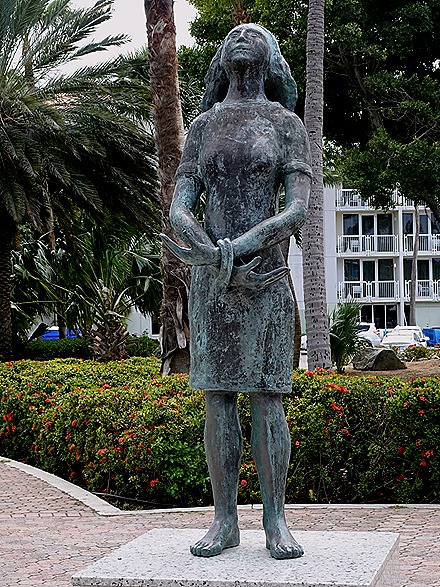
On our first visit here we walked into town from the port along a beautiful park like path along the sea wall.  After returning to the port, we decided to walk up that path a little way to visit a collection of shops we believe was called the Pelican Crafts Center.  Many of the shops were closed but those that were open included some very interesting textile and crafts shops as well as some more mundane souvenir stores.  It also had a large statue that looked at first like a skeleton playing baseball, but probably was intended to beholding a sword or a club.  After that we returned to the ship, ending our visit to Barbados.

145. Bridgetown, Barbados146. Bridgetown, Barbados149. Bridgetown, Barbados147. Bridgetown, Barbados148. Bridgetown, Barbados155. Bridgetown, Barbados150. Bridgetown, Barbados154. Bridgetown, Barbados

Devil’s Island, French Guiana (2019)

The morning of March 16 found Prinsendam anchored near Ile du Royale, the largest of the three Salvation Islands.  This is the one island that can be visited from a cruise ship; the other two are called Ile St-Joseph and Ile du Diable (which means Devil’s Island).

2a. Devil's Island, French Guiana_stitch

For just over 100 years this archipelago was part of a French penal colony.  It was opened in 1853 by Napoleon III after his coup, and eventually more than 200 republican opponents of his regime were stashed there.  After a lot of bad publicity the French stopped sending prisoners here in 1938 with the intent of closing the penal colony, which they did in 1953 after a delay caused by the German occupation of France during World War II.  Today it welcomes visitors from cruise ships, private yachts and people ferried here for a look on local boats from the mainland some 8 or 9 miles away.

We tendered in as early as we could after finishing breakfast.  The island is lush and beautiful, and studded with the ruins of interesting penal colony buildings.  The tiny port has a small but sturdy tender dock.

8. Devil's Island, French Guiana9. Devil's Island, French Guiana10. Devil's Island, French Guiana

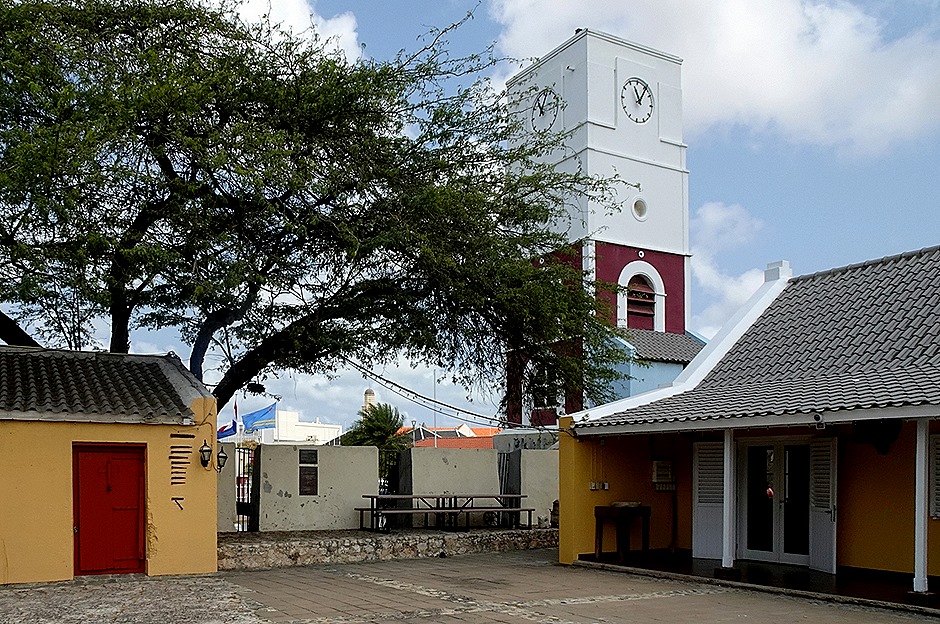
This is a beautiful tropical island, lush with palm trees and surrounded by surf.  Add in the extra interest of the ruins of the prison camp and some nice weather and you have the makings of a very nice port stop.  But there is little to do here other than explore the island on foot: no excursions, no busses, no beaches, no zip lines.  So that is what we did, just as we did on our first visit, although our routes differed a bit.
https://baderjournal.com/2012/03/07/devils-island-french-guyana/

We walked down the path to the left in the picture above.  Upon entering the forest we encountered some Capuchin monkeys and then some steep stairs to get up to the level that was the center of the prison.

12a. Devil's Island, French Guiana14a. Devil's Island, French Guiana15. Devil's Island, French Guiana16. Devil's Island, French Guiana24. Devil's Island, French Guiana18. Devil's Island, French Guiana21a. Devil's Island, French Guiana_ShiftN_stitch

On the way up the hill we spent some time in a small museum, filled mostly with explanatory displays about the history of the prison colony and the prisoners who served time here.  At the top we came upon the prison chapel, in good shape (probably restored) and perhaps currently in use.  Inside were some interesting paintings on the walls by a prisoner named LaGrange who was a counterfeiter.  Across from the church was the hospital, looking well restored at least on the outside, and nearby were some real ruins not restored at all.

26. Devil's Island, French Guiana_ShiftN35. Devil's Island, French Guiana27. Devil's Island, French Guiana28. Devil's Island, French Guiana30. Devil's Island, French Guiana_ShiftN31. Devil's Island, French Guiana32a. Devil's Island, French Guiana_stitch36a. Devil's Island, French Guiana_stitch

We visited the ruins of the main prison, where prisoners were chained to a long bar stretching the length of the room so they couldn’t even walk around their cells.

47a. Devil's Island, French Guiana_stitch46. Devil's Island, French Guiana47. Devil's Island, French Guiana62a. Devil's Island, French Guiana_stitch_ShiftN

We visited buildings with cells for prisoners in solitary confinement.  Pretty depressing looking cells, tiny and dark.  These two buildings were still pretty much intact, in much better shape than the prison walls above.

38a. Devil's Island, French Guiana_stitch59. Devil's Island, French Guiana60. Devil's Island, French Guiana_ShiftN51. Devil's Island, French Guiana61. Devil's Island, French Guiana52a. Devil's Island, French Guiana_stitch_ShiftN

We visited the much nicer area where the guards and other prison personnel lived.  We think the personnel who manage the island and the space port tracking station may live there today.  The French Space Agency (CNES) operates its launching facility in Kourou, on the mainland near these islands, and there is a tracking station on Ile Royale.  In fact, the French Space Agency is in charge of managing the islands, which are evacuated before launches.  Near these guard houses we passed the French launch tracking station.

45. Devil's Island, French Guiana_ShiftN50. Devil's Island, French Guiana42. Devil's Island, French Guiana43a. Devil's Island, French Guiana_stitch_ShiftN

We walked over to the hotel, which we have read started life as the guards’ mess when the prison was active.  Yes, you can book a room and spend your vacation on this island, but why would you want to spend your vacation at an infamous old prison?  The hotel has a restaurant and it sits on a hill with a nice vista of the sea and Devil’s island across the water.  It also has a souvenir shop, but it was pretty expensive (no competition, we guess).  There is a peacock living on the grounds, although we didn’t see it during our visit.

74. Devil's Island, French Guiana75. Devil's Island, French Guiana_ShiftN1. Devil's Island, French Guiana (Robert)_10218309841400744_5312771745109770240_n70. Devil's Island, French Guiana78. Devil's Island, French Guiana65. Devil's Island, French Guiana

66a. Devil's Island, French Guiana_stitch


We descended some steep steps behind the hotel toward the coast nearest to Devil’s Island.  Devil’s Island is only about 600 feet away from Isle Royale, but the water is very rough and infested with sharks.  This is why it was almost impossible to escape. The book & movie Papillon were presented as the memoirs of Henri Charriere, a prisoner who escaped Devil’s Island on pontoons & had many adventures.  But it turns out he actually was imprisoned on the mainland and never set foot on the islands (it is nevertheless worth reading).  Very few of the 80,000 prisoners sent here over the century of operation ever made it back to France.  A majority died on the islands and French law required prisoners to stay in French Guiana after leaving the prison for a number of years equal to their prison terms; if the term was 8 years or more they had to stay for life. And even those who were no longer prohibited from returning to France could not do so unless they could pay their own way.  To keep the sharks around prisoners who died (as most of them did eventually) were rowed out from the shore and dumped in the water.  This happened often, so the sharks stayed around.  Because taking a boat to Devil’s Island was so treacherous there was a cable car built between the islands to transport supplies.

On our way to the coast we encountered another monkey and an agouti (a rodent related to the guinea pig).

5. Devil's Island, French Guiana (Robert)_ShiftN81. Devil's Island, French Guiana82. Devil's Island, French Guiana84. Devil's Island, French Guiana3. Devil's Island, French Guiana (Robert)86. Devil's Island, French Guiana

At this point Mary & Bill decided to return to the tender pier while Rick & Robert continued the walk around the edge of the island.  There were good views of Devil’s Island and a sign warning you to be careful as this is a dangerous area (no kidding!).

Probably the most famous person imprisoned on Devil’s Island was Captain Alfred Dreyfus, framed by the French Army because he was Jewish for an act of espionage committed by another soldier in order to preserve the public image of the army.  Sentenced to life imprisonment on Devil’s Island in 1894 after conviction for treason, he was freed and his army rank restored after about five years because of a campaign of public protest led by Emile Zola, among others, and the discovery of the suppressed evidence that he was innocent.  There is a restored stone hut near the water on Devil’s Island that we think was where he was kept, but if not, this was like the one where he lived under close supervision, with no hope of liberation because he was not told of the campaign in France to free him.  We do not recall seeing this hut when we were here in 2012, so it may have been restored since then.

87. Devil's Island, French Guiana97. Devil's Island, French Guiana80. Devil's Island, French Guiana8. Devil's Island, French Guiana (Robert)6. Devil's Island, French Guiana (Robert)95. Devil's Island, French Guiana92b. Devil's Island, French Guiana_stitch

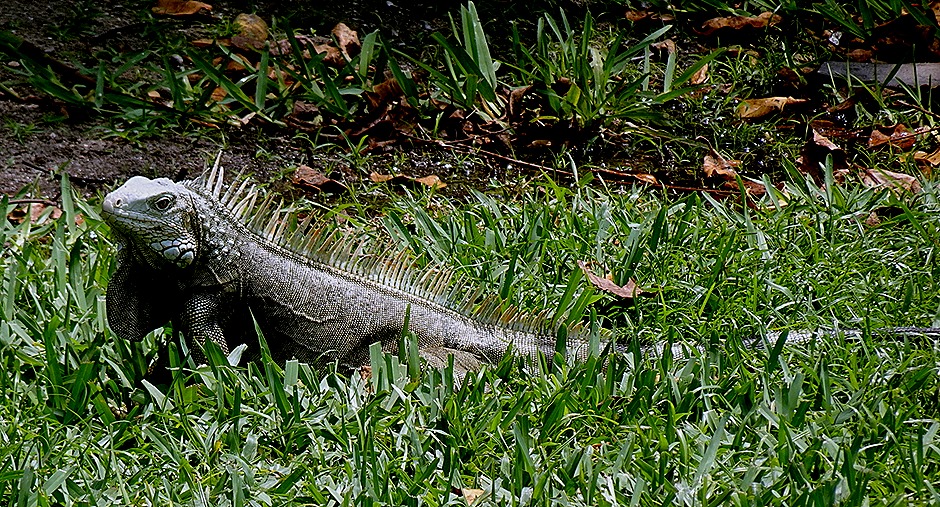
On the walk around the rest of the island to the tender dock Rick & Robert encountered a sea turtle in the water and an iguana sunning itself on a rock.  When we reached the tender pier Bill & Mary were nowhere to be found.  Rick thought we were to meet them here but Robert thought they were going straight back to the ship.  Fortunately, Robert had it right.

103. Devil's Island, French Guiana107. Devil's Island, French Guiana110. Devil's Island, French Guiana111. Devil's Island, French Guiana112. Devil's Island, French Guiana

On the ship that evening the wait staff were dressed in striped prisoner attire and one of the penguins was standing guard over some prisoners outside the dining room.  We had some fruit carvings in the Lido during the afternoon.  The next day was a sea day and we were invited (along with a number of other passengers) to dinner in the Pinnacle restaurant with the Captain.  Everyone who took the full voyage was invited to one of these soirees but as the trip was coming to an end we had not received an invitation.  Feeling a little slighted, we asked our travel agent hosts, Henk & Lucia, if they knew why.  Before long we received an invitation for March 17.  It turned out we were on the list for an earlier Captain’s dinner but the invitation was never delivered to our cabin.  This was a good example of why it is good to have a travel agent host aboard, especially one as effective as Henk & Lucia are.  Prior to the Pinnacle dinner there was a cocktail reception in the Captain’s quarters.  For reasons we won’t go into here, the Prinsendam Captain’s quarters are reputed to be the largest and most lavish in the fleet, and we won’t argue with that since the reception was held in a large room next to his living space equipped with a bar.  After this we headed into the Caribbean to visit four islands on the final leg of our journey.

114. Devil's Island, French Guiana115. Devil's Island, French Guiana116. Devil's Island, French Guiana_ShiftN119a. Devil's Island, French Guiana_stitch_ShiftN118. Devil's Island, French Guiana61. Indonesian Crew Show

Three Days at Sea (2019)

It took a couple of days to sail from Alter do Chao to our next stop, Devil’s Island.  These were “sea days” in that we spent the whole time on the ship, but most of the time we were still in the Amazon, so we guess these were really river days, rather than sea days.  On March 14 we sailed toward the mouth of the Amazon on the north side of the Ihla de Marajo, the largest river island in the world:  it is a little larger than Switzerland.  We had sailed into the Amazon along the Para river near Belem, which runs along the south of Marajo.  Marajo has a population of more than 450,000 and almost as many water buffalo as people (the police ride them on patrol).  Here is a picture of the riverbank taken that morning, but we aren’t sure any more whether it is Marajo or the opposite river bank.

1a. Neptune & Birthday at mouth of Amazon_stitch

On this day we crossed the equator for the fourth and last time on this voyage.  We crossed the line as we sailed past the city of Macapa on the north bank of the Amazon, across from the island.  This city of about 500,000 calls itself “the capital of the middle of the world” because the equator runs through it and they have built a monument on the spot where the equator passes through called “Marco Zero.”  We didn’t see the monument from the ship, but we passed the equator there anyway.

71a. Neptune & Birthday at mouth of Amazon_stitch

There is a navy tradition dating back at least 300 years of initiating sailors making their first crossing of the equator.  It’s pretty silly, but still fun.  The novices, called pollywogs, are brought before King Neptune and his spouse (Queen Neptune?), where they are charged with heinous but hilarious “crimes,” then judged by the ship’s senior officers with a thumbs up or thumbs down.  They are forced to kiss a fish then lie on a table while they are slimed with brightly colored yuck.  If the judgment is thumbs down, they are forced to jump into the pool; if the judgment is thumbs up they go and side on the side of the pool (those who get thumbs down have the advantage of having the slime rinsed off).  After surviving the ceremony the “pollywogs” become “shellbacks,” and aren’t supposed to have to do this again.  This is supposed to be done on the first crossing of the equator, but our Captain saved it until the last crossing, apparently unafraid of reprisals from an easily offended Neptune.  The passengers got to watch, rather than participate, even if this was their first crossing, and a large crowd turned out to watch the fun under a hot sun.

17a. Neptune & Birthday at mouth of Amazon_stitch8. Neptune & Birthday at mouth of Amazon7. Neptune & Birthday at mouth of Amazon12. Neptune & Birthday at mouth of Amazon11. Neptune & Birthday at mouth of Amazon

Polliwogs kneel before King Neptune while the charges are read, then must kiss the fish (while everyone chants “kiss the fish!”).

15. Neptune & Birthday at mouth of Amazon54. Neptune & Birthday at mouth of Amazon42. Neptune & Birthday at mouth of Amazon20. Neptune & Birthday at mouth of Amazon21. Neptune & Birthday at mouth of Amazon37. Neptune & Birthday at mouth of Amazon44. Neptune & Birthday at mouth of Amazon59. Neptune & Birthday at mouth of Amazon29. Neptune & Birthday at mouth of Amazon

In the early days the KIng Neptune ceremony was much rougher than today.  On Captain Cook’s 1768 voyage to the South Pacific crew members who had not crossed the equator before had to give up their wine allotment for four days or else be ducked three times into the ocean.  Joseph Banks, the ship naturalist, recorded that some came out of the ocean “grinning and exulting in their hardiness” while others “were almost suffocated”.  On the second voyage of the HMS Beagle in 1832 young Charles Darwin was one of the novices (called griffins at that time)..  The griffins were assembled on a dark and hot lower deck, then led by “four of Neptune’s constables” one at a time, blindfolded, up on deck while “buckets of water were thundered all around.”  Darwin, the first victim, was “placed on a plank, which could be easily tilted up into a large bath of water – They then lathered my face & mouth with pitch and paint, & scraped some of it off with a piece of roughened iron hoop. – a signal being given I was tilted head over heels into the water, where two men received me & ducked me . . most of the others were treated much worse, dirty mixtures being put in their mouths & rubbed on their faces” . As late as World War II US Navy ship ceremonies included beatings with wet fire hoses and poking with an electrified piece of metal.

Compared with all that today’s ceremony was pretty tame, with no injuries and a  lot of fun.  After kissing the fish the pollywogs were led to long metal tables where they had to lie down and be slimed by attendants wearing surgical attire.  On one side of the pool the slime was mostly pink and on the other blue.  The slimers were very enthusiastic in their work.

23. Neptune & Birthday at mouth of Amazon26. Neptune & Birthday at mouth of Amazon24. Neptune & Birthday at mouth of Amazon35. Neptune & Birthday at mouth of Amazon27. Neptune & Birthday at mouth of Amazon39. Neptune & Birthday at mouth of Amazon45. Neptune & Birthday at mouth of Amazon47. Neptune & Birthday at mouth of Amazon48. Neptune & Birthday at mouth of Amazon50. Neptune & Birthday at mouth of Amazon49. Neptune & Birthday at mouth of Amazon60. Neptune & Birthday at mouth of Amazon63. Neptune & Birthday at mouth of Amazon62. Neptune & Birthday at mouth of Amazon

After being slimed, those receiving thumbs down from the officers were mercifully “helped” into the pool, while those who received thumbs up had to sit on the side & bake in the sun fully slimed.

31. Neptune & Birthday at mouth of Amazon32. Neptune & Birthday at mouth of Amazon51. Neptune & Birthday at mouth of Amazon33. Neptune & Birthday at mouth of Amazon55. Neptune & Birthday at mouth of Amazon

As we neared the end they were running out of pollywogs faster than slime, so some people received entire tubfulls.

61. Neptune & Birthday at mouth of Amazon66. Neptune & Birthday at mouth of Amazon67. Neptune & Birthday at mouth of Amazon

King Neptune read a final proclamation and he and his consort walked out, signaling the end of the ceremony.  As you can imagine, the pool was closed for hours for cleaning and restoration.  Everybody received a certificate signed by the Captain and “Neptune Rex” that we had crossed the equator (the certificate inexplicably left out our first crossing in Ecuador).

34. Neptune & Birthday at mouth of Amazon68. Neptune & Birthday at mouth of AmazonEquator crossing certificate -001

March 15 was Mary’s birthday.   When you have a birthday on a HAL ship a small birthday cake is provided after dinner and the waiters and other dining room staff gather around your table and sing the Indonesian birthday song.  This is done with great enthusiasm, including beating on the bottom of pots with wooden spoons.  With only 365 days in a year and almost three times that many passengers, this can be heard just about every night and often twice.  Mary’s birthday was no exception, although an added touch was that this was a gala night so everyone was dressed up.  We had the cake sliced nine ways so there would be some for our waiters too.

82. Neptune & Birthday at mouth of Amazon83. Neptune & Birthday at mouth of Amazon_ShiftN84. Neptune & Birthday at mouth of Amazon85. Neptune & Birthday at mouth of Amazon87. Neptune & Birthday at mouth of Amazon89. Neptune & Birthday at mouth of Amazon88. Neptune & Birthday at mouth of Amazonimage91. Neptune & Birthday at mouth of Amazon

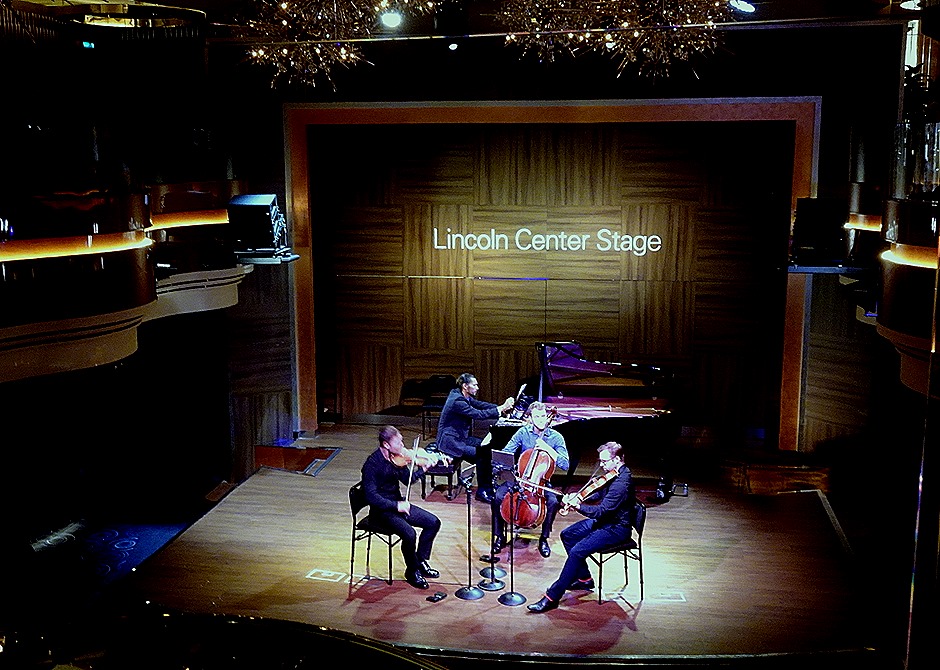
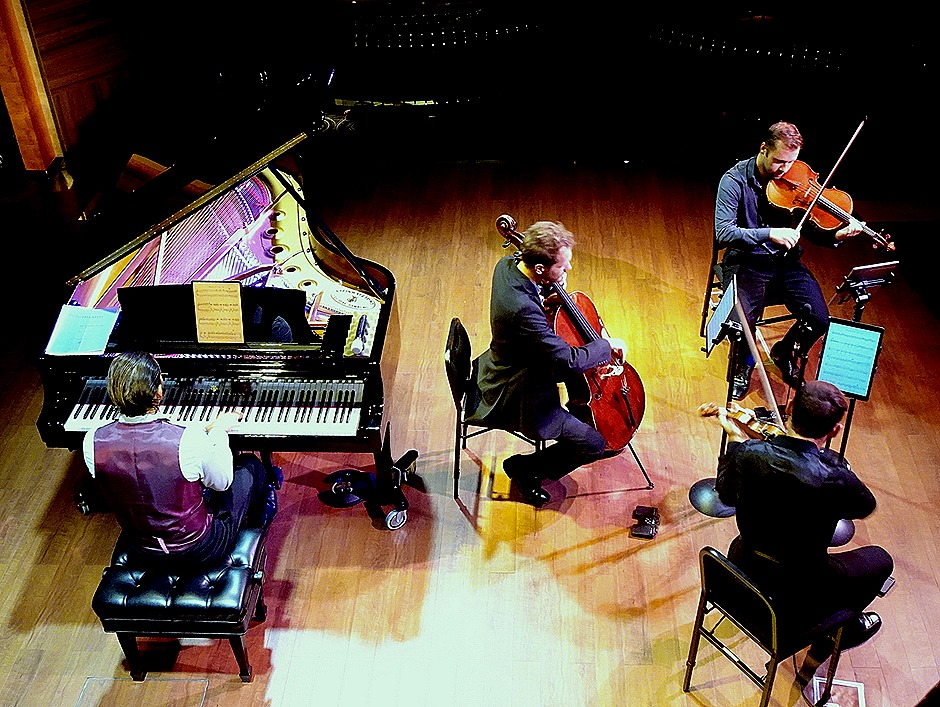
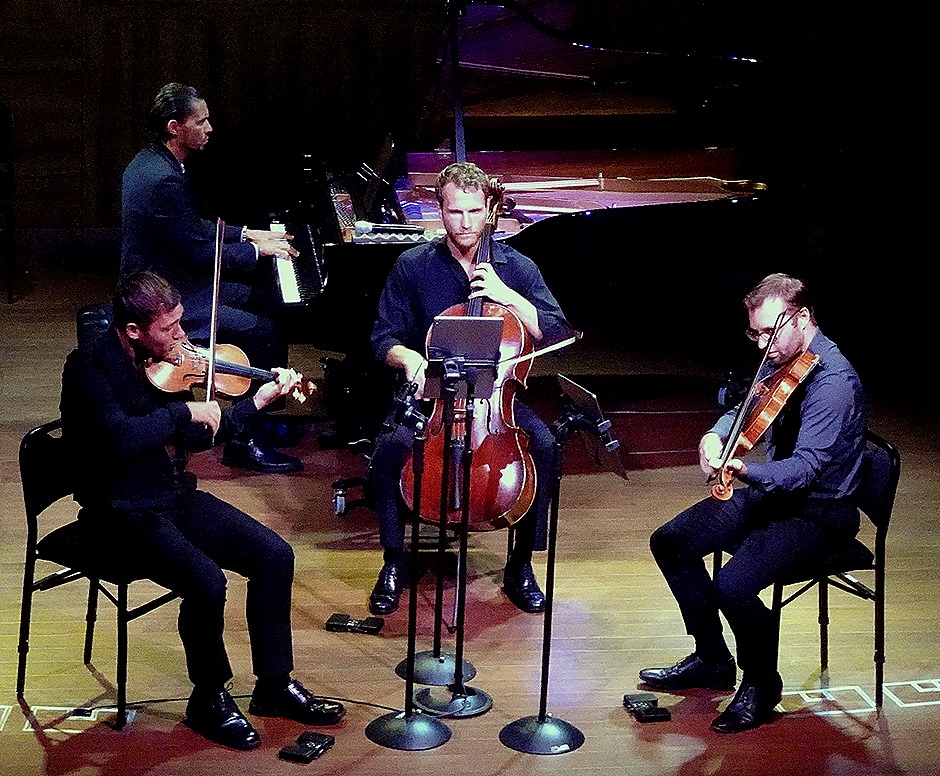
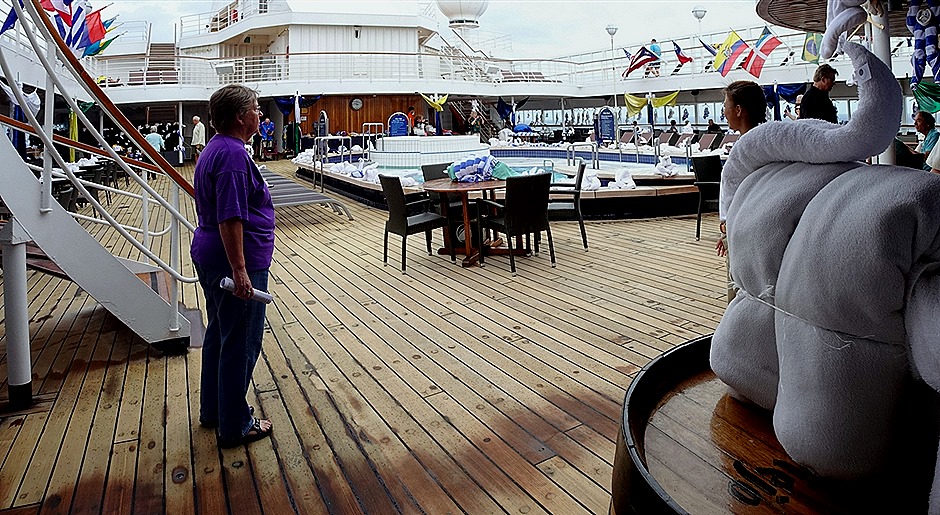
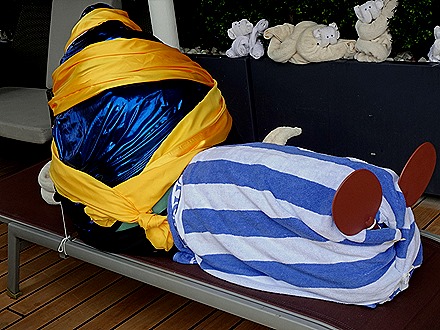
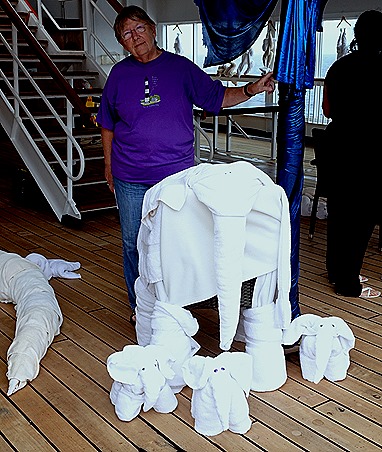
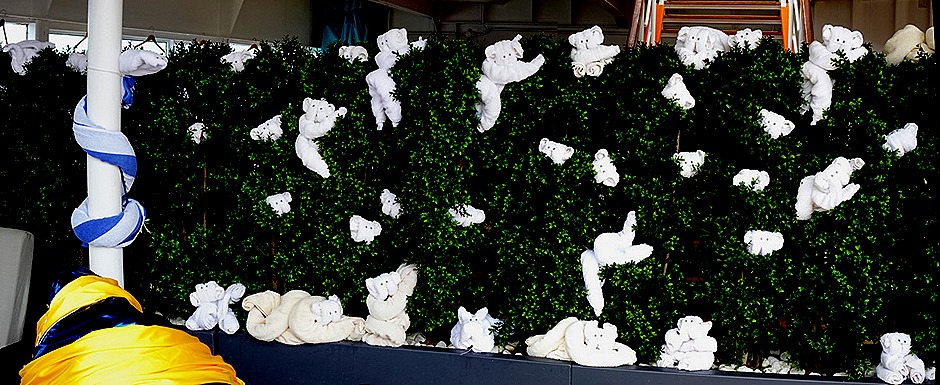
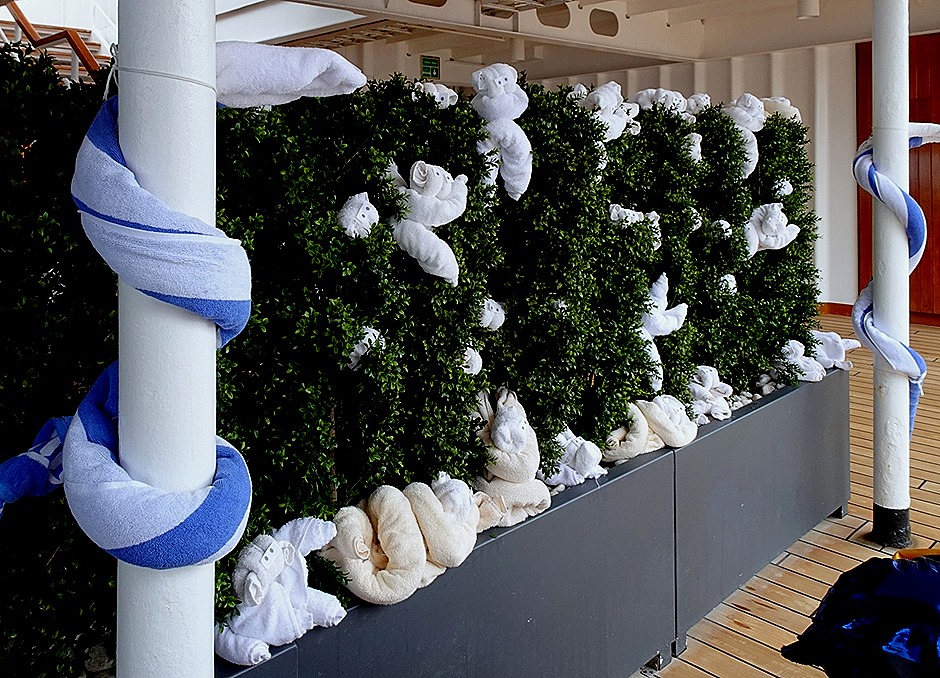
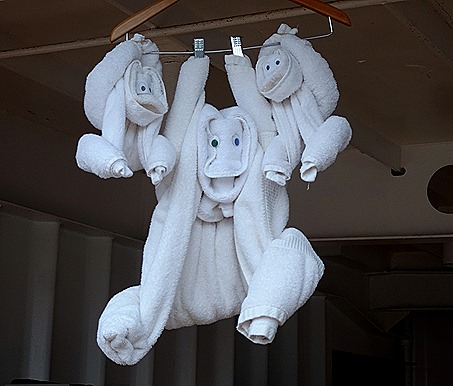
Before dinner we listened to some lovely chamber music by George & Agnes (Adagio) in the Explorers’ Lounge and we ended that night with a difficult to identify towel animal.  During the afternoon in the Lido the food artist was active.

76. Neptune & Birthday at mouth of Amazon77. Neptune & Birthday at mouth of Amazon

79. Neptune & Birthday at mouth of Amazon80a. Neptune & Birthday at mouth of Amazon_stitch

We are going to cheat a little here in the name of efficiency.  The Indonesian Crew Show was presented on March 20, five days later and after several interim stops, but we are going to include it here because it was a sea day and because presenting it out of order will save posting an additional episode.  We had seen the Filipino Crew Show much earlier in the voyage, https://baderjournal.com/2019/03/06/antofagasta-chile-2019, while we were in Chile.  The Indonesian crew had a band and a singer who, if we remember correctly, doubled as Master of Ceremonies.

1. Indonesian Crew Show5. Indonesian Crew Show

There was a performance we have seen before in which the participants wear white gloves and kneel down in a row on some cushions.  Then they do synchronized movements to the music.  First every other one does a movement with hands up while the other half do one with hands on the floor, then they reverse.  Perhaps the pictures will explain it better.

7. Indonesian Crew Show16. Indonesian Crew Show12. Indonesian Crew Show19. Indonesian Crew Show22. Indonesian Crew Show23. Indonesian Crew Show24. Indonesian Crew Show25. Indonesian Crew Show26. Indonesian Crew Show

The solo singer who opened the show came back for a number or two with the band.  He was quite a showman.

32. Indonesian Crew Show33. Indonesian Crew Show34. Indonesian Crew Show36. Indonesian Crew Show37. Indonesian Crew Show38. Indonesian Crew Show41. Indonesian Crew Show40. Indonesian Crew Show

The last performance involved most of the Indonesians on stage along with several people from the audience.  Each had a wooden contraption that emitted one note when shaken.  Some kind of musical notation was on a plaque that was mounted on a stand in front of them, which indicated when each note was to be played.  Songs were played by people shaking their instruments in turn.  The passengers then left the stage and the Indonesian performers all took their final bows.

45a. Indonesian Crew Show_stitch51. Indonesian Crew Show53. Indonesian Crew Show54. Indonesian Crew Show58a. Indonesian Crew Show_stitch

Alter do Chão, Brazil (2019)

We were on the second tender to Alter do Chao on the morning of March 13.  Founded by the Portuguese in 1626, Alter do Chao is on the Tapajos river about 10 miles from Santarem.  It is a beach community with what is reputed to be one of the world’s best freshwater beaches, although when the Amazon is at high water those beaches disappear.  We were joining another Gil Serique excursion, and it was a pretty long one, so we wanted to be sure we weren’t the last ones there.  It turned out there was hardly anyone else on our tender and we had to wait quite a while in a nearly deserted town square at the end of the tender dock before the tour was ready to depart.  The town square was surrounded by vendor kiosks that were starting to open when we arrived.

223a. Alter do Chao, Brazil_stitch2. Alter do Chao, Brazil1. Alter do Chao, Brazil_ShiftN

When everyone finally arrived we left in two small buses for the Tapajos National Forest.  Unfortunately Gil had another group stopping in Santarem today so he didn’t accompany us, but his compatriots did a fine job organizing the tour and explaining everything.  After a fairly long drive to the forest we stopped in what looked like a picnic area then began a lengthy walk in the forest.  We saw many pretty flowers and a lot of very tall trees on this walk.  We were given explanations about a number of these trees, but sadly we can’t remember most of them any more.

5a. Alter do Chao, Brazil_stitch10. Alter do Chao, Brazil11. Alter do Chao, Brazil8. Alter do Chao, Brazil13. Alter do Chao, Brazil14. Alter do Chao, Brazil17. Alter do Chao, Brazil

We walked through the woods, stopping at a giant ant or termite nest hanging from a tree.  We passed what we think is a mahogany tree and some other trees we can’t identify.

101. Alter do Chao, Brazil56a. Alter do Chao, Brazil_stitch19a. Alter do Chao, Brazil_stitch18. Alter do Chao, Brazil21. Alter do Chao, Brazil31b. Alter do Chao, Brazil_stitch31. Alter do Chao, Brazil35. Alter do Chao, Brazil43. Alter do Chao, Brazil45a. Alter do Chao, Brazil_stitch

Large, thick vines were climbing up trees and sometimes wrapping around themselves to get through open spaces.  Some of them climb all the way to the canopy where they can get more light.  As they spread out to other trees they also help tie the treetops together, helping to keep them from falling.  We passed one big tree that had fallen.  Other trees had what looked like long vines hanging from the tree tops all the way to the ground, but we think these were generated by older vines that had climbed up their trunks.  These latter vines are quite strong; they held the weight of one of our guides swinging on them.

23. Alter do Chao, Brazil25. Alter do Chao, Brazil29. Alter do Chao, Brazil64. Alter do Chao, Brazil63. Alter do Chao, Brazil58a. Alter do Chao, Brazil_stitch65. Alter do Chao, Brazil66. Alter do Chao, Brazil67. Alter do Chao, Brazil68. Alter do Chao, Brazil69. Alter do Chao, Brazil73. Alter do Chao, Brazil75. Alter do Chao, Brazil81. Alter do Chao, Brazil80. Alter do Chao, Brazil76. Alter do Chao, Brazil93. Alter do Chao, Brazil92. Alter do Chao, Brazil94. Alter do Chao, Brazil49. Alter do Chao, Brazil87. Alter do Chao, Brazil

We returned to the picnic site, where the guides cracked and roasted some Brazil nuts over an open fire.  We had some snacks at the picnic table, and someone found a turtle (tortoise?) who walked along the table.

112. Alter do Chao, Brazil_ShiftN142. Alter do Chao, Brazil145. Alter do Chao, Brazil106. Alter do Chao, Brazil107. Alter do Chao, Brazil110. Alter do Chao, Brazil137. Alter do Chao, Brazil

103a. Alter do Chao, Brazil_stitch

After we ate & the rain stopped we went for another walk.  This time we saw rubber trees, with the characteristic striped scars caused by tapping.  They grow tall . . . if you have one (ficus) in your living room, keep an eye on it. We also visited a huge Kapoc tree, whose root structure spreading at the base of the tree was much larger than a person.

123a. Alter do Chao, Brazil_stitch118a. Alter do Chao, Brazil_stitch117. Alter do Chao, Brazil130. Alter do Chao, Brazil116. Alter do Chao, Brazil121. Alter do Chao, Brazil162. Alter do Chao, Brazil161. Alter do Chao, Brazil132a. Alter do Chao, Brazil_stitch   99. Alter do Chao, Brazil243a. Alter do Chao, Brazil (Mary)244. Alter do Chao, Brazil (Mary)135. Alter do Chao, Brazil245. Alter do Chao, Brazil (Mary)

We left the woods in our bus and on the way we encountered a porcupine in the middle of the road.  He didn’t seem to be going anywhere so we all got out of the bus to take a better look.  He was a handsome fellow.

150. Alter do Chao, Brazil149. Alter do Chao, Brazil151. Alter do Chao, Brazil

Even with all these people milling around looking at him the porcupine didn’t leave.  This seemed odd until we got a look at his other side.  There was a large wound just above his hip, which was probably making him weak and lethargic.  Eventually he walked slowly away toward the woods, but with no chance of medical care he probably didn’t live much longer.

155. Alter do Chao, Brazil156. Alter do Chao, Brazil159. Alter do Chao, Brazil

At the entry station for the national park we had to stop for some paperwork.  While we were stopped one of the guides found a really large beetle (it looked a little like one of the aliens in the movie Men In Black).  We have seen some large bugs on the ship while in the river, mostly moths, although on our first visit here in 2012 there were some much bigger ones.  But this guy gets the award for Best in Show.

164. Alter do Chao, Brazil246. Alter do Chao, Brazil (Mary)78. Neptune & Birthday at mouth of Amazon1. Boca de Valeria, Brazil3. Boca de Valeria, Brazil

If you have been following this blog you know that rubber trees are native to the Amazon area and to nowhere else in the world.  Europeans made great fortunes here from rubber, tapped from trees isolated throughout the forest by indigenous people who were effectively enslaved.  But in 1876 Henry Wickham gathered and exported some 70,000 seeds to England under false pretenses (Gil Serique’s grandfather assisted him).  The seeds were planted in Kew Gardens in London and about 2700 sprouted into trees, which the British sent mostly to Asia to establish their own rubber tree plantations.  They far out-produced the Amazon, which still relied upon tapping isolated trees in the woods, and by the 1920’s the British had a virtual monopoly on the world’s rubber supply.

Henry Ford did not like paying the monopoly prices for the rubber he needed for car valves and gaskets so he decided to start his own rubber plantation in the Amazon.  He obtained a very large tract of land on the Tapajos River about 190 miles from Santarem and proceeded to erect a plantation town there in 1928.  The enterprise was a failure from the start, since Ford wanted a town modeled on the American midwest and required the workers there to eat the kind of food he favored and forgo everything he though was a vice.  But the workers were Brazilians rather than Americans, who refused to conform to Ford’s vision.  Moreover the rubber trees planted in tight rows like an American orchard fell victim to native blight and pests that did not exist in Asia; the trees isolated from each other in the forest did not have this problem.  The town was closed down in 1934 without ever having sent a drop of rubber to America.   An excellent book about this enterprise was published a few years ago called Fordlandia: The Rise and Fall of Henry Ford’s Forgotten Jungle City, by Greg Grandin (Gil was his guide to the area).

Ford tried again at a spot only 25 miles from Santarem, where the river transport was easier, the land was more level and the soil was very rich.  He built another midwestern style town called Belterra, where he tried to accommodate local culture and customs more effectively.  This new plantation was able to defeat the blight using more varied cultivars of rubber trees, but doing so was labor intensive and expensive.  Although some small groves of rubber trees were established here, World War II diverted the Ford company’s attention to supplying the military and by the end of the war synthetic rubber was available, with which Belterra couldn’t compete.  The Ford company sold both locations to the Brazilian government in 1945 for a fraction of what they had cost.

Fordlandia is much too far up the river to visit on a day trip, but we did visit Belterra after leaving the Tapajos national forest.  The bus carried us over narrow unpaved roads to what is still a small midwestern style town filled with green and white painted bungalows surrounded by picket fences and gardens.  We got out of the bus and walked down one of the main streets.

166a. Alter do Chao, Brazil_stitch168. Alter do Chao, Brazil171. Alter do Chao, Brazil172. Alter do Chao, Brazil180. Alter do Chao, Brazil174. Alter do Chao, Brazil179. Alter do Chao, Brazil176. Alter do Chao, Brazil181a. Alter do Chao, Brazil_stitch_ShiftN

You can see that these buildings look nothing like the typical architecture of Brazil that we have seen before.  In fact, Henry Ford never visited Brazil and these houses were designed by an American to look like the architecture with which he grew up in small town America.  Each house is different, yet they are all of a single style and present a very homogenous appearance.  It’s actually a little eerie coming upon this neat midwestern town so out of place sitting in the Amazon rainforest, almost like something from a Ray Bradbury story or a Twilight Zone episode. Although Ford’s enterprise here failed this is still a living town with a population between 1,000 and 2,000.  Walking down the street we passed the town hall and a lot of rubber trees.

177a. Alter do Chao, Brazil_stitch185. Alter do Chao, Brazil173. Alter do Chao, Brazil186a. Alter do Chao, Brazil_stitch184. Alter do Chao, Brazil_ShiftN199. Alter do Chao, Brazil195a. Alter do Chao, Brazil_stitch_ShiftN

Leaving Belterra we drove on very bumpy unpaved roads back to Alter do Chao.  Construction equipment was scattered along the road and we were told that they are in the process of paving it, which will be a big improvement.  Gil’s house is by the water about a 15 minute walk from the tender pier.  Unfortunately, since Gil was out guiding another group, he wasn’t there with us.

201b. Alter do Chao, Brazil_stitch_ShiftN220. Alter do Chao, Brazil_ShiftN212. Alter do Chao, Brazil_ShiftN221. Alter do Chao, Brazil222. Alter do Chao, Brazil

A few things to eat were set out on a table in the patio nearest the water, and a number of attractive flowers were planted on the grounds.

211. Alter do Chao, Brazil218. Alter do Chao, Brazil229. Alter do Chao, Brazil232. Alter do Chao, Brazil

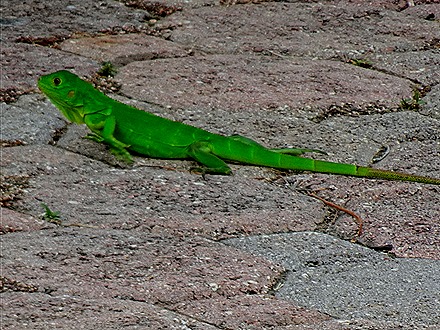
Most interesting, however, was the wildlife.  There was an iguana, a white butterfly and a colony of leaf cutter ants, hard at work.  Another interesting item was a bullet hole in a table on the covered patio.  According to Gil, this was a door in his uncle’s house and the bullet was fired when the police came to arrest him.

208. Alter do Chao, Brazil207. Alter do Chao, Brazil214. Alter do Chao, Brazil206. Alter do Chao, Brazil249. Alter do Chao, Brazil (Mary)216. Alter do Chao, Brazil225a. Alter do Chao, Brazil_stitch226. Alter do Chao, Brazil227. Alter do Chao, Brazil

After leaving Gil’s house we wandered through the town.  It has a pretty laid back beach town vibe, with mostly unpaved streets and few if any sidewalks.  We passed the local church, Our Lady of Good Health, on our way to find a shop we had been told about which has a fantastic array of Amazonian wares.  We walked back to the tender dock, where Mary phoned home before we tendered back to the ship.

231. Alter do Chao, Brazil_ShiftN237. Alter do Chao, Brazil236. Alter do Chao, Brazil234. Alter do Chao, Brazil

And so ended our last stop in the Amazon, altogether an excellent adventure to be sure.  We headed out into the Tapajos River on our way to the Amazon and then to the Atlantic.

250a. Alter do Chao, Brazil (RX10)_stitch