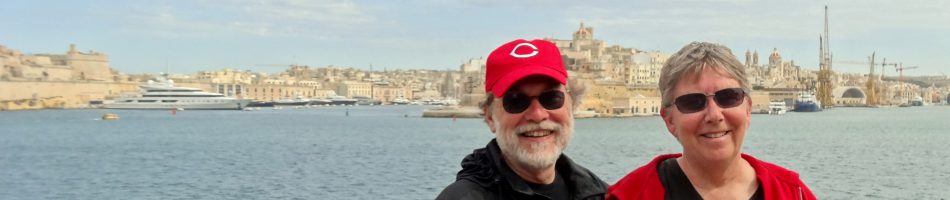
Kiriwina Island, Trobriand Islands, Papua New Guinea 2026
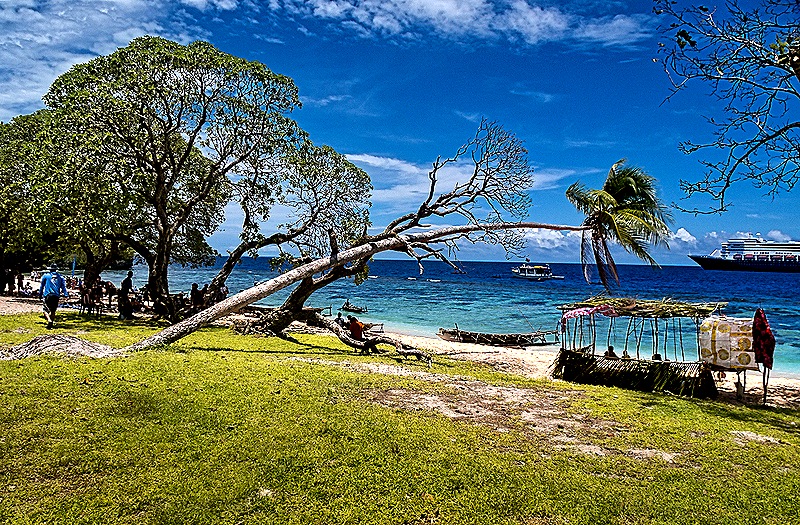
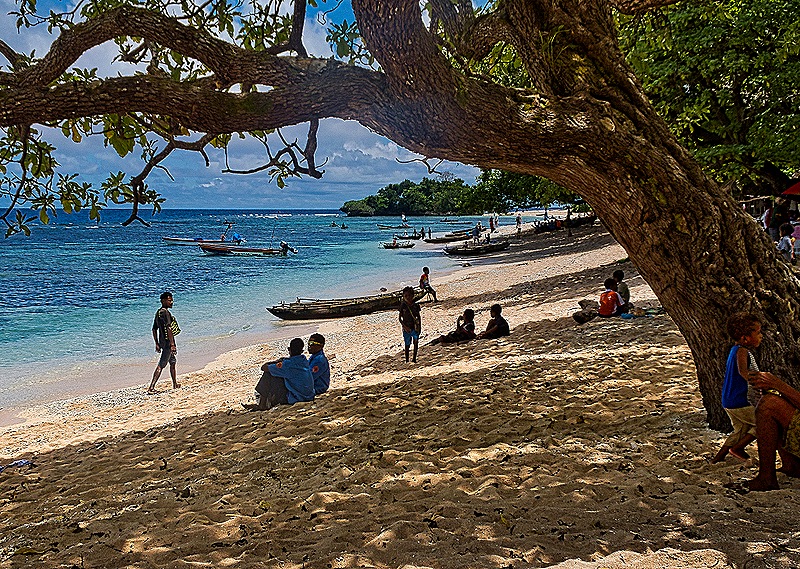
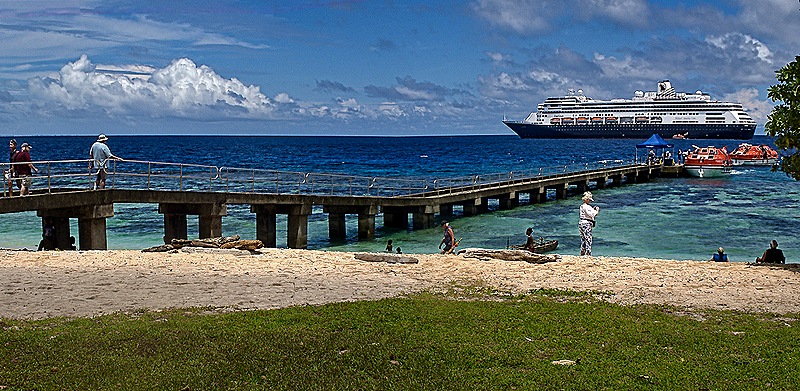
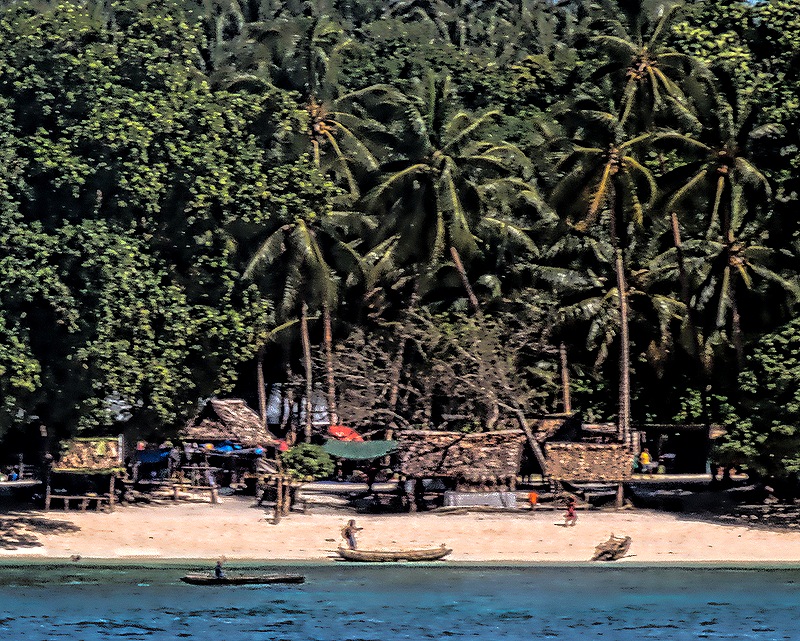
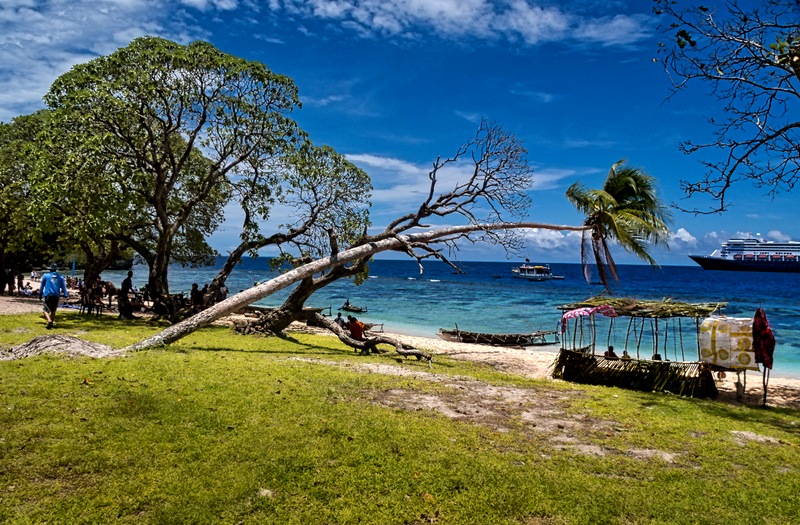
February 6 found us anchored within sight of beautiful Kaibola Beach on Kiriwina Island. It has a small pier for tender boats but beyond that it is mostly white sand, very clear water and dense forest. No town was in sight and no tours or excursions of any kind were on offer. Notably, an Australian couple who had lived here for several years were among the lecturers on board but for some reason HAL did not have them do a presentation about this island. We had breakfast with them in the morning before our visit and they were as puzzled about that as we were. So without much information or assistance from the cruise line it was a matter of tendering in, then seeing what there was to see.
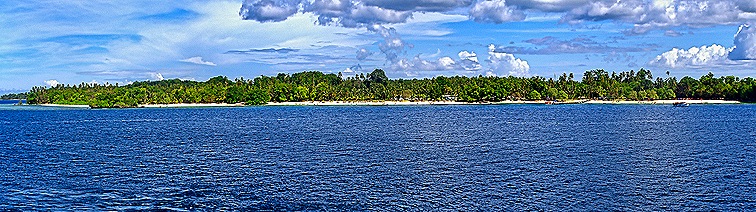
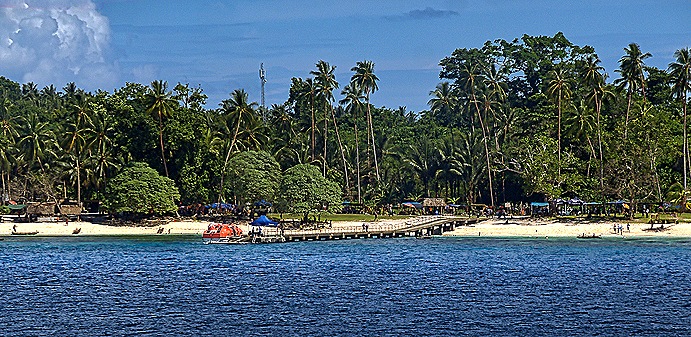
Kiriwina is the largest of the Trobriand Islands, an archipelago that is within the Milne Bay Province of New Guinea, the capital of which is Alotau which we visited yesterday. Most of the 60,000 or so people (estimates vary widely) living on the Trobriand Islands are on Kiriwina. The first European visit to the Trobriands was in 1793, when the islands were named after an officer on that French ship. The first European settled here in 1894 and before World War I the Australians had established a government facility. The Trobriands became much better known to the outside world during the 1920’s through the publications of anthropologist Bronislaw Malinowski, who lived here and studied the unusual culture during World War I.
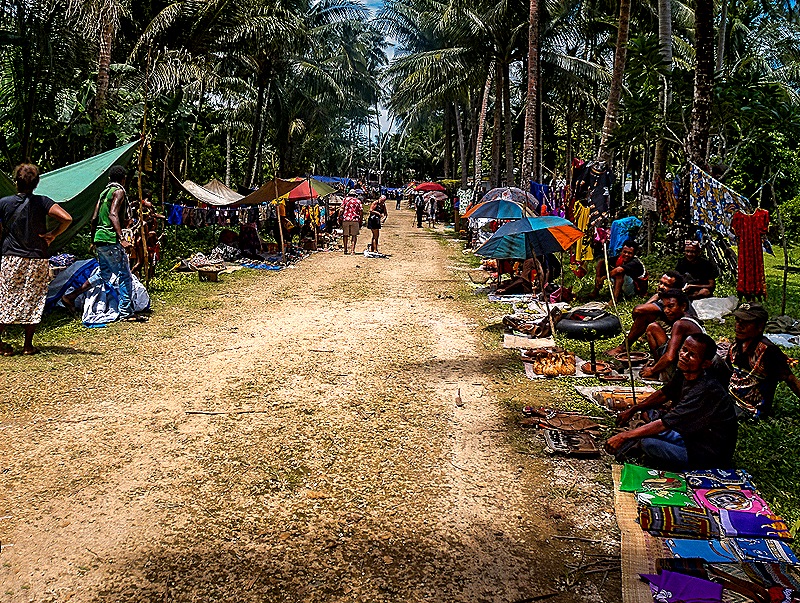
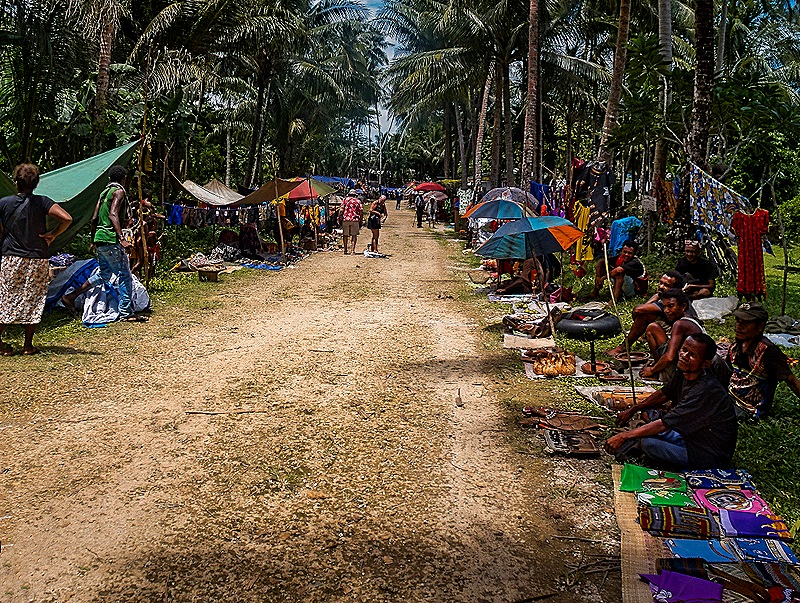
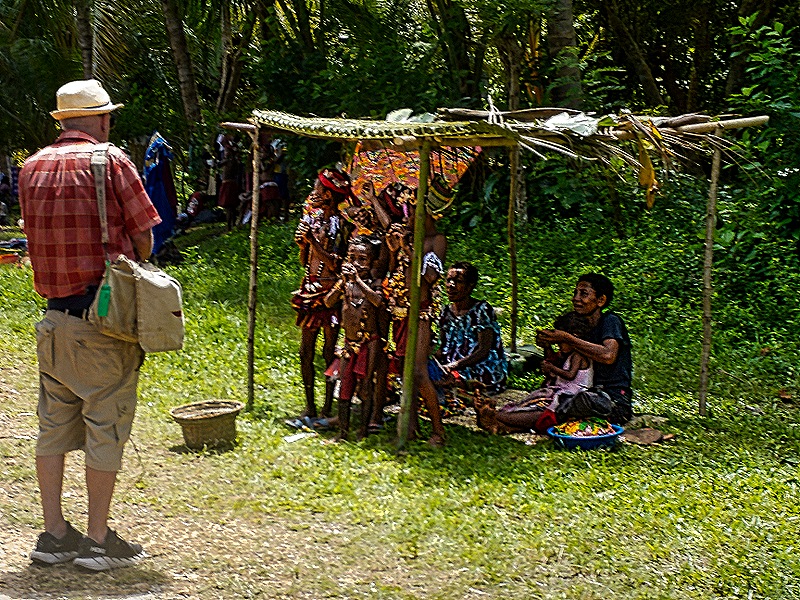
We tendered to the island in mid-morning. The word clearly was out among the islanders that a cruise ship would be there because the dirt roads in the area were lined with hundreds of vendors displaying their wares (mostly wood carvings and clothing), usually on a mat or blanket on the ground. Some had children dressed in traditional attire who posed for photographs. Other children were jumping off the tender pier as we walked past them. The Trobriands are known for elaborate wood carving and there were many examples on display but most of the designs were similar from vendor to vendor so it was difficult for a visitor (or at least these visitors) to tell which were authentic items made by islanders and which (if any) were imported from elsewhere (most likely China). The items we liked best were too big to take home on a plane from San Diego and we did not have any local currency, which is strongly preferred, so we ended up looking but not buying. We have read that some visitors have found vendors here to be aggressive but we did not. We understand that many of the local people one meets here on cruise ship days come from neighboring villages and even neighboring islands.
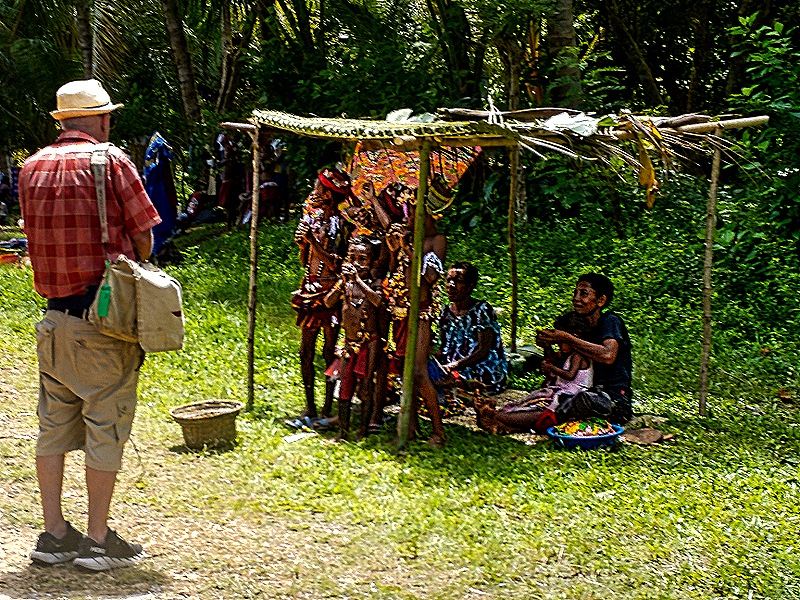
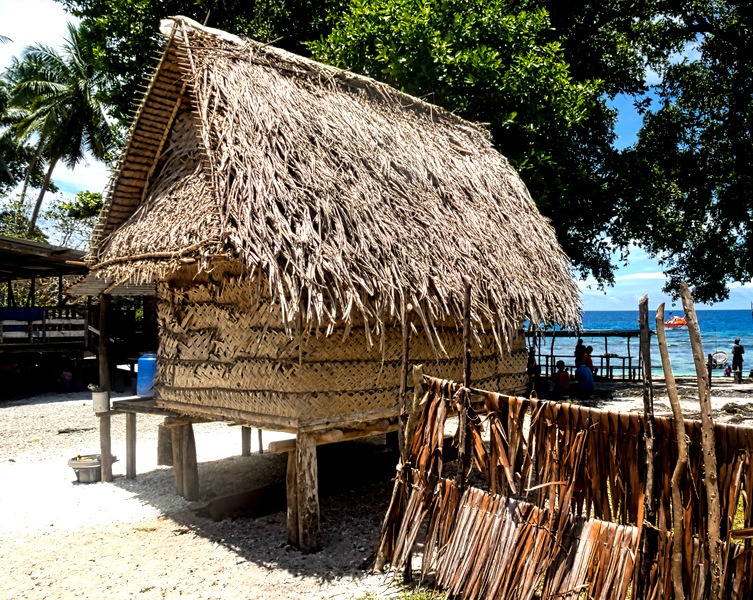
We walked through a thatched hut village not far from the pier. It looked real enough and probably was representative of how many people on this island live. But we didn’t see anybody acting like they lived there, so it could be a demonstration village rather than a living one. If so, it was still interesting.
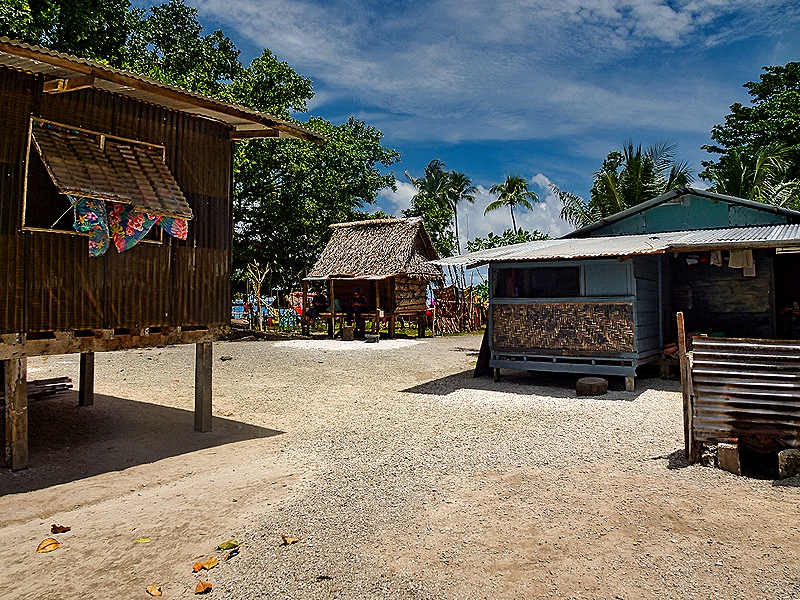
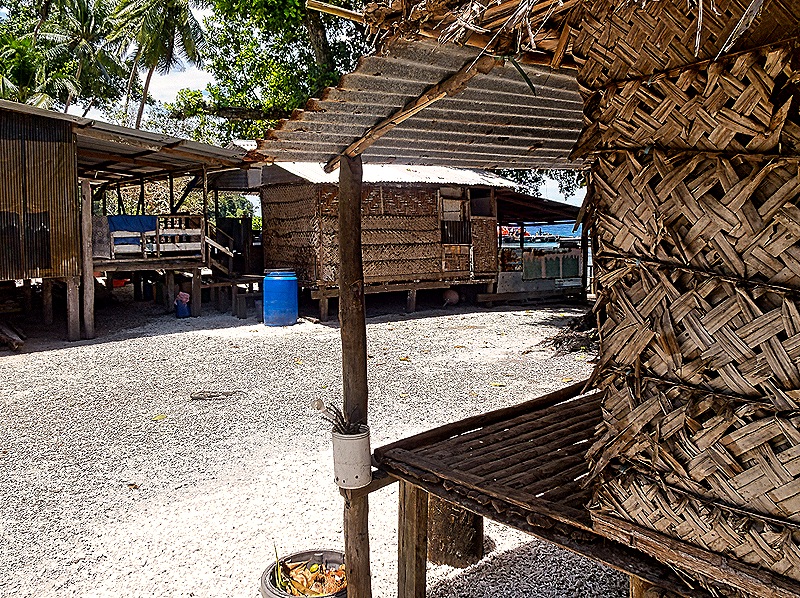
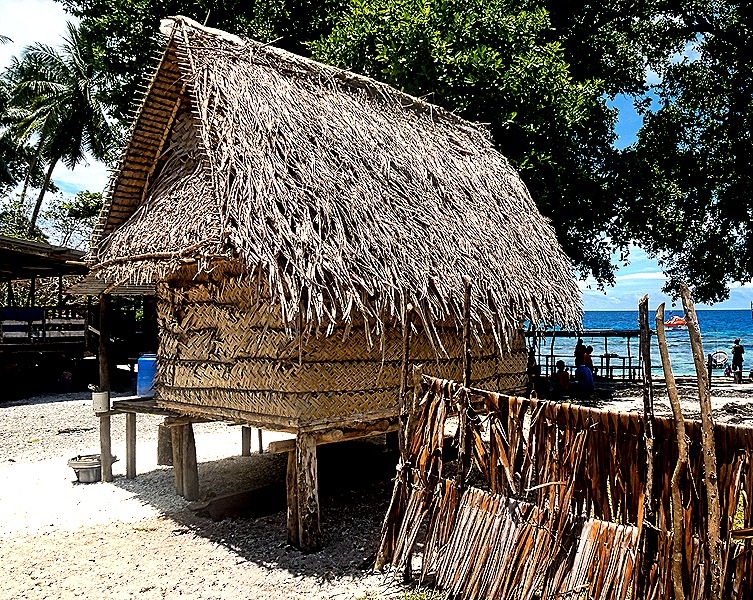
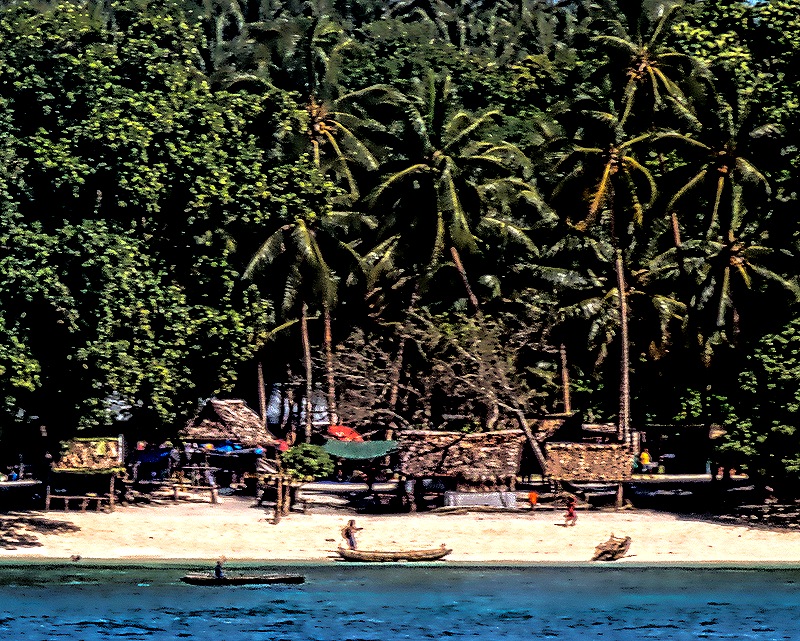
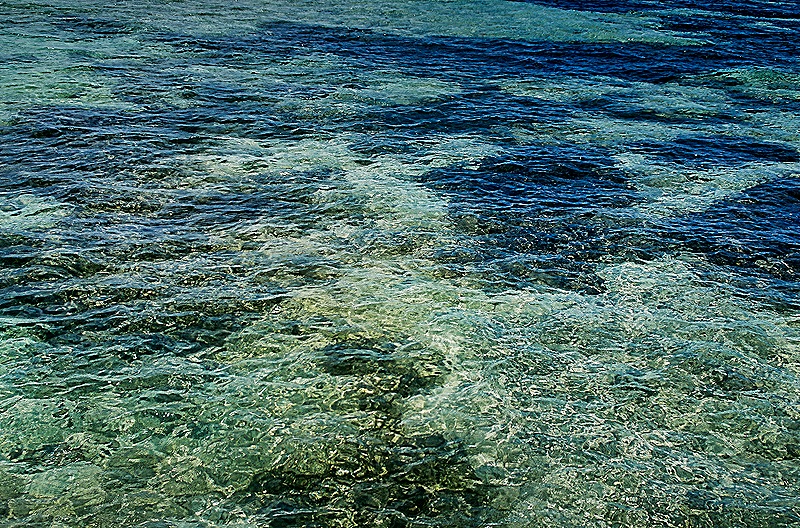
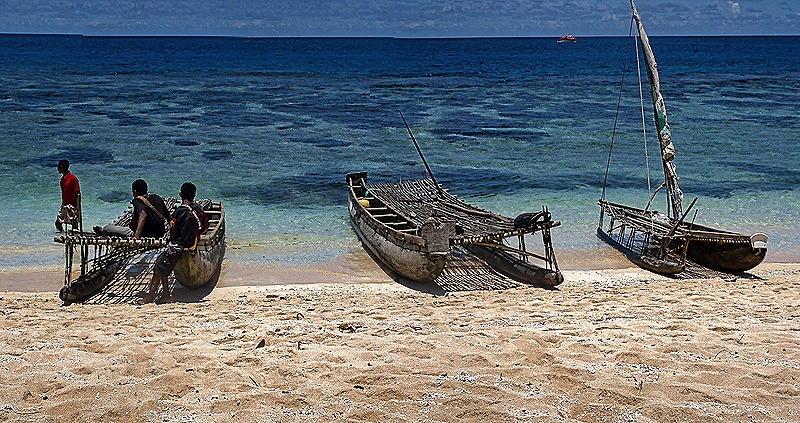
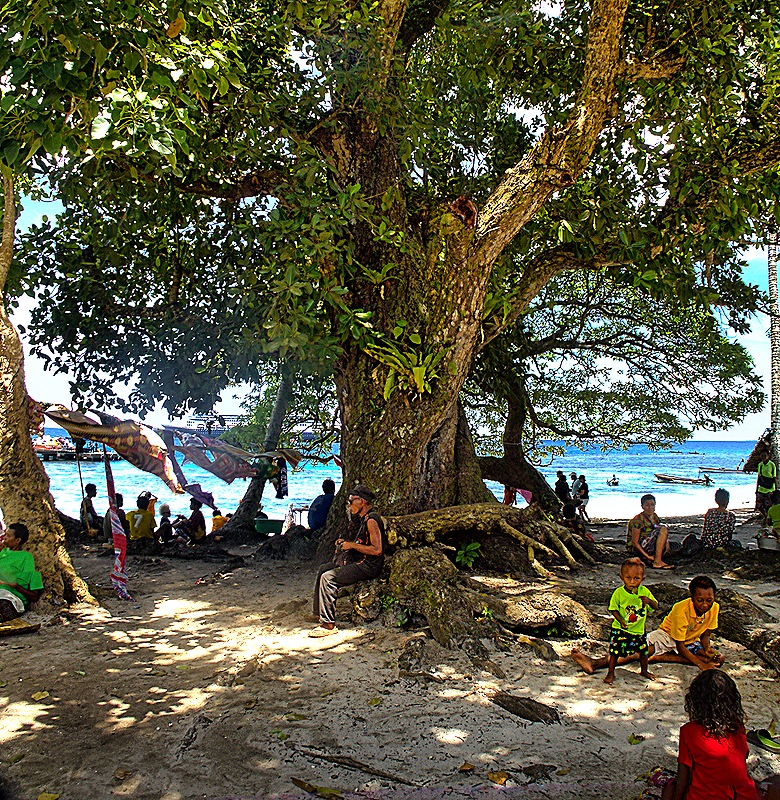
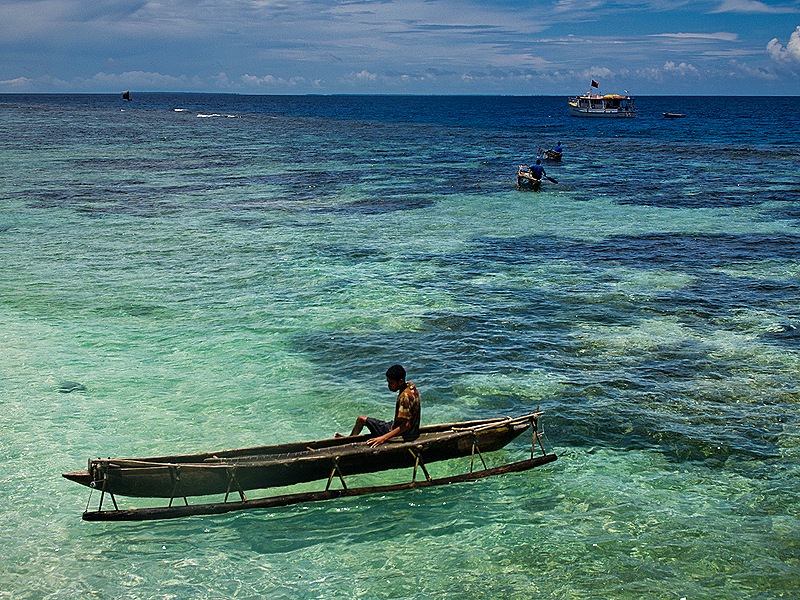
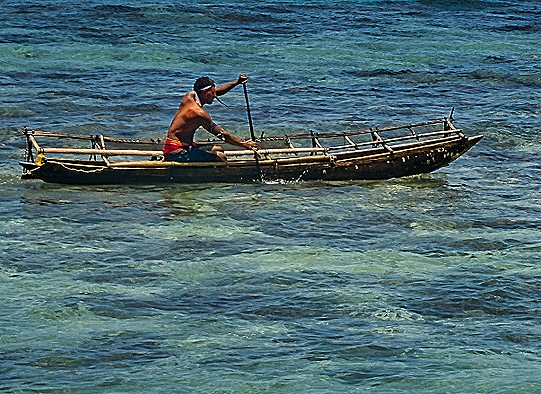
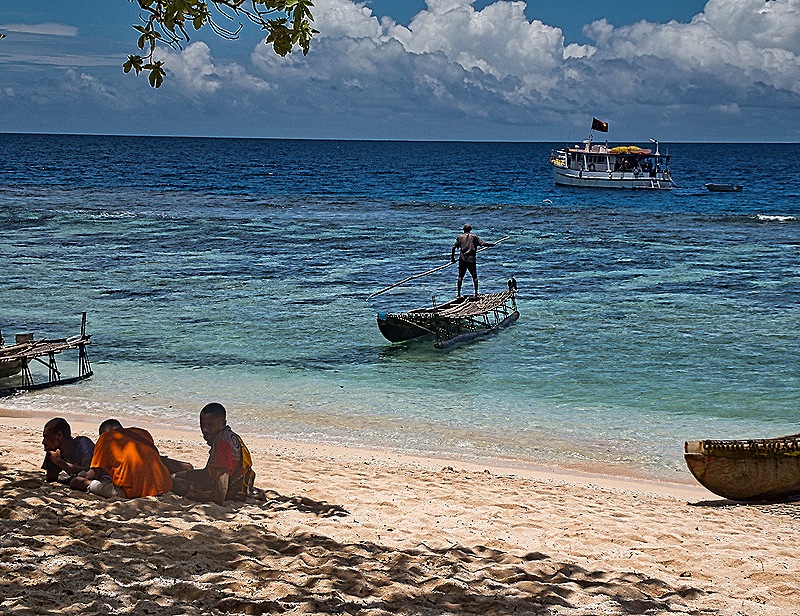
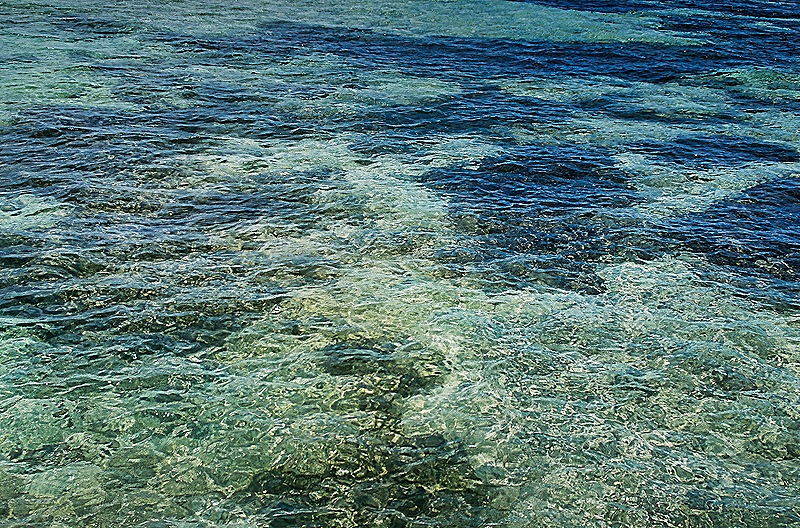
The main attraction here, however, was undoubtedly the beach. The ocean water was extremely clear and the bottom was always clearly visible. There were a number of young men with boats on or near the shore who were probably there in the hope of finding a paying passenger to take out on the water or perhaps to a village in the area. It looked enticing but kind of uncertain and again, we had no local currency anyway. Many trees were growing right by the beach, which was a great respite from the very hot sun.
After two or three hours we were done in by the heat and humidity so we walked back to the tender pier and returned to the Zaandam. As this was our last island visit in the first part of this voyage we sailed away this evening toward Australia.


Leave a comment